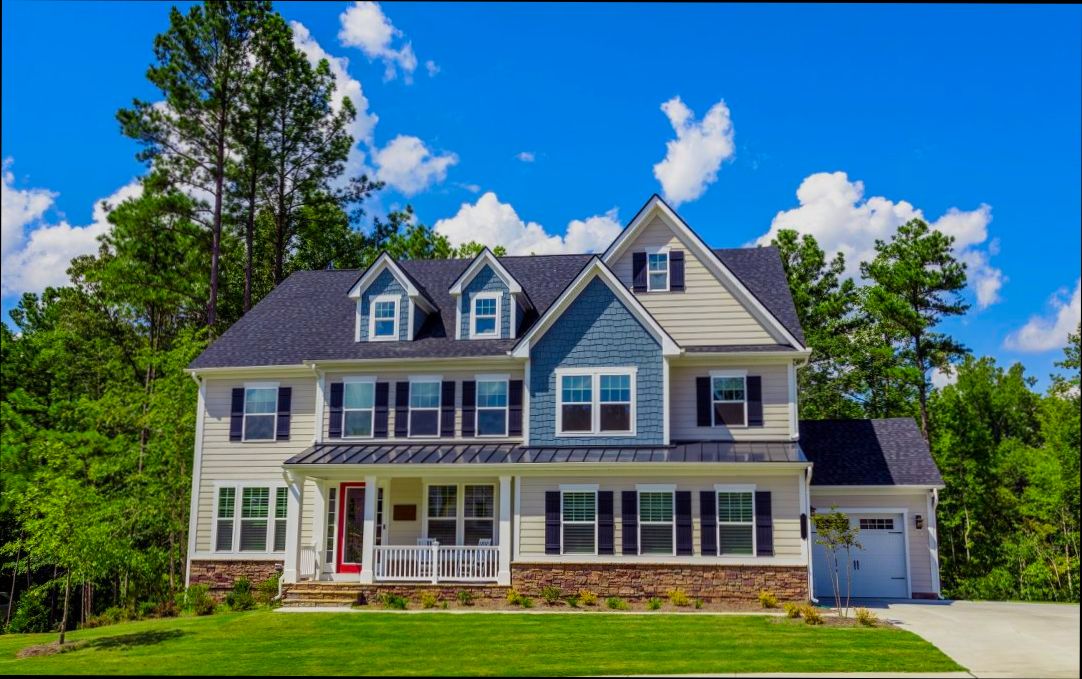
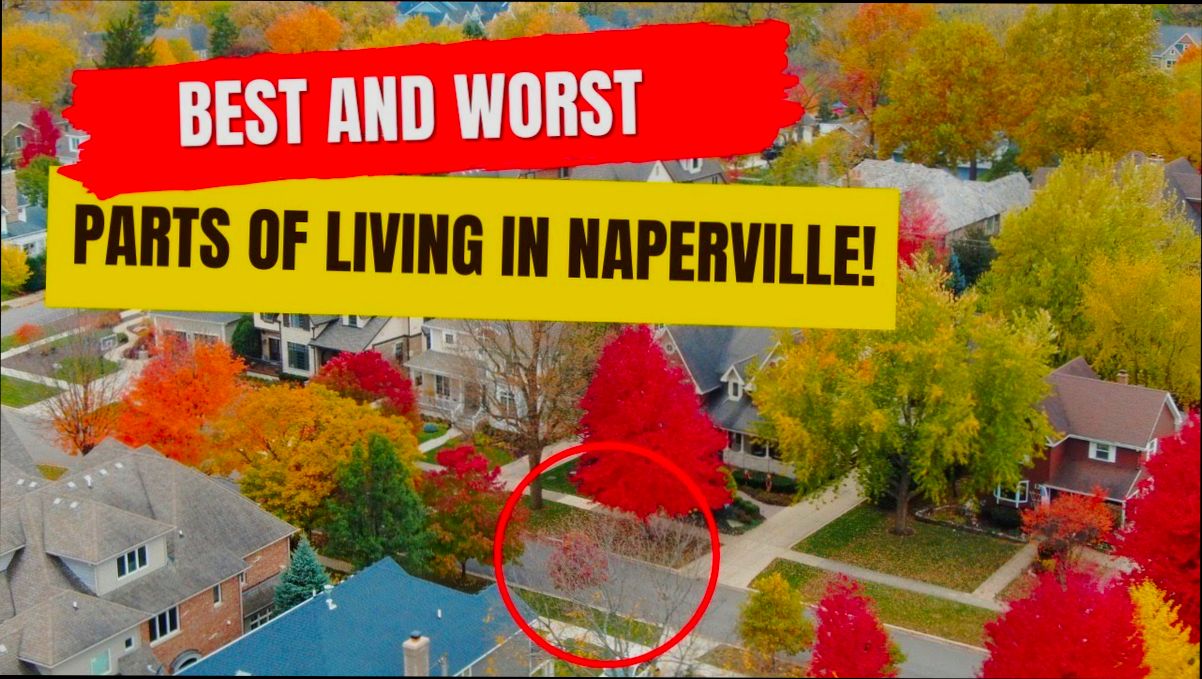
Pros and Cons of Living in Naperville, IL can really paint a vivid picture of what life is like in this charming suburb. On the plus side, the vibrant downtown area boasts over 100 shops and restaurants, making it a favorite for foodies and shoppers alike. Did you know the city often ranks among the top places to live in the U.S.? With a low crime rate and an excellent school system, including the highly-rated Naperville Central High School, families find a welcoming community here. In 2020, Money Magazine even named Naperville one of the “Best Places to Live,” which speaks volumes about its appeal.
Conversely, living in Naperville isn’t without its quirks. The cost of living can be steep, especially when you consider that the median home price hovers around $400,000. Traffic can get pretty intense, particularly during rush hour, making your commute to nearby Chicago a test of patience. While the suburban lifestyle offers a peaceful environment, some residents feel it’s a bit too quiet, especially if you’re used to the hustle and bustle of city life. Balancing these pros and cons helps you really understand the unique character of this lively community.
Cost of Living in Naperville
When considering a move to Naperville, it’s crucial to grasp the cost of living landscape. The expenses associated with living here can significantly influence your decision, so let’s dive into the numbers and specifics that shape daily life in this charming suburb.
Key Points on Cost of Living
1. Home Prices: The median home price in Naperville is notably high, reflecting the suburb’s desirability. As of recent estimates, the typical home value hovers around $400,000, which is elevated when compared to nearby areas.
2. Property Taxes: One of the largest financial burdens you’ll encounter is the property tax rate, which stands at 2.42% of a home’s assessed value. This is considerably higher than the state average, meaning you need to budget accordingly if you decide to buy property.
3. Income Considerations: About 30% of a resident’s income is devoted to housing costs. This figure highlights the importance of assessing your financial readiness before relocating.
4. Transportation Costs: If you’re commuting, remember that Naperville residents face challenges with traffic congestion, affecting potential costs related to gasoline and vehicle maintenance.
5. Utility Costs: Monthly utility expenses for necessities like electricity, heating, cooling, water, and garbage average around $200, which can add up quickly, especially in the hotter and colder months.
Comparative Table of Living Expenses
| Expense Type | Naperville Average | Chicago Average |
|---|---|---|
| Median Home Price | $400,000 | $320,000 |
| Property Tax Rate | 2.42% | 1.9% |
| Transportation Costs | Varies (higher due to congestion) | Lower (more public transport options) |
| Monthly Utilities | $200 | $180 |
Real-World Examples
- Property Tax Implications: A homeowner in Naperville paying $400,000 for their home can expect annual property taxes around $9,680, significantly impacting their monthly budget.
- Housing Budget: If someone earns $100,000 annually, with 30% directed to housing, they would allocate about $30,000 for housing costs, which comprises mortgage payments, insurance, and property taxes.
Practical Implications
Understanding the cost of living in Naperville is essential for planning your finances effectively. You should consider:
- Budgeting for Property Taxes: Given the high rates, factor these into your monthly expenses to avoid surprises.
- Evaluate Transportation Options: If commuting is part of your routine, consider potential costs associated with vehicle maintenance and the time lost in traffic.
- Utility Management: Take time to research and implement energy-efficient practices to help manage utility costs, especially during peak usage seasons.
Specific Facts and Actionable Advice
- Research Local Schools: Since a large chunk of property taxes goes to education (over 72.69% in Naperville), knowing the quality of local schools can be beneficial when considering potential property investments.
- Explore Housing Alternatives: Look into different types of housing options, such as townhomes or condos, which can sometimes offer more affordable living costs while maintaining access to the benefits that come with Naperville.
Community Programs and Activities Overview
Living in Naperville offers an impressive array of community programs and activities that cater to diverse interests and age groups. From recreational sports to cultural events, Naperville excels in providing opportunities for residents to connect, engage, and enrich their lives.
Key Programs and Activities
1. Recreational and Sports Programs
- Naperville has over 30 parks equipped with facilities that promote outdoor activities.
- The city’s extensive youth sports programs accommodate around 5,000 children each year, ranging from soccer to basketball.
2. Cultural Festivals
- Naperville hosts several popular festivals, including the Naperville Riverwalk Fine Art Fair, attracting approximately 35,000 visitors.
- The city’s annual Last Fling festival includes live music, a carnival, and various food vendors, fostering a sense of community and local pride.
3. Educational Workshops and Classes
- The Naperville Park District offers over 300 educational classes annually, covering arts, fitness, and cooking.
- The District Library’s programming includes over 1,000 free events yearly, ranging from author visits to STEM workshops for children.
| Program Type | Number of Events Annually | Participation Rate (%) |
|---|---|---|
| Youth Sports | 200+ | 75% |
| Cultural Festivals | 5 | 60% |
| Educational Workshops | 1,000+ | 50% |
Real-World Examples
One notable program is the “Naperville Neighborhood Engagement Program,” which promotes neighborly relationships through community-led projects. A recent neighborhood clean-up initiative saw participation from 1,200 residents, demonstrating a strong sense of community involvement.
The annual “Naperville Folk Festival” showcases local talent and draws around 20,000 attendees, providing a platform for musicians and artists to share their work with the community.
Practical Implications
Engaging in community programs can significantly enhance your quality of life. Here are some practical actions:
- Explore the Naperville Park District website for seasonal sports and recreational opportunities tailored for your family.
- Attend local cultural festivals to immerse yourself in the community and meet new friends.
- Take advantage of free workshops at the Naperville Library to learn new skills or hobbies that interest you.
Residents benefit not only by participating but also by volunteering for events. Volunteering can be an excellent way to build connections, gain experience, and contribute to community projects.
By diving into these community programs and activities, you can actively participate in Naperville’s vibrant lifestyle and create lasting memories.

Educational Institutions and Performance Statistics
When considering the educational landscape in Naperville, it’s essential to dive into the performance statistics of its institutions. The quality of education significantly impacts the community’s reputation, and you’ll find a range of data points that highlight the successes of schools in this area.
Key Educational Statistics
- Naperville boasts several highly-rated school districts, with District 203 and 204 often leading in state rankings.
- Approximately 80% of high school students in Naperville graduate, which is above the national average of around 75%.
- A remarkable 94% of students in Naperville’s public schools meet or exceed state learning standards in math and reading.
- The average SAT score for Naperville students is around 1400, which significantly exceeds the national average of approximately 1060.
| School District | Graduation Rate | Average SAT Score | % Students Exceeding Standards |
|---|---|---|---|
| Naperville District 203 | 94% | 1405 | 94% |
| Naperville District 204 | 90% | 1380 | 90% |
Real-World Examples
One standout institution is Naperville North High School, recognized for its comprehensive programs and strong emphasis on college readiness. It offers Advanced Placement (AP) courses with a participation rate of over 30%, highlighting its commitment to challenging academic offerings. Moreover, students at this school recorded a remarkable college acceptance rate of over 80%, showcasing the effectiveness of its preparation strategies.
Another example is Highlands Elementary School, frequently praised for its innovative curriculum. The school incorporates technology in classrooms, resulting in about 85% of students demonstrating proficiency in essential skills like digital literacy, as compared to a national proficiency rate of only 70%.
Practical Implications for Residents
Understanding these statistics equips you with insights when choosing a neighborhood or school for your family. If you prioritize educational quality, Naperville offers robust options that can enhance your child’s learning experience.
Furthermore, the high graduation rates and impressive standardized test scores indicate that the community invests heavily in education, which could translate into better opportunities for students post-graduation.
Actionable Advice
If you’re thinking about relocating to Naperville, consider visiting the local schools and reviewing their performance reports. Engaging with parent-teacher organizations can also provide you with invaluable perspectives on how the educational system supports children’s learning. Make sure to stay informed about upcoming educational programs and initiatives in the district, as these can directly affect students’ academic success.
Employment Opportunities in Naperville
When considering a move to Naperville, it’s vital to understand the local job market and employment opportunities. This suburban city, known for its family-friendly environment, also boasts a diverse and dynamic economy that supports a range of industries.
Key Employment Sectors
Naperville’s employment landscape is characterized by several key sectors that contribute significantly to the local economy:
- Technology: The tech sector has seen remarkable growth in recent years, with many companies establishing offices in or near Naperville. This area employs approximately 12% of the workforce in technology roles, ranging from software development to IT support.
- Healthcare: With the Henrietta Lacks Health and Wellness Center and other facilities, the healthcare sector employs about 18% of local workers. Opportunities here span clinical roles, administrative positions, and support staff.
- Education: The importance of education in Naperville is reflected in its robust employment in this sector, which accounts for roughly 11% of jobs, primarily in teaching and administrative roles within schools and colleges.
- Retail and Services: This sector remains a significant employer, contributing nearly 25% of jobs in Naperville. With multiple shopping centers and dining establishments, positions range from customer service to management roles.
Employment Statistics Breakdown
| Sector | Percentage of Workforce | Key Employers |
|---|---|---|
| Technology | 12% | Tellabs, Calamos Investments |
| Healthcare | 18% | Edward-Elmhurst Health, DuPage Medical Group |
| Education | 11% | Naperville School Districts |
| Retail and Services | 25% | Fox Valley Mall, Downtown Naperville Stores |
Real-World Examples
Several prominent companies in Naperville highlight the region’s employment opportunities:
1. Tellabs: A telecommunications company, Tellabs focuses on providing networking solutions. It has been a significant player in the technology sector, offering various roles from engineering to customer service, thus enhancing the diversity of job opportunities.
2. Edward-Elmhurst Health: As a major healthcare provider in the region, Edward-Elmhurst Health consistently seeks healthcare professionals, including nurses, technicians, and administrative personnel, reflecting the high demand in the healthcare sector.
3. Calamos Investments: This asset management firm not only provides job opportunities in finance but also has contributed significantly to local economic growth, underlining the relevance of finance roles available in Naperville.
Practical Implications
For job seekers, Naperville presents numerous advantages:
- Networking Opportunities: Local chambers of commerce and professional organizations regularly host events, providing a platform for individuals to connect with potential employers.
- Job Fairs: Several institutions, including the Naperville Area Chamber of Commerce, organize job fairs throughout the year, making it easier for residents to explore various job openings.
- Skill Development: With institutions offering training programs and workshops, residents can enhance their skill sets in high-demand areas like technology and healthcare, increasing employability.
For those looking to compete effectively in the local job market, engaging in continuous learning and professional development can significantly enhance one’s prospects.
Actionable Advice
- Leverage Local Resources: Utilize sites like the Naperville Area Chamber of Commerce or local employment agencies to stay updated on job openings and networking events.
- Consider Internships: If you’re entering the workforce or making a career change, internships at local firms can provide valuable experience and networking opportunities.
- Tailor Your Applications: Always customize your cover letter and resume to reflect the specific skills and experiences that align with the job descriptions from Naperville’s key industries.
Quality of Life Benefits for Families
When it comes to quality of life, Naperville, IL, stands out as a family-friendly community that offers a rich blend of amenities, safety, and recreational opportunities. Families looking to relocate will find an engaging environment that caters to both parents and children alike.
Safe and Family-Oriented Community
One of the key aspects of quality of life in Naperville is its reputation for safety. With a crime rate significantly lower than the national average, you can feel more secure while raising your family. In fact, Naperville consistently earns accolades as one of the safest cities in America, making it an ideal place to raise children.
Parks and Recreational Facilities
Naperville boasts over 130 parks, providing families with ample opportunities for outdoor activities. These parks are not only designed for kids but also cater to a variety of family interests, including sports fields, playgrounds, picnic areas, and scenic walking trails.
- Recreational Amenities:
- 10+ community centers with programs for all age groups
- Numerous sports leagues for children, which emphasize teamwork and physical fitness
- Outdoor concert series and seasonal festivals that bring families together
Access to Family Services
Naperville serves families by offering a wide range of family services and support systems. Local organizations provide resources for parenting, childcare, and education, enhancing the overall family experience.
- Over 50% of families in the region utilize local resources for parenting support, highlighting the strong community network.
- Family counseling and support groups are readily available, fostering an environment where everyone can thrive.
| Family Service Type | Availability | Percentage Utilizing |
|---|---|---|
| Parenting Support Groups | Very High | 52% |
| Childcare Services | Accessible | 70% |
| Family Counseling Programs | Widely Available | 35% |
Educational and Extracurricular Opportunities
Beyond its renowned school systems, Naperville offers numerous extracurricular activities to enrich children’s lives. There are art studios, music classes, and sports programs that foster development outside classroom settings.
- Over 65% of families engage their children in after-school programs, reflecting the community’s commitment to holistic education.
- Many local businesses partner with schools to provide mentorship and skill-building workshops, benefiting both students and families alike.
Real-World Examples
A local family, the Johnsons, moved to Naperville for its rich educational facilities and were pleasantly surprised by the community support they encountered. Their children not only excelled academically but also became involved in the Naperville Youth Baseball Association, which has over 1,000 participants annually, offering camaraderie and fitness.
Practical Implications for Families
Living in Naperville means embracing a lifestyle centered around family well-being. Whether it’s accessing educational resources or engaging in community events, families find countless ways to connect and thrive.
- Explore local parks on weekends to enhance family bonding while enjoying nature.
- Consider enrolling your kids in a local sports league for social interaction and physical activity.
- Attend community events to network with other families and become more ingrained in your new home.
For families considering a move, Naperville provides an enviable quality of life that celebrates community, safety, and enriching opportunities. The emphasis on family-centric services makes it a standout destination for anyone looking for a supportive environment.
Cultural Attractions and Recreational Options
Naperville, IL, is not only known for its strong community engagement but also boasts an impressive array of cultural attractions and recreational opportunities. This vibrant city offers something for everyone, from art enthusiasts to outdoor adventurers. Let’s dive into what makes Naperville a great place for culture and recreation.
Key Cultural Attractions
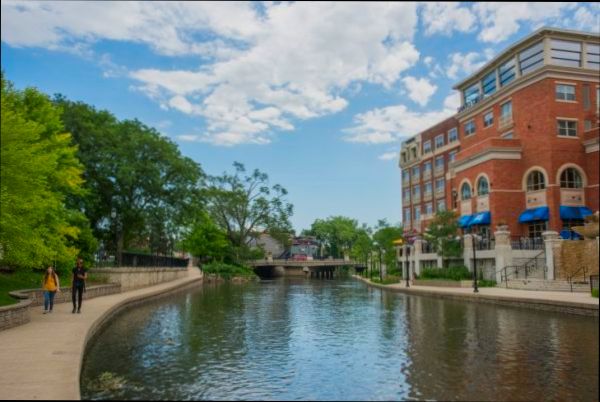
- Naperville Riverwalk: Often referred to as the “Crown Jewel” of Naperville, this stunning 1.75-mile path is lined with beautiful landscapes, fountains, and memorials. It’s perfect for leisurely strolls and family outings.
- Naper Settlement: This outdoor history museum encompasses 12 acres and over 30 historic buildings, providing a glimpse into 19th-century life. Engaging exhibits and educational programs keep locals and visitors alike informed and entertained.
- Dupage Children’s Museum: A fantastic space dedicated to young minds, this museum features interactive exhibits designed to promote creativity and learning through play.
Recreational Facilities
Naperville offers a host of recreational facilities that cater to various interests. Here are some options:
- Parks: The city boasts over 130 parks, providing plenty of options for picnicking, sports, and outdoor activities. Parks like Knoch Knolls Park and Naperville Central Park are known for their amenities.
- Sports Complexes: Facilities such as the Fort Hill Activity Center and the Naperville Central High School Track offer opportunities for athletics and fitness classes.
- Golf Courses: For those who enjoy golfing, Naperville includes several public and private golf courses that provide challenges at various skill levels.
Comparative Table of Cultural Venues
| Venue | Type | Special Features |
|---|---|---|
| Naperville Riverwalk | Outdoor Walkway | Fountains, sculptures, scenic views |
| Naper Settlement | Historical Museum | Living history exhibits, seasonal events |
| Dupage Children’s Museum | Interactive Family Museum | Hands-on exhibits, workshops |
| Fort Hill Activity Center | Recreation Center | Fitness classes, pool, gym |
| Arrowhead Golf Club | Golf Course | 18-hole course, clubhouse amenities |
Real-World Examples
- Every summer, Naperville hosts the Ribfest, a food festival focused on barbeque culture that attracts thousands of visitors and celebrates local businesses while promoting community spirit.
- The annual Naperville Wine Festival showcases local vineyards and provides residents with an opportunity to sample wines while enjoying music and food — a fantastic way to engage in the local culture.
Practical Implications for Residents
As a resident, you’ll have ample opportunity to immerse yourself in the cultural fabric of Naperville. Regularly visiting local parks and attending festivals not only enhances your connection to the community but also offers a family-friendly way to spend your weekends. Taking advantage of the diverse recreational options can lead to a healthier lifestyle while supporting local businesses.
Actionable Advice
To fully experience Naperville’s rich cultural scene, consider getting a Cultural Pass available through local libraries, which offers discounts to various attractions. Engage in community events on the Riverwalk, and don’t miss seasonal festivals that bring the community together. Embrace everything this dynamic city has to offer!
Transportation Accessibility and Commute Experience
When you think about commuting and transportation in Naperville, you might envision a blend of convenient access and efficient travel options. This section explores the transportation landscape in Naperville, highlighting how it impacts your daily commute and overall accessibility.
Key Points on Transportation Accessibility
- Public Transit Options: Naperville is well-served by the Pace bus system, which provides routes connecting residents to surrounding areas and major commuter stations. Approximately 20% of residents utilize public transportation to access work or educational institutions.
- Metra Rail Accessibility: The Metra BNSF Railway line runs through Naperville, making it easy for commuters to reach downtown Chicago in around 35-50 minutes. This rail service offers a significant advantage for those working in the city, with convenient schedules running from early morning until late evening.
- Cycling Infrastructure: Naperville has invested in cycling paths and lanes, with over 60 miles of bike trails throughout the city. This commitment enhances transportation accessibility by promoting cycling as a viable option for both commuting and leisure.
Transportation Modes Summary
| Mode of Transportation | Accessibility Rating | Average Commute Time | Percentage of Commuters Using This Mode |
|---|---|---|---|
| Metra Rail | High | 35-50 minutes | 10% |
| Pace Bus | Moderate | Varies (15-30 mins) | 20% |
| Bicycle | Moderate | 15-25 minutes | 5% |
| Driving | High | 25-35 minutes | 65% |
Real-World Examples of Commuting
Many residents share their experiences of commuting via Metra. For instance, a resident who rides the Metra to Chicago highlights the reliability of the train service, noting that “I can easily manage my schedule because the trains run frequently during rush hours.” In contrast, a parent using Pace buses appreciates the convenience it brings for both work commutes and daily errands, stating, “I can easily get to my job and take my kids to their activities without the hassle of parking.”
Practical Implications for Residents
Understanding your commuting options will help you make informed decisions about where to live and how to navigate daily life in Naperville. If you prefer public transit, knowing the Metra schedule and Pace routes can help you plan your day efficiently. Additionally, with the city’s commitment to enhancing biking infrastructure, you might consider cycling as a fun and healthy way to travel.
- Explore Flexibility: Keep your options open between public transit, biking, and driving. Each mode has its own advantages, allowing you to choose based on your specific needs.
- Utilize Travel Apps: Consider using apps that provide real-time updates on train and bus schedules, giving you an edge in managing your commute effectively.
- Engage with Local Community: Participating in community forums may provide insights on optimizing your commute and discovering potential carpool opportunities.
Naperville’s transportation accessibility and commute experience stand out as pivotal factors for anyone considering a move to this dynamic city. Understanding the transportation landscape will ultimately enhance your quality of life here.