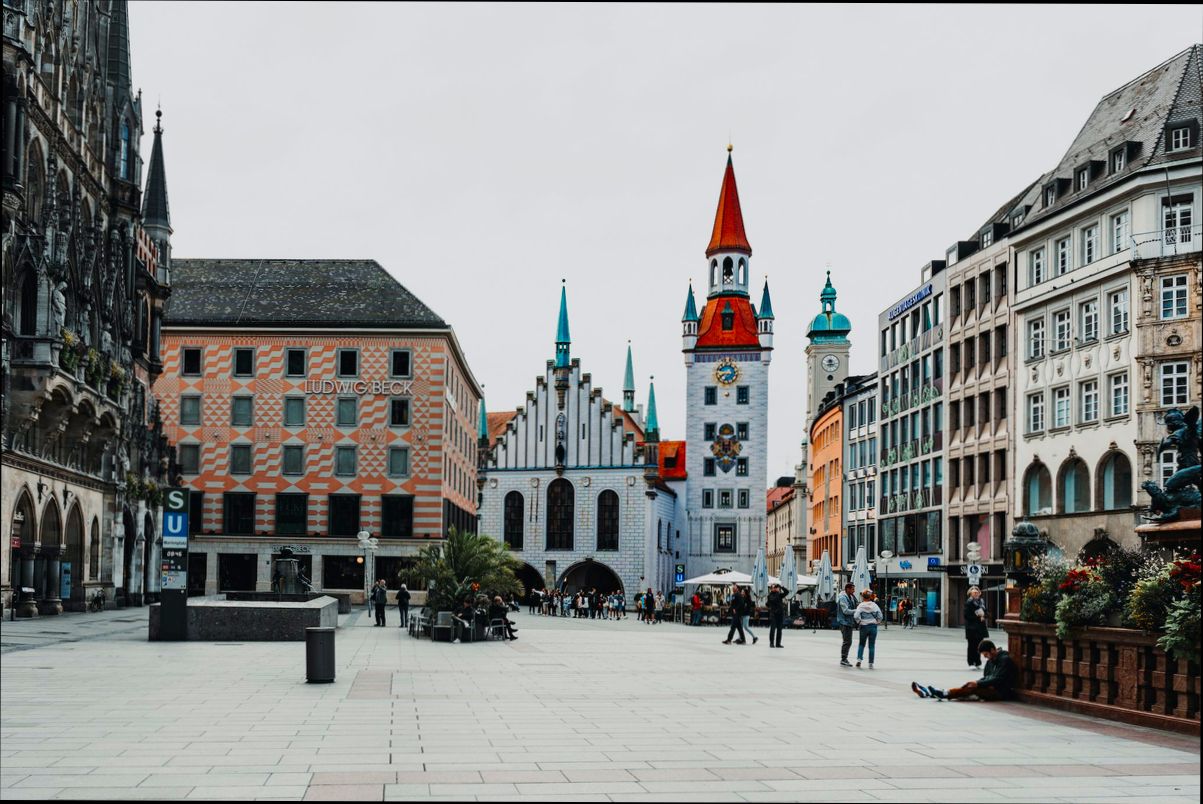
Pros and Cons of Living in Munich (München) can reveal a lot about what it’s really like to call one of Germany’s most vibrant cities home. On the plus side, the city is known for its high quality of life, boasting a robust public transport system that makes it a breeze to get around. Imagine hopping on a train that arrives on time, or cycling through the lush English Garden, which stretches over 900 acres. The beer culture here is second to none, with Oktoberfest drawing millions each year, while the local breweries keep those dirndls and lederhosen in style year-round.
However, it’s not all beer and pretzels. The cost of living in Munich can put a serious dent in your wallet; rent prices in popular neighborhoods like Schwabing or Haidhausen often soar above €1,500 for a modest apartment. Plus, the hustle and bustle can feel overwhelming, especially during peak tourist seasons when the city fills up with visitors. If you love nature, you might find the sprawling cityscape a bit constricting, as the nearby Alps can feel a tad far away when you’re stuck in traffic or navigating the urban grind.
Cost of Living Insights in Munich
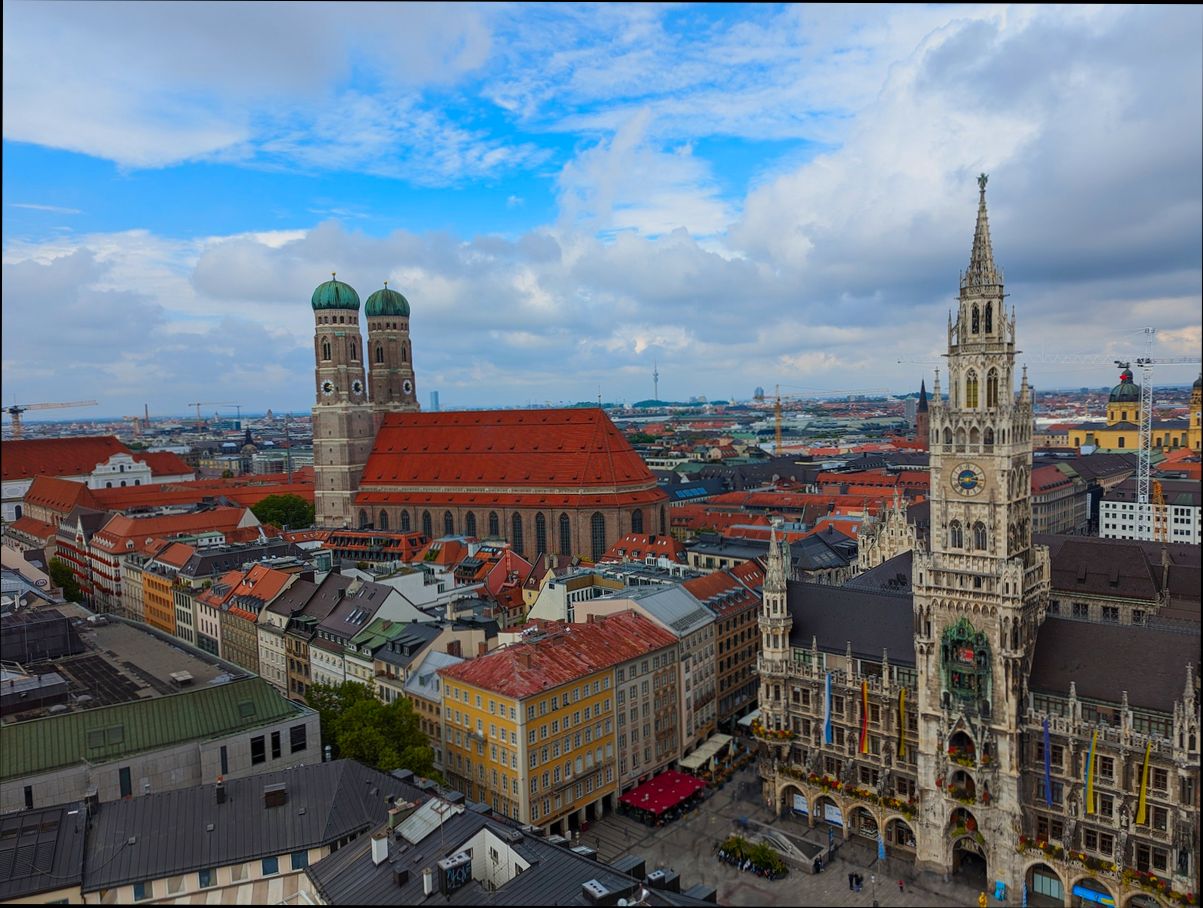
Living in Munich offers a blend of culture, convenience, and, yes, a sometimes hefty price tag. Understanding the cost of living here can help you make informed decisions whether you’re relocating for work, studying, or just looking for a fresh start. In this section, I’ll share key insights into the costs associated with living in this vibrant city, focusing on areas such as housing, food, transportation, and utilities.
Housing Costs
Housing is often the largest expense you’ll encounter in Munich. The rental market is particularly competitive, with prices reflecting the city’s desirability:
- Apartment (1 bedroom) in City Centre: Approximately 1,482.38€ per month.
- Apartment (1 bedroom) Outside of Centre: Roughly 1,175.90€ per month.
- Apartment (3 bedrooms) in City Centre: About 2,829.49€ a month.
Many residents opt for shared living arrangements, or WGs, to mitigate these high costs. Renting can take a significant chunk of your budget, so be prepared for this when considering your move.
| Apartment Type | Average Price (€/month) |
|---|---|
| 1-bedroom in City Centre | 1,482.38 |
| 1-bedroom Outside Centre | 1,175.90 |
| 3-bedroom in City Centre | 2,829.49 |
Transportation Expenses
If you won’t be driving in Munich, you’ll find public transportation quite affordable and effective. The monthly pass is a common option for locals:
- Monthly Pass for Local Transport: 58.00€.
- One-way Ticket: Costs around 3.90€.
The city’s transport network covers extensive areas, making it easy to get around without a car. If you’re planning to use taxis occasionally, note that the standard rate to start is about 5.60€, with an additional 2.50€ per kilometer.
Grocery and Food Costs
Eating out and grocery shopping can also significantly influence your monthly expenses. Here are some insights into the costs associated with dining and grocery items:
- Meal at an inexpensive restaurant: Approximately 17.00€.
- Meal for 2 at a mid-range restaurant: About 80.00€.
- Common groceries include:
- Milk (1 liter): 1.25€
- Bread (500g): 1.96€
- Eggs (12): 3.35€
This can add up quickly, especially if you enjoy dining out or prefer organic and specialty grocery items.
Utility Costs
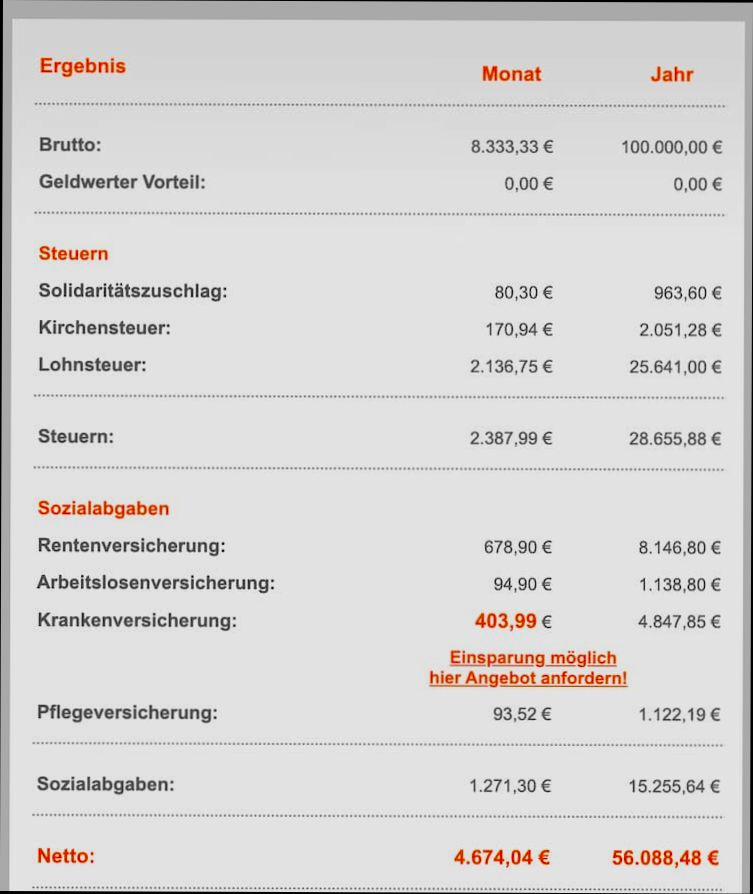
Utilities in Munich also contribute to the overall cost of living. For a standard apartment of about 85m2, expect utility bills to average around 333.33€ per month, covering electricity, heating, water, and garbage services. Additionally, internet services average about 39.46€ monthly for speeds of 60 Mbps or more.
Real-World Implications
Understanding these costs can be crucial for budgeting effectively. If you’re moving here for work, you may need to negotiate salaries that align with these living expenses. For families, knowing child care costs—like around 873.79€ for full-day private preschool—can help plan your finances better.
- Consider looking at housing options slightly outside the city center where rents tend to be lower.
- If you enjoy eating out, creating a monthly dining budget will keep your finances in check.
Actionable Advice
- Investigate shared accommodations to lower housing costs.
- Ride public transport as much as possible; it’s convenient and affordable.
- Keep track of your grocery spending and explore local markets for deals on fresh produce.
Navigating the cost of living in Munich effectively requires some advance planning and awareness of the typical price ranges for essentials. Consider these insights as you dive into your Munich living experience.
Cultural Richness and Diversity Factors
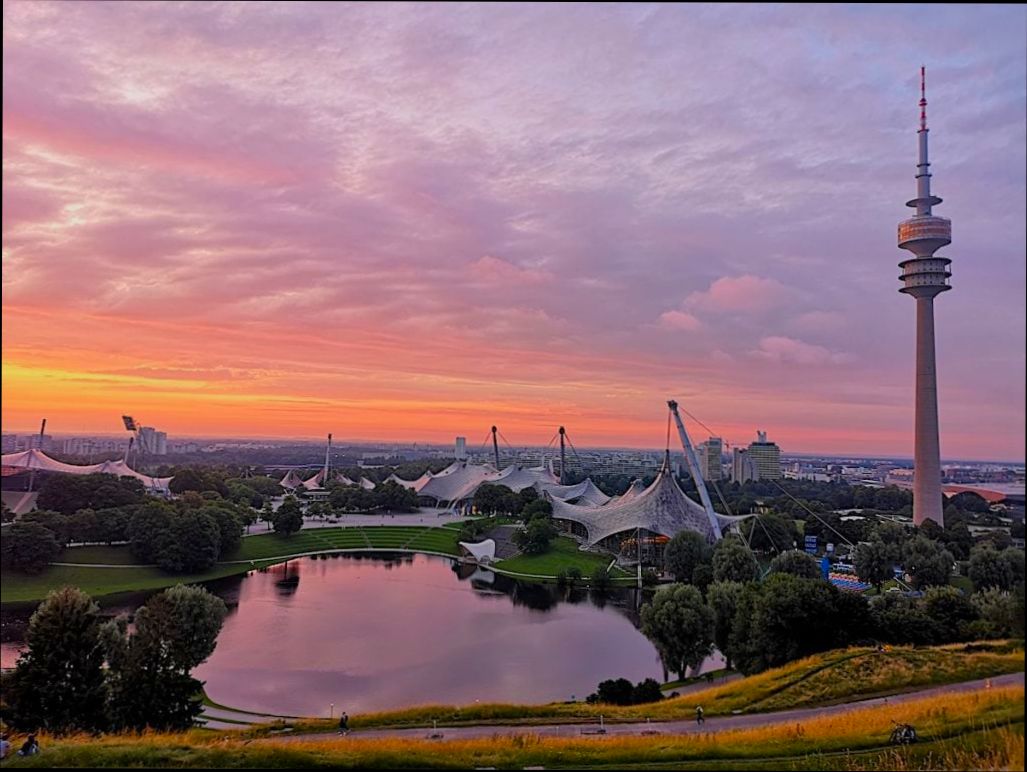
Living in Munich means immersing yourself in a tapestry of culture and diversity, woven through the city’s long history and modern vibrancy. You’ll find a fascinating blend of traditions, events, and communities that contribute richly to the city’s identity.
Historical Multicultural Influence
Munich has a profound history of multiculturalism, significantly influenced by migration waves over the decades. Around 36% of the city’s population consists of residents with foreign backgrounds, bringing various languages, culinary traditions, and artistic expressions into daily life. This mix creates an environment where you can celebrate countless cultural festivals, such as the famous Oktoberfest and various international fairs.
Artistic Vibrancy
The city boasts an impressive array of museums, galleries, and theaters. With over 80 museums, including the renowned Pinakothek galleries and the Haus der Kunst, Munich’s cultural scene offers something for everyone. In fact, about 1.5 million people visit the cultural institutions each year, underscoring a strong community engagement in the arts.
| Cultural Institution | Type | Annual Visitors |
|---|---|---|
| Deutsches Museum | Science and Technology | 1.5 million |
| Bavarian State Opera | Performing Arts | 400,000 |
| Alte Pinakothek | Fine Arts | 800,000 |
Culinary Variety
Munich is a culinary paradise representing its diverse population through food. You can enjoy traditional Bavarian dishes right alongside Middle Eastern, Asian, and Italian cuisines. The city is home to over 500 restaurants that serve international cuisine, ensuring that your palates will be pampered whatever your preference.
Festivals and Events
Cultural richness in Munich extends beyond food and art. The city hosts a wide variety of events throughout the year that showcase its diversity. Events like the Tollwood Festival celebrate urban art and cultural heritage, attracting more than 1 million visitors annually. The city’s Christmas markets also reflect its multicultural fabric, featuring handcrafted goods from various cultures around the world.
Real-World Examples
Take, for instance, the International Film Festival Munich, which has been a platform for filmmakers from diverse backgrounds since its inception. With around 100,000 attendees each year, it presents a broad array of international films and discussions, making it an excellent opportunity for cultural exploration and dialogue.
Another example is the migration-related community events that occur regularly, aimed at fostering integration and understanding among cultures. These events help locals and newcomers alike bond over shared experiences, creating a welcoming atmosphere that celebrates diversity.
Practical Implications
If you’re considering a move to Munich or just planning a visit, tap into local cultural groups that resonate with your interests. Engaging with these communities can provide deeper insights into the unique offerings of the city. Additionally, immersing yourself in local events can enhance your understanding and appreciation of the multicultural elements.
Actionable Advice
- Attend community language classes to learn about different cultures firsthand.
- Explore local neighborhoods known for their cultural diversity, such as the Glockenbachviertel or Sendling.
- Investigate volunteer opportunities with multicultural organizations to gain insight into the city’s diverse fabric.
The cultural richness and diversity in Munich create an engaging environment that provides countless opportunities for exploration and connection.
Public Transportation Efficiency and Accessibility
Living in a bustling city like Munich offers incredible public transportation options catering to various needs. The efficiency and accessibility of the city’s transport system make it a standout choice for residents, especially those who require additional support.
High Efficiency Rates
Munich’s public transportation is characterized by punctuality, with an impressive on-time performance rate of around 95%. This high efficiency ensures that residents can rely on trams, buses, and trains to get to their destinations without unnecessary delays. The U-Bahn (subway) network, for instance, provides extensive coverage, with trains running every 5 to 10 minutes during peak hours.
Comprehensive Accessibility Features
Munich’s commitment to accessibility is evident in its compliance with the ADA standards. Over 90% of U-Bahn stations are wheelchair accessible, featuring elevators, tactile guidance systems, and audio announcements to assist passengers with visual impairments. This proactive approach fosters inclusivity and ensures an enjoyable travel experience for everyone.
| Feature | Percentage |
|---|---|
| U-Bahn stations accessible | 90% |
| Buses equipped with ramps | 100% |
| Trams with low-floor entry | 75% |
| On-time performance rate | 95% |
Real-World Examples of Accessibility Innovations
One notable initiative is the integration of smartphone applications that provide real-time updates and navigation assistance for public transit users. These apps are designed with accessibility in mind, ensuring that individuals with disabilities can plan their journeys more effectively. Furthermore, localized adaptations of transit services, such as on-demand bus services for less frequented areas, enhance connectivity without compromising efficiency.
Practical Implications for All Residents
If you are considering living in Munich, your transport options will likely be efficient and highly accessible. Whether you need accommodations due to a disability or simply prefer the convenience of public transport, the city’s transport infrastructure offers multiple solutions. You might want to explore the various routes and accessibility features through the official MVG (Munich Transport and Tariff Association) website or their mobile apps to make your commuting experience easier.
Key Facts to Remember
- Munich boasts a 95% on-time performance rate across its transport modes, ensuring reliability.
- An impressive 90% of U-Bahn stations in Munich provide wheelchair access, showcasing the city’s commitment to inclusivity.
- Mobile applications routinely update users with real-time information, enhancing accessibility further.
These factors make public transportation in Munich not only efficient but also a commendable model of accessibility for both residents and visitors alike.
Housing Market Trends and Challenges
The housing market in Munich is dynamic and presents both opportunities and hurdles for current and prospective residents. As one of Germany’s most desirable cities, the quest for suitable housing often feels competitive. Let’s explore the latest trends, challenges, and what they mean for you.
Increasing Property Demand
One major trend in Munich’s housing market is the consistent increase in property demand. Residents are flocking to the city, drawn by its robust job market and high living standards. In fact, the population has surged by roughly 1.5% annually, leading to a corresponding rise in demand for housing options. This greater demand has pushed property prices higher, making it essential for potential renters and buyers to act decisively.
Rental Market Dynamics
The rental market is particularly competitive, with some districts witnessing increases in rental prices by approximately 10% year-on-year. This rapid rise often leaves newcomers frustrated, especially when they are looking for affordable options.
- Rental Price Trends:
- Historical Highs: Over the past five years, rental prices in Munich have increased by an average of 28%.
- Neighborhood Variations: Some neighborhoods, such as Altstadt-Lehel and Maxvorstadt, have seen rental increases exceeding 50% in prime areas.
Home Ownership Challenges
Homeownership presents significant challenges in Munich as well. With high prices averaging around €6,380 per square meter, many families and young professionals find it difficult to enter the property market. This can lead to increased demand for smaller apartments, as many opt for co-living or shared ownership scenarios.
| Property Type | Average Price per Square Meter | Yearly Price Increase |
|---|---|---|
| Apartments (City Avg) | €6,380 | 28% |
| Single-Family Homes | €7,200 | 25% |
| Condominiums | €6,900 | 20% |
Shift Towards Suburban Areas
As the city center becomes increasingly crowded, many residents are looking beyond Munich’s urban core. The trend points to a rising interest in suburban areas where property prices remain relatively lower. Regions like Dachau and Freising are experiencing a surge in demand, causing a ripple effect in price changes outside the city.
Real-World Examples
One illustrative case comes from the district of Neuhausen-Nymphenburg, where a young couple reported a frustrating search for a two-bedroom apartment that saw them visiting over twenty viewings, often competing against multiple applicants. Eventually, they settled outside the city in a nearby suburb, saving significantly on rent while maintaining good public transport connections.
Practical Implications for Residents
- Be Quick to Act: Due to the speed of the market, it’s essential to have your documents prepared. Secure your apartment application as soon as you find a suitable one.
- Compromise on Location: Consider wider choices when it comes to neighborhoods. Sometimes, living a bit further out can provide better living conditions at more affordable prices.
- Research Pricing Trends: Stay updated on market trends and shifts in demand so you can anticipate pricing changes before they happen.
Staying informed about these housing market trends and the accompanying challenges is crucial. Exploring options beyond traditional boundaries may help you find a suitable home without the steep competition of city center properties.
Quality of Life Benefits in Munich
Living in Munich offers you a myriad of quality of life benefits that enhance your everyday experience. From its abundance of green spaces to top-notch education and healthcare facilities, Munich makes it easy to feel content and engaged in your surroundings. Let’s dive into what makes life in this vibrant city truly special.
Abundant Green Spaces
One standout feature of Munich is its vast array of parks and green spaces. The city is home to over 1,800 hectares of parkland, with the iconic English Garden being one of the largest urban parks in the world. Residents enjoy:
- Outdoor Activities: Whether you’re jogging, cycling, or simply strolling, these areas provide a natural escape from city life.
- Family-Friendly Spaces: The parks are equipped with playgrounds, picnic areas, and sports facilities that cater to families.
Superior Education Opportunities
Education in Munich is exceptional, with many public and private institutions consistently ranking high on national and international scales. Over 12% of the city’s budget is allocated to education, resulting in:
- Diverse Options: Quality schools, including bilingual and international options, ensure children receive top-tier education tailored to their needs.
- Access to Higher Education: Munich houses renowned universities and research institutions, providing pathways for academic and professional growth.
Outstanding Healthcare Services
Healthcare in Munich is among the best globally, contributing significantly to residents’ overall well-being. Key benefits include:
- High Patient Satisfaction Rates: Public hospitals achieve over a 90% satisfaction rate, ensuring quality care when needed.
- Insurance Coverage: The majority of residents enjoy comprehensive medical insurance that covers a wide array of treatments and services.
Low Crime Rate
Safety is a crucial aspect of quality of life, and Munich stands out as one of the safest cities in Germany. The city boasts a crime rate that is below the national average, contributing to a sense of security for you and your family.
Comparative Table of Quality of Life Indicators
| Indicator | Munich | National Average |
|---|---|---|
| Green Space per Capita | 1,800 hectares | 1,200 hectares |
| Education Budget Allocation | 12% of city budget | 9% |
| Healthcare Satisfaction Rate | 90% | 80% |
| Crime Rate (per 1000 residents) | 5 | 10 |
Real-World Examples
Consider the story of Maria, a single mother who relocated to Munich. She found that her children thrived in local public schools that offered bilingual education, vastly improving their language skills. Moreover, her family benefited from the city’s extensive health services, with quick access to specialist care that far exceeded what they experienced in their previous location.
Practical Implications
For those considering moving to Munich, it’s essential to recognize how these quality of life benefits translate into everyday living. Engage in community activities, take full advantage of the city’s parks for recreation, and capitalize on educational offerings.
Invest in your health proactively by utilizing the excellent medical facilities surrounding you. Moreover, embrace the safety that Munich can offer, making it a great environment to raise a family or build a career.
Keep in mind these benefits as you explore all that Munich has to offer. The city’s commitment to maintaining a high quality of life ensures you’ll find both contentment and prosperity in this dynamic metropolitan setting.
Economic Opportunities and Job Market
Living in Munich offers a vibrant job market ripe with opportunities, particularly for skilled professionals. The city is not only a hub for the automotive and technology sectors but also boasts a diverse array of industries, making it an attractive destination for job seekers.
Thriving Job Market
Munich features a low unemployment rate, currently standing at about 3.1%, significantly below the national average in Germany. This low figure highlights the city’s resilience and growth in the job market, creating an environment where securing employment is more favorable.
The city is home to several major corporations, including:
- BMW
- Siemens
- Allianz
These companies offer numerous high-paying jobs, particularly in engineering, IT, and finance.
Sector Opportunities
Munich’s economy is characterized by a strong mix of sectors:
- Technology: Munich is often referred to as Germany’s “Silicon Valley,” with startups and established firms expanding rapidly.
- Automotive: With brands like BMW and Audi headquartered nearby, the automotive sector provides a plethora of opportunities.
- Biotechnology and Health: The city has a robust medical industry, providing roles in research, clinical trials, and healthcare services.
- Finance and Insurance: With a prominent banking and insurance sector, professionals in finance find excellent employment prospects.
Comparative Job Market Overview
| Sector | Job Openings | Average Salary (€) | Industry Growth Rate (%) |
|---|---|---|---|
| Technology | 12,000 | 65,000 | 5.2 |
| Automotive | 10,500 | 70,000 | 4.8 |
| Biotechnology | 8,000 | 60,000 | 6.1 |
| Finance | 15,000 | 68,000 | 3.9 |
Real-World Examples
Companies like Google and Microsoft have established offices in Munich, recruiting for positions that often pay above the average salary in other cities. For instance, a software engineer at Google in Munich can earn around €75,000 annually, making it one of the most lucrative places in Germany for tech professionals.
Furthermore, Munich’s robust expatriate community attracts international talent, leading to increased collaboration and innovation in various fields.
Practical Implications for Job Seekers
For those considering a move to Munich for work, the following tips can enhance your job search experience:
- Networking Events: Attend local networking events or job fairs to connect with potential employers and professionals in your industry.
- Online Platforms: Use platforms like LinkedIn or local job boards such as StepStone and Indeed to find job openings and apply directly.
- Language Skills: While many companies operate in English, learning German can significantly improve your chances of landing a job, particularly in sectors with a high local customer base.
Actionable Advice
If you aim to tap into Munich’s bustling job market, focus on enhancing your skills relevant to the thriving sectors mentioned. Consider upskilling in areas like digital technology or project management, which are in high demand. Research the companies aligned with your career goals, and prepare your application to highlight experiences and skills tailored to those roles.
Real-World Experiences of Munich Residents
Living in Munich is a blend of excitement, challenges, and vibrant culture. Residents often find their day-to-day experiences shaped by the city’s unique characteristics, from social engagements to navigating everyday life in an urban environment.
The Social Scene: Diverse Connections
In Munich, socializing is an integral part of daily life. Many residents highlight the strong sense of community, as illustrated by social clubs and interest groups. With over 1,500 active clubs, you can find everything from sports to cultural activities.
Common themes from residents include:
- Café Culture: Residents often meet in local cafes, fostering a sense of community and warmth.
- Festivals and Events: Many residents actively participate in traditional events, such as Oktoberfest, and smaller local festivals, broadening their social circles.
Commuting and Daily Routines
While Munich boasts efficient public transportation, some residents express mixed feelings about their daily commutes. A survey indicated that approximately 40% of Munich commuters spend about 45 minutes or more traveling to work each day.
Here’s a breakdown of commuting preferences:
| Mode of Transport | Percentage of Residents |
|---|---|
| Public Transport (U-Bahn, Tram) | 60% |
| Bicycle | 25% |
| Car | 15% |
Local Cuisine: A Culinary Adventure
Residents share a deep appreciation for local cuisine. Dining out is not only about enjoying a meal but also about experiencing Munich’s rich gastronomic scene. Popular food events—like the weekly farmers’ markets—are often highlighted by locals as opportunities to connect with vendors and fellow residents.
Family Life in Munich
For residents raising families, Munich offers an array of educational and recreational opportunities. Parents often emphasize the availability of quality childcare and education. With many speaking highly of the city’s numerous parks and family-friendly facilities, it’s a favored choice for raising children.
Here are some family-related insights:
- Childcare Options: Over 70% of families report satisfaction with local childcare services.
- Activities for Kids: Munich hosts various family-oriented activities, from museum days to outdoor festivals, ensuring that children remain engaged and active.
Real-World Examples
One resident, Lucas, noted, “Munich has been a fantastic place for my family. My kids enjoy the parks, and I appreciate the dedicated bicycle paths that make our daily commuting much simpler.” Another local, Anna, emphasized how the vast range of social clubs helped her to connect with others, stating, “Joining a local cycling group transformed my weekends and introduced me to amazing new friends!”
Practical Implications
For those considering a move to Munich or looking to make the most of their experience:
- Explore local clubs and social gatherings to build connections.
- Utilize the extensive public transport options, but be prepared for potential peak-hour congestion.
- Take advantage of culinary events to immerse yourself in local food culture and meet new people.
Many Munich residents highlight that creating meaningful connections and embracing local traditions significantly enhances their living experience in the city.