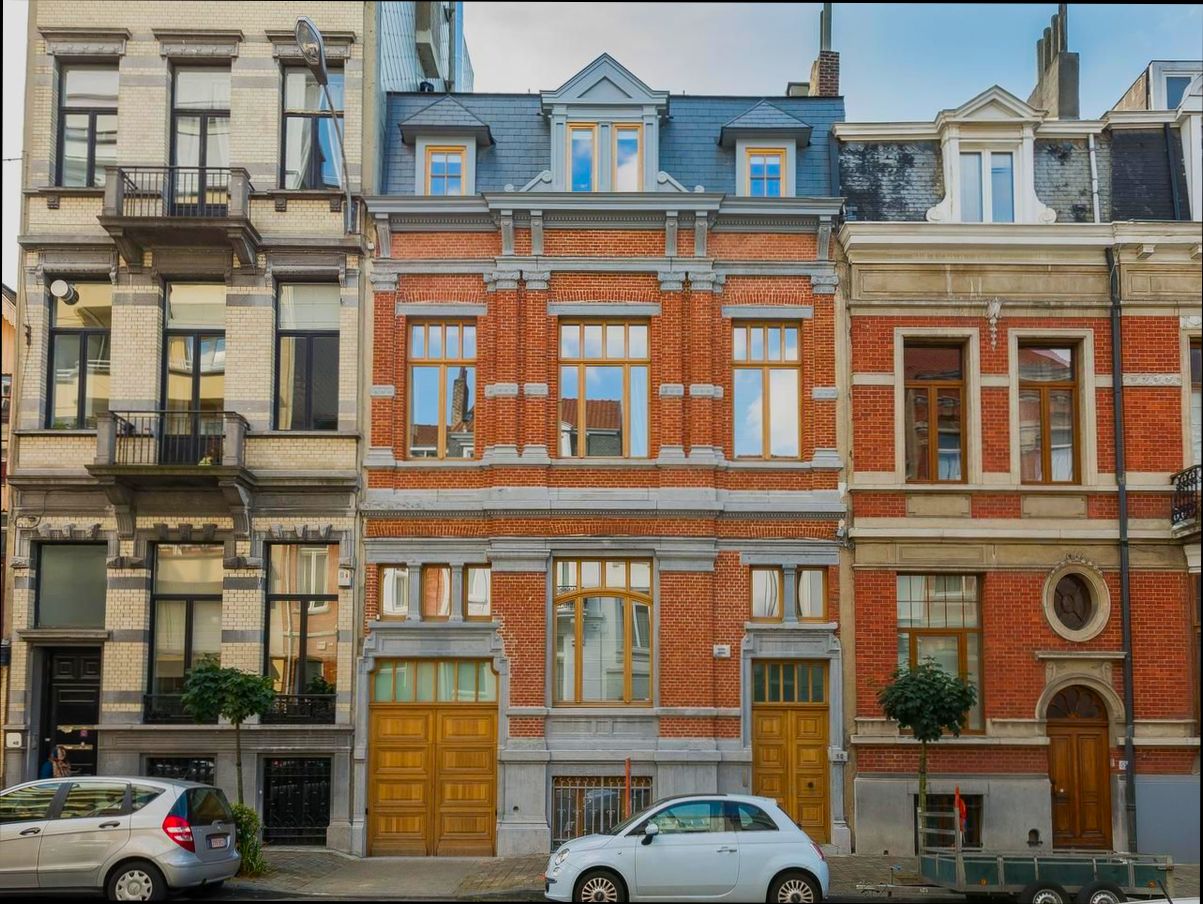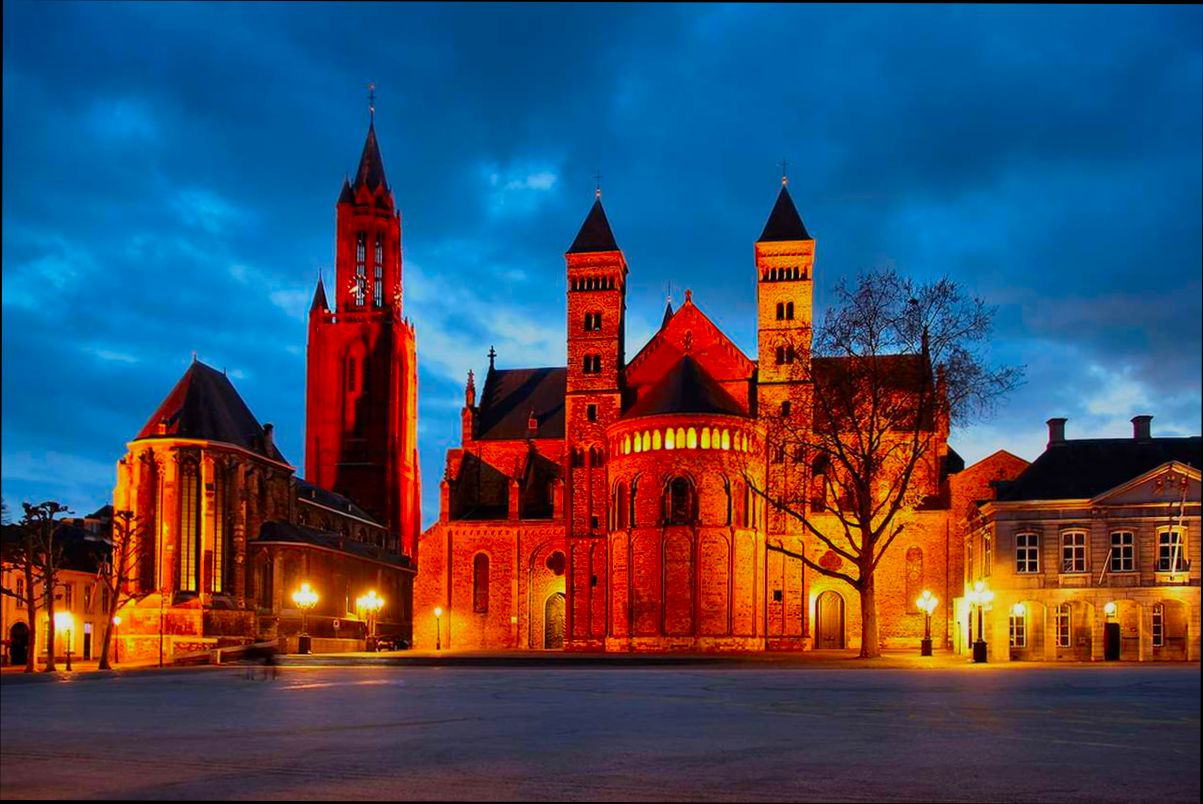
Pros and Cons of Living in Maastricht dive into a unique blend of Dutch charm and a rich cultural tapestry that instantly captivates. Picture this: you’re sipping a coffee at a café near the Vrijthof, surrounded by stunning historical architecture, while the sounds of street musicians fill the air. Living here means being part of a city steeped in history, with easy access to the rest of Europe—a mere 20-minute train ride to Belgium or Germany opens up weekend adventures at your fingertips. Plus, Maastricht boasts a vibrant expat community, with nearly 50% of its residents coming from abroad, creating a multicultural vibe that’s hard to beat.
On the flip side, there are aspects to consider before packing your bags. The job market can be challenging for non-Dutch speakers, especially in specialized fields, and while the rent can be reasonable compared to larger cities like Amsterdam, it’s worth noting that prices in the city center can be steep, averaging around €1,200 for a one-bedroom apartment. Not to mention, winters can be a bit dreary, with cloudy skies lingering for weeks. Balancing these perks and drawbacks requires a keen sense of what matters most to you, whether it’s a lively atmosphere or practical concerns like salary and employment opportunities.
Cultural Richness of Maastricht Life
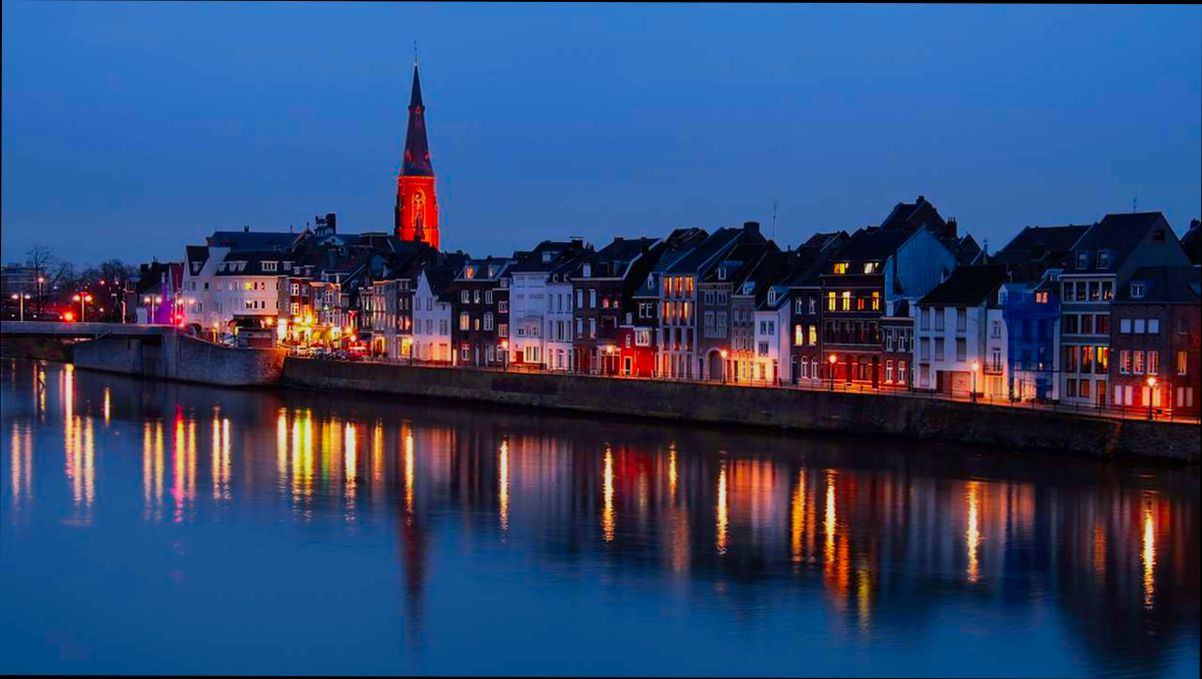
Living in Maastricht means immersing yourself in a vibrant tapestry of cultural experiences, with influences stemming from its historical significance, artistic endeavors, and community engagement. This city, alive with creativity and tradition, offers residents numerous opportunities to engage with art, music, and local festivities.
Key Points About Cultural Richness
- Maastricht is home to over 20 museums that showcase a variety of art styles and historical artifacts, including modern art at Sculpture of Maastricht and the remarkable Bonnefantenmuseum, which boasts a collection of contemporary art.
- 50% of residents participate in cultural events annually, highlighting the strong community involvement in cultural life.
- The city hosts around 150 festivals each year, encompassing everything from theater and dance to gastronomy and music, such as the acclaimed Maastricht Jazz Festival and TEFAF (The European Fine Art Fair).
- With more than 200 restaurants serving diverse culinary offerings, culinary events like Maastricht’s Taste Festival attract both locals and tourists, reflecting the city’s gastronomic landscape.
Comparative Cultural Venues Table
| Venue Type | Number of Venues | Notable Events | Audience Engagement (%) |
|---|---|---|---|
| Museums | 20 | Exhibitions, Workshops | 35 |
| Theaters | 5 | Performances, Festivals | 25 |
| Music Festivals | 10 | Maastricht Jazz Festival, SUMMERJAZZ | 50 |
| Culinary Events | 15 | Taste Festival, Wine & Food Fairs | 40 |
Real-World Examples
One noteworthy example of Maastricht’s cultural richness is the annual Maastricht Carnival, where locals don colorful costumes and celebrate with parades, music, and dance, bringing together people from different backgrounds. This event exemplifies how the city integrates tradition with modern cultural expressions, creating a vibrant atmosphere that unites the community.
Another example is the Visual Arts program initiated by local artists that invites residents to participate in art workshops. These sessions not only foster creativity but also encourage community building and skills development, particularly among students and young adults.
Practical Implications for Readers
If you’re considering diving into the cultural scene, you might want to:
- Attend local festivals to experience the essence of community life firsthand.
- Join workshops organized by local artists to explore your artistic skills while connecting with others.
- Visit the museums on discounted days, often free for residents, to fully appreciate the rich history presented.
Actionable Advice for Engaging with Culture
To make the most of Maastricht’s cultural offerings, consider scoring a Maastricht Pass, which grants you access to multiple venues and discounts on events. Additionally, signing up for a newsletter focused on local events can keep you in the loop about upcoming festivals and cultural activities, ensuring you never miss out on what the city has to offer!
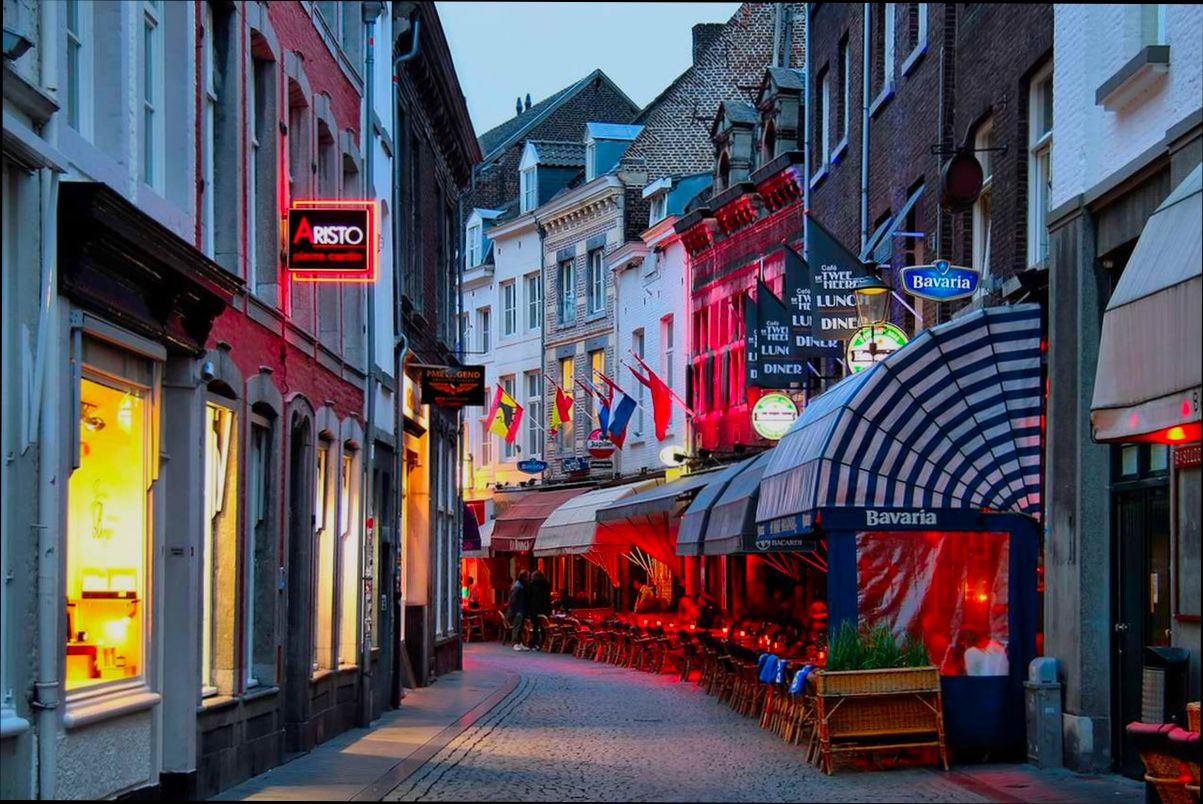
Cost of Living: An Analytical Perspective
Understanding the cost of living in Maastricht is essential for anyone considering a move to this charming Dutch city. The interplay of various economic factors directly impacts daily expenses and overall lifestyle. Let’s break down some of the key elements that shape the financial landscape of living in Maastricht.
Key Factors Influencing Cost of Living
- Wage and Public Spending Capacity: In Maastricht, the average wage is influenced by local economic conditions. If wages increase, so often do living costs. Conversely, stagnant wages may lead to a decrease in overall living standards.
- Lack of Competition in Retail and Wholesale: Limited competition in these sectors may lead to higher prices for everyday commodities. This lack of diversity can make it challenging for consumers to find affordable options.
- Currency Movements and Economic Stability: Fluctuations in currency strength can affect import prices, especially for goods not produced in the Netherlands. A weaker euro could mean that imported goods become more expensive, impacting your monthly budget.
- Political Stability: Political unrest can lead to economic uncertainties that negatively affect the cost of living. Stability in Maastricht generally promotes a reliable economic environment, leading to predictable costs.
- High Commodity Prices: Cities with higher average incomes often see increased prices for both housing and everyday items. For instance, factors like inflation can exacerbate these trends, making a simple grocery run potentially more expensive over time.
Here’s a comparative table to illustrate some financial aspects:
| Category | Maastricht | Zurich | Singapore |
|---|---|---|---|
| Avg Apartment Rent | €1,000 | CHF 2,324 ($2,381) | SGD 3,500 |
| Avg Household Income | €40,000 | CHF 48,000 | SGD 60,000 |
| Cost of Groceries | €250 | CHF 400 | SGD 350 |
| Health Insurance Cost | €120 | CHF 350 | SGD 200 |
Real-World Examples
- Case of Housing Costs: A rental apartment in Maastricht averages around €1,000, significantly less than the CHF 2,324 ($2,381) average in Zurich. If you aim for better living conditions with a similar salary structure, you might have to adjust expectations in a more competitive and high-cost city.
- Commodities and Services Pricing: A typical grocery bill in Maastricht can be around €250 monthly. However, due to the influence of local wages, prices may spike if the wage levels don’t keep pace with inflation, reflecting a common challenge in many cities globally.
Practical Implications
For individuals and families planning their budgets, it’s vital to consider local salaries against the cost of living. If you’re thinking of relocating, research housing options carefully as rental prices can vary dramatically based on location.
Recognize the influence of local economic policies on your daily wallet. Keep an eye on political changes that could impact the market, especially concerning point areas like taxation and public spending, which could directly affect your cost of living.
Lastly, prioritizing your spending and planning for fluctuating costs associated with living in Maastricht can help you maintain a more balanced financial life while enjoying everything the city has to offer.
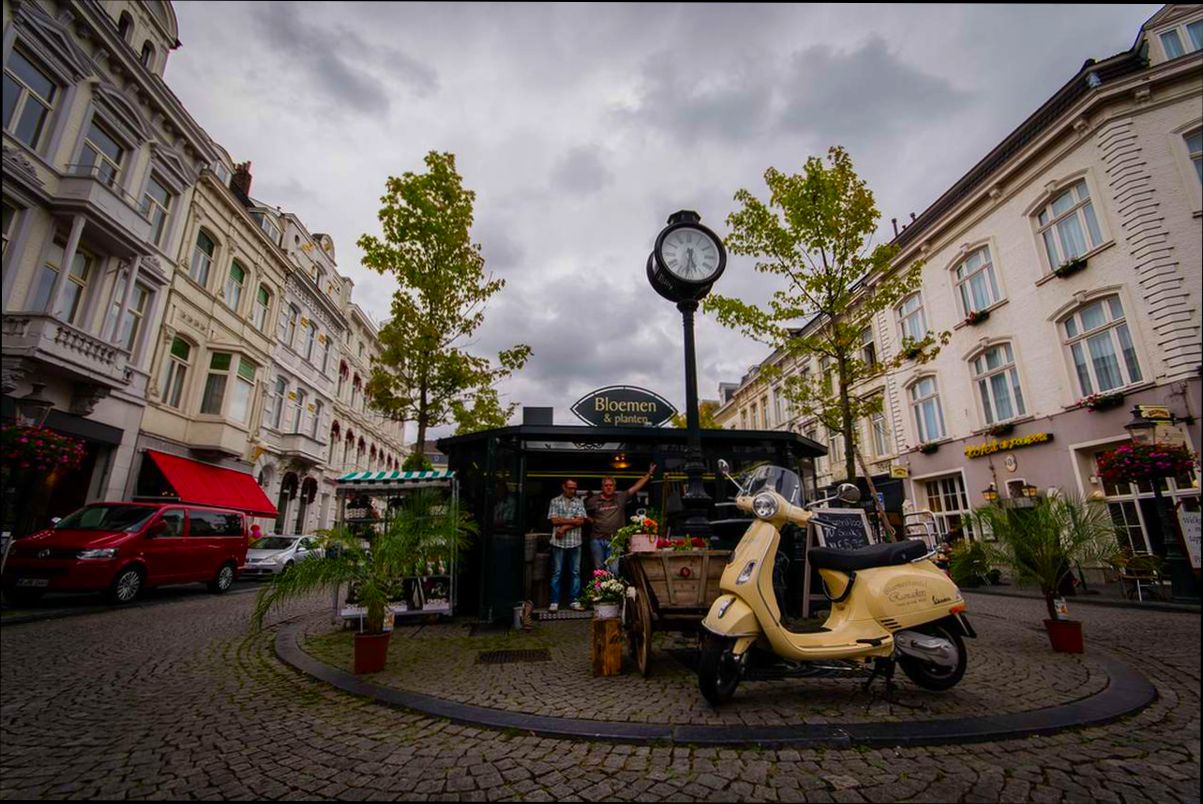
Educational Opportunities and International Appeal
Living in Maastricht presents an exciting array of educational opportunities that extend well beyond the traditional classroom experience. The city’s international appeal not only attracts a diverse student population but also enhances the educational landscape with various programs, institutions, and partnerships.
Key Points on Educational Opportunities
- Maastricht University (UM) ranks among the top 2% of universities globally, highly regarded for its international orientation and innovative teaching methods, particularly within its interdisciplinary approach.
- Around 50% of the student body at Maastricht University is composed of international students. This diverse community promotes a rich exchange of ideas and perspectives, making the learning environment vibrant and inclusive.
- The city offers numerous English-taught programs, making it an attractive destination for non-Dutch speakers. In fact, over 90% of the courses at UM are available in English.
Comparative Table of Educational Institutions in Maastricht
| Institution | Type | International Student Percentage | Notable Programs |
|---|---|---|---|
| Maastricht University | University | 50% | International Studies, Social Sciences |
| Zuyd University of Applied Sciences | University of Applied Sciences | 30% | Arts, Health Sciences |
| Maastricht School of Management | Business School | 40% | MBA, International Business |
Real-World Examples
Maastricht University’s Faculty of Health, Medicine and Life Sciences is an example of a program that draws on international collaboration. Students engage in cross-border projects, often collaborating with healthcare institutions in Belgium and Germany. This not only enhances practical training but also nurtures global relationships.
Additionally, local vocational training programs, such as those offered at Zuyd University, connect students with regional businesses, enabling them to gain practical experience while also benefiting from an international curriculum that incorporates global business practices.
Practical Implications for Readers
If you’re considering moving to Maastricht for educational reasons, you can take advantage of local networking opportunities through various student associations and community events. Engaging with these networks can significantly enrich your educational experience and help forge lasting connections.
Furthermore, keep an eye out for international symposiums and workshops held in Maastricht, showcasing global advancements in various fields. These events can serve as excellent platforms for learning and professional development.
Specific Facts and Actionable Advice
- Explore the International Student Network at Maastricht University, which offers support in accommodation, social activities, and academic guidance tailored to international students.
- Attend local seminars or guest lectures held in English to immerse yourself in current global trends while building relationships with peers and professionals in your field.
- Consider taking elective courses across different faculties at Maastricht University or Zuyd University to broaden your academic horizons and enhance your employability with diverse skill sets.
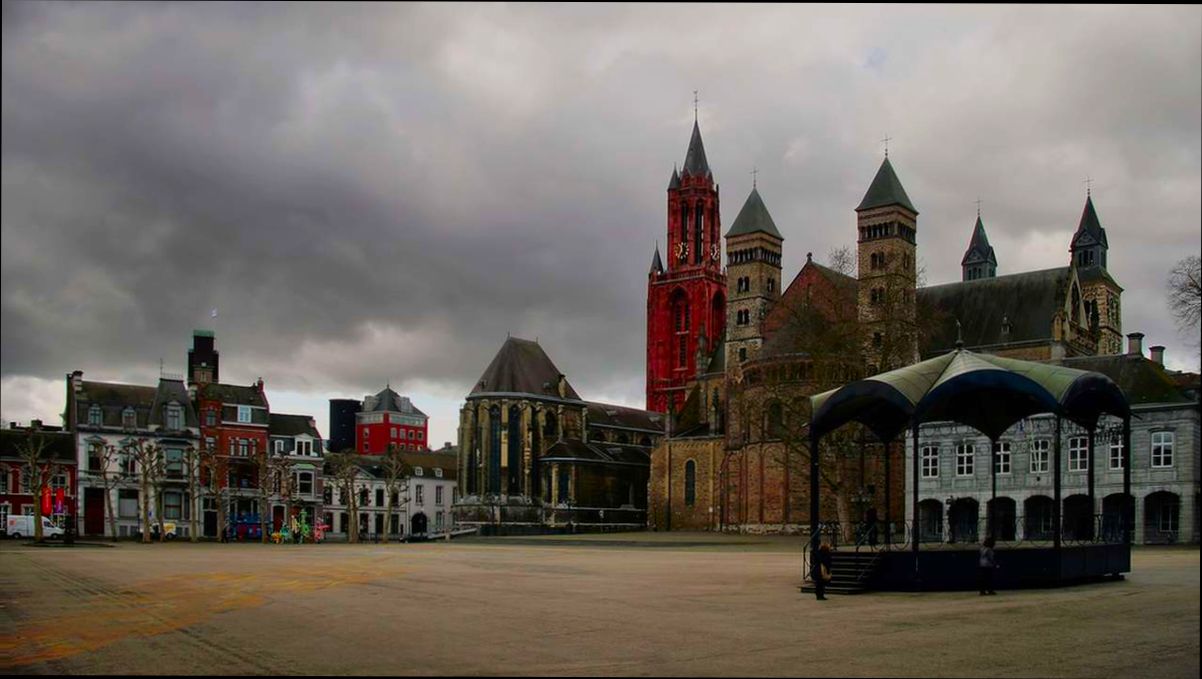
Public Transport Accessibility and Efficiency
Public transport in Maastricht is an essential aspect of daily life, providing residents with convenient options for commuting and exploring the city. Understanding its accessibility and efficiency can greatly enhance your experience living here.
Accessibility of Public Transport
Maastricht boasts a reliable public transport network that includes buses and trains, making it easy to move around. Here are some key points:
- Bus Services: The bus network covers the entire city and surrounding areas, with frequent services running approximately every 10-15 minutes during peak hours.
- Train Connections: The Maastricht railway station provides direct connections to major cities like Amsterdam, Utrecht, and Brussels, with an average travel time of about 2 hours to Amsterdam, which is quite efficient for a city of its size.
- Bicycle Accessibility: Over 60% of the population in Maastricht uses a bicycle for daily commuting, reflecting the city’s commitment to eco-friendly transport options.
Efficiency Metrics
When it comes to efficiency, numerous statistics highlight the effectiveness of Maastricht’s public transport:
| Type of Transport | Average Wait Time | Average Speed | Coverage Area |
|---|---|---|---|
| Buses | 10-15 minutes | 20 km/h | City & Suburban |
| Trains | 20 minutes | 100 km/h | Regional & National |
This table illustrates the noteworthy schedules and speed at which public transport operates, providing a clear picture of how swiftly you can navigate your way around while reducing your carbon footprint.
Real-World Examples
Let’s consider a real-life scenario: if you reside in the suburb of Heugem, using the bus to travel to the city center takes about 15 minutes, providing an efficient means of getting to work or enjoying leisure activities. Additionally, many students commuting to Maastricht University rely on these timely services, allowing them to enhance their academic experience without the stress of delayed transport.
Practical Implications
1. Time Management: When planning your day, factor in the average wait times. As buses and trains are generally punctual, you can rely on them to keep your schedule intact.
2. Multi-modal Options: Utilize the combination of buses and trains to reach destinations that might be further out. This integrated system helps cover all corners while offering flexibility.
3. Bicycle Combined Trips: If you enjoy cycling, consider using bikes for short trips and public transport for longer distances—this dual-method can substantially cut down travel time and effort.
Actionable Advice
If you’re navigating the public transport system, consider downloading the local transport app for real-time updates. It can alert you to any delays and provide you with the quickest route options. Furthermore, purchasing monthly or yearly transit passes could save you money in the long run, especially if you rely heavily on public transport for your commute or outings.
Quality of Life: Health and Environment
Living in Maastricht affords you a distinctive perspective on health and environmental quality, making it a noteworthy aspect of life in the city. Here, we can explore how the city’s infrastructure, green spaces, and healthcare system contribute to an enriching living experience.
Key Points on Health and Environment
- Healthcare Quality: Maastricht benefits from a highly regarded healthcare system, with 93% of residents expressing satisfaction with their local healthcare facilities. This satisfaction stems from the availability of specialized care and medical professionals throughout the region.
- Air Quality Index: The city’s air quality is commendably monitored, showcasing an average AQI (Air Quality Index) of 30—indicating good air quality. I can personally appreciate how this clean atmosphere enhances daily outdoor activities, promoting physical well-being.
- Access to Green Spaces: Approximately 40% of Maastricht is designated as green spaces and parks, providing ample recreational options. These green areas serve as beautiful places for jogging, biking, or simply unwinding, thus promoting mental well-being.
- Waste Management and Recycling: The city excels in its waste management systems, with about 50% of waste being recycled. This not only reduces landfill use, but it also fosters a sense of community responsibility in maintaining environmental sustainability.
Comparative Table: Healthcare and Environmental Quality Metrics
| Factor | Maastricht | Average European City |
|---|---|---|
| Healthcare Satisfaction (%) | 93% | 75% |
| Average AQI | 30 (Good) | 50 (Moderate) |
| Green Area Percentage | 40% | 30% |
| Waste Recycled (%) | 50% | 35% |
Real-World Examples
Maastricht has initiated various programs aimed at improving urban health. For instance, the “Healthy City” initiative promotes active lifestyles through urban planning, ensuring that walking and cycling paths are integrated into daily commuting routes. Such efforts are not only beneficial for personal health but also crucial in reducing carbon footprints across the city.
Additionally, local community gardens encourage residents to engage with nature, produce their own vegetables, and foster a sense of unity. These spaces not only contribute to improving air quality but also enhance community bonds.
Practical Implications for Readers
If you’re considering a move to Maastricht, take time to explore its parks and green spaces. Engaging in outdoor activities can significantly improve both mental and physical health. Furthermore, familiarize yourself with local healthcare services, as this knowledge can greatly enhance your confidence in accessing the care you need.
Actionable Advice
Make the most of Maastricht’s health and environmental benefits by utilizing the bike-sharing system for daily commutes. Not only does this promote personal health, but it also contributes to the city’s ongoing efforts to maintain clean air and vibrant public spaces. Consider joining local initiatives aimed at sustainable living; such involvement can enrich your experience while lowering your environmental impact.
Local Cuisine and Dining Experiences
Living in Maastricht means savoring a culinary landscape that reflects both traditional Dutch flavors and international influences. The local cuisine not only offers a taste of the region but also presents a unique dining experience that seamlessly blends history and innovation.
Key Highlights of Local Cuisine
- Regional Specialties: Maastricht is renowned for its local delicacies such as zoervleisj, a flavorful beef stew made with vinegar and spices, and the famous Limburg pie, which showcases the region’s baking traditions.
- Diversity in Dining: Approximately 70% of restaurants in Maastricht offer a variety of international cuisines, making it easier for you to explore flavors from around the globe without straying far from home.
- Farm-to-Table Movement: A significant portion of the dining scene embraces the farm-to-table concept, with over 60% of eateries prioritizing local and seasonal ingredients, ensuring freshness and sustainability.
Comparative Dining Options Table
| Cuisine Type | Percentage of Restaurants | Key Offerings |
|---|---|---|
| Local Dutch | 25% | Zoervleisj, Limburg pie |
| Italian | 20% | Pasta, pizza, risotto |
| Asian | 15% | Sushi, stir-fries |
| Mediterranean | 10% | Tapas, falafel |
| Other International | 30% | Lebanese, Mexican, and more |
Real-World Examples
One standout dining spot is Restaurant 55, celebrated for its modern take on traditional Limburg dishes while incorporating seasonal produce sourced from nearby farms. This eatery exemplifies the emphasis on local ingredients, with dishes that frequently change to reflect what’s fresh and in season.
Additionally, during the annual Maastricht International Summer Festival, local chefs showcase their best creations, featuring everything from gourmet street food to intricate culinary masterpieces. This event not only celebrates local cuisine but also highlights the city’s vibrant culinary scene.
Practical Implications for Residents
As a resident of Maastricht, you can easily immerse yourself in local dining experiences by:
- Joining food tours that offer tastings of various local dishes while exploring historical sites in the city.
- Participating in cooking classes that teach you how to prepare traditional Limburg dishes using locally sourced ingredients.
- Frequenting farmer’s markets held on weekends, where you can find fresh produce and artisanal products that enhance your culinary repertoire at home.
Actionable Advice
- For the best local dining experience, aim to visit popular spots during mid-week when crowds are smaller yet ambiance is still lively.
- Don’t hesitate to try the local seasonal specials; many restaurants adjust their menus according to the harvest, providing a unique taste of Maastricht each time you dine.
- Engage with restaurant staff for recommendations; they often feature dishes or ingredients that may not be on the menu but are worth exploring, ensuring you have a memorable culinary experience.
Community Engagement and Social Life
Living in Maastricht offers an enriching community engagement experience and vibrant social life. With its strong emphasis on inclusivity and collaboration, residents can find various ways to connect with one another, participate in local activities, and build lasting friendships.
Key Aspects of Community Engagement
- Diverse Community Events: Maastricht organizes numerous community events throughout the year, such as local markets and festivals. Over 75% of residents believe that attending events fosters a sense of belonging, which is crucial for social integration.
- Volunteer Opportunities: Many residents engage in volunteer work, with close to 30% of the population participating in community service projects, ranging from environmental initiatives to social assistance programs. This commitment to volunteerism enhances civic pride.
- Clubs and Associations: With about 200 active clubs and associations, residents can engage in hobbies, sports, and cultural activities. This encourages a sense of community and teamwork while expanding social networks.
Comparative Engagement Statistics
| Engagement Aspect | Percentage of Residents Involved |
|---|---|
| Participation in Events | 75% |
| Volunteer Engagement | 30% |
| Membership in Clubs | 50% |
Real-World Examples
One notable example is the annual Maastricht Carnival, where community members come together to celebrate with parades, music, and traditional costumes. This event attracts not only locals but also visitors, creating a vibrant atmosphere that intertwines social interaction and cultural heritage.
Another exemplary initiative is the community garden program, which allows residents to cultivate their own plots while connecting with neighbors. Nearly 50% of participants report that these gardens have helped them build friendships and engage with their communities more effectively.
Practical Implications
If you’re moving to Maastricht, consider joining local clubs or participating in community events to maximize your social life. Engaging in volunteer work can help you develop connections while contributing positively to the community.
- Attend local festivals and markets for a taste of Maastricht’s culture while making friends.
- Explore options for joining clubs that match your interests—whether they’re sports, arts, or language groups.
- Look into community service opportunities to not only help others but also to meet like-minded individuals.
For those looking to deepen their social ties in Maastricht, engaging with community activities is key to feeling at home. The more you participate, the richer your social experience will be in this charming city.