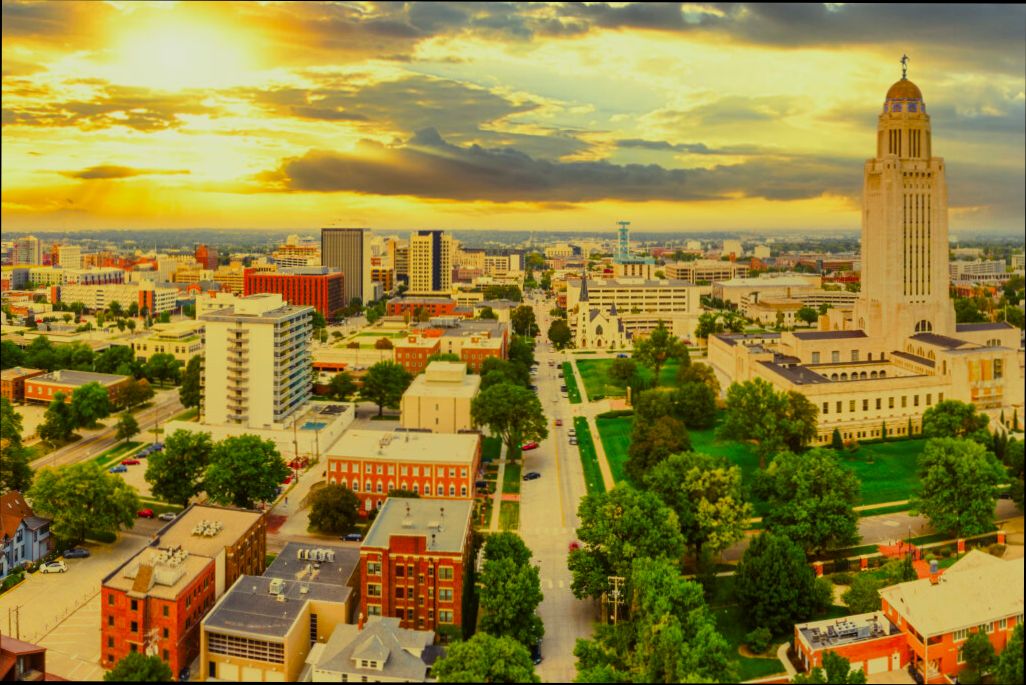
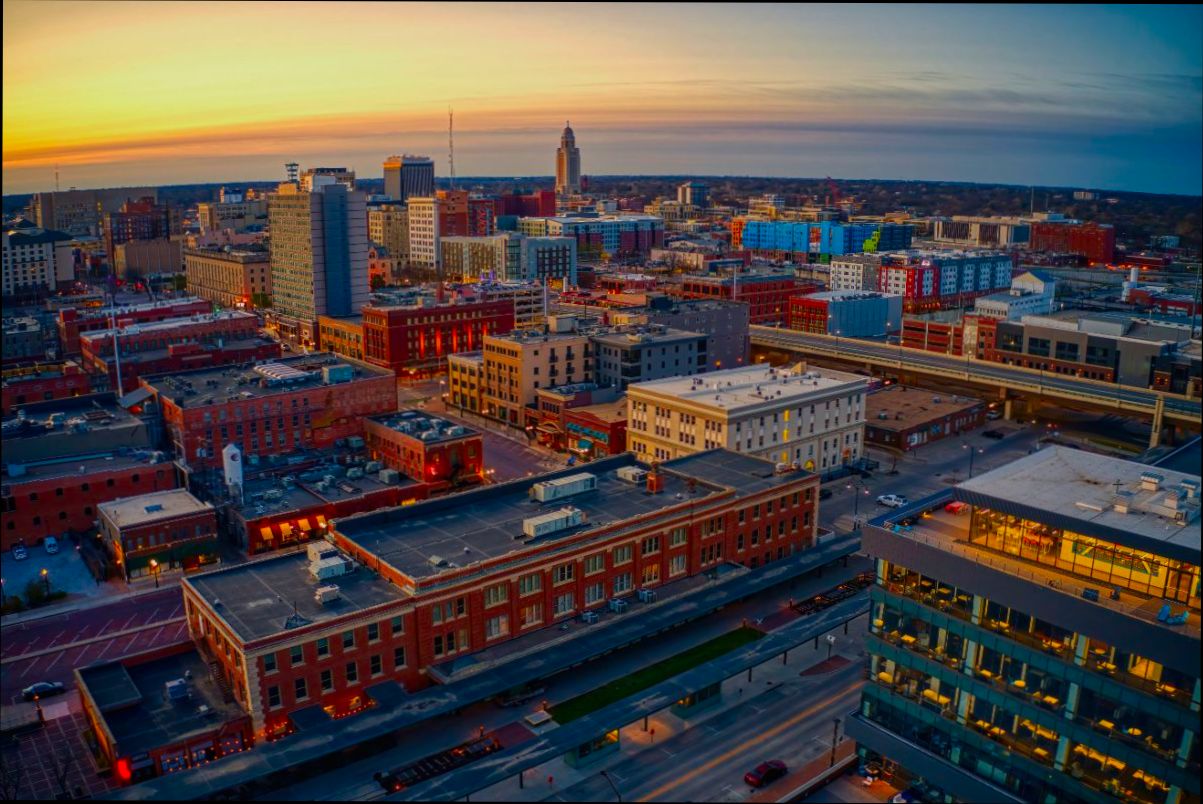
Pros and Cons of Living in Lincoln NE really boils down to a mix of charming Midwestern vibes and some real-life challenges. On the upside, Lincoln offers a cost of living that’s hard to beat—housing prices are well below the national average, with the median home price sitting around $300,000. If you enjoy a slower pace, the city’s strong sense of community and the vibrant downtown scene, complete with local breweries and farmers’ markets, make it pretty appealing. Plus, you can’t ignore the presence of the University of Nebraska, giving the city a youthful energy and tons of entertainment options, from sports events to concerts.
But, it’s not all sunshine and rainbows. One downside is the unpredictable Nebraska weather, where winters can get brutally cold, making outdoor activities less appealing for a few months each year. Additionally, while Lincoln boasts a low unemployment rate (around 2.5% as of late 2023), job opportunities can be scarce in certain sectors, especially for professionals looking for something beyond education or healthcare. And let’s be real, if you crave the hustle and bustle of a big city, Lincoln may feel a bit too quiet for your taste, especially compared to nearby metropolises.
Cost of Living Analysis in Lincoln
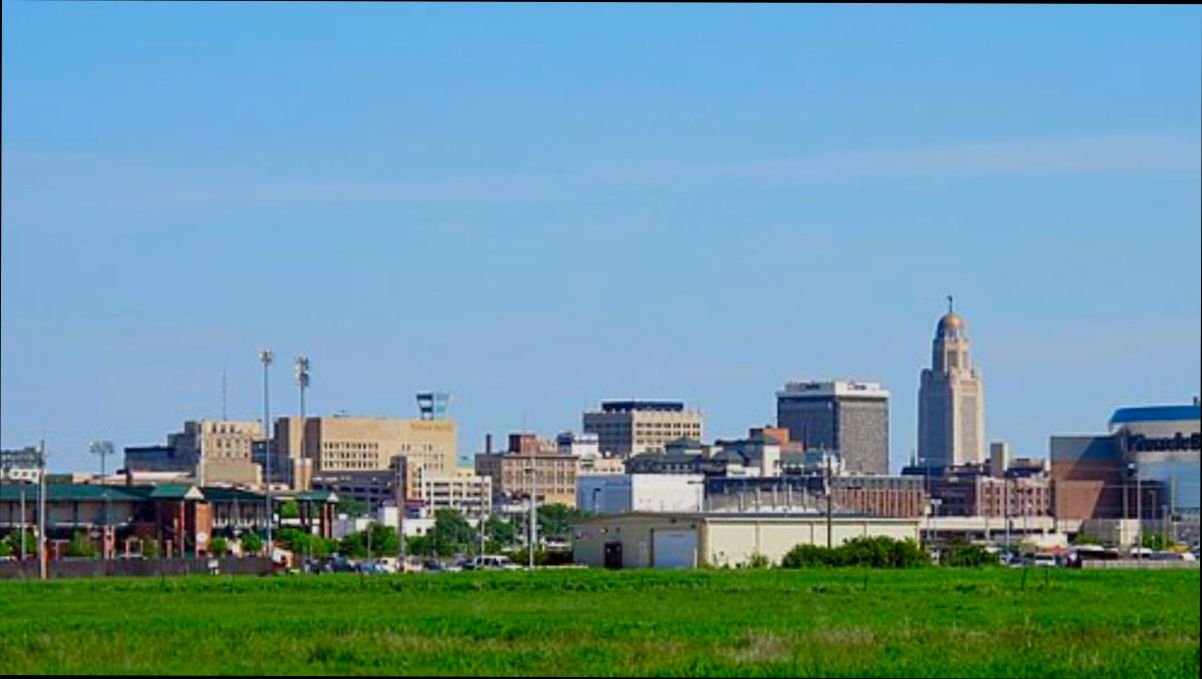
Understanding the cost of living in Lincoln, Nebraska, is essential if you’re considering a move or just want to get a better handle on your finances. Lincoln stands out for its affordability, making it an appealing choice for many.
Key Points About Living Expenses
1. Housing Costs: The average home price in Lincoln is approximately $304,000, which is significantly lower than the national average of around $424,000. This affordability allows you to invest more in your lifestyle and savings.
2. Utilities: Residents typically spend about $150 per month on basic utilities, including electricity, heating, cooling, water, and garbage—this is lower than the national average of $200. Lower utility costs can free up more of your budget for recreational activities or savings.
3. Grocery Prices: The cost of groceries in Lincoln is around 7% lower than the national average. For example, a gallon of milk averages $2.50, while the national average hovers around $3.50. This makes it easy to maintain a healthy diet without breaking the bank.
4. Transportation Costs: Owning a car is relatively affordable in Lincoln, with gas prices averaging $3.10 per gallon, which is lower than the national average of approximately $3.30. Additionally, public transportation offers routes at reasonable rates, further reducing commuting expenses.
5. Healthcare Expenses: Average healthcare costs for individuals in Lincoln are about 16% lower than the national average. This can be particularly beneficial for families or individuals who may have ongoing medical needs.
| Expense Category | Lincoln Average | National Average |
|---|---|---|
| Home Price | $304,000 | $424,000 |
| Monthly Utilities | $150 | $200 |
| Grocery Costs (Milk) | $2.50 | $3.50 |
| Gas Prices | $3.10 | $3.30 |
| Healthcare Costs | 16% lower | - |
Real-World Examples
A family of four moving from a major city like San Francisco can expect significant savings. While the average rent for a two-bedroom apartment in Lincoln is around $1,200, the same apartment might cost $3,500 in San Francisco. Such differences highlight the financial relief that many residents experience.
Conversely, a young professional relocating from Chicago may find that their expenses remain manageable. With lower housing costs and cheaper groceries, they can enjoy a wider standard of living while paying off student loans, which can often feel overwhelming in larger cities.
Practical Implications for Residents
The cost-effectiveness of living in Lincoln allows you to allocate funds towards activities that enhance your quality of life. You can indulge in dining, travel, or savings without worrying about exorbitant bills.
For those budget-conscious individuals or families, embracing local markets and activities can further optimize your living expenses. By shopping locally, you not only save money but also support the community.
It’s beneficial to compare your current living expenses with Lincoln’s averages. Assess your priorities and see where you can save the most. You might be pleasantly surprised at how much more financial freedom you can gain by relocating to Lincoln, especially in housing and grocery costs.
Outdoor Recreation Opportunities in Lincoln
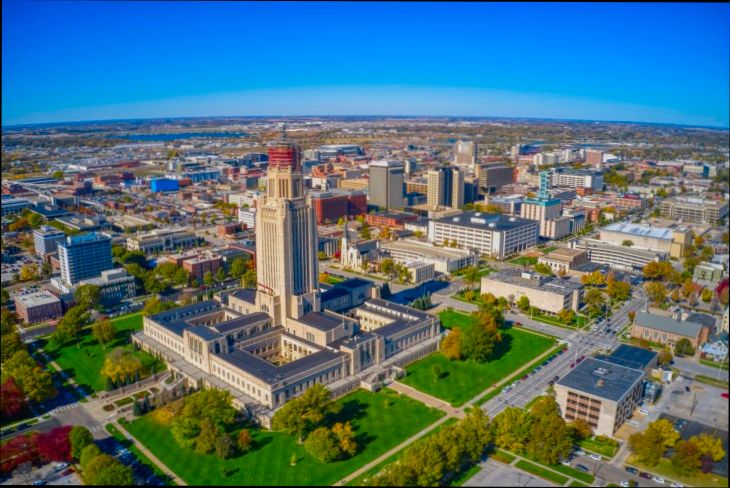
When it comes to outdoor recreation, Lincoln, Nebraska, offers a delightful blend of options for nature enthusiasts, families, and adventure seekers alike. From sprawling parks to scenic trails, there’s something for everyone to enjoy.
Key Outdoor Attractions
Lincoln boasts an impressive array of outdoor spaces, making it easy to find your favorite pastime:
- Parks: Lincoln has over 130 parks covering more than 2,000 acres, offering trails, playgrounds, and sports facilities. This means you can find a green space close to home, no matter where you live.
- Trails: With over 130 miles of hiking and biking trails, residents can easily engage in outdoor activities. The popular MoPac Trail stretches 22 miles, providing a beautiful route for leisurely walks or intense bike rides.
- Recreational Areas: Salt Creek, a local favorite, features fishing spots and family-friendly picnic areas. Additionally, the Pioneers Park Nature Center offers native wildlife exhibits and several miles of nature trails.
Comparative Outdoor Recreation Availability
| Activity | Availability | Popular Locations |
|---|---|---|
| Parks | 130+ parks | Antelope Park, Holmes Park |
| Biking Trails | 130+ miles | MoPac Trail, Lincoln’s Downtown Trail |
| Nature Reserves | 5+ areas | Pioneers Park, Wilderness Park |
| Recreational Activities | Year-round | Salt Creek, Lincoln City Golf Course |
Real-World Examples
Many local residents find joy in the recreational opportunities available in Lincoln. For example, the annual Lincoln Marathon, which takes place in May, attracts thousands of participants and showcases the city’s commitment to promoting fitness in a community-centered environment.
Another popular event is the Ride of Silence, an annual bike ride that promotes cycling safety. This unique experience not only highlights the importance of bike trails in Lincoln but also fosters a strong sense of community among cyclists.
Practical Implications
You’ll want to take full advantage of the outdoor opportunities Lincoln has to offer:
- Explore Parks: Make a weekend plan to visit different parks; perhaps start with Antelope Park for its pond and sports amenities, or Holmes Park for a more tranquil experience amidst nature.
- Join Local Groups: Consider joining local cycling or hiking groups available through community centers or social media. This can enhance your outdoor experience while also providing you with social connections in the community.
- Seasonal Events: Check out seasonal outdoor events such as farmer’s markets, outdoor concerts, and sports leagues that take place in various parks, ensuring you stay engaged throughout the year.
Actionable Advice
If you haven’t already, grab a bike and hit the MoPac Trail to bask in the beautiful Nebraska scenery. Don’t forget to pack a picnic and enjoy a meal in one of the many parks. The blend of adventure, community, and natural beauty makes Lincoln a great place to actively engage with the outdoors.
Cultural Attractions and Community Events
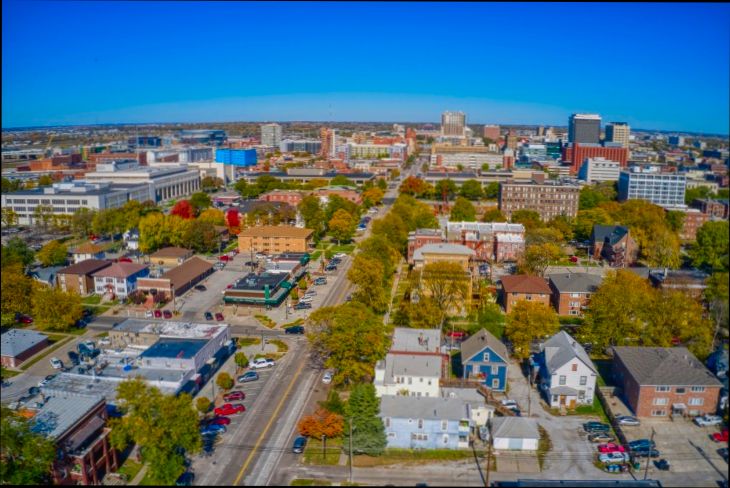
Living in Lincoln, Nebraska, means immersing yourself in a vibrant cultural scene and engaging community events. The diverse array of attractions offers something for everyone, whether you’re an art lover, history buff, or just looking for fun activities to enjoy. Let’s delve into what makes Lincoln’s cultural landscape unique.
Key Cultural Attractions
1. Sheldon Museum of Art: With a collection featuring over 12,000 works, the Sheldon Museum of Art is home to notable American art pieces. The museum not only serves as a gallery but also hosts lectures and workshops, inviting community participation.
2. Lincoln Community Playhouse: Known for its impressive local theater performances, the Lincoln Community Playhouse showcases everything from classic plays to contemporary works. They produce over ten main-stage productions each season, averaging around 30 performances per show.
3. National Museum of Roller Skating: This quirky museum dedicated to the history of roller skating holds thousands of artifacts related to the sport. The museum not only educates visitors but also offers workshops and community skate nights, promoting engagement.
Community Events and Festivals
Lincoln is alive with community events throughout the year. Here are some significant events that stitch the fabric of the local culture:
- Haymarket Farmers Market: Open seasonally, this market sees over 100 vendors weekly, making it a gathering spot for locals to enjoy fresh produce and artisanal goods. It’s a lively atmosphere with live music and family-friendly activities, enriching community ties.
- The Capital City Pride Festival: Celebrating diversity and inclusion, the festival takes place annually and attracts around 10,000 attendees. With marchers, booths, and performances, this event emphasizes community spirit and support.
Cultural Attraction Comparison Table
| Attraction | Type | Visitor Engagement | Unique Feature |
|---|---|---|---|
| Sheldon Museum of Art | Art Museum | 30,000 annual visitors | Weekly workshops and lectures |
| Lincoln Community Playhouse | Theater | 12,000+ attendees/year | Over ten productions yearly |
| National Museum of Roller Skating | Sports Museum | 5,000 annual visitors | Workshops and community skate nights |
| Haymarket Farmers Market | Outdoor Market | 10,000+ attendees/week | Live music and family activities |
| Capital City Pride Festival | Cultural Festival | 10,000+ attendees | March and community booths |
Real-World Examples
- The Sheldon Museum of Art regularly hosts collaborative art projects, allowing visitors to contribute pieces that reflect community themes. These initiatives foster a sense of belonging and creativity among residents.
- The Lincoln Community Playhouse engages local schools and nonprofits by providing opportunities for students to participate in productions, thereby bridging community engagement with the arts.
Practical Implications for Residents
Living in Lincoln provides ample opportunities to immerse yourself in cultural and community events. Look out for:
- Community Classes: Many cultural institutions offer classes ranging from pottery to drama. Participating can enhance your skills while meeting neighbors.
- Volunteering: Opportunities abound at cultural attractions, allowing you to give back while learning about the arts and enhancing community connections.
- Join Local Clubs: Many cultural events encourage the formation of clubs around common interests, providing a great way to make new friends and share your passions.
Remember, Lincoln’s cultural richness not only enhances your living experience but also connects you deeply with the community fabric.
Education System Quality and Rankings
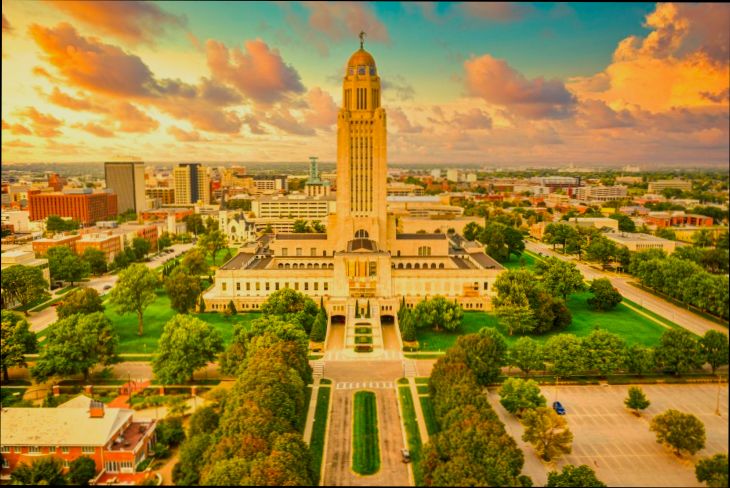
When considering a move to Lincoln, Nebraska, understanding the quality and rankings of the education system is paramount, especially for families. The education landscape here is rich with opportunities, and I’ll dive into the specifics that make it noteworthy.
Key Points on Education Quality and Rankings
- Public School Ratings: Lincoln Public Schools (LPS) consistently ranks among the top districts in Nebraska. In a recent assessment, LPS received an “A” rating from Niche, based on factors like academics, teachers, and student diversity.
- Graduation Rates: The graduation rate for high schools in Lincoln hovers around 87%, exceeding the national average of approximately 80%. This statistic highlights the commitment to student success and achievement.
- Student-Teacher Ratio: The average student-teacher ratio in Lincoln’s public schools stands at approximately 14:1. This ratio is favorable compared to the national average, ensuring personalized attention for students.
- Diversity in Education: Lincoln’s schools are also noted for their diversity, with a significant percentage (35%) of students identifying as minorities. This rich cultural mix contributes to a broader educational experience and inclusivity.
Comparison of School Districts in Lincoln
| School District | Graduation Rate | Student-Teacher Ratio | Niche Rating |
|---|---|---|---|
| Lincoln Public Schools | 87% | 14:1 | A |
| Norris School District | 90% | 15:1 | A- |
| Waverly School District | 89% | 16:1 | B+ |
Real-World Examples
One standout among Lincoln’s high schools is Lincoln East High School, renowned for its advanced placement (AP) offerings and strong emphasis on STEM education. The school consistently ranks in the top tier nationally, with AP participation rates exceeding 30%, which reflects a deep commitment to preparing students for higher education.
Another notable institution is the University of Nebraska-Lincoln (UNL), which significantly influences the education rankings in the area. UNL boasts strong programs in engineering, business, and education, making it a leading research institution with various partnerships that enhance local education programs.
Practical Insights
When evaluating education choices in Lincoln, it can be beneficial to consider:
- The variety of extracurricular activities and their impact on holistic student development.
- Schools’ investment in technology and modern teaching methods, which are essential for preparing students for the future.
- The availability of special education resources and support, which plays a critical role in serving diverse learning needs.
Specific Facts and Actionable Advice
- For families relocating to Lincoln, visiting schools during open houses can provide invaluable insights into teaching styles and school culture.
- Checking online reviews and rankings on platforms like Niche and GreatSchools will help in making informed decisions about school options.
- Engaging with local parent groups or forums can offer firsthand experiences and recommendations related to educational quality in Lincoln.
Employment Landscape and Job Market Trends
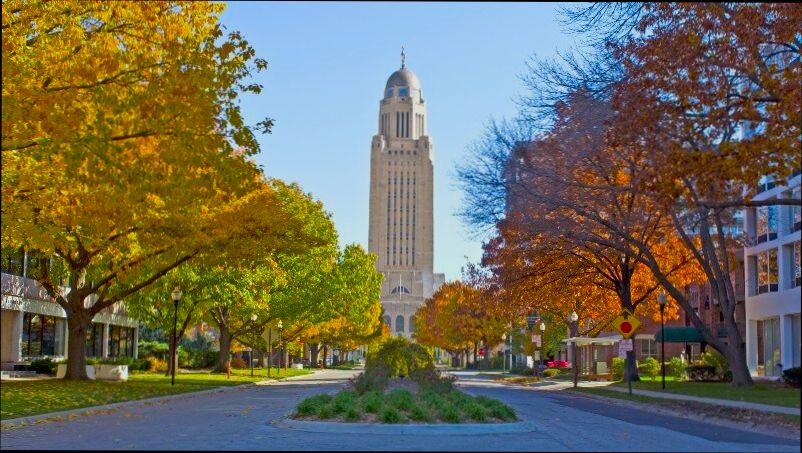
Understanding the employment landscape in Lincoln, Nebraska, reveals important insights into the job market trends that can significantly impact your living experience. Whether you’re seeking a new job or exploring career growth opportunities, Lincoln’s employment dynamics offer both challenges and advantages.
Key Employment Statistics
- Unemployment Rate: Lincoln’s unemployment rate is approximately 2.6%, which is lower than the national average. This indicates a healthy job market with more available positions compared to many other cities.
- Job Growth Rate: The city has experienced a job growth rate of around 1.5% per year over the past five years. This steady increase demonstrates a growing economy that can offer ample job opportunities.
- Largest Employment Sectors: The predominant sectors in Lincoln include education and health services (22%), trade, transportation, and utilities (18%), and professional and business services (14%). These statistics highlight where the majority of jobs are concentrated in the area.
Comparative Job Market Data
| Employment Sector | Percentage of Total Employment |
|---|---|
| Education and Health Services | 22% |
| Trade, Transportation, and Utilities | 18% |
| Professional and Business Services | 14% |
| Leisure and Hospitality | 10% |
| Manufacturing | 8% |
Real-World Examples
Consider the University of Nebraska-Lincoln, which is not only a major educational institution but also one of the largest employers in the city. With over 22,000 students, it generates a significant need for jobs across various fields, such as teaching, administration, and facility management.
Another vibrant sector is healthcare, with facilities like Bryan Health and CHI Health continually expanding their services. Job seekers in the medical field often find favorable conditions as these organizations frequently have openings for nurses, technicians, and administrative staff.
Practical Implications for Job Seekers
If you’re looking to move to Lincoln or considering a career change, these trends offer actionable insights:
- Network Effectively: Given the concentration of jobs in education and healthcare, attending local job fairs or networking events related to these sectors can greatly enhance your job search.
- Leverage Resources: Utilize workforce development programs offered by local organizations that can provide training and guidance in high-demand industries in Lincoln.
- Stay Informed: Regularly check job boards focused on specific sectors, as many of the leading employers post opportunities directly on their websites.
Specific Facts to Consider
- The local community is supportive of new businesses and startups, with various resources available for entrepreneurs looking to launch in Lincoln.
- As the demand for remote work increases, many businesses in Lincoln are adapting to flexible work models, influencing hiring practices and career opportunities across sectors.
Health Care Access and Quality Overview
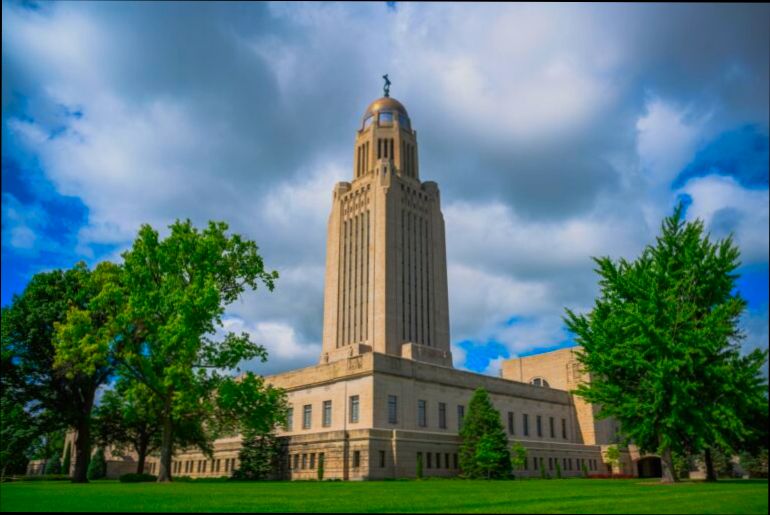
Living in Lincoln, Nebraska, provides residents with noteworthy access to health care services and overall quality of care. Understanding these aspects is vital for anyone considering a move to this city. Let’s take a closer look at what health care access and quality entail in Lincoln.
Key Points on Health Care Access and Quality
- Number of Facilities: Lincoln is home to several major health care facilities, including Bryan Health and CHI Health St. Elizabeth. These institutions offer a range of services from emergency care to specialized treatment, ensuring that residents have access to comprehensive health services.
- Primary Care Providers: Approximately 85% of residents have a primary care physician. This statistic underscores the importance of continuous care and the availability of health services for routine check-ups and preventive care.
- Insurance Coverage: Nationally, about 93% of adult Nebraskans are insured, which includes a mix of employer-sponsored plans and government-funded programs like Medicaid. This high level of insurance coverage makes access to health services more feasible for many residents.
- Preventive Health Services: The city emphasizes preventive care, with 70% of adults participating in routine health screenings. This focus on preventive measures contributes to better health outcomes and reduces the demand for emergency care.
Health Care Access Data Comparison Table
| Metric | Lincoln, NE | National Average |
|---|---|---|
| Percentage with Primary Care | 85% | 70% |
| Adult Insurance Coverage | 93% | 89% |
| Annual Health Screenings | 70% | 65% |
| Number of Hospitals | 4 | 5 |
| Specialty Care Availability | High | Average |
Real-World Examples
One significant example is Bryan Health, a key player in Lincoln’s health system. It offers a variety of specialized services, including cancer care and heart health, reflecting the city’s commitment to comprehensive health care. This facility is known for its patient-centered approach, which has resulted in high patient satisfaction rates.
Another example is the community health initiatives that encourage screenings for conditions such as diabetes and hypertension. Local organizations frequently host health fairs that offer free screenings, which have served thousands of residents annually, improving awareness and early diagnosis of potential health issues.
Practical Implications
For residents, the high rate of health insurance and accessibility to primary care providers means that routine health services are within reach. If you’re planning a move to Lincoln, maintaining regular check-ups can be easier due to the city’s extensive network of health care providers.
Additionally, those who prioritize preventive care will find resources readily available to support a healthy lifestyle, ultimately reducing the likelihood of chronic illnesses.
- Actionable Advice: To capitalize on health care services in Lincoln, consider registering with a primary care provider upon arrival and looking into community health events, which can offer valuable resources and connections within the health care system.
Exploring your health care options in Lincoln can be a proactive step toward ensuring you and your family’s well-being in your new environment.
Transportation and Commute Expectations in Lincoln
When living in Lincoln, Nebraska, you’ll find that transportation options and commute expectations play a vital role in your day-to-day life. From public transit to road conditions, understanding these elements can help you navigate the city more effectively. Here’s what you need to know.
Public Transportation Overview
Lincoln’s public transportation system, known as StarTran, offers bus services throughout the city. It’s a reliable option for many residents, with routes covering key areas, including downtown and the University of Nebraska.
- Accessibility: Approximately 86% of residents live within a half-mile of a bus stop, making it convenient to access public transit.
- Frequency: Buses typically run every 30 minutes to an hour, depending on the route and time of day.
- Fare Structure: Adult fares are usually around $1.25, while seniors and students pay a reduced fare.
Average Commute Times
Understanding the average commute times can help set your expectations when moving to Lincoln:
- Daily Commute: The average one-way commute in Lincoln is about 20 minutes, which is considerably shorter than the national average of around 26 minutes.
- Car Dependence: Approximately 83% of workers in Lincoln drive alone to work, reflecting a strong reliance on personal vehicles.
| Mode of Transportation | Percentage of Residents | Average Commute Time |
|---|---|---|
| Drive Alone | 83% | 20 minutes |
| Carpool | 12% | 25 minutes |
| Public Transit | 3% | 30 minutes |
| Walk or Bike | 2% | 15 minutes |
Real-World Examples
When considering where to live in Lincoln, certain neighborhoods offer distinct commuting advantages. For example, living near downtown allows for easier access to a variety of amenities and jobs, significantly reducing the need for a long commute. Residents of areas such as Haymarket can enjoy both the vibrant community atmosphere and a quick transit time to workplaces across the city.
Another example is the Lincoln East area, where many tech companies are located. Employees report minimal commute times, averaging under 15 minutes, which is a huge perk for those seeking work-life balance.
Practical Implications
If you’re considering a move to Lincoln, think about the following practical aspects of transportation:
- Parking: While Lincoln is generally car-friendly, downtown parking can be limited, so plan accordingly.
- Bike-Friendly Roads: Lincoln is gradually becoming more bike-friendly, with dedicated bike lanes emerging in several neighborhoods, enhancing alternatives for commuting.
For commuters, being mindful of peak traffic hours can also make a significant difference; typically, traffic is heaviest during morning and evening rush hours.
Actionable Insights
- Explore StarTran: Get familiar with the StarTran bus routes and schedules, as they can provide a good backup plan if you prefer not to drive.
- Consider Alternative Transportation: If you’re health-conscious or environmentally minded, look into biking or walking routes in your neighborhood.
- Keep an Eye on Traffic Reports: Use local traffic apps to avoid heavier congestion times, especially if you plan to travel during peak hours.
By understanding these aspects of transportation and commute expectations in Lincoln, you’ll be better positioned to manage your daily life and enjoy all that this vibrant city has to offer.