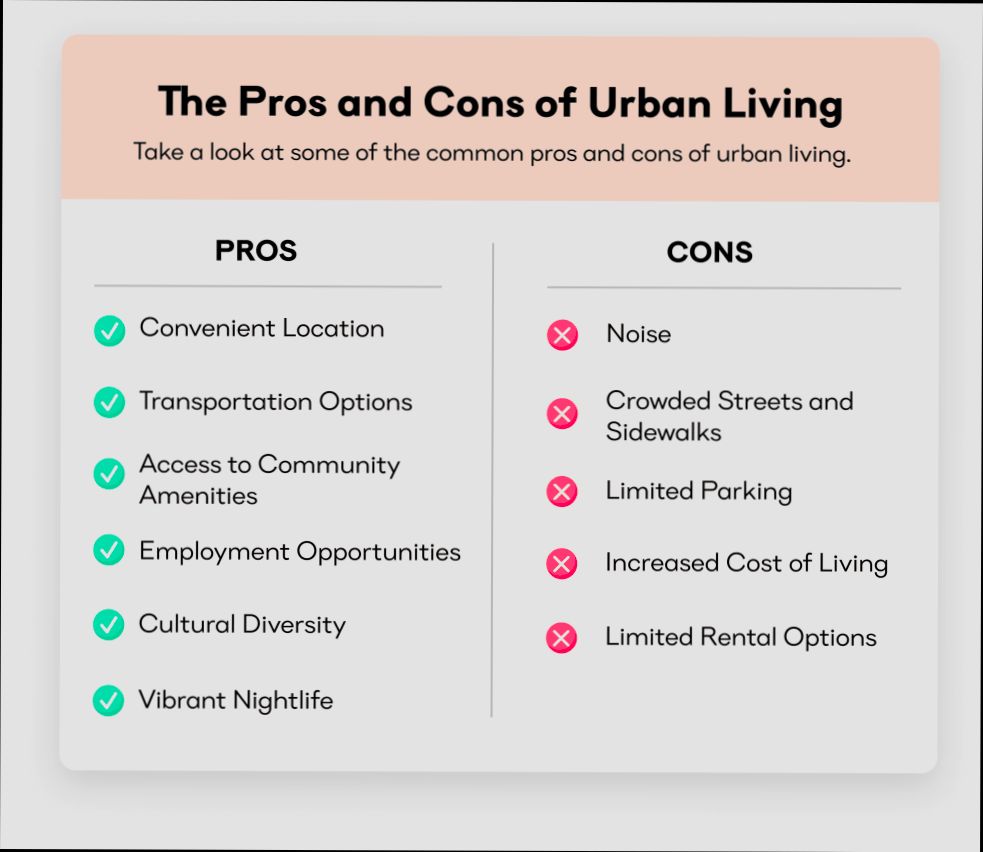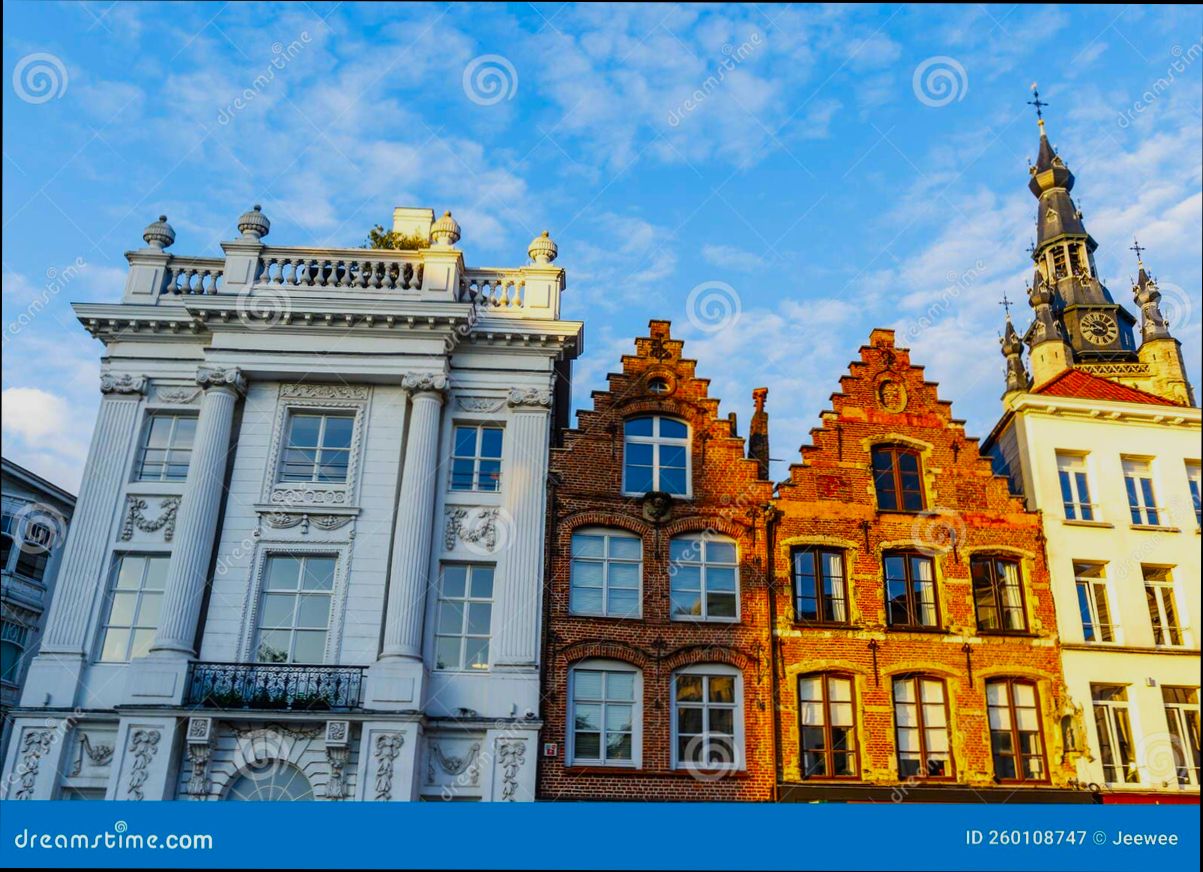
Pros and Cons of Living in Kortrijk (Courtrai) can be quite the mixed bag. On one hand, you’ve got a charming city bursting with history—just stroll through the heart of the city and you’ll stumble upon ornate medieval architecture alongside vibrant modern vibes. Kortrijk’s population is around 96,000, which gives it a cozy, tight-knit feel, yet there’s enough going on to keep things interesting. Plus, the local culinary scene shines with tasty Belgian fries and treats from the famous chocolate shops, like the beloved Maison S. It’s also well-connected, with easy access to major cities like Ghent and Brussels via excellent trains, making it a convenient base for commuters or weekend adventurers.
However, living in Kortrijk isn’t entirely sunshine and rainbows. The job market can feel a bit slim, especially for newcomers or those looking for niche roles outside of the main industries, like textiles and technology. Housing prices are on the rise, making it trickier for first-time buyers to snag a decent place without breaking the bank. Traffic can be a headache, especially during peak hours, as the city’s layout isn’t always geared towards quick commutes. And while the locals are friendly, you might find the nightlife a bit lacking if you’re used to bigger city buzz. It’s a place that balances the quaint with the practical, so weighing these pros and cons can really help you figure out if it vibes with your lifestyle.
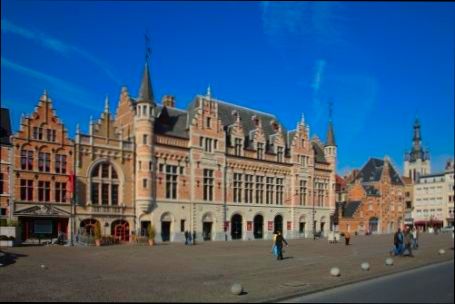
Cultural Vibrancy and Historical Significance
Living in Kortrijk (Courtrai) offers a unique blend of cultural vibrancy and rich historical significance. From medieval architecture to vibrant festivals, this city pulses with life and heritage, making it an exciting place to call home.
Rich Historical Heritage
Kortrijk is steeped in history, dating back to the Roman period. You might find it fascinating that:
- The city played a pivotal role in the Battle of the Golden Spurs in 1302, a key event in Flemish history.
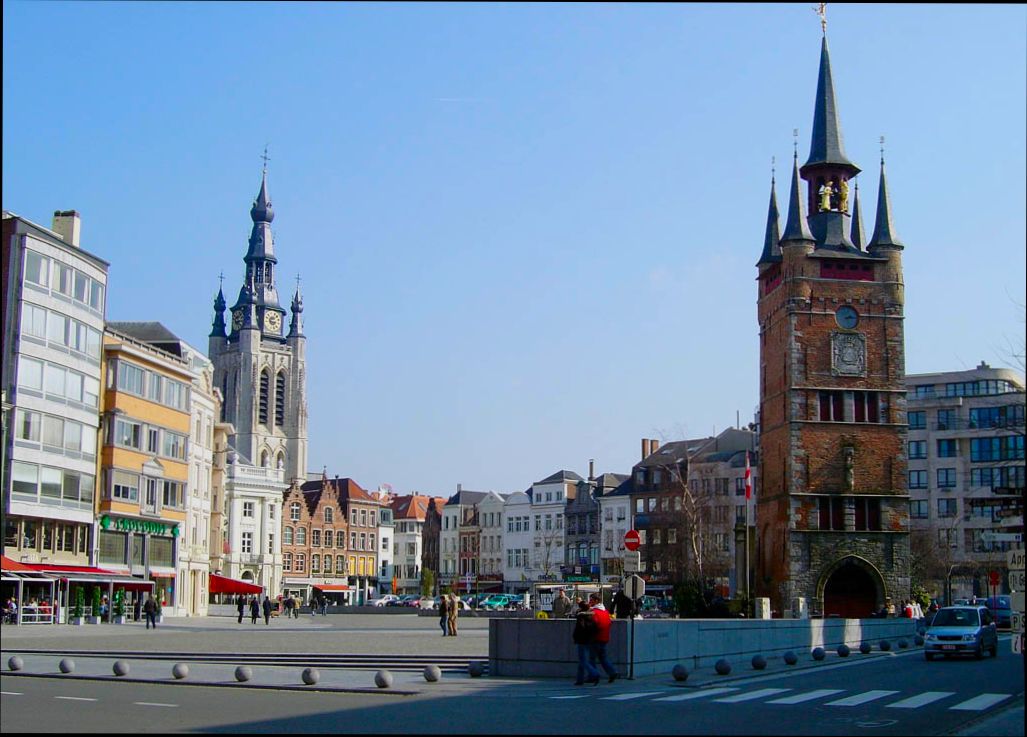
- The Beffroi (belfry) of Kortrijk, a UNESCO World Heritage site, dates back to the 14th century and stands as a testament to the city’s historical importance.
- Every year, over 50,000 visitors come to admire its historical landmarks, blending both locals and tourists in a cultural exchange.
Cultural Festivals and Events
The city’s calendar is packed with cultural events that showcase its vibrant spirit. Some highlights include:
- The “Kortrijkse Feesten,” which attracts around 30,000 attendees each August, celebrates local music, gastronomy, and art.
- The Kortrijk Design Festival, featured every two years, brings together designers and creators, solidifying the city’s reputation as a hub for innovation and creativity.
| Event | Description | Annual Attendance |
|---|---|---|
| Kortrijkse Feesten | Celebrates local culture with music and food | 30,000 |
| Kortrijk Design Festival | A showcase of design and creativity | 20,000 |
| Music on the Square | Concerts held in the city square during summer | 15,000 |
Notable Cultural Institutions
Kortrijk boasts several cultural institutions that riot with activity throughout the year. You should check out:
- The Musee des Beaux-Arts, which houses a collection of Flemish paintings from the Middle Ages to the modern era.
- The historic “Vlasmuseum” (Flax Museum), where you can learn about the significance of the flax industry in the city’s past.
Real-World Examples of Vibrancy
Let’s look at some examples that reflect the city’s cultural vibrancy:
- The annual “Kortrijk Jazz” festival, celebrating its 25th year, showcases both local and international jazz musicians. It serves as a platform for emerging talents and fosters community engagement.
- Local art galleries, like “The House of Art,” regularly feature exhibitions that spotlight both established and up-and-coming artists, filling the city with creativity and inspiration.
Practical Insights for Residents
If you’re thinking about immersing yourself in Kortrijk’s culture, here are some actionable tips:
- Attend local festivals to connect with the community and discover the city’s local talents.
- Take time to explore historical sites, helping you understand the rich narrative that shapes the community.
- Engage with local artists and cultural institutions to enhance your appreciation of the city’s artistic offerings.
Interesting Fact
Did you know that nearly 40% of local residents actively participate in cultural activities? This statistic illustrates how integral culture and history are to daily life in Kortrijk, creating a welcoming environment for both new and long-time residents.
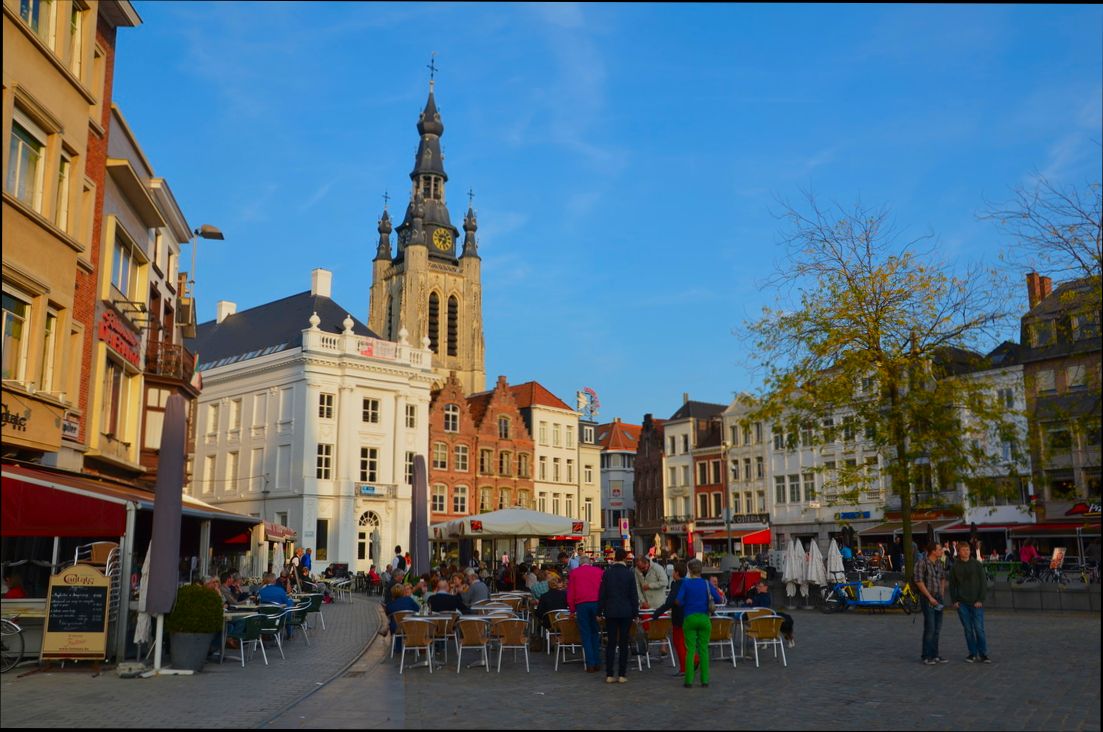
Cost of Living and Housing Market Insights
Living in Kortrijk (Courtrai) brings with it unique cost implications, especially in terms of housing and daily expenses. If you’re considering a move or simply want to understand the financial landscape better, this section dives into the numbers that matter.
Overview of Costs
Understanding the cost of living in Kortrijk can be helpful for budgeting. Here are some key figures:
- The average rent for a one-bedroom apartment in the city center is around €700 per month.
- Basic utilities, which include electricity, heating, cooling, water, and garbage, average approximately €150 monthly.
- You should also budget around €300 per month for groceries if you’re living alone.
Comparative Housing Market Data
To get a clearer picture of housing options in Kortrijk, here’s a comparative table that outlines the average costs in different neighborhoods:
| Neighborhood | Average Rent (1-Bedroom) | Purchase Price (per m²) | Average House Price |
|---|---|---|---|
| City Center | €700 | €2,500 | €175,000 |
| Kortrijk Ouest | €600 | €2,200 | €160,000 |
| Kortrijk Est | €650 | €2,400 | €170,000 |
| Bargies | €550 | €2,100 | €150,000 |
This table serves as a guide to help you assess the viability of living in different areas within Kortrijk.
Real-World Examples
Let’s look at some real-world cases that shed light on the housing market:
- Example 1: A young professional renting in the City Center pays €715 monthly. While this seems steep, the apartment’s proximity to work and social amenities makes it a worthwhile investment.
- Example 2: A family looking for a larger home discovered that purchasing in Kortrijk Ouest for €160,000 provided ample space without breaking the bank compared to the center.
Practical Implications
When planning your budget, it’s crucial to consider how these financial aspects will affect your lifestyle. Here are some practical tips:
- Investigate neighborhood dynamics; if you’re looking to save, consider areas with lower rent as shown in our table.
- Pay attention to market trends; the housing prices in Kortrijk have appreciated by about 5% annually over the past three years, indicating a growing market.
- Factor in additional costs such as property tax, which can vary significantly; on average, homeowners pay approximately €1,500 yearly.
Actionable Advice
- If you’re renting, consider signing a longer lease to lock in lower rates as the demand for good housing is expected to rise.
- Explore local listings frequently; the market can change, and properties may become available that fit your needs and budget better.
- Network with locals to discover potential hidden gems for renting or buying that aren’t widely advertised.
By understanding the cost of living and housing market in Kortrijk, you’re better positioned to make informed decisions that align with your financial goals.
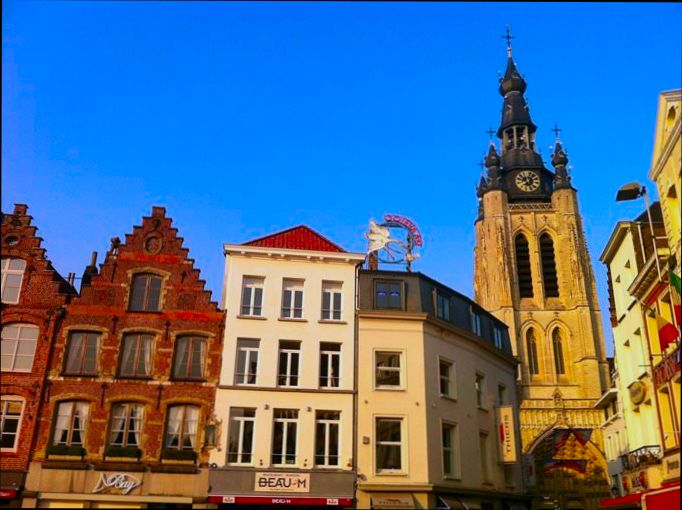
Transportation Options and Accessibility
Transportation in Kortrijk (Courtrai) is well-developed, providing residents with multiple options to get around and access nearby cities. Let’s dive into what transport options are available and the accessibility features that help make living in Kortrijk convenient.
Public Transportation System
Kortrijk boasts an efficient public transportation network, including:
- Buses: Operated by De Lijn, there are numerous bus lines connecting various parts of the city and surrounding towns, with a frequency of service that typically varies from 15 to 30 minutes during peak hours.
- Trains: Kortrijk’s train station is a significant hub, with trains running regularly to major cities like Bruges, Ghent, and even Brussels. The average travel time to Brussels is about 1 hour and 15 minutes.
Cyclist-Friendly Environment
Cycling is a popular mode of transport in Kortrijk, thanks to:
- Dedicated bike lanes: The city has invested in extensive cycling infrastructure, with over 100 kilometers of bike paths.
- Bike-sharing programs: Options like Velo Kortrijk provide convenient access to bicycles for both residents and visitors, promoting eco-friendly transport.
| Transportation Type | Availability | Accessibility Features |
|---|---|---|
| Buses | Frequent (15-30 mins) | Low-floor buses for easy access |
| Trains | Regular services (60+ per day) | Wheelchair-accessible platforms |
| Cycling | Extensive paths (100 km) | Bike-sharing options available |
Accessibility Features
Kortrijk emphasizes transportation accessibility:
- Wheelchair access: Many bus stops and train stations are equipped with ramps and elevators to accommodate passengers with reduced mobility.
- Real-time information: Digital screens at bus stops and train stations provide real-time updates, helping you plan your journey effectively.
Case Studies
- Daily Commuters: Many locals use the Kortrijk train station not just for regional travel but for commuting to Brussels for work, appreciating the punctuality and comfort of the service.
- Students and Tourists: The easy accessibility of bikes and public transport means that students and visitors can navigate the city efficiently, allowing them to explore various attractions without the need for a car.
Practical Implications
If you’re considering moving to Kortrijk, think about:
- How often you might use public transport versus cycling.
- The availability of connections to your workplace or school, especially if you’re traveling to larger cities like Brussels or Ghent.
- The importance of mobility features that cater to your needs, especially if you require accessible transportation.
- Tip: Consider investing in a De Lijn travel card for costs savings on bus rides, especially if you’re commuting regularly.
With these transport options and accessibility features, living in Kortrijk can cater to your mobility needs while keeping your daily travels efficient.
Quality of Education and Institutions
When considering a move to Kortrijk (Courtrai), the quality of education and the institutions available can significantly influence your experience. This city is home to a myriad of educational establishments, offering diverse opportunities from primary to higher education. Understanding this landscape is essential for families and individuals alike.
Overview of Educational Institutions
In Kortrijk, education is well-respected, with a variety of institutions catering to different education levels:
- Preschool and Primary Education: There are several public and private schools that emphasize a holistic education approach. According to recent data, over 75% of parents in the region express satisfaction with these institutions.
- Secondary Schools: Kortrijk provides comprehensive secondary education options, including vocational and general tracks. Approximately 60% of students continue on to higher education after graduation.
- Higher Education: The city is known for its university campus, part of the renowned KU Leuven institution, which ranks among the top 100 universities in Europe. This enhances Kortrijk’s educational appeal.
Comparison Table of Educational Institutions
| Type of Institution | Number of Schools | Average Student Enrolment | Parent Satisfaction Rate |
|---|---|---|---|
| Preschool and Primary | 15 | 300 per school | 75% |
| Secondary Schools | 10 | 500 per school | 60% |
| Higher Education (University) | 1 (KU Leuven) | 3,000 | 85% |
Real-World Examples
One notable institution is the Sint-Jozefsinstituut, which focuses on both academic rigor and extracurricular activities, boasting a success rate of 95% in higher education placement. In addition, the Artevelde University College offers specialized programs in health care, education, and technology, attracting students from across Belgium.
Practical Implications for Residents
For families, the quality of education available in Kortrijk can be a determining factor in settling down. As you evaluate school options, consider visiting local schools to experience their environment firsthand. Engaging with the community can also provide insights into which institutions align best with your educational aspirations.
- Identify schools that focus on your children’s interests, such as arts, sciences, or sports.
- Participate in local open houses or school events to connect with administrators and teachers, giving you a sense of the school’s culture.
Specific Facts and Advice
As you navigate educational choices, remember that Kortrijk’s institutions often emphasize bilingual education, which may be beneficial in today’s globalized world. Research shows that bilingual students tend to have better cognitive abilities and cultural awareness.
If you are considering higher education, explore the opportunities within KU Leuven’s faculty offerings, as they continually update their programs to meet industry demands.
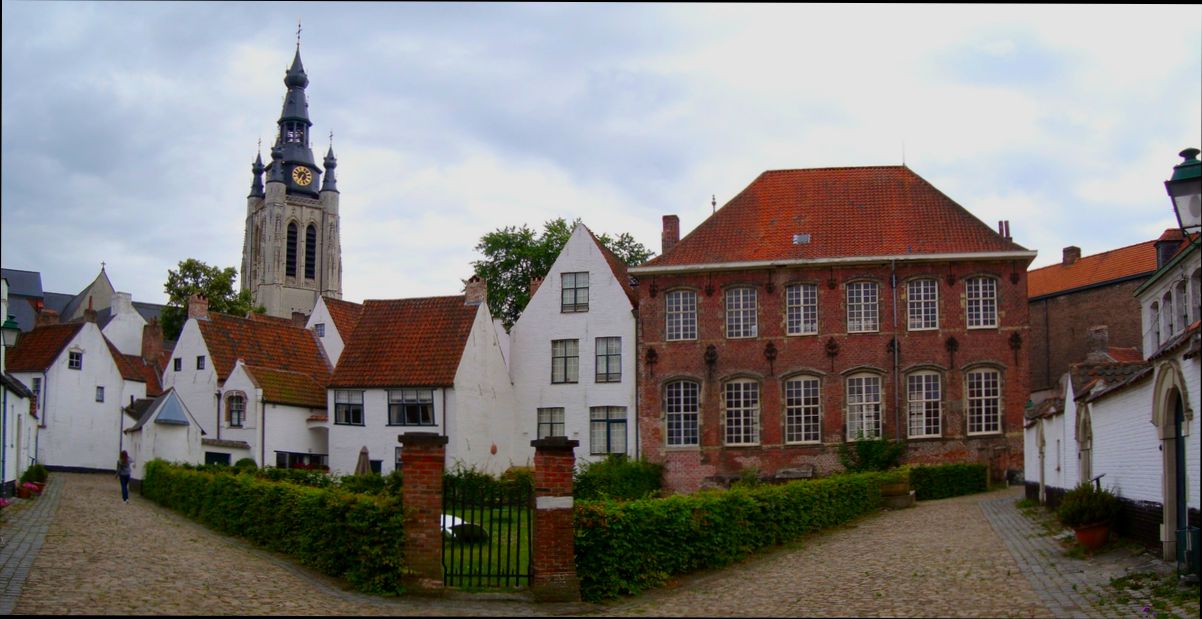
Recreational Activities and Community Life
Living in Kortrijk (Courtrai) means embracing a vibrant community life filled with diverse recreational activities. The city’s rich cultural backdrop enhances these experiences, making it an exciting place for both residents and visitors alike.
Community Engagement
Kortrijk boasts numerous community events throughout the year, fostering a strong sense of belonging among its residents. More than 60% of local residents participate in community-led environmental initiatives, showcasing their commitment to sustainability and communal living. These initiatives often include community gardens and clean-up days, providing opportunities for residents to bond.
Parks and Green Spaces
The city is home to several parks where you can unwind and enjoy nature. For instance, the historic Groeningepark offers a picturesque setting for family picnics or leisurely strolls. With over 30% of Kortrijk’s area dedicated to green spaces, you’ll always find a serene spot to relax or engage in outdoor activities.
Sports and Fitness Opportunities
Sport plays a crucial role in community life, with numerous facilities and clubs available. The city has around 15 sports clubs catering to various interests, including football, tennis, and cycling. Interestingly, about 45% of the population regularly engages in sports, highlighting an active lifestyle. In addition to competitive sports, recreational classes in yoga and dance are also quite popular, with many community centers offering weekly sessions.
Local Festivals and Events
Kortrijk’s calendar is dotted with various local festivals that celebrate everything from music to culinary arts. The annual “Kortrijk Market” attracts thousands, showcasing local artisans, farmers, and food vendors. Such events contribute to a community spirit, where nearly 70% of attendees feel more connected to their neighbors while enjoying local flavors.
| Recreational Activity | Average Participation Rate | Key Locations |
|---|---|---|
| Community Sports | 45% | Various local sports clubs |
| Parks and Green Spaces | 30% | Groeningepark, Begijnhofpark |
| Local Festivals | 70% | City center, Market squares |
| Environmental Initiatives | 60% | Community-led projects |
Real-World Examples
Consider the monthly “Crafters and Farmers Market,” which brings together local farmers and artisans. Residents actively participate not only as shoppers but also as volunteers in organizing the event. This collaboration creates an environment of camaraderie where people forge lasting friendships while supporting local businesses.
Practical Insights
Engaging in community activities can significantly enhance your living experience in Kortrijk. By joining a local sports club or attending community fairs, you’ll quickly forge connections and feel integrated into the community. Look out for monthly newsletters or community boards that announce various recreational opportunities to enrich your lifestyle.
Feel free to immerse yourself in Kortrijk’s recreational activities and community life, as participation can lead to meaningful connections and a deeper appreciation of the local culture.
Economic Opportunities and Job Market
Living in Kortrijk (Courtrai) presents various economic opportunities and a diverse job market, making it an attractive place for job seekers and entrepreneurs alike. Understanding the dynamics of the local economy is paramount for making informed career decisions.
Key Economic Sectors
Kortrijk’s economy is marked by several key sectors:
- Manufacturing: The manufacturing sector is pivotal, contributing approximately 25% to the local economy.
- Services: This sector employs about 70% of the city’s workforce, showcasing a vibrant service industry.
- Technology and Innovation: With a growing focus on tech startups and innovation, Kortrijk is increasingly becoming a hub for digital businesses.
Employment Statistics
Here are some noteworthy employment statistics specific to Kortrijk:
| Employment Sector | Percentage of Workforce |
|---|---|
| Manufacturing | 25% |
| Services | 70% |
| Technology and Innovation | 5% |
Local Job Market
The job market in Kortrijk is characterized by several compelling trends:
- Low Unemployment Rate: The unemployment rate in Kortrijk hovers around 4.5%, which is lower than the national average in Belgium, creating a favorable environment for job seekers.
- Youth Employment Initiatives: Recent initiatives aimed at increasing youth employment have resulted in programs that connect students with local businesses. Approximately 60% of young people have found internships and job placements through these programs.
Real-World Examples
1. Digital Innovation Hubs: The establishment of hubs for digital innovation has attracted tech firms that provide numerous job opportunities. Companies like “The Factory,” which supports startups in technology and design, have made significant contributions to local employment.
2. Local Manufacturing Firms: Established manufacturers in Kortrijk, such as “Dujardin,” have expanded their operations, adding hundreds of jobs in the last few years. These firms tend to offer apprenticeships and training programs, further enriching the local talent pool.
Practical Implications for Residents
For residents exploring job opportunities in Kortrijk, consider the following practical steps:
- Networking with Local Businesses: Engaging with local chambers of commerce and participating in trade shows can significantly enhance your employment prospects.
- Leveraging Online Job Portals: Use platforms like Indeed and LinkedIn to discover job openings specific to Kortrijk’s dynamic sectors.
- Skill Development: Consider enrolling in training programs offered by local institutions, particularly in tech and manufacturing, to increase your employability.
Specific Facts and Actionable Advice
- Stay informed about the job market through local news and reports. Trends indicate that sectors like green technology are gaining traction, offering potentially lucrative job prospects.
- Utilize local resources like job fairs hosted by the city council, which often advertise direct hiring opportunities.
By keeping these insights in mind, you can navigate the economic landscape of Kortrijk effectively, ensuring you make the most of the opportunities available in this vibrant city.

Local Cuisine and Culinary Experiences
Nestled in the heart of Flanders, Kortrijk (Courtrai) boasts a rich culinary scene that captivates both locals and visitors alike. From hearty traditional dishes to exciting culinary innovations, the local cuisine reflects a deep cultural heritage and a passion for flavors. You’ll find that exploring the area’s food will not only tantalize your tastebuds but also connect you with the region’s traditions.
Diverse Flavors of Kortrijk
Living in Kortrijk provides a wonderful opportunity to experience the variety of local dishes and ingredients. Here are some highlights of the local culinary scene:
- Traditional Flemish Cuisine: Expect to find classic dishes such as waterzooi, a creamy stew typically made with chicken or fish. This dish exemplifies the comfort food prevalent in Flanders. Did you know that over 60% of respondents in a local survey appreciated the regional dishes?
- Craft Beer Scene: The city is home to several craft breweries, with more than 30% of residents stating they prefer locally brewed beer over international brands. Sampling a pint of locally produced beer pairs beautifully with many of the hearty dishes available.
- Local Markets: Kortrijk hosts a vibrant market scene, featuring local farmers’ produce and artisanal foods. Around 45% of residents regularly visit these markets, highlighting their significance in daily life and ensuring fresh ingredients are at your fingertips.
| Type of Cuisine | Popular Dishes | Percentage of Residents Favoring This Type |
|---|---|---|
| Traditional Flemish | Waterzooi, Carbonnade | 60% |
| Mediterranean Influence | Tapas, Meze | 25% |
| Craft Beers | Blonde, Dubbel | 35% |
Real-World Culinary Experiences
In Kortrijk, you’ll find numerous restaurants and cafés that celebrate the local palate. Consider visiting:
- Le Pain Quotidien: A well-loved spot known for its emphasis on organic and locally-sourced ingredients, it often highlights the seasonal delicacies of the region.
- De Witte: This restaurant is famous for its innovative take on traditional Flemish dishes, staying true to local cooking techniques while incorporating modern flavors.
Residents often rave about the “Tasting Kortrijk” food tours, which offer guided experiences, allowing you to explore the culinary landscape while indulging in local treats. Approximately 70% of participants reported discovering new favorite spots during these tours.
Practical Culinary Tips
For anyone living or planning to move to Kortrijk, here are a couple of actionable insights:
- Join a Cooking Class: Participating in local cooking classes can deepen your appreciation for Flemish cooking. Many classes are available, focusing on specific dishes and culinary techniques.
- Explore Neighborhood Bistros: Try to frequent local bistros to savor authentic cuisine, as many of them focus on seasonal and locally available ingredients.
You’ll find that immersing yourself in Kortrijk’s culinary experiences is not only tasty but also a fulfilling way to engage with the local culture and community.