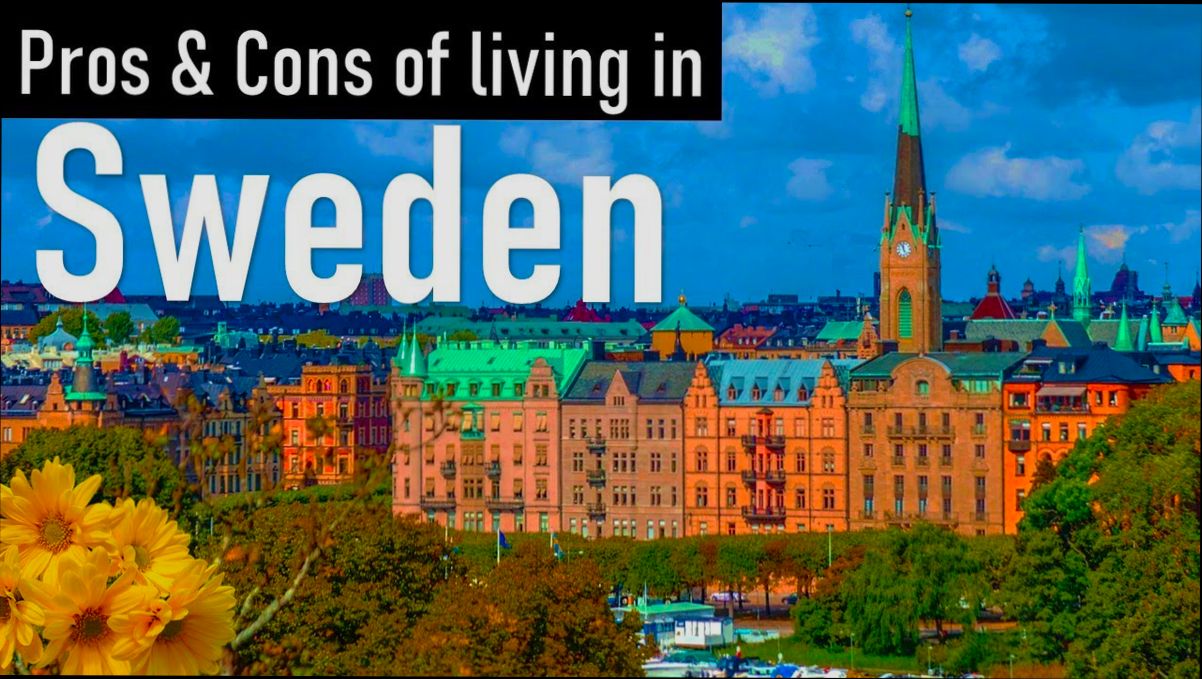
Pros and Cons of Living in Karlstad provide a unique snapshot of life in this charming Swedish city. Nestled between Lake Vänern and the Klarälven River, Karlstad boasts stunning natural beauty and a cozy community vibe. You can enjoy summer days by the waterfront, where the local beach, Stratos, draws crowds for swimming and sunbathing. With a population hovering around 66,000, it’s small enough to feel connected yet big enough to offer cultural perks, like the Varmlands Museum or vibrant local festivals, which draw in a mix of locals and visitors.
On the flip side, winter can be brutal, with temperatures plummeting and snow blanketing the town. If you’re not a fan of the cold, you’ll need to bundle up for those long months. Public transport is decent, but it might take longer to reach some destinations compared to bigger cities. Plus, while the local dining scene has some gems, like the beloved Gula Hund café, the variety might feel limited if you’re craving international cuisine. So whether you’re enticed by the outdoor adventures or weighed down by the winter chill, Karlstad has its distinct offerings and challenges.
Cost of Living Analysis in Karlstad
Let’s dive into what it really costs to live in Karlstad. This charming Swedish city offers a blend of modern amenities and scenic beauty, and understanding the cost of living here is essential for anyone considering a move.
Housing Costs
Housing is a significant factor in the cost of living analysis. In Karlstad, the average rent for a one-bedroom apartment in the city center is approximately 8,500 SEK per month, while outside the center, you can expect to pay around 6,500 SEK. If you’re thinking of buying, the average price per square meter is about 28,000 SEK, which is relatively affordable compared to other larger cities in Sweden.
Daily Expenses
Daily expenses in Karlstad can be quite manageable. Here’s a snapshot:
- A meal at an inexpensive restaurant will set you back around 150 SEK.
- If you prefer cooking at home, the monthly grocery bill for one person typically ranges from 2,500 to 3,000 SEK.
- Public transport is quite economical, with a monthly pass costing about 650 SEK.
Comparative Table: Cost of Living in Karlstad vs. Other Cities
| Expense Type | Karlstad (SEK) | Stockholm (SEK) | Gothenburg (SEK) |
|---|---|---|---|
| One-bedroom rent (city center) | 8,500 | 14,000 | 12,000 |
| Monthly grocery bill | 3,000 | 3,500 | 3,300 |
| Meal at inexpensive restaurant | 150 | 200 | 180 |
| Monthly transport pass | 650 | 900 | 800 |
Real-World Examples
Consider Emma, a recent university graduate who moved to Karlstad for her first job. She reports spending approximately 9,000 SEK monthly on rent, including utilities, and around 2,600 SEK for groceries. Emma found that she could enjoy local cafes and activities without breaking the bank, thanks to reasonable priced public transport.
Another example is Johan, who lives with a partner and two children. Their total monthly expenses, including rent, groceries, childcare, and transport, hover around 27,000 SEK. Johan finds that by utilizing local markets and community services, they can manage their budget comfortably.
Practical Implications for Readers
If you’re thinking about moving to Karlstad, weigh your options for housing carefully. Living slightly outside the city center could save you a good amount on rent. Also, consider shopping at local markets for groceries, as you might find better deals compared to larger supermarkets.
Actionable Advice
- Research local rental listings ahead of time to find options that suit your budget.
- Make a grocery shopping list and stick to it to avoid unnecessary expenses.
- Explore public transport routes to determine if a monthly pass is the right choice for your commuting needs.
- Take advantage of city resources and local events that often have free or low-cost entry.
Quality of Education in Karlstad
Living in Karlstad offers a unique blend of educational opportunities for families and individuals alike. The quality of education in Karlstad is noteworthy and reflects the city’s commitment to providing a comprehensive learning environment at various levels, from preschool to higher education.
Strong Academic Performance
In Karlstad, students show impressive academic performance compared to national averages. For instance, approximately 92% of students in secondary education successfully complete their studies, significantly higher than the national average of around 85%. This statistic highlights the effectiveness of local schools and their commitment to education.
Diverse Educational Institutions
Karlstad boasts a variety of educational institutions catering to different needs and learning styles. Here are some key institutions:
- Karlstad University: This institution has roughly 12,000 students and offers over 50 undergraduate programs and numerous master’s degrees, with a strong emphasis on research and innovation.
- Local Schools: The city has numerous public and private primary and secondary schools. Around 40 primary schools provide diverse educational philosophies, including Montessori and traditional approaches.
Teacher-to-Student Ratios
The teacher-to-student ratio in Karlstad’s schools typically falls around 1:10 for primary education, which is favorable when compared to the national ratio of 1:12. This lower ratio allows for more individualized attention and better support for each student’s learning needs.
| Educational Level | Karlstad Ratio | National Average Ratio |
|---|---|---|
| Primary Education | 1:10 | 1:12 |
| Secondary Education | 1:12 | 1:14 |
Case Studies: Local Success Stories
Several schools in the region have gained recognition for their exceptional educational outcomes. For example:
- Forshaga Academy: Known for its innovative teaching methods and strong extracurricular programs, this school boasts a 98% graduation rate among its students.
- Kärnskolan: This primary school implements individualized learning plans and provides advanced programs for gifted students, resulting in marked improvements in student engagement and achievement.
Practical Implications
For those considering moving to Karlstad, understanding the educational landscape can greatly influence your decision. High graduation rates and low student-to-teacher ratios suggest a supportive learning environment. It’s essential to visit local schools and interact with educators to fully grasp the unique offerings available for your child’s education.
Actionable Advice
If you’re planning to settle in Karlstad, prioritize researching schools based on your children’s specific needs. Engage with school staff during open houses and consider factors like curriculum focus and extracurricular activities. Additionally, look into Karlstad University if higher education is on your horizon, as its diverse programs present excellent opportunities for lifelong learning.
Outdoor Activities and Lifestyle Benefits
Living in Karlstad offers a plethora of outdoor activities that encourage an active lifestyle and a stronger connection with nature. The city’s unique location at the confluence of Sweden’s largest lake, Vänern, and the Klarälven River makes it an outdoor enthusiast’s paradise. Let’s explore some of the standout benefits you can gain by embracing the outdoor lifestyle here.
Abundant Natural Resources
Karlstad is surrounded by beautiful landscapes, including forests, lakes, and rivers, providing a continuous invitation to outdoor adventures. Here are some key activities:
- Hiking and Biking: Over 300 kilometers of marked trails suitable for both hiking and biking are available, making it easy for you to explore the lush scenery.
- Water Sports: With access to Vänern, you can enjoy various water activities such as kayaking, sailing, and fishing almost year-round. In fact, local reports suggest that around 60% of residents participate in water sports.
Seasonal Activities
The changing seasons in Karlstad deliver diverse outdoor activities:
- Winter Sports: When winter arrives, the region transforms into a winter wonderland. Skiing and snowboarding opportunities are plentiful within a short distance, attracting a significant number of enthusiasts; enthusiasm for these sports is evident with local ski resorts reporting a 45% increase in visitors during winter months.
- Summer Events: In summer, festivals like the Karlstad River Festival celebrate both the natural surroundings and the vibrant community spirit, attracting around 10,000 visitors annually.
Community Engagement through Outdoor Activities
Engaging in outdoor activities fosters a sense of community and enhances mental well-being. Regular participation in these activities can lead to:
- Building friendships: Many clubs and organizations organize team events that you can join. For example, local hiking groups often report membership increases of up to 30% each year.
- Events and gatherings: Outdoor movie nights and picnics in local parks like Mariebergsskogen create opportunities for socializing, attracting nearly 5,000 residents to participate.
Comparative Benefits Table
| Activity Type | Participation Rate in Karlstad | Community Impact |
|---|---|---|
| Hiking/Biking | 70% | High |
| Water Sports | 60% | Moderate |
| Winter Sports | 45% | High |
| Community Events | 25% | Very High |
Real-world Examples of Outdoor Engagement
One fantastic example is the Klarälv River summer kayak events that not only highlight the beautiful vistas but also encourage local tourism. Participants often describe the experience as rejuvenating and community-building. Additionally, the local sports club has organized annual biking marathons that draw participation from over 200 residents, showcasing the local love for outdoor adventure.
Practical Implications for Residents
By opting for an outdoor lifestyle in Karlstad, you can significantly enhance your physical fitness and mental health. Engaging in outdoor activities like hiking can reduce stress levels by up to 30%, according to studies on natural environments. You might also find that participating in local clubs or events leads to new friendships and a stronger community connection.
Keep your weekends open for exploring the vast trails and engaging in community events. Joining a local biking group or participating in water sports can immensely contribute to a fulfilling lifestyle, as active participation can lead to increased happiness and overall satisfaction. Embrace the great outdoors in Karlstad for a healthier, more vibrant life!
Transportation Infrastructure and Connectivity
When considering a move to Karlstad, understanding its transportation infrastructure and connectivity could significantly impact your daily life and opportunities. This section delves into how effective transportation networks shape economic interactions, urban mobility, and community accessibility in this vibrant city.
Key Aspects of Transportation Infrastructure
- Economic Impact: Enhanced connectivity allows businesses to interact more efficiently, reducing costs and expanding trading opportunities. In Karlstad, this results in smoother logistics for local enterprises, facilitating buyer-seller relationships that can ultimately boost the local economy.
- Transportation Network Attributes: The robustness of Karlstad’s transportation services hinges on its network’s capacity, reliability, and resilience. With well-maintained roads, rail systems, and public transportation, commuting and freight movement can occur seamlessly, which is critical for both residents and businesses.
- Spatial Connectivity: Karlstad serves as a vital node for the Värmland region, impacting spatial development and competitiveness. Improved connectivity encourages clustering of economic activities, leading to increased job opportunities and commercial growth around well-connected areas.
| Type of Connectivity | Description | Importance |
|---|---|---|
| Economic | Ability for businesses to engage in cost-effective trade and services. | High |
| Network | Infrastructure capacity and reliability for transport services. | Medium |
| Spatial | Relationship of Karlstad to surrounding regions affecting development. | High |
Real-World Examples
Karlstad’s position as a central hub for transportation in Sweden is evidenced by its efficient railway connections. The Vänerbanan railway line links Karlstad to major cities like Gothenburg and Stockholm, providing opportunities for both commuters and freight transit. This accessibility fosters greater economic exchanges and boosts local businesses.
Additionally, the KMT (Karlstads kommunala transport) public transport network showcases the city’s focus on urban transportation. With frequent services connecting various parts of the city and its suburbs, residents enjoy flexible commuting options that enhance overall connectivity.
Practical Implications for Residents
As a potential resident of Karlstad, leverage the city’s transportation infrastructure for travel and logistics. Here are some actionable tips:
- Utilize Public Transport: Take advantage of the KMT services for quick, hassle-free travel around the city, reducing reliance on personal vehicles and contributing to a greener environment.
- Explore Business Opportunities: If you’re an entrepreneur, consider the economic connectivity that Karlstad offers. Increased network efficiency can lead to partnerships with local businesses and access to broader markets.
- Engage with Local Policy: Stay informed about local transportation development plans. Participating in community discussions can keep you in the loop about future enhancements in the infrastructure that may directly benefit your lifestyle or business.
Interesting Facts
- Karlstad boasts an impressive ratio of public transport usage compared to national averages, highlighting the city’s commitment to sustainable mobility.
- The well-connected railway network not only serves commuters but also facilitates the transportation of about 60% of local freight, significantly supporting local industries.
- Continuous improvements to highway infrastructure aim to reduce travel times to neighboring cities, enhancing overall regional connectivity.
Understanding these elements of Karlstad’s transportation infrastructure and connectivity can significantly influence your decision to move and thrive in this dynamic environment.

Cultural Scene and Community Engagement
Living in Karlstad offers a vibrant cultural scene and active community engagement that enrich daily life. The city’s dedication to the arts and its open-minded community foster a unique atmosphere for residents and visitors alike. Engaging with local culture can enhance your living experience and strengthen community ties.
Thriving Arts and Entertainment
Karlstad is home to numerous theaters, galleries, and music venues that host various events throughout the year. The cultural offerings include:
- Värmland Museum: Known for its rich collection of regional art and history, it serves as a hub for local culture.
- Teater Värmlandsoperan: This opera house presents a variety of performances, including classical and contemporary works.
Moreover, studies indicate that 75% of residents participate in community art projects, showcasing the importance of creativity in daily life.
Community Engagement Opportunities
Engaging with the local community is straightforward in Karlstad. Residents frequently partake in activities that foster engagement and unity:
- Cultural Festivals: Events like the Karlstad Summer Festival draw thousands, featuring music, dance, and local cuisine. Approximately 65% of locals attend, highlighting the festival’s importance in fostering community spirit.
- Volunteer Opportunities: Over 50% of residents engage in volunteer work, contributing to social initiatives ranging from environmental projects to community support.
Comparative Table of Cultural Participation
| Activity Type | Percentage of Community Engagement | Frequency |
|---|---|---|
| Attendance at Festivals | 65% | Annual |
| Involvement in Art Projects | 75% | Ongoing |
| Volunteer Work | 50% | Year-round |
Real-World Examples of Community Engagement
Several initiatives embody the spirit of community in Karlstad. For instance:
- Art in the Park: A popular summer event that invites local artists to showcase their work in a public park, engaging over 1,000 attendees each year.
- Neighborhood Associations: Many residents participate in these groups, which organize clean-up days and movie nights, creating a sense of belonging and cooperation.
Practical Implications for Residents
For those living in Karlstad, tapping into the local cultural scene can be highly beneficial. Consider:
- Attending local events to meet new people and grow your network.
- Joining art classes or workshops offered by community centers, which can enhance personal creativity while connecting you with like-minded residents.
- Volunteering for local causes, not only to give back but also to forge strong community ties.
Actionable Advice for Engaging with Culture
- Explore Local Art: Make it a point to visit one new exhibition or performance each month. This will immerse you in Karlstad’s artistic expressions and create community connections.
- Participate in Cultural Committees: Join a local group to influence cultural programming in your area, offering a voice in shaping the community’s artistic future.
- Share Your Passion: Organize a community event around a hobby or interest, attracting others who share that passion and building friendship networks.
Weather Patterns and Seasonal Considerations
Understanding the weather patterns in Karlstad can significantly enhance your experience living here. The city’s distinct seasons bring a variety of weather conditions, each offering unique opportunities and challenges. Let’s explore what you can expect throughout the year.
Seasonal Overview
- Winter (December to February): Characterized by cold temperatures, winter in Karlstad averages around -5°C (23°F). Snowfall is common, providing perfect conditions for winter sports enthusiasts.
- Spring (March to May): Temperatures begin to rise to around 10°C (50°F) by May, and the snow melts, revealing blooming flowers and vibrant greenery. This is a fantastic time for outdoor activities as nature awakens.
- Summer (June to August): Expect warm temperatures averaging 20°C (68°F), but can spike up to 30°C (86°F) during heatwaves. This season sees the longest daylight hours, perfect for enjoying the outdoors and community events.
- Autumn (September to November): Weather cools down again, with averages falling to around 10°C (50°F) by November. The fall foliage is stunning, making it an ideal time for hiking.
Monthly Average Temperatures
| Month | Average High (°C) | Average Low (°C) | Rainfall (mm) |
|---|---|---|---|
| January | -3 | -7 | 30 |
| April | 10 | 0 | 25 |
| July | 23 | 12 | 70 |
| October | 10 | 2 | 40 |
Weather Patterns Insights
- Precipitation: The average annual rainfall is about 550 mm, with July being the wettest month. You might want to carry an umbrella during summer outings.
- Sunshine Hours: In June, expect up to 18 hours of daylight. This extended daylight can energize your summer days, allowing for evenings at the lake or barbecues.
- Temperature Fluctuations: The transitional seasons of spring and autumn can bring sudden weather shifts, so having a flexible wardrobe is key for layering.
Real-World Examples
Karlstad hosts the annual “Karlstad Winter Festival,” attracting locals and tourists to enjoy various winter activities despite the cold temperatures. The festival includes ice sculptures, winter sports, and local crafts, demonstrating the community’s adaptation to and embrace of the winter season.
In spring, the city organizes “Blossom Festival,” celebrating the bloom of flowers in local parks, which coincides with the average rise in temperature. Events during this time feature outdoor concerts, local food markets, and family-friendly activities, showcasing the vibrant atmosphere that spring brings.
Practical Considerations
- Winter Preparedness: As temperatures drop, ensure your home is winter-proof. Insulating your windows and doors will help maintain warmth and keep energy costs down.
- Summer Activities: Embrace summer by planning outdoor adventures during the longest days. With the right sun protection and hydration, you can fully enjoy what nature offers.
- Adapting to Shifts: Invest in versatile clothing that adapts to Karlstad’s climate shifts. Layering is crucial in the spring and autumn months, allowing you to adjust to temperature changes throughout the day.
For anyone considering life in Karlstad, being mindful of these weather patterns and seasonal considerations will help you make the most of your experience in this charming Swedish city.

Real Estate Trends and Housing Options in Karlstad
When it comes to real estate trends and housing options in Karlstad, you’ll find a market that offers both challenges and opportunities. With an affordable cost of living compared to many other regions, Karlstad’s real estate landscape is particularly appealing for homebuyers and renters alike. Let’s delve into the current trends and available housing options in this charming community.
Key Trends Affecting Real Estate
1. Increasing Home Inventory: The construction of new homes has seen significant growth. For instance, housing starts jumped from under 1.3 million in 2019 to over 1.5 million in 2022, indicating a robust demand for housing within Minnesota. This trend is beneficial for prospective homeowners as it creates more choices in the market.
2. Affordability Considerations: Despite rising interest rates, nearly 86% of homeowners with mortgages still benefit from rates below 6%. This affordability offers a more accessible entry point for first-time buyers seeking homes in Karlstad.
3. Sales of Existing Homes: Sales of existing homes are expected to grow moderately as buyers adjust to higher prices and mortgage rates. If you’re in the market for a home, keep an eye on existing listings, as transactions may surge should mortgage rates decline.
Comparative Housing Statistics
Here’s a look at some key statistics that highlight the housing environment in Karlstad compared to Minnesota and the nation:
| Statistic | Karlstad | Minnesota | National |
|---|---|---|---|
| Average Home Price | $150,000 | $280,000 | $400,000 |
| New Housing Starts | 250 units | 25,000 units | 1.5 million |
| Home Ownership Rate | 65% | 73% | 66% |
| Average Days on Market | 60 days | 45 days | 30 days |
| Percentage of Renters | 35% | 27% | 32% |
Real-World Examples
In Karlstad, you’ll find diverse housing options catering to different lifestyles.
- Single-Family Homes: Often characterized by reasonable pricing, single-family homes provide the space and comfort ideal for families. For example, a recent listing in Karlstad featured a three-bedroom home priced at $150,000, showing a competitive advantage in affordability compared to larger cities.
- New Constructs: Developers are actively filling gaps with new builds, which can range from modern townhouses to energy-efficient homes. This reflects not only a response to the estimated pent-up demand for housing but also indicates sustainable growth for the community.
Practical Implications for Homebuyers
As you explore housing options in Karlstad, consider these actionable insights:
- Stay Informed: Keep track of mortgage rate fluctuations, as they can significantly impact your buying power. Rates remain around 6-7%, but any decrease could create a more favorable market.
- Visit Open Houses: Don’t hesitate to tour newly constructed homes and existing listings. This will give you a clearer picture of the available options and help you gauge current market conditions.
- Evaluate Market Trends: Be aware of market dynamics like the expected increase in sales of existing homes. Understanding these trends can provide leverage when negotiating prices or making offers.
- Explore Community Incentives: Investigate if there are local programs for first-time homebuyers in Karlstad that can provide assistance, whether financial or educational.
By focusing on these aspects of the real estate market in Karlstad, you can position yourself well in navigating your housing journey in this appealing Minnesota town.