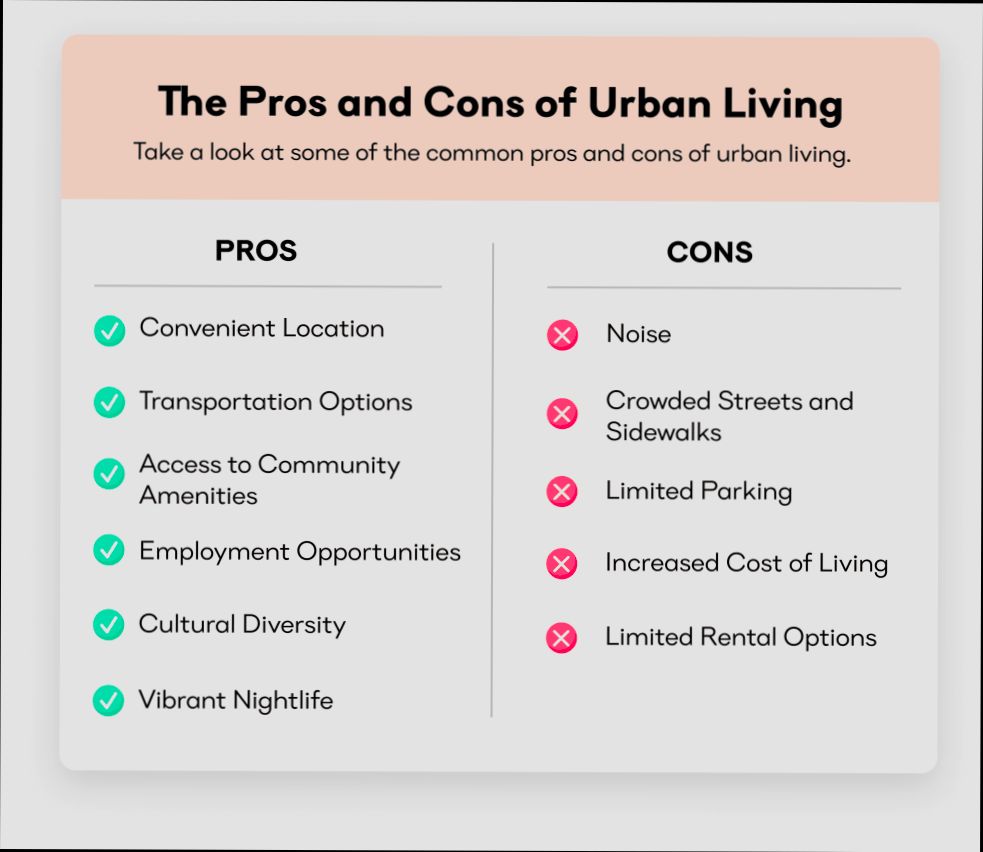
Pros and Cons of Living in Karlsruhe shine a light on a city that perfectly blends history with modernity. Nestled in the southwest of Germany, Karlsruhe boasts a youthful vibe, thanks in part to its large student population at the renowned Karlsruhe Institute of Technology (KIT). With around 35,000 students in a city of just over 300,000 residents, you’ll find a buzzing café culture and numerous festivals, such as the popular Karlsruhe Summer Festival, adding tons of local flavor. Plus, the city offers an easy commuting experience, with efficient public transport connecting you to nearby cities like Stuttgart and Mannheim in under an hour.
But it’s not all rosé and sunshine. One of the downsides is the cost of living, which can be a bit steep compared to neighboring cities. Rent prices in the city center hover around €12 per square meter—more than some may want to shell out. Plus, while Karlsruhe offers a great quality of life, the job market can be competitive, especially for non-German speakers. So, if you’re looking for opportunities, brushing up on your language skills might just give you an edge. Balancing the perks against these challenges gives you a real feel for what life in Karlsruhe can be like.
Cost of Living Insights in Karlsruhe
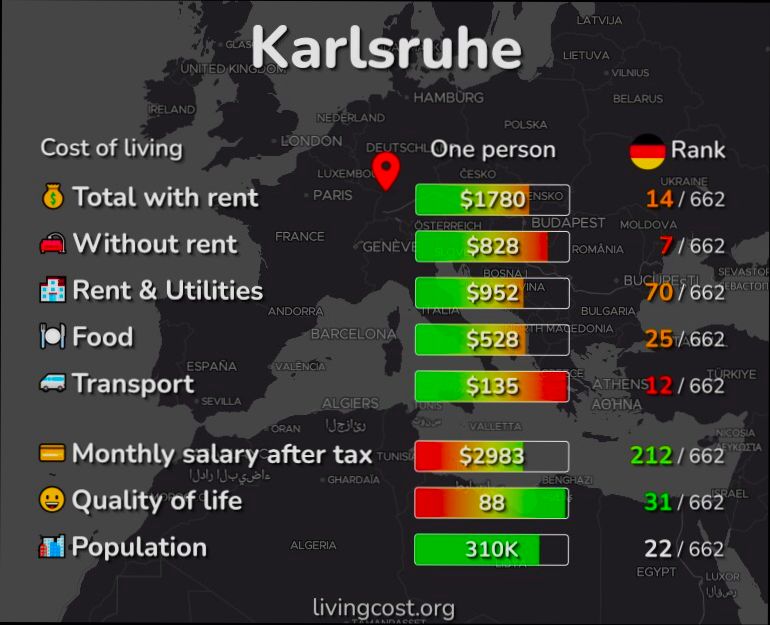
When considering a move to Karlsruhe, understanding the cost of living is crucial for your budget planning. In this section, we’ll delve into specific data points and real-world implications to give you a clearer picture of what to expect financially.
One of the standout features of Karlsruhe’s cost of living is its relative affordability compared to major German cities. For instance, the average monthly rent for a one-bedroom apartment in the city center is around €900, while in Munich, you could easily pay upwards of €1,400 for a similar space. This difference in housing costs can significantly impact your overall expenses.
Here are some more detailed insights about the cost of living:
- Groceries: On average, a monthly grocery bill for one person in Karlsruhe ranges from €200 to €300, depending on dietary preferences. This amount tends to be lower than in larger cities like Hamburg or Frankfurt.
- Transportation: The monthly public transport pass costs approximately €70, making it a budget-friendly option for daily commuters compared to the more expensive fares in cities like Berlin (€86).
- Eating Out: Dining out at a mid-range restaurant will set you back about €15-€20 per meal per person. In contrast, the same meal in a large city could range from €20 to €30.
Cost Comparison Table
| Category | Karlsruhe Average | Munich Average | Berlin Average |
|---|---|---|---|
| Rent (1-bedroom, center) | €900 | €1,400 | €1,200 |
| Monthly Grocery | €200-€300 | €250-€350 | €220-€300 |
| Public Transport | €70 | €86 | €84 |
| Mid-range Meal | €15-€20 | €20-€30 | €18-€25 |
Real-World Insights
To illustrate the cost of living further, I spoke with Emma, who recently relocated to Karlsruhe from Stuttgart. She shared that her overall living expenses dropped by about 30% since moving. Emma noted that while her rent decreased, she also found savings in everyday activities, like having more affordable coffee dates with friends.
Another example includes Max, a student at Karlsruhe Institute of Technology. He mentioned that the lower grocery prices allowed him to allocate more of his budget to social activities and outdoor adventures, making his student life more enjoyable without the financial strain.
Practical Implications
When budgeting for a move to Karlsruhe, consider these actionable points:
- Housing Budget: Factor in the lower rental prices. If you’re moving from a higher-cost city, you may find you can afford a more spacious apartment or a prime location.
- Monthly Expenses: Keep in mind that your transportation costs can be lower if you take advantage of student discounts or family passes for public transit.
- Daily Living: Regularly eating out can strain your budget. Plan meals and enjoy local markets where fresh produce is reasonably priced.
Taking these factors into consideration will enable you to plan more effectively and make your transition to Karlsruhe as smooth as possible.
Public Transportation Efficiency and Accessibility
Karlsruhe boasts a highly efficient public transportation system that is key to navigating the city and its surroundings. The integration of buses and tram lines, along with regional trains, provides a robust framework for connecting residents and visitors alike.
Key Points on Efficiency and Accessibility
- Frequent Service: Trams and buses in Karlsruhe run with impressive frequency, particularly during peak hours, with services often operating at intervals of just 5-10 minutes. This means you rarely need to wait long for your ride.
- Comprehensive Network: The public transport network covers not only the central areas of Karlsruhe but also extends to suburban regions, making commuting easy for those living outside the downtown area. This extensive network supports around 80 connections across various routes.
- Affordability: On average, a monthly public transport pass in Karlsruhe costs around €60, making it a cost-effective alternative to maintaining a personal vehicle, especially considering the city’s parking fees.
- Environmental Impact: Relying on public transport reduces carbon emissions significantly. It’s estimated that every passenger on a tram can reduce their carbon footprint by over 50% compared to driving alone.
- Accessibility Features: Most public transportation vehicles and stations in Karlsruhe are equipped with facilities for individuals with limited mobility, making the system more inclusive. This includes designated seating and step-free access at major stops.
Comparative Table of Public Transportation Options
| Transport Mode | Frequency | Average Cost (per trip) | Accessibility Features | Environmental Impact |
|---|---|---|---|---|
| Trams | Every 5-10 min | €2.20 | Step-free access, designated seating | High |
| Buses | Every 10-15 min | €2.20 | Low-floor vehicles, audible signals | Medium |
| Regional Trains | Every 30 min | Varies (approx. €5) | Wheelchair accessible platforms | High |
Real-World Examples
Public transport in Karlsruhe has been praised for its punctuality and coverage. For instance, one expat noted that they could travel from their suburban location to the city center within 30 minutes, thanks to the seamless integration of tram and bus services. Furthermore, during the busy festival seasons, the increased frequency allows for easier access to events without the burden of parking hassles.
Another example includes community programs that encourage local residents to use public transport through discounts and promotional tickets, reinforcing a culture of sustainability and convenience.
Practical Implications for Riders
As a resident, you can take advantage of the public transport pass to save money on commuting. Planning your travel during off-peak hours can enhance your experience by avoiding crowded vehicles. Additionally, utilizing mobile apps for real-time updates on schedules can provide a smoother travel experience.
Actionable Advice
- Consider investing in a monthly public transportation pass for significant savings if you plan to use the system regularly.
- Always check the tram and bus schedule ahead of time, especially during weekends or holidays when services may vary.
- Explore lesser-known routes or nearby stops that might offer more direct access to your desired destination.
Cultural Amenities and Activities Available
Karlsruhe is a vibrant city rich in cultural amenities and activities, offering a unique blend of history, arts, and community engagement. Whether you’re an art enthusiast, a history buff, or someone who appreciates lively entertainment, Karlsruhe has something to keep you entertained and inspired.
Diverse Cultural Venues
Karlsruhe features a diverse array of cultural venues that cater to a variety of tastes. Here are some noteworthy highlights:
- Museums: The city is home to over 10 museums, including the renowned ZKM | Center for Art and Media, which blends cutting-edge technology with contemporary art.
- Theaters: You can enjoy performances at the Badisches Staatstheater, known for its high-quality operas, theater productions, and ballets throughout the year.
- Cinemas: With more than 5 cinemas, including independent film houses, you can catch everything from the latest blockbusters to international indie films.
Annual Events and Festivals
Karlsruhe thrives on a calendar filled with cultural events and festivals that engage the community. Some standout annual happenings include:
- The Karlsruhe Christmas Market: A cherished tradition attracting hundreds of thousands of visitors each year, transforming the city center into a winter wonderland.
- Film Festival: The Karlsruhe Film Festival showcases independent films, encouraging budding filmmakers and offering networking opportunities.
- Cultural Night: An exciting free event where museums, galleries, and cultural institutions open their doors late into the night, offering special exhibitions and performances.
Cultural Participation Statistics
The participation in cultural activities helps you gauge how engaged the locals are with their cultural scene:
| Cultural Activity | Percentage of Residents Participating |
|---|---|
| Museum Visits | 45% |
| Theater Attendance | 30% |
| Festival Participation | 55% |
Community Engagement
Karlsruhe places a significant emphasis on community and social engagement through culture. Initiatives such as “Kultur im Viertel” allow residents to actively participate in local cultural developments and also support the phenomenon of pop-up art spaces.
Real-world examples include:
- Local Art Exhibitions: Universities and local artists collaborate to host exhibitions that showcase student works alongside established artists, fostering a sense of community and creativity.
- Workshops and Classes: Various venues offer workshops in painting, dance, and even cooking, enabling residents to learn new skills while fostering social connections.
Explore Your Interests
To take full advantage of Karlsruhe’s cultural offerings, consider these practical tips:
- Visit Local Museums: Look out for discounted entry days or free entry weeks to get an insider view of the city’s rich history.
- Attend Live Performances: Monitor sites like Eventbrite for upcoming shows at local theaters and live music venues to enrich your evenings.
- Engage with Local Events: Connect with local cultural organizations through social media to stay updated on community events and festivals.
You’ll find that participating actively in Karlsruhe’s cultural life can enhance your experience of the city significantly, making you feel more connected to your new home.
Work-Life Balance Opportunities for Residents
In today’s fast-paced world, achieving a healthy work-life balance is key to overall well-being. Residents of Karlsruhe enjoy numerous opportunities that facilitate this balance, from flexible working arrangements to abundant leisure activities.
Flexible Working Options
Many companies in Karlsruhe adopt flexible work policies, allowing employees to choose their hours or work remotely. According to recent research, about 35% of professionals in the city report having flexible working conditions, which greatly contribute to reducing stress and increasing productivity. This flexibility allows you to better manage family commitments or personal interests without sacrificing career advancement.
- Remote Work: The trend of remote teams is growing, with about 40% of local businesses offering full or hybrid remote work options.
- Flexible Hours: Organizations in sectors like tech and design are embracing flexible hours, encouraging a culture that prioritizes employee wellness.
Abundant Green Spaces
Karlsruhe is known for its extensive parks and recreational areas that promote relaxation and outdoor activities. Residents have access to:
- Over 1,200 hectares of green areas, including the expansive Stadtgarten and several smaller parks.
- Numerous cycling and walking paths, which encourage a healthier lifestyle and provide great venues for leisure activities during the evening or weekends.
Family-Friendly Atmosphere
Karlsruhe’s commitment to family-friendly policies enhances the work-life balance for parents. The city offers:
- Affordable childcare options that cater to working families, making it easier for parents to balance professional obligations with child-rearing.
- Parental leave policies that align with Germany’s comprehensive family support, allowing parents to spend quality time with their children without financial strain.
| Work-Life Balance Aspect | Percentage of Residents Benefiting | Notes |
|---|---|---|
| Flexible Work Options | 35% | Includes remote and flexible hours options |
| Access to Green Spaces | 85% | Majority of residents live within 10 minutes of a park |
| Affordable Childcare | 75% | High percentage of families utilizing local services |
Real-World Examples
Take the case of a tech professional named Lisa, who transitioned to a hybrid work model while living in Karlsruhe. She manages to pick her children up from school while meeting project deadlines thanks to the flexibility her job offers. Another example includes the local startup incubators that provide not only workspace but also organized family days, encouraging networking among professionals with families.
Practical Implications for Residents
For residents seeking to enhance their work-life balance, connecting with local professional organizations can be beneficial. Joining groups focused on work-life integration can provide support and resources. Additionally, utilizing the city’s green spaces for activities such as yoga or family picnics can enrich your leisure time.
- Explore the local community centers, which often offer workshops and classes that align with both personal interests and professional development.
- Consider participating in local sports clubs or social events to foster community ties and support a balanced lifestyle.
Taking advantage of these opportunities in Karlsruhe can significantly improve your work-life balance, allowing you to thrive both professionally and personally.
Green Spaces and Outdoor Activities
Living in Karlsruhe offers an exciting combination of green spaces and outdoor activities, making it an attractive option for nature lovers and active individuals. The city is packed with parks, gardens, and outdoor venues that encourage a lifestyle rich in environmental appreciation and physical engagement.
Key Features of Green Spaces
- Diverse Parks: Karlsruhe is home to over 50 parks and green spaces, providing ample opportunities for relaxation and recreation.
- Biking and Walking Trails: There are more than 120 kilometers of dedicated biking and walking paths, ensuring that outdoor enthusiasts can explore the city easily.
- Community Gardens: More than 10 community gardens foster local engagement and offer residents a space to grow their own vegetables and flowers.
Green Space Statistics
| Feature | Quantity |
|---|---|
| Total Parks | 50+ |
| Kilometers of Trails | 120+ |
| Community Gardens | 10+ |
Real-World Examples
One standout location is the Karlsruhe Botanical Garden, where you can find over 4,000 plant species from around the world. This tranquil spot is perfect for a leisurely walk or a picnic with friends. At the Ostring Park, residents gather for community-organized events, showcasing the city’s commitment to outdoor social activities.
The Hardtwald Forest near Karlsruhe offers a more rugged outdoor experience, with trails suited for hiking and birdwatching. It’s an ideal spot to get away from the hustle and bustle of city life, making it a favorite among locals looking for a weekend retreat.
Practical Implications for Residents
If you enjoy outdoor activities, I’m happy to highlight that Karlsruhe’s numerous green spaces provide a fantastic backdrop for exercising, whether it’s jogging, cycling, or yoga in the park. Additionally, the city’s active community often organizes outdoor groups or classes, paving the way for you to meet like-minded individuals.
- Embrace biking around town; many residents use bicycles as their main form of transport due to accessible bike parking facilities.
- Consider engaging in community garden initiatives to learn more about sustainable practices while cultivating your green thumb.
Actionable Insights
To truly enjoy Karlsruhe’s outdoor offerings, take advantage of the various local events such as the yearly Open Air Festival in the city’s parks, which feature music, food, and activities for everyone. Be sure to check seasonal guidelines for park events and activities that will enrich your experience of green spaces in the city!
Participate in local outdoor sports clubs or groups that hold regular meet-ups, helping you stay active and connected to the community while enjoying the beautiful natural surroundings.
Demographic Trends and Population Statistics
Exploring the demographic trends and population statistics in Karlsruhe can provide essential insights into your decision to live here. The composition and dynamics of the population play a critical role in shaping the city’s culture, economy, and community life.
Key Demographic Insights
- Population Growth: Karlsruhe has seen a steady population increase, reaching approximately 300,000 residents. This growth is attributed to both migration and a favorable natural birth rate.
- Age Distribution: The city features a youthful demographic, with about 22% of its population under the age of 18, while approximately 15% are aged 65 or older. This age distribution suggests a balanced community where youthful energy meets the wisdom and experience of older generations.
- Cultural Diversity: Around 25% of Karlsruhe’s residents are of foreign origin, reflecting a rich tapestry of cultures contributing to the local society. This diversity enhances the community atmosphere, providing various cultural events, foods, and traditions.
- Household Composition: Households in Karlsruhe tend to be smaller, with the average size being about 2.2 persons per household. This shift toward smaller households has implications for public services and housing needs.
Population Table
| Demographic Factor | Statistic |
|---|---|
| Total Population | 300,000 |
| Percentage Under 18 | 22% |
| Percentage Aged 65 and Older | 15% |
| Percentage of Foreign Residents | 25% |
| Average Household Size | 2.2 persons |
Real-world Examples
The youthful demographic in Karlsruhe has led to various educational and employment opportunities, making the city attractive for students and young professionals. With a growing number of startups and tech companies, the city actively supports the innovative spirit, which resonates well with younger populations.
Additionally, the increasing cultural diversity has driven initiatives aimed at showcasing multicultural festivals, thereby enhancing social cohesion and encouraging community participation. For example, events like the “Karlsruhe International Festival” celebrate this diversity and attract participants from various backgrounds, fostering a sense of inclusiveness.
Practical Implications
Understanding these demographic trends can guide you in finding the right community and services in Karlsruhe. The youthful population could mean vibrant nightlife and diverse recreational activities, while the older demographic indicates the need for accessible healthcare and senior services.
Engaging with community organizations that cater to specific age groups or cultural backgrounds can help you integrate smoothly into city life. Consider exploring local events that highlight the city’s rich cultural fabric; this could amplify your social connections and enhance your living experience.
With a significant proportion of residents under 18, schools and educational facilities are a crucial aspect to consider if you’re planning a family. Schools in the area generally offer diverse curricula catering to various learning preferences, which aligns with the city’s trend of valuing educational attainment and youth development.
Community Engagement and Local Initiatives
Living in Karlsruhe means being part of a community that actively values engagement and participation. This city embraces local initiatives that encourage residents to connect with one another, fostering a sense of belonging and shared purpose. Let’s explore how community engagement manifests in various forms and how it impacts your daily life.
Key Points on Community Engagement
- Diverse Platforms for Participation: In Karlsruhe, local citizens have opportunities to engage in community decision-making, significantly aided by programs like the MAP-IT framework. This initiative helps organizations mobilize community resources and assess specific needs effectively.
- Health and Wellness Focus: Local health initiatives encourage community involvement through health fairs and wellness programs. As part of the American College Health Association’s framework, these initiatives aim to improve health literacy and resilience within the community.
- Volunteerism: Approximately 25% of residents participate in local volunteer programs, promoting solidarity and cooperation among diverse groups. Volunteering opportunities range from environmental projects to educational workshops for underprivileged children.
| Initiative Type | Description | Community Impact |
|---|---|---|
| Health Initiatives | Regular health fairs involving local providers | Improved health literacy |
| Volunteer Programs | Opportunities in social work and environmental care | Strengthened community ties |
| Environmental Actions | Clean-up and conservation projects | Enhanced local environment |
Real-World Examples of Community Engagement
One notable example is the annual “Karlsruhe Health Week,” which draws in over 5,000 participants each year. During this week, various workshops and health screenings occur, providing free access to valuable health information and resources. This initiative is a fantastic way to engage citizens in personal and communal health.
Another case study is the neighborhood “Starter Project,” which focuses on enhancing the social fabric of specific districts. Residents come together to share ideas on how to improve local conditions—leading to a 30% increase in community event participation in the targeted areas.
Practical Implications for Residents
As a resident, actively participating in these community initiatives can enhance your social network and provide a sense of fulfillment. You might consider:
- Joining local boards or councils that focus on specific community needs.
- Attending workshops or volunteer opportunities that resonate with your interests.
- Utilizing available resources, such as the Community Tool Box, to learn how to foster stronger partnerships in your neighborhood.
Specific Facts and Actionable Advice
- Engaging with local schools and parent-teacher associations can significantly impact educational initiatives for youth.
- Consider contributing to forums on the city’s official website where community issues are discussed and solutions proposed—your voice can make a difference.
- Always look out for community meetings where citizens are encouraged to propose projects or initiatives; these can be pivotal platforms for change.