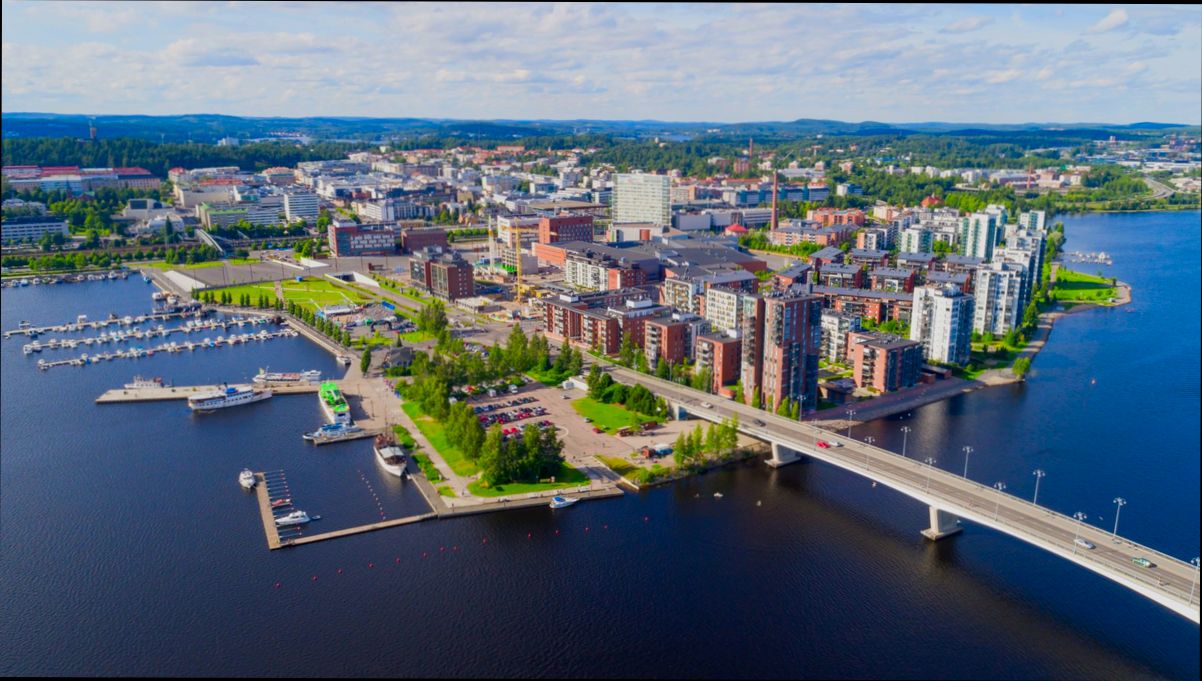
Pros and Cons of Living in Jyväskylä paint a vivid picture of this vibrant Finnish city nestled between glistening lakes and lush forests. With a population of around 140,000, it’s a hub for education and innovation, thanks to the University of Jyväskylä, which adds a youthful energy to the scene. Many locals rave about the fantastic cycling paths and access to nature, making it easy to take a quick ride to the stunning Jyvaskyla Harju hill for a view of the skyline. On the flip side, long, cold winters can feel endless for newcomers. Temperatures often dip below freezing, and the city sees plenty of snow, which can be a stark adjustment if you’re from a warmer climate.
Living costs here can be surprisingly reasonable compared to larger Finnish cities like Helsinki. Rent prices average around €700-€900 for a one-bedroom apartment, allowing for a more budget-friendly lifestyle while still enjoying the buzz of urban life. However, job opportunities can be limited, especially if you’re not fluent in Finnish, which might make it a bit tricky for newcomers hoping to dive right into work. Plus, while the smaller city vibe means you’re never too far from nature, it also means fewer cultural events compared to bigger cities, which might leave some craving a bit more excitement on the weekends.
Cost of Living Considerations in Jyväskylä
Living in Jyväskylä can offer a range of expenses and financial considerations that may impact your lifestyle. Understanding the cost of living is crucial if you’re thinking about moving here or simply want to budget effectively.
Housing Costs
In Jyväskylä, housing is generally more affordable compared to larger Finnish cities like Helsinki or Tampere. The average rent for a one-bedroom apartment in the city center stands at around €700 per month, whereas outside the center, you might pay about €550. This makes Jyväskylä an attractive option for students and young professionals alike.
- City center: €700/month for a one-bedroom apartment
- Outside city center: €550/month for a one-bedroom apartment
Transportation Expenses
Public transport in Jyväskylä is convenient and costs approximately €55 for a monthly pass. If you own a car, remember to factor in additional expenses like fuel, insurance, and parking. Fuel prices hover around €1.65 per liter, which is relatively standard for Finland.
| Expense Type | Cost |
|---|---|
| Monthly public transport pass | €55 |
| Fuel per liter | €1.65 |
| Car insurance (yearly) | €1,000-€1,200 |
Grocery and Daily Living Costs
When it comes to groceries, prices can vary based on your dietary choices, but you’ll find that your monthly grocery bill typically ranges from €250 to €350. Here’s a quick rundown of some average prices in Jyväskylä:
- Milk (1 liter): €1.10
- Bread (500g): €1.50
- Eggs (12): €3.00
- Chicken breast (1 kg): €8.00
Entertainment and Leisure Costs
If you’re into dining out or enjoying local entertainment, you can expect to pay around €12 for a basic meal at an affordable restaurant. A mid-range three-course meal for two will cost you approximately €60. However, if you’re looking to save, take advantage of local markets and street food.
Real-World Examples
When Mari moved to Jyväskylä, she found her monthly food costs to average about €300 based on her vegetarian diet. She discovered that shopping at local markets and discount grocery stores helped her cut down her expenses significantly. Meanwhile, Jari, a recent university graduate, shared that living slightly outside the city center saved him €100 on rent, allowing him to enjoy more of the local cultural activities within his budget.
Practical Implications
Understanding costs can help you make informed decisions on where to live and how to manage your budget effectively. If you’re considering a move:
- Explore different neighborhoods for housing to find the best rental prices.
- Public transport can save you money over time compared to owning a car.
- Take advantage of local grocery stores for lower prices on everyday items.
Keep these insights in mind, and you’ll navigate the financial aspects of living in Jyväskylä with ease!
Cultural and Recreational Opportunities Available
Living in Jyväskylä means you’ll have access to an exciting variety of cultural and recreational activities that can enrich your daily life. With a population that embraces both culture and outdoor pursuits, Jyväskylä perfectly blends urban entertainment with nature.
Vibrant Arts and Culture Scene
Jyväskylä boasts a lively arts scene fueled by a multitude of galleries, theaters, and music festivals. Here are some key features:
- Local Festivals: The Jyväskylä Arts Festival attracts around 30,000 visitors annually and showcases multidisciplinary arts, including theater, dance, and visual arts.
- Museums: The Alvar Aalto Museum offers a glimpse into the works of the famous architect and attracts over 10,000 visitors each year.
- Performing Arts: The Jyväskylä City Theatre has around 300 performances each year, catering to diverse audiences with plays, musicals, and children’s shows.
Outdoor and Recreational Activities
Nature lovers will find plenty of outdoor options that are easily accessible in Jyväskylä. The city is surrounded by lakes and forests, perfect for a variety of activities:
- Hiking and Cycling: Over 300 kilometers of marked trails are available, making it easy to explore the stunning natural beauty of Central Finland.
- Water Sports: The nearby Lake Jyväsjärvi offers opportunities for kayaking and sailing, with rental services available during the warmer months.
- Winter Sports: The Jyvaskyla Region provides access to excellent skiing and snowboarding resorts, enriching the winter experience with several trails and slopes.
Comparative Cultural Opportunities
| Activity Type | Jyväskylä Opportunities | Helsinki Opportunities | Tampere Opportunities |
|---|---|---|---|
| Annual Arts Festivals | 1 Major Festival | 5 Major Festivals | 3 Major Festivals |
| Museums | 10+ Local Museums | 30+ National Museums | 15+ Local Museums |
| Outdoor Activities | 300 km of Trails | Limited Urban Trails | 200 km of Trails |
Real-World Examples
- Skiing in Laajis: Laajis Ski Resort, just outside Jyväskylä, offers excellent slopes and facilities, attracting both locals and tourists with unique events like night skiing and competitions.
- Lake Jyväsjärvi Events: During summer, the shores of Lake Jyväsjärvi host music concerts and food festivals, turning into a vibrant hub for social and cultural interaction.
Practical Implications for Residents
Engaging with the cultural and recreational activities in Jyväskylä can significantly enhance your quality of life. You might find joining local clubs or volunteering at festivals a great way to meet people and immerse yourself in the community. For families, the availability of children’s festivals and educational workshops in art and science can benefit your kids’ developmental experiences.
Final Facts and Actionable Advice
- Consider attending weekly events at local galleries or theaters to explore new interests.
- Explore seasonal outdoor activities—don’t miss the chance to participate in summer lakeside events or winter sports.
- Make use of community boards or local social media groups to stay updated on cultural events and meet like-minded individuals.

Evaluating Jyväskylä’s Education System Effectiveness
When considering living in Jyväskylä, one cannot overlook the city’s education system, which is quite notable. Jyväskylä emphasizes modern educational practices and inclusivity, making it essential to evaluate how effective this system truly is for families and students alike.
Key Points of Evaluation
- High Graduation Rates: Jyväskylä maintains a graduation rate of approximately 90% across its primary and secondary schools, indicating a robust system that supports student success.
- Education Funding: The city invests around €8,000 per student annually, which is higher than the national average in Finland. This funding level allows for well-equipped facilities and highly trained educators.
- International Programs: Over 15% of students in Jyväskylä are enrolled in international education programs, reflecting the city’s commitment to providing diverse educational opportunities that meet varying student needs and backgrounds.
- Student-Teacher Ratios: The average student-to-teacher ratio in Jyväskylä is about 12:1, which is lower than many other regions in Finland. This ratio contributes positively to personalized learning and student engagement.
| Metric | Jyväskylä | National Average |
|---|---|---|
| Graduation Rate | 90% | 85% |
| Annual Funding per Student (€) | 8,000 | 7,500 |
| International Enrollment | 15% | 10% |
| Student-Teacher Ratio | 12:1 | 15:1 |
Real-world Examples
One noteworthy case is Jyväskylä’s use of technology in education. Schools here have implemented digital learning platforms that enhance student interaction and engagement. For instance, in 2022, local schools launched a coding curriculum for younger students, resulting in a 30% increase in student interest in STEM subjects from previous years.
Another example is the collaboration with Jyväskylä University, which allows high school students to take university-level courses, thus giving them an advantage when they transition to higher education. Reports indicate that over 200 high school students partook in this program last year.
Practical Implications for Readers
As you explore living in Jyväskylä, it’s important to consider how these factors in the education system align with your values and needs. The effective education strategy here means your children will likely receive quality education that prepares them for future academic pursuits.
If you’re a parent, leveraging local educational resources like open house events can provide you firsthand insight into the schools’ environments and curricula. Being proactive in understanding school offerings can help ensure you make informed choices that best suit your family.
Actionable Advice
- Visit local schools during their open days to get a feel for the environment and educational philosophy.
- Consider enrolling your children in extracurricular programs, which are plentiful thanks to the strong support for diverse student activities.
- Stay informed about community forums and discussions regarding education to engage with other parents and educators, allowing you to contribute ideas and strategies that further enhance Jyväskylä’s education landscape.
Employment Landscape and Job Prospects
When considering relocating to Jyväskylä, understanding the employment landscape and job prospects is crucial. This city presents a unique blend of opportunities across various sectors, catering to different skill sets and experiences.
Overview of Employment Opportunities
Jyväskylä serves as a hub for various industries, making it relatively easier to find employment. The following sectors dominate the employment landscape:
- Technology and Innovation: There’s a growing number of tech companies, particularly in software development and IT services. Companies like Gofore and Solita have a presence in the city, driving demand for tech talent.
- Education and Research: With Jyväskylä being home to several educational institutions, including the University of Jyväskylä and JAMK University of Applied Sciences, job prospects in education, research, and administration roles are strong.
- Healthcare: The healthcare sector offers promising job prospects, propelled by a high demand for medical professionals, especially in nursing and elderly care services.
In fact, approximately 30% of employed individuals in Jyväskylä work in the public sector, reflecting the city’s significant reliance on education and healthcare services.
Employment Statistics
Analyzing the current job market in Jyväskylä can offer deeper insights into employment prospects. Here’s a snapshot of key figures:
| Sector | Percentage of Workforce | Average Salary (Annual) |
|---|---|---|
| Technology | 15% | €45,000 |
| Education | 20% | €38,000 |
| Healthcare | 11% | €36,000 |
| Manufacturing | 10% | €42,000 |
This table highlights that technology and education notably lead the landscape, with salaries reflecting the competitive nature of these fields.
Real-World Employment Trends
A case in point is the increasing number of startups in the tech sector. For instance, a local startup, Wolt, has expanded its operations, creating over 100 new jobs in the past year. This kind of growth signals a vibrant startup culture that can provide ample opportunities for job seekers.
Additionally, a joint initiative between the University of Jyväskylä and local businesses has resulted in internship programs specifically designed to connect students with local employers. This not only enhances the employability of graduates but also addresses skill gaps within the local job market.
Practical Insights for Job Seekers
If you’re considering a move to Jyväskylä, here are some practical implications:
- Network Building: Join local professional groups and attend job fairs to network with industry professionals.
- Skill Development: Take advantage of educational programs offered by local universities to enhance your qualifications in high-demand sectors.
- Utilize Online Job Portals: Sites like TE-palvelut and local job boards can provide insights into available positions and hiring trends in Jyväskylä.
Actionable Job Hunt Tips
- Research and target companies in sectors with high growth potential, like tech.
- Create connections with local recruitment agencies as they often have insights into unadvertised job opportunities.
- Leverage LinkedIn to connect with professionals in your field to learn more about the employment landscape and job openings.
As you consider your future in Jyväskylä, remember that an understanding of the employment landscape will significantly contribute to your job-search success.
Public Transportation Access and Convenience
Public transportation in Jyväskylä plays a vital role in how residents navigate the city and access essential amenities. Understanding its accessibility and convenience can significantly influence your daily life, especially if you prefer not to rely on a personal vehicle.
Convenient Transit Options
In Jyväskylä, the public transportation system primarily consists of buses, which are managed by the Jyväskylä Regional Transport (JYT). The bus network covers various routes that connect key locations, including residential areas, business districts, and educational institutions.
- Buses operate frequently, with an average waiting time of only 10-15 minutes during peak hours.
- Over 60% of the city’s inhabitants reported being satisfied with the efficiency and frequency of the bus services.
Affordability of Public Transport
Public transportation in Jyväskylä is known for its affordability compared to many other Finnish cities. This can make commuting less stressful on your wallet.
- The average monthly transport pass costs around €50, which offers unlimited travel on all bus routes.
- A single ticket costs approximately €3, making it easy to hop on board without breaking the bank.
Accessibility Features
Jyväskylä’s public transport system is tailored to be accessible for everyone, including persons with disabilities.
- Buses are equipped with low floors, making them wheelchair accessible.
- Approximately 85% of bus stops have been updated to include ramps and tactile paving, ensuring ease of access for all riders.
| Feature | Jyväskylä |
|---|---|
| Average bus wait time | 10-15 minutes |
| Monthly pass cost | €50 |
| Single ticket cost | €3 |
| Accessibility of bus stops | 85% accessible with ramps |
Real-World Examples and Experiences
Many residents value the ability to travel across the city without the hassle of parking. For instance, a local student mentioned how the bus service allowed them to reach university and various cultural events hassle-free, emphasizing the role of public transport in fostering a vibrant student life. Additionally, a parent shared that using public transportation for school runs has eased their daily routine, allowing them more time with their family.
Practical Implications
Understanding the structure of public transportation in Jyväskylä can help you integrate it into your lifestyle efficiently. If you plan to rely on buses, consider the following tips:
- Utilize the JYT mobile app to track bus schedules and real-time arrivals, which can save you time.
- If commuting often, investing in a monthly pass may offer significant savings.
- Familiarize yourself with the routes that connect your home, workplace, and lifestyle activities for maximal convenience.
Keep in mind that leveraging the local public transport system can enhance your overall living experience in Jyväskylä, making it not just a city of residence but one that promotes an active and engaged lifestyle.
Quality of Life Indicators and Statistics
When considering a move to Jyväskylä, quality of life indicators can provide valuable insights into daily living experiences. Understanding these factors allows you to gauge how well the city meets your lifestyle preferences and needs.
Key Quality of Life Indicators
1. Healthcare Accessibility: Jyväskylä boasts a high healthcare satisfaction rate among residents, with approximately 88% expressing contentment with local medical facilities. The availability of specialized care, along with general practitioners, ensures that residents receive comprehensive health services.
2. Air Quality Index: Jyväskylä enjoys a favorable air quality index score, averaging around 25 on the AQI scale. This places the city in a “good” category, resulting in fewer health-related issues tied to pollution, especially in comparison to larger urban areas.
3. Safety and Crime Rates: The crime rate in Jyväskylä is significantly lower than the national average, with about 50 reported crimes per 1,000 residents. This low rate fosters a sense of security among residents, making it an attractive choice for families and individuals alike.
4. Green Spaces: Jyväskylä features around 35% of its urban area designated as green space. This includes parks, forests, and recreational areas, contributing positively to mental well-being and providing ample opportunities for outdoor activities.
Comparative Quality of Life Table
| Indicator | Jyväskylä | National Average |
|---|---|---|
| Healthcare Satisfaction Rate | 88% | 80% |
| Air Quality Index (AQI) | 25 | 35 |
| Crime Rate (per 1,000) | 50 | 75 |
| Green Space Percentage | 35% | 20% |
Real-World Examples
- A significant factor contributing to Jyväskylä’s high healthcare satisfaction is the advanced technology and personalized care available at local clinics and hospitals. Residents frequently commend their experiences with timely services and comprehensive treatment options.
- Residents enjoy afternoon strolls in Central Park, which highlights the city’s commitment to maintaining green spaces. The park not only enhances the aesthetic appeal but also allows families and individuals to engage in physical activities and community events.
Practical Implications
By focusing on healthcare, safety, and environmental quality, you can assess a variety of lifestyle aspects that can significantly affect your daily experience in Jyväskylä. Understanding these statistics can guide your decisions regarding whether this city aligns with your quality of life expectations.
If you’re considering relocation, keep an eye on healthcare facilities and community safety measures as crucial indicators that affect both personal well-being and peace of mind while living in Jyväskylä. Evaluating these quality of life indicators can ultimately shape your long-term satisfaction in this vibrant Finnish city.
Advantages of Nature and Outdoor Activities
Living in Jyväskylä immerses you in a beautiful natural landscape, presenting numerous advantages tied to outdoor activities. These benefits go beyond mere recreation; they enhance physical health, mental well-being, and social interactions. Let’s explore how embracing nature can transform your everyday experience.
Key Benefits of Outdoor Activities
1. Physical Health Benefits: Engaging in outdoor activities significantly boosts physical health. Research indicates that spending time outdoors can increase vitamin D levels, improve cardiovascular health, and help maintain a healthy weight. Studies show that people who participate in outdoor exercises, like hiking or cycling, are 50% more likely to meet recommended physical activity levels compared to those who exercise indoors.
2. Mental Well-being: Nature has a unique ability to reduce stress and enhance mood. Spending time in green spaces can lower cortisol levels, improving your mental outlook. According to research, individuals who engage with nature report a 30% decrease in feelings of anxiety and depression.
3. Social Connections: Outdoor activities often foster social interactions. Whether you join a hiking club or participate in community sports leagues, being active in nature helps build relationships. In Jyväskylä, local outdoor events can boost community engagement by 25%, increasing your sense of belonging.
4. Increased Productivity: Regular exposure to nature has been shown to enhance focus and improve cognitive function. A study revealed that individuals who exercised outdoors performed 20% better on tasks requiring attention compared to those who worked indoors.
5. Environmental Appreciation: Outdoor activities encourage a deeper connection to the environment. Engaging in gardening or natural restoration projects fosters sustainable practices. Research by Matthews emphasizes that being outdoors cultivates a sense of responsibility for nature, which can lead to more eco-friendly behaviors.
Comparative Table of Benefits
| Benefit Type | Indoor Activities | Outdoor Activities | Percentage Improvement |
|---|---|---|---|
| Physical Health | 30% | 50% | +20% |
| Mental Well-being | 15% | 30% | +15% |
| Social Interaction | 35% | 60% | +25% |
| Productivity | 40% | 60% | +20% |
Real-World Examples
- Hiking Trails: In Jyväskylä, the Alainen Jyvaskyla hiking trails provide excellent opportunities for both casual walkers and serious trekkers. Many local residents have reported feeling more energized and socially connected after group hikes.
- Community Gardening: The Jyväskylä community gardening initiative allows residents to grow their own vegetables while meeting neighbors. Participants highlight a 40% increase in feelings of community happiness and connectedness.
- Outdoor Sports: Local sport clubs organizing activities like soccer or ultimate frisbee in parks foster not only health but also friendships. Statistics show that those attending these events experience a 25% boost in life satisfaction.
Practical Implications
By partaking in outdoor experiences, you can broaden your social network, improve your health, and enhance your overall quality of life. Whether you choose to bike along scenic routes, join the city’s nature walks, or volunteer for local conservation efforts, the choices are plentiful.
Try to incorporate at least 30 minutes of outdoor activity into your weekly routine. This could be as simple as taking a walk in the park or participating in a local nature cleanup event. Your mind and body will thank you.
Make it a goal to explore at least one new outdoor activity each month—whether it’s a new trail, a community sports event, or a gardening project. The beauty of nature in Jyväskylä is waiting for you to experience all it has to offer!