Pros and Cons of Living in Italy is a topic that sparks a lot of debate among expats and locals alike. On the plus side, there’s the incredible food—imagine indulging in authentic pizza Napoletana from Naples or savoring fresh pasta in Bologna. According to a recent survey, Italy tops the list of the best places for culinary experiences, with 70% of residents claiming to enjoy their meals more than their counterparts in other countries. The art and culture are another major draw; living in Florence means you’re just a stone’s throw away from Michelangelo’s David or Botticelli’s Birth of Venus. Plus, you can’t beat the vibe of a city that invented the concept of the piazza, where evenings are spent chatting over gelato.
Of course, it’s not all sunshine and gelato. The cost of living can be a real kicker; cities like Milan and Rome are notorious for high rents, and you might find yourself shelling out around 1,000 euros for a small apartment. Then there’s the bureaucracy—good luck trying to navigate the endless paperwork, whether you’re getting a residency permit or setting up utilities. And let’s talk about public transportation: while cities like Rome have decent metro systems, they can be unreliable, leading to daily frustrations. So, while the allure of espresso and breathtaking scenery is hard to resist, the challenges are very much part of the Italian experience.
Cost of Living in Italy Analyzed
The cost of living in Italy varies significantly between regions, influencing your overall experience. Understanding these differences can help you make informed decisions about where to live or travel. Let’s delve deeper into the specifics of what you can expect for your budget in Italy.
Regional Differences in Living Costs
The cost of living can fluctuate widely, especially when comparing northern and southern Italy. Here are a few pivotal statistics:
- Median Monthly Rent: In cities like Milan, expect to pay around €1,200 for a one-bedroom apartment in the city center, whereas in Naples, it can reasonably be about €700.
- Grocery Prices: A basket of basic groceries can average around €50 in Rome but only about €35 in smaller towns, showcasing how shopping locally can save you money.
- Utilities: Monthly utility bills (electricity, heating, cooling, water, and garbage) in Milan may average around €180, but in Palermo, this cost could drop to roughly €120.
Comparative Table of Living Costs
| Region | Rent (1-BR City Center) | Grocery Monthly Cost | Utilities Monthly Cost |
|---|---|---|---|
| Milan | €1,200 | €200 | €180 |
| Rome | €1,000 | €180 | €150 |
| Florence | €900 | €170 | €140 |
| Naples | €700 | €150 | €120 |
| Palermo | €600 | €120 | €110 |
Real-World Examples of Cost Implications
Let’s look at a scenario involving two expats, Sarah and Alex, who moved to Italy. Sarah settled in bustling Milan and spent close to €1,500 monthly on rent and essential bills. In contrast, Alex chose a quieter life in smaller towns near Naples. His total monthly expenses, including rent, groceries, and utilities, hovered around €1,000. This showcases the importance of selecting your location carefully, depending on your lifestyle and budget.
Practical Implications for Your Budget
As you’re planning your move or stay in Italy, here are some implications to consider:
- Budget Accordingly: If you aim to live in an expensive city like Milan or Rome, plan on a larger budget or consider nearby areas where costs are more affordable.
- Choose Neighborhoods Wisely: Some neighborhoods within cities can be significantly cheaper. Research local areas to find the best value for your money.
- Local Markets and Discount Stores: Explore local markets for fresh produce, as they often provide better prices compared to supermarkets.
Actionable Advice on Living Costs in Italy
When considering your financial strategy in Italy, remember these facts:
- On average, expect to allocate about 30% of your income to housing costs, adjusting based on your specific location and lifestyle.
- Use public transportation whenever possible; it’s cheaper than maintaining a car and suitable in cities with developed infrastructures.
- Familiarize yourself with local financial practices, like how to negotiate rents and understand tenant rights, as this will empower you to navigate the living cost landscape effectively.
Cultural Richness and Everyday Life
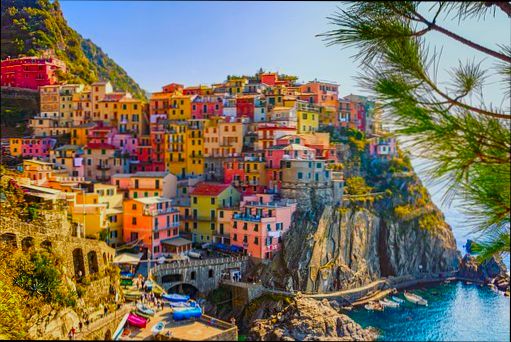
Living in Italy immerses you in a vibrant tapestry of culture that deeply influences everyday life. From mouthwatering cuisine to enchanting art, the cultural richness here can transform mundane moments into memorable experiences. Let’s explore how culture is interwoven with daily living and how that affects your life in Italy.
A Blend of Tradition and Modernity
Italy seamlessly combines its storied traditions with modern lifestyles, creating a unique cultural setting. The country boasts over 55 UNESCO World Heritage sites, the most of any nation in the world. This abundance means your everyday activities can often take place in historically significant settings, from casual meals at trattorias near ancient ruins to routine walks past Renaissance masterpieces.
- Culinary Tradition: You’ll savor regional dishes that reflect local history and ingredients. For example, in Emilia-Romagna, famed for its gastronomic excellence, traditional pasta dishes are not just meals; they are part of a rich cultural tradition celebrated through festivals and family gatherings.
- Festivals and Events: Every town hosts various festivals, which are integral to social life. Events like the Venice Carnival or Palio di Siena not only color the calendar but also foster a sense of unity and celebration among locals.
The Influence of Art and Architecture
Art is not just confined to museums in Italy; it spills over into everyday life. The architecture alone reflects the diverse phases of Italian history, offering a living museum experience.
| City | Key Architectural Wonders | Influence on Daily Life |
|---|---|---|
| Florence | Duomo, Uffizi Gallery | Daily walks amidst stunning art and inspiration |
| Rome | Colosseum, St. Peter’s Basilica | View of history impacting lifestyle and tourism |
| Venice | St. Mark’s Basilica, Grand Canal | Routines shaped by picturesque canals and public art |
Local Customs and Social Life
Local customs significantly shape social interactions and daily routines. Family is at the core of Italian culture, with Sunday lunches being a cherished tradition. This familial bond informs local communities, leading to events where neighbors come together to share Giropizza or celebrate local saints.
- Market Visits: Instead of grocery stores, locals often visit weekly markets, fostering relationships with vendors and neighbors.
- Caffe Culture: The ritual of enjoying coffee at local bars fosters socializing. The Italian coffee experience is about the atmosphere as much as it is about the beverage itself.
Real-World Examples
In Naples, locals spend their afternoons enjoying pizza al fresco, embodying the “la dolce vita” lifestyle. There, you’ll find people chatting animatedly, sharing stories while savoring the historic flavors of Neapolitan pizza, a UNESCO-recognized cultural heritage.
In Piemonte, the annual truffle festival draws locals and tourists alike, showcasing the region’s gastronomy. Attending such events means engaging with the community and appreciating the local culinary culture firsthand.
Practical Insights
As you dive into cultural richness, remember:
- Explore Local Festivals: Engage actively in local festivals to foster connections and immerse yourself in community traditions.
- Adopt Local Time Practices: Embrace slower mornings and late dinners to align with the Italian lifestyle and enjoy more social interactions.
Immerse yourself in daily cultural experiences to enrich your life in Italy. Whether it’s learning to cook traditional recipes or joining in local celebrations, you’ll find that these moments create deep connections to the country and its people.
Healthcare Quality and Accessibility in Italy
Living in Italy offers a unique healthcare landscape, renowned for its high quality yet marked by varying accessibility across regions. Understanding how healthcare operates here can greatly enhance your experience as a resident.
Quality of Healthcare Services
Italy boasts a robust healthcare system that often ranks highly on various global scales. According to a 2021 report by the World Health Organization, Italy was rated 2nd in the world for health system efficiency. Notably:
- Life expectancy in Italy is approximately 83 years, one of the highest in the world.
- Italy ranks 4th for cancer survival rates among European countries, with over 60% of patients surviving five years after diagnosis.
Accessibility Challenges
While the quality of care is generally high, accessibility can be a concern in certain areas. In rural and southern regions, healthcare facilities may be less equipped or farther between than in urban centers. Consider the following:
- Approximately 30% of Italians reported delays in accessing outpatient services due to long waiting times.
- In some southern regions, patients may wait more than 60 days for non-urgent treatments.
| Region | Average Wait Time for Specialist Appointments | Healthcare Facilities per 1000 Residents | Life Expectancy |
|---|---|---|---|
| Northern Italy | 15 days | 5.5 | 84 years |
| Central Italy | 25 days | 4.8 | 83 years |
| Southern Italy | 60 days | 3.2 | 80 years |
Real-World Examples
Several cities in Italy showcase how local governance impacts healthcare availability. For instance, in Milan, residents enjoy access to several well-equipped hospitals and a dense network of clinics, significantly reducing wait times for treatments. Conversely, in regions like Calabria, you might find fewer facilities and longer waiting times, leading many to travel out of region for specialized care.
A notable case is a family in Sicily, who faced a three-month wait for a benign surgery, only to secure an appointment after seeking options in nearby Naples, illustrating the geographic disparities across the healthcare system.
Practical Insights
If you’re planning to live in Italy, here are specific implications for accessing healthcare:
- Understand Regional Differences: Before relocating, research the healthcare facilities available in your chosen region, especially if you have specific health needs.
- Private vs. Public Care: Public healthcare is funded through taxation and offers many essential services without out-of-pocket costs. However, consider private insurance for quicker access to certain specialists and services.
- Emergency Contacts: Familiarize yourself with emergency numbers (118 for medical emergencies) and save contacts for local health facilities and your general practitioner.
Actionable Advice
Make sure to register with the local health authority (ASL) upon moving to Italy, which will grant you access to public healthcare services. Carry your health card (Tessera Sanitaria) at all times, as it may be required for both emergency and routine care. Stay informed about both public and private healthcare options in your area to ensure seamless access to medical services when needed.
Employment Opportunities for Foreigners
When considering a move to Italy, understanding the landscape of employment opportunities for foreigners is essential. Italy is known for its beautiful scenery and rich culture, but it also presents unique challenges and advantages for job seekers from abroad. Let’s delve into what you can expect when looking for work in Italy as a foreigner.
Key Employment Sectors for Foreigners
Certain sectors actively seek foreign talent, especially if you possess unique skills or language proficiency. Here are the key areas where employment opportunities are more plentiful:
- Tourism and Hospitality: Italy’s tourism sector thrives year-round, creating a demand for multilingual staff. About 35% of new jobs in this sector are filled by foreigners.
- Information Technology: The tech industry in cities like Milan has been growing steadily, with an increasing number of startups and established companies looking for specialized skills. Roughly 25% of tech roles in Milan are occupied by non-Italian workers.
- Education: Teaching English as a foreign language is a popular option. Language schools often hire native speakers, making it an accessible avenue for foreigners.
Employment Rates for Foreigners
As of recent statistics, foreigners constitute approximately 10% of the entire Italian workforce. The employment rate for foreign workers varies widely across different regions:
| Region | Employment Rate for Foreigners |
|---|---|
| Lombardy | 15% |
| Lazio | 12% |
| Campania | 8% |
| Emilia-Romagna | 10% |
Real-World Examples
Maria, a software developer from Romania, found a job in Milan within three months of her arrival. She attributes her success to networking through meetups and continuing education courses, which allowed her to connect with industry leaders.
On the other hand, John, a native English speaker from the USA, struggled initially to find teaching positions in Rome. However, by enrolling in a local TEFL certification program, he was able to improve his credentials and secured a job in less than four weeks after completion.
Practical Implications for Job Seekers
Navigating the job market as a foreigner in Italy includes knowing a few practical tips:
- Language Skills: While many Italians speak English, being proficient in Italian can significantly increase your employability, especially in sectors like healthcare or customer service.
- Networking: Building a local network is crucial. Utilize platforms like LinkedIn and attend industry-specific events to connect with potential employers.
- Work Permits: Ensure you understand the visa requirements for working in Italy. The process may take time, so starting early is advisable.
Actionable Advice
- Consider enrolling in Italian language courses to enhance your communication skills.
- Research local job fairs and networking events tailored for foreigners.
- Explore online job boards specifically catering to international job seekers in Italy for easier access to opportunities.
With the right preparation and a proactive approach, the job market in Italy can be welcoming and rewarding for foreign workers.
Climate Variability and Lifestyle Impact
Living in Italy means you’ll experience a diverse range of climates that significantly influence lifestyle choices. From the snowy Alps in the north to the sun-drenched beaches of the south, Italy’s climate can impact everything from daily activities to social gatherings. Let’s dive into how this variability affects your way of life.
Understanding the Climate Regions
Italy’s climate is categorized into several distinct zones, each with its unique characteristics. This geographic variability not only shapes the weather but also influences local customs, food provisions, and recreational options.
- Northern Italy: Characterized by a continental climate with cold winters and hot summers, ideal for winter sports and summer festivals.
- Central Italy: A Mediterranean climate allows for mild, wet winters and hot, dry summers, perfect for vineyard activities and outdoor dining.
- Southern Italy: Features a warm Mediterranean climate with more stable temperatures year-round, leading to beach-centric lifestyles and summer tourism.
Climate Data Overview
Here’s a quick look at average annual temperatures and precipitation across different regions in Italy:
| Region | Average Temp (°C) | Annual Precipitation (mm) |
|---|---|---|
| Northern Italy | 11-16 | 800-1300 |
| Central Italy | 13-18 | 600-900 |
| Southern Italy | 15-20 | 400-600 |
These averages provide insight into how climate variability can dictate lifestyle preferences. For instance, higher precipitation in the north can encourage indoor activities, while the south’s drier weather promotes outdoor living and socialization.
Real-World Examples
- Alpine Activities in the North: In places like Trentino-Alto Adige, snowy winters attract ski enthusiasts, heavily influencing local economies and sustaining seasonal jobs in tourism. Residents often invest in ski equipment as a part of their lifestyle.
- Harvesting in Central Italy: The abundance of sunshine in Tuscany supports thriving vineyards. The grape harvest in September becomes a community event, affecting social calendars and local festivals. You can enjoy wine tasting tours that illustrate the strong cultural ties to seasonal agricultural practices.
- Beach Festivals in the South: Coastal towns like Taormina host summer beach festivals, where locals spend evenings enjoying music, food, and sun. Thus, warm summers lead to vibrant outdoor communal lifestyles.
Practical Implications for Lifestyle Choices
Understanding climate variability helps you adapt your lifestyle in Italy. Here are a few actionable insights:
1. Seasonal Activities: Embrace seasonal offerings. For example, plan ski trips in winter and vineyard tours in autumn.
2. Clothing and Gear Investments: Adapt your wardrobe to accommodate local weather patterns—think winter outerwear for the north and lighter beachwear for the south.
3. Social Gatherings: Use the climate to enhance social experiences. Organize picnics in the spring when the weather is inviting and make the most of mild evenings in the fall for outdoor dining.
Specific Facts to Enhance Your Experience
- Heating and Cooling Needs: Northern cities average about 1,200 heating degree days, making robust heating systems essential. Conversely, southern regions can have fewer than 500 cooling degree days, suggesting less need for air conditioning.
- Regional Culinary Ingredients: Let the climate guide your culinary adventures. In cooler regions, hearty dishes like polenta and risotto are widespread, while in warmer areas, lighter fare, such as fresh seafood and salads, dominates.
By tuning into the climate variations across Italy, you can make informed decisions that enhance your lifestyle, making living in this beautiful country even more enjoyable.
Education System Insights for Expat Families
As expat families consider relocating to Italy, understanding the education system is paramount. The structure, quality, and options available can vary widely, influencing your children’s educational experiences and overall adjustment.
Structure of the Education System
Italy’s education system is divided into three main levels:
- Preschool (Scuola dell’infanzia): For children ages 3-6, and not mandatory, but highly attended.
- Primary School (Scuola primaria): For children ages 6-11, which consists of five years of compulsory education.
- Secondary School (Scuola secondaria): Divided into two segments — lower secondary (11-14 years) and upper secondary (14-19 years) — offering tracks like vocational, technical, and academic.
Accessibility and Integration
Italian public schools are free for residents and expats alike, ensuring accessible education. However, expats often opt for international schools to facilitate smoother transitions:
- Public vs. Private/International Schools: While public schools follow the national curriculum, international schools teach in English or other languages and often cater to specific curriculums (e.g., IB or British system). Around 7% of expat families in Italy choose international schools for their children, primarily due to language preferences and differing educational philosophies.
Here’s a comparison of different types of schools available to expat families:
| Type of School | Language of Instruction | Average Annual Tuition | Curriculum Type |
|---|---|---|---|
| Public Schools | Italian | Free | Italian National |
| International Schools | English (or others) | €5,000 - €20,000 | IB, British, American |
| Private Italian Schools | Italian | €3,000 - €12,000 | Italian National |
Real-World Examples
Many expat families report that transitioning into international schools, such as the International School of Milan or the American School of Milan, provided their children with a comforting support network and familiar pedagogy. For instance, one family found their son thrived in the American School of Milan after struggling in a public school due to language barriers.
Another example involves a family who chose a local school in Florence. Their children quickly picked up the language and made friends, showcasing how local integration can foster deeper cultural connections while still receiving a quality education.
Practical Implications for Expat Families
- Language Support: If you’re considering a public school, be prepared for language immersion. Many schools offer additional support for non-Italian speakers. It might be beneficial to enroll your child in Italian language classes beforehand.
- Research Options: Explore various schooling options early in your move. Visiting schools and meeting with other expat families can provide insights into the best fit for your child’s needs.
- Community Involvement: Engaging with the school community can significantly ease the adjustment process. Many schools have associations or committees for expat families, providing a support network.
Always inquire about after-school programs that can aid in integration and provide additional educational opportunities for your children. For example, many international schools offer extracurricular activities that help kids engage socially while enhancing their skills.
One final piece of advice: maintain open communication with your child about their educational experience. Regular discussions can uncover any challenges they may face, allowing you to seek out additional resources or support when necessary.

Culinary Delights and Gastronomic Benefits
Living in Italy means immersing yourself in a world rich with culinary delights. The country’s diverse cuisine not only tantalizes the taste buds but also offers significant gastronomic benefits that revolve around health, culture, and community. Understanding these elements can enhance your overall experience while living in this beautiful country.
The Richness of Local Ingredients
Italy places a strong emphasis on using fresh, local ingredients. This commitment contributes to a diet that is not only flavorful but also beneficial for your health. For instance, the Mediterranean diet, predominantly followed in Italy, is known for reducing the risk of chronic diseases such as heart disease by 30%. This diet favors:
- Fruits and Vegetables: Italy boasts a variety of seasonal produce, like sun-ripened tomatoes and vibrant leafy greens, which boost nutrition.
- Whole Grains: Pasta made from whole grains offers a hearty source of dietary fiber.
- Olive Oil: Extra virgin olive oil is a staple, packed with healthy fats and antioxidants.
Gastronomic Tourism Impact
Gastronomic tourism, particularly in Italy, invites culinary enthusiasts to discover the country’s regional specialties. In fact, over 8 million people engage in gastronomic tourism in Italy each year, leading to increased local economies and food heritage preservation. Travelers frequently seek experiences such as:
- Cooking classes: Engage with local chefs to learn how to prepare traditional dishes from scratch.
- Wine tours: Explore vineyards in regions like Tuscany, where you can sample wines that perfectly complement Italian cuisine.
- Street food tours: Cities like Palermo and Naples offer unique street food experiences that encapsulate the local culture.
Comparative Table of Italian Culinary Delights
| Dish | Main Ingredients | Region | Cultural Significance |
|---|---|---|---|
| Risotto | Arborio rice, broth, saffron | Lombardy | Celebrates local grain production |
| Pizza | Dough, tomatoes, mozzarella | Campania | Represents Italian craftsmanship |
| Lasagna | Pasta sheets, ragu, béchamel | Emilia-Romagna | A traditional family dish |
| Arancini | Rice, meat, peas, breadcrumbs | Sicily | A common street food, symbol of festivity |
| Tiramisu | Mascarpone, coffee, cocoa | Veneto | A beloved dessert often served at celebrations |
Real-World Examples of Culinary Traditions
In Naples, the art of pizza-making was recognized by UNESCO as an intangible cultural heritage, emphasizing its historical relevance. Meanwhile, in Bologna, known as the culinary capital of Italy, chefs teach classes on making traditional ragù alla Bolognese, showcasing regional cooking techniques that have been passed down through generations.
Practical Implications for Residents
For those living in Italy, embracing the local food culture can greatly enhance your quality of life. Shopping at local markets not only supports small farmers but also allows you to connect with the community. Here are some actionable tips:
- Explore Farmers’ Markets: Regular visits to local markets can help you discover seasonal ingredients and build relationships with producers.
- Join Community Cooking Classes: Engaging in cooking classes helps you learn about regional dishes while meeting new people.
- Participate in Food Festivals: Joining local festivals can deepen your appreciation for Italian culinary traditions while tasting a variety of regional specialties.
Specific Facts and Advice
- Did you know that Italy has over 400 types of cheese? This abundance offers a unique opportunity to explore new flavors regularly.
- Aim to incorporate local delicacies into your daily cooking; it’s a delightful way to maintain health and celebrate culture.
- Try to host Italian-themed dinner parties, showcasing regional dishes as a way to connect with friends and enhance your culinary skills.
Embracing Italy’s culinary delights will not only enrich your palate but also foster cultural appreciation and community bonds, making your experience truly memorable.