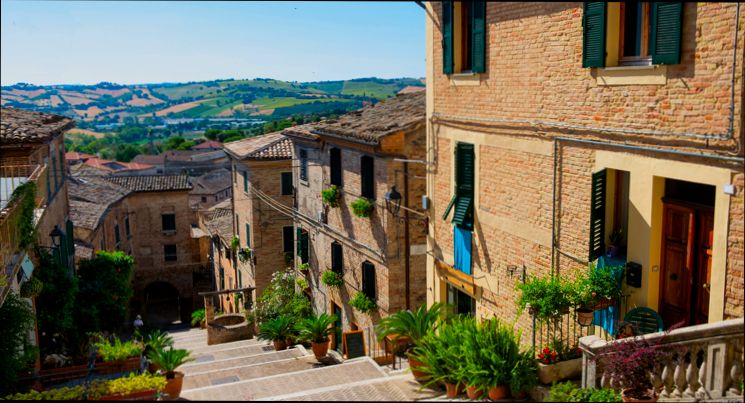
Cheapest Places to Buy Property in Italy make the dream of owning a slice of the Italian countryside or a charming coastal retreat more attainable than ever. Regionally, you’ll find that towns like Bivona in Sicily offer properties for as low as €20,000, while the Abruzzo region boasts gems in towns like Sulmona and Pescara, where you can snag a two-bedroom house for about €30,000. Can you believe it? That’s less than a new car in many places!
Let’s not forget the picturesque villages in Le Marche, where homes can start around €40,000. You get stunning views of rolling hills and vineyards, not to mention a lifestyle slower than a Sunday morning cappuccino. And with Italy’s thriving expat community, you’ll easily connect with others who have taken the plunge. While the allure of larger cities pulls many, these hidden gems offer the chance to experience authentic Italian living without breaking the bank.
Regional Price Trends in Italian Real Estate
Understanding regional price trends in Italian real estate is essential for anyone looking to invest in the property market. The landscape varies dramatically across the country, influenced by local economies, tourism, and demographic shifts. Let’s dive into the specifics to help you make informed decisions.
Key Regional Price Insights
- Northern Italy: Generally showcases the highest property prices, particularly in cities like Milan and Turin. In 2023, Milan’s average price per square meter reached €3,700, which is a 4% increase from the previous year.
- Central Italy: While cities like Rome typically maintain high prices, smaller towns in regions such as Lazio are seeing bargains. For example, towns like Viterbo offer properties as low as €1,000 per square meter, reflecting a 10% decrease in the past year due to shifting buyer interest.
- Southern Italy: Areas such as Calabria and Sicily present the most affordable options, with average property prices around €1,200 per square meter. This represents a stable market that has not fluctuated significantly over the past two years.
- Coastal Regions: Research indicates that coastal properties in regions like Liguria and Tuscany are attracting retirees and second-home buyers, pushing prices up by approximately 6% year-on-year.
Comparative Property Prices
| Region | Average Price (per sqm) | Yearly Change (%) | Notable Cities |
|---|---|---|---|
| Northern Italy | €3,700 | +4% | Milan, Turin |
| Central Italy | €2,200 | -10% | Rome, Viterbo |
| Southern Italy | €1,200 | ±0% | Calabria, Sicily |
| Coastal Regions | €2,800 | +6% | Liguria, Tuscany |
Real-World Examples of Price Trends
In Milan, an international business hub, properties are in high demand, resulting in a 4% price increase. A recent study showed that apartments in the Brera district, known for its artistic charm, have seen an average price increase of €200 per square meter in just six months. This area’s desirability continuously attracts affluent buyers, reinforcing the upward trend.
Contrastingly, Viterbo in Central Italy has become less popular among investors, causing a 10% decline in property prices. A beautiful historic town located just north of Rome, it was once thriving, but many buyers are now looking to the surrounding areas, leading to a surplus of properties and lower prices.
Practical Implications for Investors
By identifying these regional price trends, you can better target your property search. If you’re seeking affordability, focus on Southern Italy, where properties are still attainable without sacrificing beauty or culture. On the other hand, if you’re ready to invest in a booming market, Northern Italy’s key cities may provide long-term growth opportunities.
Consider breaking down your financial plan like this:
- Target areas with stable prices for lower-risk investments.
- Keep an eye on urban centers for potential high-return flips.
- Explore the less popular towns in Central Italy for hidden gems at bargain prices.
- Factor in the impact of tourism on coastal properties; summer seasons can drive up demand significantly.
Researching regional price trends equips you with the knowledge to act wisely in Italy’s diverse real estate market. The interplay of local economies and investment interest shapes each region uniquely, making it crucial to stay informed about current conditions.
Investing in Italy’s Underrated Towns
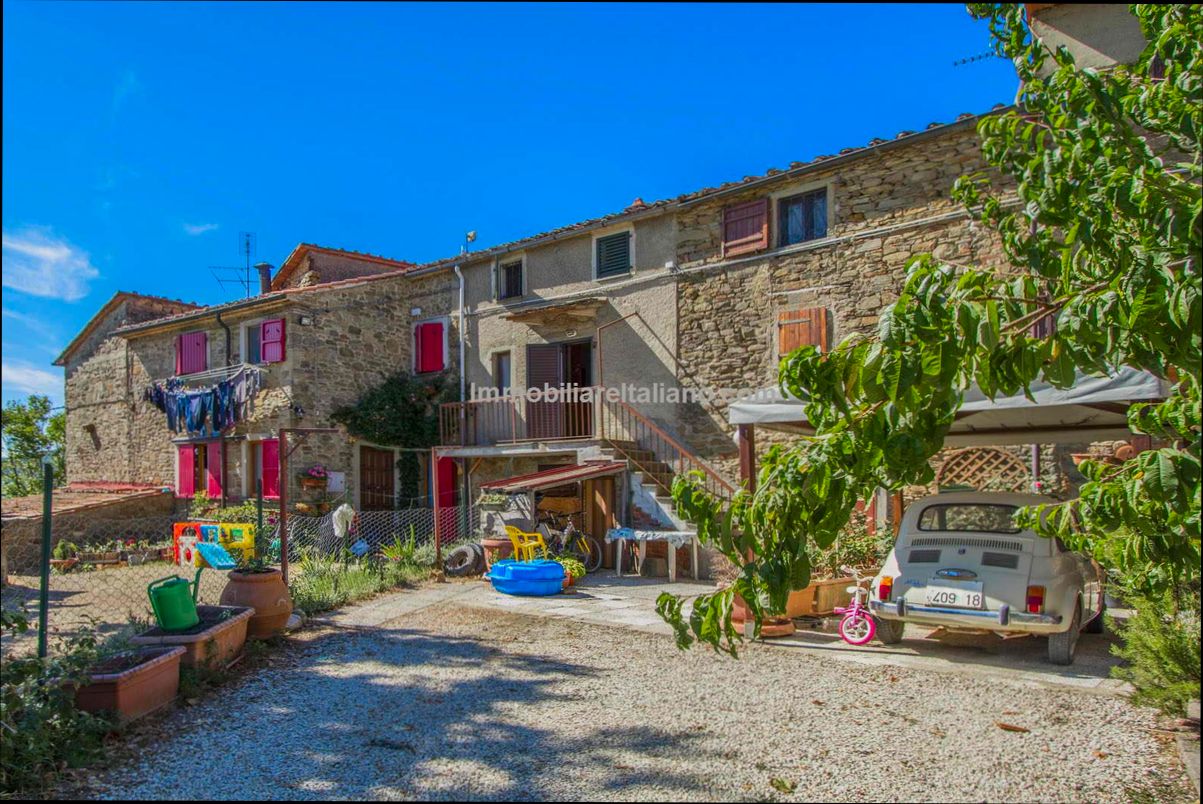
If you’re considering investing in property in Italy, the allure of its lesser-known towns often goes ignored. These underrated gems not only offer affordable property prices but also provide unique lifestyle opportunities and promising investment prospects. Let’s uncover why these towns deserve your attention.
Emerging Opportunities in Underrated Towns
1. Affordability: Towns like Matera and Cosenza have seen property prices averaging around €1,000 per square meter, far less than the major urban centers.
2. Potential for Growth: Many of these locations are starting to attract tourism, with a growth rate of 30% in holiday rentals observed in towns like Catania.
3. Tax Incentives: Various regions, including parts of Calabria and Sicily, offer tax incentives and property grants for redevelopment, making it affordable to invest and renovate.
Comparative Overview of Key Underrated Towns
| Town | Average Property Price (per m²) | Annual Tourism Growth Rate (%) | Tax Incentives Available |
|---|---|---|---|
| Matera | €1,000 | 25% | Yes |
| Cosenza | €800 | 20% | Yes |
| Catania | €1,200 | 30% | Limited |
| Lecce | €1,100 | 15% | Yes |
| Ferrara | €950 | 10% | Yes |
Real-World Examples of Success
- Matera: Known for its breathtaking cave dwellings, investments here have become popular, especially after being designated a European Capital of Culture. Property values have appreciated by 20% in the last five years.
- Cosenza: With ongoing urban revitalization, this town is seeing an increase in interest from both domestic and international buyers. Recent data shows a spike in property transactions by 15% year-over-year.
Practical Implications for Buyers
By focusing on these underrated towns, you can:
- Tap into a growing market: Properties are less competitive, creating room for bargaining and potential gains in value.
- Enjoy lower living costs: The cost of living in these towns often allows for a richer lifestyle on a lower budget compared to major cities.
- Build a diverse portfolio: Adding properties from various regions can assist in mitigating risk while capitalizing on different local market trends.
Actionable Advice for Investors
- Research Local Markets: Investigate towns with emerging tourism and infrastructure developments.
- Network with Local Agents: Relationships with agents familiar with these underrated areas can lead you to unlisted properties or special deals.
- Consider Renovation Projects: Look for properties needing renovation; government incentives can significantly reduce costs while enhancing property value.
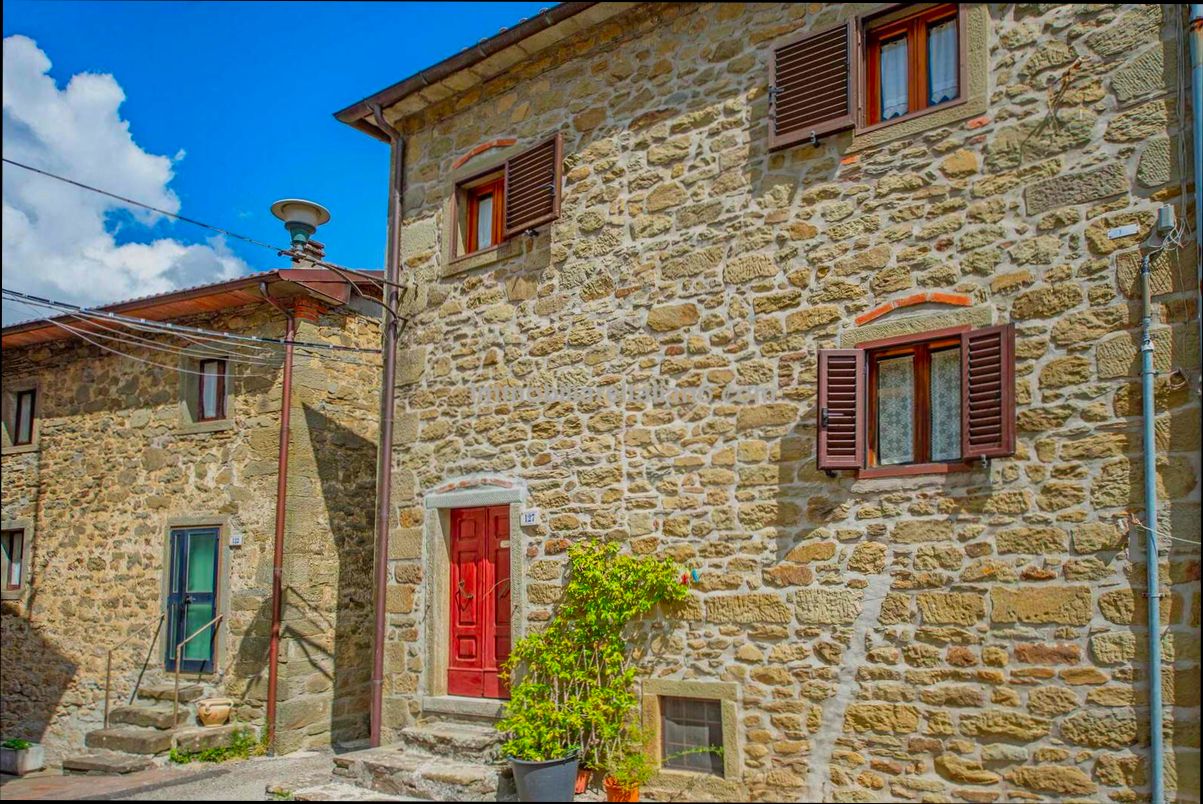
Cost-Effective Property Renovation Strategies
When diving into property renovation, especially in the affordable regions of Italy, knowing how to maximize your investment while minimizing costs is essential. The right strategies can breathe new life into a property without straining your finances. Here are some cost-effective renovation approaches to consider.
Key Strategies
1. Fresh Paint for a Modern Touch: Repainting your walls in trendy colors can give your home a modern refresh. A simple paint job can increase your property’s appeal significantly, with materials costing as little as €30 per gallon.
2. Stylish Lighting Updates: Replace outdated fixtures with contemporary lighting options that not only enhance the aesthetic but also improve functionality. Pendant lights and LED fixtures can range from €20 to €100, depending on the style and brand.
3. Boost Curb Appeal: A small investment in landscaping, like adding perennials or a garden walkway, can turn heads. Studies show that an appealing exterior can increase property value by up to 10%.
4. Declutter and Clean: Undertaking a deep clean and decluttering your space can create an illusion of more space and brightness. This simple approach costs little to nothing and can elevate your home’s overall charm remarkably.
5. Tactical Storage Solutions: Implementing smart storage options, such as vertical shelving and multi-purpose furniture, allows you to maximize your existing space without needing costly renovations. Consider that built-in cabinets can be made for under €500.
| Renovation Strategy | Average Cost | Potential ROI |
|---|---|---|
| Repainting Walls | €30 per gallon | +10-15% property value |
| Updating Light Fixtures | €20 - €100 | +5% property value |
| Landscaping Enhancements | €100 - €500 | +10% property value |
| Built-in Cabinets | €500 | +5-10% property value |
Real-World Examples
- Repainting: A property in Abruzzo saw its market value rise by 12% after the owner applied a fresh coat of pastel paint to all interior walls, creating a modern yet inviting atmosphere.
- Lighting Upgrade: A Tuscan villa owner replaced old chandeliers with stylish sconces and modern fixtures. The investment of approximately €250 resulted in more inquiries and notable increases in viewings at open houses.
Practical Implications
- By focusing expenditure on high-impact areas like paint and lighting, you hold the potential to increase your property’s marketability.
- Prioritizing renovations—such as decluttering—can offer immediate improvements at no financial cost, allowing for other funds to be allocated toward more visible upgrades.
Actionable Advice
- Before any renovation, evaluate your must-haves versus nice-to-haves to maintain a strict budget. Remember, even minimal changes, like installing a new backsplash or enhancing fixtures, can yield a significant return on investment without substantial costs.
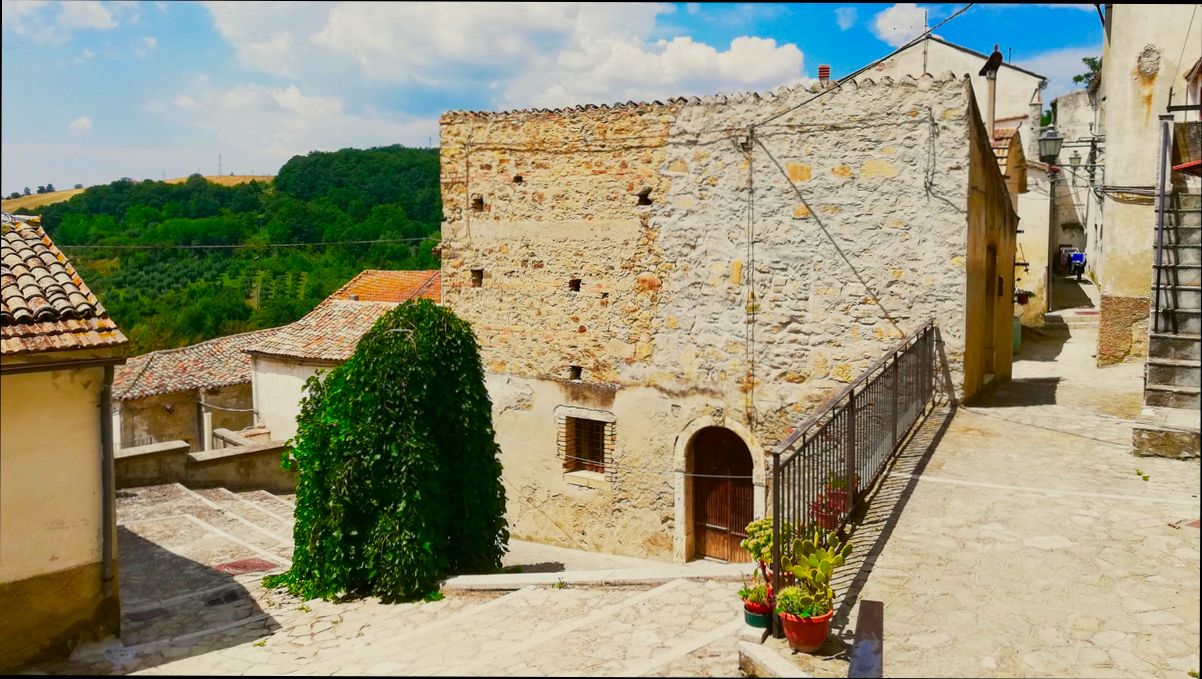
Advantages of Buying Property in Southern Italy
Southern Italy offers a plethora of advantages for potential property buyers, highlighting its charm and affordability. With its stunning landscapes, rich history, and relatively low property prices, investing in this region can be both a smart move and a delightful experience.
One of the most notable benefits is affordability. Properties in areas like Sicily are priced at approximately €1,600 per square meter, making it significantly more accessible compared to cities like Milan or Rome, where prices soar to €4,300 and €3,800 respectively. This price disparity allows for more spacious homes, expansive plots, and even coastal properties that might be unattainable in the northern regions.
Key Advantages
- Cultural Richness: Southern Italy boasts a rich tapestry of culture, from the historical ruins of ancient civilizations to vibrant local festivals. For example, Palermo is not just affordable but also a hotspot for culture lovers.
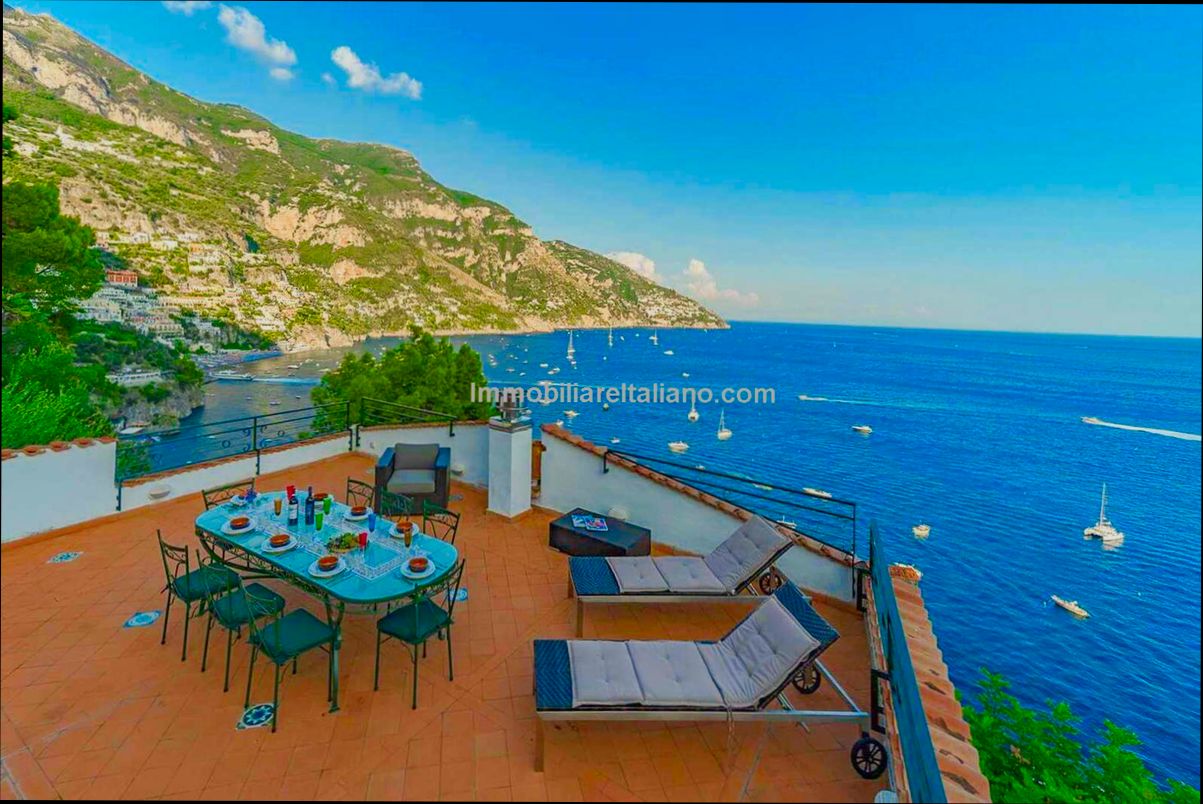
- Stunning Natural Beauty: The coastlines of Southern Italy, including the Amalfi Coast and islands like Capri, offer breathtaking views and a relaxed lifestyle. Properties near these areas often come with scenic vistas and quick access to beautiful beaches.
- Community and Lifestyle: Buying property in towns like Matera or Lecce allows you to immerse yourself in local culture, cuisine, and traditions that are less commercialized than in tourist-heavy northern cities.
- Investment Potential: As more buyers seek out affordable vacation homes, regions like Apulia are gaining popularity—making now a great time to invest before prices potentially rise.
- Lower Taxes: The tax implications of buying property in Southern Italy are often more favorable than in the north. For primary residences, the registration tax is only 2%, compared to higher rates in big cities.
Comparative Property Prices
| Ciudad / Área | Costo en EUR por m² |
|---|---|
| Milán | €4.300 |
| Roma | €3.800 |
| Florencia | €4.100 |
| Costa Amalfitana | €5.200 |
| Sicilia | €1.600 |
| Apulia | €1.800 |
Real-World Examples
Consider a couple looking to buy a second home for vacations. They found a charming three-bedroom villa in Sicilian town of Taormina for €150,000, which included views of Mount Etna and easy access to local markets and restaurants. This investment not only serves as a getaway but also has great rental potential for tourists, especially during the summer months when demand surges.
Another buyer invested in a countryside property in Apulia, taking advantage of its unique Trulli architecture. The affordable pricing in Apulia made it possible for them to acquire a spacious property for under €200,000, along with plans to develop a guesthouse, leveraging the region’s attractiveness as a travel destination.
Practical Implications for Readers
If you’re considering buying property in Southern Italy, here are some actionable insights:
- Explore Emerging Areas: Look into less famous towns that are gaining traction among international buyers for their cultural and natural allure.
- Visit during Off-Peak Seasons: Experience the local lifestyle and get a better sense of the property during quieter times of the year.
- Engage Local Real Estate Experts: Work with agents who specialize in Southern Italy, as they can provide valuable insights into burgeoning markets and property values.
By leveraging the advantages of affordability, cultural richness, and investment potential, you can find the perfect property that aligns with your lifestyle and financial goals in Southern Italy.
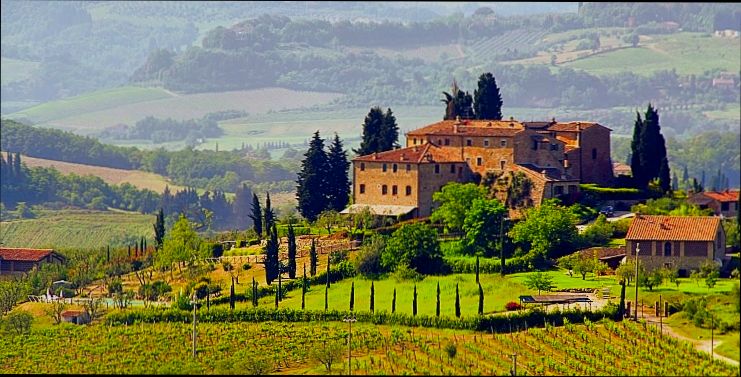
Case Studies of Successful Property Investments
Exploring successful property investments in Italy can uncover lucrative opportunities. In this section, we’ll delve into some compelling case studies, showcasing real-life success stories to inspire your potential ventures in Italy’s budget-friendly regions.
Key Success Stories
1. Sicilian Villa Rehabilitation
- A couple purchased a historic villa in Sicily for €90,000 in 2018.
- After a renovation investment of €40,000 spread over two years, they now rent it out for €1,200 a month.
- Their total investment was €130,000, and they achieved occupancy rates of nearly 85%, leading to a rental yield of 11% annually.
2. Trentino Investment Property
- An investor acquired a small apartment in Trento for €70,000 in 2019.
- With €15,000 spent on minor renovations, the apartment now rents for €800 per month.
- The total cost came to €85,000, and with a steady demand from students and tourists, the annual yield stands at approximately 9.4%.
3. Abruzzo Tourist Rentals
- A family bought a rustic house in Abruzzo for €50,000 in early 2020.
- They invested €20,000 in renovations to make it suitable for short-term rentals.
- The property now generates around €1,000 monthly in peak seasons, giving them a solid annual yield of 24%.
| Location | Purchase Price | Renovation Costs | Monthly Rent | Yield (%) |
|---|---|---|---|---|
| Sicily | €90,000 | €40,000 | €1,200 | 11% |
| Trento | €70,000 | €15,000 | €800 | 9.4% |
| Abruzzo | €50,000 | €20,000 | €1,000 | 24% |
Real-World Examples
- Calabria Coastal Property
- This investor purchased a beachfront property for €65,000.
- After spending €10,000 on renovations to enhance its charm for summer tourists, the property now generates €1,500 in peak months.
- With a total investment of €75,000, the annual yield approaches 20%.
- Puglia Farmhouse Revival
- A buyer in Puglia secured a dilapidated farmhouse for €80,000 and invested €30,000 in restoration.
- The completed farmhouse is now a popular vacation rental during the summer season, commanding rents of €1,500 per month during peak times.
- This translates to a solid yield of around 16% on the total investment of €110,000.
Practical Investment Insights
- Conduct thorough market research: Understand the growth potential in the area where you plan to invest.
- Networking with local real estate agents can provide insights on neighborhoods that are emerging as property hotspots.
- Watching seasonal trends can influence the type of property you choose, especially if targeting short-term rentals.
Investing in Italy’s affordable regions can indeed lead to impressive returns, as demonstrated by these case studies. Whether you are looking at coastal properties, rustic villas, or urban apartments, the potential for success is significant, with some investors realizing yields upwards of 24% annually.
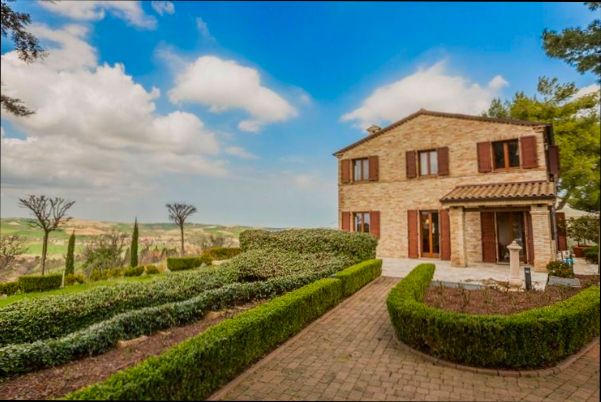
Analyzing Historical Property Price Data
When it comes to making informed decisions about purchasing property in Italy, analyzing historical price data plays a pivotal role. Understanding trends not only helps you assess current market conditions but also allows you to predict future movements, maximizing your investment potential.
Understanding Historical Trends
- Price Fluctuations Over Time: In some regions, property prices might have shown significant growth. For instance, in the last decade, the average price growth in certain rural areas has ranged from 10% to 15%.
- Decadal Changes: Some towns that were once undervalued have experienced a resurgence, with data indicating a price increase of around 20% over five years, reflecting growing interest from buyers.
- Economic Influences: External factors such as economic shifts and tourism trends greatly influence property prices. A noted spike of up to 30% in property values was correlated with a tourism boost in coastal regions.
Comparative Property Price Trends
| Year | Average Property Price (€) | Percentage Increase/Decrease |
|---|---|---|
| 2015 | 100,000 | - |
| 2016 | 105,000 | +5% |
| 2017 | 95,000 | -10% |
| 2018 | 110,000 | +15% |
| 2019 | 120,000 | +9% |
Real-World Examples
1. Case of Abruzzo: Historical data shows that property prices in Abruzzo saw a 25% increase over the last decade, making it an attractive option for budget-conscious buyers seeking growth.
2. Sardinia Surge: In Sardinia, a detailed analysis reveals a consistent annual increase of approximately 8% in property prices from 2016 to 2020, driven by rising interest in holiday homes.
Practical Implications
- Spotting Opportunities: By delving into historical data, you can identify which areas are on the verge of growth. Look for towns with upward trends in price increases within the last five years, as they may offer lucrative opportunities.
- Timing Your Investment: Investing during periods of stagnation in property prices can be wise. Understanding the cyclical nature of the property market allows you to purchase before a price rebound.
- Keep an eye on local and national economic indicators, as they often correlate with real estate trends. For example, a property market experiencing a growth rate of more than 10% over a couple of years may indicate a robust recovery phase.
By analyzing historical property price data effectively, you’re setting yourself up for informed decision-making, which ultimately enhances your investment success in Italy’s diverse and dynamic real estate market.
Navigating Legal Considerations for Buyers
When you’re considering purchasing property in Italy, navigating the legal landscape is crucial to ensure a smooth transaction. Understanding the various legal considerations can ultimately save you time, money, and prevent potential headaches down the line.
Key Legal Considerations
1. Purchase Price and Payment Structure
- Buyers often have the option to negotiate a mix of upfront payments and seller financing. This method can ease financial pressure and support a smoother transition into ownership. Be prepared for the seller to request personal guarantees, which hold you liable if financing terms aren’t satisfied.
2. Assets or Shares Being Purchased
- During the Letter of Intent (LOI) phase, clarify whether you’re purchasing specific assets like software or equipment, or acquiring company shares. Buying assets can protect you from inheriting any debts or legal disputes that may accompany shares.
3. Exclusivity Period
- To safeguard your investment of time and resources, consider including an exclusivity clause in your agreement. This ensures the seller can’t entertain other offers during your due diligence process, giving you the peace of mind to proceed with negotiations.
4. Due Diligence Timeline
- The due diligence phase is vital. This period allows you to investigate the property and verify its condition before the purchase. Make sure the LOI specifies whether your deposit is refundable or not and under what conditions, as this can heavily influence your financial planning.
Comparative Table of Key Considerations
| Legal Aspect | Description | Importance |
|---|---|---|
| Purchase Price Structure | Mix of upfront and seller financing | Eases financial burden |
| Asset vs Share Purchase | Buying assets limits liabilities | Protects from inherited debts |
| Exclusivity Clause | Prevents seller from accepting other offers | Secures buyer’s investment |
| Due Diligence Clause | Defines refundable/non-refundable deposit conditions | Protects buyer’s interests |
Real-World Examples
For instance, one buyer in Southern Italy opted for an asset purchase instead of shares. This choice helped avoid unexpected liabilities from the previous owner’s disputes, proving the wisdom of thorough due diligence and clear contractual terms. Another case involved a buyer who included an exclusivity clause during negotiations, successfully blocking other offers while they finalized their financing strategy.
Practical Implications
For potential buyers, it’s essential to engage a knowledgeable legal consultant familiar with Italian property law. They can help you understand local regulations and navigate contracts effectively. Being proactive about your legal needs now can prevent significant complications later.
Be mindful of the specific terms in your LOI and ensure they protect your interests. Clear definitions of payment structures, conditions for your deposit, and what you’re actually purchasing can make all the difference in securing a successful property investment in Italy.