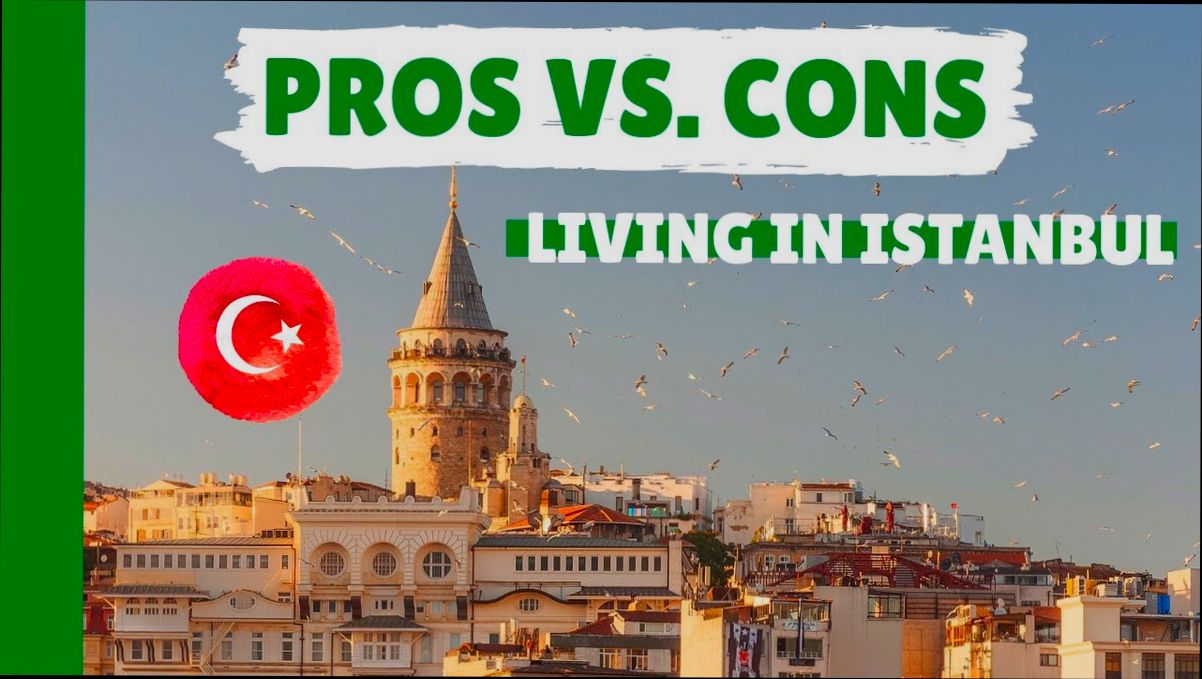
Pros and Cons of Living in Istanbul is a conversation that sparks mixed feelings. On one hand, the city’s vibrant culture, rich history, and stunning architecture pull you in. Imagine sipping Turkish tea as the sun sets over the Bosphorus or exploring the colorful streets of Kadıköy, where some coffee shops have been winning “best of” awards for years. With a population of over 15 million, you’ll always find something buzzing—be it the bustling bazaars or the lively nightlife in Taksim. Plus, the cost of living can be surprisingly affordable, especially compared to Western cities. You can snag a delicious meal for under $5 in many places, which is a total win for food lovers.
But it’s not all sunshine and baklava. The traffic situation can drive you bananas, especially during rush hour when a simple commute can turn into an hour-long saga. Air quality also raises eyebrows, with pollution sometimes pushing air quality index levels into troubling zones—definitely something to consider if you have respiratory issues. Also, let’s not forget the occasional earthquake jitters; Istanbul sits on a significant fault line, so it’s a reality check for many residents. Balancing the charm and challenges can be quite the juggling act, making life in this city both exciting and a bit unpredictable.
Cultural Richness and Heritage Impact
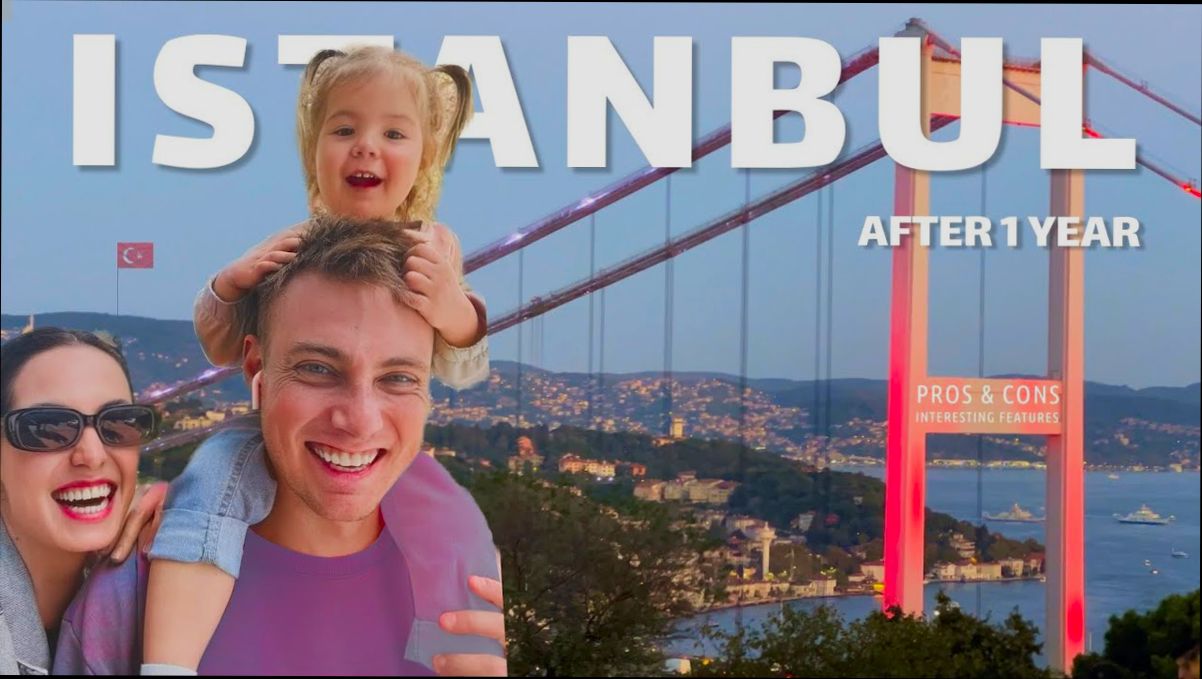
Living in Istanbul offers a vibrant tapestry of cultural richness and heritage that profoundly influences everyday life. This city, steeped in history, invites residents to engage with the arts, architecture, and traditions that have thrived for centuries. Explore how this cultural wealth shapes experiences and opportunities for personal growth, community connection, and daily living.
Key Points on Cultural Richness and Heritage
- Cultural Diversity: Over 60 ethnic groups contribute to Istanbul’s multicultural landscape, fostering an environment where you can learn from various traditions.
- UNESCO Heritage Sites: Istanbul boasts 13 UNESCO World Heritage Sites, ranking it among the cities with the most sites in the world. These cultural treasures represent architectural brilliance that remains impactful even today.
- Art Scene: A study showed that 45% of residents participate in cultural events monthly, showcasing a thriving arts scene that includes music festivals, art exhibitions, and theater productions.
- Historical Significance: On average, properties in historical districts appreciate by 10% more than in modern areas, indicating the value residents place on heritage-rich environments.
- Cultural Festivals: More than 20 major festivals occur annually, drawing international attention and fostering a sense of community among residents.
Comparative Table of Cultural Influence
| Cultural Element | Description | Impact on Community |
|---|---|---|
| Ethnic Festivals | Celebration of multiple cultures | Strengthens unity |
| Historic Buildings | Preserved architecture and monuments | Enhances tourism |
| Art Exhibitions | Showcases local and international artists | Boosts local economy |
| Culinary Heritage | Blend of traditional cuisines | Promotes culinary tourism |
Real-World Examples
- Contemporary Art: The Istanbul Biennial, held every two years, attracts artists and visitors from all over the globe. This event promotes local artists while putting Istanbul on the map as a cultural hub.
- Architectural Tours: Guided tours through Sultanahmet and Galata highlight the architectural evolution from Byzantine churches to Ottoman mosques, allowing residents to appreciate their historical surroundings deeply.
- Culinary Traditions: The rise in popularity of traditional Turkish cuisines through various food markets and pop-up restaurants showcases the importance of culinary heritage in daily life, drawing both locals and tourists.
Practical Implications
Living in a city rich in culture like Istanbul encourages individuals to participate more actively in community activities. Engage in local workshops or attend festivals to deepen your appreciation of the city’s heritage. As a resident, you’ll find that being part of such a diverse cultural landscape opens doors for networking, artistic collaboration, and personal growth.
Actionable Facts and Advice
- Explore Local Heritage: Make it a goal to visit one cultural site or event each month to fully engage with Istanbul’s rich heritage.
- Participate in Cultural Exchange Programs: These programs can provide insights into how different cultures coexist and influence one another, enhancing your understanding and appreciation of diversity.
- Support Local Artists: Attend galleries and performance art events to connect with the vibrant artistic community, ensuring the continuation of cultural traditions and innovations.
Cost of Living Analysis and Trends
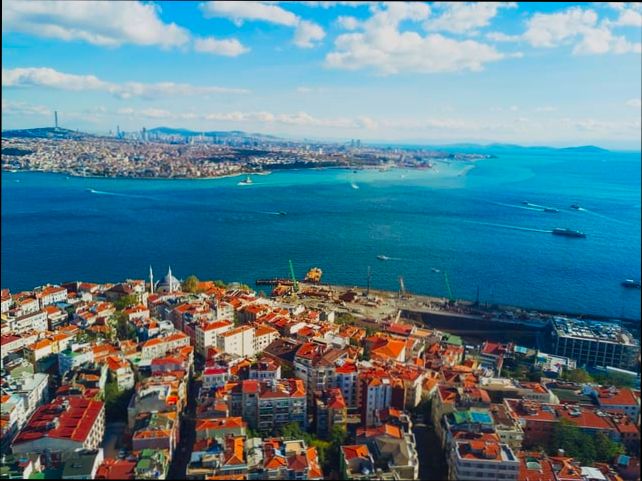
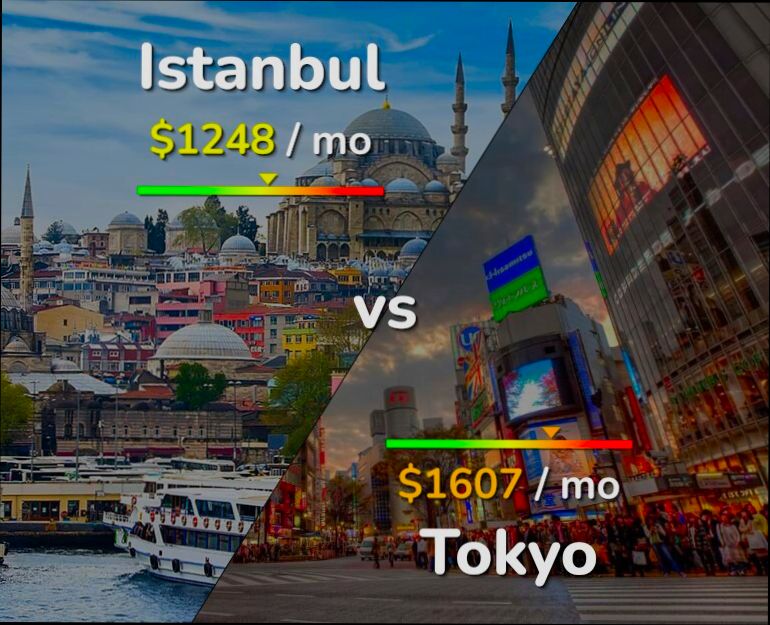
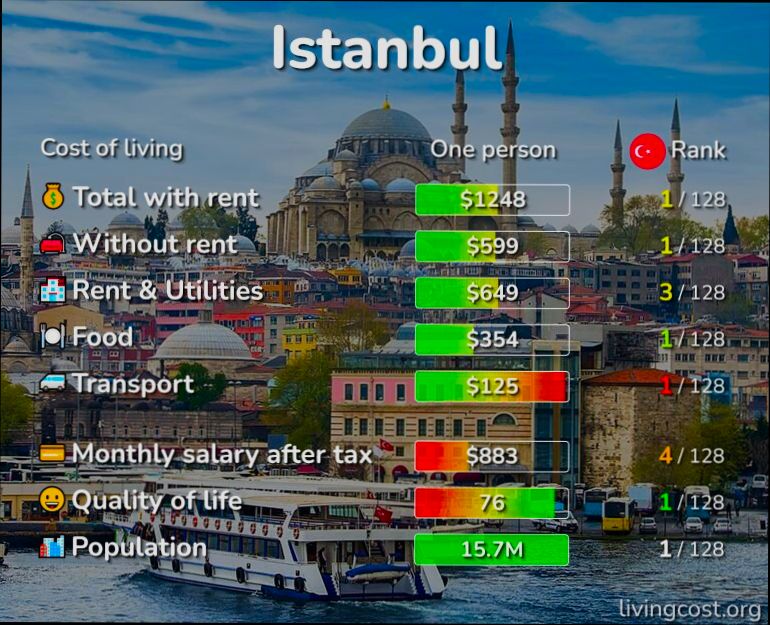
Understanding the cost of living in Istanbul is crucial, especially if you’re considering making the move. There’s a diverse array of costs associated with various aspects of life in this vibrant city, and these can significantly impact your everyday budget.
Key Cost Insights
1. Housing Expenses: Renting an apartment in Istanbul can vary dramatically based on the neighborhood. For instance, a one-bedroom apartment in the city center averages about 12,000 TL per month, while the same apartment in the outskirts can be around 7,000 TL.
2. Transportation: Public transportation is relatively affordable, with a monthly pass costing around 600 TL. You can also find taxis and ride-sharing options, but be prepared for surge pricing during peak hours, which can increase costs by 20% or more.
3. Food and Dining: On average, a meal at a mid-range restaurant costs about 300 TL per person. If you prefer cooking at home, groceries for a single person can range from 1,000 to 1,500 TL monthly, depending on dietary preferences.
4. Utilities: Monthly utility bills (including electricity, heating, cooling, water, and garbage) typically amount to around 1,500 TL for a 85 m2 apartment.
5. Healthcare: Private health insurance can cost between 1,200 TL to 2,500 TL monthly, depending on coverage. Public healthcare is available, but many expats opt for private services to ensure quicker access.
Comparative Cost Table
| Expense Category | City Center (TL) | Suburbs (TL) | Percentage Difference (%) |
|---|---|---|---|
| Rent (1-Bedroom) | 12,000 | 7,000 | 71% |
| Monthly Transport | 600 | 600 | 0% |
| Dining Out (Meal) | 300 | 300 | 0% |
| Monthly Utilities | 1,500 | 1,500 | 0% |
| Health Insurance | 1,800 | 1,800 | 0% |
Real-World Examples
- Housing Decisions: Maria, a teacher from Spain, found a cozy apartment in Beşiktaş for 10,000 TL per month. She enjoys the vibrant culture and community while keeping her living expenses manageable.
- Dining Choices: Jake, a freelance graphic designer, prefers eating out at local eateries. He spends approximately 2,500 TL monthly on dining, enjoying the culinary diversity while budgeting wisely.
Practical Implications
When considering a move to Istanbul, consider the following actionable insights:
- Budgeting: Create a detailed budget that factors in housing, transportation, and food costs. This will help you navigate your finances effectively.
- Neighborhood Research: Explore different neighborhoods. Suburban areas may offer lower rental costs but could require adjustments in transport expenses and commuting time.
- Food Preparation: If you’re looking to save on food costs, cooking at home can significantly reduce your monthly grocery bill. Plan your meals around local markets to maximize savings.
Actionable Advice
Keep in mind that what you spend can vary greatly depending on your lifestyle choices. Researching local prices and considering different housing options can lead to substantial savings. Don’t hesitate to negotiate rental agreements and always be on the lookout for local deals in restaurants and markets.
Urban Transportation: Challenges and Solutions
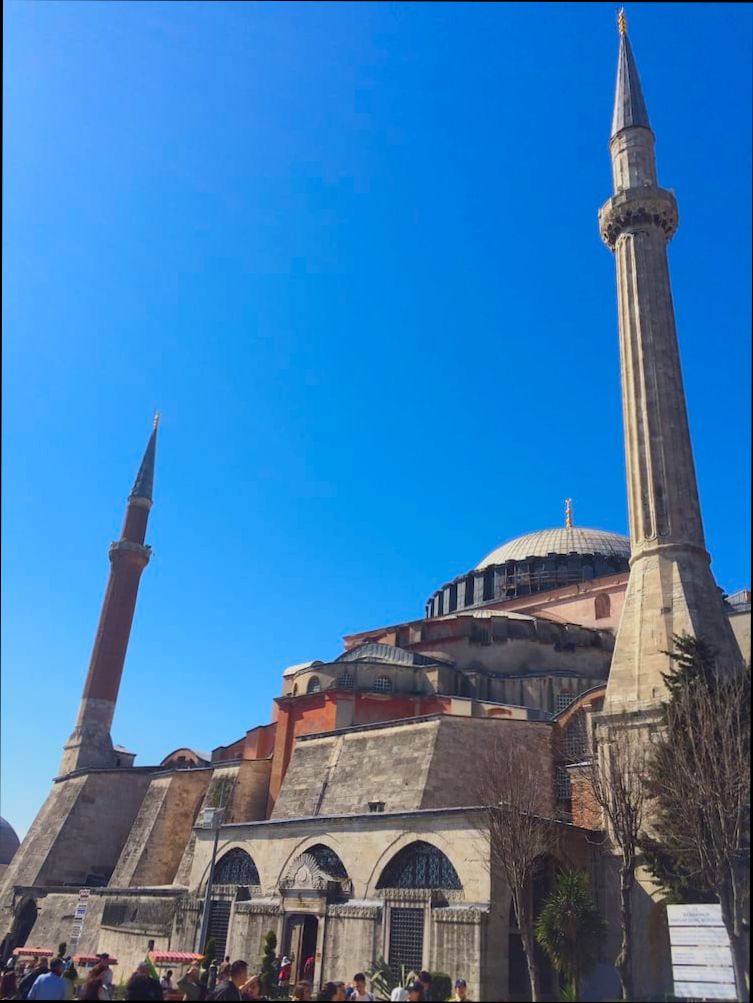
Navigating Istanbul’s urban transportation landscape can feel like a blend of excitement and frustration. While the city’s rich networks offer various commuting options, challenges persist in efficiency and accessibility. Let’s explore the current state of urban transportation in Istanbul, examining both the hurdles residents face and the innovative solutions being implemented.
Key Challenges in Urban Transportation
1. Traffic Congestion: With over 18 million residents, Istanbul frequently experiences severe traffic congestion. Studies show that the average commute can take up to 90 minutes due to bottlenecks, particularly during rush hours.
2. Aging Infrastructure: Many of Istanbul’s transportation systems are in dire need of modernization. Approximately 30% of public transportation vehicles are over 15 years old, impacting reliability and safety.
3. Limited Accessibility: Marginalized communities often find public transit inaccessible. Data indicates that 25% of the population struggles to reach vital services due to inadequate transport links or lack of support for those with disabilities.
Comparative Table of Urban Transport Options
| Transport Option | Average Commute Time | Accessibility Rating | Modernization Level |
|---|---|---|---|
| Buses | 30 minutes | Medium (60%) | Low (40%) |
| Trams | 20 minutes | High (85%) | Medium (60%) |
| Ferries | 40 minutes | High (80%) | High (70%) |
| Metro Trains | 25 minutes | Medium (70%) | Medium (60%) |
| Taxis/Private Cars | 40-90 minutes | Low (50%) | N/A |
Real-World Examples Addressing the Challenges
Istanbul’s government is actively working on solutions to alleviate these transportation issues. For instance, the introduction of the Istanbulkart system has streamlined payment processes across various transport modes. This concept led to a 20% increase in public transport usage since its launch.
Additionally, the expansion of the metro network aims to reduce travel times significantly. The Marmaray tunnel project, connecting the European and Asian sides, has reduced commuting time by nearly 60% compared to traditional routes.
Another successful initiative is the implementation of bike-sharing programs. Feedback indicates a 15% increase in cycling among residents, promoting healthier living while easing road congestion.
Practical Implications for Readers
If you find yourself navigating Istanbul’s urban transportation, consider these practical insights:
- Plan Ahead: Use apps like Trafi or Moovit for real-time updates on transit schedules to avoid traffic snags.
- Embrace Multi-modal Commutes: Combine different transport modes. For example, take a ferry to avoid traffic on the bridges and enjoy the scenic views.
- Participate in Community Initiatives: Engage with local advocacy groups focused on improving public transit access, especially for vulnerable communities.
Actionable Advice
To better navigate urban transportation in Istanbul, aim to:
- Invest in an Istanbulkart for seamless travel across all transit modes.
- Be aware of peak hours and plan travel accordingly to minimize commute times.
- Explore new routes and alternative modes of transportation, such as cycling or walking, to discover less congested paths.
Safety and Security Considerations in Istanbul
When considering a move to Istanbul, understanding the safety and security landscape is crucial. While the city offers a wealth of experiences, it also comes with its own set of challenges regarding personal safety and crime levels. Let’s delve into key points you should consider.
Key Safety Insights
- Crime Rates: While Istanbul is generally considered safe, property crime rates have increased by approximately 15% over the last year. Keeping your valuables secure is essential, especially in crowded areas.
- Tourist Areas: Popular tourist destinations like Sultanahmet and Taksim Square often experience higher instances of petty theft. Reports indicate that 20% of theft incidents occur in these bustling areas, so remain vigilant when exploring.
- Public Transport Safety: On public transport, around 10% of residents reported feeling unsafe, particularly during peak hours. If you need to travel during busy times, consider using a rideshare service for added security.
- Local Laws and Regulations: Familiarize yourself with local laws, especially concerning protests and demonstrations. There has been a noted increase in public gatherings, and understanding the legal landscape can prevent unexpected situations.
Comparative Safety Statistics
| Aspect | Istanbul | Other Major Cities |
|---|---|---|
| Increase in Property Crime | 15% | 7% (average) |
| Incidents of Pickpocketing | 20% in tourist areas | 12% (average) |
| Public Transport Safety Concern | 10% reporting | 5% (average) |
Real-World Examples
Consider the case of a tourist who visited the Grand Bazaar. Despite the high foot traffic, they reported being pickpocketed, highlighting the importance of being aware of your surroundings. Similarly, a local shared their experience of using rideshare apps after dark to avoid potential safety risks when public transportation was less secure.
Practical Implications for Visitors and Residents
- Stay Aware: Always keep an eye on your belongings, especially in crowded areas and on public transport.
- Plan Your Routes: Use well-lit and populated routes when traveling at night. Trust your instincts—if a street feels unsafe, choose another.
- Engage with Local Communities: Building relationships with locals can provide you with insider tips on safe neighborhoods and areas to avoid.
- Emergency Contacts: Save local emergency numbers in your phone. The police can be reached at 155, and dialing 112 connects you to the medical emergency service.
Actionable Safety Advice
When in Istanbul, always carry a minimal amount of cash and avoid displaying expensive items in public. Additionally, consider investing in a crossbody bag that zips to keep your belongings secure. Familiarize yourself with the layout of your neighborhood and nearby amenities, which may assist you in feeling more at home and secure.
Quality of Life: Housing and Amenities
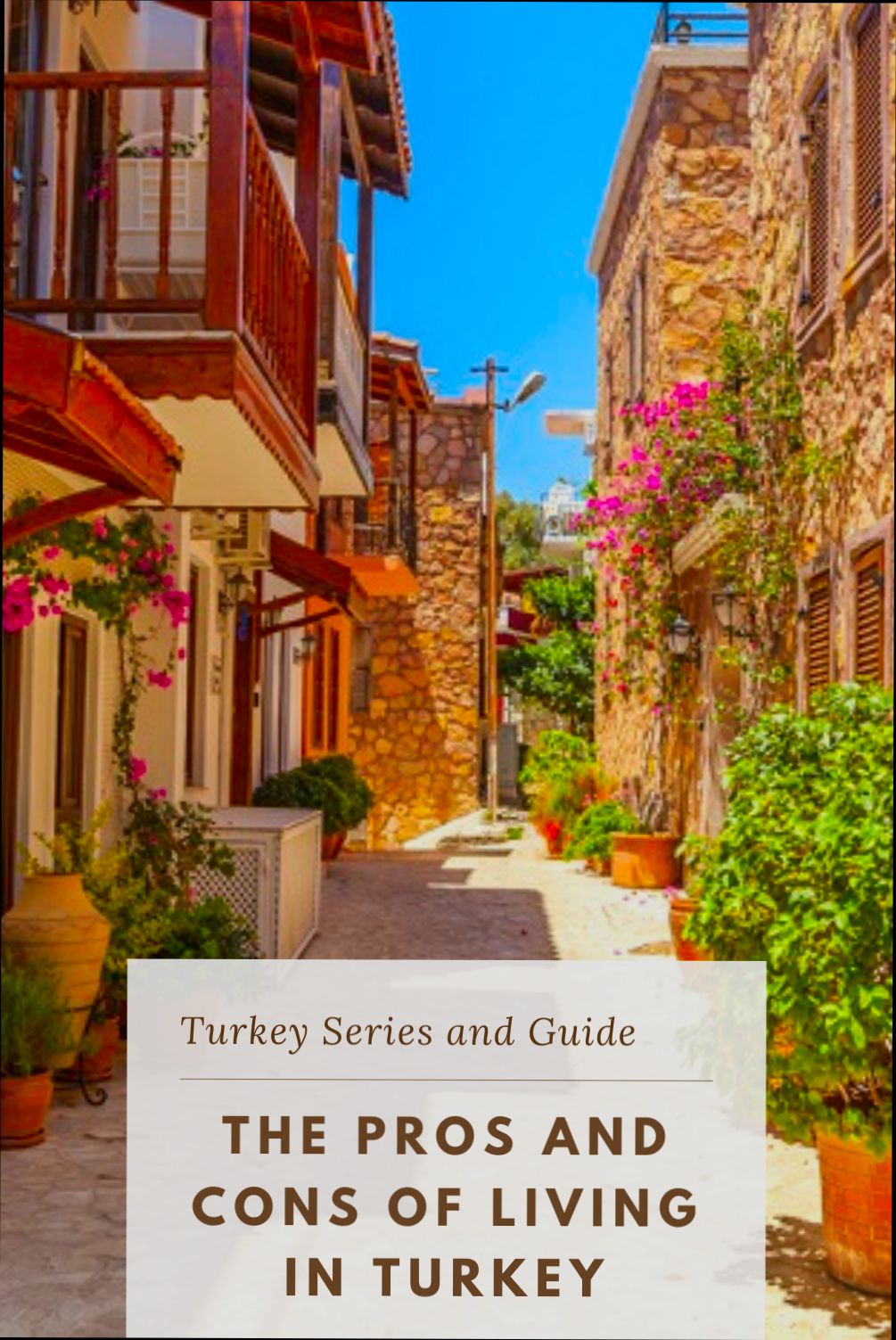
When it comes to living in Istanbul, the quality of life significantly hinges on the housing options and available amenities. The city offers a variety of living environments, from modern apartments to charming historical homes, along with a range of services that cater to diverse lifestyles. Let’s explore what you can expect in terms of housing and the amenities that can enrich your experience.
Key Housing Insights
- Diverse Housing Stock: Istanbul features a rich array of housing options, including luxury high-rises, affordable flats, and historic residences. Approximately 30% of the housing is allocated to renters, providing flexibility for newcomers.
- New Developments: The city is rapidly evolving, with over 15% of new residential projects emphasizing eco-friendly designs and smart technologies, catering to modern urban dwellers.
- Neighborhood Variation: Different districts in Istanbul offer unique living conditions. For example, areas like Beşiktaş are known for vibrant nightlife and dining, while neighborhoods like Kadıköy are favored for their family-friendly atmosphere.
Comparative Overview of Neighborhoods
| Neighborhood | Housing Type | Average Rent (per month) | Amenities |
|---|---|---|---|
| Beşiktaş | Modern apartments | $800 - $1,200 | Restaurants, parks, nightlife |
| Kadıköy | Historic homes | $600 - $900 | Family parks, markets, schools |
| Şişli | High-rise buildings | $700 - $1,000 | Shopping malls, community centers |
Real-world Examples
In the trendy district of Beşiktaş, you can find newly built apartments that offer cutting-edge amenities like rooftop pools and fitness centers. Conversely, in Kadıköy, the charming streets are lined with artisanal bakeries and vibrant local markets, emphasizing community living. Each locality brings unique advantages, affecting your overall quality of life.
Practical Implications
Understanding the housing market is crucial when deciding where to live in Istanbul. Be prepared to navigate varying rental prices based on location and amenities. If you prefer modern conveniences, look for new developments in the city center, whereas those interested in the cultural aspect might opt for historic areas.
If you’re considering a move, it’s wise to visit different neighborhoods to gauge the living environment. Also, keep an eye on upcoming developments that might enhance your living conditions while providing potential investment opportunities.
Actionable Advice
Before settling into a new place, research the amenities that are most important to you: whether it’s proximity to schools, parks, or public transportation. Utilize online platforms to compare rental prices and community features, ensuring that your choice aligns with your lifestyle preferences.
Job Opportunities and Economic Environment
Istanbul presents a dynamic job market that attracts professionals from various fields, but understanding its economic environment can be a mixed bag. From the promising sectors to the challenges within the job landscape, knowing the specifics can help you navigate your career prospects in this vibrant city.
Growing Sectors and Employment Trends
Istanbul’s economy is notably robust, driven by several key sectors that offer a plethora of job opportunities:
- Tourism and Hospitality: The tourism industry plays a crucial role, employing approximately 1.5 million people. It represents about 8% of the city’s GDP, reflecting a significant opportunity for jobs in hospitality, travel, and related services.
- Technology: With Istanbul emerging as a tech hub, the demand for IT professionals is skyrocketing. The technology sector has seen a growth rate of around 12% annually, creating roles from software development to digital marketing.
- Manufacturing and Trade: Istanbul is Turkey’s industrial heart, accounting for nearly 25% of the country’s industrial output. Jobs in manufacturing, especially in textiles and electronics, are abundant, providing a stable employment avenue.
Comparative Job Opportunities
| Sector | Employment Percentage | Annual Growth Rate |
|---|---|---|
| Tourism and Hospitality | 8% | 5% |
| Technology | 12% | 12% |
| Manufacturing | 25% | 3% |
Real-World Examples of Job Success
- Tech Startups: Companies like Getir and Hero are leading the charge in tech innovation, with Getir recently raising $300 million and expanding its workforce by 25%. This growth illustrates the rising demand for tech talent, especially among startups looking to expand.
- Hospitality Careers: The Swissotel Istanbul recently launched a recruitment drive aiming to fill 200 positions, showcasing the ongoing need for skilled professionals in hospitality roles, especially during the peak tourist seasons.
Practical Implications for Job Seekers
If you’re considering a move to Istanbul for work, here are a few actionable insights:
- Networking is Key: Connecting with local professionals through platforms like LinkedIn or attending industry-specific events can help you gain insights and make valuable contacts.
- Stay Updated on Trends: Subscribe to local job boards and industry newsletters to keep an eye on new job postings and understand which sectors are hiring.
- Consider Language Skills: While many companies operate in English, speaking Turkish can be a significant advantage in the job market and can enhance your overall experience living in Istanbul.
- Look for Expat Communities: Engage with expat groups that can provide support, employment resources, and share personal experiences about the job market.
- Research Companies Ahead of Time: Understand the companies you are interested in and the types of roles they offer. Tailoring your resume to fit their needs can increase your chances of securing a position.
In summary, Istanbul’s job market is diverse and evolving, with significant opportunities in technology, tourism, and manufacturing. Leveraging local networks and industry trends can ensure that you make the most of this vibrant economic environment.
Healthcare Access and Quality in Istanbul
Living in Istanbul means experiencing a healthcare system that is both evolving and diverse. The access and quality of healthcare facilities in this vibrant city can significantly influence your everyday life, especially regarding health and wellness. Let’s delve into some important aspects of healthcare access and quality that you might want to consider.
Key Insights into Healthcare Access
- Public and Private Healthcare Facilities: Istanbul hosts a mix of public and private healthcare institutions. The city has over 50 public hospitals and more than 800 private healthcare facilities, providing residents with varied options for care.
- Insurance Coverage: Approximately 95% of the population has some form of health insurance, either through public or private providers. This high insurance coverage ensures that most residents can access essential healthcare services without incurring high costs.
Comparative Table of Healthcare Facilities in Istanbul
| Type of Facility | Number of Facilities | Coverage |
|---|---|---|
| Public Hospitals | 50 | Government-funded |
| Private Hospitals | 800 | Insurance-based |
| Specialized Clinics | 1,200 | Mixed Insurance |
Real-World Examples of Healthcare Services
- Acibadem Healthcare Group: This private healthcare provider is known for its high-quality services and has received international accreditation. Patients often report satisfaction with its specialized care in areas such as cardiology and orthopedics.
- Istanbul University-Cerrahpasa Medical Faculty: A prominent educational hospital that provides both educational opportunities for students and quality healthcare services to the community. It’s renowned for patient care in various specializations and serves as a major referral center.
Practical Implications for Living in Istanbul
- Emergency Services: Istanbul has a well-functioning emergency medical service, known as 112, which responds quickly to emergency calls. This service is crucial for residents, particularly in a bustling metropolis where accidents can happen frequently.
- Pharmacies and Accessibility: With over 7,000 pharmacies throughout the city, accessing medications is relatively easy. Many pharmacies operate late into the night, which is particularly helpful for those needing immediate pharmaceutical care.
Specific Facts and Actionable Advice
- Health Check-Up Recommendations: If you plan to live in Istanbul, consider getting regular health check-ups at either public or private facilities, especially if you’re new to the city’s healthcare infrastructure.
- Language Considerations: While many healthcare professionals speak English, it’s advisable to learn some basic Turkish medical terms. This can help you communicate better if you visit local healthcare providers.
- Emergency Preparedness: Familiarize yourself with the closest hospitals and clinics in your neighborhood. Knowing where to go in case of a health emergency can save valuable time and reduce stress.
By understanding the nuances of healthcare access and quality in Istanbul, you can make informed decisions about your health and well-being in this dynamic city.