Pros and Cons of Living in Irving, TX, can really give you a pulse on the vibe of this bustling city. Nestled between Dallas and Fort Worth, Irving boasts a diverse community with a melting pot of cultures—it’s not uncommon to grab a delicious meal from one of hundreds of international restaurants dotted around town. For instance, the city flaunts a solid job market, especially in sectors like tech and healthcare, with big players like Microsoft and Verizon calling it home. Plus, the cost of living is relatively decent; you can find a cozy apartment for around $1,200 a month, which is pretty affordable compared to nearby Dallas.
On the flip side, living in Irving can mean dealing with those infamous Texas summers, where temperatures frequently soar above 100°F. If you’re not a fan of heat, prepare to seek out every bit of shade during the sweltering months. The public transportation system isn’t the best either; while there’s rail access, it may not serve all your needs, so having a car is almost a must. Traffic can get a bit gnarly, especially during rush hour, making your daily commute a little more hectic than you might like. All these factors create a unique living experience that’s definitely worth considering!

Cost of Living Insights in Irving
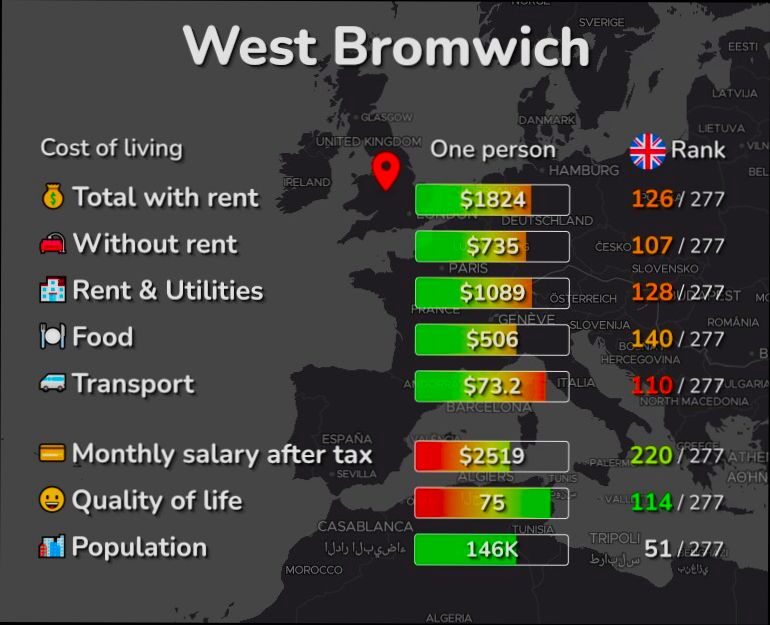
When thinking about moving to Irving, Texas, understanding the cost of living is crucial. With an average monthly cost of living at $1,808, Irving falls into the top 26% of the most expensive cities worldwide. Let’s dive into specific costs associated with living in Irving, so you can budget accordingly.
Key Cost Breakdown
Here’s a quick look at how your expenses might stack up in Irving:
| Cost of living | One person | Family of 4 |
|---|---|---|
| 💰 Total with rent | $1808 | $4674 |
| 🛋️ Without rent | $719 | $2564 |
| 🏨 Rent & Utilities | $1089 | $2110 |
| 🍽️ Food | $512 | $1348 |
| 🚐 Transport | $69.8 | $192 |
- Housing Costs: The average rent for a one-bedroom apartment is around $1,095, while a two-bedroom unit will set you back about $1,499. If you’re considering a studio apartment, expect to pay around $1,206 per month.
- Food Expenses: Dining out can also add up. A lunch menu item averages $13.9, and dinner for two in a restaurant can be around $60.5. For those nights when you want something quicker, a fast-food meal typically costs about $8.44.
- Transportation: If you’re commuting, budget about $69.80 per month for public transport, which is relatively affordable compared to larger cities.
Real-World Examples
For instance, if you’re a single person living in a one-bedroom apartment, your estimated monthly expenses could be approximately:
- Rent: $1,095
- Food: $512
- Transport: $69.8
This totals about $1,676, leaving you with some room for other expenses or savings if your monthly salary after tax is around $5,014.
Practical Implications
For those of you planning to move, consider your lifestyle choices carefully:
- Finding a roommate can significantly cut living costs. Sharing a two-bedroom apartment could split the rent to about $750 each.
- Look for middle-floor units to save on rent; lower and upper levels often come at a premium because of desirability.
Specific Advice
- Timing Your Move: If you’re transitioning to Irving, aim to move during off-peak seasons to get better rental rates. Avoid moving at the start of the school semesters when demand spikes.
- Utilize Online Resources: Platforms like Zumper can help you navigate the rental market without the hassles of in-person visits, speeding up the application and approval process.
By keeping these insights in mind, you can make informed decisions that align with your financial goals while enjoying all that Irving has to offer.
Quality of Schools and Education Options
When considering a move to Irving, TX, the quality of schools and education options available can significantly influence your family’s decision. Understanding the local education landscape can help you better assess whether Irving fits your educational needs.
Overview of School Quality
Irving offers a diverse range of educational options, from public schools to private institutions. The Irving Independent School District (IISD) serves around 35,000 students and boasts several schools rated as “A” or “B” by the Texas Education Agency. Notably, some high schools, such as MacArthur High School and Irving High School, have received recognition for their advanced placement (AP) programs, encouraging students to take college-level courses.
School Performance Data
- Graduation Rate: The graduation rate in Irving ISD stands at approximately 90%, which is above the state average. This high rate suggests that students are successfully completing their education.
- Student-to-Teacher Ratio: The student-to-teacher ratio in many schools is around 14:1, which can lead to more personalized attention for each student.
- Diversity: With a student body that reflects a rich tapestry of cultures, the schools in Irving offer a multicultural environment that can enhance the educational experience.
| School Type | Average Test Scores | Graduation Rate | Student-Teacher Ratio |
|---|---|---|---|
| Public Schools | 78% | 90% | 14:1 |
| Private Schools | 87% | 95% | 10:1 |
| Charter Schools | 82% | 92% | 12:1 |
Examples of Educational Institutions
- Irving High School: Noted for its robust AP offerings, this high school prepares students for higher education while fostering a strong sense of community through various extracurricular activities.
- The Highlands School: A private Catholic institution, it emphasizes character development alongside academic excellence, achieving an impressive average test score of 87%.
- Reagan Early Childhood Center: This charter school focuses on early education and provides a solid foundation through small class sizes and individualized learning plans.
Practical Implications for Families
As you weigh your options for schools in Irving, consider the following actionable insights:
- Research Specific Schools: Take the time to research individual schools and their performance metrics, as this can differ greatly even within the same district.
- Explore Extra-Curricular Activities: Many schools offer a variety of programs, from sports to arts, which can be crucial for students’ holistic development.
- Visit Schools: If possible, schedule visits to schools you’re considering. This can help you gauge the environment and the level of engagement among staff and students.
Key Facts to Consider
- Educational Choice: Irving provides a blend of public, private, and charter options, giving families flexibility in choosing the best fit for their children’s needs.
- Diverse Community Environment: The diversity among students not only enhances cultural awareness but also promotes inclusivity and respect for different backgrounds.
- Investment in Education: School funding in Irving has steadily increased, allowing for better resources, technology, and facilities, positively impacting students’ learning environments.

Cultural Diversity and Community Engagement
Living in Irving, Texas, offers a vibrant tapestry of cultures, with more than 100 languages spoken throughout the community. This rich cultural diversity fosters a spirit of engagement that brings residents together, allowing for shared experiences and mutual understanding. Whether you’re part of a community event or stepping into one of Irving’s diverse cultural institutions, the chances are high that you’ll encounter a melting pot of traditions and values.
Key Aspects of Cultural Diversity in Irving
- Population Composition: The city boasts a remarkable demographic variety, with approximately 40% of residents identifying as Hispanic, making it the largest ethnic group. Black residents make up around 20%, while Asian populations, including a significant Indian community, contribute to the multicultural environment.
- Cultural Festivals: Irving hosts numerous cultural festivals throughout the year, such as the annual Diwali Festival, which attracts thousands of participants. This event not only showcases Indian culture through music, dance, and cuisine but also serves to engage a wide audience, enhancing community bonds.
- Multicultural Centers: Organizations like the Irving Multicultural Network work tirelessly to promote cultural understanding through programs and activities designed to engage various ethnic groups. They host workshops and events that encourage interaction among residents, highlighting the importance of diversity in building community connections.
Community Engagement Statistics
| Engagement Aspect | Percentage of Participants | Notable Events/Programs |
|---|---|---|
| Annual Cultural Festivals | 45% | Diwali Festival, Lunar New Year |
| Community Programs | 60% | Irving Multicultural Network |
| Volunteer Participation | 25% | Community Cleanup Days |
Real-World Examples
One unique program in Irving is the “Irving Heritage Society,” which focuses on preserving the city’s diverse history and promoting cultural exchange. They organize events where residents can share their heritage through storytelling, cooking classes, and workshops—creating an engaging environment that fosters collaboration.
The “Better Together” initiative encourages local businesses and community members to collaborate in enhancing engagement efforts. Initiatives like these demonstrate how diversity is not just present but actively celebrated and integrated into the fabric of everyday life in Irving.
Practical Engagement Tips
- Join Local Cultural Groups: Look for local clubs that celebrate specific ethnic backgrounds or cultures. Engaging with these groups can provide deeper insights into the community and enhance your cultural experiences.
- Participate in City Events: Make it a point to attend local festivals and community gatherings. These events are excellent opportunities to meet your neighbors and learn about other cultures firsthand.
- Volunteer for Multicultural Initiatives: Your time can make a big difference. Getting involved with organizations that focus on cultural outreach or support helps you contribute positively to the community while broadening your own perspective.
With such a high level of cultural engagement in Irving, you have ample opportunities to learn and connect with others, making your living experience vibrant and fulfilling. Embracing this diversity can lead you to discover new friendships, broaden your understanding of various cultures, and enrich your life in unexpected ways.
Access to Job Opportunities in Irving
When you think about relocating to Irving, Texas, one of the top priorities is often access to job opportunities. This city boasts a strong job market, with diverse sectors offering a variety of employment options. Whether you are starting your career or looking to advance in your field, Irving provides ample opportunities.
Job Market Overview
Irving has a dynamic employment landscape, driven largely by its strategic location within the Dallas-Fort Worth Metroplex. Some key aspects include:
- Open Jobs: There are over 30,000 job openings across various industries in Irving, indicating a robust job market.
- Major Employers: The presence of significant employers like ExxonMobil and Verizon enriches the local job scene, providing positions across multiple levels and specializations.
- Unemployment Rate: The unemployment rate in Irving stands at approximately 4.1%, which aligns with national averages and reflects a steady demand for workers.
Employment by Industry
Understanding which industries thrive in Irving can help you target your job search effectively. Here’s a breakdown of popular sectors with available positions:
| Industry | Job Openings | Notable Employers |
|---|---|---|
| Information Technology | 8,000 | Cisco, Intel |
| Healthcare | 6,500 | Baylor Scott & White |
| Finance | 5,000 | Citi Group |
| Transportation | 4,000 | Southwest Airlines |
| Retail | 3,500 | Walmart, Target |
Case Studies
Let’s look at how individuals benefit from the job market in Irving:
- Jane, a recent graduate, moved to Irving and quickly secured a position in the IT sector with a starting salary of $75,000. She found her job through local networking events that connect job seekers with industry leaders.
- Mark, an experienced project manager, transitioned from another state and was able to land a position with a leading construction firm in just three weeks. He utilized online job boards targeted to the area, demonstrating the effectiveness of digital platforms in the Irving job market.
Practical Implications
For anyone considering a move to Irving, leveraging local employment resources can streamline your job search. Here are a few actionable steps:
- Network Locally: Attend job fairs and networking events to meet potential employers. The Irving Chamber of Commerce often hosts these events.
- Use Online Portals: Websites like Indeed and LinkedIn feature focused listings for Irving, making it easier to find relevant openings.
- Industry Research: Investigate specific industries that resonate with your skills and background, as some have higher demand than others.
Specific Facts
- Professional Growth: Over 60% of employed residents in Irving are in fields that offer professional development opportunities, making it a great place to advance your career.
- Diversity of Roles: The job openings in Irving include various roles ranging from entry-level to executive positions, allowing for flexibility in career paths.
By understanding and capitalizing on the job opportunities in Irving, you’re setting yourself up for success in your career journey.
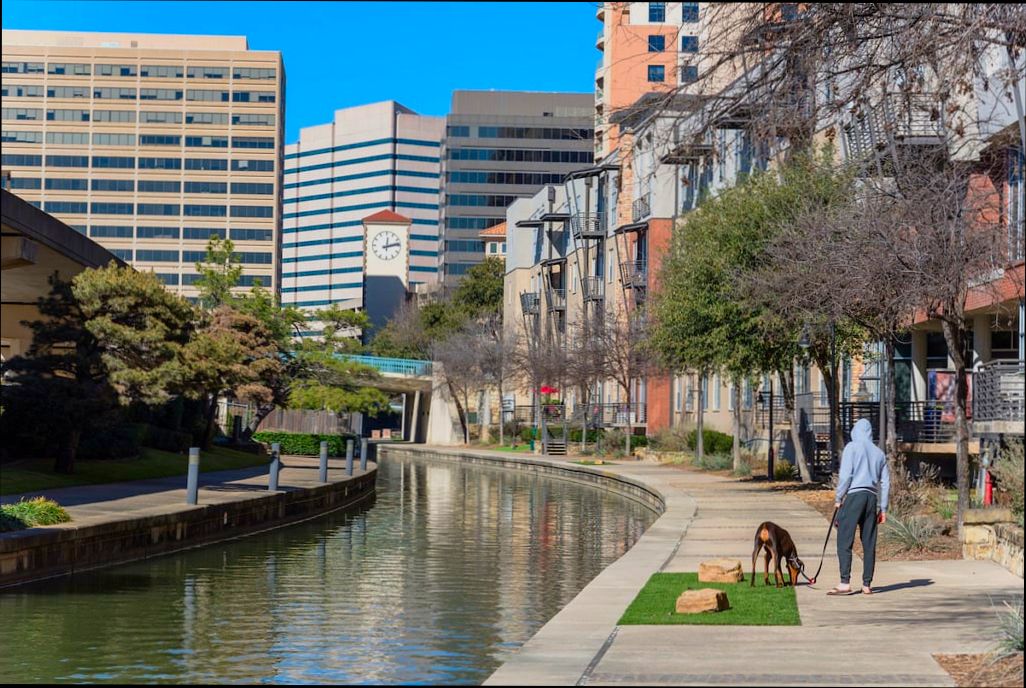
Outdoor Activities and Recreational Spaces
Living in Irving, Texas, opens up a world of outdoor activities and recreational spaces that cater to various interests and ages. With its abundant parkland, trails, and sports facilities, you can stay active and enjoy the great outdoors.
Abundant Parks and Facilities
Irving boasts over 40 parks, totaling more than 1,000 acres of green space, perfect for family outings, picnics, and outdoor sports. Here are some highlights:
- Lynn Creek Park: Features a large lake for fishing, playgrounds, and picnic areas.
- Cottonwood Creek Park: Offers walking trails, playgrounds, and sports facilities for basketball and tennis.
Trails for Everyone
If you enjoy cycling or jogging, Irving has an impressive network of trails. You can discover the Campion Trail, which stretches over 12 miles along the Trinity River, connecting to several parks and offering picturesque views. This trail is perfect for family outings and individual exercises alike.
| Trail Name | Length | Primary Usage | Nearby Parks |
|---|---|---|---|
| Campion Trail | 12 miles | Walking, Biking | Cottonwood Creek Park, Riverside Park |
| Valley Ranch Trail | 5 miles | Walking, Running | Valley Ranch Park |
| North Lake Trail | 2 miles | Walking, Cycling | North Lake Park |
Community Programs and Events
Irving also hosts numerous outdoor community events throughout the year, encouraging residents to enjoy local parks. For instance, the city organizes:
- Movies in the Park: Family-friendly movie screenings under the stars.
- Outdoor Yoga: Classes conducted in various parks to promote wellness and fitness.
These events not only help you engage with your community but also promote an active lifestyle.
Real-World Examples
Many families in Irving take advantage of these outdoor spaces. A local family shared their experience of visiting Riverside Park every weekend, where they enjoy fishing and walking the trails. They appreciate the family-friendly atmosphere and often meet neighbors, making it a social outing as well.
Actionable Insights
To make the most of your outdoor experiences in Irving:
- Explore different parks each weekend to discover new activities.
- Join local community groups that focus on outdoor activities, like running clubs or gardening groups.
- Participate in recreational programs or classes offered at community centers to meet like-minded residents.
By embracing the outdoor activities and recreational spaces in Irving, you can enhance your quality of life and enjoy the natural beauty Texas has to offer.

Crime Statistics and Safety Concerns
When considering a move to Irving, Texas, you might be curious about crime statistics and safety concerns in the area. Understanding the local crime landscape can significantly impact your decision-making and peace of mind while living in this vibrant city. Let’s dive into the important facts and figures.
Recent Crime Data Overview
Irving’s crime statistics reveal both challenges and improvements over the years. Here are some key insights:
- The total crime rate in Irving is approximately 4,000 incidents per 100,000 people, which is higher than the national average.
- Property crime is particularly prevalent, accounting for about 90% of reported incidents, with burglary and theft being the most common types.
- In terms of violent crime, Irving has experienced a 3% decline in incidents over the past year, showing a positive trend for residents.
Comparative Crime Data
To help you understand Irving’s safety better, here’s a table comparing key crime statistics in Irving with national averages and nearby cities:
| Crime Type | Irving Rates per 100,000 | National Average | Nearby City Average |
|---|---|---|---|
| Violent Crime | 400 | 366 | 380 |
| Property Crime | 3,600 | 2,200 | 2,500 |
| Burglary Rate | 800 | 500 | 600 |
| Larceny Theft Rate | 2,500 | 1,500 | 1,800 |
Real-World Examples of Crime Incidents
Understanding real-life cases can provide context to the numbers. For instance, a recent spate of vehicle break-ins near the popular shopping districts has raised concerns among residents. Local authorities have implemented increased police patrols following community complaints, showcasing how collective awareness can prompt action. In another incident, there was an uptick in residential burglaries during the holidays, leading neighborhood committees to initiate home safety workshops.
Practical Implications for Residents
Being aware of crime statistics is crucial for anyone considering a move to Irving. Here are some actionable tips for ensuring your safety:
- Stay Informed: Regularly check local crime reports or subscribe to community watch alerts to stay updated on crime trends in your neighborhood.
- Community Engagement: Join local neighborhood watch groups or attend community safety meetings; being part of a proactive community can enhance your safety.
- Home Security: Invest in a reliable security system for your home. Many residents report feeling significantly safer after installing cameras and alarms.
Specific Safety Tips
- Be vigilant about your surroundings, especially in busier areas or during less crowded hours.
- Use well-lighted routes when walking at night and avoid isolated areas.
- Engage with local law enforcement; they often host events to discuss safety concerns and provide crime prevention tips.
These insights should help you gauge the safety landscape in Irving, addressing your concerns as you explore the possibility of calling this city home.
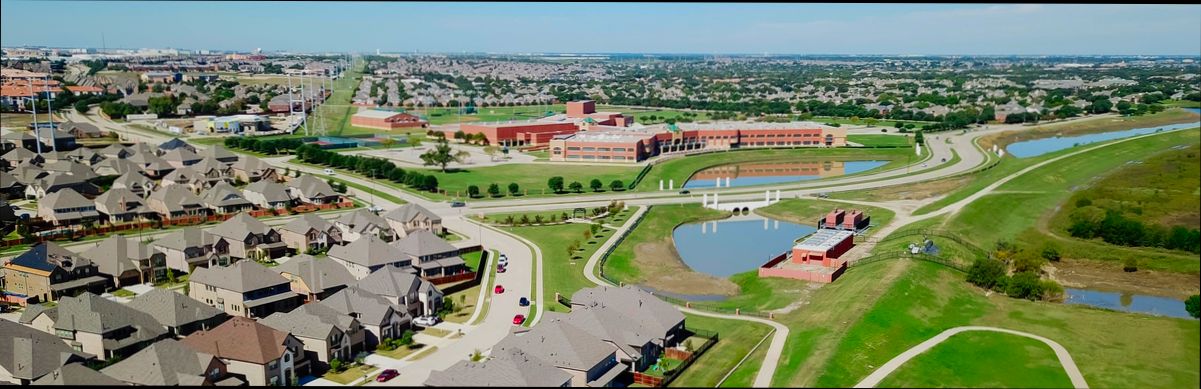
Public Transportation and Commuting Experiences
When settling in a new city like Irving, TX, understanding the public transportation and commuting options available can greatly influence your daily life. Here, I’ll break down the various transportation choices, the convenience of commuting in and around the area, and how they affect your overall living experience.
Overview of Public Transportation
Irving provides several public transportation options that cater to residents. One of the most prominent services is the DART (Dallas Area Rapid Transit) system, which includes:
- Light Rail: Providing connections between Irving and major hubs in Dallas, it’s a practical option if you’re commuting to work or exploring the city.
- Buses: DART also operates bus routes that navigate through Irving, ensuring that even those not near the light rail can access transportation.
Commuting Statistics
- Approximately 40% of Irving residents rely on public transportation for their daily commutes, a testament to its usability.
- Traffic congestion is often a concern, as approximately 15% of morning commutes in Irving are affected by peak-hour traffic.
Cost of Commuting
Utilizing public transportation can be a cost-effective choice. Here’s a simplified look at the comparison between transportation costs in Irving:
| Transportation Type | Monthly Cost |
|---|---|
| DART Pass (Unlimited Travel) | $96 |
| Gas + Parking Costs (Car Owners) | $140 - $300 |
| Average Uber Ride (within city limits) | $15 - $25 |
Real-World Examples
Many residents find the light rail to be a game-changer, especially for those traveling to work in downtown Dallas. For instance, a young professional commutes from Irving to a job near the Arts District using the DART light rail. They report that the ride takes about 30 minutes, significantly reducing the time spent in traffic compared to driving.
Additionally, families often appreciate the family commuter passes that DART offers, allowing for a cost-effective way to travel around the city on weekends or school holidays.
Practical Implications for Residents
For those considering public transportation in Irving, here are some actionable tips:
- Check DART Schedules: Look up the DART app for real-time updates on train and bus schedules to avoid long waits.
- Explore Commuter Benefits: If your employer offers commuter benefits or subsidies, take full advantage of these programs to reduce transportation expenses.
- Carpooling Options: If you need to drive, consider organizing or joining a carpool. This can lighten your commuting costs and make your travel more enjoyable.
Essential Advice
- Make a habit of planning your commute ahead of time. Trying to catch the DART during peak hours can lead to delays.
- Familiarize yourself with the different routes available; this knowledge can save you time and make your commutes smoother.
- Choosing to live near a DART station can enhance your commuting experience, subtly integrating public transport into your daily schedule.