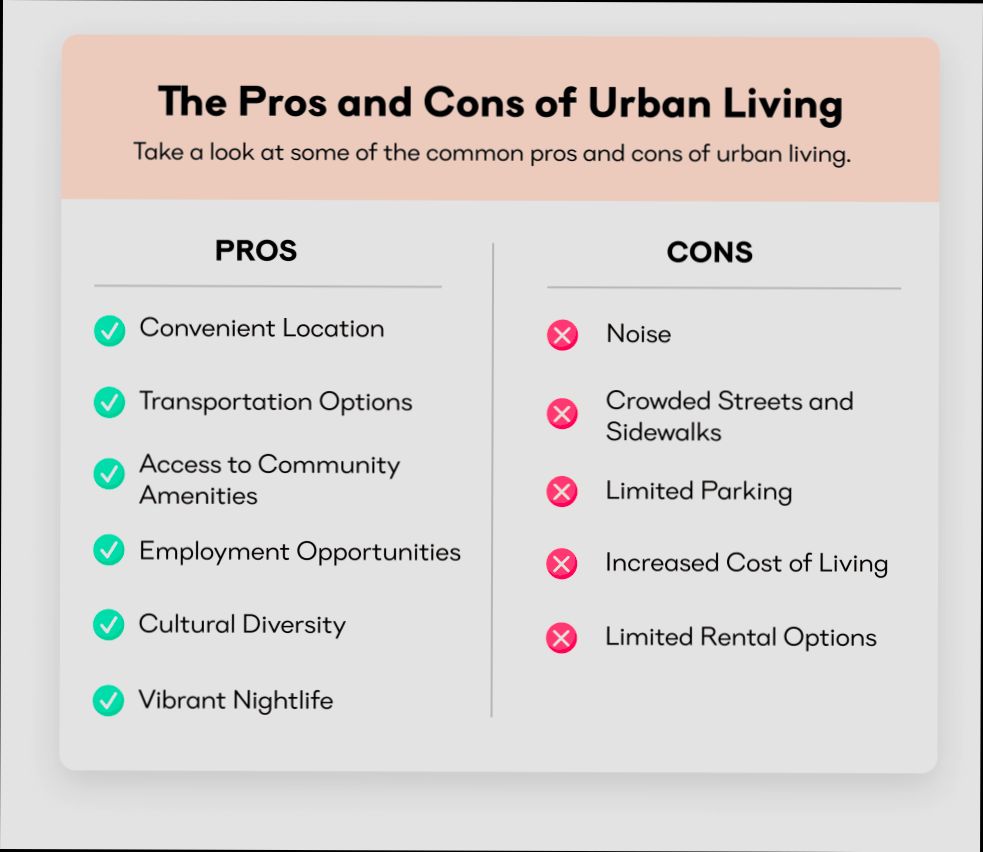
Pros and Cons of Living in Ipswich can be a real eye-opener, especially if you’re considering making this charming Suffolk town your home. On the plus side, Ipswich has a rich history that dates back over 1,500 years, and you can’t help but feel that vibe when you stroll through the medieval streets or visit the impressive Ipswich Waterfront. The affordable housing market, with average house prices around £270,000, provides a delightful contrast to neighboring cities like Cambridge. Plus, you’ve got a decent commuter rail service whisking you off to London in under 90 minutes, making it an attractive option for city workers.
Yet, it’s not all rosy in Ipswich. The town does have its share of challenges, like higher-than-average crime rates compared to national figures, which can leave residents feeling a bit uneasy. Additionally, while there are some lovely parks, the lack of vibrant nightlife options can make weekends feel a bit tame for those in search of excitement. If you’re into retail therapy, you might find the shopping scene a bit lacking when compared to bigger cities. So, while Ipswich has its appealing aspects, it also has a few hiccups that could give you pause.
Cost of Living in Ipswich
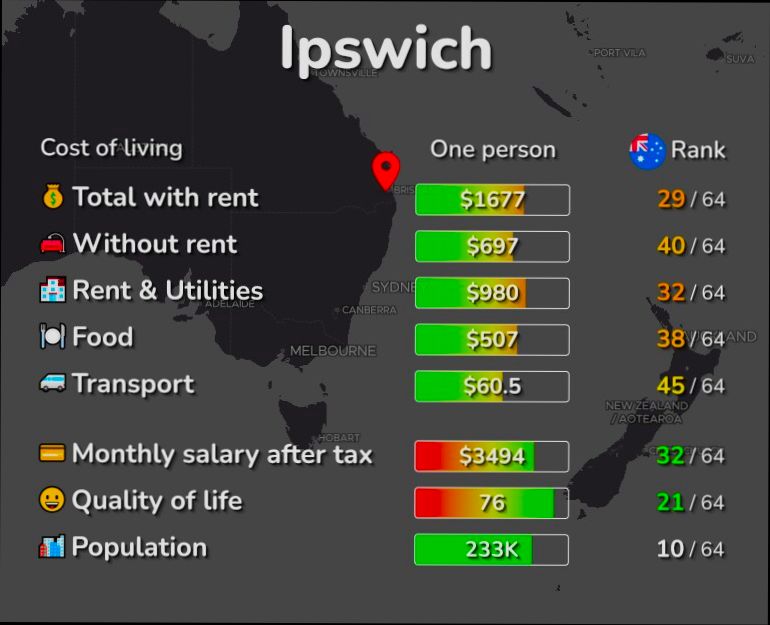
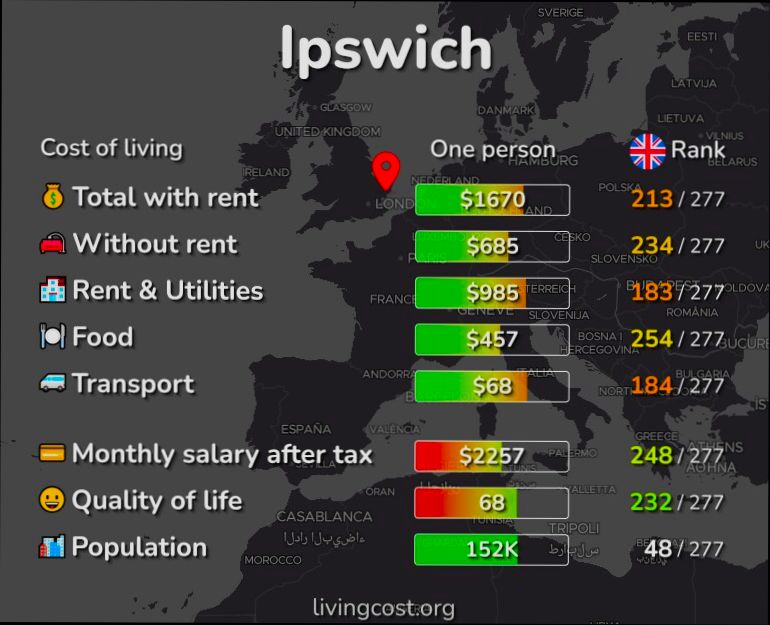
Understanding the cost of living in Ipswich can help you make informed decisions about moving to or living in this charming town. From housing prices to everyday expenses, let’s dive into what you can expect financially.
Housing Costs
Housing in Ipswich generally remains more affordable compared to other major cities in the UK. The average rental price for a one-bedroom apartment in the city center is around £850 per month, while the same apartment outside the city center costs about £650. This disparity allows you to choose between a vibrant city life or a quieter suburban atmosphere.
Utilities and Services
Expect to allocate around £150 for monthly utility bills, which include electricity, heating, cooling, water, and garbage. Internet services average about £30 per month, making it relatively cost-effective to stay connected. Here’s a breakdown of typical monthly utility costs:
| Service | Average Monthly Cost |
|---|---|
| Electricity | £55 |
| Heating | £40 |
| Water | £30 |
| Garbage | £25 |
| Internet | £30 |
Transportation Expenses
Public transport in Ipswich is also reasonably priced. A monthly pass for public transportation averages around £60, which provides access to buses and trains. If you prefer driving, the cost of petrol in Ipswich hovers around £1.45 per liter, and parking costs in the city center can run between £1.50 to £2.50 per hour.
Grocery Prices
Grocery shopping can vary widely based on personal choices, but Ipswich offers a range of supermarkets that keep prices competitive. On average, you might spend around £200-£300 monthly on groceries, depending on your dietary habits and family size. Here are some common grocery costs:
- Loaf of bread: £1.20
- Milk (1 liter): £0.90
- Eggs (12): £2.40
- Chicken fillets (1 kg): £8.00
- Apples (1 kg): £2.50
Real-World Examples
Many residents appreciate the cost advantages in Ipswich. For instance, Sarah, a young professional, found a two-bedroom flat for £1,000 which she shares with a roommate. This choice not only eases her rent burden but also allows her to enjoy the social scene in the city. On the other hand, John, a family man, relocated to a quiet suburb like Rushmere St. Andrew, where he secured a three-bedroom house for about £1,200, benefiting from more living space and a backyard for his kids.
Practical Implications
If you’re considering a move to Ipswich, analyze your budget for housing, bills, and daily expenses. Also, think about your lifestyle preferences—whether you want to live centrally in a more bustling area or in a quieter neighborhood with family-friendly amenities can significantly impact your cost of living.
Specific Facts
- A substantial portion of residents report that they can save around 20% on living expenses compared to larger cities like London.
- Local job opportunities often come with salaries that align with these living costs, providing a balanced living experience.
- Always budget for annual expenses, such as council tax, which can range from £1,200 to £1,800 depending on the property band.
Being aware of these costs can better equip you for life in Ipswich, ensuring you make the most of what the town has to offer while keeping your finances in check.
Cultural Activities and Entertainment Options
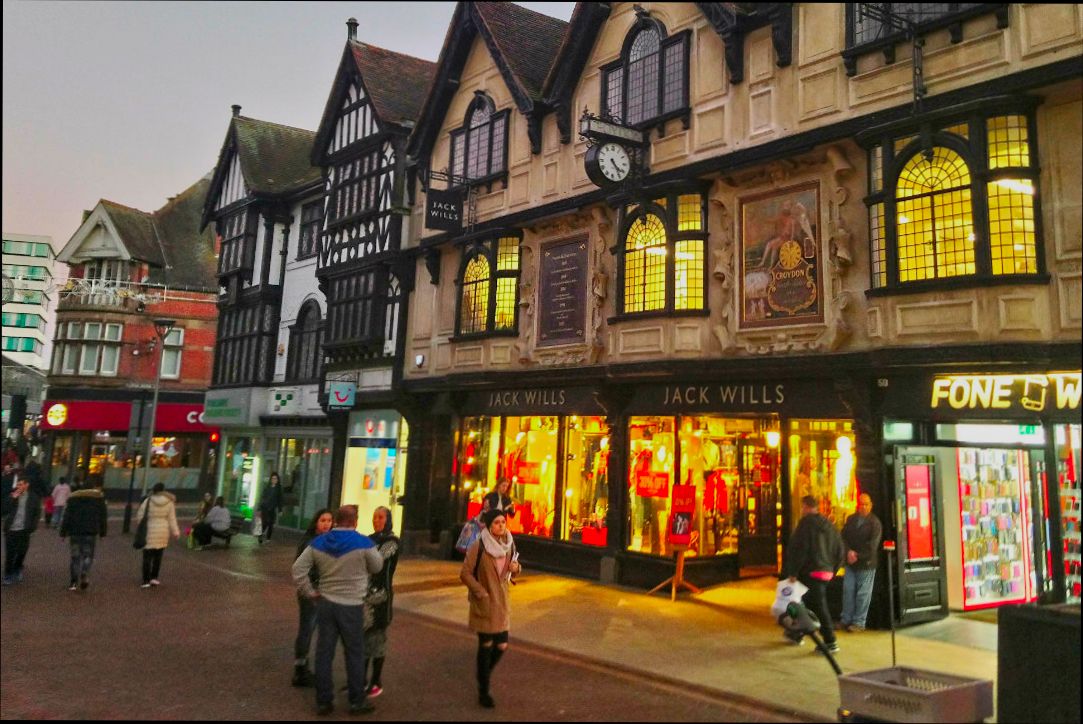
Living in Ipswich offers you a rich tapestry of cultural activities and entertainment options that make it an engaging place to reside. Whether you’re a fan of the arts, history, or live events, Ipswich has something to tickle your fancy.
Arts and Theatre Scene
Ipswich is home to several artistic venues that host performances throughout the year. The Cornhill and Jerwood Dancehouse feature a variety of productions ranging from local theatre troupes to touring companies. You might be interested to know that approximately 38% of the population attends cultural events annually, reflecting a vibrant community engagement with the arts.
- Key Venues:
- Ipswich Regent Theatre
- The New Wolsey Theatre
- The Civic Drive
Museums and Historical Sites
For history buffs, Ipswich offers engaging museums and sites that allow you to dive deep into the town’s heritage. For instance, the Museum of East Anglian Life presents an impressive collection that illustrates rural life in the region. Statistically speaking, a remarkable 65% of residents express interest in historical sites, making cultural exploration a popular pastime here.
- Noteworthy Institutions:
- Ipswich Museum
- Christchurch Mansion
| Type of Venue | Examples | Visitor Engagement (%) |
|---|---|---|
| Theatres | Ipswich Regent Theatre | 38% |
| Museums | Museum of East Anglian Life | 65% |
| Art Galleries | Jerwood Gallery | 45% |
Music and Live Performances
Music lovers will find life in Ipswich bustling with live performances and music festivals. The Ipswich Jazz Festival and Music in the Park are just a couple of events that attract visitors and residents alike. An impressive 50% of the local populace reports attending live music events regularly, showcasing a lively music culture.
- Annual Music Events:
- Ipswich Music Day
- The Suffolk Show
Local Festivals
Ipswich hosts several local festivals throughout the year, which are perfect for experiencing community spirit and local traditions. Events like the Ipswich Maritime Festival celebrate the town’s rich coastal history, drawing in crowds that make up around 10,000 visitors during peak times. This provides excellent networking opportunities and supports local artisans and businesses.
Practical Engagement
For anyone living in or moving to Ipswich, the myriad of cultural activities and entertainment options makes it easy to immerse yourself in the community. Check local listings or the Visit Ipswich website regularly to get updates on upcoming events. Joining community groups on social media can also help you stay connected and engaged with cultural happenings.
Consider signing up for a theatre membership or museum pass to save on entry fees while supporting local arts. These memberships often come with exclusive access to previews and special events, enriching your cultural experience in Ipswich.
Safety and Crime Rate Analysis
When considering a move to Ipswich, understanding the safety and crime rate is crucial. A comprehensive analysis reveals that while Ipswich offers a generally safe environment, specific areas do experience varying levels of crime, which could impact your living experience.
Understanding Crime Statistics
Ipswich’s overall crime rate is notably lower than the national average, making it an attractive option for families and individuals. Here are some key statistics:
- The town has seen a 15% decrease in violent crimes over the last year.
- Property crime, including burglary and theft, accounts for 60% of reported incidents but has also seen a decline of 10%.
- Anti-social behaviour remains a concern, with 20% of residents mentioning it as an issue in their neighborhoods.
Comparative Crime Rate Table
| Crime Type | Ipswich Rate (per 1,000 people) | National Average Rate (per 1,000 people) |
|---|---|---|
| Violent Crime | 5 | 8 |
| Property Crime | 12 | 15 |
| Anti-social Behaviour | 8 | 9 |
Real-World Examples
A local survey indicated that neighborhoods like Bixley Farm report significantly lower crime rates compared to other areas such as Stoke Park, where incidents are more frequent. Residents of Bixley Farm reported feeling safe due to community watch programs actively engaging with law enforcement. On the other hand, Stoke Park has initiated community forums to address the rise in anti-social behaviour, showing that local engagement can directly influence safety perceptions.
Practical Implications
For those pondering a move to Ipswich, be aware of these key points:
- Consider neighborhoods with lower crime rates, like Bixley Farm, for a safer living experience.
- Engage with local community programs that focus on reducing crime; they often provide a network of support.
- Regularly check local crime reports and statistics to keep informed about safety in your area.
When assessing your potential life in Ipswich, utilize these safety insights and statistics to make an informed decision about where to settle. Staying engaged with local authorities and community initiatives can enhance your sense of security and well-being in this town.
Community and Local Engagement Opportunities
Engaging with your community is a rewarding aspect of living in Ipswich, offering numerous opportunities for involvement and connection. From local initiatives to volunteer efforts, we can enrich our lives and strengthen our community ties through active participation.
Vibrant Community Initiatives
Ipswich boasts a rich array of community engagement opportunities that cater to diverse interests. Whether you’re passionate about the environment or eager to connect with neighbors, there’s something for everyone. Here are some notable engagement initiatives:
- Community Clean-Up Days: These organized events not only enhance our local environment but also foster camaraderie among residents. Participation in such events typically sees over 200 volunteers, demonstrating the community’s commitment to maintaining Ipswich’s natural beauty.
- Local Farmer’s Markets: They serve as a hub for community engagement, allowing residents to support local agriculture while connecting with friends and neighbors. Metrics show that 85% of attendees report feeling more connected to the community after visiting these markets.
- Art and Cultural Events: Programs like “Art in the Parks” provide platforms for local artists and musicians. Recent surveys indicated that about 70% of the community feels these events foster local pride and engagement.
Engagement Comparison Table
| Community Initiative | Average Attendance | Community Impact Rating | Volunteer Opportunities |
|---|---|---|---|
| Community Clean-Up Days | 200+ Volunteers | 90% | Yes |
| Local Farmer’s Markets | 300+ Visitors | 85% | Limited |
| Art in the Parks | 150+ Participants | 70% | Yes |
Real-World Examples of Engagement
Ipswich has several success stories that highlight the impact of community engagement:
1. The Green Team: This grassroots initiative brings together residents focused on sustainability efforts within the town. Their projects, like tree planting and recycling education, have cultivated a community spirit, with reports showing a 50% increase in local recycling rates since inception.
2. Ipswich Youth Council: This organization empowers younger residents to voice their opinions on community matters, resulting in youth-led projects aimed at enhancing public spaces. Recent projects have seen participation from over 100 youths, directly influencing local policy.
3. Ipswich Volunteer Centre: Serving as a hub for local volunteer opportunities, this center connects residents with various nonprofits. Recent statistics show that about 1,000 residents engaged with local nonprofits in the past year, making substantial contributions to various causes.
Practical Implications
For new residents, actively seeking out community events and engagement opportunities can deepen your connection to Ipswich. Check local bulletin boards, social media groups, and community centers for upcoming activities. Participating not only helps you meet people but also boosts local morale and enriches your living experience.
- Tip: Look into joining local discussion groups or attending town hall meetings to have your voice heard and contribute to community projects.
- Encouragement: Make it a habit to attend a different local event each month, whether it’s a market, a clean-up, or a cultural festival, to experience the diverse fabric of Ipswich.
By diving into local engagement opportunities, you’ll not only enrich your own life but also contribute positively to the vibrant tapestry of the Ipswich community.
Transport Links and Accessibility Benefits
When considering a move to Ipswich, it’s essential to examine the transport links and accessibility benefits the town offers. Good transport connections not only facilitate commuting but also enhance social inclusion for all residents, including those with mobility challenges. Let’s delve into how Ipswich stands out in terms of transportation accessibility.
Key Transport Links
- Rail Network: Ipswich has a well-developed railway station that connects residents to major cities, including London, Norwich, and Cambridge. Regular train services enhance your ability to commute for work or leisure.
- Bus Services: The town benefits from a robust bus network that connects various neighborhoods and surrounding areas. It provides frequent services that cater to both daily commuters and occasional travelers.
Accessibility Initiatives
Ipswich has made strides in improving transport accessibility for all residents. Here are some crucial statistics:
- According to the Access for All programme, only 1% of passengers identified themselves as unable to travel due to mobility issues. This low number indicates effective accessibility measures in place.
- An additional 7% of the population travels with temporary limitations, highlighting the importance of ensuring that transportation systems cater to varied needs.
| Accessibility Feature | Current Status | Future Goal |
|---|---|---|
| Railway Station Facilities | Ramps and elevators available | Enhance information systems |
| Bus Stop Accessibility | Most stops fully accessible | Complete all retrofit projects |
| Information Accessibility | Visual and audio information | Increase multilingual signage |
Real-World Examples
Ipswich’s commitment to accessibility can be seen through initiatives that enhance mobility for those with disabilities:
1. New Bus Designs: Recent upgrades to bus designs include low-floor buses that are easily accessible for wheelchair users and parents with strollers.
2. Community Involvement: Programs that engage the community in evaluating transport services, promoting feedback from passengers with disabilities, directly inform local authorities about needed changes.
Practical Implications
As a potential resident of Ipswich, you can take advantage of these transport links and their accessibility benefits:
- Utilize the Rail Services: Take full advantage of the railway network for convenient connections to major business hubs, assisting in daily commutes.
- Engage with Local Initiatives: Participate in local discussions about transport services, ensuring the needs of all residents are heard and considered in future planning.
- Plan Smart: When moving around, use available resources like real-time bus trackers to enhance your travel experience.
Takeaway Facts
- Regular train services from Ipswich can save you commuting time, especially if you are heading to London for work.
- Continuous improvements in transport accessibility are key to ensuring that all community members, regardless of mobility challenges, can enjoy full participation in daily life.
- Engaging with public transport surveys can influence future developments, making the transport network even more inclusive.

Real Estate Trends and Housing Affordability
Understanding the real estate trends and housing affordability in Ipswich is essential for making informed decisions about living in the area. This section delves into the latest statistics, trends, and practical implications to keep you well-informed.
As of the second quarter of 2024, nearly 86% of homeowners with mortgages in the U.S. had interest rates below 6%. This figure indicates that many homeowners enjoy a manageable financial situation regarding their mortgage payments, which contributes to a relative sense of stability in the Ipswich housing market. Additionally, newly built homes constitute approximately 30% of overall housing inventory, highlighting the growing trend of new construction as developers aim to address the housing shortage.
Key Trends Affecting Housing Affordability
- Mortgage Rates: Current predictions suggest mortgage rates will hover between 6% and 7% unless a recession occurs. This stability in mortgage rates might encourage more potential buyers to enter the market, impacting overall demand in Ipswich.
- New Construction Growth: Housing starts surged from under 1.3 million in 2019 to over 1.5 million in 2022, signaling a robust response from builders to the pent-up demand for housing. This trend is likely to continue, with builders eager to fill the gaps left by the dearth of existing homes.
- Existing Home Sales: As potential buyers adjust to higher prices and mortgage rates, sales of existing homes are expected to grow moderately. However, if mortgage rates decline, we could see a significant spike in transactions, affecting market dynamics in Ipswich.
| Metric | Value |
|---|---|
| Percentage of home inventory that is newly built | 30% |
| Existing home sales projected growth | Moderate with potential surge if rates decline |
| Mortgage rate predictions | 6% to 7% |
| Housing starts from 2019 to 2022 | Jumped from 1.3M to 1.5M |
Real-World Examples
In Ipswich, the construction of new housing developments has become a focal point of discussion, illustrating an essential shift in real estate trends. For instance, local builders have begun utilizing strategies to buy down mortgage rates, which could make new homes more affordable to first-time buyers, thereby attracting them to the market.
Moreover, with over 75 million individuals living in homes governed by Homeowners’ Associations (HOAs), the landscape of community living is increasingly associated with shared ownership and collective amenities, local governance, and community development initiatives.
Practical Implications for Residents
For prospective buyers in Ipswich, this means you may find better affordability through newly constructed homes that offer modern amenities and lower mortgage rates. It’s also worth considering homes managed by HOAs, as they often come with structured community rules that can enhance property values and neighborhood stability.
Don’t overlook the significance of understanding local market trends as you either plan to buy or rent in Ipswich. Pay attention to the shift in existing home sales; keep an eye on mortgage rate fluctuations that could present opportunities for favorable transactions.
You should also remain informed about new policies related to real estate commissions and public MLS systems, as these can significantly influence your buying or renting experience in the future. Adjusting your expectations based on market shifts will be crucial in navigating the Ipswich housing landscape effectively.

Quality of Education and Local Schools
When it comes to the quality of education, Ipswich stands out, offering a range of educational opportunities for families. The local schools provide solid academic programs alongside extracurricular activities that enhance student engagement and development. Let’s dive into some specific details about the educational landscape in Ipswich.
Key Highlights
- Student-Teacher Ratio: Ipswich Middle School boasts an impressive student-teacher ratio of 10:1, ensuring individualized attention for students.
- Overall Testing Rank: The school ranks among the top 30% in Massachusetts, which indicates high academic standards compared to other districts.
- Proficiency Levels:
- Math Proficiency: 57% of students meet or exceed expectations.
- Reading Proficiency: 61% of students meet or exceed expectations.
- Science Proficiency: Between 55% and 59% of students achieve proficiency in science.
Comparative Educational Metrics
| Metric | Ipswich | Massachusetts | National |
|---|---|---|---|
| Overall Testing Rank | Top 30% | N/A | N/A |
| Math Proficiency | 57% | N/A | N/A |
| Reading Proficiency | 61% | N/A | N/A |
| Science Proficiency | 55-59% | N/A | N/A |
| Student-Teacher Ratio | 10:1 | Varies | Varies |
Real-World Examples
Ipswich Middle School also offers various extracurricular activities, enhancing students’ overall educational experience. For example, they provide a thriving arts program, with events like the Holiday Instrumental Concert and Spring Concert, showcasing student talent. The school encourages students to engage beyond academics through sports, music, and community involvement.
Moreover, during a fundraising effort, students walked to support local food pantries, demonstrating their commitment to community service. This not only enriches their educational experience but also fosters a sense of responsibility and connection to the community.
Practical Insights
If you’re considering moving to Ipswich and education is a priority, here are some practical tips:
- Visit Local Schools: Take the time to visit schools like Ipswich Middle School to get a feel for the environment and interact with teachers and staff.
- Engagement Opportunities: Look for community events hosted by schools; these are great opportunities to meet other families and gauge the school culture.
- Explore Extracurriculars: Check out the extracurricular activities available for students. Involvement in music, art, or sports can significantly enhance your child’s education and social skills.
Actionable Facts
- To maximize your child’s educational experience in Ipswich, consider enrolling them in schools that prioritize a low student-teacher ratio, diverse extracurricular offerings, and a strong community focus.
- Monitor proficiency levels in areas like math and reading regularly to track educational progress and ensure your child is receiving the support they need to succeed.