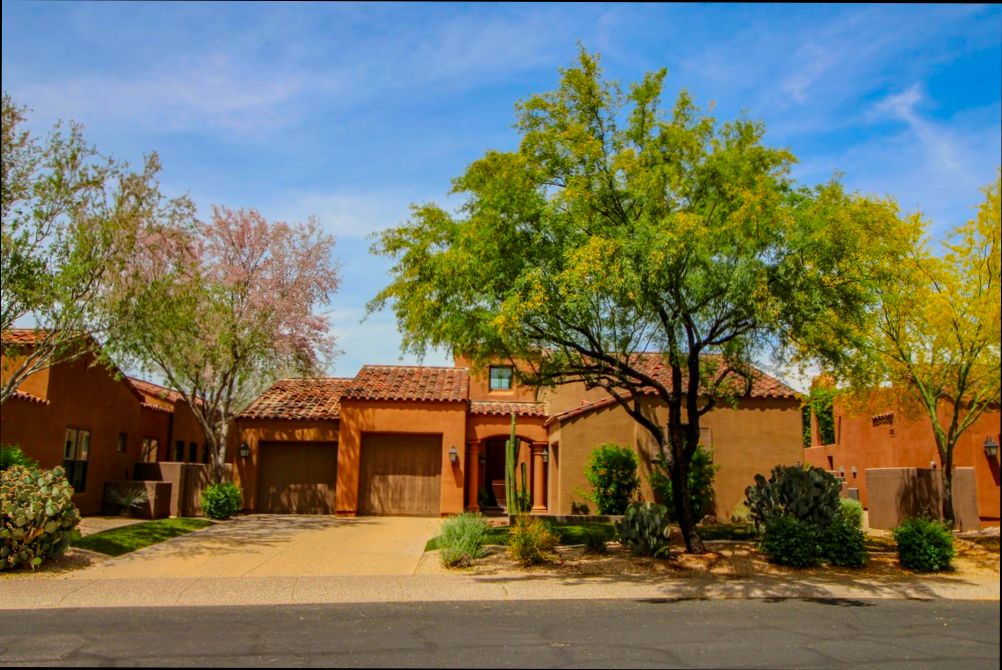
Pros and Cons of Living in Chandler AZ offer a mix of vibrant community life and practical challenges that can shape your day-to-day experience. On the upside, Chandler boasts over 330 sunny days a year, making outdoor activities a year-round affair. You can hit up the beautiful parks like Veterans Oasis Park or take a dip in one of the many community pools. Plus, if you’re into tech, you’re in luck; Chandler is home to major employers like Intel and PayPal, which means the job market is buzzing. With a median home price around $450,000, you’ll find a variety of housing options, from charming suburban neighborhoods to sleek modern condos.
However, it’s not all sunshine and rainbows. The cost of living can hit your wallet harder than you might expect, especially with rising prices in recent years. Traffic can also be a nuisance, particularly during rush hour on major roads like the 202 and 101. Let’s not forget the summer heat, which can soar past 100°F, leaving you melting if you’re not acclimated. The city’s nightlife is also a mixed bag; while there are some great spots, they can feel limited compared to bigger cities like Phoenix. In short, Chandler has its charms, but it’s essential to weigh the good against the not-so-great.
Cost of Living in Chandler
Living in Chandler, AZ, can be a rewarding experience, but it’s essential to understand the costs associated with it. The average cost of living here is around $2,306, placing it among the top 12% of the most expensive cities worldwide. To help you gauge your financial planning, let’s dive deeper into various elements that influence the cost of living in Chandler.
Key Cost Areas
1. Housing Costs: Renting is a significant part of your budget. Here’s a breakdown:
- 1-bedroom apartment in the city center: Approximately $1,598
- 3-bedroom apartment in the city center: Around $2,520.83
- If you prefer to live outside the city center, a 1-bedroom apartment will cost about $1,388.
2. Food and Dining: Eating out in Chandler can also affect your monthly expenses:
- A meal at an inexpensive restaurant averages around $19.00.
- For a three-course meal for two at a mid-range restaurant, you’re looking at about $70.00.
- Grocery prices can vary, but staples like milk are about $0.87 per liter, while a loaf of fresh bread will set you back around $3.40.
3. Transportation Costs: If you’re driving or using public transport, consider these costs:
- A one-way ticket on local transport costs about $3.00, and a monthly pass is around $105.00.
- The current gasoline price is approximately $0.94 per liter.
4. Utilities: Depending on your consumption, the monthly costs can vary:
- Basic utilities for an 85m2 apartment average around $212.75, covering electricity, heating, and cooling.
| Item | Cost (USD) | Range (USD) |
|---|---|---|
| 1-bedroom apartment (City) | $1,598 | $1,500 - $2,100 |
| Meal (Inexpensive Restaurant) | $19.00 | $12.00 - $40.00 |
| Basic Utilities (Monthly) | $212.75 | $150.00 - $408.00 |
| Gasoline (per liter) | $0.94 | $0.79 - $1.27 |
| Monthly Transport Pass | $105.00 |
Real-World Examples
- A couple dining out might find their total for a nice dinner at a mid-range restaurant around $70, which is typical for a date night in Chandler.
- For families, enrolling a child in preschool can be a substantial expense, with costs averaging monthly around $1,091.67 for private institutions.
Practical Implications
Understanding these costs can help you manage your budget more effectively if you plan to move to Chandler. Identify which housing arrangements fit your income level, and explore various grocery stores and restaurants to find the best deals. Also consider public transportation as a viable option to save on fuel costs.
Chandler’s cost of living presents unique financial considerations, but with careful planning and resourcefulness, you can enjoy everything this city has to offer.

Climate Considerations for Residents
When considering a move to Chandler, AZ, understanding the climate is crucial for a comfortable living experience. With a desert climate, Chandler has distinct characteristics that potential residents should be aware of, from temperature extremes to seasonal variations.
Temperature Patterns and Variability
Chandler experiences significant temperature fluctuations between seasons, with average summer highs reaching around 106°F and winter lows dipping to about 40°F. This means:
- Hot Seasons: The summer months can be notoriously hot, with over 100 days annually exceeding 100°F.
- Milder Winters: Although winter is much cooler, daytime temperatures typically hover around 65°F, providing a refreshing break.
Living here means you need to prepare for these extremes, particularly in the summer, as it may influence your choices about outdoor activities.
Rainfall and Humidity
Chandler has an average annual rainfall of about 9.5 inches. This relatively low rainfall leads to:
- Low Humidity Levels: Average humidity is around 30-40%, which can make summer heat feel somewhat more bearable compared to more humid climates.
- Water Conservation: Residents often adopt xeriscaping and drought-tolerant landscaping due to the arid conditions, which can influence maintenance costs and aesthetic choices in gardens.
Seasonal Considerations
As a resident, you’ll notice that the seasons have unique implications:
- Monsoon Season: From June to September, Chandler experiences monsoonal rains. On average, July is the wettest month, contributing to around 67% of the annual rainfall.
- Dust Storms: Particularly during summer, dust storms can impact visibility and air quality. These storms occur about 3-5 times each year and can carry dust for miles, prompting residents to stay indoors during severe events.
| Climate Factor | Winter (Dec-Feb) | Summer (Jun-Aug) |
|---|---|---|
| Average High (°F) | 65 | 106 |
| Average Low (°F) | 40 | 82 |
| Average Rainfall (inches) | 1.5 | 0.7 |
| Average Humidity (%) | 40 | 30 |
Real-World Examples
Many residents embrace air conditioning as a primary necessity during summer. For instance, Sarah, a local teacher, emphasizes that her energy bills spike during peak summer months due to relentless cooling needs. Others, like Tom, a retiree, have invested in shade structures and cooling systems to combat the heat effectively.
Practical Implications for Residents
Understanding Chandler’s climate helps you make informed decisions about home maintenance, landscaping, and outdoor activities. Here are some actionable insights:
- Home Features: Consider energy-efficient cooling systems when purchasing or renting a home.
- Gardening Choices: Opt for native plants that thrive in dry conditions to minimize water usage.
- Outdoor Timing: Plan outdoor activities in the early mornings or late evenings during summer to avoid intense heat.
Be proactive about climate considerations, and you’ll find ways to enjoy all that Chandler has to offer while managing the challenges that come with its desert environment.
Employment Opportunities and Economic Growth
When it comes to employment opportunities and economic growth in Chandler, AZ, the outlook is promising. With various sectors expanding, there’s a wealth of possibilities for job seekers. Let’s delve into how Chandler stands as a beacon for employment growth and what it means for you as a potential resident or workforce participant.
Booming Job Market
Chandler has seen a significant uptick in job creation, particularly in industries such as healthcare, transportation, and warehousing, which have been showing strong performance. Here are some key points to consider:
- Job Growth: Total employment is projected to grow by 6.7 million jobs from 2023 to 2033 across the U.S., contributing positively to local economies, including Chandler.
- Warehousing Employment: The warehousing industry alone had an employment level of 6.6 million, accounting for 5% of all private-sector jobs. This sector is driving the local economy significantly.
- Healthcare Expansion: Occupations in healthcare and social assistance are expected to lead in job creation, reflecting a growing demand for these services in Chandler.
Industry Employment Projections
Here’s a closer look at projected job growth across different industry sectors over the next decade:
| Industry | Projected Growth (2023-2033) |
|---|---|
| Healthcare and Social Assistance | Fastest-growing sector |
| Transportation and Warehousing | Significant increase |
| Professional and Business Services | Moderate change |
| Retail Trade | Some fluctuations |
| Financial Activities | Steady employment growth |
Real-World Examples
Let’s consider some real-world implications based on recent data:
- Healthcare Jobs: There’s a notable rise in healthcare-related positions. For instance, the Private education and health services sector saw an increase of 943 jobs over the past year, which positions health services as a reliable field for job seekers.
- Transportation Sector: The Transportation and Warehousing industry boasted a 145,600 net increase in jobs over the last year, showcasing the region’s logistical and distribution capabilities, beneficial for those interested in truck driving, logistics, and warehousing roles.
Practical Implications
You might be wondering how these statistics impact you. With the expected job growth:
- If you’re looking for stability in your career, industries like healthcare and transportation in Chandler present a robust landscape.
- The consistent demand in warehousing means opportunities for part-time and full-time roles, supporting various employment needs for residents.
Actionable Insights
- Networking Opportunities: Engage with local chambers of commerce or industry-specific meetings to maximize your visibility in expanding sectors.
- Skill Development: With healthcare leading the charge, consider pursuing certification or degrees in this area to capitalize on future job openings.
- Explore Industries: Investigate companies in the logistics and transportation sectors, as many are actively hiring to meet increasing demands in e-commerce.
In summary, Chandler’s dynamic employment scene and the projected economic growth offer a fertile ground for career advancement and job security. Whether you are freshly entering the workforce or considering a career pivot, Chandler merits consideration as a thriving hub for employment opportunities.

Recreational Activities and Community Events
Living in Chandler, AZ, opens up a vibrant realm of recreational activities and community events that cater to all ages and interests. Whether you enjoy outdoor adventures or engaging in local festivals, Chandler offers an impressive array of choices to enrich your lifestyle and foster community connections.
Outdoor Recreation Options
Chandler’s outdoor recreation scene is thriving, supported by Arizona’s beautiful climate and varied landscapes. It’s no surprise that outdoor activities contribute significantly to the state’s economy, accounting for 2.3 percent of the U.S. gross domestic product in 2023.
Here are some popular recreational activities in Chandler:
- Parks and Hiking Trails: Chandler has over 60 parks, featuring amenities such as sports fields, playgrounds, and walking trails.
- Golfing: Residents can enjoy several well-maintained golf courses, such as the prestigious Bear Creek Golf Complex, allowing for year-round golfing opportunities.
- Water Activities: With the nearby Salt River, you can go kayaking, tubing, or paddleboarding, bringing life to the beautiful Arizona landscape.
Community Engagement and Events
Chandler hosts numerous community events throughout the year that create a vibrant atmosphere and bring residents together. These events range from seasonal festivals to farmers’ markets, making them a focal point for social interaction.
Some key community events include:
- Chandler Ostrich Festival: Celebrating its heritage, this festival features ostrich races, live music, and local vendors. It attracts thousands of attendees each March.
- Chandler Art Walk: Held on the third Friday of each month, this event showcases local artists and musicians, fostering a culture of creativity and entertainment.
- Farmers’ Market: Each Saturday, locals gather to shop for fresh produce, artisan goods, and handmade crafts, creating a sense of community while supporting local agriculture.
Comparative Table of Recreational Events and Participation
| Event Type | Frequency | Estimated Attendance | Community Impact |
|---|---|---|---|
| Ostrich Festival | Annually (March) | 10,000+ | Boosts local economy |
| Art Walk | Monthly (3rd Friday) | 2,000+ | Promotes local artists |
| Farmers’ Market | Weekly (Saturdays) | 1,500+ | Supports local farms |
Real-World Examples
At the annual Ostrich Festival, families can enjoy a unique combination of fun and culture, from food stalls to live entertainment. This festival not only showcases the local heritage but also underscores Chandler’s commitment to community spirit, attracting out-of-town visitors and providing economic boosts.
The Chandler Art Walk stands as a testament to the city’s creative heart, with local artists transforming streets into vibrant galleries. Residents find joy in supporting their neighbors while enjoying a lively evening of art and culture.
Practical Insights for Residents
Participating in community events is an excellent way to meet new friends and get involved in local initiatives. If you’re new to Chandler, consider volunteering at events or attending workshops to integrate into the community more seamlessly.
Furthermore, the outdoor recreational opportunities available can be a great way to maintain an active lifestyle. Regular visits to parks and participation in outdoor sports help promote both physical health and social connections.
Explore the vibrant calendar of events in Chandler, find a local sport that interests you, or participate in community gatherings. Engaging with these offerings can significantly enhance your living experience in Chandler!

Demographic Trends and Population Statistics
Understanding the demographic trends and population statistics in Chandler, AZ, is vital if you’re considering a move to this vibrant city. The demographic landscape can reveal not just who lives here but also what opportunities and challenges you might face.
Current Population Insights
Chandler has experienced steady population growth in recent years, making it one of the more rapidly expanding cities in Arizona. As of recent estimates, the population stands at approximately 273,000 residents. This growth is propelled by an influx of families and young professionals, drawn to the area’s job market and quality of life.
- Growth Rate: The city’s population growth rate is about 1.5% annually, indicating a thriving community.
- Diversity: Chandler boasts a diverse demographic, with nearly 55% of the population identifying as a minority, showcasing a rich cultural backdrop.
- Age Distribution: The median age in Chandler is roughly 36 years, with a healthy balance between young adults, families, and seniors.
Population Age Breakdown
Here’s a brief overview of the age distribution in Chandler:
| Age Group | Percentage |
|---|---|
| Under 18 years | 24% |
| 18-34 years | 22% |
| 35-49 years | 20% |
| 50-64 years | 18% |
| 65 years and older | 16% |
This age distribution suggests a vibrant community filled with both youthful energy and experienced perspectives, making it appealing for various lifestyles.
Education Levels and Household Statistics
The educational attainment of Chandler’s residents is impressive, with a significant percentage holding at least a bachelor’s degree:
- Higher Education Attainment: Approximately 37% of adults aged 25 and older have a bachelor’s degree or higher, reflecting a well-educated workforce.
- Households: The city has around 94,000 households, with an average household size of about 2.88 persons.
- Income Levels: The median household income is around $80,000, above the national average, contributing to the overall economic vitality of the area.
Real-World Examples
Many businesses and organizations are recognizing the demographic trends in Chandler. The increase in younger professionals has led to the development of new housing projects and commercial spaces tailored to this demographic. For instance, the city’s recent investments in amenities and parks directly cater to families and young adults, creating recreational spaces for outdoor activities.
Practical Implications for Residents
For potential residents, these demographic trends mean you’ll find a community that supports diversity and encourages growth. Whether you’re a young professional seeking networking opportunities or a family looking for educational resources, Chandler’s demographic dynamics offer a welcoming environment.
- Networking Opportunities: With many residents having higher education, there are ample networking events, workshops, and professional organizations.
- Community Programs: The diverse population encourages community programs that celebrate various cultures, providing a rich social landscape.
Actionable Advice
Consider engaging with local community groups or attending city council meetings to better understand community needs and opportunities. Staying informed about upcoming projects can also be beneficial as the city continues to grow and evolve, offering new avenues for connection and prosperity.
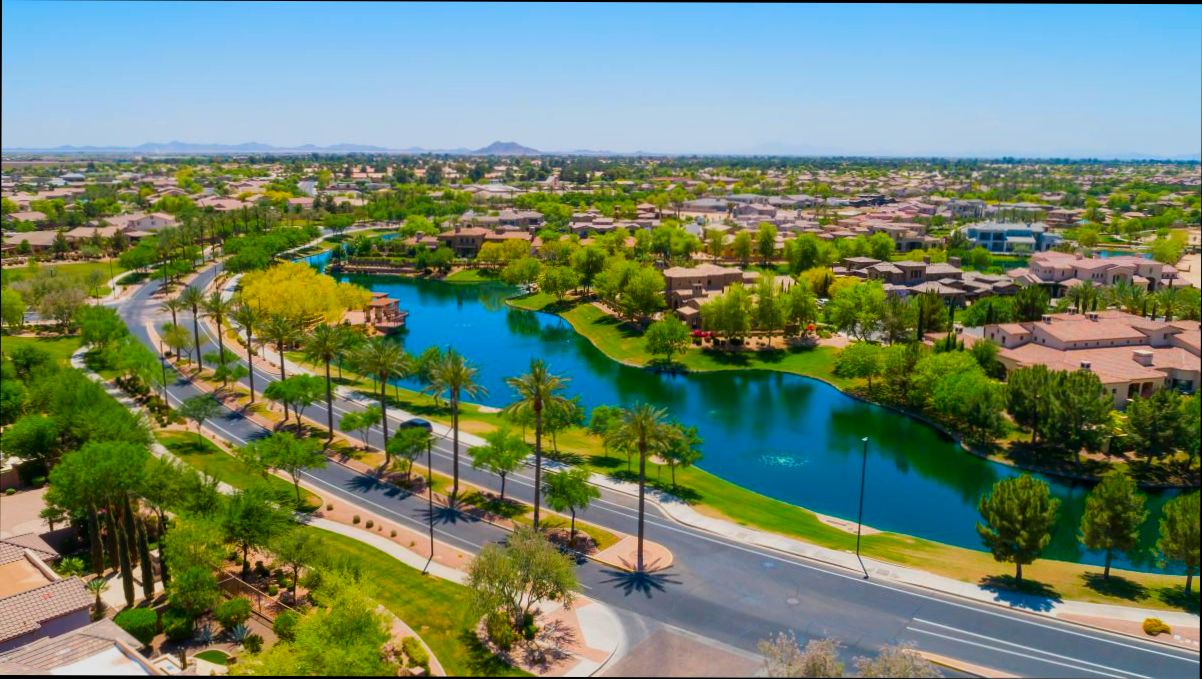
Real Estate Market Insights
When exploring the real estate market in Chandler, AZ, you will find a dynamic landscape filled with opportunities and challenges. Understanding the market’s current trends can provide you with valuable insights if you’re considering buying or renting a home in this vibrant city.
Current Market Trends
- Average Home Prices: As of late 2023, the average home price in Chandler is approximately $450,000. This reflects a steady increase of about 7% year-over-year, indicating strong demand in the area.
- Market Competition: Homes are often selling quickly, with many properties receiving multiple offers. Around 60% of homes are sold within the first 30 days of being listed, which highlights the competitive nature of the current market.
- Inventory Levels: The inventory for homes in Chandler remains relatively low, with a month’s supply of homes at about 1.5 months. This shortage can make it challenging for prospective buyers to find suitable options.
Comparative Table of Real Estate Metrics
| Metric | Chandler, AZ | Average for Phoenix Area |
|---|---|---|
| Average Home Price | $450,000 | $424,000 |
| Inventory (Months Supply) | 1.5 | 2.0 |
| Percentage of Homes Sold < 30 Days | 60% | 55% |
| Year-over-Year Price Change | 7% | 5% |
Real-World Examples
One notable example is a 3-bedroom, 2-bathroom home in Chandler that recently sold for $475,000 after receiving five offers within the first week of listing. This illustrates the competitive market, where desirable homes can attract more than one potential buyer, driving up the final sale price.
Additionally, a condo development in the area has seen rapid appreciation, where units initially selling for around $250,000 are now valued at over $325,000, showcasing the investment potential in Chandler’s real estate market.
Practical Implications
For buyers, it’s essential to be prepared to act quickly, given the fast-moving nature of the market. Here are some actionable insights:
- Pre-Approval for Financing: Get pre-approved for a mortgage. This can give you a competitive edge in securing a home.
- Work with a Local REALTOR®: Utilize a local agent familiar with Chandler’s market to navigate its nuances and help identify properties before they go public.
- Stay Informed on Market Trends: Regularly check local market reports and statistics from reliable sources, such as the National Association of REALTORS®, to stay updated on market conditions.
Being aware of these metrics and strategies can empower you to make informed decisions as you navigate the real estate market in Chandler, AZ.
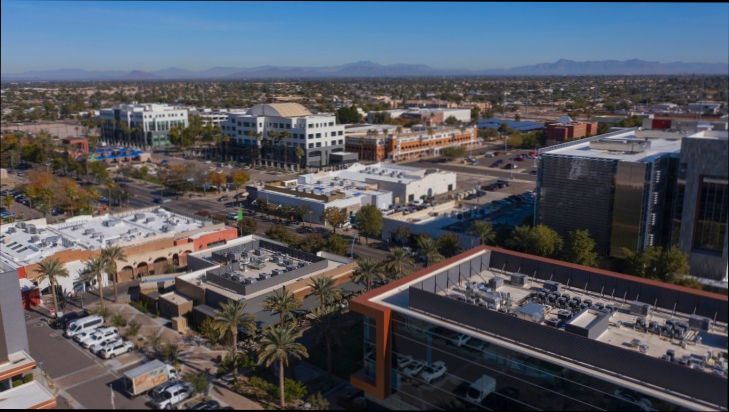
Quality of Education and School Systems
When considering a move to Chandler, AZ, the quality of education and the school systems here play a significant role in the overall appeal for families and individuals alike. Let’s dive into the educational landscape, focusing on school performance, available programs, and community involvement.
Key Points on Education Quality
Chandler boasts a mix of public and private educational institutions. Here are some noteworthy highlights:
- High Performing Schools: The Chandler Unified School District (CUSD) features numerous schools that have received high marks on state assessments, showcasing a commitment to academic excellence.
- Graduation Rates: In Chandler, the average graduation rate for high schools hovers around 89%, indicating a strong emphasis on student retention and success.
- Advanced Placement Opportunities: Many high schools in Chandler offer robust Advanced Placement (AP) programs, allowing students to earn college credits while still in high school. In the 2022-2023 school year, over 30% of students participated in AP courses.
- Public School Funding: Public schools in Chandler have seen commendable funding levels, often exceeding $10,000 per student annually, demonstrating the community’s investment in education.
Comparative Table of Educational Metrics
| Metric | Chandler, AZ | Arizona State Average |
|---|---|---|
| High School Graduation Rate | 89% | 76% |
| Average Spending per Student | $10,500 | $9,500 |
| Advanced Placement Enrollment | 30% | 25% |
| Teacher-to-Student Ratio | 17:1 | 20:1 |
Real-World Examples
A great example of quality education in action is Hamilton High School. This institution has consistently ranked among the top high schools in Arizona, known for its extensive AP program and college readiness initiatives. Many students from Hamilton have gone on to prestigious universities, reflecting the school’s success in preparing students for higher education.
Another highlight is Chandler Traditional Academy, which emphasizes a curriculum that encourages classical education principles. This approach attracts families looking for a more structured educational environment.
Practical Implications
If you’re moving to Chandler, consider visiting local schools and attending open houses to get a feel for the environment and teaching quality. Additionally, engaging with community forums can provide insights from current parents regarding their experiences with the educational system.
Parents should also be aware of the importance of involvement in schools, as many institutions in Chandler appreciate and actively seek parental engagement in academic programs and fundraising efforts. This involvement can enhance your child’s educational experience significantly.
Key Facts and Actionable Advice
To make the most of your experience in Chandler’s educational landscape:
- Research school rankings on websites like GreatSchools to find the best fit for your child.
- Be proactive about your child’s education by encouraging participation in AP programs or extracurricular activities, as these can improve college readiness.
- Attend school district meetings to stay informed about changes in policies, funding, and educational initiatives that may impact your family directly.