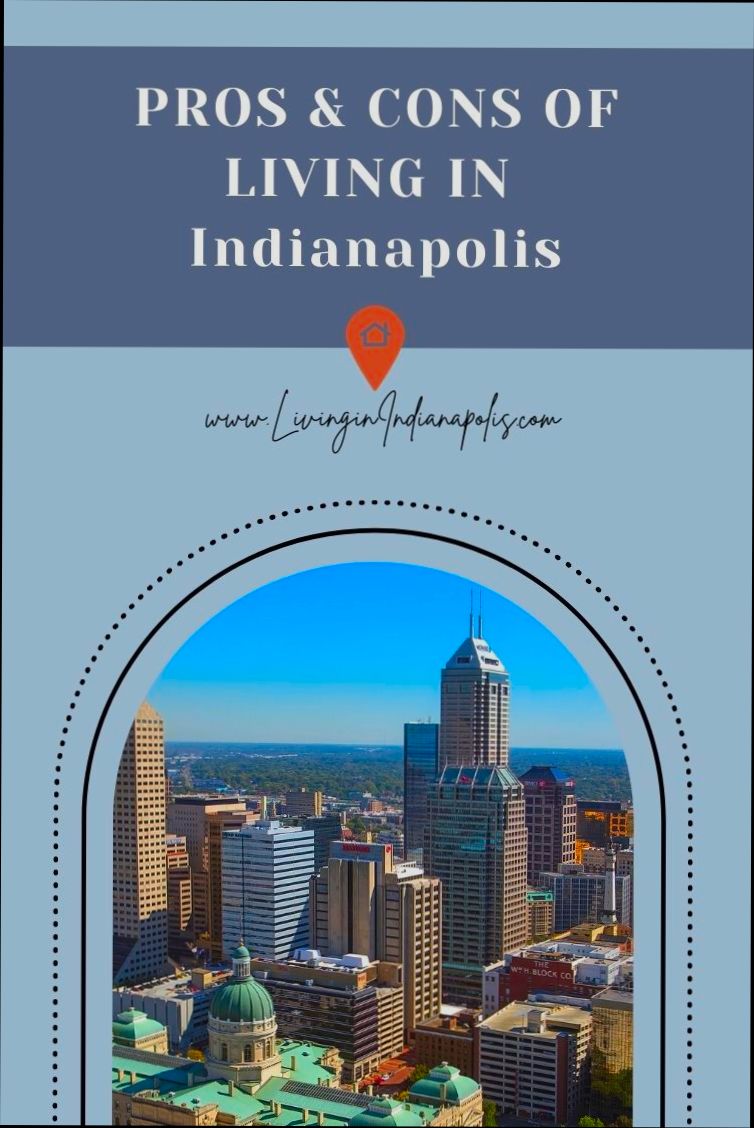
Pros and Cons of Living in Indianapolis IN can really paint a picture of this vibrant city. On the bright side, Indianapolis boasts a cost of living that’s about 10% lower than the national average, meaning your paycheck stretches a little further here. With a median home price around $200,000, first-time buyers can snag a cozy place without breaking the bank. And let’s not forget the thriving cultural scene, with events like the famous Indianapolis 500 drawing visitors from all over, fueling excitement and local pride.
On the flip side, life in Indy isn’t without its challenges. Public transportation can feel a bit sparse, making having a car almost a must for most residents. Plus, while summer offers fun festivals and warm nights out, winter can bring its own headaches with snowy, icy streets that can make getting around tricky. If you’re a foodie, you might find the culinary scene a bit lacking compared to bigger cities like Chicago or New York, with fewer high-end dining options. So, whether you’re dreaming of affordable living or eyeing those chilly winters, there’s a lot to digest when considering life in Indianapolis.
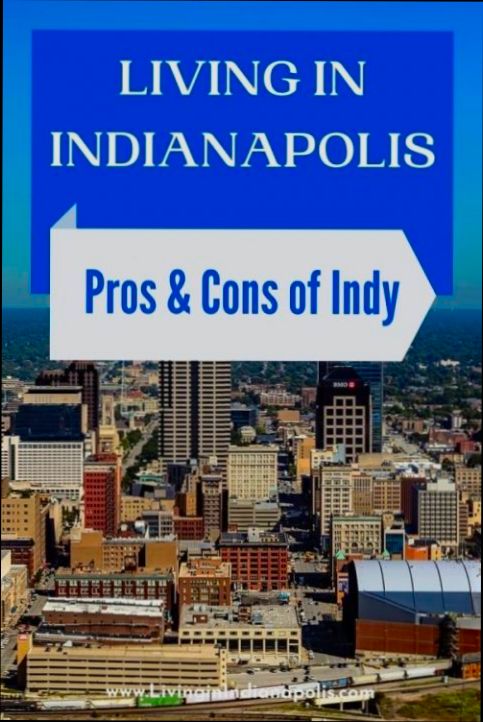
Cost of Living in Indianapolis
When considering a move to Indianapolis, understanding the cost of living plays a crucial role in your decision-making process. From housing to transportation, let’s dive into the factors that impact your wallet when living in this vibrant city.
Housing Costs
Housing remains one of the most significant factors affecting the overall cost of living. Currently, the median home price in Indianapolis is approximately $270,000, which is a compelling figure compared to the national average of around $400,000. Renters can expect to pay around $1,300 per month for a two-bedroom apartment, which is notably lower than averages in other major urban areas.
Daily Expenses
Here’s a quick look at other important daily expenses you may encounter:
- Groceries: The grocery index in Indianapolis is about 11% lower than the national average. This means more savings when stocking up on essentials.
- Utilities: Basic utilities (electricity, heating, cooling, water, and garbage) cost around $160 monthly, indicating competitive pricing compared to many metropolitan areas.
- Transportation: If you rely on public transportation, a monthly pass costs about $70, giving you flexible commuting options at a reasonable rate.
Comparative Cost of Living Table
| Expense Category | Indianapolis Average | National Average | Difference |
|---|---|---|---|
| Median Home Price | $270,000 | $400,000 | -$130,000 |
| Rent (2-Bedroom Apt) | $1,300 | $1,800 | -$500 |
| Grocery Index | 89 (National avg.) | 100 | -11% |
| Utilities (Monthly) | $160 | $200 | -$40 |
| Public Transport Pass | $70 | $80 | -$10 |
Real-World Examples
Let’s consider the experience of a family of four relocating to Indianapolis from Chicago. They previously paid $2,500 in rent for a similar-sized home. After moving, they found a spacious three-bedroom house for $1,800 per month, allowing them to save an impressive $700 every month on housing alone.
Another example involves a recent college graduate moving to the city. They budgeted $400 a month for groceries. Upon arriving in Indianapolis, they discovered they were spending roughly $350, allowing for extra savings to invest in experiences around the city.
Practical Implications
Living in Indianapolis offers a unique advantage with its relatively lower cost of living. If you’re transitioning from a pricier city, you will likely find that you can afford more space and amenities. With housing and grocery costs well below the national average, you’ll have more financial flexibility for entertainment and leisure activities.
Actionable Advice
If you’re considering a move to Indianapolis, research neighborhoods that suit your lifestyle. Look for areas with a balance of affordable housing and access to amenities. Additionally, consider signing up for local services that can help you track monthly expenses, ensuring you’re making the most of your budget in this affordable city.
Quality of Education and Schools
When considering a move to Indianapolis, the quality of education and the schools available can significantly influence your experience in the city. With a blend of public, private, and charter options, you’ll find a variety of choices to fit your family’s educational needs. Let’s explore the current landscape of education in Indianapolis, drawing from recent data and insights.
Overview of Educational Performance
Indianapolis offers a mix of options when it comes to quality of education, and several key factors highlight its strengths:
- Indianapolis Public Schools (IPS) serves a large number of students but has faced challenges with graduation rates, which hover around 70%, significantly lower than the state average of approximately 87%.
- In contrast, charter schools in the area have seen success; some have graduation rates exceeding 90%, showcasing alternative educational pathways that might benefit students.
School Options and Performance Data
| School Type | Average Graduation Rate | Notable Achievements |
|---|---|---|
| Public Schools | 70% | Improved test scores over the last 5 years |
| Charter Schools | 90% | High college readiness scores |
| Private Schools | 95% | Strong parent satisfaction ratings |
Notable Schools and Programs
Several schools in Indianapolis stand out due to their innovative approaches and strong performance:
1. The Indianapolis Academy of Excellence - This charter school focuses on STEM education, preparing students for high-demand careers. Over 95% of graduates go on to pursue higher education.
2. Shortridge High School - Known for its International Baccalaureate program, this school attracts students who excel academically. It offers diverse curricula and high AP course enrollment.
3. The Oaks Academy - A private school that emphasizes character development alongside academics. This school consistently ranks high in parent satisfaction and student engagement.
Practical Implications for Families
If you’re considering moving to Indianapolis, keep these practical implications in mind:
- Diverse Choices: The variety of schools allows you to tailor your child’s education based on their individual needs. Researching school options early can provide you a head start in finding the right fit.
- Community Involvement: Many local schools encourage parental involvement and community engagement, enhancing the overall educational experience. Participating in school events and committees can forge connections and foster a supportive environment.
- Academic Programs: Look for schools offering specialized programs such as language immersion, arts, or technology, which can enrich your child’s learning experience.
Actionable Advice
For families looking at schools in Indianapolis:
- Visit Schools: Make an effort to visit potential schools. Meeting teachers and administration can provide insights that surveys and websites may not.
- Engage with Parents: Reach out to current parents through local social media groups to gain first-hand accounts of school experience.
- Review School Ratings: Make use of online resources like GreatSchools or Niche to compare schools based on ratings, student reviews, and performance metrics to make informed decisions.
By actively engaging with the education landscape in Indianapolis, you can find schools that not only meet academic needs but also support personal growth and community involvement for your family.
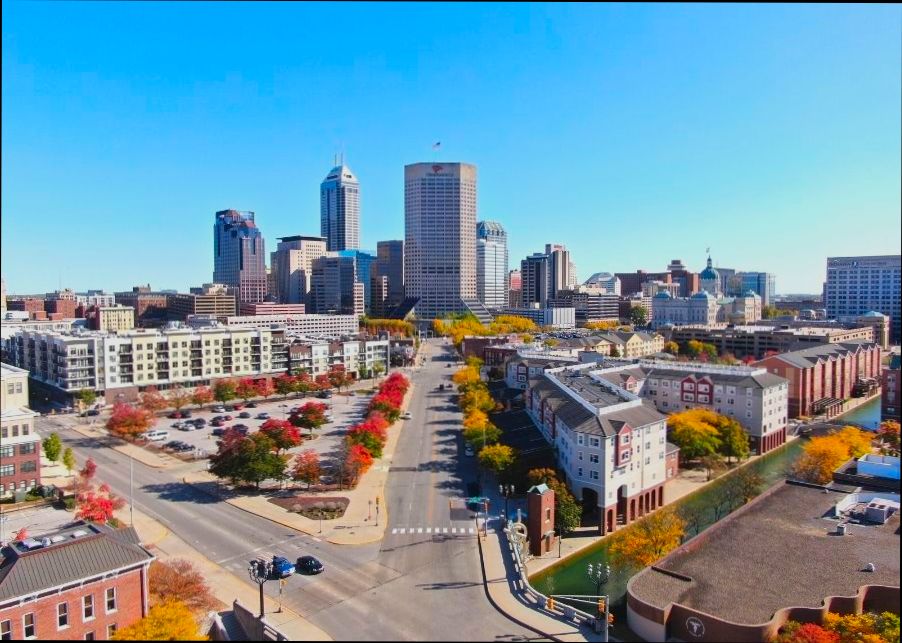
Cultural Attractions and Social Life
Living in Indianapolis means immersing yourself in a vibrant cultural scene and an engaging social life. From world-class museums to energetic festivals, there’s always something happening in the city.
Key Cultural Attractions
Indianapolis boasts a variety of cultural landmarks that cater to a wide range of interests:
- Museums:
- The Indianapolis Museum of Art is one of the largest and oldest museums in the country, housing over 54,000 works of art.
- The Children’s Museum of Indianapolis is the largest children’s museum in the world, offering interactive exhibits that attract over 1.2 million visitors each year.
- Theaters and Performances:
- The Indiana Repertory Theatre and the Phoenix Theatre provide local and national productions, enriching the city’s arts scene.
- The Indianapolis Symphony Orchestra is recognized as one of the top orchestras in the nation, with a diverse concert season.
- Festivals and Events:
- The Indy 500 is not just a race; it’s a cultural phenomenon that attracts over 300,000 spectators annually and sets the city buzzing with excitement.
- The Indianapolis Pride Festival showcases the LGBTQ+ community and celebrates diversity, attracting around 35,000 attendees each year.
Comparative Cultural Attractions Table
| Attraction | Type | Annual Visitors | Notable Feature |
|---|---|---|---|
| Indianapolis Museum of Art | Museum | 500,000 | Extensive collection of artworks |
| Children’s Museum of Indianapolis | Museum | 1,200,000 | Largest children’s museum worldwide |
| Indiana State Museum | Museum | 200,000 | Focus on Indiana’s history and culture |
| Indianapolis Symphony Orchestra | Performing Arts | 300,000 | Renowned conductor and guest artists |
| Indy 500 | Sports/Events | 300,000 | Major international motorsport event |
Real-World Examples
Consider the annual Indianapolis International Film Festival, where filmmakers and cinephiles alike can come together for screenings, workshops, and networking. It’s a great example of how the city fosters a creative environment.
Another gem is First Fridays, an event where local artists and galleries open their doors to the public on the first Friday of each month. This initiative revitalizes the local art scene, encouraging community interaction and support for local artists.
Practical Implications for Residents
If you’re looking for active social engagement, joining local cultural clubs or volunteer organizations can be a great way to meet like-minded individuals. Participating in community events, such as neighborhood art fairs or food truck festivals, can also deepen your connection to Indianapolis and enhance your social circle.
Also, keep an eye out for themed events at local venues or public spaces, which often provide a casual atmosphere to mingle with others who share your interests.
Additional Insights
Engaging in Indianapolis’ rich arts scene not only enhances your social life but also promotes cultural awareness. Exploring different art forms can provide you with new perspectives, fostering personal growth and community cohesion. Embrace the diverse experiences available in the city, and you will find that social life extends far beyond traditional gatherings.
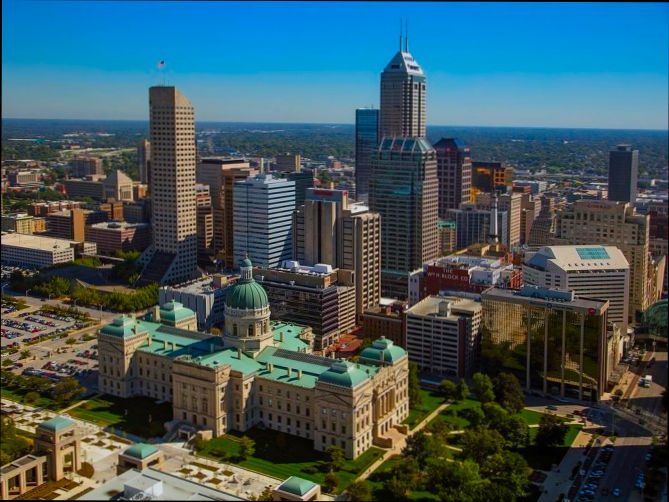
Economic Opportunities in Indianapolis
When considering a move to Indianapolis, understanding the city’s economic landscape is crucial. The economic opportunities here are diverse and rich, providing a variety of options for job seekers and entrepreneurs alike.
Job Market Overview
Indianapolis boasts a robust job market with a current unemployment rate of around 3.5%, which is notably lower than the national average. This indicates a healthy demand for labor across various sectors. The city is known for key industries such as:
- Healthcare: Major employers like Indiana University Health and Ascension St. Vincent provide numerous jobs.
- Manufacturing: Indianapolis has a long-standing history in manufacturing, employing over 100,000 workers in this sector.
- Technology: The tech sector is rapidly growing, with jobs in IT and software development increasing by approximately 5% annually.
Major Economic Sectors
Several key sectors contribute significantly to the economic landscape of Indianapolis:
| Sector | Employment Growth Rate | Major Employers |
|---|---|---|
| Healthcare | 3% | Indiana University Health |
| Education | 2% | Purdue University |
| Manufacturing | 2% | Cummins, Eli Lilly |
| Technology | 5% | Salesforce, Infosys |
| Logistics | 4% | FedEx, Amazon |
Start-Up Ecosystem
Indianapolis has nurtured a vibrant start-up ecosystem, making it a fertile ground for entrepreneurs. Organizations like TechPoint and the Indianapolis Venture Club provide resources and networking opportunities that support new businesses. In the last year, the city has seen a 20% increase in venture capital funding for local start-ups, highlighting a growing interest from investors.
- Notable local start-ups include:
- Pattern89: A marketing AI platform that has raised over $10 million in funding.
- Formstack: A company specializing in workflow management that has experienced rapid growth and expansion.
Economic Development Initiatives
The city government actively promotes economic development through initiatives like the Indianapolis Economic Development Corporation (IEDC). Their efforts focus on attracting new businesses, retaining existing ones, and facilitating workforce training programs. This has led to a 15% increase in business grants awarded to local companies in 2022 alone.
Practical Considerations for Job Seekers
If you are considering relocating for work or looking to advance your career, here are some actionable insights:
- Networking Opportunities: Attend local job fairs and industry conferences frequently held throughout the year, particularly in the tech and healthcare sectors.
- Continuous Learning: Leverage resources like Skillshare or community college programs to upgrade your skills and meet market demands.
- Cost-Effective Living: While job opportunities are plentiful, remember to factor in the cost of living when negotiating salaries or exploring employment offers.
Indianapolis not only offers job stability but also a supportive environment for those looking to innovate and grow within their careers.
Population Trends and Demographics
Understanding the population trends and demographics of Indianapolis can provide valuable insights into life in the city. From shifts in age groups to diversity trends, the population dynamics in this Midwestern hub significantly impact its culture, economy, and community life.
Key Population Statistics
- The U.S. Census Bureau reports that Indianapolis has seen steady growth, with the population estimated at around 887,642 people in 2022.
- Over the past decade, the city’s population has grown approximately 8.5%, reflecting a trend of urban migration and increased job opportunities.
- Approximately 54% of the population identifies as female, while males make up about 46%.
- The racial makeup shows a growing diversity, with around 60% of residents identifying as White, 28% as Black or African American, and 12% as Hispanic or Latino, showcasing Indianapolis’s changing demographic fabric.
Population Age Structure
| Age Group | Percentage (%) |
|---|---|
| Under 18 | 24% |
| 18-24 | 10% |
| 25-34 | 15% |
| 35-54 | 25% |
| 55 and older | 26% |
The age demographics illustrate a balanced distribution, with a significant portion of the population under 18 and a notable share aged 55 and older. This balance suggests a robust community with both youthful energy and experienced maturity.
Real-World Examples
For instance, as part of the broader national trend, Millennials are now the largest adult generation, accounting for many residents in Indianapolis. They are characterized by their higher educational attainment and diversity, contributing to the city’s evolving identity.
The increasing number of Hispanic and Latino populations, which has risen significantly, indicates a cultural shift, with implications for community services, education, and business. This demographic change illustrates the necessity for language support and culturally relevant programs.
Practical Implications
You should consider how these demographic factors affect various aspects of life in Indianapolis, such as:
- Real Estate: The growing population may lead to rising housing demands and affordability issues.
- Job Market: More millennials entering the workforce can stimulate innovation and economic growth.
- Cultural Dynamics: The increasing diversity can enhance cultural events and festivals, enriching community life.
Specific Facts and Actionable Insights
- The city is experiencing greater educational diversity, affecting local schools’ curriculum and community programs.
- As the population ages, healthcare services may evolve to meet the needs of older adults, emphasizing preventive care and community health initiatives.
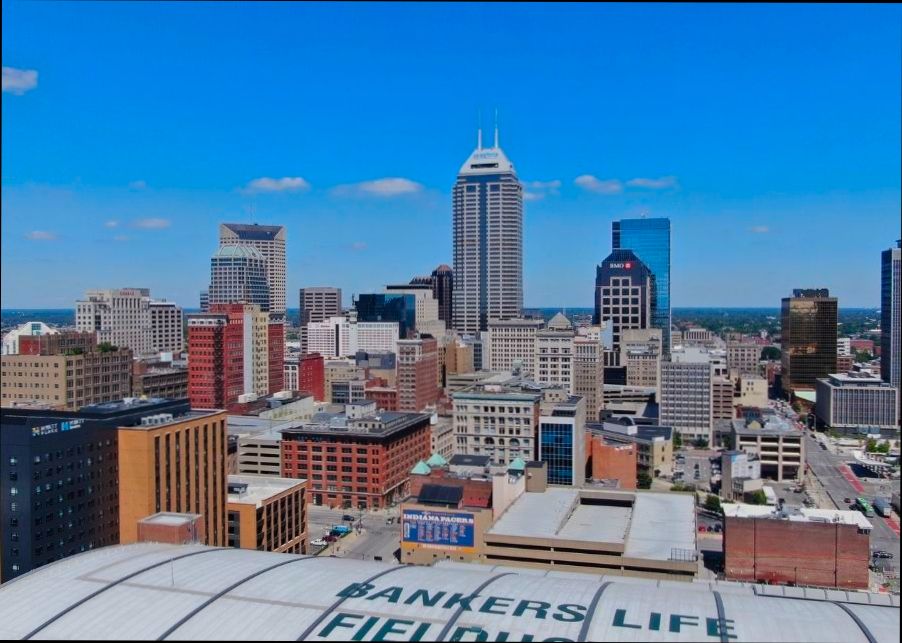
Public Transportation and Commute Insights
When considering Indianapolis for your next home, understanding the public transportation landscape and commuting options is essential. This city offers a variety of transport methods, but it’s worth diving into the specifics to see how they might affect your daily life.
Public Transit Systems
Indianapolis has made strides in enhancing its public transit options. The primary provider, IndyGo, operates a network of bus routes throughout the city, including an extensive range of services that operate both during the day and into the evening. The introduction of the Red Line, a Bus Rapid Transit (BRT) line, has improved travel time along key routes significantly, offering a more reliable option for daily commuters.
- The Red Line covers a distance of 13 miles, connecting multiple neighborhoods and providing access to important landmarks and job hubs.
- Approximately 18% of residents use public transit to commute, which is slightly lower than major metropolitan averages but shows engagement with the system.
Commuting Statistics
In terms of commuting patterns, here’s what you can expect:
- The average commute time in Indianapolis is around 24.5 minutes, aligning closely with national averages. This relatively short commute can be a benefit for those commuting within the city.
- About 9.6% of workers engage in carpools, indicating a community-oriented approach to commuting that could ease traffic pressures and reduce individual transportation costs.
| Commute Mode | Percentage of Workers Using |
|---|---|
| Drive Alone | 73% |
| Public Transit | 18% |
| Carpool | 9.6% |
Real-World Examples
One notable case is the growing usage of the Red Line. Many riders report fewer delays thanks to dedicated bus lanes and quicker boarding processes. There are also various partnerships with local employers to provide incentives for using public transportation, making it more appealing for daily commutes.
In comparison, residents in areas far removed from public transit routes may rely more heavily on personal vehicles, impacting their expenses and travel times. For example, neighborhoods like Fountain Square report higher transit use due to better access to bus stops and connections to downtown.
Practical Implications for Residents
For new residents, here are some considerations for commuting in Indianapolis:
- If you live close to the Red Line or major bus routes, consider using public transit to save on parking and gas.
- For those commuting from suburbs, check the frequency and reliability of bus routes before deciding on a residence.
- Engage in local carpools or rideshare programs to ease the daily grind if you live farther from public transit options.
Key Takeaways
- Expect an average commute time of 24.5 minutes if driving.
- Public transit usage is up to 18%; make the most of it if able to access those routes.
- Utilize existing carpool options if you prefer a more social commute.
Healthcare Access and Quality in the City
When considering healthcare access and quality in Indianapolis, it’s essential to dive into the available facilities, insurance coverage, and general health metrics that impact your well-being. The city offers a mix of advantages and potential challenges depending on where you reside, so let’s explore what you can expect.
One critical aspect is the availability of healthcare facilities. Indianapolis is home to numerous hospitals and clinics, including renowned institutions like Eskenazi Health and Community Health Network. Here are some key points to consider:
- Medically Underserved Areas: Some neighborhoods in Indianapolis experience a shortage of healthcare providers, leaving residents with limited access, particularly for primary care services.
- Health Insurance Coverage: Approximately 92% of residents have health insurance, which is slightly above the national average. This statistic reflects a commitment to improving access for the community, but disparities still exist.
- Quality Ratings: Many hospitals in Indianapolis are recognized for their quality of care, with several facilities rated above average in key performance areas by organizations like the U.S. News & World Report.
| Facility Name | Quality Rating | Specialties |
|---|---|---|
| Indiana University Health | High | Cardiology, Oncology, Pediatrics |
| Eskenazi Health | Above Average | Emergency Services, Mental Health |
| Community Health Network | High | Family Medicine, Women’s Health |
Real-world examples of healthcare excellence in Indianapolis illustrate the strengths of the system. For instance, Indiana University Health recently received accolades for its advanced cardiovascular treatment programs, which cater to a growing population seeking specialized care. Additionally, Eskenazi Health has made significant strides in addressing mental health needs, catering to both urban and underserved communities.
Practical implications for you as a resident include knowing where to find the best care based on your specific needs. Familiarizing yourself with nearby hospitals and their specialties can greatly enhance your healthcare experience. Moreover, it’s beneficial to evaluate your health insurance options, considering plans that offer coverage for a wide range of providers across the city.
If you’re looking for specific healthcare services, consider reaching out to community health organizations that offer programs aimed at assisting those in need. Many facilities also provide sliding scale fees, which can help mitigate costs. By understanding your healthcare options in Indianapolis, you can ensure that you receive the care you need when you need it.