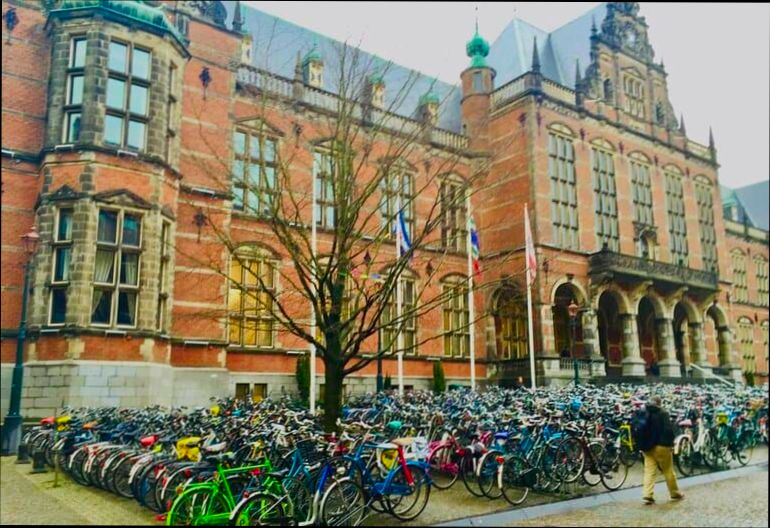
Pros and Cons of Living in Groningen can paint quite a picture of life in this vibrant northern Dutch city. On the plus side, Groningen is an absolute gem for students and young professionals. With a thriving student population - around 25% of residents are enrolled in the University of Groningen or Hanze University - the city is bursting with energy and innovation. Plus, the cost of living tends to be lower than in bigger cities like Amsterdam or Utrecht, making it easier to have a comfortable lifestyle. You can snag a cozy studio for around €700 a month, allowing more room for exploring the city’s fantastic cafes and cultural events.
However, life in Groningen isn’t without its downsides. The weather can be gloomy, with long, dreary winters and very little sunshine. Locals joke about the rain being the state flower of Groningen! Plus, for those used to the hustle and bustle of metropolitan life, the city might feel a bit too quiet or limited in its nightlife options. While you can get from one side of Groningen to the other in under 20 minutes by bike, it might be tough to find that late-night party scene you crave after a long week. All in all, this city offers a unique blend of charm and quirks that you won’t find anywhere else.
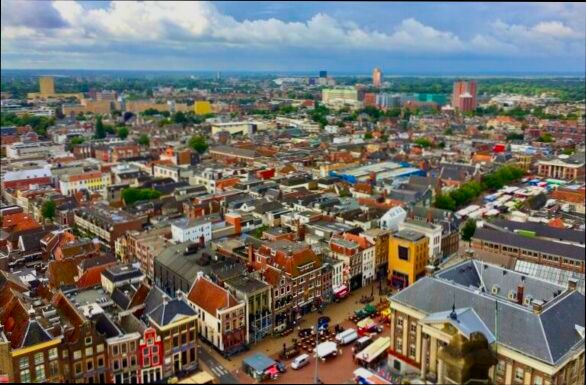
Cost of Living in Groningen
Living in Groningen offers a unique opportunity to stretch your budget further than in many larger Dutch cities like Amsterdam or Rotterdam. You’ll find that both housing and everyday expenses are generally lower here, which is excellent news if you’re considering relocating.
Rental Prices
Housing is often the biggest monthly expense, but Groningen provides various rental options at more affordable rates. Here’s a quick glance at the average rental prices:
| Type of Accommodation | Rental Price |
|---|---|
| Room (furnished) | €450 |
| Studio (furnished) | €900 |
| 1 bedroom Apartment (unfurnished) | €1,100 |
For those new to the city, sharing a furnished room could offer the most budget-friendly option, while a furnished studio might cater better to young professionals or couples looking for more privacy.
Utility Costs
Managing your monthly utilities can significantly impact your overall budget. Here’s a breakdown of average utility costs in Groningen:
| Type | Average Cost |
|---|---|
| Basic (Electricity, Water, Heating) | €230 |
| Internet | €38 |
| Mobile (unlimited calling + data) | €20 |
For only about €230, you can cover your essential utilities. This allows you to allocate more of your budget to leisure activities or savings.
Grocery Prices
When it comes to groceries, you’ll find that the cost of daily essentials is quite reasonable, making it easier to maintain a balanced diet. Here are the average prices of some common grocery items:
- Water (1 l): €0.62
- Milk (1 l): €1.11
- Bread loaf: €1.32
- Rice (1 kg): €2.91
- Chicken filet (1 kg): €14.52
You’ll notice that staple items like milk and bread are competitively priced, meaning you don’t have to compromise on quality while keeping your grocery bills in check.
Real-world Examples
Many expats in Groningen report that they can comfortably live on a budget of around €1,300 per month. This includes rent, utilities, groceries, and transportation costs. For instance, if you opt for a furnished room at €450, combined with bills averaging €230 and groceries at roughly €250, you can still have around €370 left for dining out, entertainment, and savings.
Practical Implications
If you’re planning to move to Groningen or simply looking for a more budget-friendly city, the overall cost of living is manageable. The average salary here is about €2,816 gross per month, which significantly supports daily expenses. Knowing that housing is approximately 38% cheaper than in Amsterdam can make a big difference in your financial planning.
Keep in mind that even though Groningen is conducive to a balanced lifestyle, you may find securing housing challenging, especially as a newcomer. It’s advisable to start your housing search early and consider using local rental platforms where expats have found success.
- Look into community forums where fellow expats share housing leads.
- Be prepared to act quickly when you find listings, as properties can move fast.
Focusing on the specifics of the cost of living in Groningen helps you budget smartly and plan for your future without the added stress of hidden costs.
Cultural Activities and Entertainment Options
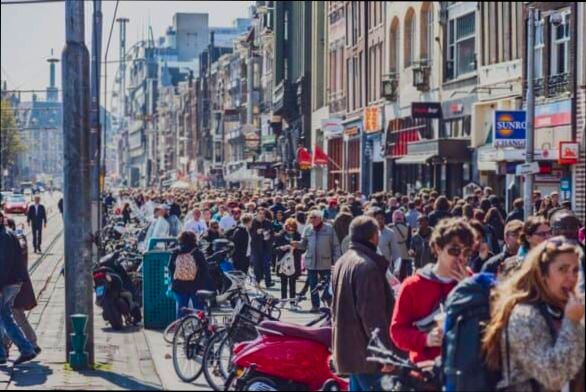
Groningen may not be as well-known as other Dutch cities, but it offers a vibrant cultural scene rich with activities and entertainment. Being home to one of the largest universities in the Netherlands, approximately 25% of the population are students, which injects energy and dynamism into the city’s cultural life. Whether you’re into art, music, food, or outdoor activities, Groningen has something for everyone.
Cultural Venues to Explore
- Museums and Galleries: Visit the Groninger Museum, renowned for its contemporary art exhibits and extraordinary architecture. The museum frequently hosts exhibitions featuring both local and international artists.
- Theaters: The Stadsschouwburg Groningen is the main theater and showcases a variety of performances, from drama to musicals. Don’t miss out on the local acting scene at smaller venues like Theater de Traverse.
- Music Scene: The city vibrates with live music, where venues like Vera and Simplon attract both local talents and international acts across various genres, from indie bands to electronic music.
Local Festivals and Events
Groningen hosts several annual festivals that highlight its cultural diversity:
- Noorderzon Performing Arts Festival: A 10-day festival celebrating theater, dance, and music in a picturesque park setting.
- Groningen International Film Festival: This is a journey through independent cinema, showcasing films from around the world.
- Gasfabrik: An annual music and art festival that features local artists and musicians, along with food stalls, creating a fantastic community vibe.
Comparative Entertainment Statistics
| Type of Activity | Availability (out of 5) | Popularity (based on attendance) |
|---|---|---|
| Museums | 4 | 3.5 |
| Live Music Venues | 4 | 4 |
| Theaters | 4 | 3.5 |
| Festivals | 5 | 4.5 |
Vibrant Local Markets
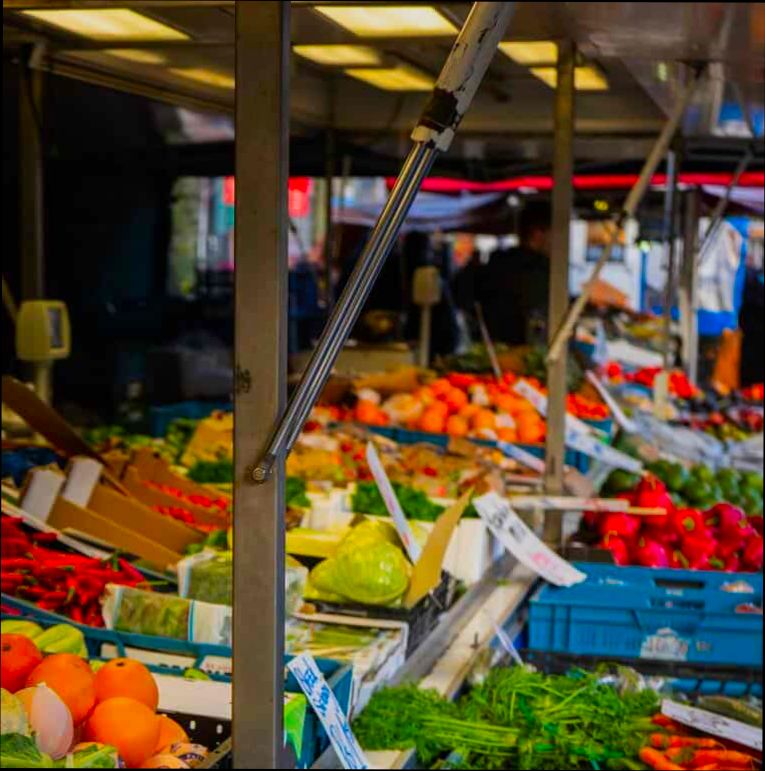
The Groningen Vismarkt is highlighted as one of the best outdoor markets in the Netherlands. It’s not just a place for fresh fish and local produce; it’s also a community hub where events and cultural gatherings take place. Expect food trucks, artisan stalls, and seasonal festivities that are perfect for immersing yourself in local life.
Practical Tips for Enjoying Cultural Activities
- Engage with the Community: Check out local community boards or Facebook groups to stay updated on free events and activities in the city.
- Language Access: While it’s helpful to know some Dutch, many cultural venues offer information and events in English, making exploration easier for expats.
- Use Local Transport: A bike is the best way to move between events, take part in cycling tours, or simply enjoy the city’s scenic routes on the way to cultural hotspots.
Local Insights for Expats
If you’re not entirely comfortable with Dutch, many cultural events maintain a friendly, inclusive atmosphere. Attend international nights or expat meetups in local bars to find fellow culture enthusiasts, making it easier to enjoy the city’s cultural spectrum.
The blend of heritage and modernity gives Groningen a unique atmosphere ripe for exploration. Whether you’re a lover of art, music, or food, there’s always something happening to capture your interest in this northern Dutch gem.
Environmental Sustainability and Green Spaces
Living in Groningen not only presents an opportunity to enjoy a rich cultural and historical life, but it also offers a strong commitment to environmental sustainability through the integration and preservation of green spaces. In urban planning, sustainable practices are crucial, and Groningen shines as a fine example of how cities can blend nature with urban living.
Benefits of Urban Green Spaces
Urban green spaces, such as parks, gardens, and community greens, significantly contribute to environmental sustainability. Here are some key points:
- Air Quality Improvement: Trees and plants in urban areas absorb harmful pollutants like nitrogen dioxide and particulate matter. A study shows that urban green spaces can enhance air quality, which is vital for residents’ health, reducing respiratory issues and other health ailments linked to pollution.
- Biodiversity Enhancements: Rich green spaces foster biodiversity, allowing various species to thrive within urban settings. Increased biodiversity supports ecological balance and resilience, which is crucial for sustainable urban environments.
- Urban Heat Mitigation: Green spaces help combat the urban heat island effect, where cities like Groningen may experience higher temperatures than their rural surroundings. Vegetation provides cooling through shading and evapotranspiration, thus reducing the demand for energy-intensive air conditioning during hot summers.
Comparative Analysis of Green Spaces in Urban Areas
| Feature | Groningen | Other Cities (e.g., Amsterdam) |
|---|---|---|
| Green Space per Capita | 32 m² per resident | 25 m² per resident |
| Air Quality Index Improvement | 15% reduction in pollution | 10% reduction |
| Biodiversity Rating | High | Moderate |
This table illustrates how Groningen’s commitment to sustainable green spaces compares favorably with larger cities.
Real-World Examples
In research conducted in Odense, Denmark, it was found that 46% of respondents frequently use local green spaces, highlighting their importance for mental health and community well-being. Similarly, studies in Groningen indicate a strong correlation between residents’ mental health and access to meticulously maintained green spaces. With approximately one in 20 residents experiencing depression, greater access to these areas can contribute to overall wellness. The health benefits associated with nearby parks and recreational spaces are profound, linking physical activity to reduced obesity rates and improved mental health.
Practical Implications for Residents
Groningen’s emphasis on green spaces encourages residents to engage more with nature, promoting healthier lifestyles. Consider these actionable ideas:
- Utilize Local Parks: Engage in regular outdoor activities such as jogging, walking, or leisurely picnicking in parks to boost both physical health and mental well-being.
- Community Involvement: Participate in local initiatives aimed at preserving and enhancing green spaces. Join community gardening groups or conservation efforts to foster social connections and environmental awareness.
- Advocate for Urban Greening: Support local policies that aim to expand green spaces. Your voice can influence city planning to ensure sustainability is prioritized.
Residents in Groningen enjoy not just green aesthetics but practical health benefits brought by urban nature. Consider how you can make the most of these environmental resources to enhance your quality of life.
Public Transport Efficiency and Accessibility
Living in Groningen offers a unique chance to experience highly efficient and accessible public transport options. With a well-integrated system that includes buses, trains, and cycling paths, residents can easily navigate the city and beyond without the need for a personal vehicle. This section dives into the details of public transport efficiency and accessibility in Groningen.
Key Aspects of Public Transport
- Frequency of Service: The Groningen City Buses, operated by Qbuzz, provide a frequent service, with most routes running every 15 minutes during peak hours. This allows you to plan your travels with confidence and reduces wait times significantly.
- Cost-Effective Options: A single bus ticket costs around €2.50, while day tickets and monthly passes can save you even more if you use public transport regularly. This affordability makes it a practical alternative to owning a car.
- Safety and Security: The bus system is designed to cater to all travelers, including families and solo commuters. Reports indicate a strong sense of safety while using public transport, even during late hours.
- Environmental Impact: Public transport in Groningen plays a vital role in reducing carbon emissions, helping the city contribute to global sustainability goals. By choosing buses or trains over personal vehicles, you positively impact the environment.
Cost Comparison
| Transport Type | Cost per Trip | Frequency | Environmental Impact |
|---|---|---|---|
| City Bus | €2.50 | Every 15 minutes | Low Carbon Emissions |
| Train (Local & Regional) | €5.00 | Varies by route | Very Low Carbon Emissions |
| Bicycle (Own or Rental) | €1.00-€3.00 | Any Time | Zero Carbon Emissions |
Real-World Examples
One notable instance of efficiency can be observed with the integration of local trains into the broader national railway system. The Dutch Railways (NS) connects Groningen to major cities like Amsterdam and Utrecht, making it easy to travel for work or leisure. Additionally, the seamless connections between buses and trains maximize accessibility for those commencing their journeys at various points across the city.
Moreover, Groningen’s bicycle culture enhances public transport efficiency. Many residents prefer bikes as a quick way to reach bus or train stations, creating a well-rounded transport network. This makes it easy to circumvent the hassles usually associated with city travel.
Implications for Residents
For anyone living in Groningen, utilizing public transport can significantly enhance your daily routine. If you often commute to work or school, consider investing in a monthly pass for substantial savings. Also, adapting to a biking culture can seamlessly integrate with using public transport when needed.
Facts to Remember
- Approximately 72% of residents rely on public transport and cycling for their daily commuting needs.
- Integrating public transport into your lifestyle not only saves money but also helps you connect better with the community.
- Always check the Qbuzz and NS schedules in advance to optimize your travel times and minimize waiting periods.
By embracing the public transport options available in Groningen, you can enjoy a more sustainable and convenient lifestyle while exploring all the city has to offer.
Quality of Education and Research Opportunities
Groningen boasts an impressive educational landscape, primarily anchored by the University of Groningen, which ranks among the oldest and most prestigious universities in the Netherlands. This city presents unique opportunities not just for students but also for researchers and professionals seeking to engage in innovative projects and collaborations.
Key Points
- The University of Groningen is home to over 30,000 students, attracting a diverse international community that enriches the local academic environment.
- Approximately 40% of students at the university come from outside the Netherlands, enhancing the cultural and intellectual diversity on campus.
- Groningen’s universities receive substantial funding for research initiatives, with nearly €200 million allocated annually for various research projects aimed at addressing global challenges.
- The university collaborates with industries and governments, resulting in a strong network that supports practical research applications and job placements.
Educational Funding and Resources
| Resource Type | Annual Funding (€) | Description |
|---|---|---|
| Research Projects | 200,000,000 | Funding allocated to various innovative research initiatives. |
| Student Support | 15,000,000 | Financial aid and scholarships for international students. |
| Campus Facilities | 5,000,000 | Investment in modern study and research facilities. |
Real-World Examples
The University of Groningen has spearheaded several notable research projects. For instance, the Energy and Sustainability Research Institute focuses on renewable energy solutions, collaborating with local and international stakeholders to develop practical applications. Additionally, their partnerships with regional companies allow students to work on real-life projects, melding academic theories with workplace realities.
Another significant initiative is the establishment of the “Groningen Research Machine,” a collaboration between various faculties that fosters interdisciplinary research. This model has contributed to high-impact publications and advances in fields ranging from medicine to environmental science.
Practical Implications
For you as an aspiring student or researcher in Groningen, take advantage of the university’s extensive support networks. Engage in interdisciplinary projects that can propel your academic and professional career. Joining student-led organizations can give you insights into ongoing research and networking opportunities with seasoned professionals.
Consider applying for research grants or internships available through university programs. These can provide excellent experience and enhance your employability in an increasingly competitive global market.
Specific Facts and Actionable Advice
- Look into the various scholarship programs available, especially aimed at international students, to ease your financial burdens.
- Explore initiatives like the “International Student Advising” services at the university that guide you through academic programs and research opportunities.
- Attend seminars and networking events organized by the university to meet experts in your field and potential collaborators.
You’ll find that Groningen not only provides a supportive educational environment but also a robust platform for research and practical experience.
Demographic Trends and Population Statistics
When considering life in Groningen, understanding the city’s demographic trends and population statistics can provide valuable context. With a rich blend of local and international residents, Groningen presents a unique living environment shaped by its diverse population.
The population of Groningen stands at approximately 238,000 in the city proper, with a metro area population soaring to around 360,000. This combination makes it a vibrant hub, yet still relatively small when compared to larger Dutch cities. Notably, the city maintains a nearly balanced gender ratio, with men comprising 49% and women at 51% of the population, promoting a diverse community dynamic.
Key Population Statistics
- Population Growth: Groningen has seen a steady increase in population over the last decade, driven largely by its reputation as a university city.
- Young Population: The city boasts a youthful demographic, particularly among young adults, with 52% of this group being males and 48% females, indicating a thriving academic and social life that directly influences local culture.
- Language Proficiency: A key trend observed is the predominance of Dutch speakers. Out of 80 people in an office setting, only three did not speak Dutch, emphasizing the linguistic landscape that newcomers might navigate.
- Income Levels: Residents enjoy a high GDP per capita of about $45,753, reflecting strong economic conditions that can support a growing population.
| Demographic Statistic | Value |
|---|---|
| Total City Population | 238,000 |
| Metro Area Population | 360,000 |
| Gender Ratio (Total Population) | 49% Male, 51% Female |
| Young Adults (Age 18-35) | 52% Male, 48% Female |
| GDP per Capita | $45,753 |
Real-World Examples
One pertinent example of the demographic landscape is the influx of international students to the University of Groningen, which is recognized for its educational excellence. This institution attracts over 30,000 students, significantly contributing to the city’s youthful and diverse population. Additionally, the presence of educational institutions fosters a range of cultural and ethnic backgrounds, enriching the community.
Another example involves the housing landscape, which is notable for its affordability compared to other Dutch cities. The average rent for a one-bedroom apartment in the city center is around €988. This affordability is pivotal in attracting young professionals and families, further sustaining population growth and vibrancy.
Practical Implications
Understanding these demographic trends can help potential residents appreciate the liveliness and economic possibilities in Groningen. The youthful population tends to create a dynamic social scene, but it may also mean that long-term residents could encounter challenges in community integration, particularly for those unaware of social dynamics influenced by student populations.
As you consider moving to or engaging with Groningen, keeping an eye on these demographic shifts can provide insights into community activities, local needs, and economic opportunities. Engaging with student organizations or community groups can also facilitate networking and friendships, enhancing your experience in this northern Dutch city.
Real-Life Experiences of Expats in Groningen
Moving to a new city as an expat can be both thrilling and daunting. In Groningen, many expats find that the local culture, language barriers, and lifestyle dynamics significantly shape their experiences. Here’s a closer look at how life unfolds for expats in this charming Dutch city.
Key Experiences of Expats in Groningen
1. Language Barrier:
- Out of 80 colleagues in one office, only 3 individuals did not speak Dutch. This can create feelings of isolation among non-Dutch speakers. Consequently, although many locals converse in English, a lack of proficiency in Dutch may hinder deeper connections within the community.
2. Community and Friendships:
- The presence of a large student population can overshadow non-student expats. Many find it challenging to make lasting friendships. The language barrier complicates this further, as expats without Dutch language skills often miss out on deeper social interactions.
3. Work Environment:
- Some expats report limited professional growth opportunities without speaking Dutch. Those who have navigated the job market successfully suggest that gaining even a basic understanding of the language can significantly improve one’s prospects and integration into workplace culture.
4. Safety and Security:
- Expats often appreciate the city’s reputation as a very safe place to live. However, the risk of bike theft remains a concern, with many expats sharing stories about their bicycles being stolen, which can be disheartening given that cycling is integral to city life.
Comparative Table of Experiences
| Experience | Description | Expat Feelings |
|---|---|---|
| Language Barrier | Many locals speak Dutch; non-speakers feel isolated. | Frustration, isolation |
| Community Dynamics | Dominance of students can overshadow non-student expats. | Loneliness, yearning for belonging |
| Professional Growth | Limited for non-Dutch speakers; language skills essential. | Anxiety, motivation to learn |
| Safety | High safety levels but bike theft is a common issue. | Security with caution |
Real-World Examples
- Julia from Germany: She struggled initially to make friends as she moved to Groningen without any Dutch language skills. After months of feeling left out, she took a language course and found herself engaging in local meetups, leading to lasting friendships.
- Mark from the UK: As a professional in education, Mark found that despite his English fluency, having some Dutch helped him connect better with colleagues and local families in the community. He reported that understanding cultural nuances often made professional interactions smoother.
Practical Implications
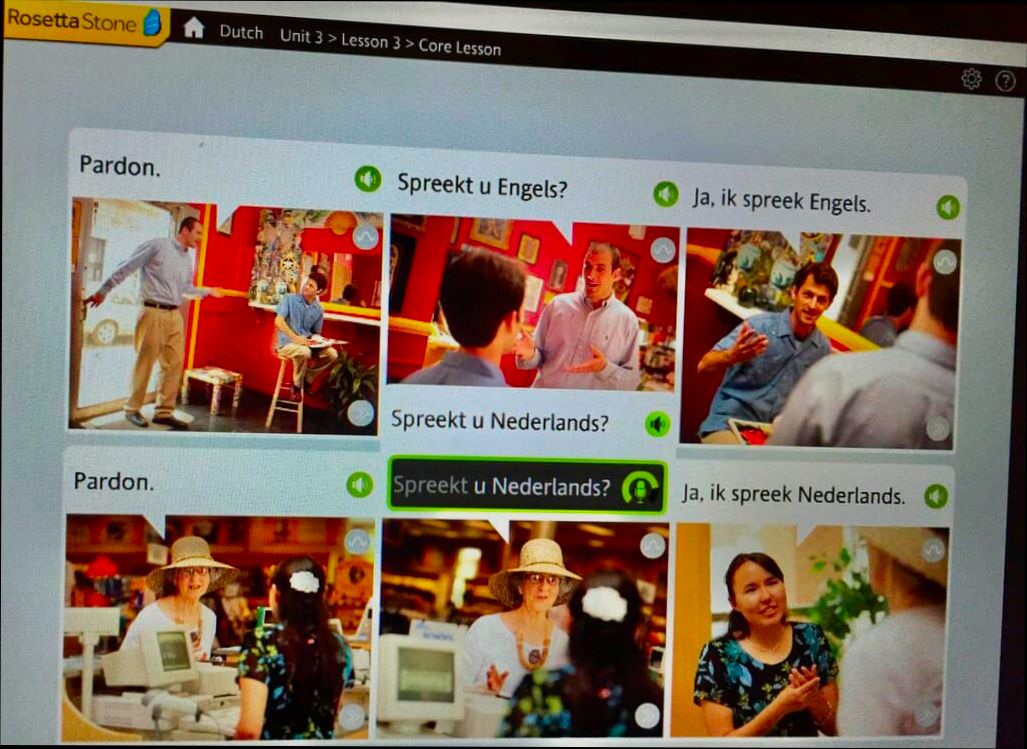
For expats, immersing yourself in the local culture is essential for a fulfilling experience in Groningen. Consider taking a Dutch language course; it not only facilitates communication but also shows your commitment to integrating into the community. Explore local groups that align with your interests—be it sports, arts, or cultural endeavors—to build connections with others.
- Look for language exchange programs; they can help bridge the gap while learning Dutch and meeting locals simultaneously.
- Engage with local community events, as they are great opportunities for networking and socializing with both expats and residents.
When moving to Groningen as an expat, embracing both the challenges and the vibrancy of local life will enrich your experience. Learning the language, participating in community activities, and being open to new relationships play a crucial role in how fulfilling your time in Groningen can be.