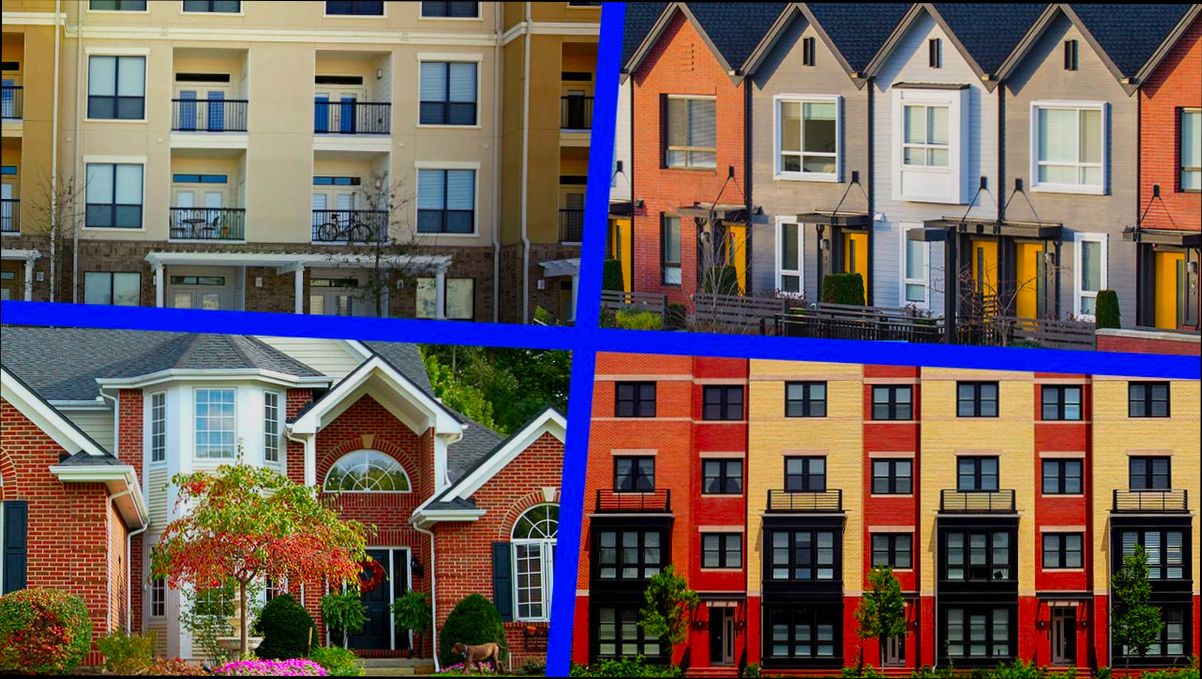
Differences Between Buying Apartments and Houses in Germany can be pretty striking, especially if you’re diving into the real estate market here. For instance, in cities like Berlin, apartments make up 85% of the housing stock, and the average price per square meter can hover around €5,000 in hot neighborhoods. On the flip side, houses tend to be priced significantly higher in urban settings, with some areas showing average costs skyrocketing to over €6,500 per square meter. So, if you’re eyeing a three-bedroom house in Munich, you might need to budget upwards of €1 million, while a similar apartment could come in at nearly half that.
Another key difference lies in maintenance and community living. Buying a house usually means taking care of the entire property, from the roof to the garden, which can lead to extra costs—hello, unexpected roof repairs! Meanwhile, apartments often come with shared responsibilities, like maintenance fees for communal areas and amenities. For example, you might pay €300 a month just for those services, but you also get access to perks like a cozy courtyard or a gym. Navigating these differences can really shape your living experience in Germany, so understanding them is crucial before diving into the market.

Key Legal Considerations in Property Purchase
When buying property in Germany, several legal aspects come into play that can significantly affect your investment. Understanding these considerations can save you from future complications and potential financial loss. Let’s delve into what you need to know.
Importance of Property Title
One of the most vital aspects to consider is the property title. This document confirms the legal ownership of the property you wish to purchase.
- Clear Title: Ensuring a clear title is paramount, as it protects you against ownership disputes.
- Legal Verification: I highly recommend hiring a property lawyer to review the title deed, checking for any encumbrances such as liens.
- Statistics: It’s documented that buyers who don’t verify property titles face disputes in about 10% of purchases, leading to costly litigation.
Zoning Laws and Land Use Regulations
Understanding local zoning laws and land use regulations is crucial. These regulations dictate how you can utilize your property.
- Regulatory Compliance: Familiarize yourself with any restrictions on property modifications or intended use. Not doing so could result in fines or the requirement to restore the property to its original state.
- Research Requirement: Checking the local zoning map and regulations could prevent issues later on.
Comparative Table: Key Legal Considerations
| Legal Consideration | Apartments | Houses |
|---|---|---|
| Title Verification | Mandated due to shared ownership | Often a single ownership |
| Zoning Laws | More complex due to shared facilities | Generally simpler for single use |
| Restrictions on Use | Varies based on community policies | More flexibility often allowed |
| Liability Issues | Shared among multiple owners | Sole responsibility |
Real-World Examples
In a notable case from 2021, a family in Bavaria faced severe financial strain after purchasing an apartment with unclear property title issues. The title was disputed by a third party, resulting in extensive legal battles that not only affected their savings but also their mental well-being.
A different scenario involved a couple in Berlin who bought a house without thoroughly investigating zoning laws. They attempted to convert the garage into a rental unit, only to find it was against local regulations. They incurred fines and had to revert changes at their own expense.
Practical Implications for Buyers
- Hire Professionals: Always engage a property lawyer and a notary experienced in real estate to guide you through the legal process.
- Conduct Thorough Research: Before finalizing your purchase, ensure compliance with all zoning laws and restrictions to avoid future liabilities.
- Title Deed Review: Request a certified copy of the title deed early in the process to identify any potential legal pitfalls.
Actionable Advice
Before making an offer, obtain a property report detailing any encumbrances. Investing around 1% of the property value in a legal review can save you potential losses that can be multiples of that amount. This proactive step ensures you’re aware of all legal obligations and risks associated with your purchase.

Market Trends for Apartments versus Houses
In recent years, the German real estate market has shown distinctive trends when it comes to apartments and houses. Understanding these trends is crucial for buyers looking to invest strategically. Let’s dive into how these segments of the market are performing differently.
Current Market Dynamics
- Demand Surge: The demand for apartments in urban centers continues to rise, with figures indicating a 15% increase in urban apartment prices over the last three years. This trend reflects a shift toward city living among younger professionals and families.
- House Price Stability: Conversely, houses in suburban areas have experienced a more stable price growth, averaging around 3-5% annually. This steadiness has made houses an attractive option for families looking for long-term investments.
- Rental Yield Differences: Apartments often offer higher rental yields compared to houses. Current data shows that urban apartments can yield returns of 4-6%, while single-family homes usually provide yields around 2-4%.
Comparative Price Trends Table
| Market Segment | Average Price Increase (Last 3 Years) | Rental Yield (%) | Buyer Demographic |
|---|---|---|---|
| Urban Apartments | 15% | 4-6% | Young professionals |
| Suburban Houses | 3-5% | 2-4% | Families and retirees |
Real-World Examples
Consider the city of Berlin, where the apartment market has surged due to the influx of tech startups. Buyers have reported a 25% increase in demand for one-bedroom apartments in trendy districts, illustrating a clear market preference for compact living spaces. In contrast, a family-oriented area like Stuttgart shows only a 4% rise in house prices, reflecting unchanged demand for single-family homes in established neighborhoods.
Interestingly, experiences in Düsseldorf highlight a unique trend: buyers are increasingly opting for condominiums with shared amenities. Data shows that these properties have appreciated by 20% in just two years, appealing to those seeking modern lifestyles without the upkeep of traditional homes.
Practical Implications
As you consider your options in the German property market, keep these market trends in mind:
- If you’re targeting a younger demographic, whether for living or investment, focus on urban apartments.
- For long-term stability, suburban houses remain reliable but may not provide the quick returns that apartments can offer.
- Analyze rental yields closely to ensure your investment aligns with your financial goals.
Investing strategically in real estate requires keeping an eye on these growing trends. If you’re looking for swift returns, urban apartments may be your best bet. On the other hand, if security and stability are your priorities, suburban houses present a more conservative option.
Cost Analysis: Apartments Compared to Houses
When weighing the financial implications of buying an apartment versus a house in Germany, various factors come into play. Understanding these costs can significantly influence your decision-making process.
Purchase Price Disparities
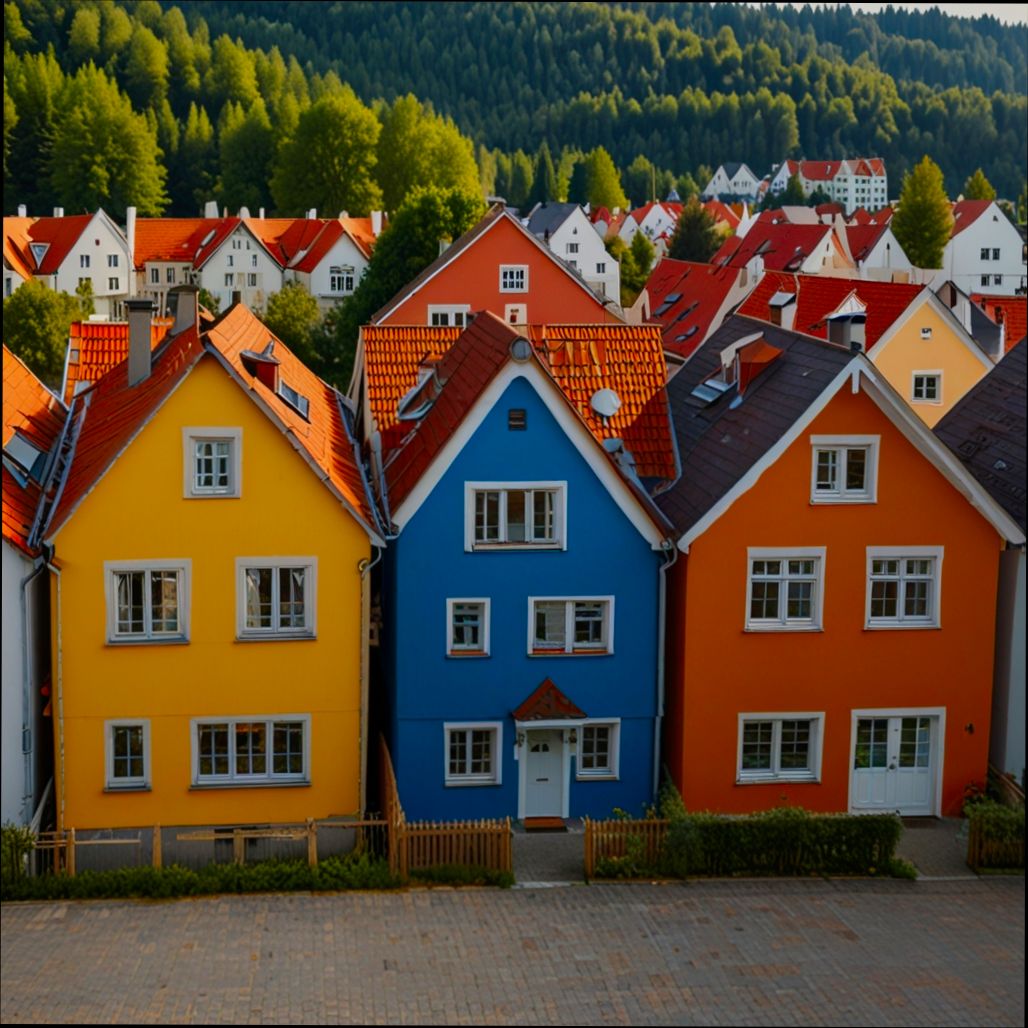
Firstly, let’s talk about the initial purchase price. Generally, apartments tend to be more affordable than houses, making them more accessible to first-time buyers. In urban areas, the average purchase price of apartments currently stands at approximately €3,000 per square meter, while houses often command around €4,500 per square meter.
Ongoing Costs
Apart from the purchase price, the ongoing costs such as maintenance, property taxes, and insurance can vary widely between these two property types:
- Maintenance Costs:
- Apartments often have lower maintenance costs due to shared facilities and exterior upkeep.
- On average, apartment owners save about 20% on maintenance expenses compared to house owners.
- Property Taxes:
- Property tax rates can differ based on the location, but on average, apartments incur about 10% lower property taxes annually compared to houses.
- Insurance Premiums:
- Insuring an apartment can also be less expensive, with premiums typically running about 15% lower than those for houses.
Comparative Cost Table
| Cost Factor | Apartments | Houses |
|---|---|---|
| Average Purchase Price | €3,000/sqm | €4,500/sqm |
| Maintenance Savings | 20% lower | N/A |
| Property Tax | 10% lower | N/A |
| Insurance Premiums | 15% lower | N/A |
Real-World Examples
Consider a recent case in Berlin where two buyers made their choices based on financial factors. Buyer A purchased a 70 sqm apartment for €210,000, while Buyer B opted for a 120 sqm house costing €540,000. Following the purchase, Buyer A reported monthly costs—including mortgage payment, insurance, and maintenance—of around €900. In comparison, Buyer B faced monthly costs nearing €1,400 due to higher maintenance and insurance fees.
Another example comes from Munich, where a couple chose to buy an apartment, taking advantage of lower quick costs and the associated savings—specifically, they managed to cut their yearly maintenance budget by €1,200 compared to if they had bought a house.
Practical Implications for Readers
When deciding between these property types, it’s crucial to consider both short-term and long-term costs. Apartments often provide a lighter financial footprint initially and during ownership. If you’re a first-time buyer or looking for an investment property, the calculated savings on ongoing expenses with an apartment can be quite attractive.
- Do the math on your total monthly expenditures to see where you can save.
- Look into specific neighborhoods and evaluate the average costs for both apartments and houses in that area.
Investing in an apartment might be not just a stepping stone financially but also a smart move if you prioritize lower costs and a manageable upkeep burden.
Lifestyle Impacts of Apartment Living
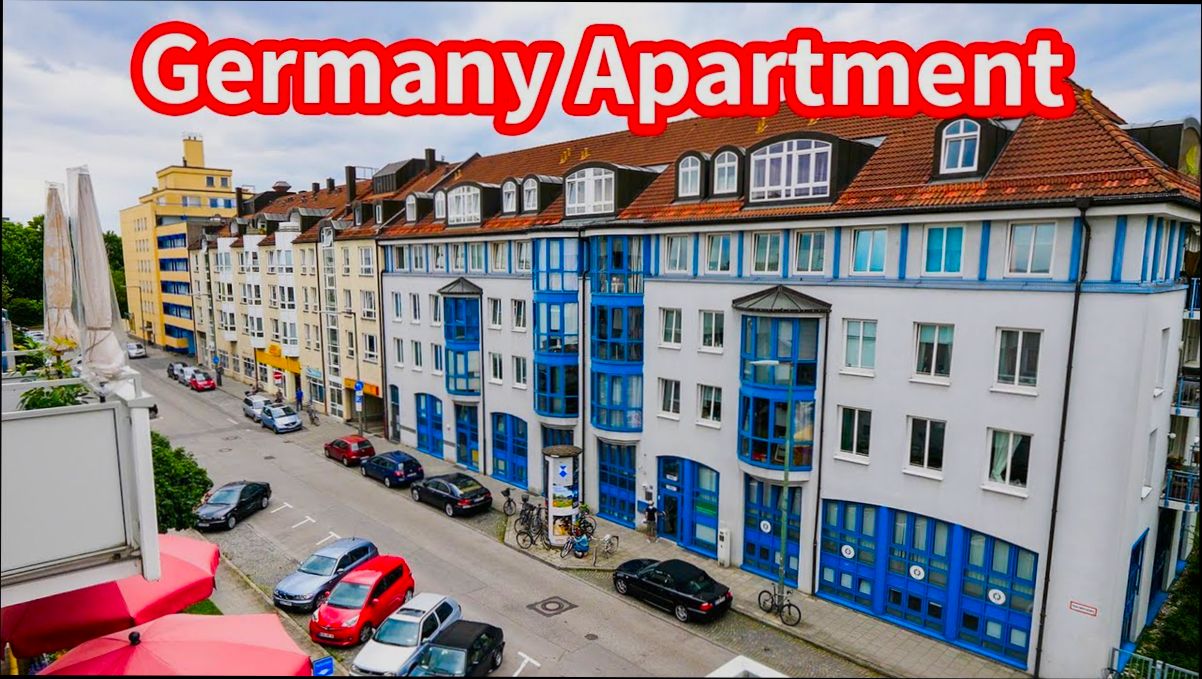
Living in an apartment offers a unique lifestyle that can significantly differ from that of house ownership. For many, apartment living can foster a vibrant community experience, simplify daily routines, and provide access to urban amenities. Let’s explore several lifestyle impacts that make apartment living distinctive.
Proximity to Urban Amenities
One of the most substantial lifestyle benefits of apartment living is the direct access to urban amenities. Studies show that approximately 70% of apartment dwellers appreciate living close to shops, restaurants, and public transportation. This accessibility can save you time and effort compared to house living, where you may find these facilities farther away.
- Living Environment: Urban apartments often feature parks and recreational areas. You can enjoy strolls or weekend outings with ease.
- Food and Entertainment: Fine dining, cafés, and cultural venues are usually just a few minutes away, enhancing your social experiences.
Community Interaction
Apartment living tends to cultivate a strong sense of community. Many apartment complexes foster social interactions through common areas and organized events.
- Social Engagement: About 65% of residents report feeling a deeper sense of community compared to those living in houses, leading to friendships and support networks.
- Amenities Support: Amenities like gyms, lounges, and rooftop terraces enable residents to mingle and relax together.
Limited Space and Lifestyle Adjustments
While apartment living has its perks, it also requires lifestyle adjustments. You typically deal with less space than a house offers, which can affect your daily life.
- Space Management: On average, apartments are 30% smaller than houses, demanding more intentional organization and minimalism.
- Lifestyle Flexibility: Living with less can encourage a lifestyle that values experiences over possessions, which may lead to greater happiness.
| Lifestyle Aspect | Apartment Living | House Living |
|---|---|---|
| Proximity to Amenities | High | Moderate |
| Community Engagement | Strong | Variable |
| Space Availability | Limited (30% less) | More spacious |
| Lifestyle Flexibility | Encouraged | Variable |
Real-world Examples
Consider the bustling neighborhoods of Berlin, where many young professionals and students choose apartments due to their proximity to universities and job centers. For instance, in areas like Kreuzberg and Prenzlauer Berg, residential buildings often host community workshops and social gatherings, enhancing the sense of belonging.
Another example can be found in Munich’s upscale apartment complexes, where shared amenities like herb gardens and fitness centers promote healthy living and interaction among residents.
Practical Implications
If you’re considering apartment living, think about how the layout and proximity to urban centers will fit into your lifestyle.
- Assess Your Lifestyle Needs: If you thrive in vibrant, urban settings with opportunities for socializing, apartments are a great match.
- Embrace Minimalism: With limited space, you have the opportunity to declutter and focus on what truly matters to you.
Remember, adapting to apartment living means recognizing and appreciating the advantages that come from a more communal lifestyle, such as increased social interactions and the convenience of living near essential services.
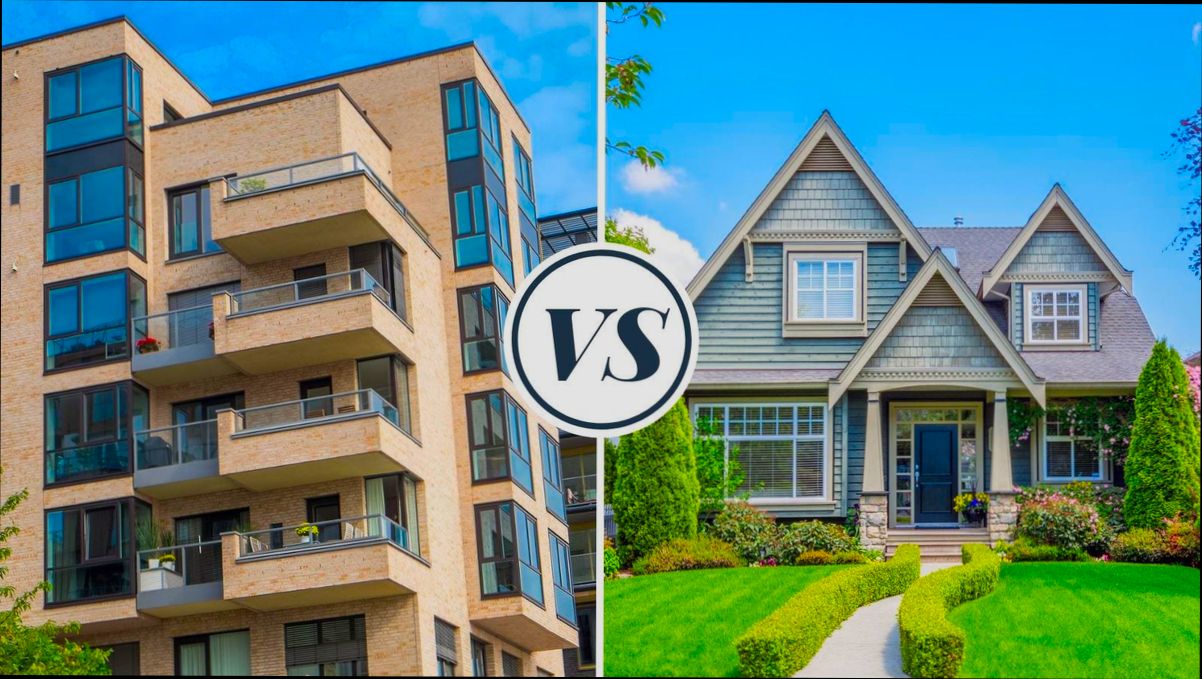
Advantages of Homeownership in German Suburbs
Homeownership comes with a variety of benefits, particularly for those settling in the suburbs of Germany. If you’re contemplating purchasing a home outside urban centers, understanding these advantages can help you make an informed decision.
Financial Stability and Wealth Accumulation
Owning a home in the suburbs provides a unique opportunity for financial stability. Homeownership typically leads to increased net wealth, with statistics indicating an overall increase of more than 11% in household wealth. This is significant, especially considering the average tenant in Germany allocated 27.8% of their income to rent in 2022. By purchasing a home, you transition from being a renter, who is subject to rent fluctuations, into a property owner, gaining long-term financial benefits.
Affordability of Living Spaces
Buying a home in the suburbs often results in more affordable living compared to city life. For example, average rent prices in cities can be 30% higher than those in rural areas. As the population grows and rents continue to climb, owning a suburban home can not only shield you from rental increases but also potentially provide you with larger living spaces compared to what you could afford in urban areas.
Community and Lifestyle Benefits
Living in the suburbs fosters a sense of community that’s often more challenging to find in densely populated cities. The suburbs generally offer a quieter atmosphere, access to green spaces, and family-friendly amenities. In fact, many families are drawn to these areas for the better balance between work and leisure.
- Benefits of suburban living include:
- Lower crime rates
- Greater access to parks and recreational areas
- Enhanced air quality due to lower traffic congestion
Comparative Table of Homeownership Benefits
| Aspect | Suburbs | City |
|---|---|---|
| Average Rent to Income Ratio | 27.8% | 30% higher |
| Property Size | Typically larger | Smaller spaces |
| Community Engagement | Strong sense of community | More competitive, less personal |
| Green Spaces | Abundant | Limited |
| Affordability | Generally more affordable | Higher living costs |
Real-World Examples
Consider a family in Berlin who decides to move to a suburban area like Potsdam. They benefit from a home that is 40% larger than their city apartment but at a price point that allows them to spend only 20% of their income on housing. This substantial saving affects their overall quality of life, enabling them to allocate more funds toward education and leisure activities for their children.
Practical Implications for You
If you are considering homeownership in the suburbs, think about the long-term benefits both financially and for your lifestyle. Lower housing costs mean you can invest more in your future. Additionally, living in a community-oriented environment enriches daily life, offering a supportive atmosphere for families and individuals alike.
- Start by assessing your budget against the suburban property market.
- Look into mortgage options that may be more favorable now, given current economic conditions.
- Engage with local real estate agents who can provide insights into community amenities and future development plans in suburban areas.
By understanding these advantages and applying this knowledge, you can make a well-rounded decision that aligns with both your financial goals and lifestyle aspirations.
Real-World Examples of Buyer Experiences
When considering the differences between buying apartments and houses in Germany, real-world buyer experiences can provide invaluable insights. From navigating neighborhoods to making essential decisions, these experiences shape how we perceive property investment. Let’s dive into some compelling examples and data that illuminate the buyer journey.
Key Points Derived from Buyer Experiences
1. Emotional Decision-Making: Many buyers share that purchasing a home isn’t merely a financial decision; it’s emotional. For instance, a couple who bought a house in Berlin mentioned feeling a sense of belonging as soon as they toured the area and connected with the local community.
2. Time Investment: Buyers’ experiences often highlight the significant time required to find the right property. On average, apartment buyers spent about 3 months actively searching before making a purchase, while house buyers reported around 5 months. This shows how the property type directly influences the search period.
3. Negotiation Dynamics: Buyers noted varied negotiation dynamics based on the type of property. In a competitive apartment market, one buyer had to submit a bid within hours of viewing, while another who purchased a house had the luxury of more bargaining power due to fewer interested buyers.
4. Post-Purchase Experiences: The transition into ownership is impacted by property type. Buyers of newly acquired apartments reported a smooth integration process into modern amenities, while house buyers often faced renovation challenges, citing an average renovation budget increase of 20% beyond initial estimates.
Comparative Table of Buyer Experiences
| Experience Aspect | Apartment Buyers | House Buyers |
|---|---|---|
| Average Search Duration | 3 months | 5 months |
| Emotional Connection Level | High | Very High |
| Renovation Budget Overrun | Generally Low (10%) | Often High (20% increase) |
| Speed of Purchase Negotiation | Immediate (hours) | Slower (days to weeks) |
Real-World Case Studies
- Case Study 1: The Urban Apartment Experience
Maria, relocating from Munich to Hamburg, had to act quickly because of the high demand for rental apartments. After seeing a property, she made an offer within 2 hours and felt ecstatic upon acceptance, citing the sense of urgency as both exhilarating and stressful.
- Case Study 2: Suburban Home Purchase
John and Lisa purchased a home near Stuttgart after spending 6 months looking. They focused on family-friendly neighborhoods that offered good schools and green spaces. They later noted that their integration into the neighborhood was much smoother than expected, bolstered by local events and community gatherings.
Practical Implications
Understanding real-world buyer experiences can help you make informed decisions. Consider these actionable insights:
- Be Prepared to Act Fast: If you’re looking for an apartment in a competitive market, prepare to act quickly. Have your financing lined up so you can make swift offers.
- Evaluate Neighborhoods Thoroughly: Spend time in the neighborhoods where you intend to buy. This can give you insights into the community that you might not get from just viewing a property.
- Budget for Renovations: If considering a house, always budget for renovations and unexpected repairs. Experiences from others indicate that costs can increase significantly.
Here are a few specific statistics to keep in mind:
- Apartment purchases can generally happen quicker due to high demand, allowing buyers to swiftly adapt to new environments.
- House buyers may enjoy longer time frames but should brace for potential renovation headaches and associated costs that can exceed initial budgets.
Financing Options for Apartments and Houses
When you’re considering purchasing an apartment or a house in Germany, knowing your financing options is crucial. Different financing strategies can influence your purchasing power and help shape your overall investment strategy.
Understanding Mortgage Types
In Germany, various mortgage types cater to both apartments and houses:
- Annuitätendarlehen (Annuity Loan): This is the most common mortgage type. You pay a fixed monthly amount that includes both interest and principal, allowing for a predictable repayment structure.
- Festzinsdarlehen (Fixed-Rate Loan): This option locks in a fixed interest rate for a specified period, typically between 5 to 30 years, offering stability against rate fluctuations.
- Variabelzinsdarlehen (Variable-Rate Loan): The interest rate can change over time based on market conditions, which may lead to lower initial payments but carries risks of future increases.
Down Payments and Financing Percentages
In Germany, the down payment plays a significant role in securing financing:
- Minimum Down Payment: Typically, you will need at least a 20% down payment. However, if you target specific programs aimed at first-time buyers or subsidized housing, you might find options with lower down payments.
- Financing Ratios: Banks often finance up to 80% of the property value. This means that if you buy a house worth €300,000, you could potentially secure €240,000 in financing.
| Financing Type | Key Features | Typical Interest Rate |
|---|---|---|
| Annuitätendarlehen | Fixed monthly payments, supports budgeting | 2.5% - 3.5% |
| Festzinsdarlehen | Fixed interest rate for long terms | 2.0% - 3.0% |
| Variabelzinsdarlehen | Interest adjusts based on market rates | 1.5% - 2.5% |
Real-World Examples
Let me give you a couple of illustrative examples:
- Example 1: Anna, a first-time buyer, opts for an annuity loan for her €250,000 apartment. She secures a 2.8% interest rate over 20 years, which means monthly payments of about €1,400 including taxes and insurance. With a 20% down payment of €50,000, her financing amounts to €200,000.
- Example 2: Lukas chooses a variable-rate loan for a €400,000 house. With a 1.8% initial rate, he benefits from lower early payments, but he is aware that rates can rise in subsequent years.
Practical Implications
When analyzing your financing options, consider these actionable insights:
- Credit Score Influence: Your credit score can significantly impact the interest rates offered. The better your credit history, the more favorable terms you can negotiate, possibly saving you thousands over the life of the loan.
- Additional Costs: Don’t overlook property-related costs like notary fees, taxes, and maintenance. These can stack up and should be factored into your overall financing plan.
- Government Subsidies: Investigate if you qualify for any government programs that subsidize first-time home purchases or financing options. These programs can reduce your financial burden significantly.
Exploring the nuances of financing options empowers you to make informed choices when purchasing property in Germany, whether it’s an apartment or a house. Be proactive, conduct thorough research, and tailor your financing strategy to suit your unique circumstances and financial goals.