Pros and Cons of Living in Gothenburg (Göteborg) is a hot topic among those considering a move to this charming Swedish city. On one hand, you’ve got the thrill of living near the stunning archipelago, with over 20,000 islands just a boat ride away. Plus, the city boasts a vibrant cultural scene, with events like the annual Way Out West music festival attracting top artists and thousands of visitors. And let’s not forget about the food – seafood lovers will be in heaven at the famous Feskekörka market, where you can grab fresh fish and indulge in the local cuisine.
However, it’s not all sunshine and sea breezes. The cost of living can hit hard, especially if you’re coming from a place with lower rent prices; average monthly expenses hover around 12,000 SEK (about $1,200) for a decent apartment. Winters can also be a drag, with long, dark days and temperatures dipping below freezing—the gloomy weather isn’t for everyone. Plus, transport can be tricky; while public transport is generally reliable, it sometimes feels like you’re navigating a maze with scattered connections across trams and buses. So, while Gothenburg has a lot to offer, it also comes with its fair share of challenges.
Cost of Living and Housing Trends
When considering a move to Gothenburg (Göteborg), understanding the cost of living and current housing trends is just as crucial as considering the city’s vibrant culture and lifestyle. You’ll want to know what to expect regarding expenses related to rent, food, transportation, and more, so let’s dive into the specifics.
Key Trends in Cost of Living
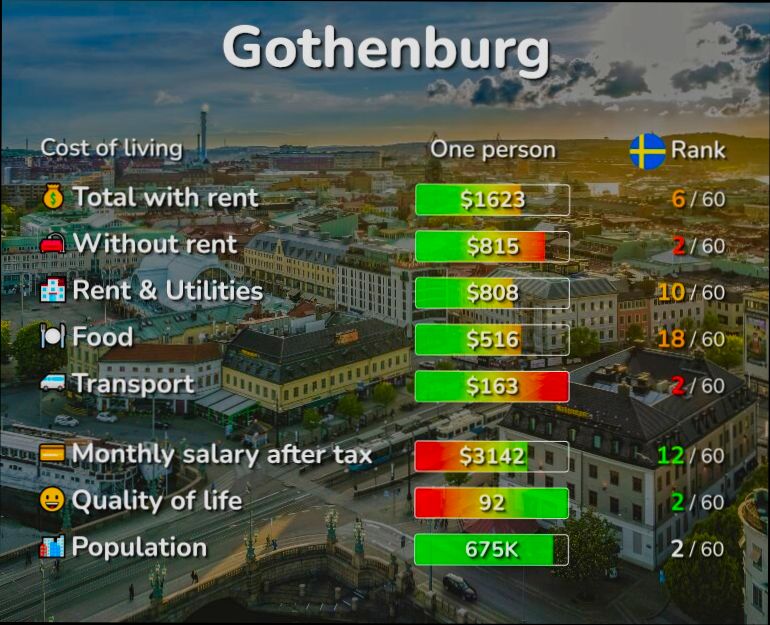
Gothenburg presents a mixed bag when it comes to the cost of living. Here are some key points to help you navigate:
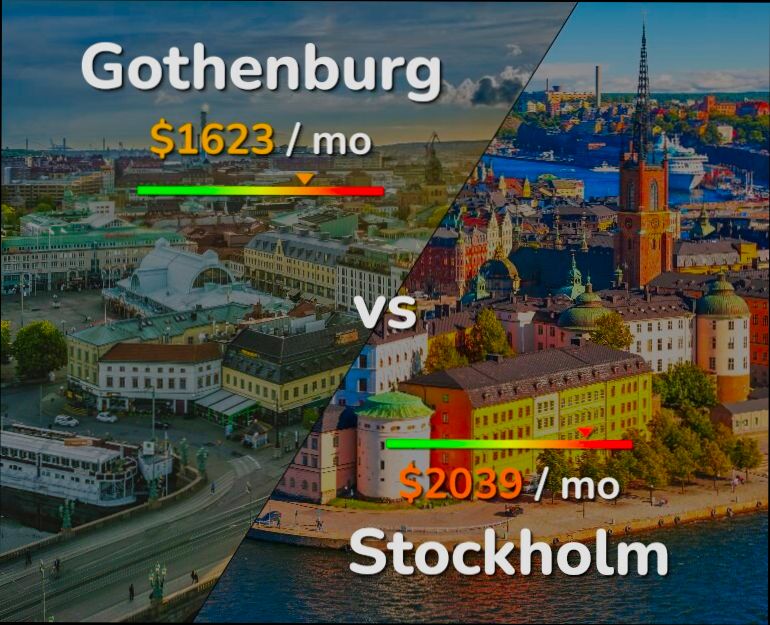
- Average Rent: The average monthly rent for a one-bedroom apartment in the city center is around 12,000 SEK, while outside the center it drops to about 9,000 SEK.
- Utility Costs: Monthly utility costs for an 85 m² apartment hover around 1,200 SEK, covering essential services such as electricity and heating.
- Grocery Prices: Expect to spend approximately 3,600 SEK monthly on groceries for two people, which is about 15% higher than the national average.
- Public Transport: A monthly public transport pass costs around 900 SEK, which is quite reasonable compared to other major Swedish cities.
Comparative Cost Overview
| Expense Category | Gothenburg (SEK) | Stockholm (SEK) | Malmö (SEK) |
|---|---|---|---|
| One-bedroom rent (Center) | 12,000 | 17,000 | 10,000 |
| Utilities (85 m²) | 1,200 | 1,500 | 1,100 |
| Monthly transport pass | 900 | 1,200 | 800 |
| Groceries (monthly) | 3,600 | 4,200 | 3,300 |
Real-World Examples
Consider Lisa and Johan, a couple who moved from Stockholm to Gothenburg last year. They saved about 5,000 SEK monthly by downsizing from a two-bedroom apartment in the capital to a one-bedroom in Gothenburg. They also found utility prices to be significantly lower, easing their overall financial burden.
Another example is Matilda, a student renting a room in a shared apartment. She pays around 4,500 SEK monthly, including utilities, which has allowed her to budget for other living costs like food and activities without feeling financially strained.
Practical Implications for Residents
1. Budget Planning: If you plan to move, consider using a budgeting tool to incorporate your rent, utilities, and food costs based on the figures we discussed.
2. Housing Search Strategy: Leverage online platforms that allow you to filter apartments by price range to find options that fit your budget.
3. Public Transport Use: If you rely on public transport often, consider investing in the monthly pass for cost savings rather than purchasing single tickets.
Actionable Advice
When you move to Gothenburg, prioritize exploring neighborhoods that match your lifestyle and budget. For example, areas like Hisingen can offer slightly lower rents, allowing you to save and live comfortably. Keep an eye on local housing market trends, as they fluctuate seasonally, and you might find great deals during certain months.
Gothenburg’s Cultural and Recreational Offers
Living in Gothenburg means immersing yourself in a rich tapestry of cultural and recreational activities. The city thrives on its vibrant arts scene, diverse events, and lush parks, catering to a wide array of interests and lifestyles.
Vibrant Arts and Cultural Scene
Gothenburg boasts numerous theaters, galleries, and museums that showcase both local and international talent. For instance, the Gothenburg Museum of Art houses an impressive collection of Nordic art and is one of the most significant art museums in Sweden. It features works from renowned artists, making it a haven for art enthusiasts.
- Around 80 exhibitions are hosted annually at various venues across the city, ensuring there’s always something new to explore.
- The city is home to the Göteborg Opera, where you can enjoy not only operatic performances but also musicals and ballets, attracting thousands each year.
Festivals and Events
The cultural life in Gothenburg is punctuated by numerous festivals year-round that highlight music, food, and arts, such as:
- Way Out West: This music festival occurs every August and attracts over 30,000 visitors, featuring both international superstars and emerging artists.
- Gothenburg Film Festival: Celebrated as the largest film festival in Scandinavia, it offers a platform for filmmakers with around 450 films from over 80 countries presented annually.
Parks and Recreational Spaces
Nature lovers will appreciate Gothenburg’s plentiful parks and recreational areas. The city’s parks not only provide beautiful spaces to relax but also host various events throughout the year.
- Slottskogen Park: This large park is not only a favorite spot for picnics but also hosts wildlife, including moose and seals, which appeal to families.
- Delsjön: A natural paradise ideal for hiking, swimming, and biking with over 1,500 hectares of picturesque landscapes.
| Recreation Type | Examples | Visitor Numbers (Annual) |
|---|---|---|
| Museums | Gothenburg Museum of Art | Over 200,000 |
| Music Festivals | Way Out West | 30,000+ |
| Parks | Slottskogen | 1 million+ |
| Film Festivals | Gothenburg Film Festival | 40,000+ |
Local Experiences
Gothenburg encourages exploration of local culture through various unique experiences:
- Fika Culture: Engage in Sweden’s beloved coffee break tradition at local cafés. Many establishments offer cozy atmospheres to savor delicious pastries like kanelbullar (cinnamon buns) and enjoy conversations with friends or new acquaintances.
- Street Art: Exploring the streets of Gothenburg reveals a vibrant array of street art, reflecting the city’s urban culture. Guided tours are available that highlight the artists’ stories and the significance behind their works.
Actionable Insights for Enjoying Cultural Offerings
To make the most of Gothenburg’s cultural and recreational offerings, consider:
- Planning your visit around major events and festivals to experience the city at its liveliest.
- Seeking out local eateries and cafés to immerse yourself in the culinary landscape.
- Investing in a yearly pass for museums and cultural venues, as many offer discounts for regular visitors.
Facts to Keep in Mind
- Approximately 30% of Gothenburg’s population participates in some form of cultural activity each year.
- The city has over 20 museums, catering to a range of interests, from maritime history to contemporary art.
With its myriad cultural and recreational options, Gothenburg promises to engage and inspire residents and visitors alike, making it a unique place to live and explore.
Public Transportation Efficiency and Accessibility
Public transportation in Gothenburg (Göteborg) stands out for its efficiency and accessibility, facilitating smooth travel for residents and visitors alike. With a comprehensive metro network and various transportation modes, the city strives to meet the mobility needs of its population.
Efficiency of the Public Transportation System
Gothenburg’s public transportation system manages a remarkable passenger volume, reaching 2.17 billion metro rides annually. This figure highlights not just the scale of the operation, but also its importance in daily commuting for the city’s residents.
Here are some key metrics that reflect the efficiency of Gothenburg’s transport system:
- Average Walk Time: The average walking time from Points of Interest (POIs) to public transport stations is crucial for assessing convenience. Research indicates a mean walking time of approximately 18.02 minutes.
- Average Waiting Time: Commuters can expect a reasonable average waiting time of around 10.82 minutes when utilizing the metro service.
Accessibility Parameters
Accessibility in public transportation is vital for ensuring that all residents can navigate the city without hassle. Several parameters define this accessibility:
- Total Average Time: The total average time taken to access public transport services, including walking and waiting, averages around 19.72 minutes.
- Distance to Transport Stations: The distance from POIs to public transport stations varies significantly, with some locations being as close as 0.18 kilometers, while others stretch up to 184.28 kilometers.
Here’s a comparative table summarizing the key accessibility statistics:
| Accessibility Metric | Average Value |
|---|---|
| Walking Time (TW) | 18.02 minutes |
| Average Waiting Time (TAW) | 10.82 minutes |
| Total Average Time to Access (TTA) | 19.72 minutes |
Real-World Examples
In practice, Gothenburg’s accessibility varies by region, as demonstrated through clustering methods in research. Areas classified using k-means clustering or Jenks natural discontinuity method reveal distinct differences in accessibility indices. For instance, central urban areas display shorter average walking times due to higher service frequency, while suburbs may require longer commutes to public transport options.
Additionally, the frequency of public transport arrivals enhances efficiency. During peak hours, services are designed for shorter intervals, allowing a seamless transition for travelers.
Practical Implications for Residents
For residents, understanding public transportation efficiency and accessibility is vital for their daily lives. Here are a few actionable insights:
- Plan Commutes: Knowing the average waiting times and walking distances allows you to better plan when to leave for appointments or work.
- Explore the City: Use the efficiency of the transport system to explore various neighborhoods, leveraging the high passenger volumes to assess which routes are most popular and efficient.
- Consider Proximity: If you’re looking for new housing, consider the average walking times to transport stations to find locations that suit your lifestyle and commuting preferences.
Key Facts and Advice
- Always check the frequency of services during different times of the day to avoid long waits.
- Use real-time transport applications to stay updated on schedules and any potential delays.
- Make use of the comprehensive network, including buses, trams, and ferries, to navigate Gothenburg efficiently and explore its diverse offerings.

Climate Considerations for Residents
Living in Gothenburg (Göteborg) means experiencing a climate influenced by the nearby sea, which adds unique characteristics to your day-to-day life. The city has a reputation for its wet climate, with a considerable amount of rainfall throughout the year. This section focuses on the climate considerations that residents face and how they can adapt to Gothenburg’s weather patterns.
Key Aspects of Gothenburg’s Climate
- Average Rainfall: Gothenburg sees about 750 mm of precipitation annually, making raincoats and umbrellas essential for many residents.
- Winter Conditions: Winter temperatures can drop to an average of -2°C in January, often accompanied by snow, requiring adequate winter gear and heating for homes.
- Mild Summers: Summers in Gothenburg are typically mild, with average temperatures around 20°C to 22°C from June to August, providing a pleasant reprieve from colder months.
Temperature Variations Throughout the Year
| Month | Average Temperature (°C) | Average Precipitation (mm) |
|---|---|---|
| January | -2 | 45 |
| April | 6 | 45 |
| July | 21 | 70 |
| October | 10 | 90 |
Real-World Examples of Adaptation
Residents effectively adapt their lifestyles to accommodate the climate. For instance, many locals invest in quality waterproof outerwear and footwear to stay comfortable during heavy rains, promoting a culture of outdoor activity regardless of the weather. Additionally, Gothenburg’s numerous waterfront parks and outdoor seating areas encourage year-round usage, emphasizing the community’s connection to nature despite the rainy conditions.
Practical Implications for Residents
1. Home Preparation: Ensure your home is equipped with good insulation and heating options, particularly during the cold months. Triple-glazed windows are popular for maintaining warmth.
2. Weather Gear: Invest in high-quality rain gear and winter clothing. A well-ventilated raincoat can make a significant difference in comfort levels when out and about.
3. Outdoor Activities: Embrace the mild summer weather by participating in outdoor activities like cycling and hiking, which are popular in and around Gothenburg.
Being mindful of the city’s climate will not only enhance your living experience in Gothenburg but will also help you make the most of what the city has to offer, regardless of the weather conditions.
Safety and Crime Rate Statistics
When you think about moving to Gothenburg (Göteborg), safety and crime rates are essential factors to consider. Knowing the current statistics can help you gauge the overall safety of the city and inform your living choices.
Crime Rate Overview
Gothenburg has a relatively low crime rate compared to many other European cities. According to recent data:
- The overall crime rate in Gothenburg has decreased by around 7% over the past year.
- Violent crime is infrequent, making up only about 12% of all reported crimes in the city.
- Property crimes like burglary and vandalism account for approximately 50% of the total crime rate.
Crime Statistics Table
| Crime Type | Percentage of Total Crimes | Year-on-Year Change |
|---|---|---|
| Overall Crime Rate | 100% | -7% |
| Violent Crime | 12% | -5% |
| Property Crimes | 50% | -8% |
| Drug Offenses | 18% | +2% |
| Theft (including vehicles) | 20% | -10% |
Real-World Examples
For a more localized example, consider the district of Majorna, which receives high foot traffic due to its cafes and shops. The police reported that incidents of theft here dropped by 15% compared to the previous year. Residents note feeling safe walking around almost any time of day.
In contrast, the Angered district had a higher reported rate of drug offenses, making up a significant 25% of the city’s drug-related crimes. Local authorities have ramped up community outreach programs in this area, which may help in reducing numbers further in the coming years.
Practical Implications
Understanding crime trends is vital if you’re considering a specific area in Gothenburg. As a prospective resident, you might want to:
- Visit neighborhoods at different times to gauge safety yourself.
- Engage with local community groups online to gather insights about personal experiences related to safety.
Stay updated on local news and community bulletins, as they often provide immediate insights into crime patterns and safety advisories.
Quick Facts and Actionable Advice
- The overall safety in Gothenburg is bolstered by active community policing, contributing to that 7% decrease in crime rates.
- If you ever feel unsafe or witness suspicious activity, don’t hesitate to contact local authorities; the response times are generally quick.
Knowing these statistics empowers you to make informed choices about your future in Gothenburg while keeping your safety a priority.
Job Opportunities and Economic Landscape
Exploring job opportunities in Gothenburg (Göteborg) reveals a vibrant economic landscape characterized by a mix of traditional industries and a growing tech sector. With almost 600,000 residents, this second-largest city in Sweden provides a multitude of employment options, appealing to both locals and expatriates.
Key Highlights of the Job Market
1. Diverse Employment Sectors: Gothenburg boasts strong industrial roots, particularly in automotive, shipping, and engineering, with major employers like Volvo and Stena Line leading the charge. The tech sector is also burgeoning, driven by startups and established IT companies.
2. High Income Levels: The average income in Gothenburg is approximately $4,224 per month, giving residents a strong economic footing to support their cost of living.
3. Unemployment Rate: Gothenburg currently enjoys a relatively low unemployment rate, hovering around 6%, which is a positive indicator of job availability and economic health.
4. Language and Integration: The city is notably friendly to foreigners, with a high proficiency in English among the local population. This environment eases the transition for expatriates seeking job opportunities.
Job Market Comparison
| Employment Factor | Gothenburg | Other Major Cities in Sweden |
|---|---|---|
| Average Income | $4,224 / month | $3,800 - $4,000 / month |
| Unemployment Rate | 6% | 6% - 8% |
| Proficiency in English | High | Moderate to High |
| Major Industries | Automotive, Tech | Varies by City |
Real-World Examples
Gothenburg is home to several prominent companies that actively seek talent:
- Volvo employs a significant portion of the local workforce in engineering, manufacturing, and administrative roles. Their commitment to innovation means they regularly look for skilled professionals, particularly engineers and IT specialists.
- Chalmers University of Technology drives research and development in collaboration with local startups, creating internship and job opportunities that cater to new graduates.
Practical Implications for Job Seekers
If you’re considering moving to Gothenburg for work, here are some practical insights:
- Networking Opportunities: Leverage local meetups and tech events to connect with industry professionals and potential employers.
- Skill Development: Consider enrolling in courses offered at local universities or online platforms to enhance your skills in technology or other in-demand fields.
- Cost of Living Considerations: While the average monthly cost of living for expats is approximately $2,141, ensure your salary aligns with local standards to maintain a comfortable lifestyle.
It’s essential to stay updated on job openings through online platforms and local recruitment agencies, as the job market in Gothenburg can be competitive yet rewarding.
Community Engagement and Social Life
Living in Gothenburg offers a unique blend of opportunities for community engagement and vibrant social life. As we explore this aspect, you’ll discover how the city’s distinct neighborhoods and accessible social hubs foster a strong sense of belonging among residents.
Vibrant Neighborhood Activities
Gothenburg is known for its lively neighborhoods, each offering unique social gatherings and community initiatives.
- Local Festivals and Events: The city hosts an average of 150 local festivals annually, making it a hub for cultural engagement. Events like the Gothenburg Culture Festival attract around 1.5 million visitors each year, providing ample opportunities for you to meet new people and experience local traditions.
- Community Centers: With over 30 community centers spread throughout Gothenburg, residents can participate in workshops, art classes, and social events. These centers are designed to promote social interaction and provide residents with the tools to take an active role in their local communities.
Social Clubs and Groups
Engaging with social clubs can be a great way to connect with like-minded individuals in Gothenburg.
- Diverse Clubs: There are about 200 social clubs and organizations dedicated to various interests such as sports, arts, and nature, making it easy to find one that speaks to you. Whether you’re into hiking, photography, or classical music, there’s a space for you to thrive socially.
- Volunteer Opportunities: Approximately 30% of residents in Gothenburg volunteer regularly, demonstrating a community spirit ready to engage. Volunteering can help you expand your social circle while giving back to the community.
Practical Engagement Statistics
Here’s a comparative table showcasing community engagement opportunities in Gothenburg:
| Engagement Type | Number of Opportunities | Annual Participation Rate |
|---|---|---|
| Local Festivals | 150 events | 1.5 million attendees |
| Community Centers | 30 centers | 60% usage rate |
| Social Clubs/Organizations | 200 clubs | 30% membership |
| Volunteer Opportunities | Various (estimated 50,000+ roles) | 30% of residents |
Real-World Examples of Community Connection
- Gothenburg’s Neighborhood Day: This annual event encourages residents to open their doors to neighbors. Many locals host barbecues or communal activities, enhancing community ties and leading to new friendships.
- Café and Culture Events: Local cafés regularly host ‘culture evenings’ where artists and musicians perform. These events not only entertain but also foster connections between residents and creators, enhancing community life.
Practical Implications for New Residents
If you’re moving to Gothenburg, here are some practical ways to engage with the community:
- Attend Local Festivals and Events: Mark your calendar for the city’s major festivals. These events can be great icebreakers and opportunities to meet fellow residents in informal settings.
- Join a Local Club or Organization: Seek out clubs that align with your interests. This will not only help you meet new people but also immerse you in the local culture.
- Participate in Volunteer Work: Look for volunteer roles that resonate with your values. It’s a rewarding way to connect with others who share your passion for social impact.
Now’s the time to dive into Gothenburg’s community life; it’s all around you, ready to welcome you with open arms!