Pros and Cons of Living in Glendale AZ can be a real eye-opener if you’re thinking about making the move. On the upside, Glendale boasts a low cost of living compared to many major cities, with housing prices averaging around $360,000, making it accessible for families and young professionals alike. Outdoor enthusiasts will also love the warm weather, sunny skies, and nearby parks like the picturesque Thunderbird Conservation Park, where you can hike or just kick back and enjoy nature. And let’s not forget about the vibrant sports scene—Glendale is home to the Arizona Coyotes and the Cardinals, turning game days into festive occasions.
However, it’s not all sunshine and rainbows. The summer heat can be brutal, with temperatures soaring above 100°F, making it tough for those who aren’t used to the desert climate. Plus, traffic can be a headache, especially during rush hour on busy streets like West Bell Road, where gridlock is no joke. While the city offers lovely neighborhoods, some areas face challenges with safety and crime rates that can make you think twice. It’s a mixed bag, and knowing both sides is crucial if you want to make an informed decision.

Cost of Living in Glendale
The cost of living in Glendale, AZ, is a critical factor for anyone considering a move to this lively city. With its blend of affordability and amenities, understanding the financial landscape can help you make a more informed decision about living here.
One of the most significant elements affecting your budget is housing. In Glendale, the median home price is around $410,000, which is approximately 6% lower than the national average. If renting is more your speed, expect to pay around $1,500 per month for a two-bedroom apartment, with prices varying based on the neighborhood.
Let’s highlight some key statistics related to the cost of living:
- Utilities: On average, residents pay about $150 per month for basic utilities, which is comparatively lower than the national average.
- Groceries: Grocery prices are about 5% below the national average, providing savings that can add up for families and individuals alike.
- Transportation: If you rely on public transport, the cost of a monthly bus pass in Glendale is around $50, substantially less than in major metropolitan areas.
| Expense Category | Glendale Average Cost | National Average Cost |
|---|---|---|
| Median Home Price | $410,000 | $435,000 |
| Rent (2 BR) | $1,500/month | $1,700/month |
| Utilities | $150/month | $200/month |
| Grocery Costs | 5% lower | - |
| Public Transport | $50/month | $100/month |
For instance, consider Sarah, who moved to Glendale from San Francisco. She sold her home for $1.2 million and bought a charming three-bedroom house in Glendale for $450,000. This decision significantly lowered her monthly housing costs and gave her more disposable income for travel and leisure activities.
Take the case of Tom, a recent college graduate living in Glendale. His average monthly spending on groceries is about $300, much lower than what he would have spent in New York City. This enables him to save for future plans, such as traveling or investing in further education.
As you consider the cost of living, remember these practical implications:
- Factor in rising housing costs; they can impact your budget over time.
- Keep utility expenses in mind when choosing a home, as they can vary significantly between neighborhoods.
- Take advantage of grocery store sales and local markets to maximize your savings.
It’s wise to assess how your personal spending habits will align with Glendale’s living costs. Knowing these details allows you to plan your budget effectively and ensure a balanced lifestyle in this vibrant city.
Quality of Education in Local Schools
When considering a move to Glendale, AZ, understanding the quality of education in local schools plays a critical role, especially for families. The schools here have a diverse range of programs and resources, which can impact your decision. Let’s dive into what you can expect regarding educational quality in Glendale.
Educational Performance and Rankings
Local schools in Glendale demonstrate varied performance metrics, reflecting a mixture of strengths and challenges. Key statistics concerning educational performance include:
- The average student-teacher ratio in Glendale is around 18:1, allowing for more individualized attention.
- 72% of high school students in the Glendale Union High School District pass the state’s AIMS tests, which is an indicator of educational standards.
- Approximately 80% of schools in the district meet or exceed state performance benchmarks.
Comparison of School Districts
Below is a comparative table presenting the educational performance across different school districts in Glendale:
| School District | Average SAT Score | Graduation Rate | Student-Teacher Ratio |
|---|---|---|---|
| Glendale Union High School District | 1120 | 90% | 18:1 |
| Alhambra School District | 1050 | 85% | 20:1 |
| Peoria Unified School District | 1150 | 92% | 17:1 |
Real-World Examples of Local Schools
- Mountain Ridge High School: This school serves as an exemplar of academic achievement, with over 90% of its graduates attending college. Its Advanced Placement (AP) programs have seen a 15% year-over-year increase in enrollment.
- Coyote Ridge Elementary: Not only does it offer a robust curriculum, but it also emphasizes STEM education. The school has received multiple grants, enhancing resources for science and technology initiatives.
Practical Implications for Families
If you are moving to Glendale and have school-age children, you’ll want to visit schools and discuss programs with administrators. Pay attention to:
- Extracurricular Options: Many schools in Glendale offer clubs and sports that can enhance your child’s educational experience.
- Parental Involvement: Schools with active PTA and community engagement can markedly improve student outcomes. Consider looking for schools with robust parent participation.
- Special Programs: Investigate schools with special education services or gifted programs that align with your child’s needs.
Actionable Advice
When assessing schools in Glendale, make sure to:
- Attend open houses or school tours to get a feel for the environment and teacher engagement.
- Review the school’s performance report online, focusing on metrics that matter most to you, such as test scores and extracurricular opportunities.
- Connect with local parents through community groups or social media to gather insights and real experiences regarding school quality.
By keeping these factors in mind, you can make a well-informed choice about the educational landscape for your family in Glendale, AZ.

Climate and Weather Impact on Residents
Understanding the climate and weather in Glendale, AZ, is crucial for anyone looking to move here. The area’s weather can significantly shape daily life and overall well-being for its residents. Let’s dive into how these factors play a role in your living experience.
Key Climate Insights for Residents
1. Temperature Extremes: Glendale experiences hot summers, with average high temperatures reaching 104°F in July, challenging residents, especially during outdoor activities.
2. Sunshine Hours: Residents enjoy about 300 sunny days per year, presenting both opportunities for outdoor activities and the need for precautions against heat exposure.
3. Seasonal Variation: While winters are mild, with average highs around 60°F, residents should prepare for occasional rain, particularly from December through March when nearly 50% of the annual rainfall occurs.
4. Humidity Levels: Summer humidity levels can rise, sometimes exceeding 15%, which might affect comfort and health, especially for those sensitive to heat.
5. Dust Storms: Occasional monsoons lead to dust storms that residents need to navigate. Visibility can drop significantly, and it’s essential to have a plan for such conditions.
Comparative Weather Table
| Weather Element | Glendale, AZ | National Average |
|---|---|---|
| Average Summer Highs | 104°F | 86°F |
| Annual Rainfall | 9 inches | 38 inches |
| Average Sunshine Days | 300 days/year | 205 days/year |
| Average Winter Highs | 60°F | 40°F |
| Annual Dust Storm Events | 4-5 incidents/year | N/A |
Real-World Impacts
Residents often find ways to enjoy the sunny climate with local activities like hiking and outdoor sports during the cooler months. However, summer heat can lead to increased air conditioning use, affecting monthly energy bills. For instance, families may notice a spike in July utility costs when air conditioning is critical.
Furthermore, some residents report health challenges related to heat exposure. Engaging with local health resources about hydration and heat safety can make a significant difference.
Practical Implications for Residents
- Outdoor Activities: Plan outdoor activities earlier in the day during summer to avoid the hottest temperatures.
- Home Preparation: Consider energy-efficient cooling systems to manage high summer utility costs effectively.
- Health Precautions: Stay informed about weather alerts to prepare for dust storms, especially if you’re allergic to dust or have respiratory issues.
- Community Engagement: Join local groups or forums where residents share experiences and tips for coping with the region’s unique climate challenges.
Specific Facts and Advice
Consider investing in sun protection gear, such as hats and sunscreen, due to the high UV exposure in Glendale. Engage with local weather updates to stay ahead of seasonal changes and protect your health. Adapting to Glendale’s climate can enhance your living experience, making it a vibrant place to call home.
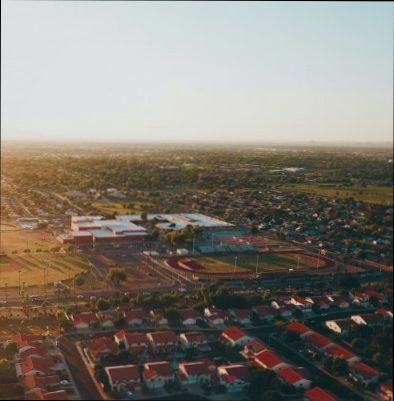
Recreational Opportunities in Glendale
Living in Glendale offers a plethora of recreational options that cater to all sorts of interests, from sports enthusiasts to families looking for outdoor fun. Whether you’re an active person or simply enjoy leisurely activities, Glendale has something to keep you engaged.
Parks and Natural Spaces
Glendale boasts more than 60 parks, providing ample green spaces for picnicking, sports, and outdoor fun. Some notable parks include:
- Sahuaro Ranch Park: A sprawling 17-acre park known for its historic ranch structures and botanical garden.
- Thunderbird Conservation Park: Offers hiking trails with stunning views, perfect for nature lovers.
The city has invested approximately $3 million in park renovations over the past few years, making these spaces more inviting and functional.
Sports and Recreation Facilities
For sports lovers, Glendale’s facilities are top-notch. The city is home to the Gila River Arena, where you can catch thrilling NHL games featuring the Arizona Coyotes. Additionally, the State Farm Stadium hosts NFL games and major concerts, giving you plenty of entertainment options throughout the year.
Specific Sports Programs
- Youth Soccer Programs: Glendale organizes leagues for kids as young as four, fostering talent and teamwork.
- Adult League Sports: Opportunities for adults to participate in softball, basketball, and soccer leagues are readily available.
Community Events and Festivals
Glendale’s community-centric approach means there are frequent events that encourage residents to participate. Events like:
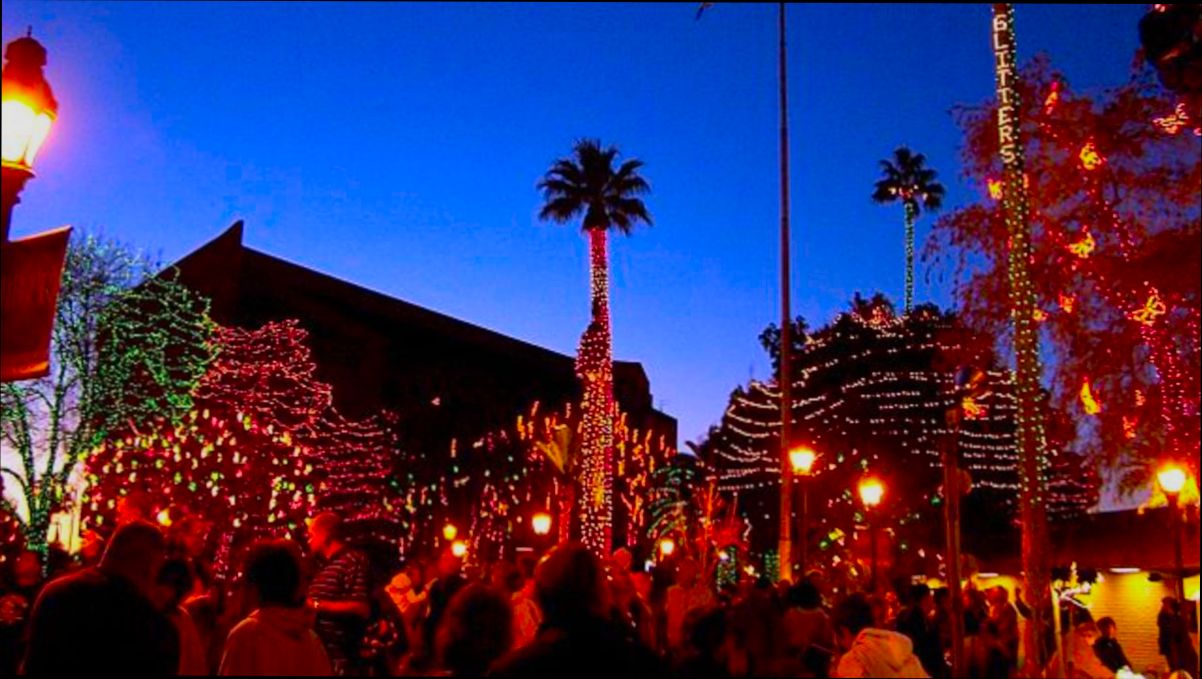
- Glendale Glitters: A holiday-themed festival attracting thousands, featuring beautiful lights and local arts and crafts.
- Dia de los Muertos: Celebrating Mexican culture with music, dance, and art installations.
These events not only promote community spirit but also provide a fun recreational outlet for families.
| Recreational Facility | Type | Capacity/Size |
|---|---|---|
| Gila River Arena | Sports Arena | 18,000 seats |
| State Farm Stadium | Multi-purpose Stadium | 63,400 seats |
| Sahuaro Ranch Park | Historical Park | 17 acres |
| Thunderbird Conservation Park | Hiking and Nature Trails | 1,185 acres |
Real-World Examples
Residents of Glendale have embraced the robust recreational offerings. For instance, in 2023, a local family shared how they spend weekends hiking at Thunderbird Conservation Park, navigating trails with breathtaking vistas. Another example includes youth soccer teams from Glendale that compete in city-sponsored tournaments, building skills while making lasting friendships.
Practical Implications
If you’re thinking about how to make the most of your time in Glendale, explore online resources for event calendars, recreational league sign-ups, and park reservations. Most importantly, take a moment to visit the parks and join community activities—engagement helps foster lasting relationships and enriches your Glendale experience.
> For outdoor enthusiasts, the myriad of trails and parks not only promote a healthy lifestyle but also create a strong sense of community involvement. Be sure to participate in seasonal events for a taste of local culture and camaraderie.

Crime Rates and Safety Statistics
When considering a move to Glendale, AZ, it’s essential to understand the crime rates and safety statistics that impact community well-being. These metrics can help you make informed decisions about living in the area, ensuring that you feel secure in your neighborhood.
Overview of Crime Statistics
Glendale presents a mix of safety and crime rates that may surprise you. Here are some key statistics related to crime in the area:
- Overall Crime Rate: Glendale’s overall crime rate is 36% higher than the national average.
- Violent Crime Rate: The violent crime rate sits around 4.2 per 1,000 residents, which is above the national figure of 3.7 per 1,000.
- Property Crime Rate: Property crimes, including burglary and theft, occur at a rate of 26 per 1,000 residents, compared to the national average of 22 per 1,000.
- Safest Neighborhoods: Some of the safest neighborhoods in Glendale report a crime rate as low as 1.2 incidents per 1,000 residents.
Crime Comparison Table
| Crime Category | Glendale Rate (per 1,000 residents) | National Average (per 1,000 residents) |
|---|---|---|
| Violent Crime | 4.2 | 3.7 |
| Property Crime | 26 | 22 |
| Total Crime Rate | 36% higher | N/A |
| Safest Neighborhood | 1.2 | N/A |
Real-World Examples
In a recent year, Glendale saw a rise in car thefts, particularly around shopping centers, emphasizing the need for vigilance when parking in public spaces. Conversely, neighborhoods such as Arrowhead Ranch have reported very few incidents over the past few years, making them popular choices for families seeking a safer environment.
Furthermore, the Glendale Police Department has initiated community outreach programs aimed at reducing crime through neighborhood watch groups. These efforts have helped lower crime in certain areas, showing how community involvement can significantly influence safety.
Practical Implications
Being aware of crime rates allows you to take action. Here are some ways you can enhance your safety in Glendale:
- Research Local Crime Stats: Check the police department’s website for the latest crime statistics in your neighborhood.
- Engage with Community Programs: Participate in local community safety programs and neighborhood watch groups.
- Invest in Home Security: Consider home security systems or neighborhood surveillance options to protect your property.
Quick Facts
- Staying informed about crime trends can help you choose the safest neighborhoods in Glendale.
- Neighborhoods with community involvement typically experience lower crime rates.
- Always report suspicious activities to local authorities to help maintain community safety.

Cultural Attractions and Community Events
When we talk about living in Glendale, AZ, one of the most vibrant aspects to consider is its rich cultural scene and community events that foster a sense of belonging. This lively city offers a diverse array of attractions and activities that connect residents and celebrate local heritage.
Key Cultural Attractions
Glendale is replete with cultural venues that cater to various interests:
- Historic Downtown Glendale: An area bustling with antique shops, art galleries, and quaint cafes, perfect for a day of exploration.
- Glendale Xeriscape Garden: A unique botanical garden focusing on desert landscaping, demonstrating the region’s ecological beauty.
- West Valley Art Museum: Showcases rotating exhibits from local artists, giving you a taste of the vibrant arts community in the area.
Vibrant Community Events
Community events play a crucial role in Glendale’s cultural landscape. They create opportunities for residents to connect and engage with one another. Here are some of the most popular events:
- Glendale Chocolate Affaire: An annual festival celebrating one of the world’s favorite treats with chocolate tastings, cooking demonstrations, and entertainment. It attracts thousands of visitors each year.
- Glendale Summer Band Concerts: Held in various parks, these free concerts offer a chance for residents to enjoy live music in a relaxing environment.
- Glendale Glitters: A holiday festival featuring dazzling light displays that illuminate Historic Downtown, drawing thousands of attendees each winter season.
Comparative Table of Cultural Events
| Event Name | Type of Event | Annual Attendance | Schedule |
|---|---|---|---|
| Glendale Chocolate Affaire | Food Festival | Around 20,000 | February |
| Glendale Glitters | Holiday Festival | Approximately 80,000 | November - January |
| Summer Band Concerts | Music Concert Series | Varies by concert | Weekly, June - August |
Real-World Examples of Cultural Engagement
The Glendale Chocolate Affaire not only highlights local cuisine but also brings together local artisans and businesses, fostering economic growth. Residents engage in numerous cooking and craft workshops offered during this event, allowing them to cultivate new skills in a community setting.
Similarly, Glendale Glitters provides a magical experience during the holiday season, where families come together to celebrate with lights, food, and local talents. This event is more than just lights; it’s an opportunity for community bonding and local pride.
Practical Implications for Residents
If you’re a new resident in Glendale, taking part in these cultural attractions and community events can significantly enhance your living experience. Joining local clubs or volunteering during festivals can expand your social circle and deepen your connection to the community.
Don’t miss the chance to participate in the annual events; they serve as a wonderful introduction to what the local culture has to offer. Keep an eye on community calendars to stay updated with upcoming events and opportunities to engage with your neighbors.
Lastly, remember to explore venues like the West Valley Art Museum for ongoing exhibits and events. They’re a fantastic way to appreciate local talent and creativity while getting involved in the vibrant cultural fabric of Glendale.

Transportation and Commute Efficiency
When considering a move to Glendale, AZ, transportation and commute efficiency plays a crucial role in daily life. With its mix of urban and suburban environments, understanding how easy it is to get around can greatly affect your experience as a resident. Let’s explore how Glendale measures up in terms of transport options, commute times, and overall efficiency.
Commute Times and Traffic
- Average Commute Duration: Residents of Glendale enjoy a commendable average commute time of about 26 minutes, which is relatively efficient compared to many major cities in the U.S.
- Traffic Patterns: Traffic congestion can be a factor during peak hours, particularly on major routes like the Loop 101 and I-17. However, many residents find the congestion manageable compared to larger metropolitan areas.
Public Transportation Options
Glendale offers a variety of public transportation options that cater to different needs:
- Valley Metro Bus System: This system provides extensive coverage throughout the city, with over 28 bus routes, ensuring that you can access major employment centers, educational institutions, and local attractions.
- Light Rail Access: While Glendale is not directly served by the light rail, connections are available at nearby stations in Phoenix, which expands your options for getting around the greater metropolitan area.
Car Ownership and Parking
While public transportation exists, many residents rely on personal vehicles. Here’s how car ownership fares in Glendale:
- Car Ownership Rates: Over 80% of Glendale residents own a vehicle, which reflects a preference for personal transportation in a largely suburban landscape.
- Parking Facilities: Ample parking is available in commercial areas and residential neighborhoods, facilitating easy access to local businesses and amenities.
| Transportation Aspect | Glendale Data | National Average |
|---|---|---|
| Average Commute Time | 26 minutes | 27.6 minutes |
| Car Ownership Rate | 80% | 86% |
| Public Transit Coverage | 28 bus routes | Varies widely |
Real-World Examples
Residents often share stories about the convenience of having key destinations like the Westgate Entertainment District and numerous shopping centers just a short drive away, making weekend outings easy and enjoyable. In fact, an overwhelming number of surveys indicate that the accessibility to highways significantly contributes to residents’ satisfaction with their commute.
In addition, some community members have successfully adopted carpooling strategies to cut down on traffic and fuel costs, representing a growing trend in efficient travel within the city.
Practical Implications for Residents
For anyone moving to Glendale, it’s wise to consider commute preferences and transportation needs. To enhance your commuting efficiency:
- Explore Public Transport: Familiarize yourself with Valley Metro routes and schedules, as they can save money and reduce stress.
- Consider Traffic Patterns: Plan your travel times to avoid peak congestion hours when possible.
- Carpool with Neighbors: If you live in a neighborhood with coworkers or friends, establishing a carpool system can be beneficial.
Actionable Facts
If you plan to rely on your vehicle, ensure you’re aware of the peak traffic times for routes you frequently use. Alternatively, if embracing public transport, download the Valley Metro app to stay updated on schedules and any service changes. Knowing your options and making informed choices will improve your experience in Glendale, enhancing your daily commute efficiency.