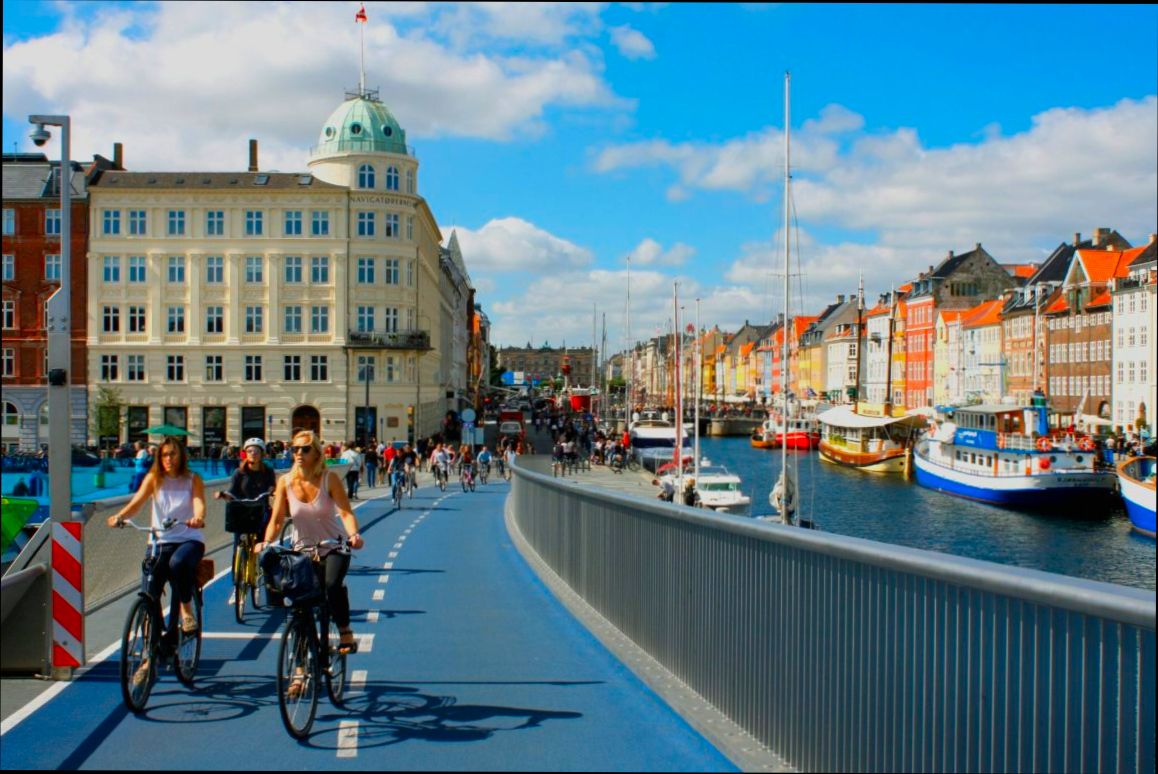
Pros and Cons of Living in Denmark can spark a lively debate among expats and locals alike. On the bright side, Denmark consistently ranks high for quality of life, with Copenhagen being dubbed the happiest city in the world multiple times, according to various reports. Imagine biking through picturesque streets, knowing you’re part of a country that boasts a 97% literacy rate and health care system that’s free at the point of use. The stunning blend of stunning architecture, rich history, and green spaces makes everyday life feel like a mini-vacation.
However, it’s not all hygge and sunshine. The cost of living in Denmark can be a bit of a shocker, especially for newcomers. You might find yourself shelling out around 200-300 DKK (30-45 USD) for a beer at a bar or paying an arm and a leg for rent in central Copenhagen, where a one-bedroom apartment can easily exceed 12,000 DKK (about 1,800 USD) per month. Plus, the weather? Well, let’s just say the cold, dark winters can leave you feeling more than a little isolated. These highs and lows create a unique tapestry of experiences for those who call Denmark home.
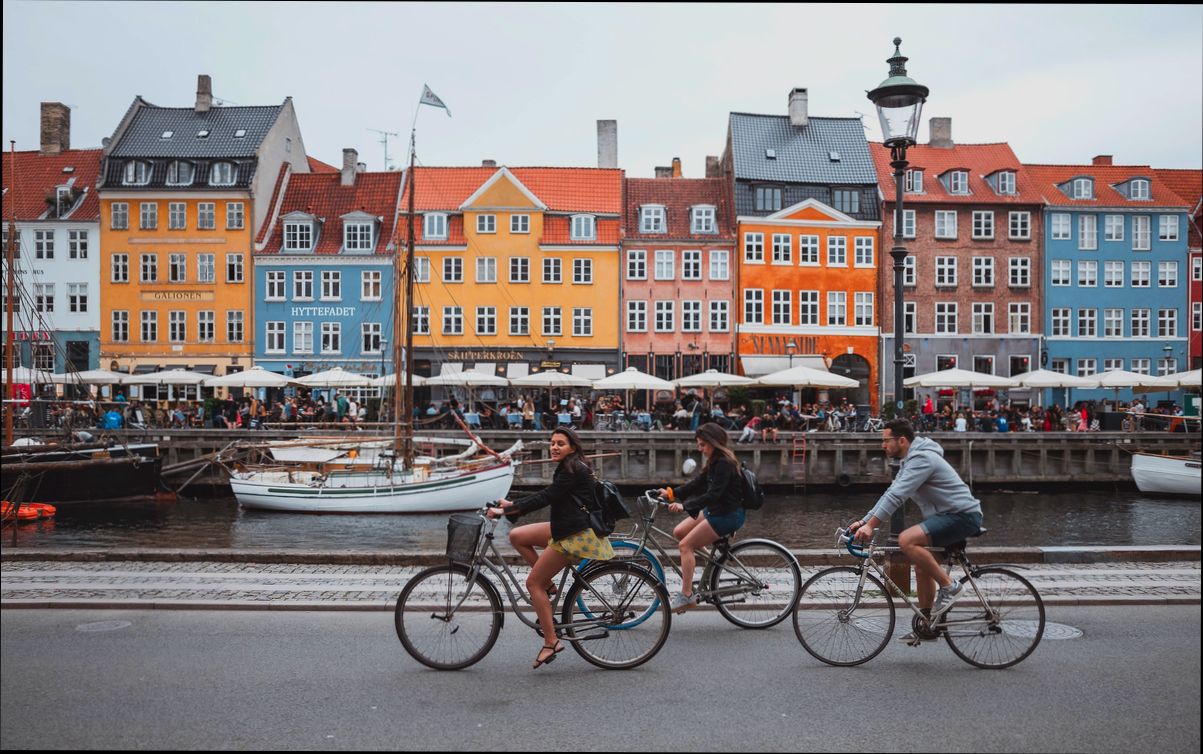
Cost of Living in Denmark
Living in Denmark offers a unique lifestyle, but it’s essential to understand the cost of living to make informed decisions. From housing to everyday expenses, let’s dive into the noteworthy financial aspects that can shape your experience in this Scandinavian country.
General Overview
Denmark is known for its high quality of life, but this comes with a hefty price tag. The cost of living is about 25% higher than the EU average, ensuring that you should budget accordingly if you decide to relocate. Here are some key specifics:
- Housing: On average, you can expect to pay around DKK 12,000 to DKK 15,000 (approximately USD 1,800 to USD 2,250) for a one-bedroom apartment in the city center of Copenhagen.
- Utilities: Monthly utilities (electricity, heating, cooling, water, and garbage) typically cost around DKK 1,200 which translates to roughly USD 180.
- Groceries: Monthly grocery bills can set you back anywhere from DKK 2,500 to DKK 4,000 (USD 375 to USD 600) depending on your eating habits.
Comparative Table
| Expense Category | Monthly Cost (DKK) | Monthly Cost (USD) |
|---|---|---|
| Rent (1-bedroom) | 12,000 - 15,000 | 1,800 - 2,250 |
| Utilities | 1,200 | 180 |
| Groceries | 2,500 - 4,000 | 375 - 600 |
| Public Transport (Monthly) | 550 | 82 |
| Dining Out (Meal) | 100 - 250 | 15 - 37 |
Housing Costs
Housing is likely to be your largest monthly expense. Renting varies significantly based on location. For example, living in Copenhagen will generally cost more than other cities like Aarhus or Odense. In fact, you may find that renting a similar apartment in Aarhus could be approximately 30% less expensive than in Copenhagen.
Transportation Costs
If you rely on public transport, Denmark has an efficient system. A monthly public transport pass typically costs around DKK 550 (USD 82). This is a smart option for commuters; fewer cars on the road also mean less stress and environmental impact.
Everyday Expenses
Day-to-day costs can add up surprisingly fast. For instance, dining out can vary widely:
- A meal at a casual restaurant can range from DKK 100 to DKK 250 (USD 15 to USD 37).
- If you love coffee, a cup in a café will usually cost you about DKK 45 (USD 7).
This variety in pricing encourages balancing between eating out and preparing meals at home, especially since grocery prices can be relatively high.
Real-World Examples
Consider a family of four living in Copenhagen. They might spend around DKK 7,000 (USD 1,050) on groceries alone while budgeting for their rent and utilities, which combines to nearly DKK 19,200 (USD 2,880) monthly. In contrast, a single person could manage with a total living cost of about DKK 13,000 (USD 1,950) if they prepare meals at home and leverage public transport.
Practical Implications
To manage the costs of living in Denmark effectively, consider the following tips:
- Explore neighborhoods outside the city center for more affordable housing options.
- Take advantage of Denmark’s bike-friendly culture to save on transport costs.
- Look for grocery discounts or local markets to cut down on food expenses.
Specific Facts
- By budgeting wisely, you can enjoy a comfortable life in Denmark while navigating its high cost of living.
- It’s crucial to factor in high tax rates of up to 55%, which contribute to high living standards but impact your overall disposable income significantly.
Quality of Life and Happiness Metrics
Living in Denmark is often celebrated for its high quality of life and happiness levels. The country consistently ranks as one of the happiest in the world, thanks in part to its robust social welfare system and a strong sense of community. Understanding the metrics behind this reputation can provide valuable insights into what life in Denmark truly entails.
Key Happiness Metrics
Denmark has several key indicators that contribute to its high quality of life. Here are some noteworthy statistics:
- Satisfaction with Life: Over 80% of Danes report feeling satisfied with their lives, reflecting a strong sense of well-being.
- Work-Life Balance: Approximately 73% of the workforce express contentment with their working hours, emphasizing a healthy balance between personal time and professional obligations.
- Trust Levels: Trust in public institutions is high, with around 75% of citizens stating that they trust their government to act in their best interest.
Comparative Happiness Metrics Table
| Metric | Denmark | Global Average |
|---|---|---|
| Life Satisfaction Rate | 80% | 60% |
| Work-Life Balance Satisfaction | 73% | 55% |
| Trust in Government | 75% | 40% |
| Community Engagement | 67% | 52% |
| Health Satisfaction | 85% | 70% |
Real-World Examples of Happiness in Denmark
Denmark’s commitment to social equality can be seen in various community programs and local initiatives. For instance, a community project in Aarhus focuses on mental health and well-being, providing citizens with accessible counseling and recreational activities. This initiative has contributed significantly to the community’s overall happiness, as highlighted by a local survey showing 78% of participants feeling more connected and engaged.
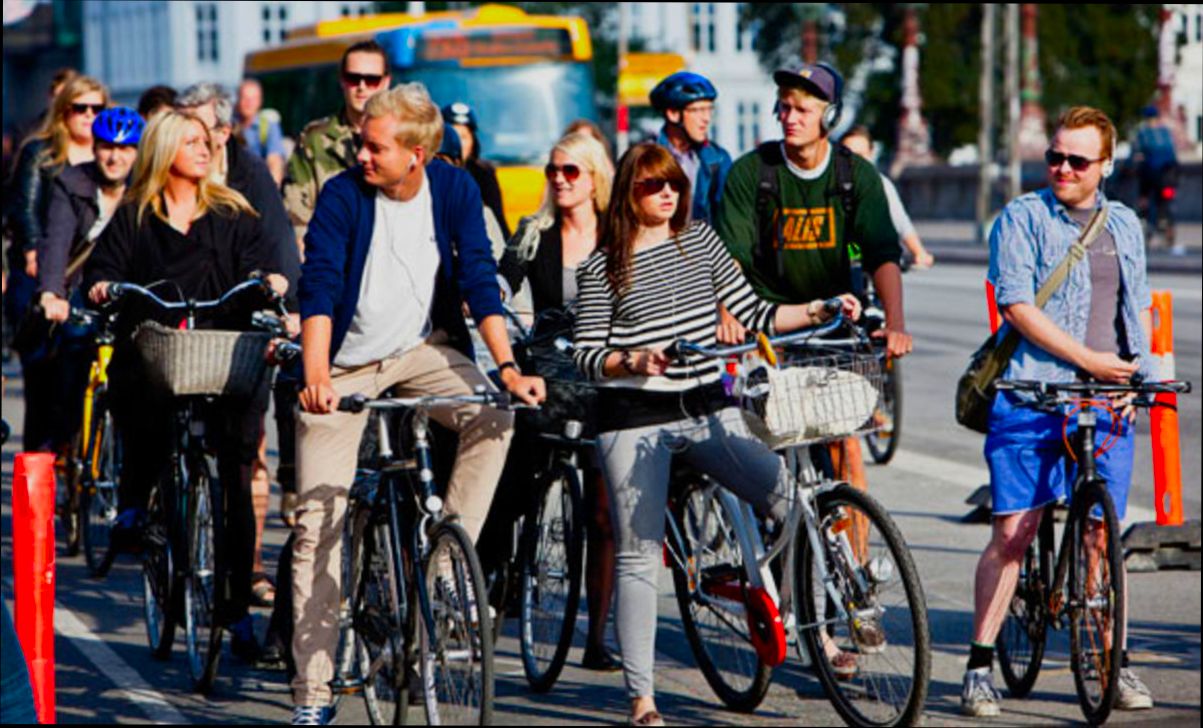
Another example can be found in Copenhagen, where the city’s bike-friendly infrastructure encourages a healthy lifestyle. A study revealed that residents who regularly bike report higher levels of happiness and lower stress, further demonstrating the link between active living and overall well-being.
Practical Implications for Readers
Understanding the quality of life and happiness metrics in Denmark can offer actionable insights for those considering moving there or wanting to improve their own happiness levels. Here are some implications you might consider:
- Emphasize Community Involvement: Engaging in community activities can enhance your sense of belonging and happiness. Look for local clubs or volunteer opportunities.
- Balance Work and Leisure: Prioritize tasks that allow for a healthy work-life balance. Set boundaries to ensure you have time for relaxation and hobbies.
- Invest in Relationships: Building trust and strong social ties contributes significantly to happiness. Make an effort to cultivate friendships and stay connected.
Actionable Advice
If you’re looking to improve your own quality of life metrics, consider adopting some Danish principles:
- Participate in Social Programs: Seek out local programs that promote health and community engagement.
- Try Cycling: If possible, incorporate cycling into your daily routine to align with Denmark’s focus on active living.
- Evaluate Your Work Schedule: Reflect on your work conditions and advocate for changes that could improve your job satisfaction and well-being.
These steps can help you move closer to the happiness metrics that Denmark exemplifies, enhancing your quality of life regardless of where you live.
Navigating the Danish Work Culture
Understanding the Danish work culture is essential for anyone looking to thrive in Denmark. The approach to work-life balance here is notably different from many other countries, emphasizing efficiency, collaboration, and personal well-being.
Key Characteristics of Danish Work Culture
- Work Hours: The standard work week in Denmark is 37 hours, with most employees officially clocking out by 4 PM. This structure allows for a significant focus on personal time.
- Limited Overtime: Only about 2% of employees work long hours. In comparison, many countries see much higher percentages, indicating that Danish workers appreciate their free time.
- Work-Life Balance: Full-time employees in Denmark spend approximately 66% of their day on personal care and leisure, surpassing the OECD average of 63%. This symbolizes a national commitment to balance.
Comparative Work Culture Table
| Factor | Denmark | OECD Average |
|---|---|---|
| Percentage working long hours | 2% | 11% |
| Average hours per week | 37 hours | 40+ hours |
| Time devoted to leisure | 66% of the day | 63% of the day |
| Women in workforce | 72% | 59% |
Real-World Examples of Danish Work Culture
Many companies in Denmark, like the global shipping giant Maersk, embody this culture by prioritizing employee welfare alongside productivity. For instance, Maersk offers flexible work hours and options for remote work, fostering a culture that values outcomes over clocking hours.
In another instance, startups in Copenhagen often organize “Friday bars” where employees gather after hours to socialize in a relaxed setting. This practice not only strengthens team bonds but also promotes an atmosphere of retention and job satisfaction.
Practical Implications for Navigating Work Culture
1. Flexibility is Key: Be prepared to discuss flexible working arrangements during job interviews. Both employers and employees place great value on not just meeting professional obligations but also fulfilling personal commitments.
2. Social Aspects Matter: Participate in social events or team-building activities, as these are vital for establishing rapport with colleagues. It’s a common expectation in Danish workplaces.
3. Communicate Openly: Danes favor straightforward and honest communication. When in doubt, be direct about your thoughts or requirements; this will be appreciated and recognized as a mark of professionalism.
4. Vacation Expectations: Familiarize yourself with the norms around vacation time. Employees are generally expected to take their full five weeks of annual leave, which is seen as crucial for maintaining productivity and job satisfaction.
Diving into the systems and practices of the Danish work culture can significantly enhance your experience living and working in Denmark.

Educational Excellence in Denmark
Educational excellence is a hallmark of life in Denmark, characterized by a robust and inclusive education system that prioritizes creativity, critical thinking, and collaboration. In this section, let’s explore how Denmark achieves its high standards of education through innovative practices and valuable outcomes.
Key Features of Danish Education
1. High Enrollment Rates: Denmark boasts impressive enrollment statistics. Over 97% of Danish students complete their compulsory education, which lasts from ages 6 to 16. This reflects a strong commitment to education from an early age.
2. World-Class Universities: Danish universities consistently rank among the top in the world. For instance, the University of Copenhagen ranks in the top 100 globally, known for its research contributions and quality education. Additionally, 90% of graduates from Danish universities find employment within six months of graduation, showcasing their strong alignment with job market demands.
3. Focus on Lifelong Learning: Denmark promotes lifelong learning through various programs and initiatives that encourage adults to return to education. Approximately 30% of adults engage in formal education courses annually, reflecting the country’s commitment to continuous personal and professional development.
4. Internationally Recognized Curriculum: Many Danish high schools and vocational programs offer curricula that meet international standards. This is evident in the International Baccalaureate (IB) programs offered at several institutions, which attract students from around the globe.
Comparative Overview of Educational Levels
| Educational Level | Enrollment Rate | Graduation Rate | Employment Rate Post-Graduation |
|---|---|---|---|
| Primary Education | 97% | 100% | N/A |
| Secondary Education | 98% | 90% | 90% |
| Higher Education | 74% | 90% | 90% |
Real-World Examples of Educational Excellence
A great example of educational innovation is the Aarhus Universitet. It integrates research with undergraduate studies, ensuring that students are not only consumers of knowledge but also contributors to ongoing studies in their fields. The university’s initiative called “First Year Experience” helps newcomers adapt smoothly to academic life, highlighting Denmark’s focus on student well-being.
Another noteworthy example includes Roskilde University, known for its unique problem-based learning approach, encouraging students to work on real-world problems collaboratively. This method fosters creativity and critical thinking, essential skills in today’s job market.
Practical Implications for Readers
For those considering moving to Denmark, you can expect a supportive environment for educational growth, whether for yourself or your children. The education system emphasizes not just academic excellence but also personal development and social responsibility. Parents can confidently enroll their children in schools that prioritize creative learning and individual talents.
Furthermore, if you’re looking to enhance your career prospects, consider taking advantage of Denmark’s commitment to adult education. Many institutions offer flexible learning schedules, making it easier for you to balance work and studies.
Keep an eye out for scholarships and programs available at Danish universities, which often welcome international students and value diversity in their educational settings. Whether you seek professional development or want to ensure a quality education for your family, Denmark provides various options to help you achieve your goals.
Healthcare System: Pros and Cons
Living in Denmark offers access to a healthcare system that is often praised for its accessibility and quality. However, like any system, it has its strengths and weaknesses. Let’s dive deep into the pros and cons of the Danish healthcare system, providing insight into what you can expect if you choose to live here.
Pros of the Danish Healthcare System
1. Universal Coverage: One of the most significant advantages of the Danish healthcare system is its universal coverage. All residents are entitled to free healthcare services, including hospital visits and general practitioner consultations.
2. No Out-of-Pocket Expenses: Patients do not generally face direct costs for medical services. This alleviates financial stress associated with healthcare, allowing you to seek necessary medical attention without worrying about costs.
3. Effective Primary Care: Denmark emphasizes primary care through a network of general practitioners, ensuring that patients receive personalized and comprehensive care. This model ensures continuity in treatment and better health outcomes.
4. High Patient Satisfaction: Reports indicate that Danes are generally satisfied with their healthcare system. Surveys show around 76% of the population expresses confidence in their healthcare providers and the services received.
5. Access to Specialists: Compared to other countries, wait times for specialists are relatively short. In Denmark, waiting longer than four weeks to see a specialist is not typical, contributing to timely interventions.
Cons of the Danish Healthcare System
1. Wait Times for Non-Urgent Procedures: While patient satisfaction is high, there can be longer wait times for elective surgeries. Some patients report waiting several months for procedures that are not considered urgent.
2. Limited Availability of Specialists in Certain Areas: If you live outside major cities, access to certain specialists may be limited, leading to longer travel times for specialized care.
3. Resource Allocation Issues: Some critics argue that the universal model may lead to resource allocation challenges where certain regions experience a scarcity of medical professionals.
4. Strain on Facilities: The demand for healthcare services can sometimes overwhelm facilities, resulting in higher patient-to-staff ratios, particularly during peak seasons like flu outbreaks.
5. Potential Delays for Non-Emergent Cases: Although emergency services are rapid, non-urgent cases may face delays due to prioritization of critical cases, which could impact timeliness of care.
| Aspect | Pros | Cons |
|---|---|---|
| Coverage | Universal access for all residents | Can lead to resource allocation challenges |
| Costs | No out-of-pocket expenses for services | Potential for longer waits for elective procedures |
| Satisfaction | High patient satisfaction rates | Differences in availability of specialists by region |
| Emergency Services | Quick access in emergencies | Non-emergent care may experience delays |
| Primary Care | Strong emphasis on preventative care | Strain on facilities during peak demands |
Real-World Examples
Evidence of Denmark’s efficient healthcare is found in its management of chronic diseases. For instance, Denmark has implemented successful programs targeting diabetes and heart disease, leading to decreased hospital admissions and better disease management. This proactive approach exemplifies how the Danish healthcare system prioritizes long-term health outcomes.
Practical Implications
If you are considering moving to Denmark, being aware of the healthcare system’s strengths and limitations is crucial. Because primary care is emphasized, registering with a general practitioner upon arrival allows for consistent healthcare access. Furthermore, familiarize yourself with your rights as a patient to make the most of the services available to you.
As you navigate the healthcare landscape in Denmark, it’s important to remain proactive about your health needs and understand the system’s structure. Engaging with health professionals and utilizing available resources can significantly enhance your experience within this comprehensive healthcare framework.
Real-Life Experiences of Expat Residents
Living as an expat in Denmark brings a tapestry of experiences that can shape your life and worldview. These experiences often differ widely based on individual circumstances, but many expats report both challenges and joys that are unique to this Scandinavian country.
Cultural Integration and Challenges
Integrating into Danish society can be both rewarding and challenging. Many expats note that while Danes are friendly, they can also be reserved. You might find it takes a while to build deeper friendships. However, once you break the ice, those relationships tend to be meaningful and lasting.
- Example: A British expat shared that it took him nearly six months to feel truly part of his community in Aarhus. He joined a local football club, which significantly helped him connect with other locals.
Moreover, language can be a barrier. Although many Danes speak excellent English, expats often feel more integrated once they learn basic Danish phrases.
Work-Life Balance and Community Engagement
Many expats appreciate the work-life balance that Denmark promotes. For instance, about 68% of expats reported more time with their families and better work flexibility than in their home countries.
- Case Study: An American teacher living in Copenhagen appreciated how her school encouraged family involvement, often hosting events that brought parents together. She highlighted that her other colleagues were welcoming, fostering a supportive work environment.
In addition to this, many expats engage in community events organized by local municipalities or cultural institutions, which can be an excellent way to network and meet fellow residents.
Daily Life and Logistics
Daily logistics can be a mixed bag. Grocery shopping is manageable, though some expats find the selection in supermarkets limited compared to what they’re used to. However, you’ll find that many locals prefer shopping at farmer markets, which offer fresh produce and support local farmers.
- Statistic: Approximately 42% of expats make use of organic products more frequently than in their home countries, reflecting a shift towards health-conscious choices.
Adjusting to public transport can also be an adventure. Many find the efficiency of the Danish transport system impressive, but the cost may surprise you.
| Aspect | Expats’ Experiences | Common Feedback |
|---|---|---|
| Friendship Building | Takes Time | Patience is Key |
| Work Flexibility | High | Gratifying Lifestyle |
| Language Barrier | Not Insurmountable | Learning Helps |
| Grocery Preferences | Mix of Local and Organic | Fresh and Sustainable |
Practical Recommendations
1. Language Learning: Enroll in a local Danish class to accelerate your integration; even basic phrases can forge connections.
2. Get Involved: Join clubs or community activities; they are excellent ways to build friendships and networks.
3. Explore Local Markets: Embrace local culture by visiting farmer’s markets to not only shop but also to meet people.
Actionable Insights
To thrive as an expat in Denmark, lean into the experience. Engage with locals, try out the language, and remain open to cultural differences. Expect a gradual transition, and look forward to enriching relationships that will likely deepen over time.
Safety and Security in Danish Cities
When considering life in Denmark, one of the key elements that stands out is the safety and security in its cities. Denmark is renowned for its low crime rates and a general sense of security in urban settings. Let’s delve into some statistics and insights that reveal just how safe it is to live in Danish cities.
Key Safety Statistics
- Crime Reduction: Since 2019, the overall crime rate in Denmark has decreased by 16.96%, showcasing an impressive improvement in public safety.
- Crime Rate: The crime rate in Denmark stands at approximately 0.95 crimes per 100,000 residents, which is significantly lower than in many other countries. For context, the U.S. has a crime rate of 6.52.
- Safety Perception: Many Danes feel secure in their neighborhoods, with recent surveys indicating over 80% feel safe walking alone at night.
Comparative Safety Overview
| Safety Aspect | Denmark | U.S. | France |
|---|---|---|---|
| Crime Rate per 100,000 | 0.95 | 6.52 | 1.35 |
| Overall Crime Reduction | 16.96% | Varies | Varies |
| Residents Feeling Safe | 80% | 60% | 50% |
| Violent Crime Rate | Very Low | Moderate | Moderate |
Real-World Examples
In cities like Copenhagen, often hailed as the world’s safest city, residents typically report minimal concerns about property crimes and personal safety. For example, public areas are well-lit, and it’s common to see people of all ages cycling or walking freely at night.
Another positive example comes from Aarhus, where community policing initiatives have effectively created trust between police and residents, resulting in a decrease in petty thefts and vandalism.
Practical Implications for Residents
- Emergency Services Access: In Denmark, emergency services are just a call away. Remember that the emergency number is 112, covering police, fire, and medical emergencies.
- Stay Informed: It’s beneficial for you, as a resident, to know the nuances of crime in your neighborhood. Most cities have online platforms or apps that update you on local safety issues.
- Neighborhood Safety: Engage with community groups or local initiatives focused on safety. Many neighborhoods have regular meetings or networks that promote safety awareness among residents.
Actionable Advice
- Always secure your belongings when out in public places, as petty crimes can happen even in the safest cities.
- Familiarize yourself with local safety guidelines and crime trends through municipal websites or community boards.
- If you’re new to a neighborhood, take a walk during different times of the day to understand the area’s vibe and security dynamics.
Arming yourself with knowledge about safety and security can enhance your experience living in Denmark and allow you to enjoy its vibrant urban life with peace of mind.