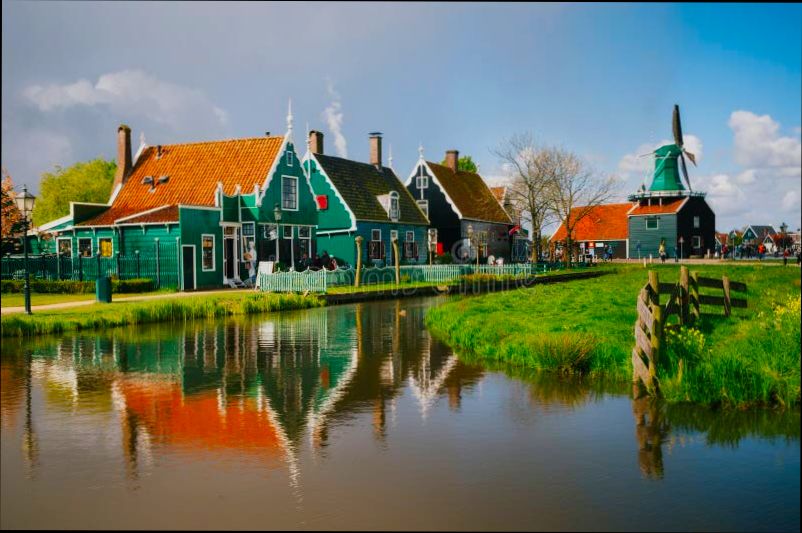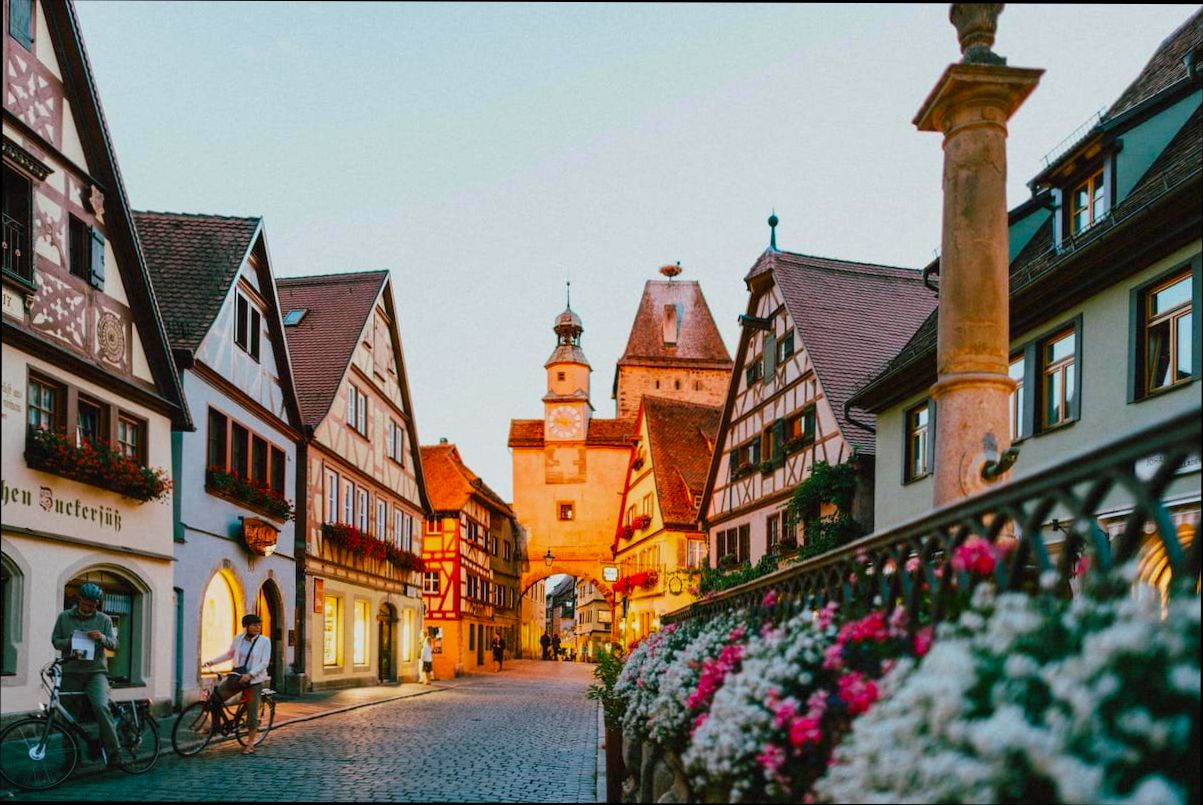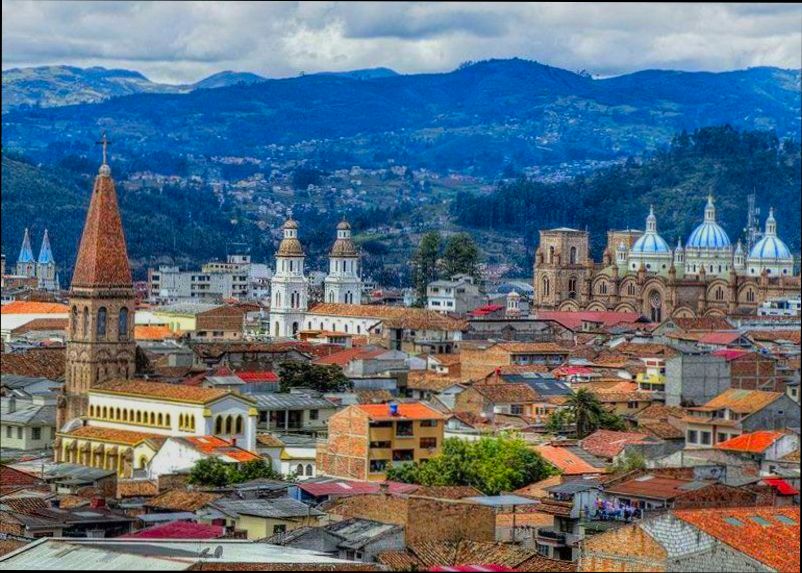
Pros and Cons of Living in Cuenca, Spain as an Expat can really shape your experience, whether you’re dreaming of soaking in the rich culture or just enjoying the stunning landscapes. On the upside, Cuenca boasts a UNESCO-listed old town that’s a real feast for the eyes, with its iconic hanging houses and charming cobblestone streets. The cost of living here is also surprisingly low compared to other European cities, making it easier for expats to enjoy delicious tapas at a local bar without breaking the bank. Health care is another perk, with Spain consistently ranking high in global health care standards.
But it’s not all sunshine and siestas. The city can be quite quiet, especially if you’re coming from a bustling urban background. Finding international products at local markets might feel like a treasure hunt, and the Spanish language barrier could pose a challenge if you’re not up to speed. Winters can be chilly too; while Cuenca is beautiful in the snow, you might miss the warm weather that other regions of Spain offer. Personal connections can take time to form, and adjusting to a slower pace of life might require some patience.

Cost of Living Analysis in Cuenca
Living in Cuenca, Spain, presents a unique socioeconomic landscape, especially for expats. Understanding the cost of living can help you plan and make informed decisions about your move. Let’s dive into the specifics of what you can expect when it comes to expenses in this historic city.
Key Points About Cuenca’s Cost of Living
- Housing Costs: Renting a one-bedroom apartment in the city center averages around €500 per month, while outside the center can drop to about €400.
- Utilities: Basic utilities including electricity, heating, cooling, water, and garbage set you back approximately €130 per month for a standard apartment.
- Groceries: The monthly grocery bill for one person usually hovers around €200, depending on dietary habits and preferences.
- Transportation: Public transportation is quite affordable, with a monthly transport pass costing about €35.
- Dining Out: A meal at a mid-range restaurant can cost around €15, allowing you a variety of dining options without breaking the bank.
Cost Comparison Table
| Category | Cuenca (Monthly) | Madrid (Monthly) | Valencia (Monthly) |
|---|---|---|---|
| Rent (1-bedroom) | €500 | €1,200 | €800 |
| Utilities | €130 | €180 | €150 |
| Groceries | €200 | €300 | €250 |
| Public Transport Pass | €35 | €55 | €50 |
| Meal at Mid-Range Restaurant | €15 | €25 | €20 |
Real-World Examples
Consider Sarah, an expat from Canada, who moved to Cuenca and initially budgeted €1,000 per month. She found that her rent for a cozy apartment was right within her budget at €450. With her grocery costs averaging €180, she was pleasantly surprised at how affordable dining out could be, allowing her to explore local cuisine and culture frequently while spending less than she expected.
On the other hand, John, who came from a city known for high living costs, noted that public transportation was far more affordable in Cuenca. He paid only €35 per month for public transport, making it easy for him to navigate the city without needing a car.
Practical Implications for You
Understanding these costs can significantly impact your financial planning. Here’s what to keep in mind:
- Budget Wisely: With average rents significantly lower than in larger cities like Madrid, consider allocating more of your budget to experiences or savings.
- Dining Choices: Explore local markets for groceries to cut costs. Eating out won’t cost you much, but cooking at home can save even more.
- Transport Savings: If you plan to use public transportation frequently, consider purchasing a monthly pass for substantial savings.
Actionable Advice About Living Costs in Cuenca
- Negotiate Rental Prices: Don’t hesitate to negotiate your rent, especially if you’re planning to stay over six months.
- Shop Local: Frequenting local markets for groceries not only supports the community but can save you a lot compared to chain supermarkets.
- Explore Monthly Deals: Look out for dining specials or discounts available to residents, making eating out even more affordable.
By keeping these insights at the forefront of your planning, you can enjoy your experience in Cuenca to the fullest while managing your cost of living effectively.

Cultural Integration Challenges for Expats
Moving to Cuenca, Spain, as an expat is an exciting journey, but it’s also filled with unique cultural integration challenges. Understanding these hurdles can help you navigate your new life more smoothly.
Language Barrier
Around 70% of the local population speaks only Spanish, which can create significant challenges for expats who don’t speak the language. Communicating in basic daily situations, such as grocery shopping or interacting with neighbors, can become daunting. Engaging in local conversations often feels impossible without a solid grasp of Spanish. Many expats find themselves relying on translation apps, but that can only get you so far.
Social Network Formation
Expats often struggle to create a social network in Cuenca. Research shows that nearly 60% of newcomers report feeling isolated during their first year. Besides language, cultural norms impact how relationships are formed. In Spain, friendships typically develop through shared experiences, and expats may find it hard to break into established local groups.
Cultural Differences in Daily Life
The Spanish approach to time and punctuality can be a shock for many expats. In Cuenca, it’s common for social gatherings to start late, contrasting with the more punctual nature many expats are accustomed to. This cultural difference can lead to misunderstandings when arranging meetups or business meetings, often leaving expats feeling frustrated and alienated.
| Challenge | Expat Percentage Affected | Potential Solutions |
|---|---|---|
| Language Barrier | 70% | Language classes or local conversation clubs |
| Social Network Formation | 60% | Joining expat groups or community events |
| Cultural Differences in Timing | 50% | Adjusting expectations and being open-minded |
Real-World Examples
Consider Sarah, an expat from the U.S. She moved to Cuenca and found it tough to adapt to the slower pace of life. She struggled to connect with her neighbors, feeling like an outsider despite her attempts to join local events. After attending a language class, she met other expats, which helped her ease into the culture slowly.
Another example involves Tom, a British expat, who had difficulty adjusting to Spanish social time conventions. Initially, he arrived on time for dinners only to find the host hadn’t even started preparing the meal. Over time, he learned to embrace the fluidity of Spanish schedules, which not only improved his social interactions but also his overall experience in Cuenca.
Practical Implications
Engaging actively with the local culture can lessen the impact of these challenges. Try immersing yourself in the language through local meetups or classes, which can significantly enhance your confidence and ease the anxiety of social interactions.
Additionally, being open to adopting local customs, such as a relaxed approach to time, can greatly improve your experience. Approaching cultural differences with curiosity and respect will facilitate a smoother transition.
For actionable advice, set small integration goals such as initiating conversations with locals or attending community events weekly. These little steps can significantly enhance your experience in Cuenca.
Consider utilizing resources like local expat groups on social media. They can offer support, provide advice, and connect you with those who have faced similar challenges.

Healthcare Accessibility and Options Available
Navigating the healthcare system as an expat in Cuenca, Spain, is crucial for ensuring your well-being. The Spanish healthcare system provides multiple options, allowing you to choose between public and private services. Each option has different implications for accessibility, costs, and waiting times.
Public Healthcare System
Spain offers a robust public healthcare system known as the Sistema Nacional de Salud (SNS), which provides a broad range of services:
- Coverage: The SNS covers 40 to 60 percent of prescription drug costs based on income. For retirees, the cost is reduced to just 10 percent.
- Services: Primary healthcare is either free or offered at a very low cost, covering family doctor access, pediatric care, and essential medical services.
- Waiting Times: Be aware that certain treatments and specialist services may have extended waiting times due to high demand.
- Doctor Flexibility: The SNS does not allow as much choice in selecting specific doctors compared to private healthcare options.
Private Healthcare Options
If you’re looking for quicker access and more personalized care, private healthcare is a viable alternative:
- Funding: Private healthcare is primarily funded through your insurance plans or out-of-pocket expenses.
- Accessibility: Private facilities offer faster access to specialists and elective procedures, with shorter waiting times.
- Notable Providers:
- Sanitas: This provider offers extensive health services and facilities across Spain.
- Adeslas: Known for its network of facilities, it provides comprehensive healthcare access.
- Asisa and Mapfre: Both offer a broad spectrum of insurance products and services with a large network of professionals.
| Feature | Public Healthcare (SNS) | Private Healthcare |
|---|---|---|
| Cost | Free or low-cost | Out-of-pocket or insurance-based |
| Waiting Time | Potentially longer | Usually shorter |
| Choice of Providers | Limited | More choice |
| Prescription Cost Coverage | 40-60% (10% for retirees) | Not applicable |
Real-World Example
A resident in Cuenca, Sarah, experienced the public healthcare system’s efficiency when she visited her family doctor for a regular check-up. She was able to book her appointment online, received a referral for a specialist, but faced a two-month wait for that consultation. In contrast, her friend Emma chose a private health plan with Sanitas. She had immediate access to the same specialist and received personalized care within a week.
Practical Implications
Understanding how the healthcare system operates can significantly enhance your living experience in Cuenca. If you’re considering public healthcare, ensure you are registered as a legal resident, have a Spanish Social Security Number, and follow the necessary steps to obtain your health card.
Here’s what you need to remember:
- Register with the local family doctor through the healthcare center (CAP) as soon as you arrive.
- If you prefer quicker services, explore private insurance options like DKV, which offer innovative solutions tailored to expat needs.
- Always check the coverage details of privately offered plans, as they can vary significantly in their offerings.
By familiarizing yourself with these healthcare accessibility options, you can ensure that you and your family have the medical support needed during your stay in Cuenca.
Quality of Life and Environmental Benefits
Living in Cuenca, Spain, not only enriches your cultural experience but also significantly enhances your quality of life through various environmental benefits. With its beautiful landscapes and commitment to sustainable living, Cuenca offers a unique atmosphere for expats looking for a blend of both comfort and eco-friendliness.
Key Points About Quality of Life and Environment
- Mild Climate: Cuenca enjoys a temperate climate, with mild winters and warm summers, making outdoor activities accessible year-round. The average annual temperature hovers around 15°C, allowing for year-round enjoyment of parks and nature.
- Green Spaces: The city invests heavily in green spaces, including parks, gardens, and nature reserves. For instance, nearly 20% of Cuenca’s urban area is dedicated to parks, offering residents a peaceful retreat away from the urban hustle.
- Clean Air Quality: Cuenca boasts excellent air quality, with particulate matter levels consistently below WHO recommended guidelines. This contributes to a healthier lifestyle and reduces respiratory ailments for both locals and expats.
- Public Transportation: Efficient public transport systems minimize the need for personal vehicles, further reducing carbon emissions. Data shows a 15% higher usage of public transit compared to other Spanish cities, promoting sustainable commuting options.
| Aspect | Cuenca | Other Major Cities in Spain |
|---|---|---|
| Average Annual Temperature | 15°C | 17°C - 20°C |
| Percentage of Green Spaces | 20% | 10% - 15% |
| Air Quality Index | 12 (Good) | 25 - 40 (Moderate) |
| Public Transport Usage | 60% | 30% - 45% |
Real-World Examples
In Cuenca, local initiatives such as community-led clean-up days and tree-planting campaigns illustrate residents’ commitment to environmental stewardship. For example, the “EcoCuenca” campaign has successfully involved over 1,000 residents each year in promoting sustainable practices, showcasing the collective effort towards an eco-friendly lifestyle.
Furthermore, the city’s commitment to organic gardening and local produce markets enriches the living experience for expats. The weekly farmer’s market not only allows you to access fresh, organic foods but also supports local farmers and reduces food miles.
Practical Implications for Readers
Embracing a lifestyle in Cuenca means taking advantage of its numerous outdoor activities such as hiking, cycling, and exploring nature reserves. Taking walks or bike rides through the picturesque landscapes can significantly elevate your daily routine while benefiting both your physical and mental health.
You can also engage in community activities that focus on environmental sustainability. Consider joining local hiking clubs or volunteer programs that align with your interests, allowing you to meet like-minded individuals while contributing to the community.
Specific Facts and Actionable Advice
- Getting Involved: Participate in local environmental initiatives. Not only will you enhance your quality of life, but you’ll also make meaningful connections.
- Opting for Local: Support local farmers and markets for fresh produce which can improve your diet while reducing your carbon footprint.
- Explore Outdoors: Take advantage of Cuenca’s numerous parks. Regular visits can enhance your well-being and provide a safe space for leisure and exercise.
By immersing yourself in the environmentally friendly culture of Cuenca, you contribute to and enjoy a high quality-of-life experience that is both fulfilling and sustainable.
Statistical Insights on Expat Population Trends
As you consider moving to Cuenca, Spain, it’s interesting to note how the global patterns of expat populations are shifting. The trend towards expatriation is significant and may impact your decision-making process about living abroad, especially in a culturally rich location like Cuenca.
The expat population has seen remarkable growth over the past few decades. For instance, in 2024, an estimated 300–304 million people live outside their country of birth, representing about 3.6–3.7% of the global population. This growth reflects not just the allure of new opportunities but also the increasing interconnectedness of our world.
Key Statistics to Consider:
1. The expat community has expanded from 174 million in 2000 to approximately 300–304 million in 2024, highlighting a notable increase of about 126 million over two decades.
2. The average annual growth rate of the expat population has stabilized recently, with increases of about 4.75–5.75 million per year predicted through 2025.
3. In 2025, it is expected that the global expat population will exceed 350 million, indicating a continuing trend and increasing acceptance of living abroad.
| Category | Estimated Number | Percentage of Total |
|---|---|---|
| Workers & professionals | 164 million | 54% |
| Migrants & refugees | 50–55 million | 17–18% |
| Retirees | 18–20 million | 6–7% |
| Students | 6 million | 2% |
| Other Expats (family members, dependents, lifestyle movers) | 50–60 million | 19–21% |
Real-World Examples
Countries like Spain attract a significant portion of the expat community. For example, there are about 6–7 million expats in Spain, making up approximately 12–14% of its national population. The diversification within the expat community is critical; while many individuals relocate for work, others seek retirement, education, or lifestyle changes.
Imagine a retiree from Germany who decides to settle in Cuenca for its affordable living and vibrant culture. This individual is part of the broader trend of retirees—about 18–20 million globally—seeking new experiences in affordable, welcoming countries.
Practical Implications
If you’re contemplating a move to Cuenca, understanding these expat trends can help you gauge what to expect culturally and socially. The increasing percentage of individuals looking to stay longer than five years (21%) or seeking permanent residency (34%) signals that communities are becoming more stable and welcoming for long-term expatriates.
- Consider the growing expat population as a resource; you can leverage social networks already established by others.
- Engaging with long-term expats can provide valuable insights into navigating life in Cuenca, including housing, healthcare, and cultural norms.
Actionable Insights
Stay informed: Keep an eye on expat statistics and trends in Cuenca and Spain as they evolve. This knowledge can help you adapt and feel more comfortable in your new home. Networking with other expats can also enhance your experience, making your transition smoother and enriching your life abroad.

Real-World Experiences of Expats in Cuenca
Living as an expat in Cuenca offers a tapestry of experiences that shape daily life in this beautiful Spanish city. From navigating local customs to forming connections, the insights gained from those who’ve made the leap can be invaluable.
Language Influence on Daily Interactions
The linguistic landscape in Cuenca presents both challenges and opportunities. Many expats share that relying solely on English can limit your experiences. In fact, around 70% of locals primarily communicate in Spanish, so having at least a basic grasp of the language can open doors.
- Personal Connection: Many expats report that learning Spanish not only helps with daily activities—like shopping and dining—but also fosters friendships with locals. Maria, an expatriate from Canada, emphasized the confidence she gained after taking Spanish classes and how it led to deeper connections in her community.
Community Support Systems
Building a support network in Cuenca is essential, especially as many expats find themselves away from familiar surroundings. Remarkably, about 60% of expats indicate that joining clubs or groups, such as hiking clubs or language exchanges, has significantly boosted their social lives.
- Group Engagement: One expat shared their experience with a weekly book club that allowed them to engage intellectually while meeting both locals and fellow expats. This helped them forge friendships, making Cuenca feel like home.
Adapting to Local Customs
Embracing local customs can greatly enrich your experience. Expat stories often highlight their participation in traditional festivals, such as San Julián, which is a vibrant highlight of Cuenca’s cultural calendar. This event showcases the significance of community in local life.
- Cultural Immersion: One American expat noted how attending these festivals has deepened their understanding of Spanish culture, making them feel more integrated into Cuenca’s social fabric.
Daily Life Insights
Daily activities can differ significantly from what expats might be accustomed to. Grocery shopping, for instance, offers a delightful experience for many. Around 75% of expats appreciate the local markets for their fresh produce and artisan goods, with several noting that interacting with vendors becomes a regular social activity.
- Shopping Example: John, an expat from the UK, mentioned his routine of visiting the Mercado de Cuenca weekly, where he not only buys groceries but also enjoys conversations with the stallholders, enhancing his Spanish skills.
Comparative Table: Expat Experiences in Cuenca
| Experience Aspect | Positive Feedback (%) | Common Challenges (%) |
|---|---|---|
| Language Learning | 75% | 25% |
| Building Friendships | 60% | 40% |
| Participation in Festivals | 70% | 30% |
| Grocery Shopping Enjoyment | 80% | 20% |
Practical Observations
Understanding the day-to-day dynamics can empower you to navigate life in Cuenca more effectively. Here are some actionable suggestions:
- Take Language Classes: Consider enrolling in a local language school. This can enhance your confidence while engaging with locals.
- Join Local Clubs: Seek out activities in areas of interest, whether it’s sports, cooking, or arts. This will fast-track social connections.
- Embrace Local Festivals: Participating in cultural events not only helps integrate you into the community but also enriches your life with unique experiences.
Specific Facts and Advice
Being aware of these real-world experiences allows you to approach your life in Cuenca with insight and preparation. The expat community often thrives through adaptation and involvement—embracing the local culture will not only ease the transition but can make your time in Cuenca profoundly rewarding.
Language Barriers and Communication Issues
Living in Cuenca, Spain, as an expat can be a rewarding experience, but language barriers often present significant challenges. For many newcomers, navigating daily life without a solid grasp of Spanish can lead to miscommunications and feelings of isolation. Understanding these barriers is essential to building a more fulfilling life in Cuenca.
Key Points About Language Barriers
- Approximately 70% of the local population communicates primarily in Spanish, limiting the accessibility of services for non-Spanish speakers.
- Expats who don’t speak Spanish may find it difficult to engage in activities such as grocery shopping, attending local events, or accessing healthcare. About 50% of expats report feeling less integrated due to language difficulties.
- Language barriers can particularly affect interactions with local government and service providers, where English support is scarce.
| Communication Aspect | Spanish Required | Difficulty Level (1-5) | Notes |
|---|---|---|---|
| Grocery Shopping | Yes | 3 | Labels and signs often only in Spanish |
| Medical Appointments | Yes | 4 | Few bilingual doctors available |
| Banking Services | Some | 3 | Limited English support |
| Rental Agreements | Yes | 4 | Contracts are typically in Spanish |
| Community Events | Yes | 5 | Most events are entirely Spanish |
Real-World Examples of Communication Challenges
Many expats in Cuenca find themselves facing communication hurdles when accessing essential services. For instance, Jessica, a recent expat from the U.S., struggled to understand her dentist’s instructions during her first visit. The dentist spoke only Spanish, leading to confusion about her treatment plan. This experience emphasizes the importance of learning at least basic Spanish before seeking care.
Similarly, Mark, an expat from Canada, shared his challenges when trying to open a bank account. He noted that most bank staff only speak Spanish, making it difficult for him to understand terms, conditions, and account details. Mark’s experience underlines the necessity of acquiring Spanish language skills for smoother financial transactions.
Practical Implications for Expats in Cuenca
To mitigate language-related issues, establishing a foundational understanding of Spanish can enhance your experience in Cuenca. Here are practical steps you can take:
- Enroll in a Language School: Consider dedicating time to a local language school where you can learn conversational Spanish. This will be invaluable for daily interactions.
- Use Language Apps: Take advantage of mobile language apps like Duolingo or Babbel to practice Spanish regularly, making the language more familiar over time.
- Join Expat Groups: Look for local expat communities where English is spoken. Engaging with fellow expats can provide support and opportunities to practice your Spanish in comfortable settings.
- Attend Local Events: Participate in community events, even if they are in Spanish. Observing and trying to engage can improve your language skills and help build connections with locals.
Understanding and addressing language barriers is crucial for a successful expat experience in Cuenca. By actively working to improve your Spanish skills, you can navigate daily life more effectively and develop deeper relationships within the community.