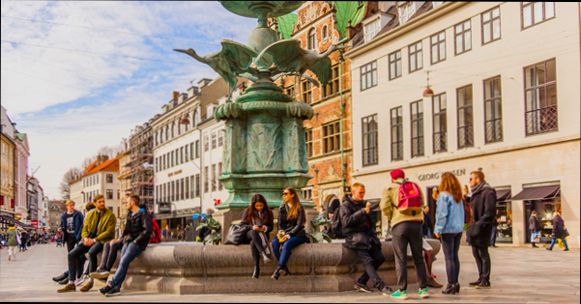
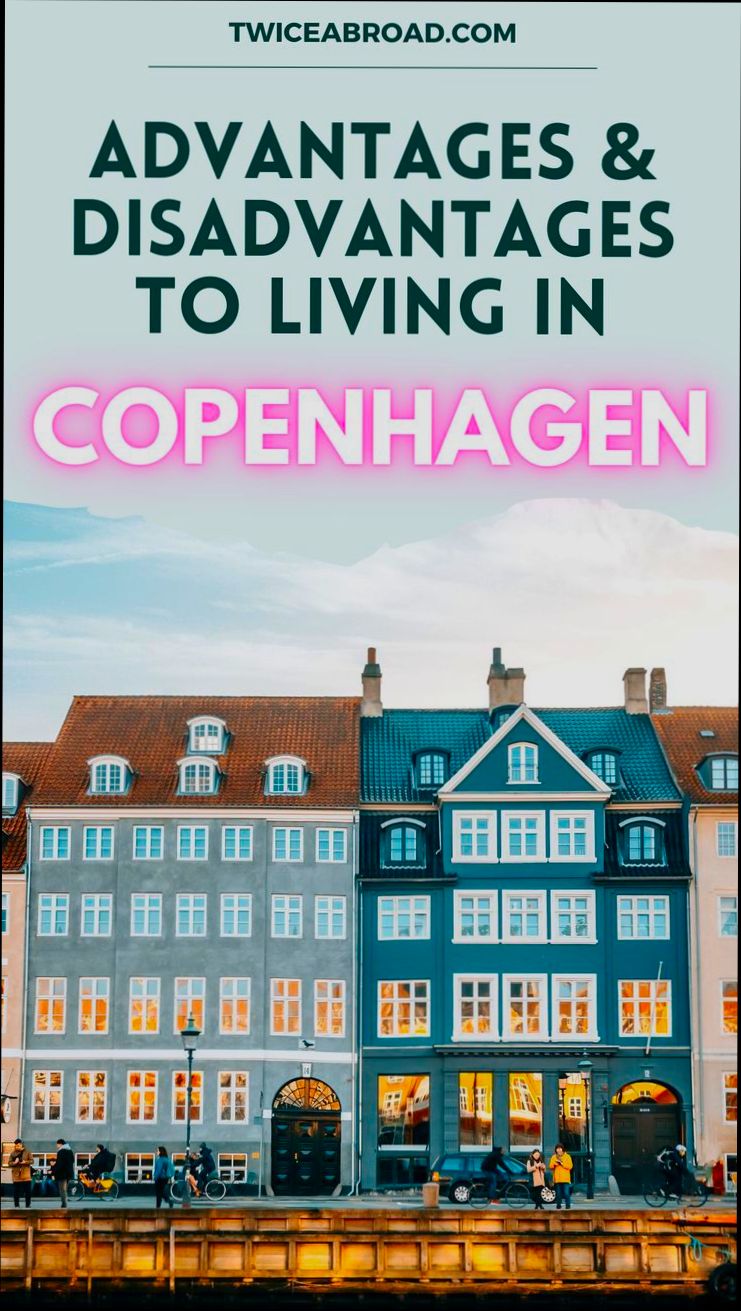
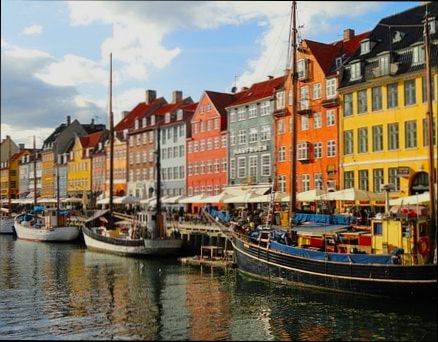
Pros and Cons of Living in Copenhagen (København) is a hot topic among expats and locals alike. On one hand, you’ve got a vibrant cultural scene that’s hard to beat—think of the stunning Nyhavn waterfront, eclectic street art, and world-class culinary spots like Noma, which has snagged Michelin stars and global attention. Plus, if you love biking, you’ll feel right at home; Copenhagen boasts over 390 kilometers of bike lanes, making cycling the go-to mode of transport. But beware the price tag that comes with this charm; the cost of living here can be eye-watering. A decent apartment can easily run you 12,000 DKK (about $1,800 USD) or more per month, and those delicious meals can pile up fast.
On the flip side, Copenhagen is widely recognized for its high quality of life, ranked consistently as one of the happiest cities in the world. The healthcare and education systems are top-notch, and you’ll find a strong sense of community, especially in the cozy neighborhood cafés. Just remember that the long, dark winters can be a real downer if you’re not a fan of gloomy days—sunlight can be scarce for months. The city’s also grappling with rising housing demand, which means competition can get fierce, and the rental market moves quicker than you might expect. So, whether you’re enchanted by the Danish hygge or feeling the pinch of its expenses, there’s a lot to unpack when considering life in this captivating city.
Cost of Living in Copenhagen
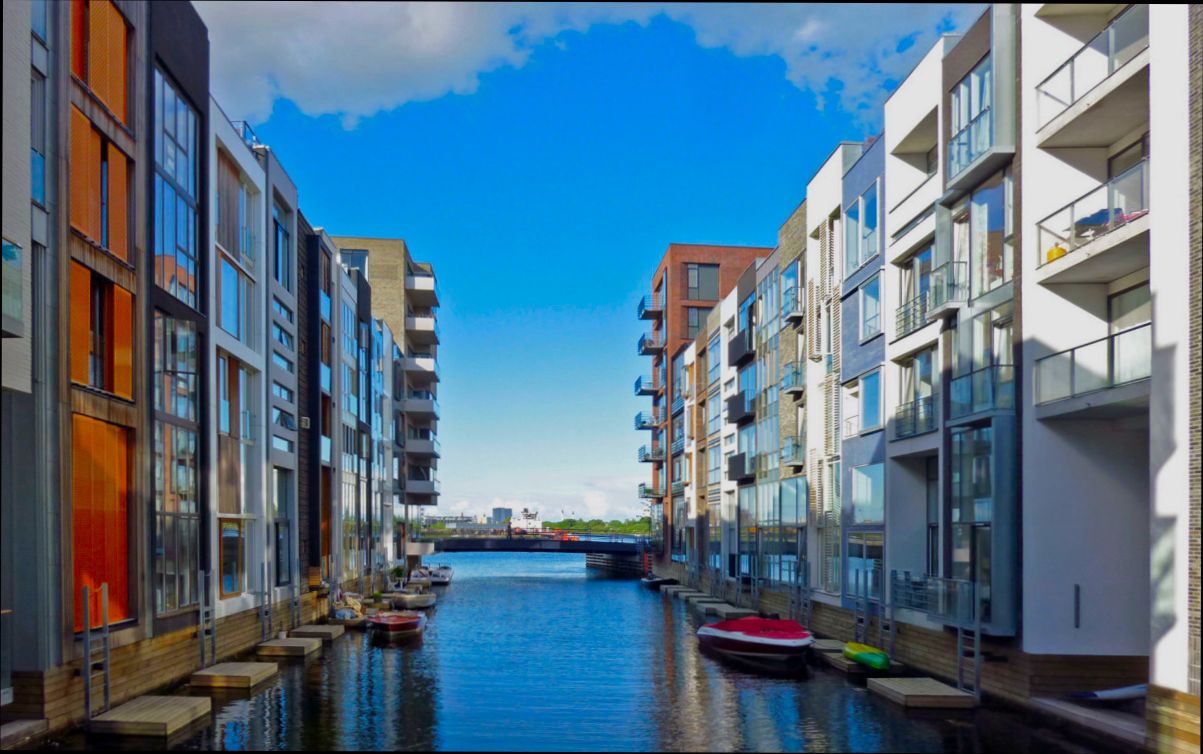
Living in Copenhagen offers many benefits, but it comes at a price. The average cost of living in this vibrant city is around $2,333 per month, placing it in the top 12% of the most expensive cities globally. This means you’ll need to prepare for a different financial landscape than what you might be used to.
Key Expenses
Here are some key costs you should be aware of when planning to live in Copenhagen:
- Rent: If you’re looking for a one-bedroom apartment, expect to pay about 13,012 DKK in the city center and 9,245 DKK if you choose to live outside the center.
- Dining Out: Eating at an inexpensive restaurant will set you back around 150 DKK. A three-course meal for two at a mid-range restaurant can cost around 800 DKK. If you prefer fast food, a McMeal will cost approximately 100 DKK.
Comparative Costs Table
| Item | Cost (DKK) | Cost (EUR) |
|---|---|---|
| Meal, Inexpensive Restaurant | 150 | 20.00 |
| Meal for 2, Mid-range Restaurant | 800 | 107.00 |
| Domestic Beer (0.5 liter) | 60 | 8.00 |
| One-way Ticket (Local Transport) | 24 | 3.20 |
| Monthly Pass (Public Transport) | 775 | 104.00 |
| 1-Bedroom Apartment (City Centre) | 13,012 | 1,743.00 |
Real-World Examples
Consider a single person moving to Copenhagen. According to research, their estimated monthly expenses without rent are about 8,654 DKK (roughly €1,155). This amount includes day-to-day expenses such as groceries, transportation, and leisure activities, indicating that living in Copenhagen is a significant investment.
For a family of four, the estimated monthly costs reach approximately 31,474 DKK (about €4,200) without rent. This figure underscores the necessity of planning out a budget that can accommodate the city’s higher-than-average living costs.
Practical Implications
When budgeting for your expenses in Copenhagen, I recommend focusing on a few key areas:
- Transportation: Utilize public transportation to save money. A monthly pass can be pricey, but it’s oftentimes more economical than owning a car in the city.
- Dining: Embrace local cuisine but be mindful of the cost. Eating out regularly can add up quickly, so consider preparing meals at home.
- Shopping: Grocery costs can be high, which is where shopping at discount supermarkets like Netto can help you stay within budget.
Actionable Advice
- Set a clear monthly budget that accounts for rent, food, transportation, and leisure activities to avoid unpleasant surprises.
- Explore local options for dining and shopping, as many unique choices cater to different budgets.
- Stay informed about current living costs by checking online tools and resources that provide live updates on expenses in Copenhagen.
Public Transportation Efficiency and Accessibility
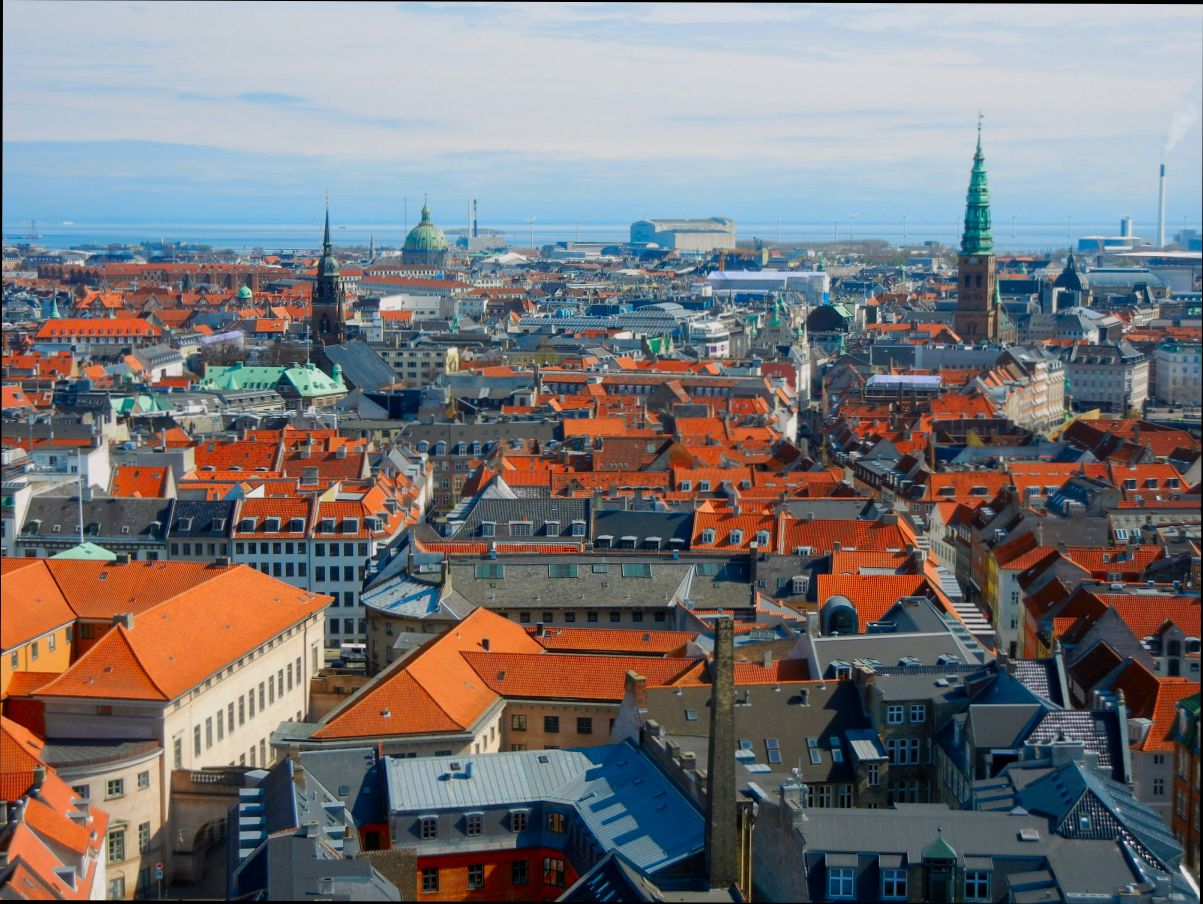
When it comes to living in Copenhagen, one of the standout features is the public transportation system. It’s designed to be efficient, reliable, and accessible, making it easier for you to navigate the city, whether you’re commuting for work or exploring for leisure.
Key Points on Efficiency
- Punctuality is Paramount: Public transportation in Copenhagen boasts impressive punctuality, with 95% of trains arriving on time, so you can count on being where you need to be without unnecessary delays.
- Integrated System: The public transport network spans buses, trains, and metro services that are well-integrated. You can use the same ticket for multiple types of transport within a given timeframe, which enhances your overall traveling experience.
- Frequency of Service: Trains and metros run frequently, especially during peak hours. Typically, you can expect trains every 5-10 minutes. This high frequency reduces waiting times and helps to ensure that public transit is a viable choice for daily commutes.
Accessibility Considerations
- Inclusive Design: Approximately 80% of the metro stations in Copenhagen are fully accessible for individuals with limited mobility. This includes features like elevators and ramps, making it easier for everyone to use public transport.
- Multilingual Information: Both written and spoken language assistance is available across the system, including in English, helping non-Danish speakers navigate with ease.
| Public Transport Feature | Description | Accessibility Rating |
|---|---|---|
| Punctuality | 95% on-time performance | High |
| Frequency of Services | Trains every 5-10 minutes | High |
| Accessible Stations | 80% of stations fully accessible | Moderate to High |
| Multilingual Support | Available in multiple languages | High |
| Integrated Ticketing | One ticket for multiple transport types | High |
Real-World Examples
Take for instance a commuter traveling from Nørrebro to Tivoli Gardens. With the ease of catching a train from Nørreport station, which runs every 5 minutes, reaching the destination becomes a hassle-free experience. If you or someone you know has mobility challenges, stations like Christianshavn demonstrate the city’s commitment to accessibility, featuring ramps and elevators that are easy to use.
Practical Implications
If you’re considering using public transport, familiarize yourself with the ticketing system to maximize convenience. The Copenhagen travel app provides real-time updates and route information, ensuring that you stay informed throughout your journeys. Embracing public transportation means you can save on parking costs and contribute to lower carbon emissions, promoting a greener city.
Actionable Advice
Take advantage of the travel passes available for tourists and residents alike, like the City Pass, which allows unlimited travel for a set number of days. This not only simplifies travel logistics but also offers you a cost-effective way to explore the diverse neighborhoods and attractions around Copenhagen.
Quality of Life and Happiness Metrics
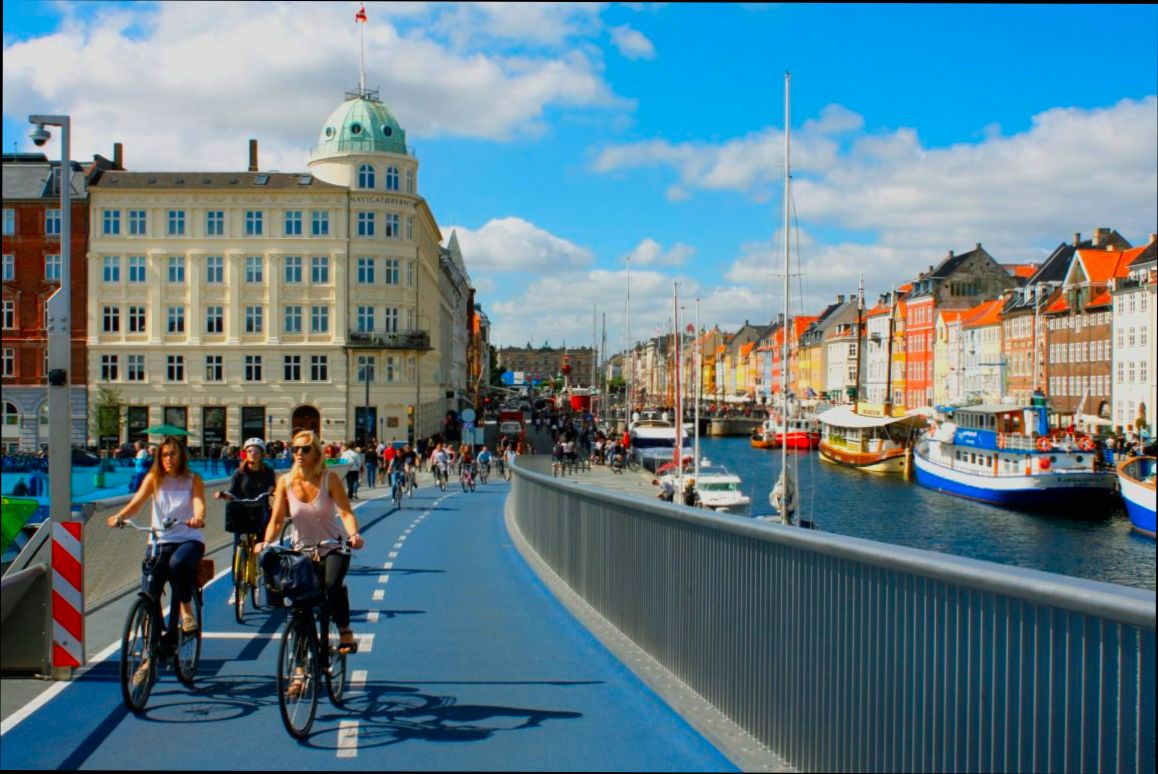
Living in Copenhagen comes with a robust set of quality of life and happiness metrics that many residents cherish. Nestled in a country known for its high living standards, the city often ranks at or near the top in various global happiness surveys. These metrics provide deep insights into how daily life feels and what residents might expect when considering a move to this vibrant metropolis.
Key Quality of Life Metrics
- Healthcare: Denmark’s healthcare system consistently ranks among the best in the world. About 89% of Copenhagen residents report high satisfaction levels with their healthcare services, ensuring peace of mind for both locals and expats.
- Safety and Security: Approximately 90% of Copenhageners feel safe walking alone at night, reflecting the city’s low crime rates and well-maintained public spaces.
- Work-Life Balance: About 81% of locals enjoy a satisfying work-life balance, and flexible work environments contribute to higher happiness levels. Many companies in Copenhagen promote balanced schedules, which supports mental wellness.
- Green Spaces: Copenhagen boasts over 1,000 parks and green areas, enhancing residents’ overall happiness by providing easy access to nature. Studies show that regular use of these green spaces can improve mood and reduce stress.
Comparative Happiness Metrics Table
| Metric | Copenhagen | Global Average |
|---|---|---|
| Healthcare Satisfaction | 89% | 70% |
| Feeling Safe at Night | 90% | 60% |
| Work-Life Balance | 81% | 65% |
| Access to Green Spaces | 82% | 55% |
Real-World Examples
One striking example of happiness metrics in Copenhagen can be seen in initiatives like the “Cycle Superhighways,” which encourage biking and have led to a significant increase in residents’ daily exercise. Studies indicate that increased cycling correlates with higher reported happiness levels, with users of the cycle routes expressing 20% more satisfaction with their daily routines.
Additionally, the implementation of community-driven projects such as urban gardening has seen over 70% of participants noticing heightened mental wellbeing. These projects foster a sense of community belonging and provide tangible benefits in terms of physical and emotional health.
Practical Implications for Quality of Life
For those considering a move to Copenhagen, it’s crucial to understand how these quality of life metrics can affect your everyday experiences. Prioritizing activities that promote health, safety, and community engagement can further enhance your happiness while living in the city.
- Engage in outdoor activities: Take advantage of the many parks and biking trails. Regular interaction with green spaces can greatly boost your mood.
- Connect with local communities: Join local gatherings or civic engagement initiatives to foster a sense of belonging and increase satisfaction.
- Utilize healthcare resources: Ensure you are registered with a local healthcare provider to access Denmark’s superior healthcare services seamlessly.
Actionable Insights
- Explore the extensive bike routes—cycling not only improves your health but also aligns with the local lifestyle, enhancing your experience in the city.
- Attend community workshops in urban gardening or local cultural events, which have shown to bolster happiness figures significantly.
- Make use of the city’s healthcare resources promptly, ensuring you’re familiar with services available to maintain your wellbeing.
The quality of life metrics in Copenhagen illustrate a city that not only values but actively promotes happiness and wellbeing through a variety of supportive structures and community initiatives. By fully engaging with these resources, you can cultivate a fulfilling and joyful life in this enchanting city.
Cultural Diversity and Social Benefits
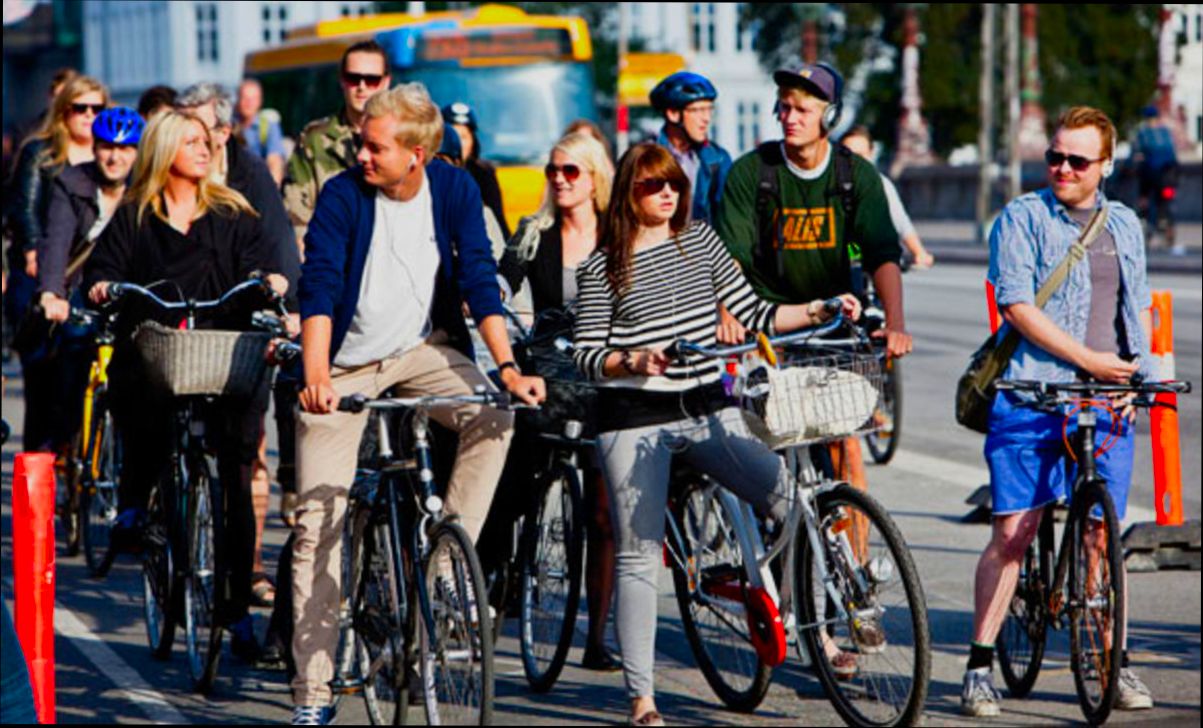
Copenhagen stands out as a beacon of cultural diversity that enriches social interactions and the community as a whole. The variety of cultural backgrounds not only enhances the city’s vibrancy but also fosters a more inclusive and collaborative environment for its residents.
Enhancing Creativity and Problem-Solving
Cultural diversity plays a critical role in enhancing creativity. Studies show that diverse teams are 70% more likely to capture new markets due to the unique perspectives each member brings. This includes different problem-solving approaches and innovative ideas that stem from varied cultural backgrounds, ultimately enriching community projects and businesses in Copenhagen.
- Creative Solutions: A diverse cultural backdrop fosters innovative thinking by combining various viewpoints.
- Broad Perspectives: Immersing in different cultural traditions can lead to unique insights beneficial in both personal and professional settings.
Social Benefits of Inclusivity
Embracing cultural diversity leads to numerous social benefits within Copenhagen. Societies that celebrate and integrate diverse cultures experience increased mutual respect and understanding among residents.
- Strengthened Community Bonds: Communities that engage in inter-cultural events reported a 40% increase in social interactions among residents.
- Healthier Work Environments: Inclusive workspaces that celebrate diversity see a 33% greater employee satisfaction rate, leading to lower turnover and higher productivity.
Comparative Table of Cultural Benefits in Copenhagen
| Benefit | Impact Percentage | Research Source |
|---|---|---|
| Increased Market Capture | 70% | BitGlint Research |
| Enhanced Social Interactions | 40% | Culture Monkey Reports |
| Higher Employee Satisfaction | 33% | Employee Engagement Studies |
Real-World Examples of Cultural Diversity Benefits
A notable case is the city’s annual diversity festivals, which gather thousands from various backgrounds to celebrate cultural heritage. These events not only showcase traditional music, art, and food but also create avenues for dialogue and community-building. For instance, the Copenhagen Rainbow Festival incorporates LGBTQ+ elements that promote acceptance and awareness, significantly bolstering social cohesion within the city.
Another example includes companies like Novozymes, which actively recruit from diverse talent pools, embracing a wide array of perspectives. This approach has led to groundbreaking innovations in biotechnology, demonstrating the tangible benefits of cultural diversity in industry.
Practical Implications for Living in a Diverse City
Living in a culturally diverse city like Copenhagen means more than just exposure to different foods and events; it also involves:
- Participating in local cultural activities, such as workshops and community service, that foster deeper connections with your neighbors.
- Engaging in language and communication courses that enhance your ability to understand and appreciate different cultural perspectives.
Actionable Advice for Embracing Cultural Diversity
To fully embrace the benefits of cultural diversity while living in Copenhagen, consider the following:
- Attend cultural festivals or cultural awareness days to gain insights into different traditions.
- Join or form groups focused on inter-cultural dialogue and understanding, which can deepen your connections and improve collaboration.
- Utilize local resources and workshops designed to foster cultural awareness, making your experience truly enriching.
Engaging with the diverse culture of Copenhagen offers invaluable opportunities that go beyond mere socializing. By actively participating in this dynamic cultural landscape, you can benefit personally and contribute to a more inclusive community.
Environmental Sustainability Practices in the City
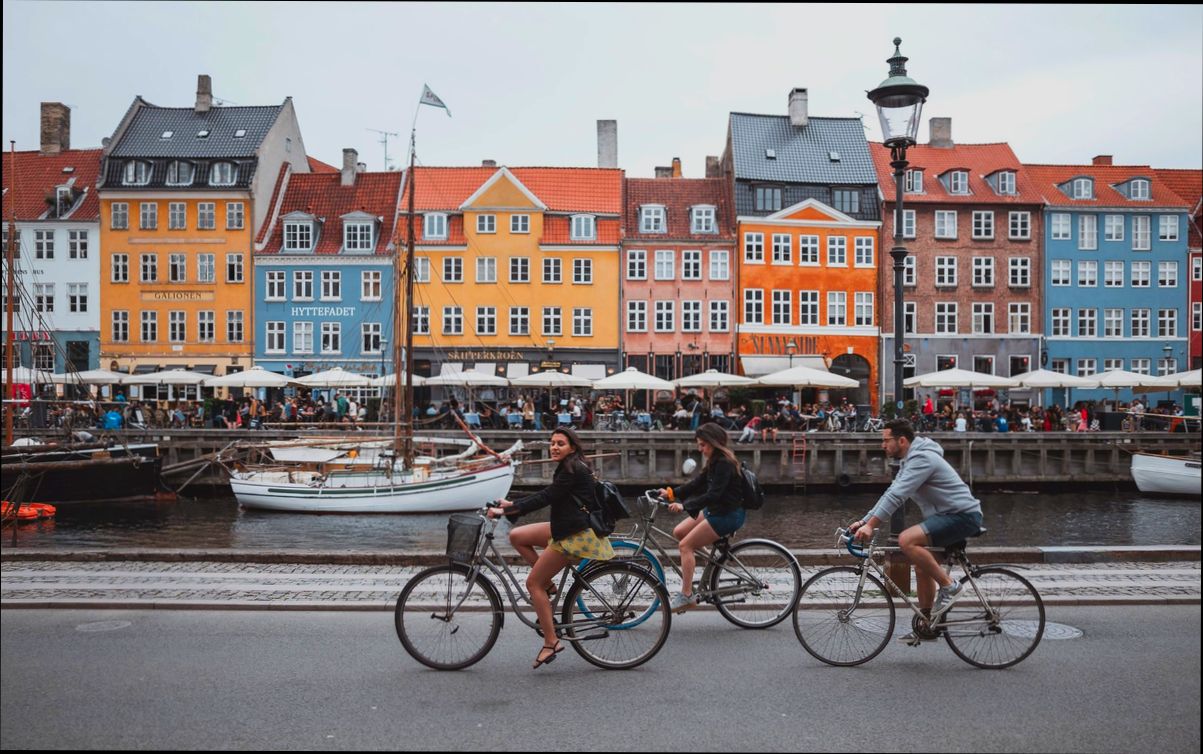
Copenhagen is widely recognized for its commitment to environmental sustainability. This section explores specific practices that support a greener urban environment, showcasing the innovative approaches the city takes.
Copenhagen aims to become the world’s first carbon-neutral capital by 2025, and it implements various sustainability practices to get there.
Key Environmental Sustainability Practices
- Waste Management: The city has a recycling rate of about 62%, significantly higher than the European average of 45%. With a focus on reducing waste, Copenhagen has introduced an extensive network of recycling stations and programs promoting organic waste collection.
- Renewable Energy Investment: As of 2023, 47% of Copenhagen’s energy consumption comes from renewable sources, primarily wind energy. The city has invested heavily in offshore wind farms and solar energy installations.
- Green Urban Spaces: Over 97% of Copenhagen’s residents live within a 15-minute walk of a park or green space. The city has integrated green roofs and vertical gardens into urban planning, improving biodiversity and air quality.
Sustainability Comparison Table
| Practice | Current Status | Future Goal |
|---|---|---|
| Recycling Rate | 62% | Increase to 70% by 2025 |
| Renewable Energy Consumption | 47% | Achieve 100% by 2025 |
| Access to Green Spaces | 97% | Expand accessibility to all areas |
Real-World Examples
Copenhagen’s innovative approach goes beyond basic recycling. For instance, the Amager Bakke waste-to-energy plant doubles as a recreational park, complete with a ski slope on its roof. This facility converts waste into energy, providing heat and electricity to homes while actively engaging the community in sustainability efforts.
Another notable example is the city’s electric bus fleet, which aims to completely phase out diesel buses by 2025. The integration of these electric buses not only reduces greenhouse gas emissions but also enhances the overall air quality in urban areas.
Practical Implications for Residents
As a resident of Copenhagen, you can actively participate in these sustainability practices by:
- Utilizing Waste Diversion Programs: Make use of the city’s recycling and composting programs to reduce your waste footprint.
- Opting for Public Transport: The efficient public transportation system reduces reliance on cars, which helps maintain low emissions.
- Engaging in Local Green Events: Participate in local initiatives focused on environmental education and community clean-up events.
Specific actionable advice includes exploring community workshops on sustainable living practices, researching local renewable energy programs, or even investing in green technology for your home. Embracing these practices not only enhances your quality of life but also supports Copenhagen’s vision for a sustainable future.
Housing Market Trends and Challenges
Navigating the housing market in Copenhagen can feel like a complex puzzle, where various pieces must come together for a successful living experience. Whether you’re a potential buyer, a renter, or simply interested in the market dynamics, understanding the latest trends and challenges is crucial.
Current Trends in Housing Market
As of the second quarter of 2024, a noteworthy trend is that nearly 86% of homeowners with mortgages are benefiting from interest rates that remain below the historical average. This scenario provides some relief for existing homeowners but poses a challenge for first-time buyers as they encounter higher rates in the current market, which are projected to hover between 6% and 7%.
In addition, about 30% of the housing inventory consists of newly built homes. This is significant because while existing home sales are expected to grow moderately, the supply of new homes is essential for filling gaps created by the lack of inventory in existing homes. Builders are also adjusting by offering incentives, like buying down mortgage rates, to stimulate sales.
Comparative Housing Market Data
| Metric | Current Value | Projected Value |
|---|---|---|
| Percentage of Homeowners with Low Rates | 86% | N/A |
| Newly Built Homes in Inventory | 30% | Increasing through 2026 |
| Projected Mortgage Rates | 6% - 7% | Expected stability unless economic shift |
| Existing Home Inventory Growth | Moderate | Dependent on rate declines |
Real-World Examples
In 2023, several builders in the Copenhagen region launched initiatives to address the rising costs of entry into the housing market. For instance, one developer started offering flexible mortgage options, which allowed buyers to secure lower monthly payments amidst higher interest rates. This proactive approach aims to ease accessibility for first-time homebuyers who feel squeezed by current market prices.
Additionally, the introduction of new policies aimed at real estate commissions has begun shaping how homes are marketed and sold. This can impact buyer confidence and negotiation power, depending on how these policies roll out across different regions.
Practical Implications
If you’re considering a move to Copenhagen or looking to buy in this market, here are a few actionable insights:
- Keep an eye on mortgage rates; a decrease could lead to a surge in transactions, providing more options for buyers.
- Explore newly constructed homes, which can offer modern amenities and more favorable rates than existing properties.
- Investigate local builders who are offering incentives to enhance affordability—these can be game-changers in your pricing strategy.
Specific Facts and Advice
Be aware that the real estate landscape can shift rapidly. As of now, mortgage rates are expected to remain high, yet they may also decline if market conditions change. Therefore, timing your purchase or rental could become a critical factor in your decision-making process. Staying informed about local developments and housing policies will also give you leverage in a competitive market.
Real-World Experiences of Expatriates
Living as an expatriate in Copenhagen can offer a unique mix of challenges and rewards. From navigating social norms to integrating into local life, each expatriate’s journey can be quite different. Let’s dive into some real-world experiences that illustrate what you might encounter as you embark on this adventure.
Navigating Language Barriers
While many Danes speak English fluently, some expatriates find that knowing the local language can significantly enhance their experience. Research indicates that around 70% of expatriates felt more accepted once they started learning Danish, even at a basic level. This willingness to engage with the language fosters deeper connections and helps in building friendships within the community.
Integration into the Local Culture
Integration is a common theme among expatriates. About 65% reported that joining local clubs or groups helped them acclimatize more quickly. Consider these popular activities:
- Sports Clubs: Team sports are a fantastic way to meet locals and bond through a shared interest. Many find camaraderie in football clubs or running groups.
- Volunteering: Approximately 50% of expatriates engaged in local charitable organizations, fostering a sense of belonging while contributing.
Building a Social Network
Creating a solid social network is pivotal for well-being. Many expatriates highlight that attending meet-ups organized by expat communities is essential. In fact, about 75% of expatriates expressed that these gatherings enriched their life in the city by providing a supportive environment.
Challenges of Daily Life
While Copenhagen is known for its high quality of life, expatriates experience some bumps along the way. A survey revealed that 40% of newly arrived expatriates found the bureaucratic processes daunting, from registering for a CPR number to establishing a bank account.
Comparative Table of Expat Experiences in Copenhagen
| Experience | Percentage of Expats Affected | Notable Challenges |
|---|---|---|
| Language Learning | 70% | Initial frustration with complexity |
| Local Integration | 65% | Cultural differences |
| Building Social Networks | 75% | Finding the right community |
| Bureaucratic Challenges | 40% | Navigating administrative tasks |
Real-World Examples
Consider Sarah, an American expat who moved to Copenhagen for work. She initially struggled with the language barrier but decided to enroll in a Danish class. Over nine months, her confidence grew, allowing her to engage more meaningfully in social settings. Conversely, Michael, from Canada, found the bureaucratic hurdles overwhelming during his first few weeks, taking longer than expected to get his residency sorted, which added stress to his relocation experience.
Practical Implications
As you settle into life in Copenhagen, take proactive steps to ease your transition:
- Consider diving into the local language even at a basic level to enrich your interactions.
- Join local expat groups to foster connections and find shared interests.
- Don’t hesitate to reach out for advice or mentorship from fellow expatriates who’ve walked the same path.
Approaching your expatriate experience with an open mind and a willingness to engage can transform your time in Copenhagen into an enriching and enjoyable chapter of your life.