Pros and Cons of Living in Concord, CA offers a real smorgasbord of experiences. Nestled in the East Bay region, Concord boasts a charming blend of suburban comfort and access to vibrant city life, with a population of around 130,000. For example, the average home price hovers around $600,000, which is surprisingly affordable compared to nearby San Francisco. You’ve got the Concord Pavilion for concerts, picturesque parks like Newhall Community Park, and decent schools that cater to families. Plus, commuting is pretty manageable with BART nearby, making trips to the city easier than you’d think.
On the flip side, living in Concord isn’t all sunshine and rainbows. The crime rate can be a bit concerning, particularly in some neighborhoods, with property crime higher than the state average. You might also find the local dining scene lacking if you’re a foodie looking for unique options—chain restaurants pop up more often than not. And let’s not even start on the scorching summers that can push temperatures above 90°F, which might make you rethink your love for the outdoors. So, whether you’re eyeing this city for its affordable housing or its community vibe, it’s essential to weigh both sides.
Cost of Living Comparison in Concord
When considering a move to Concord, CA, the cost of living is a crucial factor. Understanding how Concord stacks up against nearby cities can help you make an informed decision. Let’s dive into some key elements of the cost of living in Concord and see how it compares.
Housing Costs
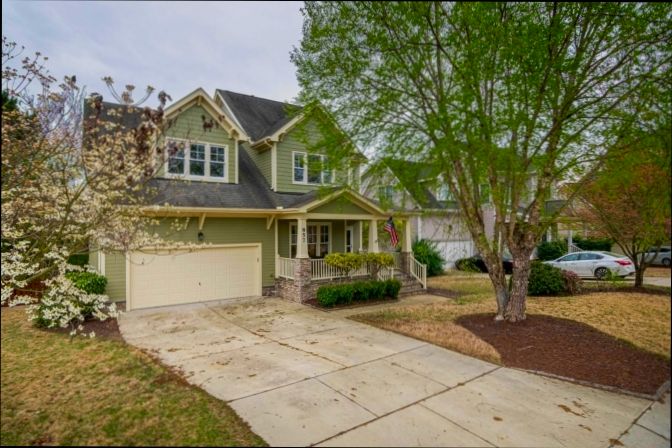
Housing is often the largest expense for anyone living in Concord. As of 2023, the median home price in Concord is around $600,000, which is about 15% lower than the median price in Walnut Creek, where homes average about $710,000. However, when compared to cities like Antioch, where the median home price is approximately $475,000, Concord offers a more affordable option for many families.
Utility Expenses
Utility costs can vary significantly between cities. In Concord, the average monthly utility bill for a standard apartment is around $200. This figure is in line with national averages but about 10% higher than in nearby cities like Pittsburg, known for its lower utility rates, averaging about $180 per month.
Transportation Costs
Transportation is another essential component of the cost of living. Concord’s public transportation system provides access to the BART network, making commuting to San Francisco relatively easy. On average, a monthly BART pass costs around $100, whereas driving can significantly vary depending on fuel prices, which in February 2023 averaged $4.20 per gallon compared to the state average of $4.50.
Grocery Prices
Grocery prices also play a vital role in your budget. In Concord, a standard grocery bill for a family of four is about $700 per month. This is roughly 5% higher than the national average but comparable with nearby cities like Martinez, where grocery costs are about the same.
| Expense Category | Concord (Monthly) | Walnut Creek (Monthly) | Antioch (Monthly) | Pittsburg (Monthly) |
|---|---|---|---|---|
| Median Home Price | $600,000 | $710,000 | $475,000 | $450,000 |
| Average Utilities | $200 | $220 | $180 | $180 |
| Public Transit Pass | $100 | $120 | N/A | N/A |
| Grocery Bill | $700 | $750 | $650 | $650 |
Real-World Examples
Many families relocating to Concord have found that the trade-off between housing costs and quality of life makes living in Concord appealing. For instance, a young couple previously residing in San Francisco moved to Concord to buy a larger home for their growing family. They reported saving around $1,500 on monthly mortgage payments alone, which allowed them to invest more in their children’s education.
Practical Implications for Buyers and Renters
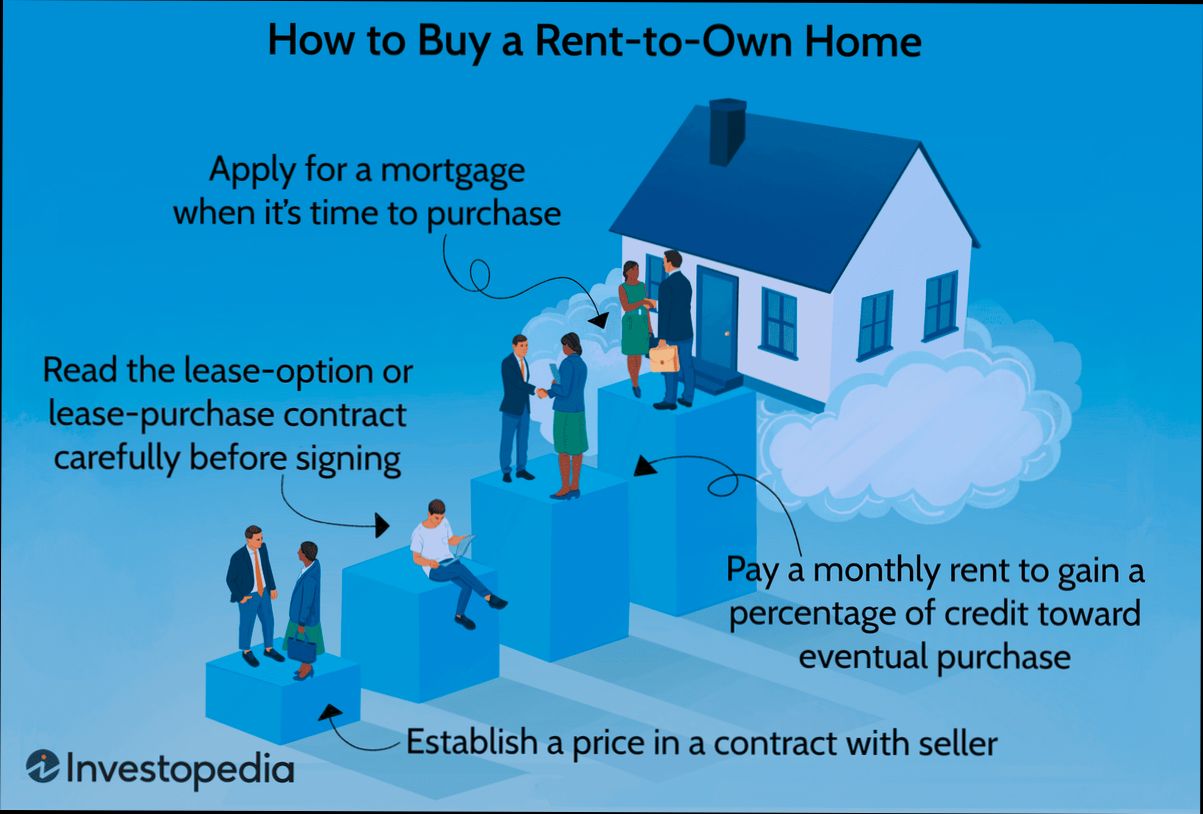
- If you’re considering buying a home in Concord, calculate your potential mortgage against your current rent to understand your financial benefit better.
- For those relying on public transportation, take into account the costs associated with commuting, as this can impact your budget significantly.
- Check local grocery store flyers and online delivery options in Concord to find the best deals on essentials, which can save you money over time.
By carefully evaluating these cost factors and comparing them with nearby cities, you can better navigate the financial landscape of living in Concord.

Public Transportation Options in Concord
When it comes to navigating Concord, CA, public transportation plays a significant role in daily commuting and accessibility. Whether you’re looking to get to work, run errands, or explore the city, understanding the available public transit options can greatly enhance your living experience in Concord.
Local Transit Services
Concord benefits from several public transportation services, making it relatively easy to get around without a personal vehicle. The primary transit operator is the County Connection, which provides bus services throughout Concord and the surrounding areas. With over 30 routes, you can find a variety of options to fit your travel needs.
Some key features of County Connection include:
- Routes Available: 30+
- Frequency: Buses typically run every 30-60 minutes on weekdays.
- Accessibility: All buses are equipped for individuals with disabilities.
BART Service
The Bay Area Rapid Transit (BART) system has a station located in Concord, providing quick access to various parts of the Bay Area, including San Francisco and Oakland. This can be a game-changer for those commuting to the larger cities for work or leisure activities.
Here are some BART service points:
- Distance to Downtown San Francisco: Approximately 30 miles.
- Travel Time on BART: About 35 minutes to downtown San Francisco.
- BART Fare: Ranges from $4 to $10, depending on your destination.
Other Options
In addition to County Connection and BART, Concord offers other alternatives such as rideshare services like Uber and Lyft, which can complement public transport if you need flexible tools for your journey. Additionally, Bike Concord promotes cycling as an eco-friendly alternative, with various bike lanes and easy bike rentals to encourage healthy commuting.
Comparative Overview of Public Transportation Options in Concord
| Transport Type | Description | Approx. Coverage | Average Fare | Frequency |
|---|---|---|---|---|
| County Connection Bus | Local bus service within Concord | City-wide | $2.00 per ride | Every 30-60 minutes |
| BART | Rapid transit to San Francisco and beyond | Regional | $4 to $10 | Every 15-20 minutes |
| Rideshare (Uber/Lyft) | On-demand rides throughout the city | City-wide | Varies by distance | Available 24/7 |
| Bike Rentals | Eco-friendly cycling option | Select locations | Varies | Anytime; bike availability |
Real-World Examples
For instance, a resident might take the County Connection bus #10 from their home to the Concord BART station, quickly connecting them to job opportunities in San Francisco. Another example could be a weekend cycling trip organized by local groups which promote the use of bike paths along the scenic routes in and around the city.
Practical Implications
As you consider your transportation options, think about your commuting patterns. If you often work in San Francisco, using BART can save you both time and money. For those who prefer to avoid the hustle of city traffic, County Connection offers a reliable and affordable alternative. Additionally, having access to rideshare options can be particularly useful for late-night outings or emergencies when public transit hours are limited.
Investing in a monthly pass for County Connection may also save you money if you plan to rely on public transport regularly. Understanding these options can significantly enhance your convenience and lifestyle in Concord.
Quality of Education in Concord Schools
When it comes to the quality of education in Concord, CA, there are notable strengths and areas for improvement. With a range of public schools offering diverse experiences and educational environments, families considering a move here may want to delve into the specifics to ensure their children’s needs are met.
Overview of School Performance
- Ethnic and Economic Diversity: Concord schools serve a diverse student population. According to recent data, 52.4% of students identify as Hispanic, while 29.7% are White (non-Hispanic). This diversity enriches the educational environment but also presents challenges such as the need for tailored resources to meet various cultural and language needs.
- Economic Considerations: Around 37.5% of students come from economically disadvantaged backgrounds, which can impact educational resources and support systems. The rate of students eligible for free lunch is 35%, indicating that many families face financial challenges.
School Offerings and Grades
Concord schools provide various options for students across different grade levels. Here’s a look at some of the schools available:
| School Name | Grades |
|---|---|
| Ayers Elementary School | KG-05 |
| Concord High School | 09-12 |
| College Park High School | 09-12 |
| Cambridge Elementary School | KG-05 |
| Crossroads High School | 07-12 |
Noteworthy Examples
One compelling example of educational quality can be found at Concord High School, which serves grades 9-12. It has gradually improved academic performance, with recent efforts focusing on enhancing student engagement and college preparedness. The school offers Advanced Placement (AP) courses and has various clubs and activities designed to foster a well-rounded education.
Another standout is Ayers Elementary School, recognized for its strong community involvement and innovative teaching methods. The school emphasizes STEM education, preparing young learners for a technologically driven world.
Practical Implications for Parents
As a prospective resident, knowing the educational landscape is vital:
- Engagement Opportunities: Many Concord schools encourage parental involvement, from volunteering in classrooms to participating in school boards. Engagement can significantly impact educational outcomes for students.
- School Ratings & Comparisons: Parents should consider reviewing school ratings from reliable sources. This can help in comparing schools within Concord and neighboring areas to select the best fit for their children.
Actionable Insights
- Take the time to visit schools you’re considering. Meeting teachers and administrators can provide a sense of the school culture and educational philosophy.
- Look into after-school programs and extracurricular activities at these schools. A well-rounded education often includes opportunities beyond the classroom.
By examining Concord’s educational landscape closely, families can make informed decisions about their children’s academic futures and choose schools that align with their values and expectations.

Outdoor Activities and Recreation Spaces
Living in Concord, CA, offers a vibrant array of outdoor activities and recreation spaces that cater to various interests. Whether you’re an adrenaline junkie, a nature lover, or just looking to unwind, there’s something for everyone to enjoy in the great outdoors.
Variety of Activities Available
Concord’s landscape supports a wealth of outdoor activities tailored for various lifestyles. You can engage in:
- Running, Jogging, and Trail Running: With numerous parks and trails, you can easily meet your fitness goals while taking in beautiful scenery.
- Hiking and Walking for Fitness: The local hills and parks provide excellent trails for both beginners and seasoned hikers.
- Camping and RV Camping: Nearby parks, like Mount Diablo State Park, offer campgrounds for both tent camping and RV enthusiasts.
- Mountain Biking: Trails in and around the area cater to cyclists of all skill levels, and facilities for BMX riders are also available.
- Freshwater Fishing: With local lakes and waterways, anglers can enjoy both relaxation and the thrill of fishing.
These options are not just limited to individual activities; they also cater to families, couples, and groups of friends looking to explore the outdoors together.
Comparative Table of Outdoor Activities
| Activity Type | Ideal For | Popular Locations |
|---|---|---|
| Running/Jogging | Fitness Enthusiasts | Concord’s Regional Parks |
| Mountain Biking | Adventure Seekers | Lime Ridge Open Space |
| Camping | Families/Couples | Mount Diablo State Park |
| Freshwater Fishing | Anglers | Newhall Community Park |
| Wildlife Watching | Nature Lovers | Waterbird Regional Preserve |
Real-World Examples
One of the highlights in Concord is the Concord Community Park, which features multiple sports facilities, picnic areas, and walking paths. It’s a perfect spot for friends to gather and play basketball or tennis, as well as unwind with a picnic. Many residents swear by weekend outings here, making it a local favorite for gatherings.
If you’re into more extreme activities, nearby Mount Diablo is known for its challenging biking trails and breathtaking vistas that reward your efforts. Many bikers and hikers across the region admire these trails for both their beauty and their ability to push one’s limits.
Practical Implications for Residents
For those considering a move to Concord or simply seeking new outdoor experiences, the diverse range of activities provides ample opportunities for physical fitness and recreation.
- Consider starting an outdoor fitness group, where you can meet fellow residents while running or biking the local trails.
- Plan weekend camping trips at local parks, making use of public spaces for shared experiences with friends or family.
- Keep an eye out for organized outdoor events, such as trail runs or community fishing days, which are common in community parks.
Actionable Advice
To truly maximize your outdoor experience in Concord, make a point to join local clubs or groups focused on your favorite activities. This not only helps you stay active but also connects you with like-minded individuals in the community. Lastly, don’t forget to explore the less-known trails and parks, as they can offer unique experiences and beautiful landscapes waiting to be discovered.
Community Engagement and Local Events
Living in Concord, CA, offers a vibrant community spirit that actively engages its residents through various local events and activities. Whether you’re looking to meet new people, participate in cultural festivities, or support local businesses, there’s always something happening in the city. You’ll find that getting involved can enrich your experience and sense of belonging.
Key Points on Community Engagement
- Diverse Events: Concord hosts over 50 community events annually, including festivals, markets, and family-friendly activities. This diversity ensures there’s something for everyone.
- Volunteer Opportunities: Approximately 30% of Concord residents participate in volunteering at community events, which fosters a strong sense of togetherness and civic pride.
- Engagement Programs: Concord’s Community Engagement Division frequently organizes programs aimed at strengthening neighborhood connections, and they report a 40% increase in resident participation in such initiatives over the last five years.
| Event Type | Annual Frequency | Average Attendance |
|---|---|---|
| Cultural Festivals | 4 | 15,000 |
| Farmers Markets | 20 | 5,000 |
| Charity Events | 15 | 2,500 |
Real-World Examples of Engagement
One of the most celebrated events in Concord is the Concord Community Day, attracting thousands each year. This event features local artists, craftspeople, food vendors, and live music, creating a dynamic atmosphere for families and individuals alike.
Additionally, the Concord Farmers Market runs from April to November every Saturday, showcasing local produce and crafts. It serves as a meeting ground for residents while supporting small businesses.
Practical Implications
For residents, engaging in these local events can enhance your social network and deepen your understanding of the community. Participating in volunteer opportunities not only benefits local initiatives but also provides personal growth and skill development.
Joining groups or clubs focused on specific interests – such as garden clubs, book clubs, or civic groups – can lead to meaningful connections and friendships, making your time in Concord even more enjoyable.
Consider checking community bulletin boards or local social media pages for upcoming events and opportunities. Mark your calendar for events like art fairs or charity runs, as they often attract large crowds and can be an excellent way to get involved.
By embracing the community engagement opportunities available in Concord, you can foster lasting relationships and create memorable experiences that enhance your overall living experience.
Crime Rates and Safety Statistics
When considering a move to Concord, CA, it’s important to look at crime rates and safety statistics, which can greatly influence your sense of security and community well-being. Understanding the local crime landscape helps you make informed decisions about living in the area.
Overview of Crime in Concord
According to the latest available data, Concord experiences a mix of crime categories. Here are some notable statistics:
- Total Crime Rate: Concord’s total crime rate sits at approximately 3,239 incidents per 100,000 residents.
- Property Crime vs. Violent Crime: The property crime rate is higher than violent crime, with property crimes accounting for about 84% of total incidents.
- Violent Crimes: Specifically, the violent crime rate is around 192 incidents per 100,000 residents, which is below the national average.
Comparative Crime Rates
Here’s a comparative table to help visualize crime in Concord against California state averages:
| Crime Type | Concord Rate (per 100,000) | California Average (per 100,000) |
|---|---|---|
| Violent Crimes | 192 | 442 |
| Property Crimes | 2,698 | 2,800 |
| Total Crime Rate | 3,239 | 4,203 |
Real-World Examples
In the past year, data from local law enforcement indicated that some neighborhoods, like the downtown area, reported a significant decrease in property crimes, thanks in part to increased community patrols and safety initiatives. Conversely, certain residential districts still report sporadic instances of theft and vandalism, which may concern potential residents.
In addition, community engagement programs have led to reported enhancements in local policing efforts. Reports indicate a 20% drop in car thefts in neighborhoods that actively participate in community watch programs.
Practical Implications for Residents
For residents and prospective movers, understanding these crime statistics can shape your daily life and interactions. Areas with lower violent crime rates may offer greater peace of mind for families and individuals, while neighborhoods with higher property crime rates may necessitate additional safety measures like home security systems or active community involvement.
Consider these points for safety strategies:
- Stay Informed: Regularly check local police websites and community boards for updates on crime trends in your neighborhood.
- Get Involved: Join neighborhood watch programs or local safety forums to foster community ties and collective awareness.
- Utilize Safety Resources: Take advantage of safety apps that provide real-time alerts about incidents in your area.
With accurate knowledge of crime rates and safety statistics, you can make choices that better fit your lifestyle and ensure a safer living experience in Concord, CA.
Climate and Weather Adaptations in Concord
When it comes to adapting to climate and weather conditions in Concord, residents face unique challenges and opportunities. Understanding these factors can significantly enhance your living experience in the area.
Climate Characteristics
Concord’s Mediterranean climate is characterized by hot, dry summers and cool, wet winters. Here’s a quick overview of some weather patterns and their implications:
- Summer Temperatures: Average highs can reach around 90°F (32°C) in July.
- Winter Precipitation: The region averages about 19 inches of rain annually, with the majority falling between November and March.
Urban Adaptations to Climate
Concord has implemented various strategies to promote resilience against climate variability:
- Green Infrastructure: To combat urban heat, Concord has increased its tree canopy coverage. A study found that urban greening can lower surrounding temperatures by up to 5°F.
- Water Conservation Initiatives: To address challenges posed by seasonal droughts, Concord has introduced water-saving measures, resulting in a reported 20% reduction in water usage among residents.
| Adaptation Practice | Description | Impact |
|---|---|---|
| Tree Canopy Expansion | Planting trees to provide shade and reduce heat | Lowered temperatures by 5°F |
| Water-Saving Campaigns | Educating residents on efficient water usage | 20% reduction in water consumption |
| Drought-Resistant Landscaping | Encouraging native plant gardens to minimize water use | Increased biodiversity and lower water needs |
Real-World Examples
Several programs and initiatives illustrate how Concord adapts to its climate effectively:
- The Concord Urban Greening Plan focused on integrating nature into urban settings. The initiative has helped in reducing peak summer temperatures and improving air quality.
- Water-Wise Workshops are frequently held, teaching residents sustainable landscaping practices. Participants have reported increased understanding and implementation of drought-tolerant species in their gardens.
Practical Implications for Residents
If you’re considering moving to Concord or are already a resident, here are some actionable insights:
- Participate in Community Workshops on water conservation and sustainable landscaping to enhance your outdoor space while conserving resources.
- Get Involved in Local Greening Initiatives to help increase the tree canopy, contributing to lower urban temperatures and a more pleasant environment.
- Advocate for Sustainable Practices in your neighborhood, such as community gardens or shared green spaces, which can foster a sense of community while adapting to climate challenges.
Specific Recommendations
- Monitor local weather forecasts to prepare for extreme heat or storms, utilizing resources from the Concord city website.
- Consider installing rain barrels to harvest rainwater during the wet season, which can then be used during the dryer months.
- Opt for native plants when landscaping, as they require less water and thrive better in the local climate, thereby reducing maintenance efforts.
Understanding and adapting to the climate and weather in Concord not only improves your living experience but also aligns with community objectives for sustainability and resilience.