Pros and Cons of Living in Cincinnati, OH, can really paint a picture of what life is like in this Midwestern gem. On the plus side, Cincinnati has a strong job market, with companies like Procter & Gamble and Kroger calling it home, leading to a median household income of around $55,000. If you’re into sports, you’ve got the Reds and Bengals right in your backyard, plus the city boasts a vibrant arts scene with places like the Cincinnati Art Museum offering free admission. The cost of living is another major perk, sitting about 8% lower than the national average, so you can enjoy decent housing without breaking the bank.
But it’s not all sunshine and roses. Winters here can get pretty brutal, with average snowfall around 18 inches, making those cold months a challenge for outdoor enthusiasts. Public transportation is also a bit of a mixed bag, which might make getting around tricky if you don’t have a car. Plus, despite its cultural highlights, some argue that Cincinnati lacks the vibrant nightlife of larger cities—while there are plenty of bars and restaurants, they might not match the energy you find in places like New York or Chicago. So, whether you’re drawn to Cincinnati’s charm or cautious about its challenges, there’s plenty to consider in this bustling city.

Cost of Living in Cincinnati
Cincinnati stands out as an affordable city for many individuals and families looking to relocate. The cost of living in the Queen City tends to be lower than the national average, making it an attractive option. Let’s break down the specific figures and factors that shape the financial landscape here.
Key Cost Factors
1. Housing Affordability: The median home price in Cincinnati is around $227,000, which is significantly lower than the national average of approximately $400,000. This means you can buy a comfortable home without breaking the bank.
2. Rental Market: The average rent for a one-bedroom apartment is about $1,200, while two-bedroom apartments average $1,500. These rates can vary depending on the neighborhood, but overall, they remain quite manageable compared to larger cities.
3. Utilities: Monthly utility costs importantly impact your budget. On average, expect to pay around $180 for utilities (electricity, heating, cooling, water, and garbage) for a standard apartment.
4. Groceries and Dining: Grocery prices in Cincinnati can also be appealing, generally sitting 4% lower than the national average. This means staples like milk, eggs, and bread won’t stretch your budget too thin.
5. Transportation Costs: If you rely on a car, gasoline prices hover around $3.50 per gallon, which is slightly below the national average. Public transportation is also accessible, with a monthly pass costing roughly $75.
Cost Comparison Table
| Expense Category | Cincinnati Average | National Average |
|---|---|---|
| Median Home Price | $227,000 | $400,000 |
| Average Rent (1BR) | $1,200 | $1,800 |
| Utilities (Monthly) | $180 | $200 |
| Grocery Costs | 4% lower | N/A |
| Gasoline (per gallon) | $3.50 | $4.00 |
Real-World Examples
Consider Jane, a single professional who moved to Cincinnati from New York. She found a lovely one-bedroom apartment in Over-the-Rhine for $1,300, whereas similar apartments in her old neighborhood would cost her at least $2,500. This allowed her to save enough to enjoy dining at local restaurants and attending cultural events without stressing her finances.
Another example is the Thompson family, who relocated from Chicago. They purchased a four-bedroom house in a suburban area for $260,000. In Chicago, they could have only afforded a two-bedroom condo for that price, allowing them to enjoy more space and a backyard for their kids.
Practical Implications for You
When considering a move to Cincinnati, you’ll likely find your overall expenses significantly lower. This might free up funds for savings, travel, or leisure activities.
- Review Neighborhoods: Focus on researching neighborhoods that suit your lifestyle and budget. Areas like Clifton and Mt. Lookout offer various price ranges and amenities.
- Plan for Utilities: Make sure to account for utility costs in your monthly budget. Older homes may have higher utility expenses, so newer constructions might be a better option.
- Explore Local Discounts: Many local attractions offer discounts and free days, enabling you to enjoy the city’s entertainment without overspending.
- Budget for Transportation: If you use public transport frequently, factor that monthly pass into your overall budget to avoid surprises.
By keeping these points in mind, you can navigate the cost of living in Cincinnati wisely and make the most of your financial resources.

Cincinnati’s Cultural Attractions and Events
Cincinnati offers a vibrant array of cultural attractions and events that contribute to a rich community life. If you’re considering living here, you’ll find numerous opportunities to engage with the arts, music, and local traditions throughout the year.
Exciting Cultural Attractions
- Cincinnati Zoo & Botanical Garden (April 1, 2025 - April 30, 2025): This historic zoo, one of the oldest in the country, features over 500 animal species and beautiful botanical collections, making it an excellent place for both residents and visitors.
- Cincinnati Museum Center at Union Terminal (April 4, 2025 - September 1, 2025): Housed in a stunning art deco building, this center offers several museums under one roof, including the Cincinnati Museum of History and Science and the Cincinnati Children’s Museum. Visitors can explore exhibits that span various interests, from natural history to interactive displays.
- Great American Ball Park (March 29, 2025): Home to the Cincinnati Reds, this stadium offers an exhilarating setting for baseball fans. The opening day is a much-anticipated event that draws large crowds, illustrating the city’s love for its sports teams.
- TQL Stadium (April 5, 2025): As the home of FC Cincinnati, this stadium hosts lively soccer matches and contributes to the local sports culture, enhancing the city’s appeal for sports enthusiasts.
Upcoming Events
| Event | Date | Description |
|---|---|---|
| Cincinnati Reds vs. San Francisco Giants Kids Opening Day | April 5, 2025 | Family-friendly opening day game. |
| Greater Cincinnati Restaurant Week | April 7, 2025 - April 13, 2025 | Enjoy special menus at participating restaurants, celebrating local cuisine. |
| Blink: The Largest Light Experience | Year-round | A stunning light and art installation that transforms the city into a radiant visual feast. |
Real-World Examples
Specifically, the Greater Cincinnati Restaurant Week showcases the city’s culinary scene, featuring discounted meals at various participating restaurants. Each year, this popular event not only highlights local chefs but also encourages residents to explore new dining options, significantly boosting the local economy.
Another fantastic event, Blink, showcases illuminating art on buildings and streets, inviting both locals and tourists to experience Cincinnati in a new light, making it a must-see for all.
Practical Insights
For residents, attending local festivals and sporting events can foster community connections and enhance your lifestyle. Engaging in these cultural attractions can lead to fantastic new friendships and deeper ties to the community.
Actionable Facts
- If you’re moving to Cincinnati, consider planning your relocation around local events like Opening Day at Great American Ball Park or the Cincinnati Zoo’s Spring opening.
- Visit the Cincinnati Museum Center for special exhibitions that change throughout the year, ensuring there’s always something new to discover.
- Don’t miss the opportunity to indulge in Greater Cincinnati Restaurant Week where you can explore the diverse culinary landscape at a fraction of the cost.
Discovering Cincinnati’s cultural offerings can greatly enrich your living experience, providing endless entertainment and enjoyment year-round.
Job Market and Employment Opportunities
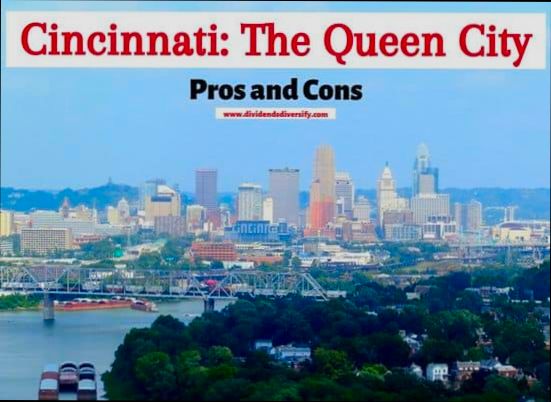
Cincinnati boasts a dynamic job market characterized by diverse industries and a growing emphasis on technological advancements. As you explore employment opportunities here, you’ll find options across sectors like health care, technology, manufacturing, and education, all shaping a vibrant economic landscape.
Key Statistics on Employment
- The job market in Cincinnati is notably supported by numerous sectors poised for growth, with technology jobs increasingly becoming remote-friendly. About 50% of technology job postings no longer require candidates to be on-site, allowing for a broader range of applicants.
- The green economy is set to create a staggering 170 million new jobs nationwide this decade, with Cincinnati playing a crucial role in this transition. However, there’s an anticipated displacement of approximately 92 million jobs, which means adaptability is essential for job seekers.
- Around 62% of employees expressed a willingness to accept a 10% pay cut for the privilege of working remotely, indicating a strong desire for work-life balance that employers in Cincinnati are likely to cater to.
| Sector | Job Growth Rate (Projected) | Average Annual Salary |
|---|---|---|
| Technology | 15% | $88,000 |
| Health Services | 11% | $70,000 |
| Education | 9% | $60,000 |
| Manufacturing | 5% | $55,000 |
| Green Economy | 12% | $75,000 |
Real-World Examples
A company in the tech sector, headquartered in Cincinnati, reported a transformation of their workforce approach by allowing 70% of their employees to work remotely. This change not only improved employee satisfaction but dramatically bolstered retention rates. Similarly, local healthcare organizations are investing in telehealth services, creating new job opportunities focused on remote patient care.
Moreover, schools and educational institutions, adapting to the changing landscape, are offering positions for remote educators and counselors. The demand for skilled teachers in online formats has increased due to a push towards blended learning models.
Practical Implications for Job Seekers
If you’re considering a move to Cincinnati, it’s crucial to leverage the evolving job landscape. Keep these actionable tips in mind:
1. Embrace Remote Opportunities: With the increasing prevalence of hybrid and remote work, prioritize applying to companies offering flexible work arrangements.
2. Upskill Continuously: The transformation in job skills will require ongoing education and training, especially in tech and healthcare sectors.
3. Network Actively: Attend local job fairs and tech meetups to connect with industry professionals and learn about hidden job opportunities in the region.
Actionable Advice
Stay informed about local industry trends by visiting platforms like the Bureau of Labor Statistics (BLS) for detailed reports. Consider joining online communities specific to your field to exchange ideas and gather insights relevant to Cincinnati’s job market.

Quality of Education and Schools
Cincinnati offers a diverse landscape of educational opportunities, ranging from public to private institutions. The quality of education can be a significant factor for families considering a move to the city. Here’s a closer look at the current state of schools and education in Cincinnati.
Educational Attainment and Performance
- Cincinnati boasts a graduation rate of approximately 83%, which is in line with the national average.
- The Ohio Department of Education ranks the quality of public schools in Cincinnati with a performance index score of 93. This score reflects academic achievement across various metrics, including standardized tests.
- The city’s investment in education continues to grow, with $1 billion allocated to schools over the next five years to improve infrastructure and educational programs.
Key Statistics
| Category | Percentage |
|---|---|
| Graduation Rate | 83% |
| Performance Index Score | 93 |
| Increase in Funding | $1 billion |
Notable School Districts
- The Cincinnati City School District is one of the largest in Ohio and offers various programs, including International Baccalaureate options and career technical education.
- Oak Hills Local School District has received recognition for its Advanced Placement (AP) programs and holds an exemplary performance index score of 95.
- Indian Hill Exempted Village School District consistently ranks among the top districts in the state, boasting a 100% graduation rate and extensive extracurricular offerings.
Real-World Examples
One example of Cincinnati’s commitment to quality education is the College Credit Plus program. This initiative allows high school students to earn college credits while still enrolled in high school, preparing them for further education and workforce demands. Additionally, local schools like Walnut Hills High School have gained national acclaim, regularly ranked as one of the top high schools in the country, reflecting the city’s dedication to excellence in education.
Practical Implications for Families
If you’re considering relocating to Cincinnati with school-aged children, it’s essential to research specific districts. Many families find that areas like Clifton and Pleasant Ridge offer excellent schooling options, alongside vibrant community engagement. Look into specialized programs that may benefit your child’s interests, such as arts or sciences, which are prevalent across various local schools.
Investing in education holds practical benefits beyond academics. Cincinnati’s robust school systems facilitate networking opportunities and community engagement, providing a supportive environment for families. Being involved in school activities or parent-teacher organizations can enhance your family’s overall experience in the city.
Quick Facts
- Programs like College Credit Plus not only expand educational opportunities but also significantly help reduce future college expenses for families.
- Engaging with local school communities can help new residents quickly establish a network and find resources tailored to their children’s needs.
By focusing on these educational aspects, you can feel confident in getting the best possible education for your family should you choose to make Cincinnati your home.

Outdoor Activities and Green Spaces
Cincinnati is a hidden gem for outdoor enthusiasts, offering numerous parks, trails, and recreational facilities designed to enhance the quality of life for its residents. With the increasing importance of green spaces in urban areas, living in Cincinnati means embracing a lifestyle that blends nature with recreational activities.
Rich Outdoor Recreation Scene
In 2023, outdoor recreation contributed significantly to the economy, accounting for 2.3 percent of the total gross domestic product (GDP) at the national level, which translates to a staggering $639.5 billion. Cincinnati, leveraging its natural landscape, plays its part in this vibrant sector.
- Park Coverage: Cincinnati features over 100 parks, with an impressive total of about 5,000 acres of green space. This concentration allows residents ample opportunity for outdoor activities like hiking, biking, and picnicking.
- Engagement in Recreation: Activities such as cycling, walking, and running have seen massive participation among Cincinnatians, underpinning the city’s commitment to fostering a healthy lifestyle through outdoor engagement.
Comparative Outdoor Recreation Engagement
| Outdoor Activity | Percentage Participation in Cincinnati | National Average Participation |
|---|---|---|
| Hiking | 30% | 27% |
| Biking | 25% | 20% |
| Walking for Recreation | 45% | 40% |
Real-World Examples
The Cincinnati Parks system is renowned for several exquisite locations that promote outdoor activities. For instance, Eden Park offers not only picturesque views of the Ohio River but also facilities for tennis, picnicking, and even a stunning conservatory. The park hosts numerous events that encourage community interaction and outdoor engagement.
Krohn Conservatory within Eden Park is another shining example where visitors can explore different ecosystems, providing educational opportunities about plant species and environmental stewardship.
Furthermore, the Little Miami Scenic Trail, a 78-mile stretch, is perfect for those who enjoy long-distance biking or running while enjoying the tranquil landscapes of southwestern Ohio. This trail connects different areas of the city and surrounding regions, allowing residents to enjoy the great outdoors while commuting in a sustainable manner.
Practical Implications for Residents
By engaging with Cincinnati’s outdoor activities and green spaces, residents can benefit not only from the physical health advantages but also from mental well-being and community connection. Initiating family outings to parks and participating in local outdoor events can strengthen family bonds and enhance social interactions.
Living close to green spaces can also increase property values and improve neighborhood morale, as more people appreciate the importance of nature in daily life.
Explore local parks and stay active by taking advantage of the city’s extensive outdoor offerings. Join community groups that organize outdoor activities—it’s a fantastic way to meet like-minded individuals while enjoying Cincinnati’s beautiful parks and trails.
Consider incorporating regular outdoor activities into your routine, whether it’s a brisk walk in a park or a bike ride along a scenic trail. You’ll not only enjoy the natural beauty of Cincinnati but also contribute to a healthy and vibrant community.

Demographic Trends and Statistics
When considering a move to Cincinnati, understanding the demographic trends and statistics can significantly influence your decision. The city has witnessed various shifts in population characteristics that are essential to grasp, especially if you’re looking to be part of this vibrant community.
Population Overview
Cincinnati has a population of approximately 307,000 residents. The city has experienced a slight decline in population over the past decade, with a decrease of about 1.4% since 2010. However, certain neighborhoods and suburban areas are seeing population growth, indicating a shift in where people choose to live within the region.
Age Distribution
The age demographics in Cincinnati reveal a mix of youthful energy and seasoned experience. Here’s a breakdown of the age groups:
- Under 18: 22%
- 18 to 24: 10%
- 25 to 44: 28%
- 45 to 64: 24%
- 65 and older: 16%
This structure suggests a balanced community that caters to families, young professionals, and retirees alike.
Racial and Ethnic Diversity
Cincinnati is becoming increasingly diverse, with significant demographic shifts in recent years. The racial composition is as follows:
- White: 47%
- African American: 43%
- Hispanic or Latino: 4%
- Asian: 3%
- Other: 3%
This diversity fosters a rich cultural landscape and varies the perspectives and experiences found throughout the city.
Educational Attainment
Cincinnati’s educational attainment statistics are compelling for prospective residents. Approximately 35% of residents hold a bachelor’s degree or higher, which is slightly below the national average of 32%. This educational level contributes to a skilled workforce essential for local economic growth.
| Demographic Category | Percentage of Population |
|---|---|
| Population Growth (Since 2010) | -1.4% |
| Bachelor’s Degree or Higher | 35% |
| Under 18 | 22% |
| African American | 43% |
Real-World Examples
In neighborhoods like Hyde Park and Oakley, recent development of apartments and mixed-use spaces has attracted young professionals and families, indicating a trend towards urban living. These areas showcase the demographic blend, where diverse age groups and backgrounds coexist, contributing to community vibrancy.
Practical Implications
Understanding these demographic trends allows you to gauge where you might fit into Cincinnati’s mosaic. If you’re considering family life, the growing segments of young families and educational resources can provide a supportive environment. For young professionals, proximity to downtown and the tech industry hotspots makes Cypress and Over-the-Rhine appealing choices.
Specific Facts or Advice
When evaluating your move to Cincinnati, consider exploring neighborhoods based on their demographic trends to ensure a community that aligns with your lifestyle and values. Engaging with local demographics through community events or social media can also provide deeper insights into the neighborhoods you’re interested in.
Real-Life Experiences of Cincinnati Residents
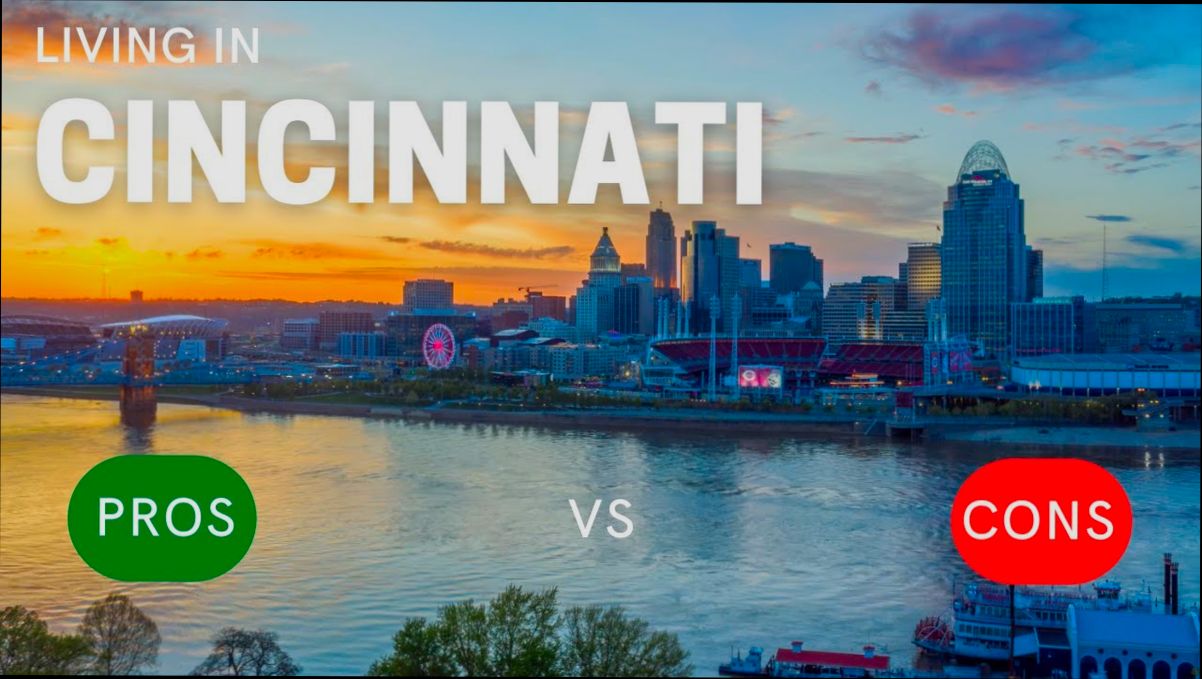
Living in Cincinnati offers a unique blend of urban vibrancy and suburban calmness, creating diverse experiences for its residents. From local attractions to community interactions, Cincinnati residents have varied perspectives on their day-to-day lives.
Key Experiences
Many residents of Cincinnati have shared their thoughts on the community’s cultural diversity. As of recent estimates, about 38.7% of the population identifies as Black, and 5.4% as Hispanic or Latino, contributing to a rich tapestry of traditions and events that enhance daily life. Local individuals often highlight the city’s inclusivity and the ability to connect through various cultural festivals.
Moreover, the housing market provides distinct experiences. Approximately 38.9% of housing units are owner-occupied, and the median value of these properties is around $215,300. This affordability is often remarked upon by residents, especially those transitioning from larger metropolitan areas. They frequently express relief at the lower housing costs, allowing them to enjoy a better quality of life without sacrificing amenities.
Housing Comparison
| Housing Characteristics | Cincinnati (%) | National Average (%) |
|---|---|---|
| Owner-occupied housing units | 38.9 | 64.8 |
| Median home value | $215,300 | $347,500 |
| Median gross rent | $953 | $1,200 |
Real-World Examples
Residents consistently share stories about their daily commutes and community involvement. The average commute time for workers in Cincinnati is about 23.1 minutes, which many find manageable compared to larger cities. For instance, Jessica, a healthcare professional, emphasizes how her short commute allows her to engage more with community activities, fostering friendships and local connections.
Another example is Mike, a local entrepreneur, who highlights the support from fellow small businesses in the area. He notes that the community’s emphasis on buying local fosters a sense of collaboration and shared success among new business owners.
Practical Implications
For potential movers to Cincinnati, understanding these personal anecdotes can help paint a clearer picture of daily life in the city. Engaging in community events, such as the local farmers’ markets or cultural festivals, can significantly enhance your experience.
Additionally, consider the housing affordability in Cincinnati as a strategic advantage. With the median monthly owners’ costs (with a mortgage) around $1,578, it often provides residents more disposable income to spend on leisure and community contributions.
By tapping into these vibrant local networks and highlighting community spirit, Cincinnati residents make the most of both their professional and social lives. Embrace the local culture, get involved in community initiatives, and you’ll find Cincinnati offers a welcoming home with plenty of opportunities for connection and growth.