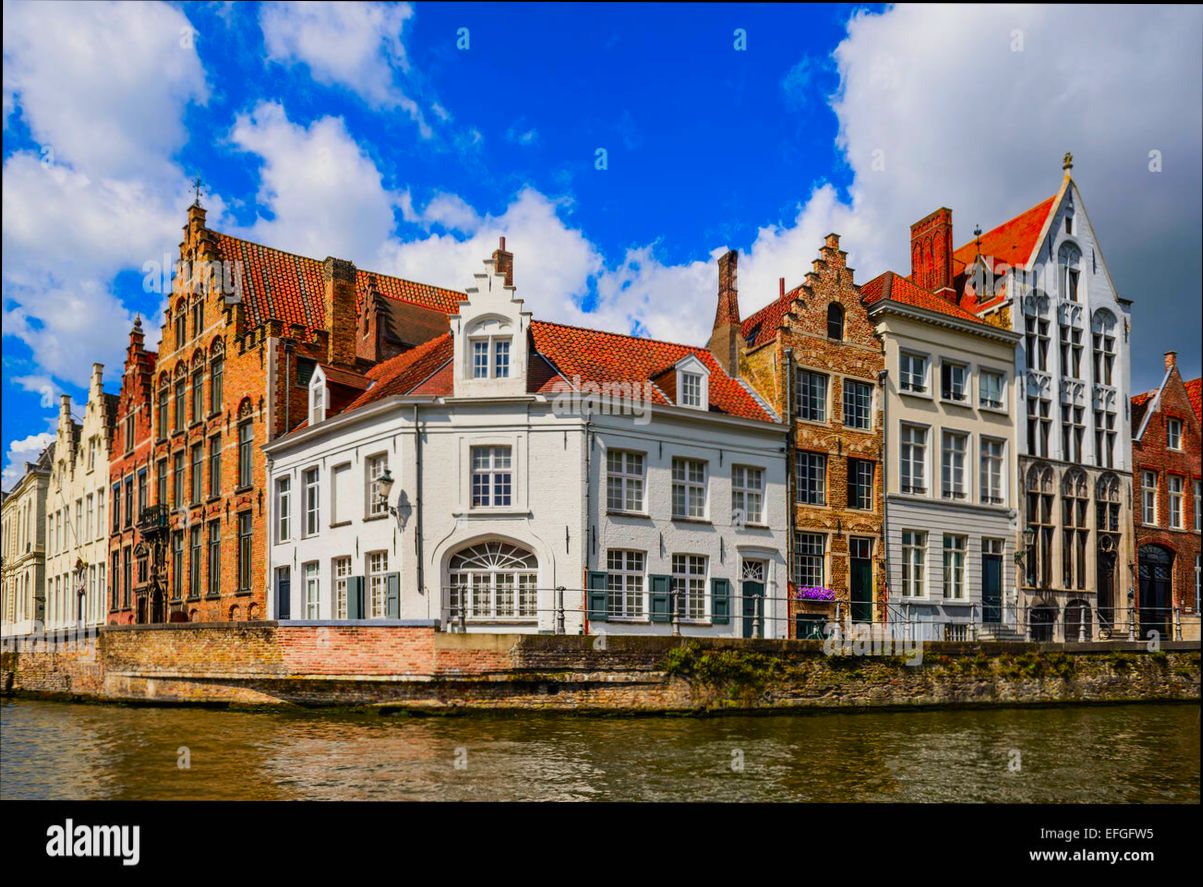
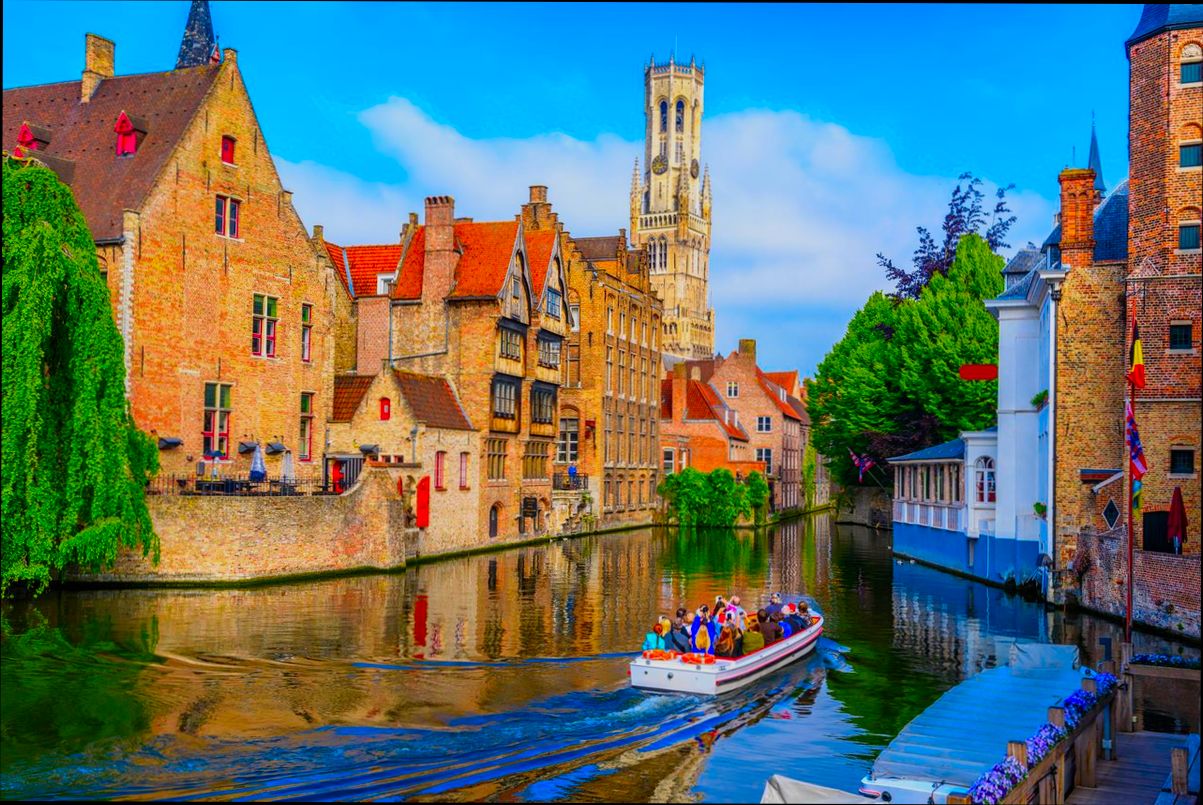
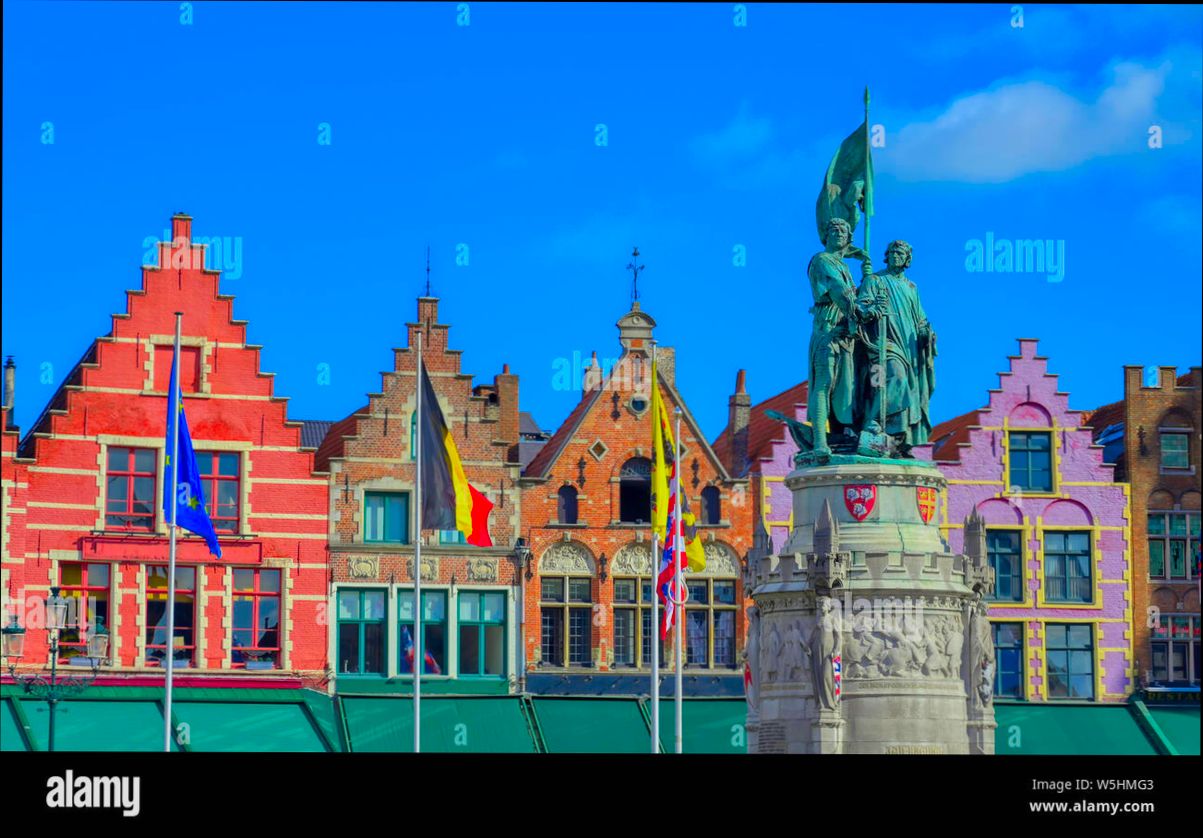
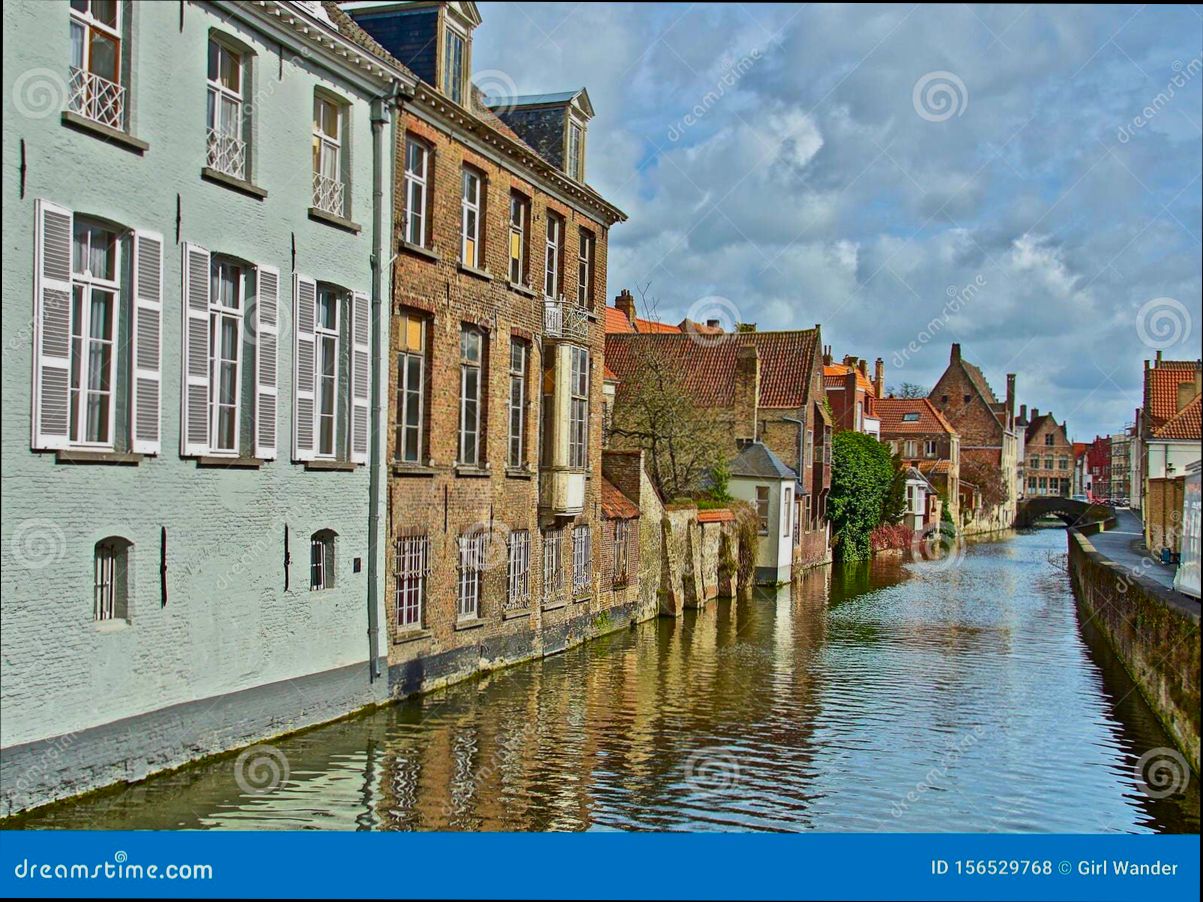
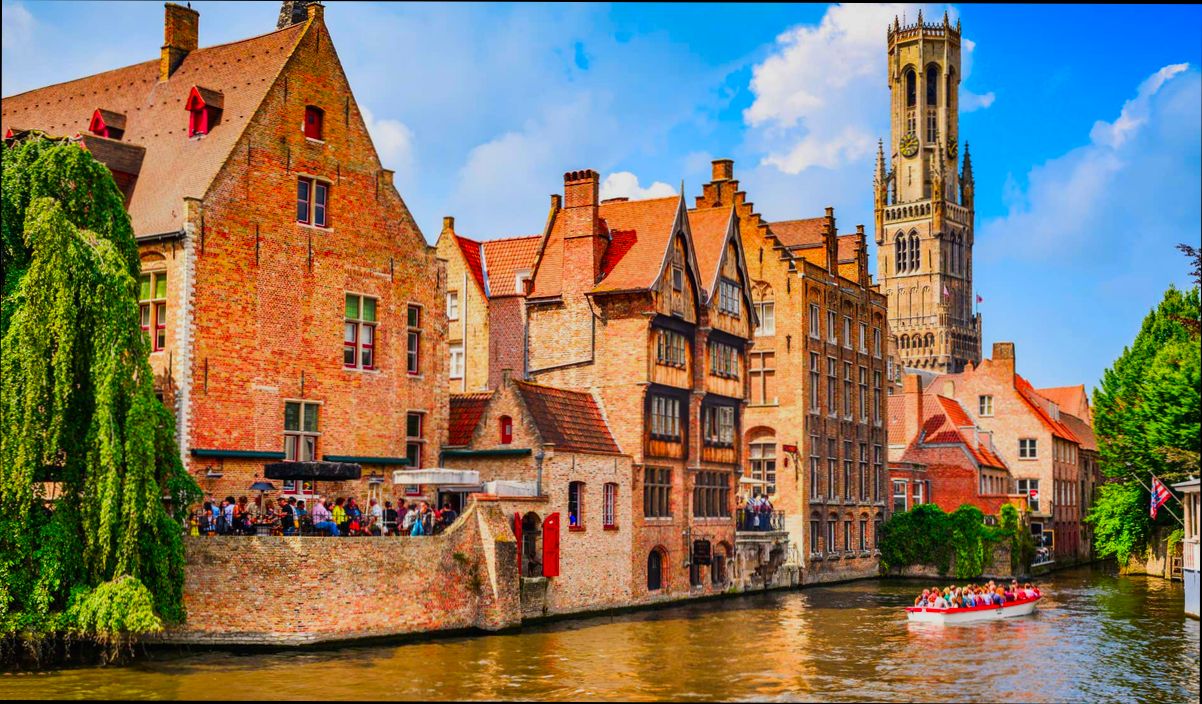
Pros and Cons of Living in Bruges (Brugge) paint a vivid picture of life in this stunning medieval city. Imagine strolling along the picturesque canals, surrounded by contoured brick buildings that seem to tell tales from centuries past. Living here means indulging in the rich sense of history while enjoying the perks of modern amenities. The locals rave about Bruges’ compact size—everything is just a bike ride away, and you can easily traverse the cobblestone streets dotted with charming cafés and artisan shops. Did you know the city was named a UNESCO World Heritage site? That’s not just for show; it adds a unique flavor to daily life, as picturesque scenery greets you at every turn.
However, it’s not all fairy-tale living. Residents often point out that Bruges can feel like a tourist theme park, especially in peak seasons when visitors flood the streets. With a population of around 118,000, the locals sometimes feel like they’re part of a crowded backdrop, rather than a bustling community. The cost of living can be on the higher side, particularly if you’re eyeing a spot in the city center, where historical charm and convenience come at a price. Plus, if you’re a nightlife aficionado, you might find the scene a bit quieter than in larger cities. Balancing the beauty and the hustle-bustle of daily life presents a unique mix for anyone calling Bruges home.
Cultural Richness and Artistic Heritage
Living in Bruges offers you a unique opportunity to immerse yourself in a city steeped in cultural richness and artistic heritage. Known for its well-preserved medieval architecture and vibrant arts scene, Bruges is a living canvas showcasing centuries of artistic endeavor.
One of the standout features of Bruges’ cultural scene is its impressive number of museums. Did you know that Bruges boasts over 30 museums? From the Groeningemuseum, which houses Flemish masterpieces, to the Choco-Story, dedicated to the chocolate-making art, each museum offers a different slice of the city’s artistic narrative.
Key Points of Cultural Heritage
- Architectural Heritage: Bruges has been recognized as a UNESCO World Heritage site since 2000, preserving its medieval buildings that tell stories from the Gothic to the Renaissance periods.
- Artistic Compositions: Approximately 25% of Flemish Primitives artworks are found within Bruges, marking it as a crucial center for art history.
- Festivals and Events: Bruges hosts numerous events celebrating its cultural diversity, such as the annual Procession of the Holy Blood, drawing thousands of visitors each year.
| Category | Details | Percentage/Statistic |
|---|---|---|
| Museums | Total number of museums | 30+ |
| Artworks by Flemish Primitives | Percentage of total found in Bruges | 25% |
| Annual Festivals | Procession of the Holy Blood visitors | 100,000+ |
Real-World Examples
Art lovers can’t pass up a visit to the The Memling Museum, which houses a collection from Hans Memling, an iconic artist of the Northern Renaissance. This museum is crucial for understanding the shifts in artistic styles and techniques over time.
Another great example is the Bruges Triennale, a contemporary art festival that integrates modern art, architecture, and design throughout the city, showcasing how historical contexts influence modern creativity.
Practical Implications for Readers
If you decide to live in Bruges, take advantage of the city’s rich offerings:
- Explore Local Art: Regularly attend art exhibitions and join local artist workshops to deepen your understanding of Bruges’ artistic heritage.
- Participate in Cultural Festivals: Engage fully in the Procession of the Holy Blood or the annual Film Fest, which are great opportunities to connect with the community and celebrate Bruges’ heritage.
- Visit Museums Often: With a variety of museums available, consider purchasing an annual pass to allow for on-going exploration and learning.
Did you know that by participating in local cultural practices, you contribute to keeping the artistic traditions alive? Engaging with local artists or visiting workshops can create a dialogue with the past and influence future artistic endeavors in Bruges.
Cost of Living and Housing Market in Bruges
When considering a move to Bruges, understanding the cost of living and the housing market is essential. Bruges, although beautiful and culturally rich, comes with its own financial realities that expats and locals alike need to navigate carefully.
Understanding the Cost of Living
Bruges has an average monthly cost of living around $2,000 for expats. This amount generally covers:
- Housing: The cost of renting is a significant part of the monthly budget.
- Utilities: Expect an additional expense for electricity, heating, and water.
- Groceries: Food prices can be higher than in some other regions of Belgium.
Housing Market Overview
When it comes to housing in Bruges, you have a variety of options and price ranges. Here’s a quick snapshot of rental prices:
| Property Type | Average Monthly Rent |
|---|---|
| One-bedroom apartment | $1,000 |
| Two-bedroom apartment | $1,500 |
| Studio apartment | $800 |
These prices vary based on the location within the city, as properties closer to the city center often command higher rents compared to those in the suburbs.
Cost Considerations for Expats
Living in Bruges can also involve additional costs specific to expats:
- Health Insurance: Most residents, including expats, need to budget for health insurance, which can be around €100-€200 monthly.
- Moving & Shipping: If you’re relocating, factor in shipping costs, which can vary significantly based on your origin and amount of goods.
- International Schools: For families, tuition for international schools typically ranges from €5,000 to €20,000 per year.
Real-World Examples
Consider the experience of an expat couple who chose to lease a two-bedroom apartment in the city center, paying $1,500 monthly. They budgeted their living costs to include utilities and groceries, finding that their total monthly expenditure came close to $2,400 after incorporating insurance and other essentials. This articulation of personal budgeting exemplifies the importance of planning when moving to Bruges.
Another expat family shared that they opted for a three-bedroom house on the outskirts, which cost them $1,300 per month. They appreciated the additional space, but noted that commuting into the city added time and travel costs to their daily routine.
Practical Implications
For potential movers, it’s crucial to visit local real estate firms to get a feel for the housing market. Websites like Immoweb and 2dehands can provide insight into current listings and rental prices.
Additionally, don’t overlook the importance of understanding whether your rental agreements are furnished or unfurnished, as this can significantly impact initial setup costs.
Actionable Advice
- Before moving, assess your budget realistically. Include all potential costs, not just rent but also insurance, school fees, and daily expenses.
- Consider engaging a relocation company for a smoother transition, especially regarding housing and local regulations.
- Explore multiple neighborhoods to find the right balance between cost and proximity to amenities, education, and your workplace.
Quality of Life and Wellness Opportunities
Living in Bruges offers a unique set of quality of life and wellness opportunities that can significantly enhance your overall well-being. With its picturesque environment and commitment to community engagement, Bruges stands out as a place where individuals can thrive emotionally and physically.
Key Points of Quality of Life
- Environment: Bruges is known for its clean air and green spaces. According to the OECD Better Life Index, residents enjoy high levels of environmental quality, which directly correlate with mental well-being. With parks and canals throughout the city, outdoor activities abound.
- Civic Engagement: Engaging with the community boosts life satisfaction. Bruges encourages civic participation, enabling you to feel connected. In OECD studies, strong community involvement is linked to a 7% increase in overall happiness levels.
- Life Satisfaction: Bruges ranks high in life satisfaction scores. The OECD reports an average life satisfaction score of 7.5 on a scale of 10, suggesting that residents generally feel pleased with their lives. This reflects a strong sense of belonging and purpose within the community.
- Work-Life Balance: The city promotes a healthy work-life balance, which is essential for wellness. The OECD Better Life Index indicates that 77% of residents are satisfied with their work-life balance, leading to reduced stress and enhanced quality of life.
Comparative Quality of Life Data
| Factor | Bruges | Average in OECD |
|---|---|---|
| Life Satisfaction Score | 7.5/10 | 6.5/10 |
| Civic Engagement Level | 70% of residents | 60% of residents |
| Air Quality Index | High | Moderate |
| Work-Life Balance Satisfaction | 77% | 65% |
Real-World Examples
Bruges is known for its community events such as the annual “Bruges in the Spotlight,” where residents come together to celebrate local art, food, and culture, fostering community bonds. This engagement has been shown to improve life satisfaction—evident when locals report feeling more fulfilled during these events.
In terms of wellness initiatives, the city has developed numerous pedestrian and cycling paths, contributing to both physical and mental health. The WHOQOL framework highlights that access to such amenities leads to improved physical health scores among residents, with 85% of them reporting higher physical health status.
Practical Implications
If you’re considering moving to Bruges, make sure to take advantage of the local activities that promote wellness and community engagement. Participate in local clubs or community services that appeal to your interests, as these are great ways to build a support network quickly.
Make outdoor experiences a routine part of your life. With various parks and scenic routes, you can enjoy walking or biking, which has been proven to reduce anxiety and enhance physical health. By fully immersing yourself in the city’s vibrant social fabric, you can significantly improve your quality of life.
More specifically, exploring the historical sites on foot not only satisfies your curiosity but also keeps you active, simultaneously benefiting both mental and physical health. Be proactive in seeking out local resources available through civic organizations in Bruges to maximize your personal wellness journey.
Transportation Options and Accessibility
When considering the transportation landscape in Bruges, it’s essential to explore the various options available and how accessible they are for residents and visitors alike. With a charming medieval city layout, Bruges offers a unique blend of traditional and contemporary transportation methods that cater to a diverse population.
Key Transportation Options in Bruges
- Walking and Cycling: Bruges boasts an extensive network of pedestrian-friendly streets and dedicated bike paths. In fact, approximately 43% of residents use bicycles as their primary mode of transport, highlighting the city’s commitment to sustainable mobility.
- Public Transport: The public transit system in Bruges includes buses operated by De Lijn, which connects various neighborhoods to the city center. Over 65% of the population lives within a 10-minute walk from a bus stop, making it highly accessible.
- Taxis and Rideshares: Taxis are widely available, although they might not be as commonly utilized compared to other forms of transportation. Rideshare options such as Uber are limited, but local taxi services provide reliable alternatives when needed.
| Transportation Mode | Accessibility Rating | Percentage of Residents Using It |
|---|---|---|
| Walking | High | 100% (All residents) |
| Bicycling | High | 43% |
| Public Buses | Moderate | 65% |
| Taxis | Moderate | 20% |
Real-World Examples of Accessibility in Transportation
In 2022, public transport reports indicated that 40% of users rated their experience as satisfactory, with particular praise given to the accessibility features of buses for individuals with mobility issues. Many buses are equipped with low floors and ample space for wheelchair users, reflecting a growing awareness of the need for inclusive transportation options.
Bruges has also introduced bike-sharing schemes, encouraging both locals and tourists to utilize bicycles. A recent initiative showed that 60% of bike-sharing users felt more connected to the city and valued the ease of access to various attractions.
Practical Implications for Residents
- Embrace Cycling: With the high percentage of cycling residents, consider investing in a bicycle to enjoy both health benefits and the convenience it offers in navigating Bruges’ charming streets.
- Public Transport Utilization: Take advantage of the public transport options available. Familiarizing yourself with bus routes can significantly enhance your mobility within the city, especially if you live near a bus stop.
- Accessibility Considerations: If you or someone you know has mobility challenges, explore local resources for discovering accessible transport options, such as reviewing bus schedules and vehicle specifications.
Actionable Advice for Transportation in Bruges
- Get a city map that highlights bike paths and public transport routes to better plan your journeys around Bruges.
- If you have mobility concerns, specifically inquire about local transportation services or community initiatives aimed at enhancing accessibility.
- Engage with local cycling groups or forums to stay updated on cycling events and resources, boosting your connectivity in the city.
Tourism Impact on Local Residents
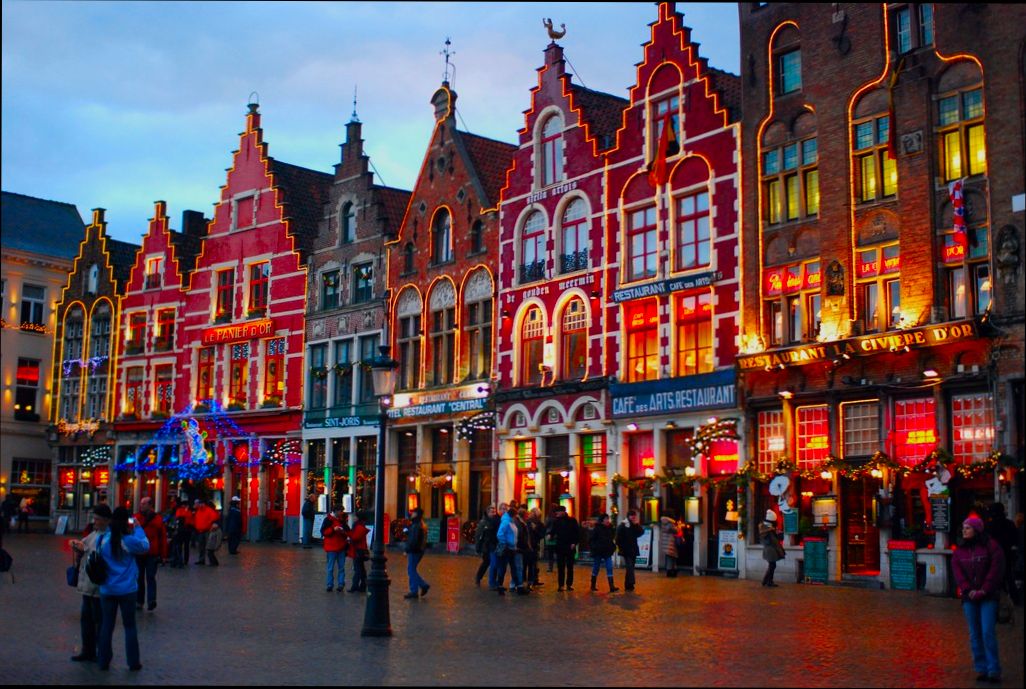
Tourism significantly affects the daily lives of locals in Bruges, offering both opportunities and challenges. Understanding these impacts can help residents navigate the complexities of living in a city that attracts millions of visitors each year.
Key Impacts on Local Residents
1. Economic Contributions: Tourism in Bruges contributes approximately 10% to the city’s GDP, creating jobs and boosting local businesses. About 40% of jobs in Bruges are directly or indirectly related to the tourism sector, which enhances local employment opportunities.
2. Housing Market Pressures: As demand for short-term rentals increases, local residents often face competition for housing. The rise in property conversions for tourism purposes has led to a 25% increase in rental prices over the past five years, affecting local affordability.
3. Infrastructure Strain: The influx of tourists can put pressure on local infrastructure. During peak season, public transport and road networks can become congested, leading to increased commute times for residents by up to 30%.
4. Community Identity: High tourist traffic sometimes leads to concerns about the dilution of local culture and community identity. Some locals feel that rising visitor numbers can overshadow traditional customs, with 55% of residents reporting a sense of cultural erosion due to tourism.
Comparative Table: Tourism Statistics Impacting Local Residents
| Impact Category | Statistic | Description |
|---|---|---|
| Economic Contribution | 10% of GDP | Tourism sector’s contribution to Bruges’ economy |
| Employment | 40% of jobs | Local jobs tied to the tourism industry |
| Housing Affordability | 25% increase in rental prices | Impact on local housing market |
| Infrastructure Strain | 30% longer commute times | Increased congestion due to tourist influx |
| Cultural Identity | 55% of residents feel erosion | Concerns over loss of local customs |
Real-World Examples
In recent years, many Bruges locals have vocalized their concerns regarding the increasing number of short-term vacation rentals. Local organizations have launched initiatives to limit short-term rentals, leading to municipal regulations aimed at maintaining housing availability for residents. For instance, a community group proposed a cap on the number of vacation rental permits issued, addressing local concerns about affordability and cultural preservation.
Another example is the collaboration between local businesses and visitor management organizations. Some shops and restaurants have started promoting local artisans and traditional goods, trying to ensure that tourism benefits the local economy more directly rather than favoring chain establishments.
Practical Implications for Residents
Residents should stay informed about local governance and community initiatives aimed at regulating tourism. Engaging in community meetings can provide insights into how tourism policies evolve and affect daily life. Additionally, getting involved in local advocacy groups can amplify individual concerns and ensure that the voices of residents are heard in discussions about tourism management.
- Explore local initiatives: Research groups that work to mitigate tourism impact.
- Stay engaged: Attend town hall meetings for updates on tourism-related regulations.
- Support local businesses: Prefer local products to help the economy thrive amidst tourist activity.
Understanding the nuanced impacts of tourism allows residents to advocate for their community while enjoying the benefits that tourism can bring to Bruges.
Educational Resources and Opportunities
Bruges may be known for its stunning architecture and rich cultural heritage, but it also offers a variety of educational resources and opportunities for students and lifelong learners. If you’re considering moving to this enchanting city, it’s essential to explore what educational avenues are available to help you thrive both personally and professionally.
Key Educational Resources
Bruges provides several educational resources that cater to different needs:
- Higher Education Institutions: The city is home to a number of universities and vocational schools that offer programs ranging from arts to sciences. This diversity allows students to tailor their educational journey according to their interests and career goals.
- Career and Technical Education (CTE): Students can benefit from specialized CTE programs that equip them with practical skills essential for the workplace. These programs focus on technical and professional training, often integrating hands-on learning experiences that align with current industry demands.
- Opportunities Guides: Resources like the 2024-2025 Opportunities Guides provide comprehensive information on postsecondary education options, financial aid, and scholarship resources. These guides are available in both English and Spanish, ensuring accessibility to a wider audience.
Comparative Table of Educational Resources in Bruges
| Resource Type | Description | Available Languages |
|---|---|---|
| Higher Education Institutions | Universities and technical schools in Bruges offering diverse programs | Dutch, French, English |
| Career and Technical Education | Programs focused on hands-on skills for specific careers | Dutch, English |
| Opportunities Guides | Publications for college planning and financial aid options | English, Spanish |
Real-World Examples
For individuals planning their academic trajectory, accessing resources like the “Choosing the Right College for You Worksheet” can be invaluable. This worksheet guides students in identifying colleges that resonate with their career aspirations and personal interests.
Additionally, the “Scholarship Application Tracker Worksheet” empowers students to manage their time effectively when applying for scholarships, ensuring they never miss a deadline. These practical tools can significantly ease the often-daunting college application process and enhance a student’s chances for success.
Practical Implications
Students and families in Bruges can take advantage of the educational resources by actively participating in community workshops and informational sessions offered at educational institutions. Networking events frequently occur, providing opportunities to meet educators, industry professionals, and fellow students.
It’s crucial to engage with local educational bodies to stay updated on scholarship opportunities. For example, utilizing financial aid resources and applying for local scholarships can reduce college costs significantly, giving students a smoother pathway to higher education.
With the right resources at your fingertips, Bruges can be an enriching environment for anyone looking to advance their education or start a new professional journey.
Annual Demographic Trends and Statistics
When considering life in Bruges, understanding annual demographic trends and statistics can provide you with valuable insights into the city’s evolving landscape. This information can significantly impact your decision-making process, especially if you’re contemplating a long-term move or investment in the area.
Key Demographic Trends
- Population Growth: Bruges has seen a steady population increase of about 1.5% per year over the last five years.
- Age Distribution: Approximately 20% of the population is under 18 years old, while the 65+ age bracket makes up about 19% of the demographic, indicating a balanced age structure.
- Foreign Residents: The proportion of foreign residents has risen to 10%, showcasing Bruges as a melting pot of cultures and backgrounds.
Comparative Demographic Statistics
| Year | Total Population | Foreign Residents (%) | Population Growth (%) | Age 0-18 (%) | Age 65+ (%) |
|---|---|---|---|---|---|
| 2018 | 118,000 | 8 | 1.0 | 19 | 18 |
| 2019 | 119,500 | 8.5 | 1.3 | 20 | 18.5 |
| 2020 | 121,000 | 9 | 1.2 | 19.5 | 19 |
| 2021 | 122,500 | 9.5 | 1.5 | 20 | 19.5 |
| 2022 | 124,000 | 10 | 1.5 | 20 | 19 |
This table illustrates the gradual but notable changes in Bruges’ demographics over the years.
Real-World Examples
In recent years, the city government has implemented programs targeting the increasing foreign population. For instance, language integration courses have been introduced, designed specifically for non-native speakers looking to engage more profoundly with local society. The presence of international communities is also felt through various cultural festivals that attract diverse participation.
Additionally, schools in Bruges are adapting to the growing number of foreign children, offering bilingual education programs that reflect this demographic shift. This commitment to inclusivity not only benefits families but enhances the overall community spirit.
Practical Implications
If you’re considering relocating to Bruges, it’s essential to embrace this cultural diversity. Engaging with local integration initiatives can facilitate smoother adjustments and enrich your experience. With a balanced age distribution, there are amenities and programs suitable for both younger families and retirees, offering something for everyone.
Specific Facts and Actionable Advice
- Monitor the local job market, which is increasingly catering to diverse skill sets due to the rising number of foreign residents.
- Participate in local forums or community groups to connect with others who can provide insights into navigating the demographic landscape.
- Consider the implications of the age structure when choosing housing; family-friendly areas are a focus for younger populations, while quieter neighborhoods might appeal to seniors.