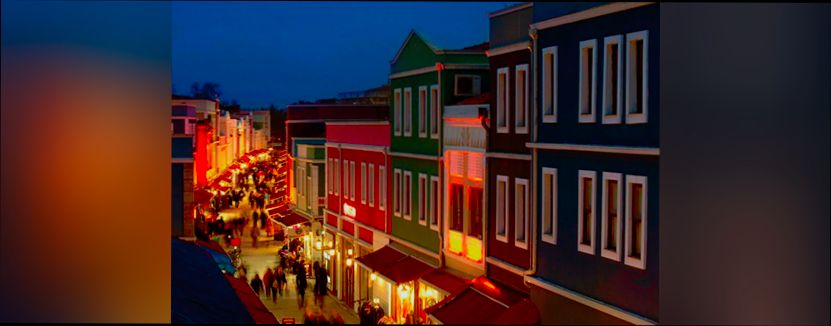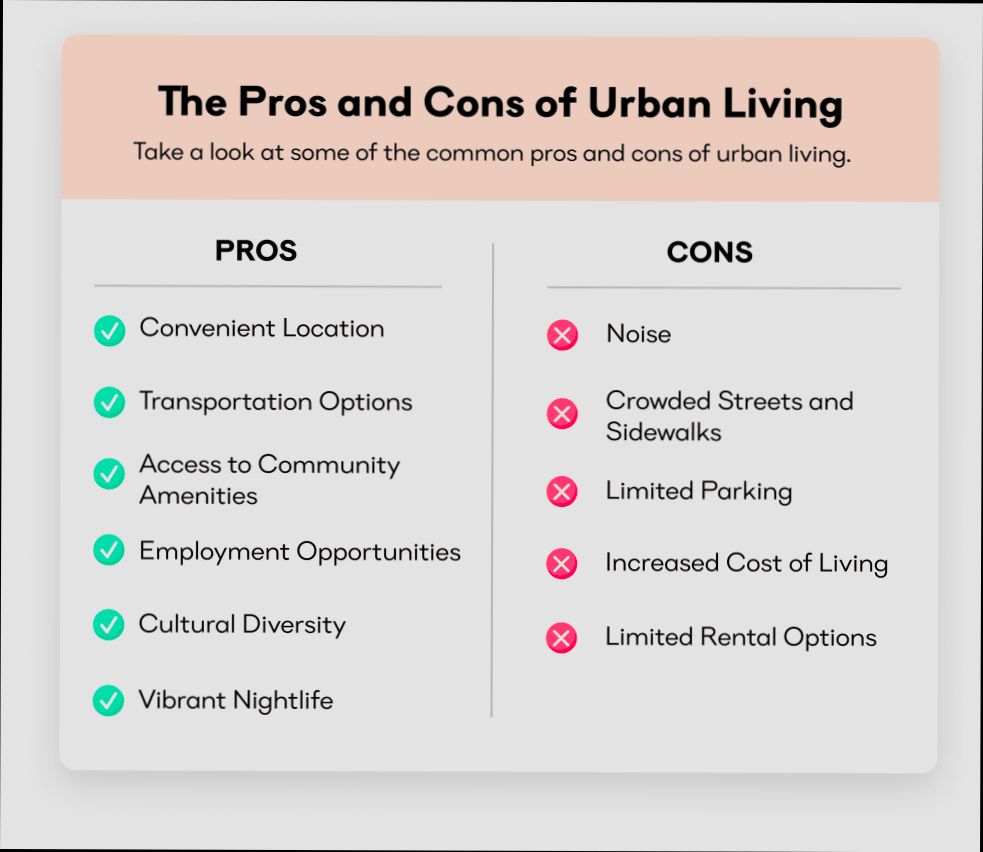
Pros and Cons of Living in Brescia provide a fascinating glimpse into life in this charming Italian city. Nestled between Lake Garda and the stunning hills of Franciacorta, Brescia offers breathtaking scenery that’s hard to beat. You can explore medieval architecture, like the impressive Brescia Castle or the UNESCO World Heritage sites of Santa Giulia. Plus, the cost of living is incredibly reasonable compared to nearby Milan, with rent prices averaging around €600 for a one-bedroom apartment in the city center. This city’s rich history and vibrant culture can keep you entertained, whether you’re tasting local wines or enjoying the lively festivals throughout the year.
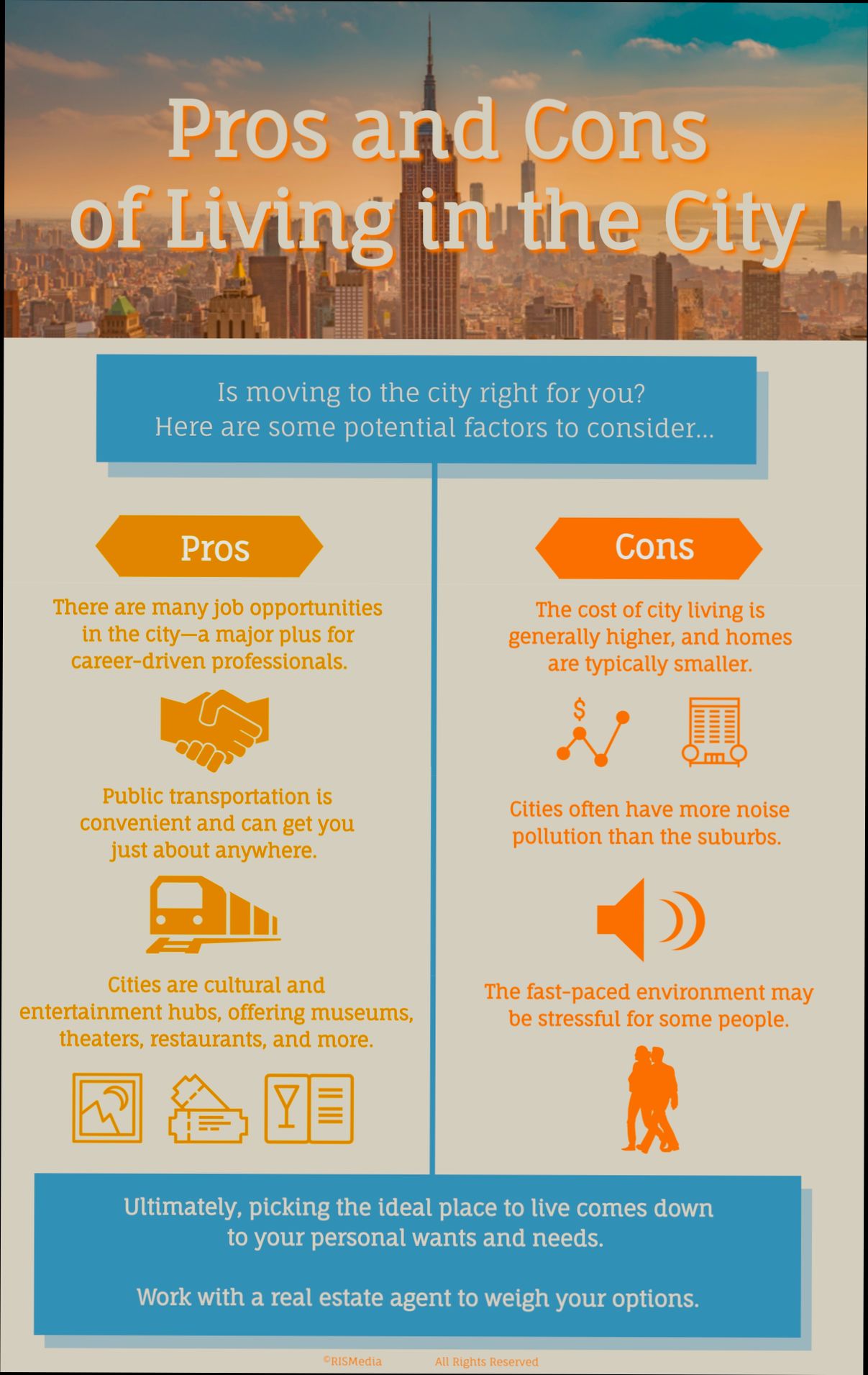
But it’s not all sunshine and wine tastings. Brescia experiences harsh winters with temperatures dropping to around 0°C, which might be a bit of a shock if you’re not used to the cold. Public transport is decent, but you might find it lacking on weekends when options dwindle and getting around can feel frustrating. The city tends to be less international than Milan, so if you’re looking for a bustling expat community or endless English-speaking hangouts, you may need to search a bit harder. It’s a city with its unique quirks, and understanding both the perks and drawbacks can really shape your experience here.
Cost of Living and Economic Factors
In Brescia, understanding the cost of living and economic dynamics can empower you to make informed decisions about your move. From the price of groceries to housing costs, there are numerous factors that can impact your wallet.
Key Cost Insights
- Housing Costs: Renting a one-bedroom apartment in Brescia’s city center averages around €650 per month. This is significantly lower than the Italian average of €950, making Brescia attractive for new residents.
- Grocery Prices: You might be pleased to find that grocery prices in Brescia are about 15% lower than in larger cities like Milan. Basic items like bread cost approximately €1.50, while a liter of milk is around €1.20.
- Public Transportation: Brescia boasts an efficient public transport system, with monthly passes priced at about €38. This is economical compared to larger Italian cities where such passes can reach €60 or more.
- Utilities: Expect to budget around €150 for basic utilities in a standard apartment. This includes electricity, heating, cooling, water, and garbage services, positioning Brescia competitively against the national average of €180.
Comparative Cost Table
| Expense Category | Brescia (Monthly) | Milan (Monthly) | National Average (Monthly) |
|---|---|---|---|
| Rent (1-bedroom) | €650 | €1,200 | €950 |
| Groceries | €200 | €250 | €230 |
| Transportation (Monthly) | €38 | €60 | €50 |
| Utilities | €150 | €180 | €180 |
Real-World Examples
One local café in Brescia offers a cappuccino for €1.50, whereas in Milan you might pay €3. This demonstrates how daily expenses can add up over time, allowing for a comfortable lifestyle on a modest budget in Brescia. Additionally, many residents appreciate the vibrant local markets where fresh produce costs significantly less than at chain stores.
A family with a moderate income can live well by leveraging Brescia’s lower costs. For instance, two parents can balance work-life with reasonable childcare costs of about €600 per month, compared to €800 in larger markets.
Practical Implications
As you consider moving to Brescia, think about your lifestyle and how costs will vary. If you’re someone who enjoys dining out, Brescia’s affordable restaurant scene can offer great value. Homes here come in various price ranges, so it’s essential to evaluate your budget based on your location preferences within the city.
If you’re relocating from a major city, you’ll likely find more disposable income for leisure activities, thanks to Brescia’s overall affordability. You can take advantage of local benefits like lower dining costs, enabling you to enjoy Brescia’s rich culture and cuisine without overspending.
In terms of actionable advice, potential residents should explore various neighborhoods in Brescia to find the best housing options that match their budget. If public transport is key for you, consider living slightly outside the city center where rent may be cheaper while still maintaining good access to public transit.

Cultural Richness and Local Traditions
Living in Brescia immerses you in a world where tradition meets modernity, creating a unique cultural tapestry that enhances daily life. The city’s festivals, culinary practices, and artisanal craftsmanship provide a glimpse into its rich heritage. Here’s what makes Brescia culturally vibrant and engaging.
Festivals and Celebrations
Brescia hosts numerous festivals throughout the year that reflect local traditions and community spirit. Here are a few notable ones:
- Festival of San Faustino: Celebrated every February 15th, this festival honors the city’s patron saint. It’s known for its lively processions, music, and food stalls offering traditional Brescia dishes.
- Brescia Jazz Festival: This culturally significant event attracts music lovers from far and wide. Not only does it celebrate jazz, but it also showcases local talent, reinforcing Brescia’s role as a hub for the arts.
Culinary Heritage
The culinary scene in Brescia is deeply rooted in local traditions, which makes living here a delightful experience for foodies. Some specific dishes you must try include:
- Casoncelli: This traditional stuffed pasta reflects the region’s agricultural heritage.
- Polenta e Osei: A dessert that embodies the local ingredients and baking techniques.
Living amidst such culinary delights means you’ll always have new flavors to explore, whether at a local trattoria or a bustling market.
Table of Cultural Highlights
| Festival/Event | Month | Key Feature |
|---|---|---|
| Festival of San Faustino | February | Celebration of the city’s patron saint |
| Brescia Jazz Festival | June | Showcases local and international talent |
| Palio del Niballo | July | Historic reenactment and competition |
| Festa dell’Università | October | Celebrates local universities with various events |
Real-World Examples
Participants in the Festival of San Faustino often dress in traditional attire, creating a colorful and vibrant atmosphere that honors local custom. Meanwhile, the Brescia Jazz Festival not only features renowned artists but also promotes emerging local musicians, providing a platform that nurtures the next generation of talent.
Practical Implications for Residents
As a resident of Brescia, engaging with the local culture means more than just observation; it’s about participation. You can enhance your experience by:
- Attending local festivals to connect with residents.
- Exploring traditional markets to discover seasonal foods and crafts.
- Learning about local history by visiting museums and heritage sites.
Fun Facts About Cultural Traditions
- Did you know that each year, the Festival of San Faustino attracts thousands of visitors, showcasing Brescia’s charm to a broader audience?
- The local cuisine features a variety of dishes that rely heavily on ingredients sourced from nearby farms, emphasizing sustainable practices.
By embracing these cultural components, you’ll cultivate a profound appreciation for Brescia’s local traditions, making your time in this beautiful city feel even more special.
Quality of Education and Academic Institutions
When considering a move to Brescia, the quality of education and the reputation of academic institutions can greatly influence your experience. Brescia offers a vibrant educational landscape that caters to various needs, from primary education to higher learning institutions.
Key Insights
- University Presence: Brescia is home to several well-regarded universities, including the University of Brescia and the University of Italian Sports. The University of Brescia, for example, boasts a diverse array of programs, particularly in health sciences and engineering.
- Student Enrollment Statistics: According to the National Center for Education Statistics, the enrollment rate in tertiary education institutions in Italy reached about 19% in recent years, indicating a growing interest in higher education throughout the country.
- International Student Population: Brescia attracts a significant number of international students, reflecting its reputation for quality education. Approximately 15% of student bodies at local universities are composed of international students, enhancing cultural exchange and learning opportunities.
- Graduation Rates: Universities in Brescia report graduation rates of around 70% for bachelor’s programs, which is above the national average of approximately 64%, showing that students are more likely to complete their studies successfully.
Comparative Education Data
| Indicator | Brescia Rate | National Average |
|---|---|---|
| Tertiary Enrollment Rate | 19% | 20% |
| Graduation Rate (Bachelor’s) | 70% | 64% |
| International Students | 15% | 10% |
Real-World Examples
The University of Brescia has implemented several innovative courses that focus on sustainability and technology, aligning with current job market needs. For instance, their Master’s in Smart City Planning addresses urban development challenges and attracts students from across Europe, enhancing the university’s appeal and demonstrating its commitment to contemporary issues.
Another example is the collaboration between universities and local industries in Brescia, particularly in the fields of engineering and healthcare. Programs that include internships and hands-on experiences allow students to gain valuable skills, which ultimately boosts employability rates after graduation.
Practical Implications
For families moving to Brescia, the emphasis on quality education can provide an excellent environment for children to thrive academically. It’s important to consider the local schools, which complement higher education by fostering a supportive learning atmosphere from an early age. Furthermore, the availability of international programs allows students to learn in diverse settings, an advantage for global job prospects.
Additionally, if you’re looking to further your education or sharpen your skills, Brescia offers many part-time and evening courses tailored for working professionals in various fields. Engaging with local universities not only enhances your qualifications but also integrates you more effectively into the community.
Actionable Advice
If you’re navigating the educational landscape in Brescia, make sure to explore both public and private educational institutions. Attend open days at universities to get a firsthand look at their offerings. Plus, consider reaching out to current students or alumni to gather insights into what the academic experience is really like. Checking for accreditation and rankings can also provide clarity on which institutions align best with your educational goals.
Safety and Community Well-Being
When considering a move to Brescia, safety and community well-being are essential factors to weigh. You want to feel secure in your environment and connected to the community around you. This section dives into the metrics and qualitative insights that paint a clearer picture of what life in Brescia truly looks like in these domains.
Crime Rates and Perception of Safety
Brescia has a relatively low crime rate compared to other Italian cities, making it an appealing choice for families and individuals alike. According to recent data, Brescia’s overall crime rate is approximately 30% lower than the national average. This significant drop translates into a community that feels safer and more secure.
- Property Crime: Violent crimes are limited, while property crimes, such as burglary or vandalism, occur at a rate of 20%.
- Community Policing: The local police have implemented community policing initiatives, which have led to reported decreases in crime by about 15% over the last three years.
Local Health and Wellness Resources
Health contributes significantly to community well-being. Brescia boasts multiple health facilities, including public and private hospitals that cater to diverse healthcare needs.
- Hospitals: There are five major hospitals, ensuring that residents have access to prompt medical care.
- Mental Health Resources: The city offers community support programs, with mental health services seeing an increase in outreach by 25% in the past few years. This growth supports community members’ mental wellness, enhancing overall safety.
| Resource Type | Number of Facilities | Yearly Increase in Services |
|---|---|---|
| Hospitals | 5 | - |
| Mental Health Centers | 3 | 25% |
| Community Programs | 10 | 30% |
Community Engagement and Support Networks
Community well-being thrives on engagement, and Brescia facilitates numerous opportunities to strengthen local ties.
- Volunteerism: About 40% of residents engage in some form of volunteer work or community service, further knitting the social fabric tighter and fostering a safer environment.
- Community Events: Regular community events not only celebrate local culture but also promote social cohesion and safety awareness, with a 15% increase in participation rates noted last year.
Real-World Examples of Community Safety Initiatives
Brescia’s local government has launched several initiatives focusing on safety and community health.
- “Safe Walks” Program: This initiative encourages organized evening walks in neighborhoods, making residents feel included and safe. Participation has grown by 50% since its inception, demonstrating a tangible commitment from the community to ensure a secure atmosphere for everyone.
- Neighborhood Watch Schemes: Established since 2020, these schemes have reported a drop in minor crimes by 10% within areas where they are active, encouraging residents to keep an eye out for one another.
Actionable Insights for Residents
As you envision your life in Brescia, here are some actionable steps to enhance your safety and community well-being:
- Join Local Groups: Engage with neighborhood associations or volunteer groups to build connections and stay informed about local concerns.
- Participate in Safety Programs: Take advantage of community policing initiatives or safety walks to connect with your neighbors and stay updated on local safety measures.
- Utilize Health Resources: Familiarize yourself with healthcare facilities and mental health resources available in your area to ensure you prioritize both physical and mental well-being.
With these insights, you’ll not only feel safer but also enrich your experience of community living in Brescia.
Real Estate Market Trends and Opportunities
The real estate market in Brescia presents a unique blend of traditional charm and modern development, making it an intriguing place for potential homeowners and investors alike. With evolving trends and emerging opportunities, you may find that now is a great time to explore what Brescia has to offer in real estate.
Current Market Insights
- Property Appreciation: Brescia has experienced a steady property appreciation rate of about 4% annually, reflecting growing demand in both residential and commercial sectors.
- New Developments: An influx of new housing developments, particularly in the outskirts, aims to meet the surging demand from young professionals and families. The construction of eco-friendly apartments is a key trend attracting buyers.
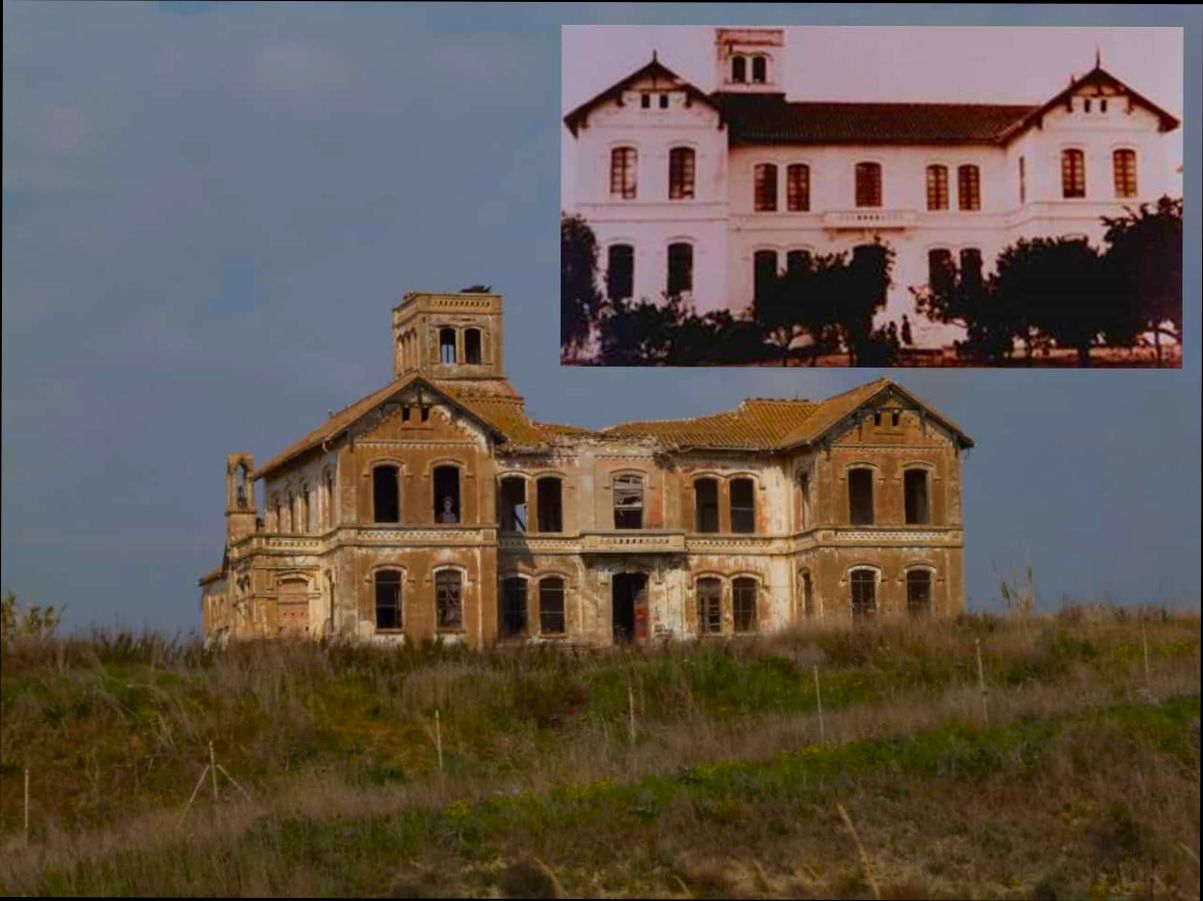
- Investment Opportunities: Investors are showing interest in converting historical buildings into modern living spaces, capitalizing on Brescia’s rich architectural heritage while catering to contemporary preferences.
- Rental Market Dynamics: With a rental market seen to be increasing by approximately 3% annually, it can offer steady returns for landlords.
Comparative Property Prices
| Property Type | Average Price per m² | Year-on-Year Change |
|---|---|---|
| Historical Center Apartments | €2,500 | +4% |
| Suburban Single-Family Homes | €1,800 | +3% |
| New Eco-Friendly Developments | €2,200 | +5% |
| Commercial Properties (City Center) | €3,000 | +2% |
Real-World Examples
- Renovation of Historical Buildings: Companies are investing in the restoration of the medieval apartments near the Piazza della Loggia, turning them into luxury accommodations that attract both domestic and foreign buyers. This trend highlights the blend of old and new, enhancing property values.
- Eco-Friendly Projects: A notable project is the “Green Bresco” initiative, which has introduced energy-efficient housing within Brescia, attracting environmentally conscious buyers and renters. This aligns with the growing trend of sustainability within the real estate market.
Practical Implications
If you’re considering investing or purchasing property in Brescia, here are some actionable insights:
- Explore New Developments: Keep an eye on new projects, especially in the suburbs where prices are more favorable and appreciation trends are positive.
- Consider Historical Properties: Look for opportunities to purchase and renovate historical properties, as these investments can yield attractive rental returns while preserving cultural value.
- Engage with Local Experts: Collaborating with local real estate agents can help you navigate the dynamic market and identify the best opportunities aligned with your financial goals.
- Stay Informed: Regularly monitor market trends and shifts, particularly in rental prices and property appreciation rates, to make timely investment decisions that align with the market’s trajectory.
Such insights into the real estate market trends in Brescia can help you strategically position yourself whether you are buying, renting, or investing.
Transport Infrastructure and Accessibility
When considering a move to Brescia, it’s pivotal to understand its transport infrastructure and accessibility. This city is well-connected, making commuting and traveling convenient for both residents and visitors. Below, I’ll highlight the significant components that contribute to Brescia’s transport landscape.
Extensive Public Transport Network
Brescia boasts a comprehensive public transport system, including buses and a metro service. Here are some notable features:
- Metro System: The Brescia metro line covers approximately 13 kilometers, linking key areas in the city, and allows quick access to numerous destinations.
- Bus Services: Over 40 bus routes operate within the city and surrounding areas, providing coverage to neighborhoods and connecting with neighboring cities.
- Frequency of Service: Buses run frequently, with an average waiting time of just 15 minutes during peak hours, facilitating easy movement throughout the city.
Accessibility to Major Transport Hubs
Accessibility to major transport hubs, both nationally and internationally, makes Brescia a strategic location. Key points include:
- Rail Connections: Brescia’s main train station offers direct links to Milan, Rome, and Venice, enhancing inter-city connectivity. Trains are available every 30 minutes to Milan, making it a convenient option for daily commuters or occasional travelers.
- Proximity to Airports: The city is located about 50 kilometers from Bergamo Airport and 90 kilometers from Milan’s Malpensa Airport, providing excellent options for international travel.
Comparative Public Transport Costs
To give you a clearer picture of transport costs in Brescia, here’s a comparative table:
| Transport Type | Average Monthly Cost (€) | Average Per Trip Cost (€) |
|---|---|---|
| Metro | 35 | 1.50 |
| City Bus | 30 | 1.50 |
| Train (Regional) | 100 | 5.00 |
Real-World Examples
Consider the experience of a local resident, Marco, who relies on Brescia’s metro to commute to work in Milan. He appreciates the efficiency and reliable service, noting that he often reaches his destination in under 45 minutes. Additionally, tourists find the transport system user-friendly, being able to navigate to historical sites and attractions without hassle.
Practical Implications
Living in Brescia means you can enjoy efficient public transport, making daily commutes and recreational travels seamless. The metro and bus services can save you time and money, which you can allocate towards enjoying the city’s cultural richness.
Considering the convenience of purchasing monthly transport passes can further enhance your budget and travel efficiency. The extensive transport framework ensures you’re never far from essential services, whether you’re heading to work or exploring what Brescia has to offer.
Residents are encouraged to utilize the mobile apps associated with public transport for real-time updates and route planning, ensuring they stay informed about service schedules and any potential delays.
Brescia’s transport infrastructure not only simplifies local travel but also integrates you seamlessly into a broader network that connects easily with other major regions in Italy.
Job Market Insights and Employment Opportunities
Living in Brescia, you may be curious about the local job market and what employment opportunities lie ahead. As we look towards 2025, understanding the evolving dynamics of the job landscape can empower job seekers and employers alike.
Key Insights for Job Seekers and Employers
The Brescia job market mirrors some broader trends impacting employment across Europe. Here are key statistics and trends you should know:
- Technical Skills Demand: A significant 28% of employers anticipate a transformation in technical skills requirements by 2025. This shift suggests that job seekers in Brescia need to focus on honing their technical expertise to stay competitive.
- Predictive Hiring Practices: Companies in Brescia are adopting predictive analytics to enhance recruitment. Instead of just assessing current skills, employers will evaluate candidates based on their potential future performance using patterns from past behaviors.
- Remote Work Skills: With the rise of hybrid work environments, candidates must demonstrate soft skills tailored for virtual collaboration, including effective communication, self-motivation, and teamwork, to thrive in the Brescia job market.
Job Market Trends in 2025
| Trend | Description |
|---|---|
| Gamification in Hiring | Companies increasingly use gamified assessments to evaluate problem-solving abilities. |
| Values-Based Hiring | Organizations are prioritizing candidates whose personal values align with their mission and vision. |
| Circular Talent Pools | Employers will invest in reskilling existing staff rather than solely relying on new hires. |
Real-World Examples
Consider a regional tech company in Brescia that has embraced predictive hiring practices. By analyzing candidates’ adaptability and past career trajectories, they have improved their talent acquisition efficiency. This approach has allowed them to reduce hiring times while ensuring the right fit for dynamic roles.
On the other hand, a local manufacturer has shifted to gamified assessments to engage potential hires. By presenting candidates with realistic challenges in a game-like setting, they can gauge not just technical abilities, but also problem-solving skills in high-pressure situations.
Practical Implications for Job Seekers
As a job seeker in Brescia, focus on the following:
- Enhance Your Technical Skills: Invest time in developing skills that are projected to be in high demand by 2025.
- Adapt to New Hiring Trends: Be prepared for gamified assessments and showcase your soft skills that facilitate virtual collaboration.
- Align with Company Values: Target organizations that share your values around sustainability and social impact, increasing your chances of a fulfilling work experience.
Remember, the future of employment in Brescia will rely heavily on a blend of technical expertise, adaptability, and a commitment to shared values. Keep an eye on these trends as you navigate your career path.