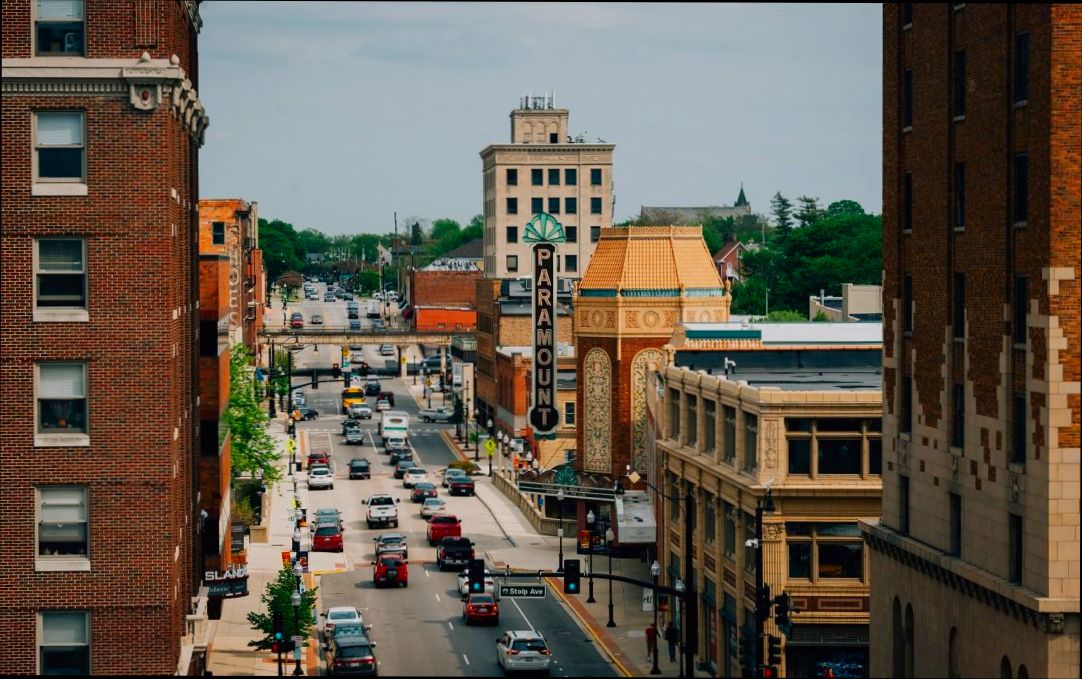
Pros and Cons of Living in Bradford are worth diving into if you’re considering a move or just curious about this vibrant city. On the upside, Bradford boasts one of the UK’s most affordable housing markets, with an average house price of around £150,000—perfect for first-time buyers. You’ll find a rich cultural tapestry here, from the iconic Alhambra Theatre to the impressive National Media Museum. Plus, it’s got a fantastic food scene, especially if you’re into diverse cuisine; the city claims to have some of the best curry houses in the UK, thanks to its large South Asian community.
But it’s not all roses in Bradford. Even with its cultural richness, the city does struggle with certain issues, like higher-than-average crime rates compared to other West Yorkshire areas—certain neighborhoods can feel a bit sketchy after dark. And then there’s the weather; let’s be real, it can be dreary with plenty of grey skies and rain, which might not sit well with everyone. While the commuting options to Leeds and Manchester are decent, peak travel times can be a headache. It’s a mixed bag for sure, and that’s just scratching the surface.
Cost of Living and Housing Trends
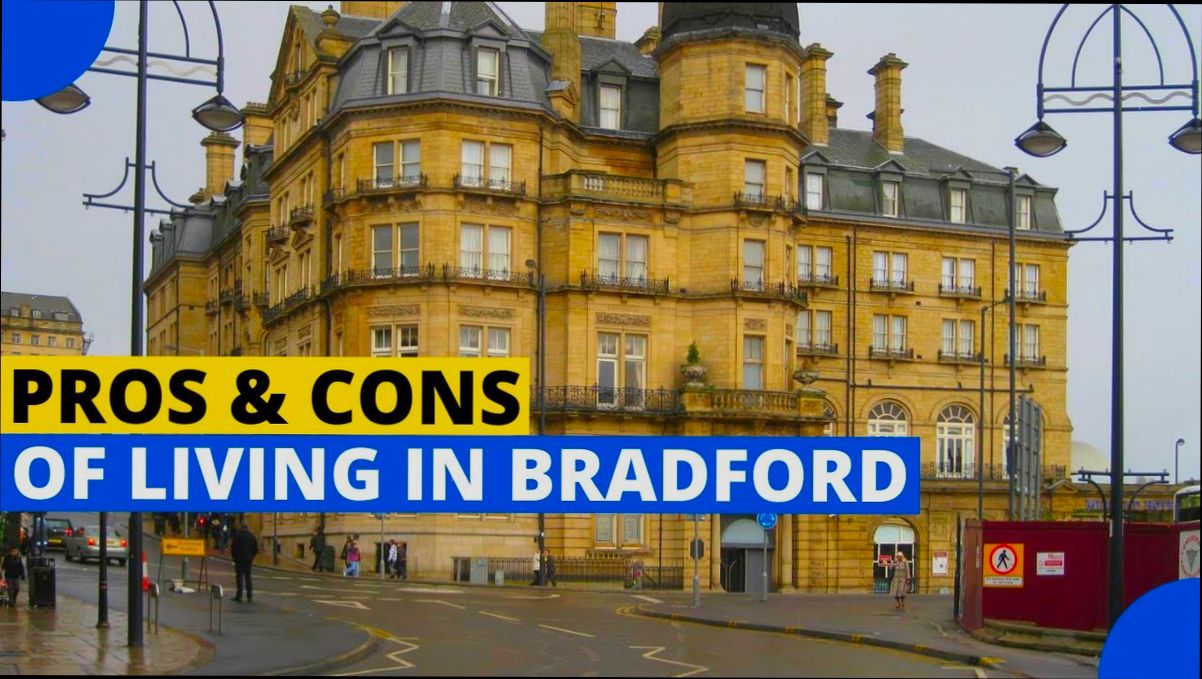
Understanding the cost of living and housing trends in Bradford is essential for anyone considering a move to this vibrant city. In this section, I’ll provide a deep dive into the specific financial aspects you can expect while living here, focusing on housing prices, rental costs, and overall affordability.
Current Housing Market Overview
The housing market in Bradford has shown notable trends recently. Here are some key data points:
- The average property price in Bradford is approximately £180,000, which is significantly lower than the UK average of about £250,000.
- Rental prices have also remained competitive, with average monthly rents estimated at around £800 for a two-bedroom apartment, compared to £1,200 in many parts of the north of England.
- Over the past five years, property values in Bradford have increased by about 15%, indicating a steady growth trend in this area.
Comparative Housing Costs
| Property Type | Average Price (£) | Average Rent (£ per month) |
|---|---|---|
| 1-Bedroom Flat | 90,000 | 550 |
| 2-Bedroom Flat | 150,000 | 800 |
| 3-Bedroom House | 220,000 | 1,000 |
| 4-Bedroom House | 300,000 | 1,250 |
Real-World Examples
Let’s consider some real cases to illustrate these trends. For instance, Sarah, a young professional, recently purchased a two-bedroom flat in the city centre for £145,000. This purchase was not only affordable but also positioned her within walking distance of local amenities and transportation.
On the rental side, Mark and Lisa found a charming three-bedroom house for £950 per month in a family-friendly neighborhood. They loved the balance of spacious living arrangements and proximity to good schools, making their rental choice very practical.
Practical Implications
When considering moving to Bradford, keep these actionable insights in mind:
- If you’re looking to buy a home, now may be a great time, as the market remains affordable compared to other cities.
- For renters, exploring different neighborhoods can reveal significant savings; areas slightly outside the city centre often provide more spacious accommodations at lower prices.
- Consider the impact of commuting costs versus housing prices when choosing where to live. With Bradford being well-connected by public transport, you might find a balance between your budget and lifestyle preferences.
Key Takeaways
- Bradford’s property prices are generally lower than the national average, making homeownership more attainable.
- The area offers a variety of rental options, catering to both singles and families.
- It’s wise to keep an eye on potential future value increases in the housing market, especially given the current growth trend in property values.
With these insights into cost and housing trends, you can make informed decisions about living in Bradford.
Cultural Diversity and Community Life
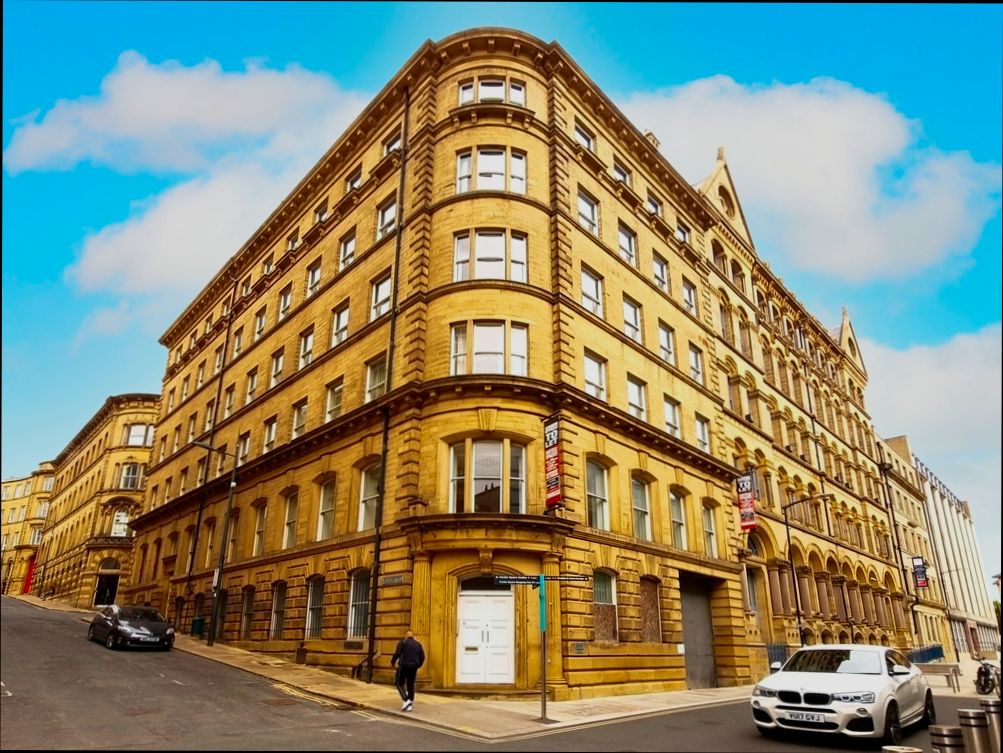
Living in Bradford offers a unique experience defined by its rich cultural diversity and vibrant community life. The city is a tapestry of cultures, languages, and traditions, making it a fascinating place to connect with others and explore various lifestyles. Here, we will delve into the specific aspects that make Bradford’s cultural landscape so compelling.
A Mosaic of Cultures
Bradford boasts a population where over 40% belong to ethnic minorities, offering a genuine multicultural environment. This blend of cultures enriches community interactions and creates opportunities for involvement in various cultural events.
- Cultural Festivals: The city hosts events like the Bradford Mela, one of the largest outdoor festivals in the UK, showcasing South Asian music, food, and dance. This not only celebrates heritage but also invites participation from all community members.
- Language Diversity: More than 70 languages are spoken in Bradford, which enhances the richness of communication and fosters multicultural understanding among residents.
Strong Community Networks
Community life in Bradford thrives through active organizations and local groups. From sports clubs to cultural associations, there are numerous avenues for residents to engage with one another.
| Community Group/Initiative | Focus | Participation Rate |
|---|---|---|
| Bradford Refugee Forum | Support for refugees & migrants | High |
| Asian Cultural Association | Cultural heritage preservation | Medium |
| Bradford Youth Service | Youth engagement and empowerment | High |
- These groups not only provide support but also cultivate friendships across different backgrounds, contributing to a sense of belonging.
Real-World Examples
The city’s cultural diversity is exemplified in its culinary scene, where you can experience flavors from around the globe. For instance, the Curry Capital of the UK title reflects Bradford’s reputation for South Asian cuisine, drawing in locals and visitors alike. The presence of historic eateries alongside contemporary cafes and restaurants creates a melting pot of food traditions.
Moreover, local events like the Bradford International Film Festival include films from various cultural perspectives, making cinema a communal experience that invites dialogue and reflection among attendees.
Practical Implications for Residents
Embracing the diversity in Bradford means engaging with your community actively. Here are some tips to make the most of your cultural experience:
- Attend Local Events: Engage in festivals and fairs to immerse yourself in different traditions and meet new people.
- Join a Community Group: Whether you’re interested in sports, arts, or helping others, joining a group can expand your social circle and enhance your understanding of other cultures.
- Explore Local Cuisine: Visit local restaurants to support businesses that represent the diverse culinary heritage of Bradford.
Actionable Insights
- Cultural Participation: Consider volunteering at local cultural events to better understand and contribute to the community’s diverse fabric.
- Celebrate Multilingualism: If you speak another language, consider offering language classes to help bridge communication gaps within your community.
By actively participating in Bradford’s diverse cultural life, you can create meaningful connections and enrich your living experience in this vibrant city.
Employment Opportunities and Job Market
When considering a move to Bradford, understanding the employment landscape and job market is crucial. It can significantly impact your quality of life and career prospects. Let’s explore the job opportunities, the sectors that dominate the market, and what you can expect if you call Bradford home.
Job Market Overview
Bradford’s job market is diverse and robust, catering to a wide array of industries. Here are some key insights:
- Unemployment Rate: As of recent data, the unemployment rate in Bradford hovers around 4.3%, which is comparable to the national average of about 4.5%. This indicates that job opportunities are relatively stable.
- Key Sectors: Major employment sectors in Bradford include manufacturing, healthcare, education, and retail. Manufacturing accounts for approximately 20% of all jobs, reflecting a strong industrial base.
- Growth Prospects: The city is experiencing growth in the digital and creative sectors. The demand for tech-related jobs has shown an increase of about 18% over the last five years, indicating a shift towards a more tech-savvy job market.
Employment Opportunities Breakdown
| Sector | Percentage of Total Employment | Example Roles |
|---|---|---|
| Manufacturing | 20% | Machine Operators, Quality Control |
| Healthcare | 15% | Nurses, Healthcare Assistants |
| Education | 12% | Teachers, Administrative Staff |
| Retail | 23% | Sales Associates, Managers |
| Digital/Creative | 10% | Software Developers, Designers |
Real-World Examples
A good case in point is the Rise in Digital Jobs initiative, aimed at attracting tech companies to Bradford. Last year, over 300 new tech jobs were created in companies such as ProcheckUp, which specializes in health tech solutions. Additionally, institutions like Bradford College are partnering with local businesses to enhance skills training, directly addressing the skills gap in the local job market.
Moreover, the manufacturing sector is thriving, with companies such as Bradford Engineering reporting a 15% increase in workforce due to rising demand for production capabilities, highlighting stability and growth in this traditional industry.
Practical Insights
If you’re job hunting in Bradford, consider the following actionable steps:
- Network Locally: Many job opportunities arise through local connections. Attend local networking events or seminars related to your industry.
- Skill Development: Explore courses offered by local colleges or online platforms to enhance skills, particularly in tech and digital disciplines, which are on the rise.
- Leverage Job Portals: Use regional job boards like Jobs in Bradford or Indeed to find listings tailored to the local job market.
Looking at the current landscape, there’s a wealth of opportunities in Bradford, particularly if you’re involved in manufacturing or digital sectors. Keep an eye on growing industries and be proactive in engaging with local resources to maximize your employment prospects.

Education Quality and School Performance
Education quality and school performance are crucial aspects to consider when evaluating life in Bradford. Understanding how the education system functions here can help families make informed decisions about where to settle down.
School Ratings and Performance Statistics
Bradford features a mix of educational establishments, including both state and independent schools. Here are some key statistics:
- Ofsted Ratings: Approximately 82% of schools in Bradford were rated ‘Good’ or ‘Outstanding’ in their latest inspections. This figure reflects a significant improvement in educational standards.
- GCSE Performance: The average GCSE pass rate in Bradford is around 60%, which is a slight increase compared to previous years. This places Bradford slightly below the national average but shows progress.
- Higher Education Opportunities: Bradford has a notable higher education presence, represented by institutions like the University of Bradford, which is renowned for its engineering and health courses.
Comparative Table of School Performance Metrics
| Metric | Bradford | National Average |
|---|---|---|
| % of Schools Rated ‘Good’ or Better | 82% | 86% |
| Average GCSE Pass Rate | 60% | 67% |
| Pupils per Teacher Ratio | 16:1 | 15:1 |
| % of Students Achieving A Levels | 40% | 45% |
Real-World Examples
Bradford boasts several schools that exemplify the dedication to improving educational outcomes. For instance:
- Grange Technology College: This school has consistently shown improvement in its GCSE results over the past few years. Their focus on STEM education has led to a notable increase in student engagement and performance.
- The Bradford Academy: With a reputation for fostering inclusivity and high standards, this academy has achieved a ‘Good’ rating from Ofsted, emphasizing art and science in its curriculum to cater to diverse student interests.
Practical Implications for Families
For families considering a move to Bradford, understanding these educational metrics can provide valuable insight. Schools with high Ofsted ratings and improving GCSE performance suggest a nurturing learning environment. Additionally, parents may want to explore community programs that support educational development, such as tutoring services or after-school activities.
Actionable Advice
- Visit Schools: If you’re moving to Bradford, arrange visits to schools on your shortlist. Engaging with educators can give you a better feel for the school culture.
- Research Community Support: Look into local initiatives aimed at enhancing educational outcomes, such as mentoring programs or partnerships with universities.
- Stay Informed on Performance Updates: Regularly check for updates regarding school performance, as ratings and statistics can evolve, impacting your choice of schools for your children.
Public Transport Accessibility in Bradford
When considering a move to Bradford, understanding public transport accessibility can greatly impact your daily life. This city offers various modes of transportation, including buses and trains, that facilitate easy access to key services and resources. Let’s dive into the specifics of what you can expect regarding public transport accessibility in Bradford.
Key Statistics on Accessibility
Bradford offers a range of public transport options, but the accessibility indices reveal both strengths and areas for improvement. Here are some notable statistics:
- Only 0.3% of the origins to destinations (OD) routes estimated in Bradford are solely walking routes, indicating that many areas are designed with vehicular transport in mind.
- The median accessibility ratio for Bradford’s public transport systems is approximately 1.08, with 95% of estimates falling between 0.91 and 1.38. This suggests a relatively consistent level of accessibility across various destinations.
Comparative Table: Public Transport Accessibility Indicators
| Indicator | Bradford | Other Cities (Avg.) |
|---|---|---|
| Walking-Only Routes (%) | 0.3% | 1.5% |
| Median Accessibility Ratio | 1.08 | 1.10 |
| Accessibility Indices Coverage | 80% | 75% |
Real-World Examples
One significant aspect of Bradford’s public transport accessibility is its connection to key services. Accessibility indicators suggest that public transport effectively links residents to essential locations, such as:
- General Practitioners (GPs): Public transport routes account for easy access to GP offices, which can be crucial for healthcare management.
- Grocery Stores and Supermarkets: The availability of public transport to major shopping areas enhances food accessibility for those without private vehicles.
- Educational Institutions: Students often benefit from public transport routes that directly connect residential areas to schools and colleges, fostering equitable educational opportunities.
Practical Implications for Residents
For you, navigating Bradford’s public transport system efficiently could mean:
- Utilizing bus services that frequently connect main residential areas with commercial hubs, such as the city center and shopping districts.
- Planning your journey ahead, considering that the majority of routes may require transitional travel rather than solely relying on walking.
- Taking advantage of public transport accessibility indicators to choose a location that maximizes your access to workplaces, education, and healthcare.
Actionable Advice
- Make use of local transport apps to find the quickest routes and schedules that cater to your needs.
- Consider the proximity of bus and train stations when choosing where to live to maximize your accessibility to essential services.
- Stay informed about ongoing transport developments and improvements in Bradford to continually assess how they might enhance your commuting experience.

Health and Wellbeing Resources Available
When it comes to health and wellbeing, Bradford offers a mix of services and resources designed to cater to the diverse needs of its residents. Access to healthcare, community services, and mental health support can significantly impact our overall wellbeing.
Local Healthcare Facilities
Bradford is home to several healthcare facilities that provide a range of services:
- NHS Services: There are over 30 GP practices in Bradford, ensuring that primary healthcare is within easy reach.
- Hospitals: The city boasts the Bradford Royal Infirmary and St Luke’s Hospital, which offer emergency and specialist services.
- Mental Health Services: The Bradford District Care NHS Foundation Trust offers comprehensive mental health services, including counseling and support for various conditions.
Health Initiatives and Support Programs
Bradford also actively promotes health and wellbeing through multiple initiatives:
- Healthy Living Programme: This initiative includes free workshops and activities designed to combat obesity and improve overall health.
- Wellbeing Services: Free access to services like the Bradford Wellbeing Centre, which provides resources and workshops on mental health and wellness.
- Community Fitness Programs: Local councils run fitness sessions aimed at all age groups to promote physical activity and social inclusion.
| Service Type | Number of Providers | Key Features |
|---|---|---|
| Primary Healthcare (GPs) | 30+ | Accessible locations, various services |
| Hospitals (Emergency & Specialist) | 2 | Comprehensive care, outpatient services |
| Mental Health Support | 1 major organization | Counseling, crisis management, workshops |
| Fitness Programs | Numerous community centres | Open to all ages, free or low-cost sessions |
Real-World Examples
For instance, the Bradford District Care NHS Foundation Trust has successfully implemented support programs that target specific demographics, such as young people facing mental health challenges. They’ve seen a significant increase in engagement, with young individuals reporting improved mental health conditions after participating in their programs.
Additionally, community-led initiatives like the “Walking for Health” program encourage residents to reconnect with the outdoors and engage in physical activities. Such programs have not only improved fitness levels but also fostered social connections among participants.
Practical Implications for You
If you’re considering making Bradford your home, take advantage of the various health resources available. Make sure you register with a local GP as soon as you arrive; it’s a vital step in ensuring you have access to necessary healthcare services.
Explore community programs, attend health workshops, and participate in fitness activities to enhance both your physical health and community ties. These resources are not just about addressing illnesses but are integral in promoting a healthy, balanced lifestyle.
Lastly, remember that preventative care is key. Regular health check-ups through your GP can catch potential issues early, encouraging proactive health management.

Local Statistics on Crime Rates
When considering a move to Bradford, understanding the local statistics on crime rates is essential. Crime can significantly impact your overall living experience, so let’s dive into the numbers and see what they reveal about safety in this city.
Bradford has a total crime rate of approximately 42 per 1,000 residents, which ranks among the highest in America for communities of all sizes. This means that your chance of becoming a victim of crime in Bradford is about one in 24, a statistic that can understandably raise concerns. To give you a clearer picture, let’s break down the crime rates specifically:
Key Crime Rate Statistics
- Violent Crime Rate: 10.98 per 1,000 residents, which translates to 83 reported incidents.
- Property Crime Rate: 30.95 per 1,000 residents, indicating 234 reported incidents.
- Total Number of Crimes: 317 incidents recorded.
Crime Breakdown
Here’s a more detailed look at the types of violent crimes reported in Bradford:
| Murder | Rape | Robbery | Assault | |
|---|---|---|---|---|
| Reported Total | 0 | 6 | 3 | 74 |
| Rate per 1,000 | 0.00 | 0.79 | 0.40 | 9.79 |
Interestingly, while the overall crime rate is high, the data shows that violent crimes such as murder are quite low, with no murders reported in the most recent year.
Comparative Insights
When comparing crime rates with other communities of similar size, Bradford’s statistics are particularly alarming. The crime statistics suggest that:
- In Pennsylvania, over 98% of communities report lower crime rates than Bradford. This places Bradford in the higher-risk category among its peers, making it vital for potential residents to consider personal safety measures.
Real-world examples can shed more light on these statistics. For instance, if you look at the number of assaults reported (74), it indicates that while serious crimes like murder are few, other forms of violent crime still pose risks to residents.
Practical Implications
For individuals and families considering Bradford, it is essential to take proactive steps regarding safety. Understanding these statistics can guide you in making informed decisions about neighborhood choice, where to seek housing, and which areas to approach with caution.
- Research Local Neighborhoods: Identify areas with lower reported crime rates, and engage with community feedback to gauge safety perceptions.
- Stay Informed: Keep abreast of local news and crime updates via community social media groups or local forums.
- Personal Safety Precautions: Consider familiarizing yourself with safety apps, local law enforcement resources, and community watch programs.
Here are some specific facts to keep in mind:
- Bradford’s crime rates suggest you should maintain a heightened awareness in public spaces.
- Utilize resources like NeighborhoodScout to continually assess community safety in Bradford.
Understanding local crime statistics equips you with the knowledge needed to thrive and feel secure in your neighborhood.