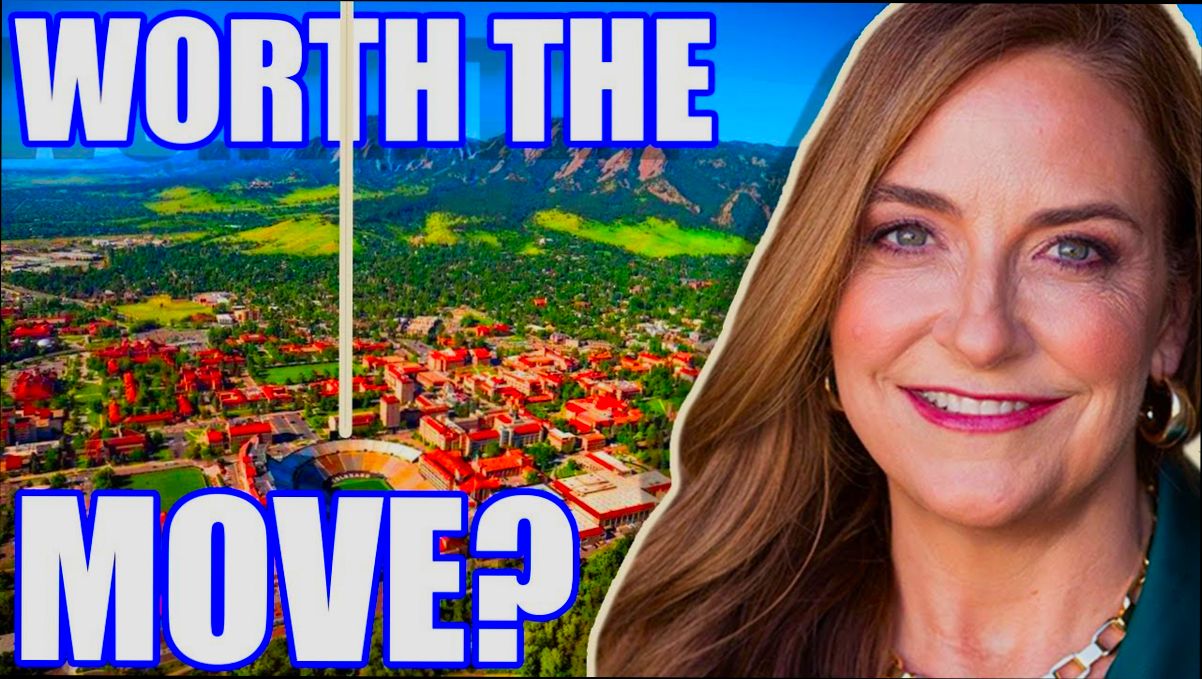
Pros and Cons of Living in Boulder CO reveal a vibrant mix of experiences and challenges. Nestled against the stunning backdrop of the Rockies, Boulder boasts over 300 days of sunshine a year. With an average home price hovering around $1.1 million, real estate is a hot topic—perfect for those cashing in on the tech boom but daunting for first-time buyers. Plus, the local craft beer scene is hard to beat, with over 30 breweries serving up everything from IPAs to stouts. Whether you’re hitting up the iconic Pearl Street Mall or catching live music at the Boulder Theater, there’s always something buzzing.
On the flip side, the cost of living can be a real kicker, especially with groceries priced 15% higher than the national average. Traffic, especially during the ski season, can test anyone’s patience, as the city’s close-knit vibe contrasts with the growing influx of newcomers chasing its charm. Outdoor enthusiasts may love the access to hiking trails, but be prepared for crowded parks and rising pollution levels, especially in the summer months. Boulder’s unique character offers a lot, but it’s essential to weigh the perks against the realities of urban life in a cherished mountain town.
Cost of Living Comparisons in Boulder
When considering a move to Boulder, Colorado, understanding the cost of living is crucial. It’s known for its stunning scenery and active lifestyle, but these perks come with a price tag that may surprise you. Let’s explore the key aspects of Boulder’s living costs and how they compare to national averages.
Key Points About Boulder’s Cost of Living
- Housing Costs: Boulder consistently ranks among the most expensive housing markets in Colorado. The median home price is approximately $685,000, which is significantly higher than the U.S. average of $347,500. Rent prices also reflect this trend, with the average rent for a one-bedroom apartment hovering around $1,900 per month, compared to a national average of about $1,200.
- Utilities: Monthly utilities for a standard apartment in Boulder typically run around $170, slightly above the national average of $160. This includes basic services like electricity, heating, cooling, water, and garbage.
- Transportation: While Boulder is relatively bike-friendly, transportation costs can still add up. The average public transportation cost is about $70 per month, which can be higher when you factor in commuting costs for those who travel outside of city limits for work.
Cost of Living Comparison Table
| Cost Category | Boulder | U.S. Average |
|---|---|---|
| Median Home Price | $685,000 | $347,500 |
| Average Rent (1BR) | $1,900 | $1,200 |
| Monthly Utilities | $170 | $160 |
| Public Transportation | $70 | $60 |
| Grocery Costs (Index) | 18% higher | 100 (baseline) |
Real-World Examples of Boulder’s Living Costs
Living in Boulder isn’t just about higher housing prices; it also involves everyday expenses that can vary significantly. For instance, groceries might cost around 18% more than the national average due to Boulder’s high demand and the cost of local organic products. Furthermore, dining out in Boulder can set you back by about 20% more compared to the national average, with an average meal costing approximately $17.
Individuals moving from lower-cost areas may find these costs challenging initially. For example, a couple relocating from a city where the median home price is $300,000 may struggle to adjust to Boulder’s prices. Financial planning is essential for newcomers to avoid getting caught off-guard by these expenses.
Practical Implications for Residents
If you’re considering a move to Boulder, I recommend budgeting for the increased costs. Here are some actionable tips:
- Housing Budget: Aim to allocate at least 30% of your gross income towards housing to ensure you can find a suitable place without straining your finances.
- Transportation Planning: If you plan on using public transport, factor in the average cost of $70/month into your monthly budget to stay on track with expenses.
- Cost Sharing: Consider finding roommates or explore neighborhoods just outside the city that might offer more affordable options while still allowing easy access to Boulder’s amenities.
- Grocery Shopping: Explore local grocery stores and farmers’ markets for affordable, fresh produce to help offset higher grocery costs.
Boulder’s alluring lifestyle comes with a financial commitment that requires thoughtful planning and adjustment, especially if you’re coming from a region with a lower cost of living.
Outdoor Lifestyle and Recreational Opportunities
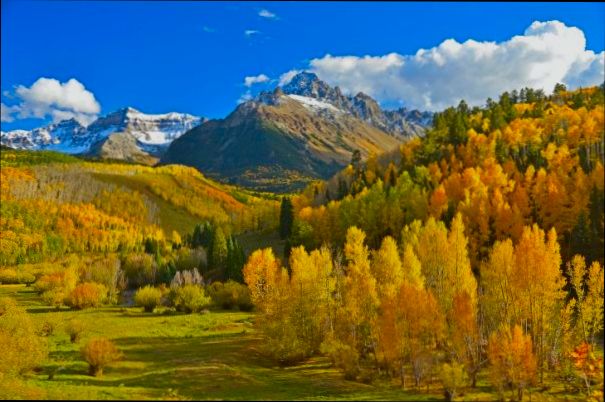
Living in Boulder, Colorado, offers a thrilling outdoor lifestyle with a plethora of recreational opportunities. Nestled against the foothills of the Rocky Mountains, Boulder provides access to breathtaking scenery and a variety of activities that cater to outdoor enthusiasts of all kinds. Let’s dive into what makes Boulder an outdoorsy haven.
Abundant Hiking and Biking Trails
One of the principal draws of Boulder is its extensive network of hiking and biking trails. With over 300 miles of trails right at your doorstep, you can explore everything from easy strolls to challenging climbs. Here are some key highlights:
- Flatirons Vista Trail: A favorite among locals, this 3-mile loop trail offers stunning views of the iconic Flatirons.
- Boulder Creek Path: Ideal for leisurely walks and biking, this path runs alongside Boulder Creek, extending over 6 miles through the city.
- Chautauqua Park: Often hailed as a must-visit, it provides access to several trails, including those leading up to the Flatirons.
Rock Climbing and Mountaineering
For rock climbers, Boulder stands out as a significant destination. Nearby locations like Eldorado Canyon State Park and North Table Mountain offer climbing options for various skill levels:
- Eldorado Canyon: Known for both sport and traditional climbing, it features over 500 routes.
- Boulder Canyon: Offers a more accessible option with numerous bolted routes for beginners.
In fact, reports indicate that Boulder alone draws climbers from all around the world, with annual climbing events and competitions enhancing the community spirit.
Year-Round Recreation
Boulder is not just about summer activities; it embraces recreation all year long. In the winter, you can hit nearby ski resorts like Eldora Mountain Resort, which is less than 30 minutes away. Here are a few winter activities:
- Skiing and Snowboarding: Eldora offers a variety of trails and facilities.
- Snowshoeing: Many local trails allow snowshoeing, giving you a unique way to enjoy the winter landscape.
- Cross-Country Skiing: Options abound at places like the Betasso Preserve, where winter trails are thoughtfully maintained.
Comparative Outdoor Activities Table
| Activity Type | Summer Opportunities | Winter Opportunities |
|---|---|---|
| Hiking | 300+ miles of trails | Snowshoeing on maintained paths |
| Climbing | Eldorado Canyon (500+ routes) | Indoor climbing gyms available |
| Biking | Boulder Creek Path (6 miles) | Fat tire biking trails nearby |
| Skiing/Snowboarding | Nearby at Eldora (30 mins away) | Skiing and snowboarding at Eldora |
Real-World Examples
Many locals love to organize community events centered around outdoor activities. For instance:
- The Boulder Boulder: An annual 10K race that attracts thousands, showcasing the city’s community spirit and commitment to fitness.
- Boulder Outdoor Center: Offers rentals and guided tours for kayaking, paddleboarding, and climbing, making it easy for newcomers to try different activities.
Practical Implications for You
If you’re considering moving to Boulder, take advantage of the outstanding outdoor resources. Make a list of the activities you enjoy, and explore local groups and clubs that align with your interests. Whether you want to join a mountain biking crew or find hiking partners, chances are there’s a vibrant community waiting for you.
Additional Advice
- Invest in quality outdoor gear tailored to the activities you plan to pursue. Boulder’s local shops can provide customized advice.
- Don’t forget to check local event calendars to stay updated on any outdoor festivals or competitions, as these can enhance your experience and introduce you to fellow enthusiasts.
With everything Boulder has to offer in outdoor lifestyle and recreational opportunities, it’s clear you’ll have plenty to explore and enjoy!
Housing Market Trends and Challenges
Boulder’s housing market is increasingly dynamic, shaped by a mix of rising demand, fluctuating interest rates, and construction trends. Understanding these factors is crucial for prospective buyers and current homeowners navigating this competitive landscape.
Key Trends in Boulder’s Housing Market
1. Inventory Constraints: A significant challenge in Boulder is the limited availability of existing homes for sale. With many homeowners hesitant to sell due to higher interest rates, the inventory remains tight, pushing more buyers towards newly constructed homes.
2. Rising Mortgage Rates: As of late 2023, the average mortgage rate has climbed to around 6.85%. This increase can dampen affordability, making it tougher for some buyers to enter the market. Despite this, many are motivated to buy before rates rise further, indicating a sense of urgency among potential homeowners.
3. Increased Construction: New housing starts in Boulder have been on the rise, reflecting a broader national trend where housing starts jumped from under 1.3 million in 2019 to over 1.5 million in 2022. This increase is expected to help alleviate some supply issues as builders attempt to meet soaring demand.
4. Changing Buyer Preferences: Younger buyers are placing higher importance on urban living, sustainability, and dedicated workspace at home. This shift is driving demand for homes that feature eco-friendly designs and amenities conducive to remote work.
Current Market Data
| Market Factor | Statistic |
|---|---|
| Average 30-Year Mortgage Rate | 6.85% |
| Growth in New Housing Starts | 1.5 million in 2022 |
| Expected Home Inventory Decline | Up to 4.5 million homes needed |
Real-World Examples
Many potential homeowners in Boulder are now gravitating towards pre-construction properties as a viable option to circumvent inventory shortages. Builders are often offering incentives, like buying down mortgage rates, to attract buyers. Additionally, new policies regarding public Multiple Listing Services (MLS) are likely to change, making home listings more accessible and potentially sparking increased competition among sellers.
For example, in recent months, neighborhoods such as North Boulder are seeing a significant increase in newly built homes designed with modern amenities to cater to the changing preferences of today’s buyers. This adaptability is a crucial factor for builders and developers aiming to stay competitive in the market.
Practical Implications for Buyers
If you’re considering purchasing in Boulder, staying informed about market trends is essential. Here are some actionable insights:
- Monitor Interest Rates: Keep an eye on mortgage rates, which could influence your buying power significantly.
- Explore New Developments: Many builders offer pre-construction pricing, which may provide a financial advantage compared to purchasing existing homes.
- Evaluate Home Features: Look for homes that align with current buyer trends such as sustainability and office space, as these features can enhance resale value in the future.
Facts to Remember
- With the anticipated growth in new housing starts, there may be more opportunities to find affordable housing options that meet contemporary preferences.
- Understanding the current landscape of Boulder’s housing market can empower you as a buyer or investor, positioning you to make informed decisions in a competitive environment.
Quality of Education and Schools
The quality of education in Boulder, Colorado, stands out as one of the most compelling aspects for families considering a move to this vibrant city. With various educational opportunities and a reputation for high academic standards, Boulder proves to be a nurturing environment for children’s growth and learning.
Key Points About Education Quality
- School Ratings: Boulder Valley School District (BVSD) consistently receives high ratings, with many schools earning scores above 8 out of 10 on GreatSchools. The district emphasizes both academic excellence and social-emotional learning.
- Graduation Rates: The graduation rate for BVSD is around 90%, which is notably higher than the national average of approximately 85%. This statistic reflects the commitment of local schools to ensure student success.
- Student-Teacher Ratios: The average student-teacher ratio in Boulder’s public schools is around 15:1, allowing for more personalized attention and tailored educational approaches.
- Educational Programs: Boulder offers a variety of magnet and charter schools, including programs focused on the arts, technology, and STEM (Science, Technology, Engineering, Mathematics) education.
| School Name | Rating | Graduation Rate | Student-Teacher Ratio | Special Programs |
|---|---|---|---|---|
| Boulder High School | 8.5 | 92% | 18:1 | IB Program, STEM Focus |
| Fairview High School | 9.0 | 91% | 14:1 | Performing Arts, Advanced Placement |
| Justice High School | 8.0 | 87% | 10:1 | Alternative Education, Project-Based |
| Monarch K-8 | 9.2 | - | 12:1 | International Baccalaureate, Arts |
Real-World Examples
A great instance demonstrating the quality education available is the Boulder High School International Baccalaureate (IB) program. It challenges students with a rigorous curriculum while also fostering international understanding and open-mindedness. This program has led to a significant number of graduates pursuing higher education at esteemed universities.
Additionally, the Fairview High School has a thriving Advanced Placement (AP) program, where students can earn college credit while still in high school. According to recent data, approximately 70% of students enrolled in AP courses at Fairview received a passing score on their exams, showcasing the school’s commitment to advanced learning.
Practical Implications for Families
When considering Boulder for your family’s next home, you’ll have access to various high-quality educational avenues. It’s essential to explore the different schools to find one that aligns closely with your child’s interests and needs. Local parenting forums and school district events can provide insights and foster connections with other families.
Further, understanding the support offered both in and out of the classroom can help set your child on a successful educational path. Look for schools that emphasize not just academics but also extracurricular activities that encourage teamwork and leadership skills.
Actionable Advice
Before deciding on a school, visit the campuses and attend open houses to get a feel for the environment and culture. Engage with teachers and administration to discuss their approaches to education and support services. Given the competitive nature of Boulder’s school options, applying early can enhance your chances of securing a spot in a desired program, especially for specialized schools.
Environmental Sustainability Initiatives in Boulder
Boulder, Colorado, stands out for its strong commitment to environmental sustainability. Whether you’re a long-time resident or considering moving to this beautiful city, you’ll find that Boulder is actively engaged in initiatives designed to protect the environment while promoting a sustainable lifestyle.
Key Initiatives
- Climate Action Plan: Boulder’s Climate Action Plan aims to reduce greenhouse gas emissions by 80% by 2050. As of 2022, the city reported a reduction of approximately 30%, showcasing significant progress toward this ambitious goal.
- Waste Diversion Programs: Boulder boasts a robust waste diversion program, reportedly achieving a diversion rate of around 55%. The city encourages residents to compost organics and recycle properly, aiming for a future where at least 70% of waste is diverted from landfills.
- Renewable Energy Sources: Over 60% of Boulder’s electricity comes from renewable sources. The city has invested in large-scale solar projects, significantly contributing to its sustainability goals and reducing reliance on fossil fuels.
- Transportation Initiatives: Boulder promotes sustainable transportation options. Nearly 20% of residents use public transportation, bike, or walk as primary modes of transportation, reflecting Boulder’s dedication to reducing carbon emissions from vehicles.
| Initiative | Target/Percentage | Current Status |
|---|---|---|
| Greenhouse Gas Reduction | 80% by 2050 | 30% reduction achieved |
| Waste Diversion Rate | 70% by 2025 | 55% diversion achieved |
| Renewable Energy Usage | 100% by 2030 | 60% currently sourced |
| Non-Motorized Transportation Use | 25% by 2025 | 20% currently using |
Real-World Examples
Boulder has implemented the EcoCycle Project, the largest grassroots recycling and composting initiative in the state. This project focuses on community engagement and education, fostering environmental awareness among residents.
Additionally, the Boulder Public Library has created a tool library where you can borrow various tools instead of purchasing them, emphasizing a sharing economy and reducing waste.
Practical Implications
If you’re living in or considering a move to Boulder, engaging in these initiatives can help you contribute to the community’s sustainability efforts. Participate in local cleanup events or join community forums focused on environmental issues to connect with like-minded residents.
You can also take advantage of Boulder’s numerous educational workshops on sustainable practices, such as gardening with native plants or energy efficiency tips for your home. Supporting local businesses that prioritize sustainability also makes a substantial difference in advancing these initiatives.
Actionable Advice
- Get involved with local environmental organizations to stay informed about community activities.
- Utilize Boulder’s extensive bike paths to reduce your carbon footprint.
- Embrace composting at home, as it’s one of the simplest ways to contribute to the city’s waste diversion goals.
By actively participating in Boulder’s environmental sustainability initiatives, you not only enhance your own lifestyle but also contribute positively to the community’s ecological balance.
Work-Life Balance in a Mountain Community
Living in a mountain community like Boulder, Colorado, offers a unique blend of natural beauty and lifestyle that can greatly influence your work-life balance. The majestic Rocky Mountains provide not just stunning views but also an environment that encourages outdoor activity and mental well-being. In this section, we will explore how residing in a mountain community impacts work-life balance, including key data points and practical strategies that can help you thrive.
Key Points About Work-Life Balance
- Burnout Rates: With 42% of the global workforce reporting burnout, mountain communities like Boulder offer a refuge where nature plays a vital role in stress relief. Residents often engage in hiking, biking, and other outdoor activities, which can mitigate feelings of exhaustion.
- Flexibility Matters: Research shows that employees unhappy with their job’s flexibility are 43% more likely to feel burnt out. In Boulder, many companies embrace flexible work arrangements that allow employees more time outdoors, facilitating better work-life balance.
- Generational Perspectives: Among younger generations, particularly Gen Z, there is a significant emphasis on work-life balance over compensation. About 60% of Gen Z prioritizes maintaining this balance, making mountain towns an appealing option due to their lifestyle offerings.
Comparative Table of Work-Life Balance Factors
| Factor | Mountain Communities | Urban Areas |
|---|---|---|
| Average Commute Time | Short (average 15 min) | Longer (average 30+ min) |
| Access to Outdoor Activities | High | Limited |
| Company Support for Flexibility | Common | Varies |
| Employee Burnout Risk | Lower | Higher |
Real-World Examples
Consider the case of a tech startup in Boulder that introduced a “Nature Break” policy, allowing employees to take extended breaks for outdoor activities during the workday. A survey revealed that 90% of employees reported improved mental health and productivity as a direct result. This initiative is a testament to how mountain communities facilitate an environment conducive to work-life harmony.
Another example is a local healthcare organization that has adopted a remote work model, catering particularly to the younger workforce, with 51% of Gen Z employees expressing a desire to work from home. This model not only attracts talent but also emphasizes the importance of personal time for relaxation and mental well-being.
Practical Implications for You
If you are considering a move to Boulder for a better work-life balance, think about how you can integrate outdoor activities into your daily routine. Set aside time for a hike or bike ride after work to rejuvenate. Furthermore, explore companies that promote flexible work arrangements, as 75.5% of workers who maintain a healthy work-life balance report higher job satisfaction.
- Prioritize Breaks: Take advantage of the scenic surroundings by incorporating short nature breaks throughout your workday.
- Seek Flexible Employment: Look for positions that recognize the importance of work-life balance and offer remote work or flexible hours.
- Engage with Community: Join local groups focused on outdoor activities to foster connections and support your work-life balance.
By embracing the opportunities presented in a mountain community, you can create a lifestyle that not only meets your professional needs but also enhances your personal well-being.
Demographic Insights and Community Diversity
Living in Boulder, Colorado, offers a fascinating mix of demographics and community diversity that enhances the local culture. The city is home to a variety of ethnic backgrounds, age groups, and lifestyle preferences, making it a vibrant place to live. Understanding this diversity can help you appreciate what living in Boulder really entails.
Key Demographics of Boulder
- Population Composition: Boulder has a population of over 100,000, with a mix of ethnicities including approximately 87% White, 6% Hispanic or Latino, and 5% Asian residents. This variety brings a rich tapestry of ideas and traditions to the community.
- Age Distribution: The age demographics in Boulder show a well-balanced spread, with 21% of the population under 18, 63% between 18 and 64, and 16% aged 65 and older. This diverse age representation fosters a sense of inclusivity across generations.
- Education Levels: Around 60% of residents hold a bachelor’s degree or higher, contributing to Boulder’s reputation as an educated community. This strong emphasis on education enhances local discussions, civic involvement, and community initiatives.
Demographic Comparison Table
| Demographic Category | Boulder (%) | Colorado State (%) | National Average (%) |
|---|---|---|---|
| White | 87 | 70 | 76 |
| Hispanic or Latino | 6 | 22 | 18 |
| Asian | 5 | 3 | 6 |
| Bachelor’s Degree | 60 | 39 | 32 |
Real-World Examples of Community Diversity
In Boulder, cultural events such as the “Boulder International Film Festival” showcase independent filmmakers from diverse backgrounds. This festival not only highlights regional talent but also emphasizes global stories, encouraging cultural exchange and understanding among residents.
The “Boulder Pride” festival is another example of community diversity in action. Celebrating LGBTQ+ voices, this annual event draws participants from various demographics, fostering inclusivity and solidarity among different community groups.
Practical Implications for Residents
Understanding Boulder’s diverse demographics can help you build connections and engage in community activities that align with your interests. Here are actionable steps to consider:
- Join Local Organizations: Participate in community groups focused on specific cultural backgrounds, such as the Asian Pacific American Cultural Center, to engage and learn from diverse perspectives.
- Attend Festivals and Events: Embrace the diversity by attending cultural festivals, art walks, and public discussions, which can help you integrate and enjoy the rich cultural mosaic of Boulder.
- Support Local Businesses: Patronizing businesses owned by diverse community members not only promotes economic growth but also strengthens connections within the community.
- Volunteer for Inclusivity Initiatives: Get involved with organizations that promote inclusivity and understanding among various demographic groups, contributing to a more harmonious community.
By engaging thoughtfully with Boulder’s demographic landscape, you can enrich your own experience and contribute positively to the community fabric.