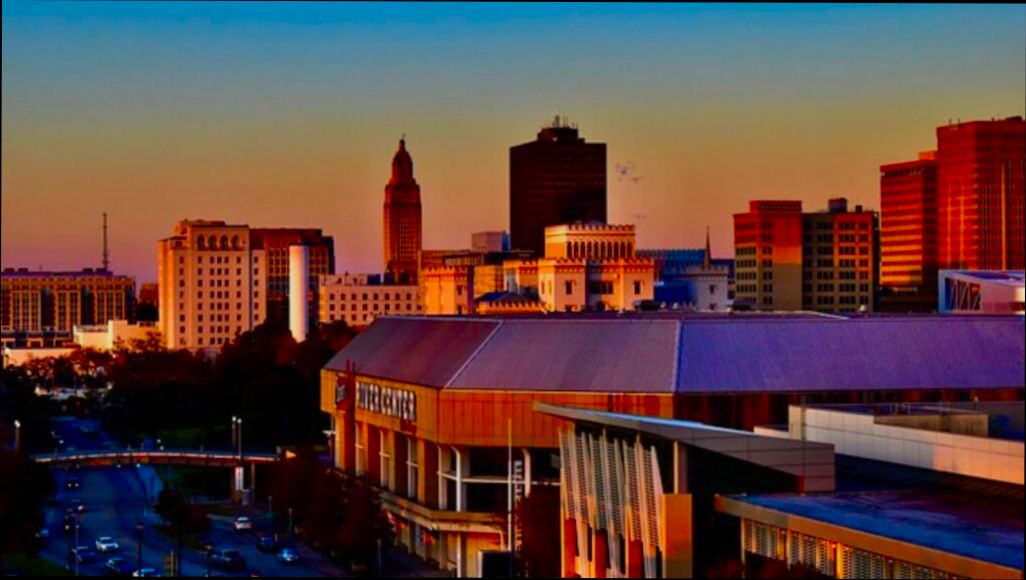
Pros and Cons of Living in Baton Rouge LA reveal a mix of charm and challenges that can shape your everyday life. On the bright side, Baton Rouge boasts a rich cultural scene and delicious food; you can’t beat the experience of chowing down on some spicy gumbo or crawfish étouffée from a local joint. With historical sites like the Louisiana State Capitol and vibrant festivals like Mardi Gras, there’s always something happening to keep life interesting. Plus, the cost of living here is pretty friendly—around 8% lower than the national average—as you find good deals on housing, whether you’re renting or buying.
But it’s not all sunshine and gumbo; the humid climate might take some getting used to, with summer temperatures often soaring into the 90s and humidity levels making it feel even hotter. Traffic can also be a hassle. If you’re commuting, the congested roads during peak hours can test anyone’s patience. Plus, while there’s plenty of Southern charm, crime rates are higher than the national average, which can weigh on the minds of residents. Balancing these factors comes down to what you value most in your day-to-day living.
Cost of Living Comparison with Nearby Cities
When considering a move to Baton Rouge, understanding how its cost of living stacks up against nearby cities is crucial. This section breaks down the expenses you can expect in Baton Rouge compared to neighboring areas like New Orleans and Lafayette, giving you a clear picture of what your wallet will look like.
Key Comparisons
- Overall Cost: Baton Rouge is approximately 10% lower in overall cost of living compared to New Orleans, making it an attractive option if you’re looking to save.
- Housing Costs: The median home price in Baton Rouge is about $195,000, while in New Orleans that jumps to around $330,000, representing a difference of 40%. This significant gap shows that you can get more home for less money in Baton Rouge.
- Utilities: Monthly utility costs in Baton Rouge average around $160, which is about 5% less than in Lafayette, where it tends to hover closer to $168.
- Transportation: Transportation costs in Baton Rouge are also favorable, with residents spending about 10% less compared to New Orleans, making commuting more affordable.
Comparative Cost of Living Table
| Category | Baton Rouge | New Orleans | Lafayette |
|---|---|---|---|
| Median Home Price | $195,000 | $330,000 | $220,000 |
| Utilities (Monthly) | $160 | $175 | $168 |
| Transportation (Monthly) | $90 | $100 | $85 |
| Groceries (Index) | 95 | 105 | 100 |
Real-World Examples
Imagine you’re a first-time homebuyer. By choosing Baton Rouge over New Orleans, you’re saving over $135,000 on the purchase of a home. Alternatively, if you frequently dine out, you would spend about 15% less on meals within Baton Rouge’s restaurants compared to those in New Orleans, which can add up significantly over time.
Moreover, if transportation is a daily expense for you, living in Baton Rouge means that you can allocate more of your budget to experiences and leisure activities, thanks to lower commuting costs compared to nearby cities.
Practical Implications
Understanding these figures can help you plan your finances more effectively. For instance:
- If you prioritize homeownership, Baton Rouge presents a financially savvy choice.
- Budgeting for utilities should consider the slightly lower costs in Baton Rouge, allowing you more flexibility in your overall budget.
- The reduced transportation expenses mean you can live in more affordable areas and still commute comfortably.
Being informed about the cost of living differences will aid in making an educated choice about where to settle down in this vibrant region. By taking a closer look at these specifics, you’ll position yourself and your budget for success.
Impact of Climate on Daily Life
Living in Baton Rouge, we notice how the local climate affects our everyday experiences—from the weather we enjoy to the food we consume. As climate change intensifies, the repercussions on daily life become more evident.
Key Points on Climate’s Impact
- An alarming statistic indicates that 1 in 5 people globally, or about 1.8 billion individuals, face daily temperature changes significantly influenced by climate change. This reality is no different in Baton Rouge, where the heat can become oppressive, particularly in summer months.
- Over the past few decades, residents have increasingly experienced “risky heat days,” which occur when temperatures soar above 90% of the daily temperatures recorded between 1991-2020. In the last analyzed period, around 394 million people worldwide faced at least 30 of these dangerous days, highlighting the urgent need for adaptation.
- Climate change-related shifts particularly impact our health—this includes an elevated risk of heat-related illnesses and vector-borne diseases like West Nile virus, commonly transmitted by mosquitoes that thrive in warmer, wetter conditions.
| Statistic | Impact Description |
|---|---|
| 20% | Percentage of people affected by daily temperature extremes globally. |
| 394 million | Individuals experiencing at least 30 risky heat days. |
| 106°F (41°C) | Approximate temperature spike that can lead to health risks in Baton Rouge. |
Real-World Examples
In South Louisiana, the extreme heat often correlates with increased emergency room visits during peak summer months as vulnerable populations, including the elderly and children, struggle to cope. For instance, in 2024, a significant heatwave contributed to a spike in heat-related hospital admissions across the region.
Moreover, recent studies show that as food production becomes less stable due to extreme weather, local farmers face challenges with crop yields. Residents may notice higher prices at farmers’ markets or diminished variety on store shelves, significantly changing how we shop for groceries.
Practical Implications
You might consider incorporating more energy-efficient habits to cope with the changing climate. This includes:
- Upgrading to energy-efficient appliances to reduce your carbon footprint.
- Utilizing renewable energy sources like solar panels for home energy consumption.
Additionally, our choices in transportation can significantly impact daily life. Opt for:
- Public transportation or carpooling to decrease traffic congestion and air pollution.
- Biking or walking for shorter trips to contribute to a healthier lifestyle.
Actionable Advice
Stay informed about local weather reports that warn of heat advisories. Equip your home with cooling systems or fans to combat heat waves effectively. Simple adjustments, like keeping hydrated and finding shade, can make a big difference in well-being during extreme weather. Monitoring your air conditioning usage can also help, as energy consumption can exacerbate climate issues in our area.

Cultural Diversity and Community Engagement
Living in Baton Rouge offers a unique tapestry of cultural diversity and vibrant community engagement that enriches the experience of residents. The city showcases a multitude of backgrounds, traditions, and stories, creating an inclusive environment where everyone can participate and contribute.
Cultural Richness
Baton Rouge is home to a diverse population with nearly 30% of its residents identifying as part of racial or ethnic minority groups. This diversity is not just about numbers; it reflects a rich mix of customs, languages, and philosophies that enhance the community fabric. Engaging with different cultures allows you to experience various festivals, cuisine, music, and art forms throughout the year.
Community Engagement Initiatives
The high level of community engagement in Baton Rouge is evident through various initiatives aimed at bringing residents together. For instance:
- Cultural Festivals: Baton Rouge hosts events like the Baton Rouge Blues Festival and the Spanish Town Mardi Gras, which celebrate the city’s diverse heritage and encourage interaction among different groups. These festivals can draw crowds of over 200,000, fostering community spirit.
- Volunteer Programs: Approximately 70% of residents participate in some form of community service, reflecting the communal commitment to improve neighborhood welfare. This volunteerism spurs additional cultural programs, benefitting local schools, parks, and healthcare services.
Engagement Tables
| Event/Festival | Audience Reach | Cultural Impact |
|---|---|---|
| Baton Rouge Blues Festival | 200,000+ | Celebrates local music heritage |
| Spanish Town Mardi Gras | 85,000+ | Showcases cultural diversity through parades |
| Community Volunteer Programs | 70% residents | Supports various local initiatives and services |
Real-World Examples
One significant case study is the BRAVE (Baton Rouge Area Violence Elimination) initiative, which aims to engage community members in dialogues about safety and social integration. This program emphasizes collaborative problem-solving, honoring the diverse voices within Baton Rouge. Additionally, organizations like the Cultural Diversity Committee within schools work to incorporate multicultural perspectives into curriculums, ensuring that students learn in an environment reflecting a blend of cultural influences around them.
Practical Implications for Engagement
For those looking to enhance their experience living in Baton Rouge, consider:
- Participating in Local Events: Attend cultural festivals to meet new people and learn about various traditions.
- Volunteering: Get involved with local non-profits or community projects. This direct engagement not only helps others but also exposes you to different cultures.
- Joining Cultural Organizations: Become a member of cultural associations that celebrate the diversity of Baton Rouge, which often offer workshops, culinary classes, and language exchange programs.
Actionable Advice
- To dive deep into cultural engagement, explore monthly community meetings focused on cultural exchange.
- Use social media platforms to connect with local cultural groups and discover events that resonate with your interests.
- Keep an eye out for cultural workshops and classes that offer hands-on experiences in art, dance, and cooking from various cultures.
Engaging with the cultural diversity in Baton Rouge offers not just a chance to learn, but a pathway to form lasting connections and contribute positively to the community’s rich mosaic.

Employment Opportunities in Baton Rouge
When considering moving to Baton Rouge, understanding the employment landscape can significantly influence your decision. The job market here offers a diverse array of opportunities across various sectors, from healthcare to retail, catering to a wide range of skill sets and professional backgrounds.
Job Sectors and Averages
Baton Rouge’s employment opportunities span several key sectors, each providing jobs that can accommodate different lifestyles and preferences. Here are some average salaries in popular job categories:
| Job Category | Average Pay Rate |
|---|---|
| Healthcare | $17.43 per hour |
| Retail | $12 - $17 per hour |
| Education | $15 - $25 per hour |
| Professional | $20 - $40 per hour |
| Hospitality | $13 - $20 per position |
In the healthcare sector, positions such as senior care providers and nursing assistants are in high demand, reflecting the city’s growing elderly population. Retail jobs, primarily at big chains like Walmart, offer competitive salaries along with benefits, making them attractive for both students and those seeking stable employment.
Real-World Job Examples
Here are some actionable job options currently available in Baton Rouge that illustrate the range of employment opportunities:
- Senior Care Provider: Earn around $17.43 per hour while helping individuals with daily living activities. This role is essential as the demand for caregivers continues to rise.
- General Merchandise Associate: Walmart offers positions starting from $12 to $17 per hour, with benefits like a 401(k) and stock purchase options, which can be very appealing for long-term career growth.
- Tutor or Language Tutor: If you have a passion for education or expertise in a language, you can earn between $15 and $25 per hour while helping students succeed academically.
- Virtual Assistant: This position allows you to work from home, earning about $18 per hour while managing tasks for clients worldwide, which is perfect for those seeking flexibility.
Practical Considerations
If you are looking for employment in Baton Rouge, consider the following:
- Networking: Connect with local professionals through social media platforms like LinkedIn or participate in community events to uncover unadvertised job openings.
- Skill Development: Continuing education and certification can enhance your employability. Explore online courses or workshops that relate to in-demand fields.
- Flexible Jobs: If you require a flexible schedule, consider roles like delivery drivers for food services (electric vehicle delivery salaries average around $15-$20 per hour) or taskers and shoppers, which offer hourly pay ranging from $15 to $65 for various services.
- Seasonal Opportunities: The hospitality sector sees a spike in job openings during peak tourist seasons, providing options for temporary work that can turn into permanent positions.
Take Action
To maximize your job search in Baton Rouge, stay informed about local job fairs and employment agencies. Tailor your resume to highlight skills that align with the needs of hiring companies, and don’t hesitate to reach out to employers directly to inquire about openings.

Educational Institutions and Their Rankings
When it comes to educational opportunities, Baton Rouge offers a mix of institutions with varied rankings that can significantly influence your living experience. A strong education system plays a vital role in community growth and personal development, making it an essential factor for potential residents.
Key Points on Educational Institutions
- Baton Rouge is home to several notable colleges and universities, including Louisiana State University (LSU), which ranks among the top 50 public universities in the U.S.
- High schools in the area also show promising results, with a graduation rate of approximately 85%, which is higher than the national average.
- According to recent rankings, 30% of public schools in East Baton Rouge Parish were rated as either “A” or “B” by the Louisiana Department of Education, indicating a strong presence of quality education options.
Comparative Table of Educational Institutions Rankings
| Institution | Type | National Ranking (U.S.) | Graduation Rate (%) |
|---|---|---|---|
| Louisiana State University | Public University | Top 50 | N/A |
| Baton Rouge Magnet High School | Public High School | Top 100 in Louisiana | 85 |
| Episcopal High School | Private High School | Nationally recognized | 95 |
Real-World Examples
Louisiana State University (LSU) not only has a strong academic reputation but also offers a variety of programs, such as engineering and business, which rank impressively on a national scale. Their commitment to research and community projects enhances their educational value.
Additionally, Baton Rouge Magnet High School stands out with specialized programs focusing on advanced studies, which contributes to its Top 100 ranking in the state. With a robust arts program and college preparatory classes, students are well-prepared for higher education.
Practical Implications for Residents
For families considering a move to Baton Rouge, the educational landscape provides options that cater to different needs and preferences. If you prioritize academic excellence, you will find favorable choices in both public and private sectors. Moreover, the high graduation rates reflect a supportive environment conducive to student growth.
If educational excellence is a top priority for you, exploring neighborhoods that are close to these institutions can lead to better educational opportunities for your children. Researching specific programs offered at schools will give you insights into the best fit for your family’s educational goals.
Specific facts to consider:
- Keep an eye on school performance reports as they are updated annually, helping you make informed decisions.
- Visiting campuses and arranging meetings with educators can provide a personal touch to your evaluation of schools in the area.

Recreational Activities and Lifestyle Choices
Living in Baton Rouge offers a buffet of recreational activities that can significantly enrich your lifestyle. From outdoor adventures to cultural experiences, there’s something for everyone. Engaging in these activities not only promotes physical health but also contributes to social well-being and personal fulfillment.
A Vibrant Selection of Activities
Baton Rouge boasts a variety of recreational options, combining physical, cultural, and artistic pursuits. Here are some highlights:
- Outdoor Activities: Enjoy the warm climate by participating in activities like hiking through nearby parks, jogging along river trails, or cycling around local neighborhoods.
- Water Sports: With the Mississippi River and various lakes, swimming and kayaking are popular, providing great ways to cool off and exercise.
- Social Sports Leagues: Join team sports such as basketball or soccer, which not only keep you fit but also foster community and camaraderie.
- Cultural Engagement: Attend local art exhibitions or theater productions to immerse yourself in the cultural fabric of Baton Rouge.
Comparative Table of Recreational Opportunities
| Activity Type | Popular Options | Benefits |
|---|---|---|
| Outdoor Adventures | Hiking, Cycling, Jogging | Physical fitness and relaxation |
| Water Activities | Swimming, Kayaking | Full-body workout and stress relief |
| Team Sports | Basketball, Softball, Soccer | Community building and teamwork |
| Cultural Activities | Art shows, Music festivals | Creative expression and cultural appreciation |
| Personal Hobbies | Gardening, Music lessons | Skill development and stress management |
Real-World Examples
Baton Rouge is home to several parks like the Baton Rouge Zoo and Highland Road Park, which promote outdoor activities and family-friendly events. The local youth often engage in sports organized through schools and community leagues, emphasizing teamwork and skill-building.
For those interested in arts and culture, the Baton Rouge Arts Council frequently hosts workshops and events, allowing residents to explore their creativity. Local venues like The Varsity Theatre feature live music and performances that provide entertainment and support local artists.
Practical Implications
As you consider incorporating recreational activities into your lifestyle in Baton Rouge, think about:
- Joining a local sports league or gym to meet new people.
- Exploring the city’s parks and waterways for weekend adventures.
- Participating in cultural festivals that celebrate the diverse community.
Actionable Advice
To truly benefit from the lifestyle in Baton Rouge, allocate time each week to indulge in these recreational activities. This not only improves your health but also enhances your overall happiness and sense of belonging within this vibrant community. Embrace the opportunity to try something new, whether it’s a pottery class or a local hiking group, to elevate your living experience!
Public Safety Statistics and Concerns
When considering a move to Baton Rouge, understanding public safety is crucial. With various statistics highlighting crime rates and safety concerns, let’s delve deeper into what residents can expect in this vibrant city.
Crime Rates and Safety Overview
Recent statistics reveal that Baton Rouge grapples with higher-than-average crime rates. In fact, the city has a crime rate of about 7,000 incidents per 100,000 residents, which is significantly above the national average.
Key points include:
- Violent Crime Rate: Baton Rouge’s violent crime rate stands at approximately 1,100 incidents per 100,000 residents, marking it as one of the higher rates in Louisiana.
- Property Crime Rate: The property crime rate is recorded at around 5,700 incidents per 100,000 residents, including theft, burglary, and motor vehicle theft.
Comparative Safety Table
| Crime Type | Baton Rouge Rate (per 100,000 residents) | National Average Rate (per 100,000 residents) |
|---|---|---|
| Violent Crime | 1,100 | 366 |
| Property Crime | 5,700 | 2,362 |
| Overall Crime Rate | 7,000 | 2,580 |
Examples and Impacts
In 2021, Baton Rouge experienced a spike in violent crimes, with reports indicating that around 50% of these incidents took place in poorly lit residential areas. This data underscores a significant concern regarding community safety, particularly in less illuminated neighborhoods. Moreover, high poverty rates—reportedly at 17.1%—contribute significantly to the crime landscape, as economic hardship often correlates with higher crime rates.
Local initiatives, like “Safe Streets,” aim to combat these concerns by enhancing lighting in critical areas, providing better police visibility, and increasing community safety programs. These efforts reflect a concerted push from both residents and local authorities to foster a safer living environment.
Practical Implications for Residents
If you’re thinking about living in Baton Rouge, consider these actionable insights:
- Stay Informed: Keep track of neighborhood crime statistics and community safety initiatives. Websites like local police department crime mapping tools can be invaluable.
- Choose Neighborhoods Wisely: Focus on well-lit areas with community safety programs. Areas with active neighborhood watches often report lower crime rates.
- Engage in Community Programs: Participation in local initiatives aimed at improving safety can foster better community relations and enhanced security.
Specific Facts and Advice
- Neighborhood Safety Ratings: Before moving, check safety ratings for specific neighborhoods that interest you.
- Police Engagement: Engaging with local police and attending community meetings can provide insights into crime trends and safety measures.
- Seek Local Resources: Utilize community resources, like neighborhood associations or local safety workshops, to enhance your understanding of living securely in Baton Rouge.
Understanding these safety statistics will help you navigate the challenges and enjoy the vibrant culture of Baton Rouge with greater peace of mind.