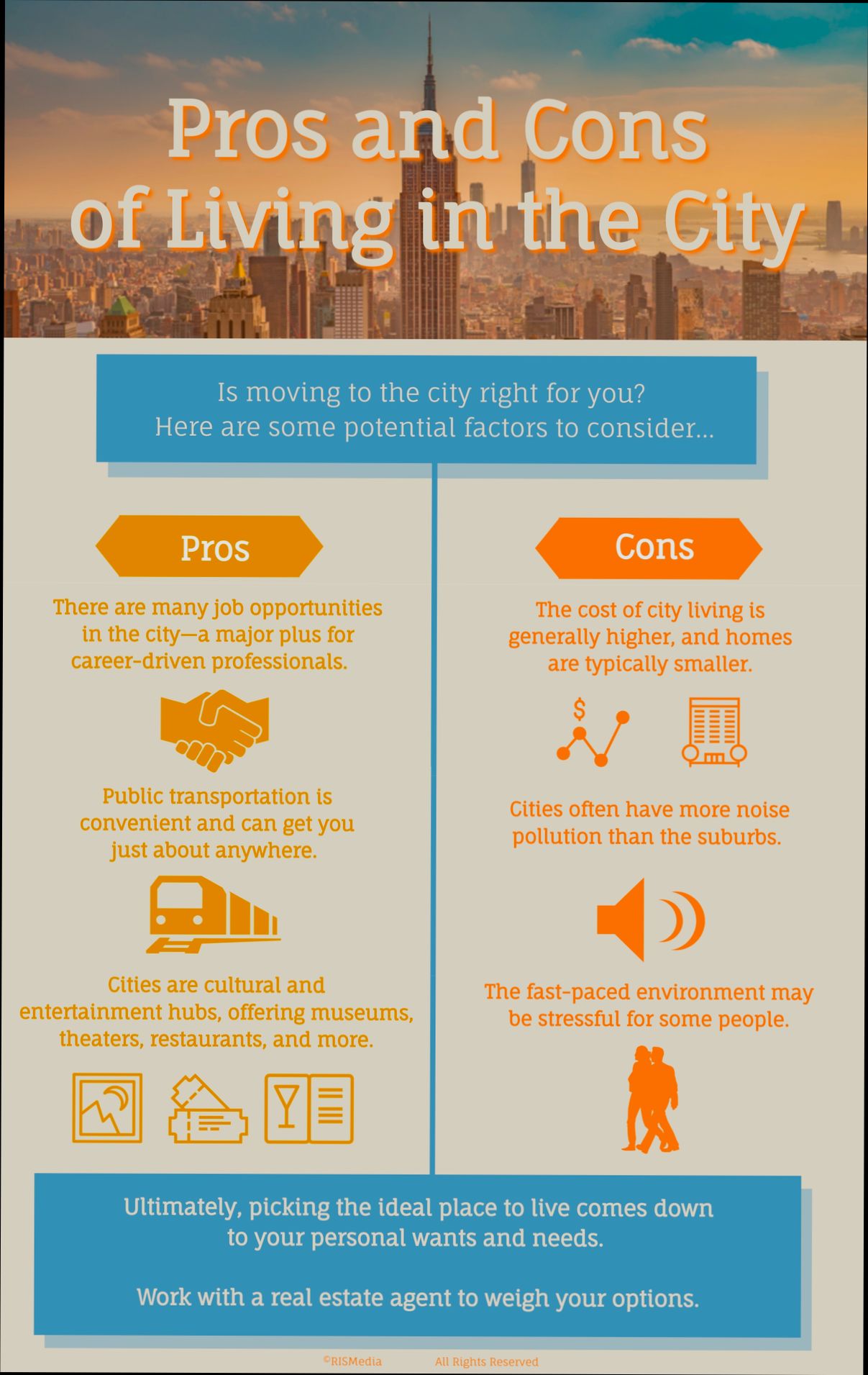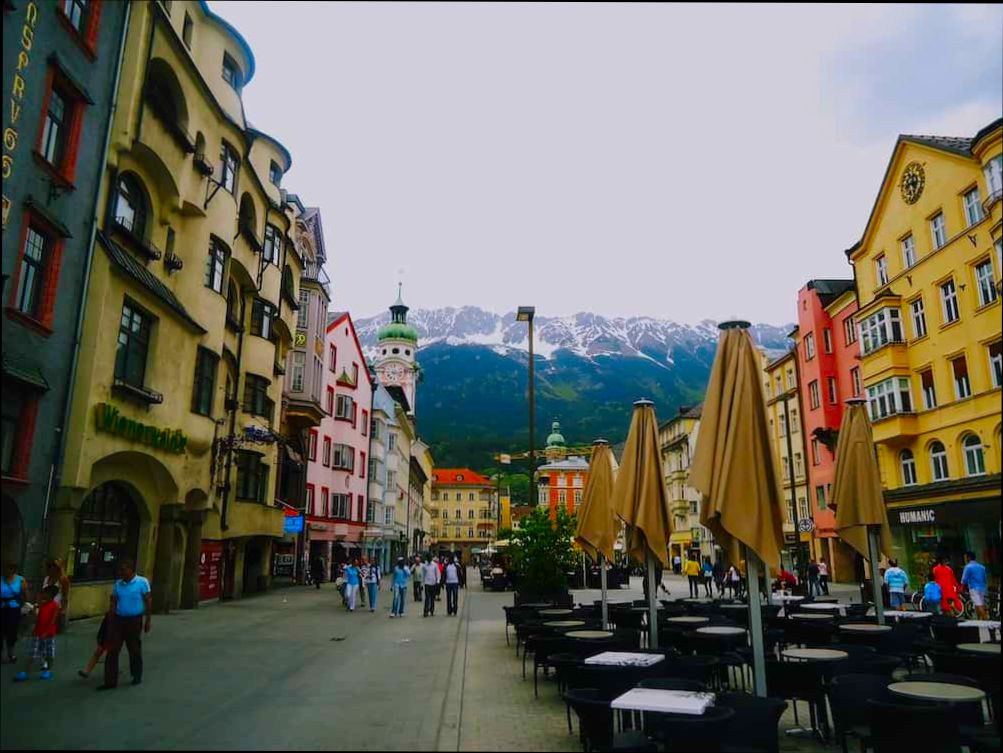
Pros and Cons of Living in Austria can be a real eye-opener, especially if you’re considering making the move. On the upside, Austria boasts some of the highest living standards in the world. Cities like Vienna consistently rank in the top spots for quality of life, thanks to affordable healthcare, low crime rates, and a comprehensive public transportation system that makes getting around a breeze. You can hop on the U-Bahn and find yourself in a charming café in just minutes, all while enjoying the stunning architecture and rich history that surrounds you.
But it’s not all sunshine and schnitzels. The cost of living can be a bit steep in major cities, with rent eating up a significant chunk of your budget—think €1,000 or more for a modest one-bedroom in Vienna. Plus, if you’re not fluent in German, getting settled might feel like climbing an uphill mountain, as many locals prefer conversing in their native tongue. Finding a job could be a challenge too, especially if you’re venturing into fields where knowledge of the local language is crucial. So while the lifestyle can be enticing, it comes with its own set of hurdles that are worth considering.
Quality of Life Indicators in Austria
When we think about life in Austria, we often associate it with a high quality of living. It’s not just a phrase; it’s backed by impressive statistics that highlight various indicators of well-being. Let’s dive into some of the vital aspects that showcase the quality of life in Austria.
Austria excels significantly in areas like employment, education, health, and environmental quality, making it one of the top countries to live in according to various indices.
Key Quality of Life Indicators
- Employment Rates: Approximately 72% of people aged 15 to 64 are employed, which is above the OECD average of 66%. Notably, 76% of men are in paid work, compared to 68% of women.
- Education Levels: A remarkable 86% of adults aged 25 to 64 have completed upper secondary education, well above the OECD average of 79%. Interestingly, completion rates differ slightly between genders, with 88% of men and 83% of women finishing high school.
- Income Levels: The average household net-adjusted disposable income per capita sits at USD 37,001 annually. This places Austria higher than the OECD average of USD 30,490, indicating a more affluent lifestyle.
- Health Satisfaction: An impressive 92% of people report being satisfied with the healthcare quality available to them in Austria, highlighting effective health policies.
- Environmental Quality: About 29.5% of Austria’s energy comes from renewable sources, showcasing a commitment to environmental sustainability.
| Indicator | Value | Unit |
|---|---|---|
| Employment Rate | 72% | Percentage |
| Upper Secondary Education Rate | 86% | Percentage |
| Average Income | 37,001 | USD/year |
| Health Satisfaction Rate | 92% | Percentage |
| Renewable Energy Usage | 29.5% | Percentage |
Real-World Examples and Implications
Consider the impressive employment landscape in Austria. The high employment rates reflect a stable economy where job opportunities abound. With only 5% of employees working very long hours, people can strive for a healthy work-life balance, which is essential for overall well-being.
In education, the higher rates of secondary education completion contribute substantially to a knowledgeable workforce. This not only benefits individuals but also bolsters the economy, as companies seek skilled labor.
Regarding healthcare, the high satisfaction rates signal effective health services that genuinely meet residents’ needs. Such a robust healthcare system leads to increased life expectancy and better overall health outcomes for the population.
On the environmental front, Austria’s commitment to renewable energy sources serves two purposes: it promotes sustainability and ensures a cleaner, healthier environment for all its residents.
Practical Advice
For those considering moving to or living in Austria, it’s essential to note these indicators when evaluating life quality. The high employment rates can be a strong motivator for individuals seeking job security. If education plays a pivotal role in your life, the impressive completion rates are indicative of a society that values learning and personal development.
Given Austria’s high satisfaction levels with healthcare, pursuing residence here means gaining access to quality medical services, which can provide peace of mind.
Lastly, being part of a nation that prioritizes renewable energy might appeal to your environmental values, enhancing your overall living experience.
These factors not only reflect the quality of life in Austria but serve as actionable insights for anyone weighing the pros and cons of living in this beautiful country.
Cultural Richness and Community Life
Living in Austria provides an incredible opportunity to immerse yourself in the rich cultural tapestry and vibrant community life that the country has to offer. With a deep-rooted history and a blend of influences from neighboring countries, Austria showcases a unique array of traditions and social interactions that enhance everyday life.
Statistics reveal that 80% of travelers prioritize authentic experiences when traveling, which speaks volumes about the value of local culture on community life. Engaging with local customs and traditions not only satisfies this desire for authenticity but strengthens relationships within communities.
Key Aspects of Cultural Richness in Austria
- Festivals and Events: Austria hosts numerous traditional festivals, from the colorful Fasching (Carnival) to the celebratory Advent markets. Such events invite participation from locals and visitors alike, promoting a shared cultural experience.
- Local Cuisine: Culinary traditions play a significant role in defining community life. Food festivals abound, celebrating regional specialties like schnitzels and strudels, often involving community bonding over cooking and sharing meals.
- Art and Music: With a rich history in music and art, Austria fosters a thriving environment for cultural expression. Community spaces often host concerts, art exhibitions, and theater performances, nurturing creativity and camaraderie.
- Historical Preservation: Many Austrian towns prioritize maintaining their historical sites, which reflect the local culture and heritage. This preservation not only enriches the community but also attracts tourists interested in experiencing traditional Austrian life.
| Aspect | Description | Community Impact |
|---|---|---|
| Festivals | Annual events celebrating culture and heritage | Strengthens community bonds |
| Culinary Traditions | Showcases local dishes and seasonal ingredients | Enhances local economy and identity |
| Art and Music | Frequent performances and art exhibitions | Fosters creativity and social cohesion |
| Historical Sites | Preservation of architecture and local history | Attracts tourism and educates locals |
Real-World Examples of Community Life
In Vienna, the annual Wiener Festwochen (Vienna Festival Weeks) showcases an array of performances from music to dance, drawing audiences together and fostering a sense of unity in diversity. Similarly, the Salzburger Festspiele (Salzburg Festival) attracts talent from around the world, nurturing both local and international community engagement in the arts.
In rural areas, the Almabtrieb festival marks the return of cattle from the mountains, characterized by vibrant parades and traditional music. This event not only reflects cultural heritage but serves as a gathering point for community celebration, fostering a sense of belonging and pride.
Practical Implications for Readers
You can engage with Austrian culture in many ways. Attend local festivals to see the vibrancy of community life firsthand, or visit farmers’ markets where you can taste and purchase local delicacies. Participating in workshops, whether for cooking, crafts, or local traditions, can deepen your connection to Austrian culture.
Embrace opportunities to learn the German language, as doing so opens up more avenues for interacting with locals and understanding community nuances.
With the multitude of cultural experiences available, life in Austria is rich and dynamic, inviting you to partake in a deeply layered community life filled with traditions, stories, and genuine connections.
Economic Opportunities for Expats
When considering a move to Austria as an expatriate, the economic landscape plays a crucial role in your decision. Austria presents numerous opportunities for expats in various sectors. From a robust job market to a favorable business environment, let’s explore what economic prospects await you.
Booming Job Market
Austria has increasingly become attractive for expatriates due to its low unemployment rate, currently at about 4.5%. This figure is significantly lower than the EU average, presenting a more favorable job market for those looking to establish their careers abroad. Notably, sectors like information technology, engineering, and tourism are experiencing a surge in demand, creating new job openings every year.
Start-Up Ecosystem
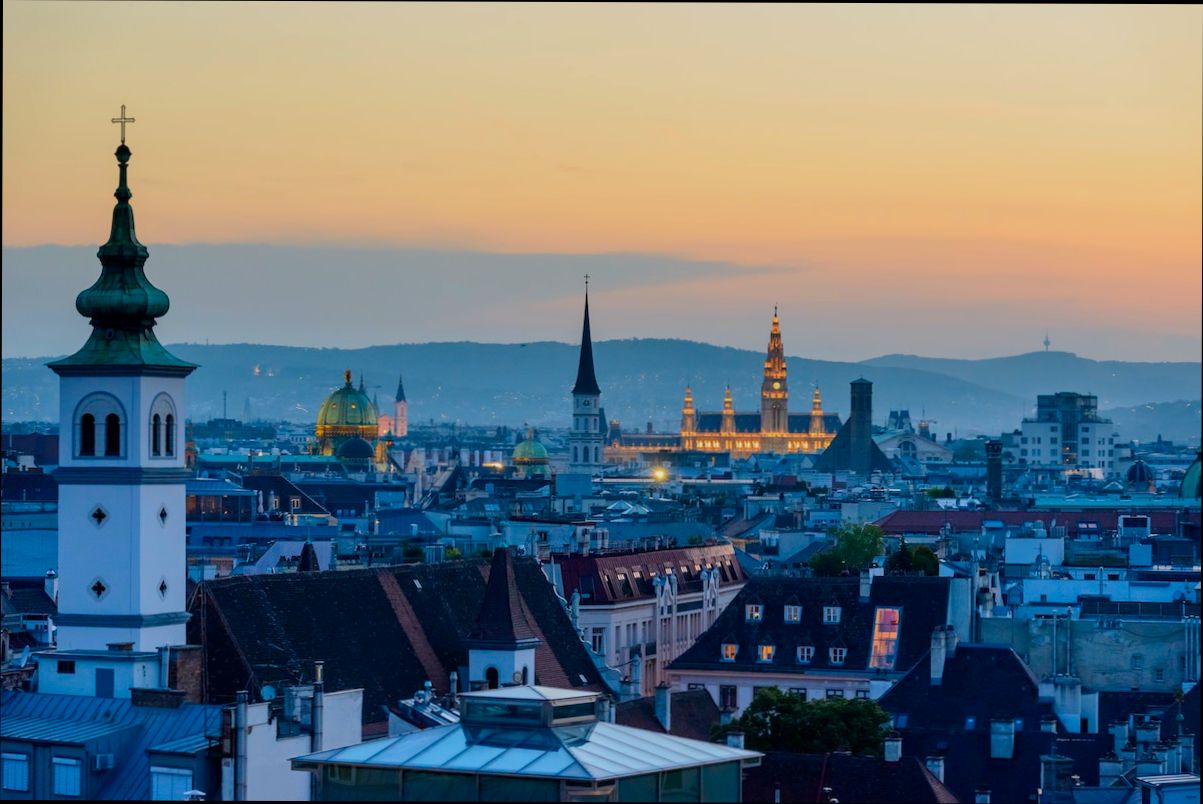
Vienna, the capital city, is rapidly developing as a center for innovation and technology. The city has seen a 50% increase in start-up registrations since 2019, demonstrating an entrepreneurial spirit that welcomes foreign talent. In 2021 alone, the city hosted over 1,400 startups, and they collectively raised more than €700 million in funding.
Salary Expectations
Expats can expect competitive salaries in Austria, particularly in high-demand fields. For example, IT professionals earn an average salary of €60,000 per year, while those in engineering can make upwards of €65,000. These figures are highly attractive, especially when you consider the excellent work-life balance and benefits available to employees in Austria.
Comparative Salary and Cost of Living Table
| Occupation | Average Salary (Yearly) | Cost of Living Index (Austria) |
|---|---|---|
| IT Professional | €60,000 | 65 |
| Engineer | €65,000 | 65 |
| Healthcare Worker | €50,000 | 65 |
| Teacher | €45,000 | 65 |
Real-World Examples
For instance, an expat named Maria, originally from Spain, moved to Vienna to work as a software developer. She reported that not only was her salary competitive, but her company also provided great benefits, including a generous health insurance package and flexible working hours. Another case is Paul, who shifted careers to capitalize on Austria’s thriving tourism sector, leading to a successful venture that attracted significant foreign investment.
Practical Implications for Expats
As you consider making Austria your new home, understanding the economic opportunities available will be vital for your success. Networking is essential; attend industry meet-ups and workshops to connect with local professionals and other expats. Additionally, be sure to research the local job portal websites, as expats often find job listings tailored to their needs.
Actionable Facts
- If you’re in tech or engineering, focus on specific job boards like Jobs.at and StepStone, which have extensive listings for expats.
- Utilize resources like the Austrian Business Agency, which provides guidance for foreign entrepreneurs wanting to start a business in Austria.
- Familiarize yourself with the local language, as even basic German proficiency can significantly enhance your job prospects and integration into the workplace.
Exploring the economic landscape in Austria could open doors to diverse career paths and entrepreneurial ventures, making it essential to tap into these options as you embark on your expat journey.
Real-World Examples of Living Costs
When considering a move to Austria, understanding the day-to-day living costs is crucial. This section highlights specific examples of living expenses that can significantly affect your budget and lifestyle in Austria.
Monthly Living Costs Breakdown
Here’s a snapshot of common monthly expenses based on various Austrian cities:
| Expense Category | Vienna (EUR) | Salzburg (EUR) | Graz (EUR) |
|---|---|---|---|
| Rent (1-bedroom apartment in city center) | 1,200 | 900 | 700 |
| Utilities (electricity, heating, cooling, water) | 150 | 140 | 130 |
| Public Transport (monthly pass) | 55 | 48 | 44 |
| Groceries (per month) | 300 | 280 | 250 |
| Dining Out (meal at a restaurant) | 15 | 14 | 12 |
This table illustrates the variety of costs you might encounter in different Austrian cities.
Real-World Examples
1. Rent: In Vienna, renting a one-bedroom apartment in the city center will typically set you back around €1,200 per month. In contrast, you can find similar accommodations for about €900 in Salzburg, and only €700 in Graz.
2. Utilities: Monthly utility costs may vary slightly depending on your location. While a typical household in Vienna may pay around €150, those in Salzburg and Graz can expect to pay approximately €140 and €130, respectively.
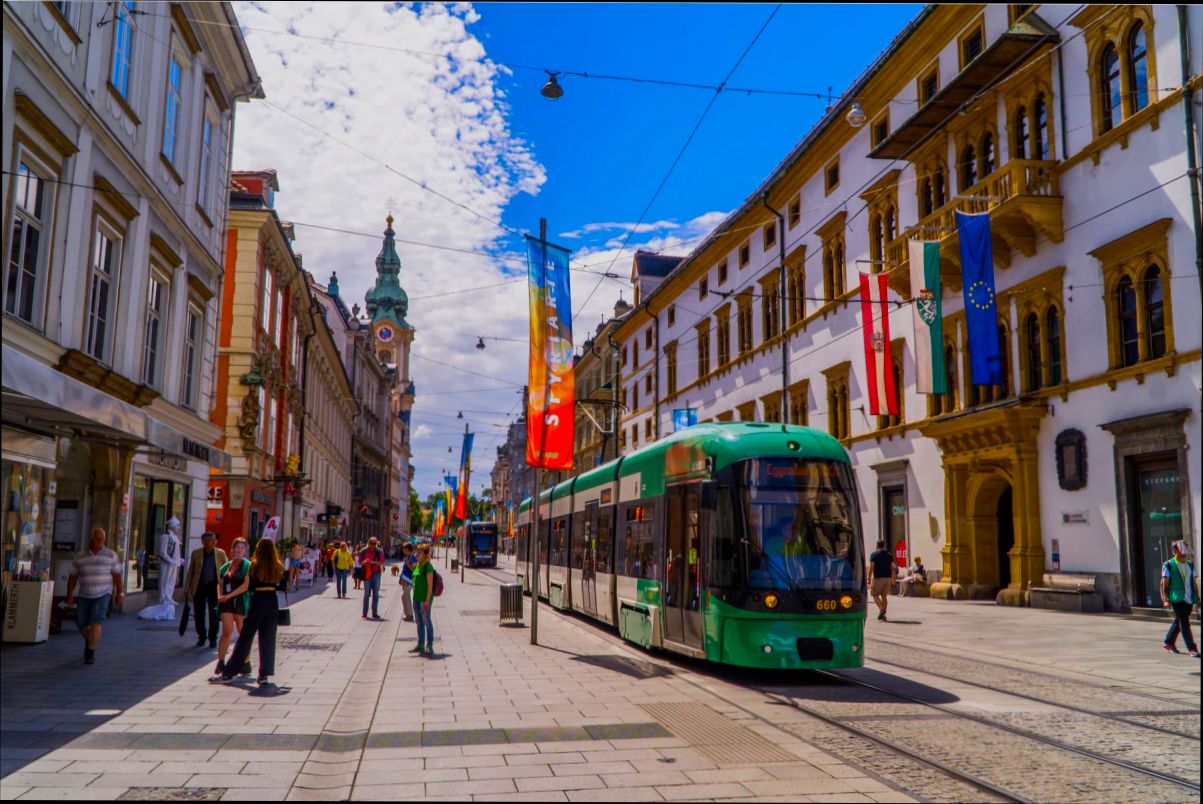
3. Transportation: If you use public transportation, the monthly pass in Vienna averages €55, which is higher than in Graz (€44) and slightly more than in Salzburg (€48). This highlights how transportation costs can differ across cities.
4. Groceries: On average, you might spend €300 per month on groceries in Vienna, whereas in smaller cities, this could drop to about €280 in Salzburg and €250 in Graz.
5. Dining Out: Eating out is also a factor to consider. A standard meal in a restaurant might cost about €15 in Vienna, while you may find it for €14 in Salzburg and €12 in Graz. These differences can add up if dining out is a frequent activity for you.
Practical Implications
- Budget Planning: Understanding your city-specific living costs helps in budgeting effectively. For instance, if moving from Graz to Vienna, anticipate at least €500 more per month in rent and living expenses.
- Housing Decisions: Given the substantial rent differences, consider whether living outside of Vienna (where rents are higher) could provide a more comfortable financial buffer while still enjoying the amenities of the city.
- Transportation Choices: Depending on your location, it may be more economical to choose a city with lower public transport costs or consider biking in cities like Graz, where distances are shorter and infrastructure is more bike-friendly.
- Grocery Shopping: By shopping at discount supermarkets, you can make each monthly grocery budget stretch further, regardless of the city you’re in. Look out for local markets and weekly sales to save even more.
Taking these examples into account can provide a clearer picture of what living in Austria might really cost. Knowing exactly what to expect allows you to make informed decisions and adjustments to your lifestyle in this beautiful country.
Healthcare System Benefits and Challenges
Austria’s healthcare system is renowned for its quality and accessibility, making it a vital consideration for anyone contemplating life in the country. This section delves into both the advantages and challenges of the Austrian healthcare system, giving you a clear picture of what to expect.
Benefits of the Austrian Healthcare System
- Universal Coverage: Almost everyone in Austria benefits from universal health coverage. Over 99% of the population is insured, either through public or private health insurance. This ensures access to essential medical services without financial hardship.
- Quality of Care: Austria boasts high standards in medical practice. According to various health rankings, it consistently ranks in the top tier for healthcare quality, demonstrating effective treatment and positive patient outcomes.
- Preventive Services: The system promotes preventive care, with regular check-ups and screenings supported by insurance. For instance, nearly 60% of Austrians utilize preventive health services annually, contributing to a healthier population overall.
Challenges Facing the Healthcare System
- Waiting Times: Despite excellent care, waiting times for certain treatments can be lengthy. While emergency services are prompt, non-urgent procedures may see delays, affecting planned treatment timelines for patients.
- High Costs for Private Insurance: While public insurance covers most medical expenses, private insurance can be costly, particularly for expatriates seeking additional coverage. Monthly premiums can vary significantly, with some expats reporting costs upwards of €200.
- Regional Disparities: Access to healthcare can differ across the country. Urban areas like Vienna offer comprehensive services, while rural regions may struggle with fewer healthcare facilities and specialist providers.
| Aspect | Urban Areas (Vienna) | Rural Areas (Tyrol) |
|---|---|---|
| Average Waiting Time (months) | 1-2 | 3-6 |
| Number of Specialists per 100k | 150 | 80 |
| Monthly Health Insurance Cost | €200 | €150 |
Real-World Examples
Consider Anna, an expat living in Vienna who needed a hip replacement. Thanks to Austria’s universal coverage, her surgery was fully covered, with only a small co-pay. In contrast, her colleague in a rural area faced a six-month wait for the same operation, illustrating the variance in access.
Additionally, Markus, another expat initially opted for private insurance due to quicker appointment availability. However, he was surprised to find himself paying €220 monthly, leading him to reevaluate his coverage needs based on the costs versus benefits.
Practical Implications for Readers
When moving to Austria, it’s crucial to familiarize yourself with your health insurance options. Consider whether public insurance suffices for your needs or if private insurance will provide enhanced access. Keep in mind the potential for longer waits in rural areas, which might affect your healthcare decisions.
- Research Coverage Options: Explore both public and private insurance plans to find what best suits your lifestyle and budget.
- Plan for Preventive Care: Take advantage of preventive services covered by your insurance to maintain good health and avoid more serious issues.
Specific Facts About Healthcare
- Over 50% of Austrians report satisfaction with their healthcare services, largely due to high-quality care and accessible preventive measures.
- The public system funds approximately 75% of healthcare costs, indicating a strong safety net for residents.
- On average, Austrians visit doctors around 7 times a year, reflecting the system’s focus on maintaining health and well-being through regular check-ups.
By understanding the benefits and challenges of Austria’s healthcare system, you can make informed decisions about your health and well-being while residing in this beautiful country.
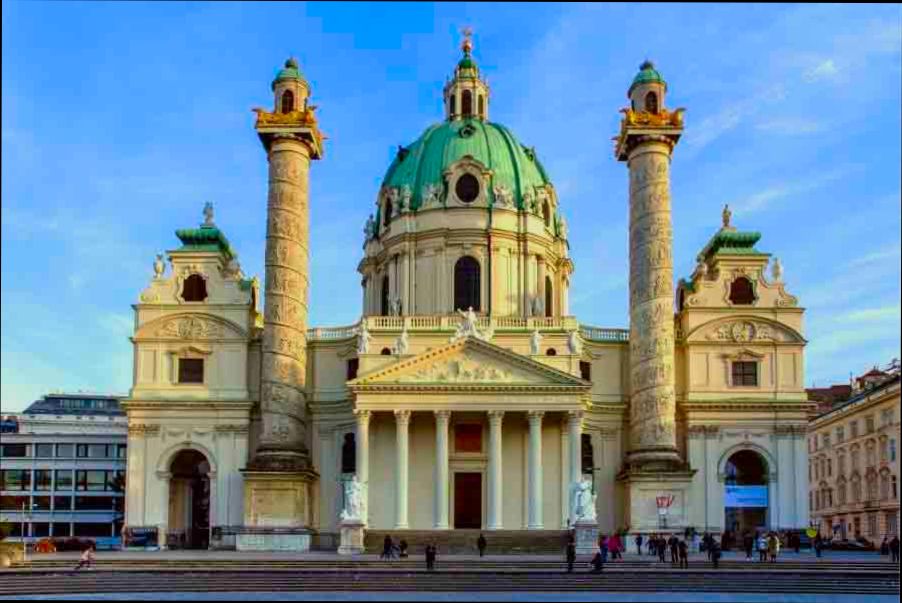
Environmental Consciousness and Sustainability
Living in Austria presents a remarkable opportunity to engage with a society that highly values environmental awareness and sustainability. With increasing consumer interest in eco-friendly practices, many people are making conscious choices in their purchasing habits. Let’s explore the degree of environmental consciousness within Austria and the sustainability initiatives that reflect this growing trend.
Key Insights on Sustainability in Austria
- Consumer Attitudes: A significant 78% of consumers in Austria feel that sustainability is important, demonstrating a robust societal commitment to environmentally responsible practices.
- Product Preferences: About 62% of people always or often seek out sustainable products when shopping, indicating a shift toward prioritizing eco-friendly options.
- Recycling Habits: Approximately 59% of Austrians recycle regularly, illustrating the community’s commitment to reducing waste and promoting responsible consumption.
- Willingness to Pay More: Around 55% of consumers show readiness to pay a premium for eco-friendly brands, emphasizing the market potential for sustainable goods.
Sustainable Products Market Data
| Market Indicator | Statistics |
|---|---|
| Market Share of Sustainable Products | 17% |
| Growth of Sustainable Products | 32% |
| Faster Growth Rate Compared to Conventional Products | 2.7x faster |
| Online Sales of Sustainable Goods | 75% sell better than in-store |
Real-World Examples of Sustainability
Austria has witnessed a significant uptick in sales of carbon-labeled products, such as those certified by Climate Neutral Certification, which collectively enjoyed more than $3.4 billion in sales in 2021. This is a remarkable increase, doubling the revenue from just a year before, reflecting heightened consumer demand for transparency around environmental practices.
Several brands operating in Austria illustrate this trend. Companies that prioritize sustainable sourcing and production methodologies report substantially better customer engagement and loyalty. For instance, brands marketed specifically as sustainable have experienced growth rates nearly three times higher than traditional products.
Practical Implications for Eco-Conscious Living
As someone considering a move to Austria or currently living there, you can easily tap into this environment of sustainability by adopting a few simple practices:
- Shop Sustainably: Seek out products that are labeled as sustainable or eco-friendly when grocery shopping or making other purchases.
- Participate in Recycling Programs: Engage in local recycling initiatives and know your local regulations to ensure responsible waste management.
- Support Eco-Friendly Brands: Make a conscious effort to choose brands that demonstrate environmental responsibility, as public opinion indicates that poor practices can alienate customers.
- Stay Informed: Keep up with trends in sustainability through local newsletters or community boards, as this knowledge can help you make better purchasing decisions.
When living in Austria, embracing sustainability not only contributes positively to the environment but also aligns you with societal values, making your lifestyle more harmonious with those around you.
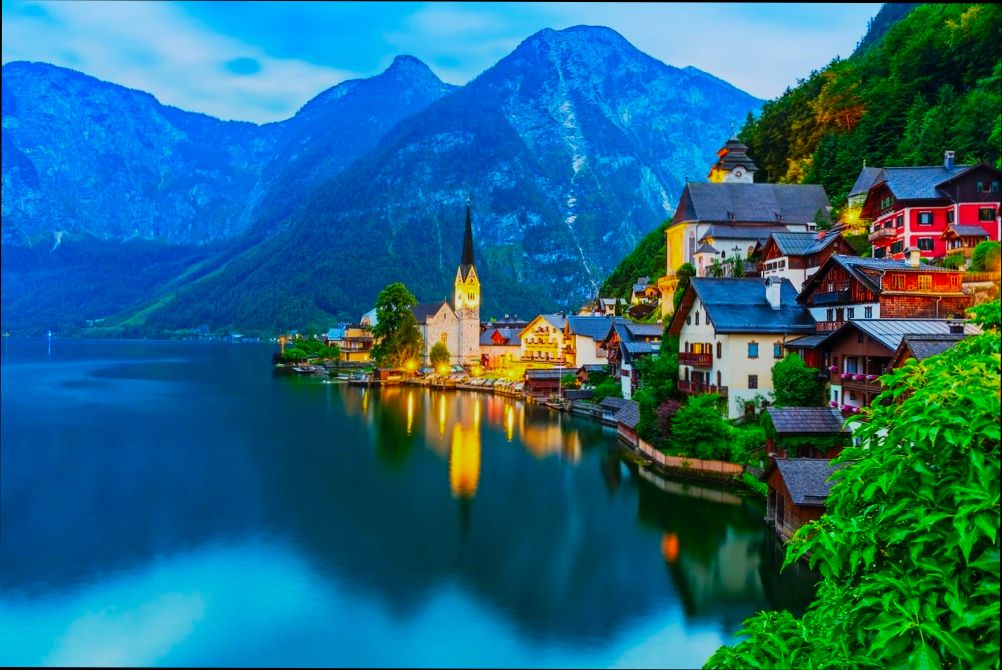
Language Barriers and Integration Issues
Living in Austria can be an exhilarating experience, but it also comes with its own set of challenges, especially when it comes to language and integration. The official language is German, and the local dialects can be quite distinct, which might pose a hurdle for newcomers. Understanding these barriers can significantly influence your integration into Austrian society.
Key Language Barriers
- German Proficiency: Approximately 89% of the Austrian population speaks German as their first language, which means that not being fluent can make day-to-day interactions challenging.
- Regional Dialects: Austrian German varies significantly from standard German, often presenting a barrier due to regional phrases and slang that may be unfamiliar to newcomers.
- Limited English Use: While many Austrians speak English, especially in urban areas, it is estimated that around 30% of the population is not fluent in English. This can create challenges in accessing services or engaging in community activities.
Comparative Overview of Language Support Services
| Language Support Service | Availability in Major Cities | Availability in Rural Areas |
|---|---|---|
| Language Schools | High (e.g., Vienna, Salzburg) | Moderate |
| Community Language Programs | Moderate | Low |
| Expat Counseling Services | High | Moderate |
| English-speaking Cafés/Meetups | High | Low |
Real-World Examples of Integration Challenges
Expats often recount their initial struggles with the Austrian dialect. For instance, a teacher from the U.S. noted that casual conversations in Vorarlberg were challenging due to the distinct local slang, making social integration complex. Additionally, many expats share experiences where they felt excluded from community events simply due to language barriers.
Another example can be illustrated through the experience of international students at local universities. A student from Ghana mentioned difficulty navigating administrative services and understanding course material, as the majority of academic content was delivered in German, without sufficient language support.
Practical Implications for Newcomers
- Embrace Language Learning: Engage in local language courses to boost your confidence in day-to-day conversations. Many cities offer affordable options that are well-structured for expats.
- Participate in Expat Groups: Joining expat communities can provide a support network for navigating everyday life while overcoming language hurdles. Platforms like Meetup often have groups centered around language exchange.
- Utilize Local Resources: Investigate available resources such as relocation companies and counseling services that specifically address integration through language support.
By taking proactive steps to address language barriers, expatriates can enhance their overall experience in Austria and establish connections within the community. For instance, enrolling in language schools not only improves communication skills but also fosters friendships with locals, promoting a sense of belonging.