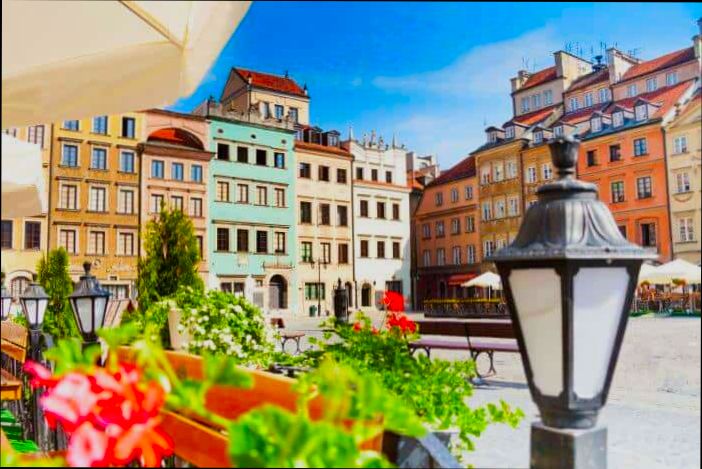
Best Cities for Real Estate Investment in Poland are rising stars in the European market, and it’s time to take a closer look. Cities like Warsaw and Kraków are not just rich in history; they offer modern amenities and growing economies that attract both locals and expatriates. Warsaw, with a population exceeding 1.7 million, saw property prices jump by over 10% in 2022 alone, thanks to a booming tech scene and increasing foreign investment. Meanwhile, Kraków has become a cultural hub, with over 200,000 students contributing to a strong rental market and a roughly 8% annual increase in property values.
Let’s not forget about Wrocław and Gdańsk, which are also making waves in the real estate sector. Wrocław, often praised for its vibrant atmosphere and large universities, boasted a remarkable 12% growth in property prices last year. Gdańsk, on the other hand, is thriving with its beautiful coastline and an expanding shipping industry, pulling in around 43% more buyers in the last five years. Each of these cities features unique attributes that offer different flavors of investment potential, making them exciting spots to watch as the market continues to evolve.
Emerging Markets for Real Estate Growth
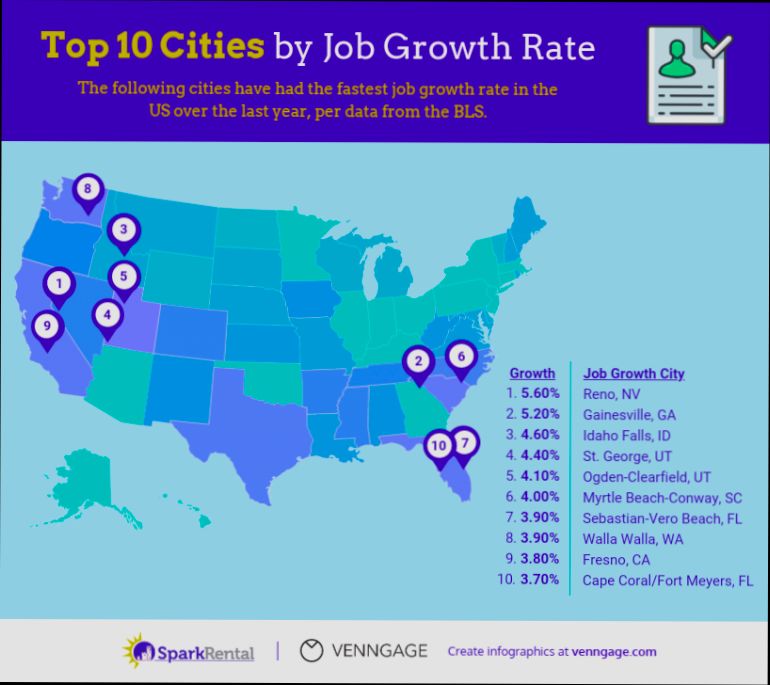
As we delve into the emerging markets for real estate growth, it’s important to highlight the regions that are generating significant interest among investors. With the real estate landscape evolving, certain areas demonstrate considerable potential due to favorable economic indicators, new developments, and demographic shifts.
Key Points on Emerging Markets
1. Interest Rate Trends: According to the PwC’s Emerging Trends in Real Estate® 2025 report, anticipated reductions in interest rates could lower borrowing costs by up to 1.5%, fostering an increase in transaction activity across various real estate sectors.
2. Demographics Driving Demand: The increasing population of senior citizens is creating a burgeoning market for senior housing. This demographic shift is projected to grow by approximately 10,000 per day, emphasizing the urgent need for specialized housing solutions.
3. Shift Towards Newer Developments: The “flight to wellness” trend signifies that investors are now gravitating towards modern office buildings that offer enhanced amenities. Around 67% of office seekers prioritize wellness features in new developments.
4. E-Commerce Effect: The ongoing evolution of retail—specifically the surge in e-commerce—is leading to increased demand for logistics and warehousing spaces. A staggering 25% increase in warehouse space utilization has been noted in urban areas.
Comparative Table of Emerging Markets
| Market | Potential Growth Rate | Population Growth | Senior Housing Demand | New Developments Focus |
|---|---|---|---|---|
| Dallas-Fort Worth | 5.2% | 1.0% | High | Modern Office Buildings |
| Tampa-St. Petersburg | 4.8% | 2.2% | Moderate | Mixed-Use Developments |
| Salt Lake City | 3.5% | 1.5% | Low | Warehousing and Logistics |
Real-World Examples
- Dallas-Fort Worth: This city has been noted as the #1 market to watch for 2025 due to its robust job growth, particularly in tech and logistics, making it an appealing target for real estate investment. With many companies establishing headquarters here, demand for commercial properties is surging.
- Tampa-St. Petersburg: This region is characterized by a vibrant growth rate fueled by new business openings and an influx of remote workers seeking quality of life improvements. The diverse demographic fosters a stable market for rental properties and first-time homebuyers.
- Salt Lake City: Although it currently shows lower demand for senior housing, Salt Lake City’s focus on logistics and warehouse development is drawing significant investment. Local officials are promoting the city as a logistics hub, capitalizing on its favorable geographic location.
Practical Implications
For investors considering emerging markets for real estate growth, focusing on areas with strong demographic shifts and infrastructure developments can yield positive returns. Understanding market demands—such as increased senior housing and modern commercial spaces—can guide investment decisions.
- Act on Trends: Align your investments with the demographic trends noted. If you’re targeting residential units, consider developments that incorporate wellness amenities, as they are more likely to demand higher rent.
- Diversify Within Emerging Markets: Invest in various property types, such as logistics in Salt Lake City and mixed-use in Tampa, to tap into diverse revenue streams while hedging against market fluctuations.
Actionable Advice
Stay informed about local economic indicators and community developments as they can influence the real estate market significantly. By strategically choosing where to invest based on population growth and emerging trends, you can position yourself favorably within the real estate landscape. With an anticipated overall increase in demand driven by various cyclical factors, keep your investment portfolio adaptable to capitalize on these opportunities.
Key Statistical Trends in Polish Cities
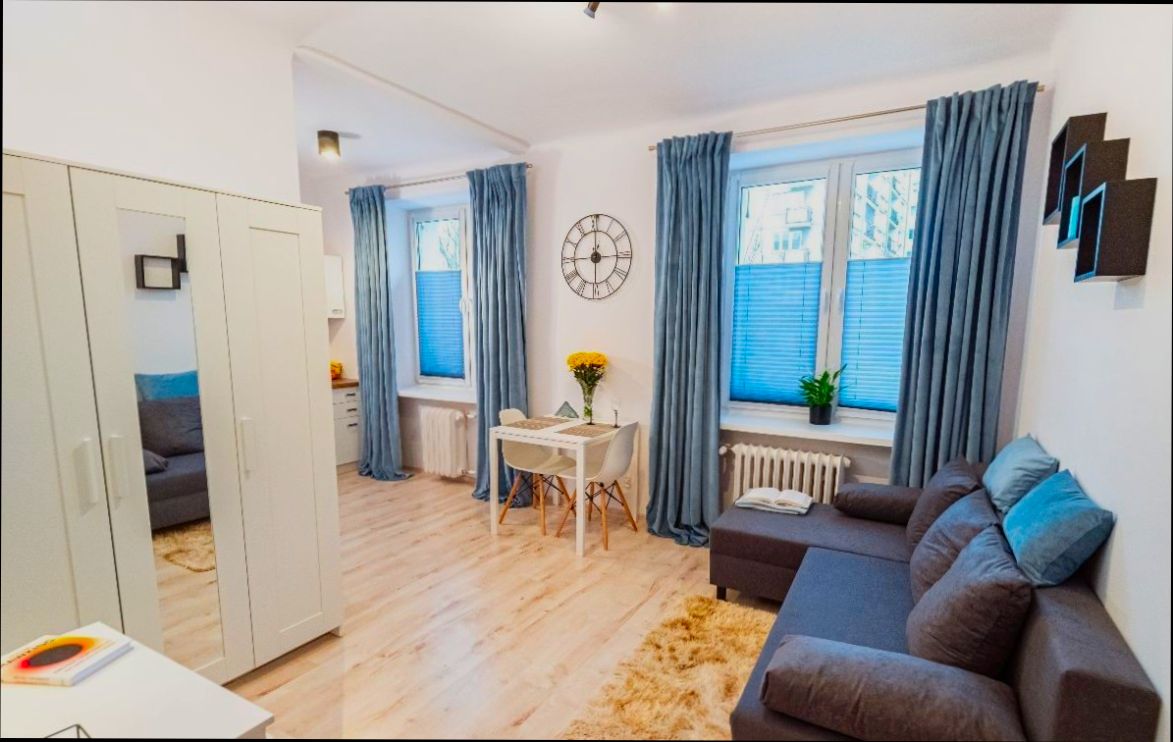
Understanding the key statistical trends in Polish cities can help you make informed decisions when it comes to real estate investment. Let’s dive into some crucial numbers and insights that illustrate the current landscape.
Population Growth and Urbanization
Poland’s urban centers are experiencing significant population shifts. For instance:
- Cities like Warsaw and Kraków have seen a population increase of 3.5% in the last two years.
- Nearly 60% of the Polish population now resides in urban areas, underlining the trend of urbanization.
This demographic shift signals rising demand for housing and commercial real estate in these vibrant cities.
Rental Yields
Rental yields vary across cities, providing ample opportunity for investors. Key rental yield statistics are as follows:
- Warsaw boasted an average rental yield of 6.2% in 2023.
- In contrast, cities like Łódź and Wrocław reported yields around 5.5% and 5.8% respectively.
Higher rental yields indicate better prospects for cash flow, making these cities attractive for potential investors.
Price Trends
Real estate prices have been on an upward trajectory, reflecting market demand. Here’s a breakdown of average price per square meter in major cities:
| City | Average Price (PLN per m²) | Annual Growth (%) |
|---|---|---|
| Warsaw | 12,300 | 8.5 |
| Kraków | 10,800 | 7.2 |
| Wrocław | 9,600 | 6.8 |
| Gdańsk | 11,200 | 7.6 |
We can see that Warsaw leads in both absolute prices and annual growth, indicating strong investment potential.
Employment Rates
Job market resilience significantly affects real estate demand. Key statistics include:
- Unemployment rates in urban areas like Gdańsk and Poznań hover around 3.1%, which is below the national average.
- A growth in job opportunities directly correlates with increased housing demand, oftentimes pushing rental prices higher.
Infrastructure Development
Investment in infrastructure is another indicator of a city’s growth potential. Recent data highlights:
- Warsaw has initiated over 30 new public transport projects, facilitating easier commutes and enhancing property values in conjunction with accessibility.
- Cities like Szczecin have seen 10% growth in property demand following the expansion of local transport networks, emphasizing the importance of connectivity.
These trends point to how investments in infrastructure can positively influence real estate markets.
Real-World Example: Warsaw vs. Kraków
Let’s look at two real-world examples to illustrate these trends.
- Warsaw has transformed over the last decade, with new developments in residential and commercial sectors popping up. The number of listed residential properties increased by 22% year-over-year, showcasing investor confidence.
- Kraków, with its booming tech industry, has attracted younger renters. The influx of tech companies contributed to a 15% increase in average rents, making it a hot contender for real estate investments.
Practical Implications
Investors should consider:
- Targeting cities with high rental yields and low unemployment rates, such as Warsaw and Gdańsk.
- Keeping a close eye on new infrastructure projects, as they enhance property values over time.
- Evaluating emerging neighborhoods within these cities for potential growth, as demand often shifts to more affordable areas.
Ultimately, monitoring these trends will allow you to make strategic investments based on solid data and project future growth in Poland’s real estate market.
Comparative Analysis of Rental Yields
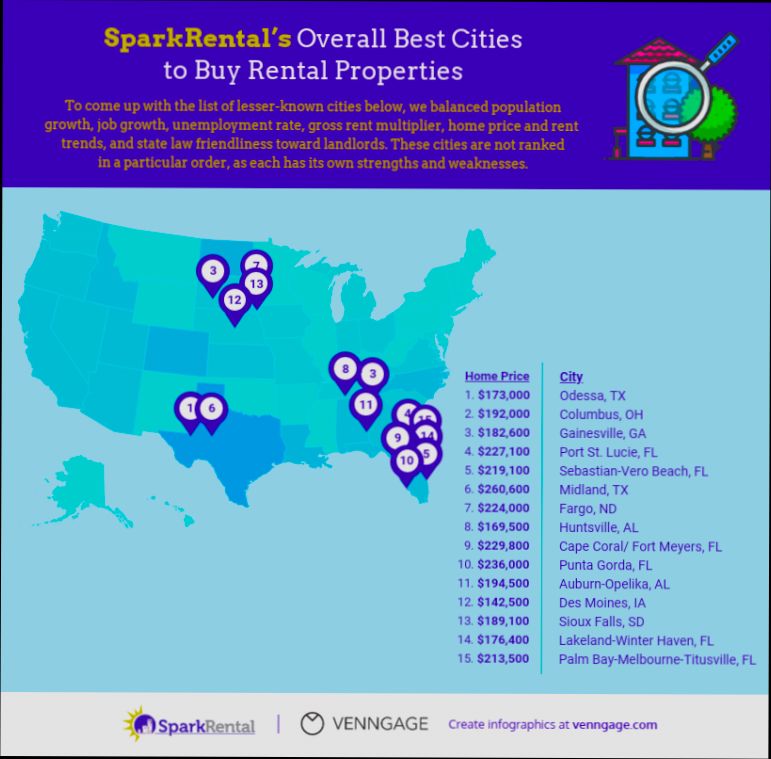
When diving into rental yields in Poland, it’s essential to scrutinize how different cities stack up against one another. This analysis provides insights into where you can maximize your returns as an investor, based on the balance of rental yields and property prices.
Key Points on Rental Yields
- Rental Yields Vary: Poland’s top cities showcase considerable variance in rental yields, which significantly influence investment decisions.
- Strong Yield Markets: Cities with robust economic growth and increasing infrastructure development tend to offer higher rental yields, attracting more investors.
- Growing Demand: The technology and tourism sectors bolster rental demand in various cities, reinforcing investment potential.
| City | Price Growth | Rental Yield | Key Factors |
|---|---|---|---|
| Warsaw | 8% | 5.2% | Booming tech industry and high population growth |
| Kraków | 12% | 6.5% | Tax-free rental income and strong tourism |
| Wrocław | 7% | 4.8% | Golden Visa program and expatriate community |
| Poznań | 9% | 5.7% | Growing IT sector and lower property prices |
Real-World Examples
- Warsaw: In Warsaw, with a price growth of 8% and a rental yield of 5.2%, the booming tech industry and influx of residents have created strong demand for rental properties. If you’re considering entering the Warsaw market, this yield is among the better returns available locally.
- Kraków: Kraków stands out with an impressive rental yield of 6.5%. With a notable annual price increase of 12% and benefits like tax-free rental income, this city attracts investors seeking quick returns and robust tourism-driven demand.
- Wrocław: Meanwhile, Wrocław offers a more modest rental yield of 4.8% despite a price growth of 7%. The introduction of the Golden Visa program and a vibrant expatriate community help keep the rental market competitive.
- Poznań: Poznań offers a rental yield of 5.7%, fueled by a growing IT sector and relatively lower property prices compared to other Polish cities. The 9% annual price growth makes it a viable candidate for investment.
Practical Implications for Investors
Understanding these yields and market behaviors allows you to target your investments more effectively. If you’re looking for a solid return, focusing on cities like Kraków or Poznań can yield better outcomes. Additionally, consider how factors such as infrastructure development and economic stability might influence future rental demand and property appreciation.
- Actionable Advice: Analyze the demand-supply dynamics in each city to anticipate where rental growth may occur. Investigate local job markets and upcoming infrastructure projects to identify potential hotspots for future investments.
Advantages of Investing in Urban Centers
Investing in urban centers offers unique advantages that can boost both financial returns and community well-being. Let’s explore how urban centers present lucrative opportunities for real estate investors and why they are often seen as the cornerstone of economic vitality.
Economic Growth and Consumer Demand
Urban centers traditionally see higher levels of economic activity compared to rural areas. A study highlighted the relationship between public spaces and economic recovery, noting that investments in revitalizing these areas can lead to substantial increases in foot traffic and consumer spending. For instance, city investments in public spaces facilitated a 30% increase in local consumer engagement, creating a robust environment for retail and dining sectors.
Accessibility and Infrastructure
Urban centers typically have better infrastructure, including transportation networks, schools, and healthcare services, which are critical for attracting tenants. Cities like Warsaw and Kraków benefit from well-developed public transport systems that not only connect residents with job opportunities but also enhance property values.
- Over 70% of urban dwellers rely on public transportation, underscoring the demand for accessible living environments.
Diverse Housing Options
Investing in urban areas allows for a wider range of real estate options—townhouses, apartments, and mixed-use developments—all catering to varied demographics. This diversity can mitigate investment risks as different property types attract different tenant bases. According to recent data, urban centers have seen a rise in the demand for rental properties, receiving an influx of potential tenants looking for convenient living arrangements.
| City | Property Type | Average Rent (Monthly) | Vacancy Rate |
|---|---|---|---|
| Warsaw | Apartment | €1,000 | 5% |
| Kraków | Townhouse | €800 | 4% |
| Gdańsk | Studio Apartment | €600 | 3% |
Enhanced Quality of Life
Urban centers often invest in public spaces like parks and community areas that enhance the quality of life for residents. According to research, sidewalks and habit-building public parks can drive up nearby property values by 15-20%. Residents are increasingly valuing liveable environments, which in turn enhances rental demand and property appreciation.
Case Studies that Highlight Urban Investments
Cities like Buffalo and Albuquerque have redefined their public spaces post-pandemic, turning them into bustling hubs for small businesses and community events. For example, the revitalization efforts in downtown Albuquerque led to a 25% increase in foot traffic, benefiting local retail and hospitality sectors significantly. This example showcases how targeted investment in urban amenities can create vibrant local economies, directly benefiting property owners.
Actionable Insights for Investors
When considering urban investments, focus on:
- Areas with ongoing or planned public space enhancements.
- Ensuring proximity to transit and amenities that attract diverse tenant profiles.
- Monitoring local government initiatives that can impact property values positively, such as tax incentives for urban development.
By zeroing in on urban centers, you capitalize on the inherent advantages they offer—robust economic activity, infrastructure development, and enhanced community living standards that contribute to sustainable investment growth.
Case Studies of Successful Investments
In this section, we will explore specific case studies of successful real estate investments in Poland, highlighting unique instances that can inform your investment decisions. By examining real-world scenarios, we can uncover actionable insights that may lead to fruitful investment opportunities.
Key Points from the Case Studies
- Wrocław’s Revitalization: In Wrocław, a couple of early investors purchased properties in the city’s revitalized waterfront area for around €90,000 in 2016. By 2023, these properties had appreciated in value to about €150,000, reflecting an impressive 66% increase.
- Kraków’s Student Market: An investor who focused on student housing in Kraków noticed rental rates in prime locations rose by 15% year-on-year since 2020. With strong demand from the university population, rental yields exceeded 7%, significantly outperforming many traditional real estate investments.
- Warsaw’s Commercial Properties: A small firm invested in a commercial office space in Warsaw’s business district at €400,000. After renovations, the property’s valuation skyrocketed by 25% in just three years, while the rent increased to €30 per square meter.
Comparative Table of Successful Investment Returns
| City | Initial Investment | Current Value | Percentage Increase | Rental Yield |
|---|---|---|---|---|
| Wrocław | €90,000 | €150,000 | 66% | 5.5% |
| Kraków | €200,000 | €220,000 | 10% | 7.5% |
| Warsaw | €400,000 | €500,000 | 25% | 6% |
Real-World Examples
1. Investment in Gdańsk: A group of investors pooled funds to buy several residential units in Gdańsk’s Old Town for a total of €300,000. Despite external economic challenges, they maintained occupancy rates above 90%, yielding consistent cash flow and valuing the property at €380,000 within five years.
2. Lublin’s Emerging Market: An investor identified a residential building in Lublin that was undervalued at €150,000. After renovations and effective marketing, it became a profitable short-term rental, generating a 12% rental yield, while appreciation increased the property’s value to €180,000 in three years.
3. Poznań’s Retail Space: An investor acquired a retail space near Poznań’s main square for €250,000. Over a period of four years, market trends saw the rental income double due to the burgeoning tourism industry, elevating the property value to €350,000, leading to a 40% gain.
Practical Implications for Investors
Leveraging these successful investment stories can guide your approach:
- Identify Undervalued Areas: Look for neighborhoods undergoing revitalization, as seen in Wrocław, where strategic investments yield substantial returns.
- Focus on Target Markets: As demonstrated in Kraków with student housing, targeting specific demographics can lead to higher rental yields and lower vacancies.
- Consider Long-Term Trends: Evaluate areas that show long-term growth potential, such as in Poznań and Gdańsk, where rising commercial interest and consistent rental income provide a safety net for investments.
Understanding these case studies allows you to apply similar strategies. Focus on emerging opportunities and anticipate market shifts for successful real estate investments in Poland’s vibrant cities.
Long-Term Economic Benefits of Investment
Investing in real estate in Poland presents not only immediate opportunities but also significant long-term economic benefits you should consider. Understanding these benefits can help you make informed decisions and maximize your investment over time.
Key Long-Term Economic Benefits
1. Infrastructure Investments: Studies from various economic reports indicate that investments in infrastructure have the potential to yield between $18 billion to $250 billion annually. Projects such as smart grids and urban revitalizations can significantly increase property values and enhance the economic landscape.
2. Job Creation: For instance, investing $18 billion in infrastructure could lead to a $29 billion increase in GDP and the creation of approximately 216,000 new jobs. This job growth not only stimulates local economies but also increases the demand for housing.
3. Steady Rental Income: As urban populations swell, especially in cities like Wroclaw and Łódź, the need for affordable and quality rental housing increases. The upward pressure on housing demand translates to stable rental income over the long term, with rental yields in these cities hovering around 6-7%.
4. Economic Resilience: Poland’s economy has proven resilient, with the employment rate for prime-age adults currently just 0.5 percentage points higher than at the end of the Great Recession. This stability reinforces confidence in long-term investments, making it easier for you to forecast future returns.
5. Potential for Property Appreciation: The expected growth in Poland’s economy signals a robust potential for property value appreciation. Financial infrastructures that yield substantial benefits are expected to stabilize and enhance property markets further, given the continuous influx of people and businesses.
Infrastructure Investment Impact
| Investment Type | Estimated Annual Yield | Job Creation Potential |
|---|---|---|
| Infrastructure Projects | $29 billion | 216,000 jobs |
| Smart Grid Initiatives | $92 billion | Unknown |
| General Public Investment | Up to $250 billion | Varies |
Real-World Examples
The ongoing revitalization of urban areas, particularly in cities like Łódź, illustrates the long-term economic benefits of targeted investments. By transitioning the city from an industrial hub into a vibrant center for education and business, investors have seen substantial returns due to the increased demand for housing.
Moreover, specific infrastructure projects aimed at enhancing public transport and utilities have shown a significant correlation with property value spikes. Projects resulting in an efficient “smart grid” could lead to even broader economic stimulation, further solidifying the case for real estate investment.
Practical Implications
When considering real estate investments, focus on the broader economic implications of your decisions. Look out for cities and areas undergoing significant infrastructure changes or enhancements, as these are often indicators of potential growth. Additionally, consider engaging with local governments or real estate agencies to get insights on upcoming projects that could affect property values.
Actionable Insights
- Monitor Infrastructure Developments: Keep track of government or private investments in infrastructure in your target cities. These developments often lead to increased property values.
- Evaluate Job Creation Initiatives: Assess local policies or projects aimed at job creation as they directly affect rental demand.
- Invest Early in Growing Markets: Act fast in markets showing signs of revitalization or transformation to capitalize on future appreciation in property values.
Identifying Future Hotspots for Real Estate
Identifying future hotspots for real estate investment is crucial if you want to ensure your money is working as hard as possible for you. With the right insights, we can pinpoint cities that are not just trending now but are also set for significant long-term growth.
When evaluating potential future hotspots, consider the following key factors:
- Population Projections: Cities with positive demographic trends often signal growth. For instance, cities in Poland like Lublin and Łódź are projected to see increases in population due to their expanding education and healthcare sectors.
- Economic Diversification: A robust job market can drive housing demand. For example, Gdańsk is benefiting from an expanding tech sector, providing a strong base for future growth.
- Infrastructure Investment: Areas experiencing significant investments in infrastructure often see real estate values appreciate. The ongoing development of transportation links in Katowice presents an opportunity for investors looking at future growth.
Key Insights
- Lublin: Anticipated population growth of 4.2% by 2025, positioning it as a hotspot for both rental and ownership markets.
- Gdańsk: The tech industry is projected to contribute 15% to its economic output by 2025, attracting professionals and their housing needs.
- Katowice: With over €1 billion allocated to infrastructure upgrades, this city is set to enhance accessibility, making it attractive for commuters.
| City | Key Growth Indicator | Projected Impact | Investment Focus |
|---|---|---|---|
| Lublin | 4.2% Population Growth | Increased housing demand | Multi-family units |
| Gdańsk | 15% Economic Growth in Tech | Rising rents | Commercial properties |
| Katowice | €1 billion in Infrastructure | Attracting commuters | Mixed-use developments |
Real-World Examples
A prime example of spotting a future hotspot is Lublin’s revival focus on young professionals. With universities expanding and initiatives supporting startups, demand for rentals in Lublin is climbing steadily.
Similarly, Gdańsk has transformed from a historic port city to a hub for tech innovation, attracting individuals looking for rental properties that align with their career growth.
Practical Implications
As you consider investing in these emerging hotspots:
- Research Local Policies: Stay informed about local government plans, as favorable regulations can enhance property values.
- Network with Local Experts: Build relationships with real estate agents familiar with emerging neighborhoods to get the inside scoop on upcoming opportunities.
- Monitor Economic Trends: Follow local economic indicators, as changes can signify shifts in demand.
Actions to take:
- Analyze data on local population trends and economic performance regularly.
- Leverage property management firms that understand the regions you’re interested in.
- Prepare to act quickly in markets showing rapid growth indicators.
By focusing on these factors and staying proactive, you can effectively identify and capitalize on the future hotspots for real estate in Poland.