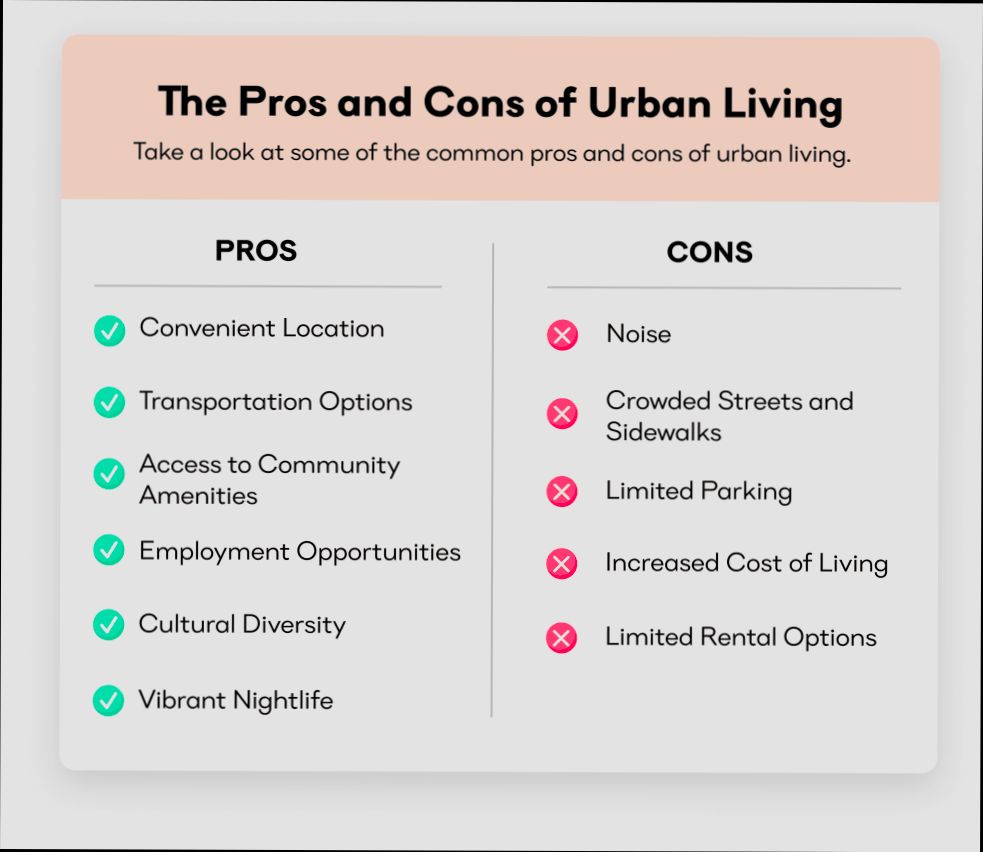
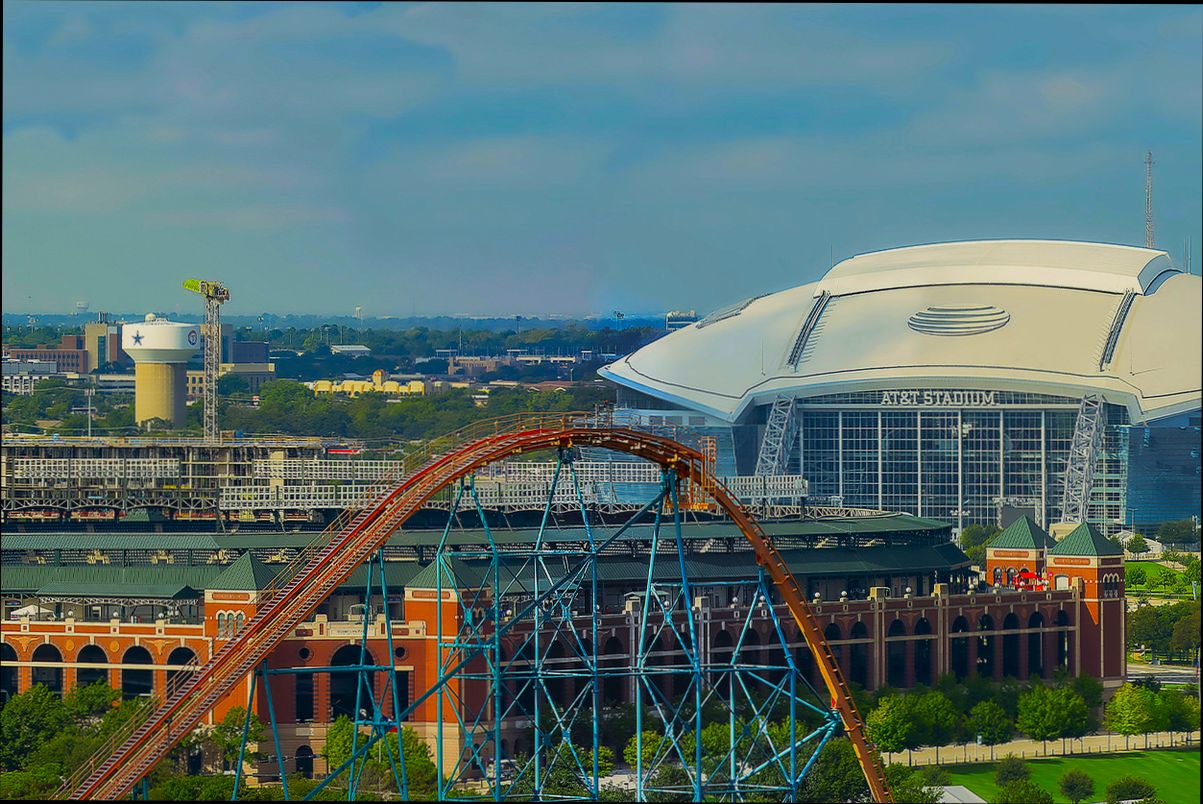
Pros and Cons of Living in Arlington TX really paint a vivid picture of what it’s like to call this city home. On the upside, Arlington boasts a central location between Dallas and Fort Worth, making it a convenient spot for commuters. With a thriving entertainment scene, the city is home to the Texas Rangers’ Globe Life Field and the AT&T Stadium, where the Dallas Cowboys play. It’s not just about sports; you can explore attractions like Six Flags Over Texas and enjoy a packed calendar of festivals. Plus, with a cost of living that’s 3% lower than the national average, you might find your dollars stretch a bit farther here, especially when it comes to housing costs—median home prices hover around $300,000.
On the flip side, living in Arlington isn’t without its challenges. Traffic can be a headache during rush hours, especially around the major highways leading into Dallas and Fort Worth. And while the city is growing rapidly, public transportation options are somewhat limited, which might compel you to rely on your car more often than you’d like. There’s also the Texas heat to contend with; summers can be brutal, with average temperatures soaring into the 90s. You may find that the city lacks the vibrant nightlife options that larger cities offer, making it feel a bit quieter after dark. Balancing these pros and cons can leave you with a lot to consider as you imagine your life in Arlington.
Cost of Living in Arlington
Understanding the cost of living in Arlington is essential for anyone considering a move to this vibrant Texas city. With an array of factors influencing expenses, from housing to transportation, let’s dive into the specifics that could impact your budget.
Housing Costs
Housing represents a significant portion of your monthly expenses. In Arlington, the median home price stands at approximately $293,000. You might find that renting can also be manageable, with median rent priced around $1,300 for a two-bedroom apartment.
Here are some notable housing statistics to consider:
- Homeownership Rate: 54%, indicating a blend of renters and owners.
- Average Monthly Mortgage Payment: Around $1,400, which is competitive compared to other major cities in Texas.
Transportation Expenses
Transportation is another key aspect of Arlington’s cost of living. Having your own vehicle is essential, as public transit options are limited. Expect to spend approximately 12% of your monthly budget on transportation.
- Average Gas Price: Generally hovers around $3.00 per gallon, making it vital to budget for fuel costs.
- Commute Time: The average commute in Arlington is around 25 minutes, which can influence transportation expenses based on your distance from work.
Utility Costs
When it comes to utilities, Arlington residents can expect the following:
- Average Electricity Bill: Approximately $150 per month.
- Water and Trash Service: Ranges around $65 per month.
Utility costs can vary depending on usage, so it’s wise to monitor these consistently to manage your budget effectively.
Comparative Cost Overview
Here is a detailed comparison of some common living expenses:
| Expense Type | Arlington, TX | National Average |
|---|---|---|
| Median Home Price | $293,000 | $384,000 |
| Median Rent | $1,300 | $1,600 |
| Transportation (Gas) | $3.00/gallon | $3.20/gallon |
| Average Utility Bill | $215 | $250 |
Real-World Examples
Consider the average Arlington family. They may allocate around $2,800 monthly for expenses:
- Housing: $1,500 (mortgage or rent)
- Transportation: $300 (gas and insurance for vehicle)
- Utilities: $215 (electric, water, internet)
This breakdown showcases how the cost of living can quickly add up, even in a city that is generally more affordable than the national average.
Practical Implications for Moving to Arlington
If you’re planning to move to Arlington, keep in mind:
- Budget for Down Payments: If buying a home, a 20% down payment on a median-priced home would require around $58,600.
- Transportation Needs: Consider the necessity of owning a car, especially if commuting to nearby cities.
- Utility Budgeting: Plan ahead for seasonal spikes in your electricity bills due to Texas heat or winter cold.
Actionable Insights
When preparing your budget for Arlington, aim to:
- Research Housing Options: Keep an eye on neighborhoods that offer the best value according to your lifestyle needs.
- Track Utility Usage: Monitor your utility consumption to identify opportunities for savings.
- Explore Public Transport: Familiarize yourself with local transportation options to gauge if they meet your commuting needs.
Being proactive about these areas will help ensure you stay within your desired cost of living in Arlington.

Employment Opportunities in Arlington
When considering a move to Arlington, one of the most pivotal factors is the job market. Let’s dive into the employment opportunities available in this dynamic Texan city, where diverse industries meet a skilled workforce.
Diverse Job Sectors
Arlington boasts a rich array of employment sectors, which can greatly enhance your job search. The top industries in the area include:
- Retail Trade: Notable for being one of the largest employment sectors, with over 20% of the workforce engaged in retail jobs.
- Healthcare: Employing nearly 15% of the local workforce, healthcare roles span from hospital positions to outpatient services.
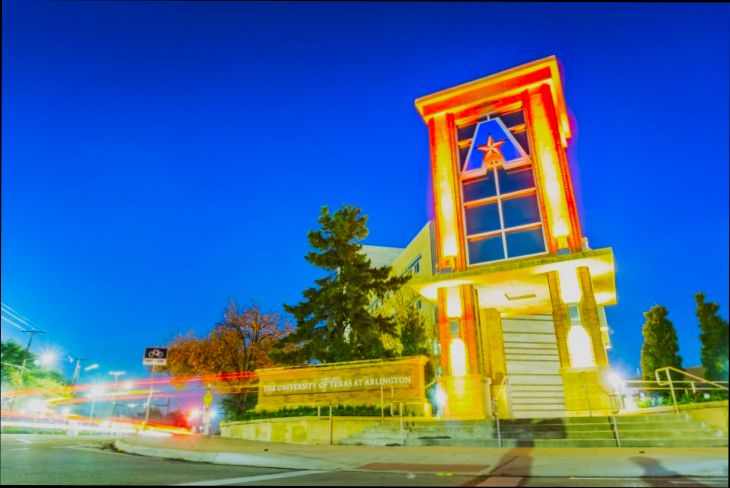
- Education Services: With educational institutions like the University of Texas at Arlington, this sector represents about 10% of total employment.
Unemployment Rates and Job Growth
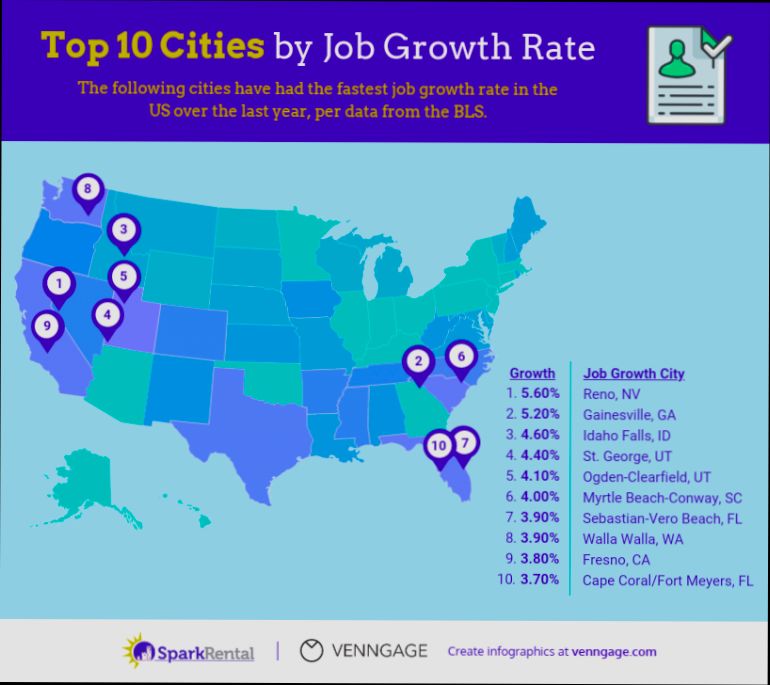
According to recent statistics, Arlington’s unemployment rate stands at around 3.5%, which is notably lower than the national average. Furthermore, the area has experienced a job growth rate of approximately 2.8% over the past year, indicating a healthy job market that continues to expand.
Comparative Employment Data
Here’s how Arlington compares with nearby cities in terms of employment sectors:
| Industry Sector | Arlington Employment (%) | Fort Worth Employment (%) | Dallas Employment (%) |
|---|---|---|---|
| Retail Trade | 20% | 18% | 15% |
| Healthcare | 15% | 14% | 16% |
| Education Services | 10% | 9% | 8% |
| Manufacturing | 8% | 10% | 12% |
Real-World Examples
Let’s look at some prominent employers in Arlington that reflect the varied job landscape:
- American Airlines: Headquartered in nearby Fort Worth, this industry giant hires a significant number of Arlington residents in roles ranging from flight operation to customer service.
- Six Flags Over Texas: This major amusement park not only offers seasonal jobs but also careers in management, entertainment, and customer engagement, employing thousands locally.
- General Motors: With a manufacturing plant in Arlington, GM provides ample jobs in engineering, production, and logistics, solidifying its role as a significant employer in the region.
Practical Implications for Job Seekers
As a job seeker in Arlington, consider the following actionable strategies:
1. Networking Events: Participate in local job fairs and networking meetups to meet potential employers.
2. Local Job Boards: Utilize websites like ArlingtonJobFinder.com specifically dedicated to jobs in the area.
3. Skill Development: Communities often host free workshops and courses that can enhance your resume, particularly in sectors that show growth, such as technology and healthcare.
Encouraging Facts
- Projected Job Growth: Industries like technology and healthcare are predicted to see significant growth over the next five years, opening up even more opportunities for job seekers.
- Workforce Programs: The city collaborates with local colleges to provide training programs, facilitating a smoother transition for residents entering new career paths.
By understanding the employment landscape in Arlington, you can better prepare for your job search and direct your efforts toward industries that align with your skills and career goals.
Cultural Attractions and Entertainment Options
Living in Arlington, TX, offers a diverse array of cultural attractions and entertainment options that cater to various interests and ages. Whether you’re an art enthusiast, sports fan, or live music lover, Arlington has plenty to keep you entertained. Let’s dive into some of the highlights!
Sporting Events
Arlington is home to major sports teams, including:
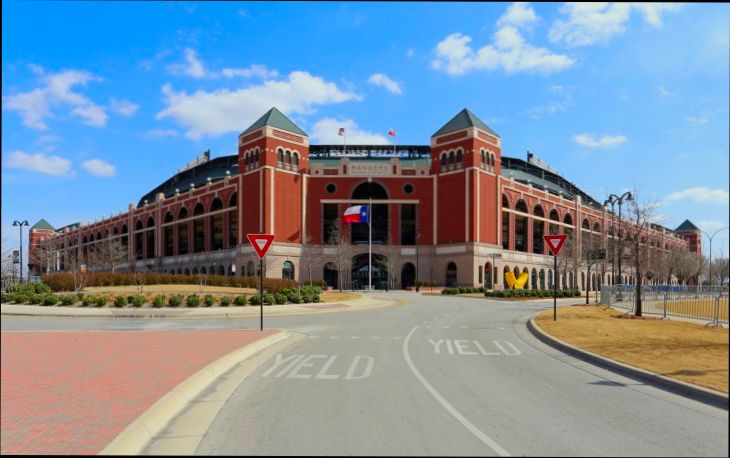
- Texas Rangers: Catch a game at Globe Life Field during the baseball season.
- Dallas Cowboys: The AT&T Stadium hosts not only football games but also concerts and events year-round.
In fact, over 1.5 million fans attend games at these venues annually, showcasing the vibrant sports culture that adds excitement to living in the area.
Arts and Cultural Institutions
Arlington boasts several artistic and cultural venues worth exploring:
- The Arlington Museum of Art: This museum offers rotating exhibitions that highlight both contemporary and historic works. Approximately 20% of the museum’s exhibitions are from local artists, enabling you to support and appreciate homegrown talent.
- Texas Live!: Apart from being entertainment-focused, this venue also hosts various cultural events, including food festivals and art fairs, attracting thousands each year.
Festivals and Community Events
The city hosts a variety of annual festivals that celebrate its rich culture:
- Arlington Music Festival: This event showcases local musicians and draws in crowds, increasing community engagement.
- Arlington Fourth of July Parade: Known for its vibrant atmosphere, this parade sees participation from over 100 local organizations, making it a key cultural highlight.
Comparative Cultural Venue Overview
| Venue | Type | Annual Attendance | Special Features |
|---|---|---|---|
| Globe Life Field | Sports | 1.5 million | Home runs and seasonal events |
| AT&T Stadium | Sports & Concerts | 1 million | Iconic architecture, NFL games, and concerts |
| Arlington Museum of Art | Art Institution | 50,000 | Local artist exhibitions |
| Texas Live! | Entertainment Complex | 300,000 | Food festivals and community events |
| Arlington Music Festival | Community Festival | 10,000 | Highlights local musicians |
Real-World Examples
The Arlington Music Festival, held every June, features a range of local bands and invites community participation, showing how the local scene thrives. Additionally, events like these often lead to networking and collaboration opportunities among artists and musicians, enhancing communal ties.
Moreover, the Arlington Museum of Art’s initiative to showcase local artists not only promotes the arts but also supports the local economy, as about 30% of attendees frequently purchase artwork during exhibitions.
Practical Insights
- Engage with Local Culture: Participating in local festivals and attending exhibits can help you become an integral part of the community.
- Attend Sporting Events: Following local teams can foster camaraderie with your neighbors and create lasting friendships.
- Utilize Social Media: Keep an eye on social media pages for updates on events and exhibitions to stay in the loop about opportunities for cultural engagement.
With an abundance of entertainment options and cultural experiences, Arlington truly has something for everyone, making it an exciting place to call home.

Transportation and Accessibility in Arlington
When considering a move to Arlington, Texas, understanding the transportation and accessibility landscape is crucial. With a growing population nearing 400,000, the city’s infrastructure is continually evolving to meet the increasing demands of its residents.
Transportation Overview
While Arlington is situated conveniently within the bustling Dallas-Fort Worth metropolitan area, it suffers from certain transportation challenges. Here are some essential highlights related to the transportation infrastructure:
- Traffic Issues: With the expected job growth of 38% over the next ten years, traffic congestion is set to increase. As many residents commute to Dallas and Fort Worth for work, rush hour can lead to significant delays.
- Limited Public Transit: The city’s public transportation system is relatively underdeveloped. Currently, Arlington only has the Arlington Transit (ART) bus system, which serves limited routes within the city and connects to the larger DART network. However, many residents rely on personal vehicles due to the infrequency and limited coverage of public transit options.
Accessibility Statistics
| Accessibility Aspect | Description |
|---|---|
| Population Density | Nearly 400,000 residents |
| Job Growth Projection | 38% growth in the next decade |
| Public Transportation Coverage | Limited (Arlington Transit only) |
| Traffic Congestion | High during peak commuting hours |
| Poverty Rate | 14% (compared to national average) |
Real-World Examples
Arlington’s transportation landscape is innovative yet challenging. For instance, the Texas Legislature has allocated additional funds aiming to improve public transportation in the area. This funding might help expand ART service times and add routes, particularly to key employment centers.
Moreover, the success of major local events, such as Texas Rangers games and the AT&T Stadium events, creates a surge in traffic. During these events, local authorities often deploy additional shuttle services to help alleviate congestion, demonstrating a responsive approach to temporary transportation challenges.
Practical Implications for Residents
For new residents or those considering a move to Arlington, it’s advisable to:
- Plan Commute Times: Be mindful of peak hours, particularly if commuting to nearby Dallas or Fort Worth. Expect traffic delays, especially during weekdays.
- Explore Carpooling Options: Given the high reliance on personal vehicles, initiating or joining a local carpool can save costs and reduce traffic during commutes.
- Utilize Rideshare Services: Services like Uber and Lyft are widely available and can be a practical option for short trips, especially when public transit isn’t feasible.
Actionable Advice
To navigate Arlington’s transportation scene more effectively, stay updated on city planning meetings that discuss transportation improvements and public outreach initiatives. Engaging with community developments can provide insights into future public transit expansions or traffic alleviation projects, enhancing your overall living experience in Arlington.
Comparative Demographics and Statistics
Understanding the comparative demographics and statistics surrounding Arlington, TX, can be pivotal when deciding whether this city aligns with your lifestyle and personal goals. This section delves into crucial demographic insights, particularly focused on population dynamics, age distribution, and ethnic diversity, as we explore how Arlington compares to state and national averages.
Population Growth and Density
Arlington has seen consistent population growth over the years, making it an attractive option for new residents. As of the latest estimates, Arlington’s population is approximately 400,000. This marks a notable increase when compared to earlier years.
- Population Growth Rate: Between 2010 and 2020, Arlington experienced a growth rate of around 9%, compared to Texas’s state average of approximately 15%.
- Population Density: Arlington has a population density of about 3,726 people per square mile, which is significantly higher than the national average of 92.6 people per square mile.
Age Distribution
The age demographics of Arlington reflect its vibrant community:
- Median Age: The median age in Arlington is around 32.4 years. In comparison, the national median age is approximately 38.2 years, showcasing a younger population in Arlington.
- Age Breakdown:
- Under 18 years: 25%
- 18 to 64 years: 68%
- 65 years and older: 7%
These statistics highlight the presence of a robust and dynamic workforce, which can be appealing to families and young professionals alike.
Ethnic Diversity
One of Arlington’s standout features is its rich ethnic diversity. This adds to the cultural tapestry of the city, making it inclusive and vibrant.
- Diversity Index: Arlington has a diversity index of 0.58, which indicates a high level of ethnic diversity. For comparison, the national average diversity index is 0.61.
- Racial Composition:
- White: 32%
- Hispanic or Latino: 36%
- Black or African American: 22%
- Asian: 6%
These figures reveal a multicultural community that fosters diverse perspectives and experiences.
Comparative Insights Table
| Demographic Feature | Arlington, TX | Texas State Average | US National Average |
|---|---|---|---|
| Population (est. 2023) | 400,000 | 29 million | 331 million |
| Median Age | 32.4 years | 34.7 years | 38.2 years |
| Population Density | 3,726 people/sq mile | 113 people/sq mile | 92.6 people/sq mile |
| Diversity Index | 0.58 | 0.63 | 0.61 |
Real-World Examples
Consider a typical resident profile: a young family with children may find Arlington attractive due to its strong population of youths and numerous schools catering to various needs. Conversely, retirees might appreciate the diverse communities that create opportunities for engagement and socialization.
Practical Implications
If you’re considering a move to Arlington, these demographics reveal that you’ll be part of a younger, rapidly growing community that values diversity. Whether you’re seeking job opportunities, quality education, or simply a vibrant neighborhood, Arlington’s demographics support a promising quality of life.
Focusing on these statistics allows potential residents to gauge their compatibility with Arlington’s community dynamics and make informed decisions regarding their relocation.
Quality of Education and Local Schools
When considering a move to Arlington, TX, it’s crucial to look at the quality of education and local schools. The educational environment shapes not only academic outcomes but also personal development for children. Let’s explore some key features of the Arlington school system.
School Performance and Ratings
Arlington offers a mix of public and private educational institutions. The district-level performance can be evaluated using metrics from the state assessments and the Every Student Succeeds Act (ESSA). As of 2023, Arlington Independent School District (AISD) boasts:
- Overall District Rating: 89% of schools in AISD received a “C” grade or higher.
- Average Student-Teacher Ratio: The ratio in local elementary schools is about 15:1, which supports individual attention.
- Graduation Rate: The district has a graduation rate of approximately 90%, indicating strong student retention.
Comparative Education Metrics
| Metric | Arlington ISD | Texas State Average |
|---|---|---|
| % of Schools Rated “C” or Higher | 89% | 83% |
| Average Student-Teacher Ratio | 15:1 | 17:1 |
| Graduation Rate | 90% | 88% |
Achievements and Programs
Several local schools in Arlington stand out for their innovative programs and achievements:
1. Fine Arts Programs: Many schools, like Martin High School, offer specialized tracks in fine arts, which have led to students winning state competitions.
2. STEM Initiatives: Schools such as Arlington High School have developed robust STEM programs encouraging students to engage in robotics and coding, receiving state recognition in these areas.
3. Evidence-Based Practices: The AISD implements evidence-based practices (EBPs) to enhance learning. For instance, the use of data-driven decision-making has improved reading proficiency scores by 15% over three years.
Practical Implications for Families
If you’re considering Arlington for your family, here are a few actionable insights:
- Explore School Ratings: Review school performance ratings through local education websites to identify schools that match your expectations.
- Consider Specialized Programs: Investigate schools that cater to your child’s interests, especially if they are inclined towards the arts or sciences.
- Engagement Opportunities: Look for schools that offer parent engagement opportunities, as active participation can greatly enhance both your and your child’s experience.
Additional Facts to Consider
- Over 90% of parents in Arlington reported satisfaction with their children’s schools in the latest district survey.
- Annual funding allocated to AISD has increased by approximately 5% each year, allowing for better resources and facilities.
- The district continues to prioritize mental health services, giving students accessible support and contributing to overall well-being.
By diving into these aspects of Arlington’s educational landscape, you can make a more informed decision about living in this vibrant Texas city.

Community Life and Social Activities
Community life and social activities play a critical role in defining the quality of life in Arlington, TX. With a blend of recreational options, community events, and vibrant social networks, residents have plenty of opportunities to engage and connect. Let’s dive into what makes the community life in Arlington both lively and unique.
Vibrant Community Events
Arlington hosts numerous community events throughout the year that foster a strong sense of belonging. Here’s a snapshot of some popular events:
- Arlington Independence Day Parade: This annual event draws thousands of residents and visitors, featuring floats, music, and, of course, fireworks.
- Summer Movie Nights: During the warmer months, families gather at parks to enjoy a free movie screening under the stars.
- Arlington Arts Week: A celebration of local talent, this event showcases visual arts, performances, and workshops.
Active Neighborhood Associations
Many areas in Arlington have established active neighborhood associations that enhance community life by:
- Organizing social gatherings, such as block parties and picnics, to strengthen neighborhood ties.
- Conducting clean-up days and improvement projects to foster local pride and beautify public spaces.
Recreational Opportunities
Living in Arlington means you have plenty of places to enjoy leisure activities, including:
- Parks and Sports Facilities: The city boasts over 50 parks, with playgrounds, walking trails, and sports complexes offering a variety of recreational options.
- Community Centers: These hubs act as gathering spots for social activities and classes ranging from arts and crafts to fitness programs.
| Feature | Description |
|---|---|
| Number of Parks | Over 50 parks available |
| Community Events | Multiple yearly events promoting engagement |
| Neighborhood Associations | Active groups enhancing community connections |
| Sports Facilities | Diverse options for various sports activities |
Real-World Examples
One of the notable examples of community engagement can be seen through local partnerships for events, like the collaboration between the city and the Arlington Reads program, which hosts book festivals and reading challenges. This initiative not only promotes literacy but also brings families together for shared activities.
Additionally, Arlington’s social media groups and community boards serve as a platform for residents to announce events, organize gatherings, and even offer support to neighbors in need, fostering a stronger social fabric.
Practical Implications
If you’re considering making Arlington your home, immerse yourself in local events and engage with neighborhood associations to tap into the social fabric of the city. Attend community events to forge connections, support local initiatives, and enhance your overall experience. You’ll find plenty of opportunities to make lasting friendships and enjoy a rich community life.
- Engage in local events: Regularly check community calendars to stay updated on happenings.
- Join neighborhood meetings: Get involved with community associations to share your ideas and meet neighbors.
- Utilize online platforms: Participate in social media groups focused on Arlington to stay in the loop and engage with local residents.
These actions will not only enhance your experience in Arlington but will also allow you to contribute positively to the community life you choose to be part of.