Pros and Cons of Living in Amsterdam present a fascinating mix of cultural allure and day-to-day challenges. On one hand, you have the picturesque canals, vibrant arts scene, and a top-notch cycling culture that can make you feel like you’re living in a postcard. With about 880,000 residents, Amsterdam offers a unique blend of history and modernity, where museums like the Van Gogh and Rijksmuseum sit side by side with trendy cafes and innovative startups. You can enjoy a unique lifestyle while accessing an impressive public transport system that boasts over 300 kilometers of bike paths. The city’s average salary is around €3,000 a month, which, while appealing, gets balanced out by a high cost of living—renting a one-bedroom apartment can easily set you back €1,500 or more.
But it’s not all tulips and stroopwafels—living in Amsterdam has its downsides too. The weather can be gloomy with an average of 200 rainy days each year, making those rare sunny afternoons feel extra special. Housing can be a real headache; demand far outweighs supply, leading to fierce competition and bidding wars for desirable places. And let’s not forget about the notorious tourist crowds, especially in the summer months when the city’s canals overflow with visitors rather than locals. Navigating all that can be just as challenging as finding your way through the maze of the city’s narrow streets.
Cost of Living in Amsterdam
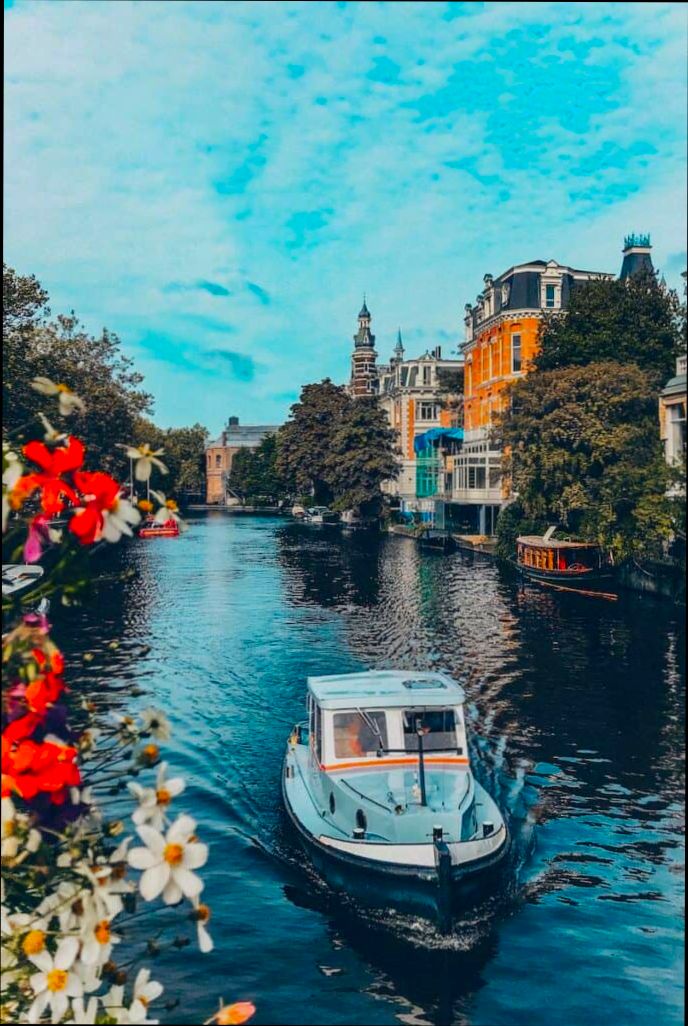
Living in Amsterdam is a dream for many, but it’s important to weigh the cost of living against your budget and lifestyle. This city, famous for its canals and culture, can be surprisingly expensive, and understanding these costs is crucial for a practical move. Let’s dive into some of the key elements affecting day-to-day expenses in Amsterdam.
Housing Costs
Housing is often the biggest expenditure for anyone living in Amsterdam. The average monthly rent for a one-bedroom apartment in the city center hovers around €1,700, while if you’re willing to live outside the bustling center, you might find rentals closer to €1,300. Here’s a quick look at some typical costs:
- One-bedroom apartment in city center: €1,700
- One-bedroom apartment outside city center: €1,300
- Three-bedroom apartment in city center: €2,500
- Three-bedroom apartment outside city center: €1,900
Groceries and Eating Out
When it comes to groceries and dining, Amsterdam has a diverse range of options that can fit different budgets. On average, you might spend about €300 per month on groceries. If you enjoy dining out, meals at mid-range restaurants cost around €15 to €30 per person. Here’s a breakdown:
| Item | Average Cost |
|---|---|
| Monthly groceries per person | €300 |
| Meal at inexpensive restaurant | €15 |
| Meal for two at mid-range | €60 |
| Cappuccino | €3.50 |
Transportation Costs
Getting around in Amsterdam is generally convenient, but that convenience comes at a price. The average monthly public transport pass costs about €100. If you prefer biking, you’ll need a decent bike, which can set you back around €800. Plus, bike maintenance can be an ongoing expense. Here are some transit options to consider:
1. Public transport monthly pass: €100
2. Average cost of a bicycle: €800
3. Annual bike maintenance: €150
Real-World Examples
A study of expats living in Amsterdam revealed that newcomers often find budgeting tricky, with many underestimating housing costs. For instance, Sarah, a graphic designer, opted for a cozy apartment in the eastern part of the city for €1,400, which helped her maintain a better work-life balance while enjoying the atmosphere. On the other hand, Jake, who rented a city-center apartment, saw most of his budget eaten up by housing alone, limiting his ability to explore the city.
Practical Implications
If you’re planning to move to Amsterdam, consider the following actionable steps:
- Research neighborhoods: Understand where you want to live based on rental prices and your lifestyle.
- Budget for groceries: Allocate approximately €300 a month; buy in bulk when possible to save money.
- Prioritize public transport: Using a monthly pass can help you save considerably on travel expenses.
- Plan for unexpected costs: Always reserve a portion of your budget for miscellaneous expenses like bike repairs or seasonal activities.
With careful planning and understanding of the costs involved, you can manage your finances wisely and enjoy everything this vibrant city has to offer.
Cultural Diversity and Its Impact
Cultural diversity significantly shapes the social fabric and workplace dynamics in Amsterdam, influencing everything from daily interactions to business practices. This city is known for its melting pot of cultures, which can create an enriching environment but also presents challenges that we should be aware of.
Benefits of Cultural Diversity
1. Enhanced Creativity and Innovation: Companies that prioritize cultural diversity often see increased creativity. Data reveals that a diverse team can enhance problem-solving capabilities, leading to innovative solutions that appeal to a broader audience.
2. Broader Market Insights: A culturally diverse workforce enhances a company’s understanding of diverse markets. For instance, organizations with employees from varied backgrounds can tailor their products and services to meet the needs of a wider array of consumers.
3. Increased Employee Satisfaction: Research shows that women (61%) are more likely than men (50%) to view a focus on Diversity, Equity, and Inclusion (DEI) as beneficial in the workplace. This suggests that promoting diversity can lead to a happier, more engaged workforce.
Key DEI Statistics
| Factor | Percentage of Workers Who Value It |
|---|---|
| Importance of racial diversity in the workplace | 32% |
| Importance of gender diversity | 26% |
| Women valuing DEI focus | 61% |
| Black workers who feel DEI is beneficial | 78% |
Real-World Examples
In Amsterdam, the tech industry illustrates the benefits of cultural diversity effectively. Companies like Booking.com leverage the diverse backgrounds of their staff to understand international markets better, tailoring their marketing strategies to cater to various cultures. This diversity in the workforce has been linked to their robust growth and broad customer satisfaction.
Another example is local successful startups that thrive on cultural plurality, often seeing heightened innovation when their teams consist of individuals from different ethnicities and backgrounds. In one studied case, a startup that embraced this diversity saw a 30% increase in product development speed due to a broader range of ideas being discussed and implemented.
Practical Implications for Residents
Living in a culturally diverse city like Amsterdam means you have the opportunity to engage with individuals from vastly different backgrounds. This can enrich your experience by providing new perspectives and learning opportunities. Embrace the differences in cultural practices; join community events, workshops, or local markets that celebrate this diversity.
To capitalize on the city’s cultural diversity, consider:
- Participating in multicultural festivals to connect with different communities.
- Supporting local businesses run by a diverse array of entrepreneurs.
- Engaging in conversation and networking with people from various backgrounds.
Actionable Insights
- Encourage conversations around DEI in work and social settings, as more than half of workers believe their organizations pay enough attention to diversity.
- Leverage the benefits of a diverse network by actively seeking relationships with individuals from different cultural backgrounds.
- Stay informed about local cultural events to immerse yourself in Amsterdam’s diversity, fostering an inclusive mindset that values all contributions.
As you navigate the cultural landscape of Amsterdam, embrace this diversity and recognize its potential to enhance both your personal and professional life.
Public Transportation: A Convenience or Challenge
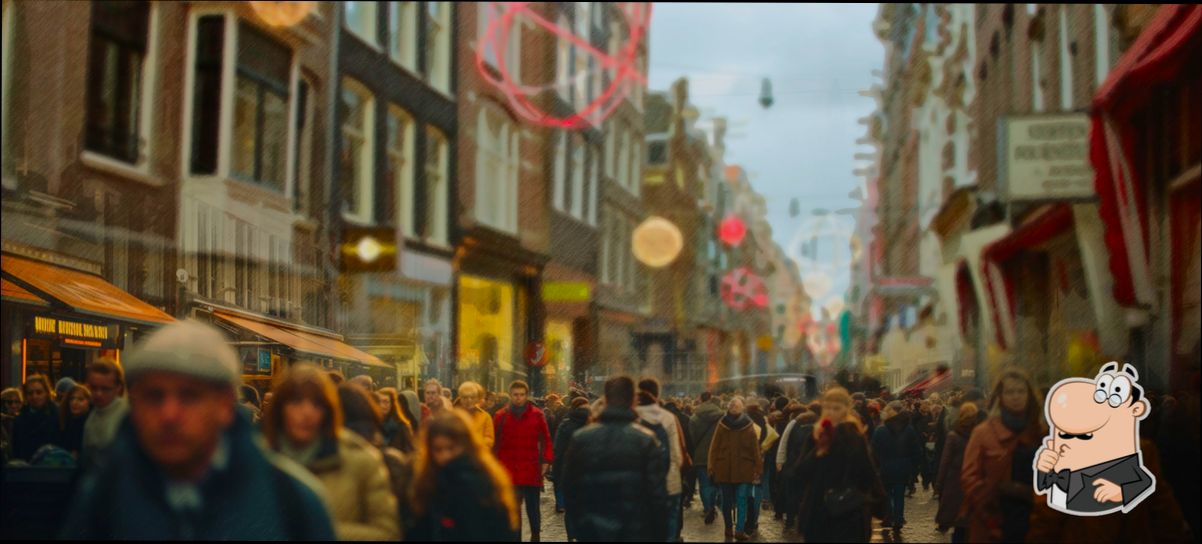
When you think about public transportation in Amsterdam, it can evoke a range of feelings. While the extensive network offers great convenience for daily commuting, it can also present unique challenges that affect residents and visitors alike. Let’s explore both sides.
The Convenience of Amsterdam’s Public Transportation
Amsterdam boasts a robust public transportation system that includes trams, buses, metros, and ferries, making it relatively easy to navigate the city. Here are some compelling points:
- High Utilization: Around 30-50% of residents rely on public transport for their daily commute. This preference not only alleviates traffic congestion but also reduces the demand for parking spaces, which are increasingly scarce.
- Affordability: A monthly public transport pass can cost around €90, offering unlimited travel throughout the network. For many, this is far more economical compared to the expenses associated with car ownership, including insurance, fuel, and maintenance.
- Sustainability: Public transit reduces the carbon footprint. With the increasing push towards eco-friendly living, modifications in transportation offerings resonate well with contemporary environmental values.
The Challenges of Public Transportation
Despite its advantages, public transportation in Amsterdam faces several hurdles:
- Congestion Peaks: Amsterdam experiences recurrent congestion, particularly during rush hours, affecting transit times. It’s common for trams and buses to be overcrowded, which can detract from the overall travel experience. Nearly 20-30% of delays are attributed to this phenomenon.
- Limited Coverage in Suburbs: While the city center enjoys ample public transport options, suburban areas may lack sufficient access. This creates challenges for residents living further from the city center, often resulting in longer commutes or increased reliance on cars.
- Systemic Challenges: According to research data, urban transportation planning often emphasizes road and parking facilities over expanding public transit options. This approach sacrifices potential improvements to public transport infrastructure, limiting capacity and efficiency over time.
Comparative Table: Public Transport vs. Private Car
| Aspect | Public Transportation | Private Car |
|---|---|---|
| Monthly Cost | €90 | €300+ (including insurance) |
| Environmental Impact | Lower emissions | Higher carbon footprint |
| Congestion | Peak hour overload | Subject to traffic jams |
| Coverage | Extensive in city center | Limited by road regulations |
| Eco-Friendly Options | Trams and electric buses | Must rely on fuel-based travel |
Real-world Examples
In Amsterdam, public transport also adapts to preserve the city’s heritage. The prohibition of automobile circulation downtown encourages greater reliance on trams and bicycles. You might find that during certain periods, areas like Dam Square become pedestrian-only zones, enhancing the environment for visitors and locals alike. Additionally, initiatives like late-night bus services are often implemented to cater to a vibrant nightlife, addressing the needs of young professionals who rely on public transport late into the night.
Practical Implications for You
If you plan to live in or frequently visit Amsterdam, consider these actionable insights regarding public transport:
- Get a Monthly Pass: It’s an economical choice with substantial savings if you travel often.
- Utilize Apps: Leverage public transport apps for real-time updates, route planning, and ticket purchases to streamline your travel experience.
- Avoid Peak Hours: If possible, try to travel outside of peak commute times to enjoy a more comfortable ride and reduce the stress associated with overcrowding.
Public transportation in Amsterdam combines convenience with certain challenges, catering well to the demands of urban life while also grappling with its limitations.
Quality of Life: Statistics and Insights
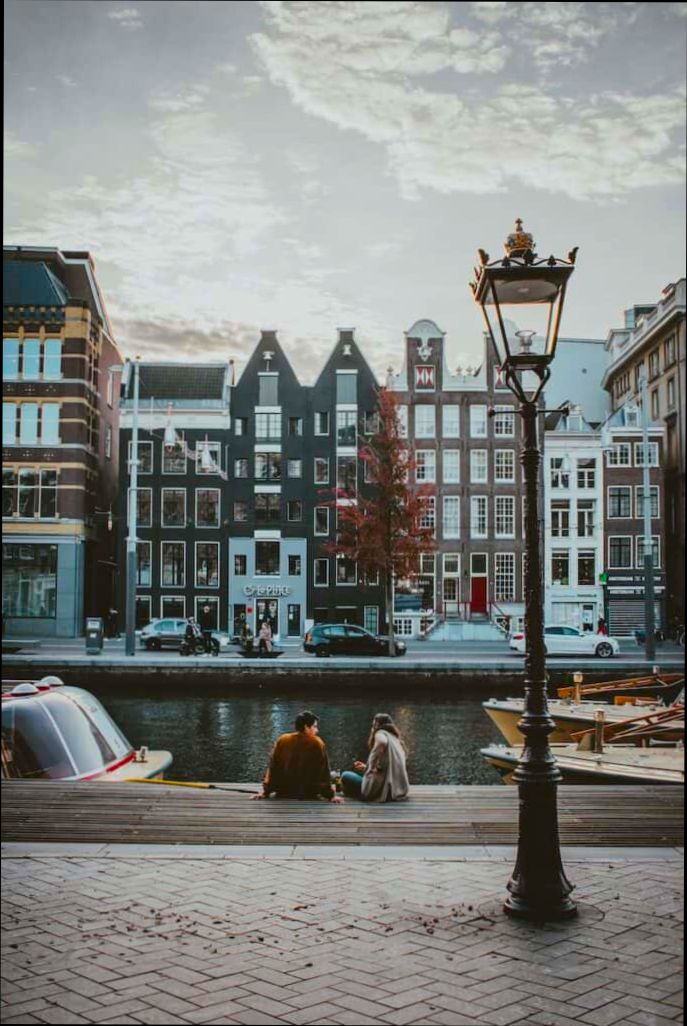
When considering moving to Amsterdam, understanding the quality of life you’ll experience is crucial. This city offers a dynamic blend of culture, leisure, services, and amenities that contribute significantly to residents’ well-being. Let’s dive into some compelling statistics that paint a clearer picture of life in Amsterdam.
Health and Well-being
- Life Expectancy: The average life expectancy in Amsterdam is 83 years, which is above the European average. This signifies a healthy lifestyle supported by healthcare facilities.
- Healthcare Quality: The city boasts a healthcare system where 94% of residents express satisfaction with the quality of care provided.
Education
- Educational Attainment: Approximately 80% of the population between the ages of 25 and 64 holds at least a secondary education, contributing to a highly skilled workforce.
- International Schools: The presence of 25 international schools caters to expatriates, making education accessible and diverse for children.
Environment and Leisure
- Green Spaces: Amsterdam has over 50 parks, which cover nearly 8% of the city’s area, promoting outdoor activities and a connection to nature.
- Bicycle Usage: With 65% of residents opting for cycling as a primary mode of transport, the city prioritizes a healthy and environmentally friendly lifestyle.
| Category | Statistic |
|---|---|
| Life Expectancy | 83 years |
| Healthcare Satisfaction | 94% |
| Educational Attainment | 80% |
| Parks | 50+ parks |
| Cycling Population | 65% |
Real-world Examples
One study highlighted that families living in Amsterdam often report a balanced lifestyle. For instance, those who regularly use green spaces and recreational areas experience lower stress levels and report a higher quality of life. Additionally, the access to quality healthcare has been particularly beneficial for older citizens, enabling them to maintain their independence well into their senior years.
Practical Implications
For potential residents, these statistics offer insights into what to expect in terms of health, education, and lifestyle. If you prioritize wellness, a supportive education system, and environmental sustainability, Amsterdam presents a compelling option.
- Engaging in local community activities can enhance your overall sense of belonging.
- Consider exploring various neighborhoods to find the best access to parks and healthcare facilities that meet your needs.
Specific Facts and Actionable Advice
- Take advantage of Amsterdam’s international schools if you have children; they provide diverse curricular and cultural experiences.
- Regular use of parks can improve your physical and mental well-being, so factor this into your routine.
- Join local cycling clubs to become part of Amsterdam’s cycling culture while enhancing your fitness.
Navigating Legal Aspects of Residency
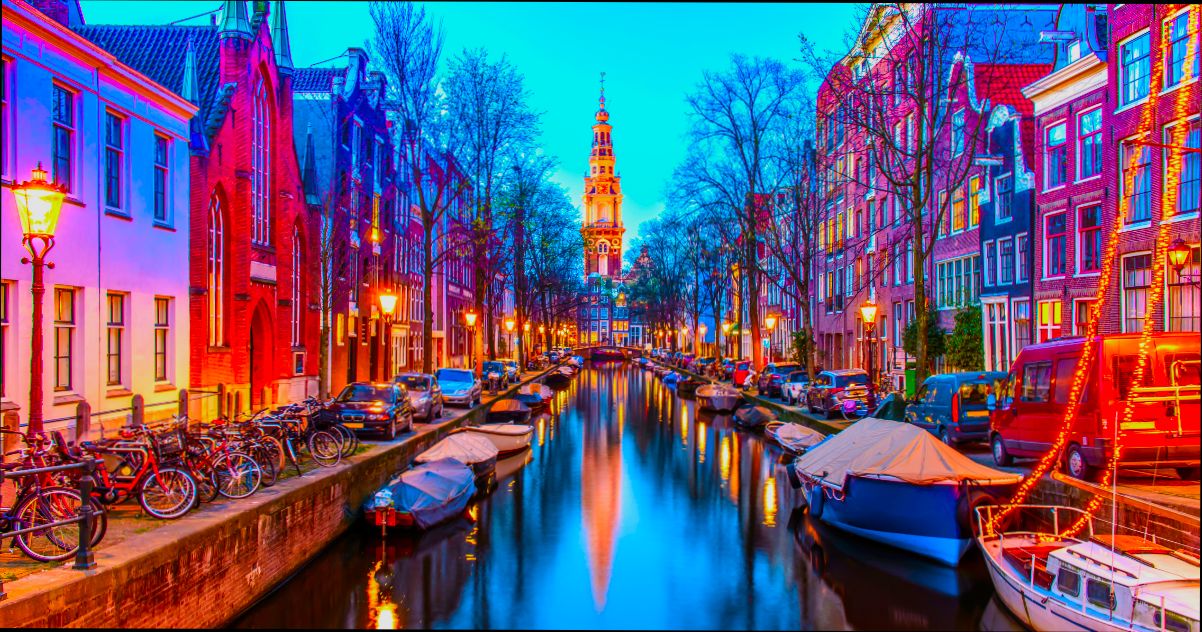
Understanding the legal aspects of residency in Amsterdam is crucial for a smooth transition to life in this vibrant city. From residency permits to local laws impacting data management, it’s imperative to grasp these regulations to live and work comfortably in the Netherlands.
Key Residency Regulations
1. Residency Permits: Depending on your nationality, you may need a residency permit to live and work in Amsterdam. For EU citizens, moving is relatively straightforward, but non-EU residents face stricter requirements.
- EU Citizens: No permit required.
- Non-EU Citizens: Must obtain a “Dutch residence permit,” which can take up to 90 days for approval.
2. Data Residency and Sovereignty: If you’re involved in a business that deals with sensitive data, it’s essential to comply with the local data residency laws.
- Data Residency: Requires that data be stored within Dutch jurisdiction, which means understanding where your data is physically located and ensuring compliance with local laws.
- Data Sovereignty: Ensures that data stored in the Netherlands adheres to its regulations, such as the General Data Protection Regulation (GDPR). This is crucial for any business handling personal information.
3. Regulatory Compliance: Familiarizing yourself with regulations in sectors like finance, healthcare, and technology can prevent compliance issues.
- For example, companies must adhere to regulations concerning data management and protection, maintaining customer trust while avoiding legal complications.
Comparative Table of Residency Regulations
| Regulation Type | EU Citizens | Non-EU Citizens |
|---|---|---|
| Residency Permit | No permit needed | Must apply for a permit |
| Processing Time | N/A | Up to 90 days for approval |
| Data Data Residency Law | Trusted as per GDPR | Must comply with local data laws |
| Regulatory Compliance | Basic compliance with EU laws | Must ensure compliance with local laws |
Real-World Examples
Take the case of an American tech company moving to Amsterdam to establish a European branch. It must navigate both data residency and data sovereignty laws. Even if the company initially operated under US regulations, any data it stores in the EU must comply with GDPR. Failure to adhere could lead to hefty fines or even a complete operational shutdown within the EU.
Another example is Dutch healthcare providers, which operate under strict regulations about patient data management. They must ensure that data remains within the Netherlands according to local residency laws, reinforcing the importance of understanding these legal demands from the get-go.
Practical Implications
- Stay Informed: It’s wise to regularly check for updates on local immigration laws and data regulations.
- Seek Professional Guidance: Consult with legal experts specialized in Dutch residency and data laws to avoid pitfalls.
- Infrastructure Considerations: If you’re setting up a business, choose a location and server that complies with local data sovereignty regulations.
Actionable Advice
Before relocating, ensure you have all necessary documentation ready for your residency application. Familiarize yourself with data residency requirements applicable to your industry, and ensure your compliance strategies align with local laws to safeguard your business operations. Remember, awareness of residency and data laws not only helps in avoiding legal complications but also builds a foundation of trust with clients and authorities alike.
Environmental Sustainability in Urban Living
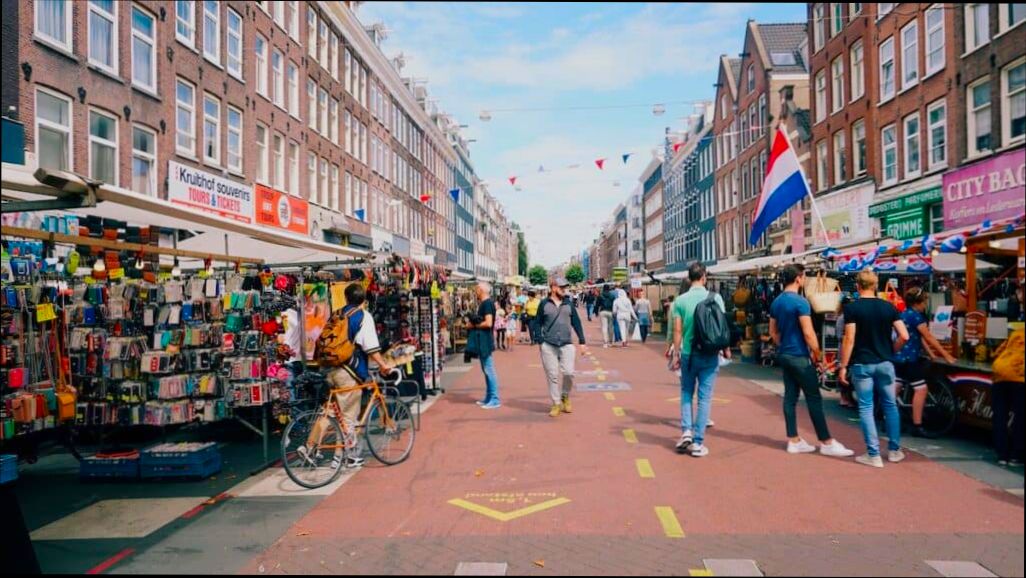
Living in a city like Amsterdam offers incredible opportunities, particularly when it comes to environmental sustainability. The city has made significant strides in promoting a green urban lifestyle, which can enhance both your quality of life and your ecological footprint. Let’s explore some key aspects of this sustainable living experience in Amsterdam.
Renewable Energy Initiatives
Amsterdam has implemented various renewable energy initiatives that aim to reduce carbon emissions and promote clean energy usage. By 2025, the city plans to have at least 50% of its energy consumption powered by renewable sources. This commitment not only helps curb pollution but also encourages residents to adopt eco-friendly practices.
Waste Management and Recycling
Waste management programs in Amsterdam are commendable, with the city achieving a recycling rate of approximately 60% in recent years. This is significantly higher than the European average of 47%. The emphasis on recycling and proper waste segregation helps keep the city clean and minimizes landfill usage.
Green Spaces and Urban Nature
Amsterdam is known for its lush parks and green spaces, promoting ecological balance within urban confines. Approximately 36% of the city area is allocated to parks and nature, encouraging biodiversity and offering residents a refreshing escape from urban life. These green areas contribute not only to the aesthetic appeal but also improve air quality.
| Feature | Amsterdam | European Average |
|---|---|---|
| Renewable energy usage (2025) | 50% | Not applicable |
| Recycling rate | 60% | 47% |
| Green space area | 36% | 30% |
Real-World Example: Community Gardens
Community gardens in Amsterdam have become a popular way for residents to engage with sustainability. These gardens allow locals to grow their own vegetables and herbs, fostering community spirit while reducing food miles and carbon footprints. Several neighborhoods, such as the Jordaan and De Pijp, have vibrant community gardens that are often featured in city-led sustainability programs.
Practical Implications for Residents
For you as a potential resident, understanding these sustainable practices can enhance your urban living experience. Consider:
- Utilizing renewable energy: Many utility providers offer green energy plans. Choose options that prioritize renewable sources.
- Participating in local recycling programs: Familiarize yourself with Amsterdam’s recycling rules to contribute effectively to waste management.
- Engaging in green community initiatives: Check if your neighborhood has community gardens or clean-up events and get involved to foster both community and sustainability.
Actionable Advice
To make the most of your environmentally sustainable living experience in Amsterdam, try implementing these practices:
- Explore the various local farmers’ markets for fresh, locally sourced produce.
- Use your bicycle or public transportation to reduce reliance on cars.
- Seek out eco-friendly businesses and services in your area to support sustainable economic practices.
Recreational Opportunities and Lifestyle Benefits
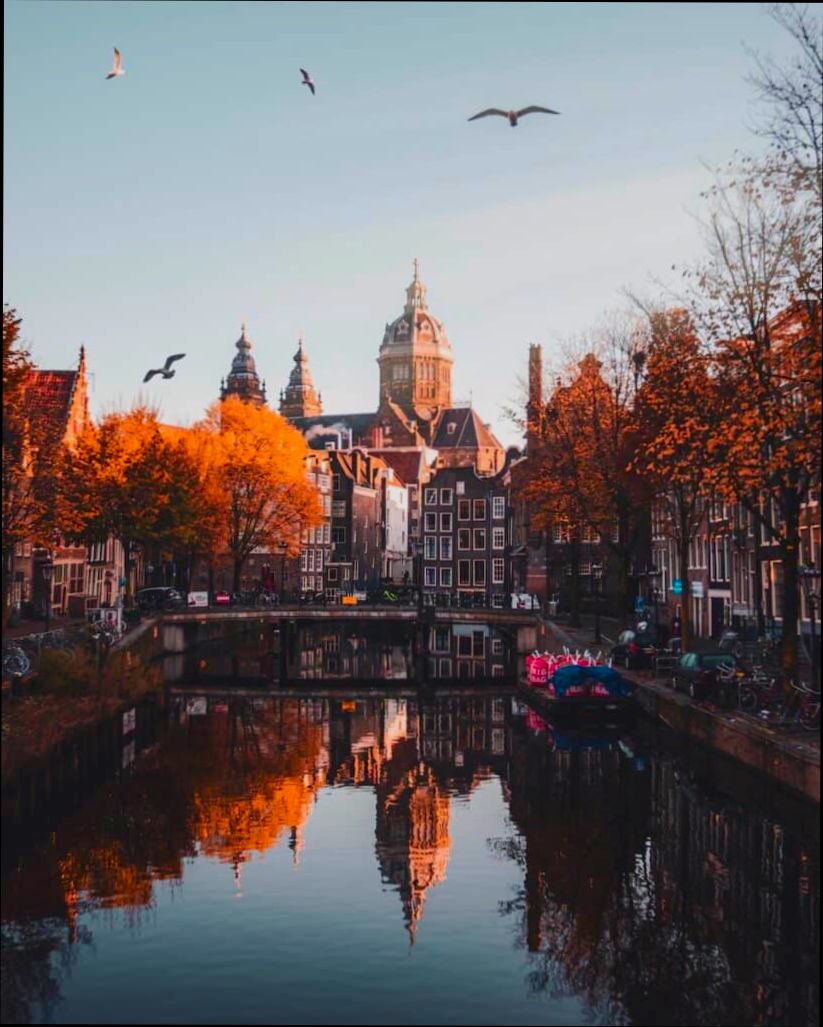
Living in Amsterdam opens the door to a plethora of recreational opportunities and lifestyle benefits that enhance your daily experience. The city’s vibrant atmosphere, coupled with its rich cultural scene and outdoor activities, creates an excellent environment for relaxation and leisure. Let’s dive into what makes Amsterdam a haven for recreation and lifestyle enhancement.
Abundant Recreational Activities
Amsterdam offers a diverse range of leisure activities suitable for all ages and interests. Here are some key possibilities you can enjoy:
- Cycling: Over 60% of residents use bicycles for daily commutes, making cycling accessible for exploration and exercise. The city’s extensive bicycle paths invite you for leisurely rides along scenic canals and parks.
- Parks and Green Spaces: With about 30 parks within city limits, you can engage in activities like jogging, picnicking, and yoga. Popular spots like Vondelpark not only promote physical well-being through their natural beauty but also host numerous cultural events throughout the year.
- Water Sports: Amsterdam’s unique geography gives residents access to numerous waterways perfect for kayaking, paddleboarding, and swimming. Local clubs often offer rental services and classes for beginners.
| Recreational Activities | Description | Percentage Participation |
|---|---|---|
| Cycling | Biking along designated paths | 60% |
| Parks | Engaging in sports and relaxation | 30 parks in the city |
| Water Sports | Kayaking, paddleboarding | Popular among locals |
Case Studies in Recreation
Numerous organizations in Amsterdam focus on community engagement through recreational activities. For instance, the Amsterdam Outdoor Festival brings together enthusiasts for various sports and recreational initiatives, from rock climbing to yoga sessions in parks. Events like this not only foster a sense of community but also promote healthy lifestyles.
Another example is the Amsterdamse Bos, a massive park area that hosts various sports facilities and nature activities. Here, families can enjoy cycling trails, go for hikes, or participate in organized sports leagues, allowing for both social interaction and physical fitness.
Practical Lifestyle Implications
The lifestyle benefits of engaging in these recreational opportunities are notable. Regular physical activity, such as cycling and jogging, can lead to improved cardiovascular health. Moreover, spending time in green spaces can significantly enhance your mental well-being. Studies indicate that individuals who frequently engage in outdoor activities report 20% higher satisfaction levels in their overall life compared to those who spend most of their time indoors.
Furthermore, the community aspect of these recreational activities helps build social networks, providing a support system for newcomers. Participating in local sports teams or classes can swiftly integrate you into the fabric of Amsterdam life.
Actionable Advice for Maximizing Your Lifestyle Benefits
- Join a Cycling Group: Connect with local cycling clubs to explore new routes and meet fellow enthusiasts.
- Participate in Outdoor Yoga Classes: Look for community yoga sessions in parks to enhance your physical and mental well-being while socializing with others.
- Engage in Community Events: Check out local event calendars for outdoor festivals or sports competitions to immerse yourself in the social aspects of leisure.
- Explore Various Parks: Make it a goal to visit a different park each weekend, whether for jogging, picnicking, or participating in organized activities.
Living in Amsterdam indeed offers a unique blend of recreational opportunities and lifestyle benefits, allowing you to thrive both physically and socially in a bustling urban setting.