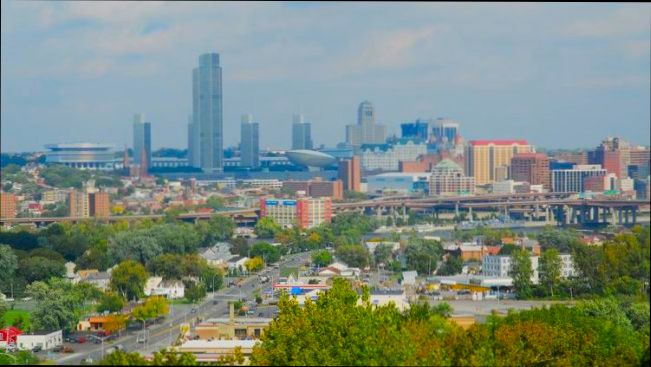
Pros and Cons of Living in Albany NY is a topic that often comes up among locals and newcomers alike, and for good reason. On one hand, Albany is steeped in history and culture—just take a stroll through State Street to see stunning architecture from the 1800s or visit the New York State Museum, where you can dive into the region’s rich past. Plus, with a population of about 98,000, it strikes that nice balance between urban amenities and small-town charm. The cost of living is reasonable too; according to recent data, you can find a decent two-bedroom apartment for around $1,400, which is a steal compared to bigger cities like New York or Boston.
On the flip side, Albany does have its challenges. Winters can be brutal, with averages tipping below freezing and snowfall exceeding 70 inches each year—definitely not for the faint of heart! The job market can also be tricky; while the state capital offers solid opportunities in government and education, other industries may feel a bit limited. Not to mention, the nightlife isn’t as vibrant as some might hope, with a few bars and restaurants feeling like they close up shop too early for those who enjoy late-night outings. With these factors in mind, it’s easy to see why people might have mixed feelings about calling Albany home.
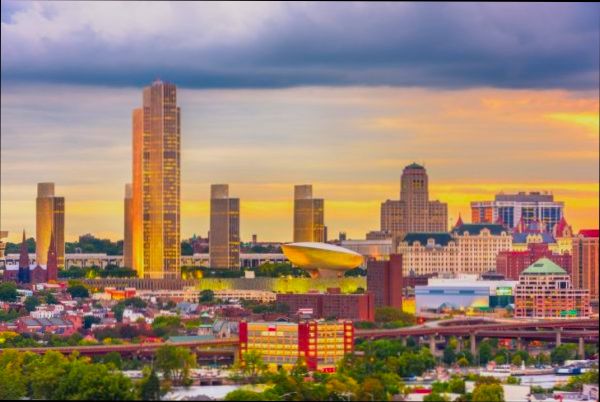
Climate and Weather Considerations
When considering a move to Albany, NY, understanding the local climate and weather is crucial. The city experiences distinct seasonal changes, each with unique characteristics that can impact your lifestyle. Let’s dive into the specifics!
Key Climate Data
Albany experiences a humid continental climate, leading to varied weather throughout the year. Here are some key data points:
- Average Annual Temperature: The average temperature in Albany is around 49°F, with January being the coldest month averaging 22°F.
- Precipitation Levels: The city sees about 39 inches of rainfall annually, with May being the wettest month, receiving approximately 4.2 inches.
- Snowfall: Albany averages about 55 inches of snow per year, making winter weather a significant consideration.
- Humidity: Summer humidity can reach 70%, particularly in July, which can feel muggy on warmer days.
Climate Comparison Table
| Climate Feature | Albany, NY | Similar Cities (e.g., Syracuse, Buffalo) |
|---|---|---|
| Average Annual Temp | 49°F | 48°F |
| Annual Rainfall | 39 inches | 40 inches |
| Annual Snowfall | 55 inches | 80 inches (Buffalo) |
| July Average Humidity | 70% | 75% (Syracuse) |
| Coldest Month Temp | 22°F (January) | 19°F (Syracuse) |
Real-World Examples
Consider the winter of 2022-2023, when Albany received 63 inches of snow in just December and January, prompting many residents to invest in snow removal services. On the flip side, during the summer of 2021, excessive humidity led to multiple heat advisories, demonstrating the impact of high summer temperatures on daily activities and outdoor plans.
Additionally, the summer of 2023 brought a significant drought to the northeastern U.S., including Albany, where rainfall dipped to just 2 inches for the entire month of August. This situation led to water usage restrictions and prompted local residents to adjust landscaping practices.
Practical Implications
- Winter Preparation: Given Albany’s heavy snowfall, consider winterizing your home and investing in appropriate snow removal equipment. This will ensure you’re prepared for winter storms and can maintain access to your property.
- Summer Comfort: Due to high humidity levels, using air conditioning or investing in dehumidifiers can make your summers more comfortable.
- Year-Round Activities: Understanding the seasonal fluctuations will help you plan your activities better. For example, spring is fantastic for outdoor events, while winter is perfect for snow sports.
Additional Considerations
Keep in mind that the climate can influence your daily life significantly. For instance:
- Clothing Choices: Invest in layers for winter and breathable fabrics for summer.
- Home Heating and Cooling: Ensure your home’s heating system can handle the frigid winters, and consider an efficient cooling system for the summer months.
- Emergency Preparedness: Have a plan for severe winter weather events, which can include stocking up on essentials and knowing local emergency contacts.
By staying informed about Albany’s climate and weather patterns, you can make informed decisions about your lifestyle and home preparations.
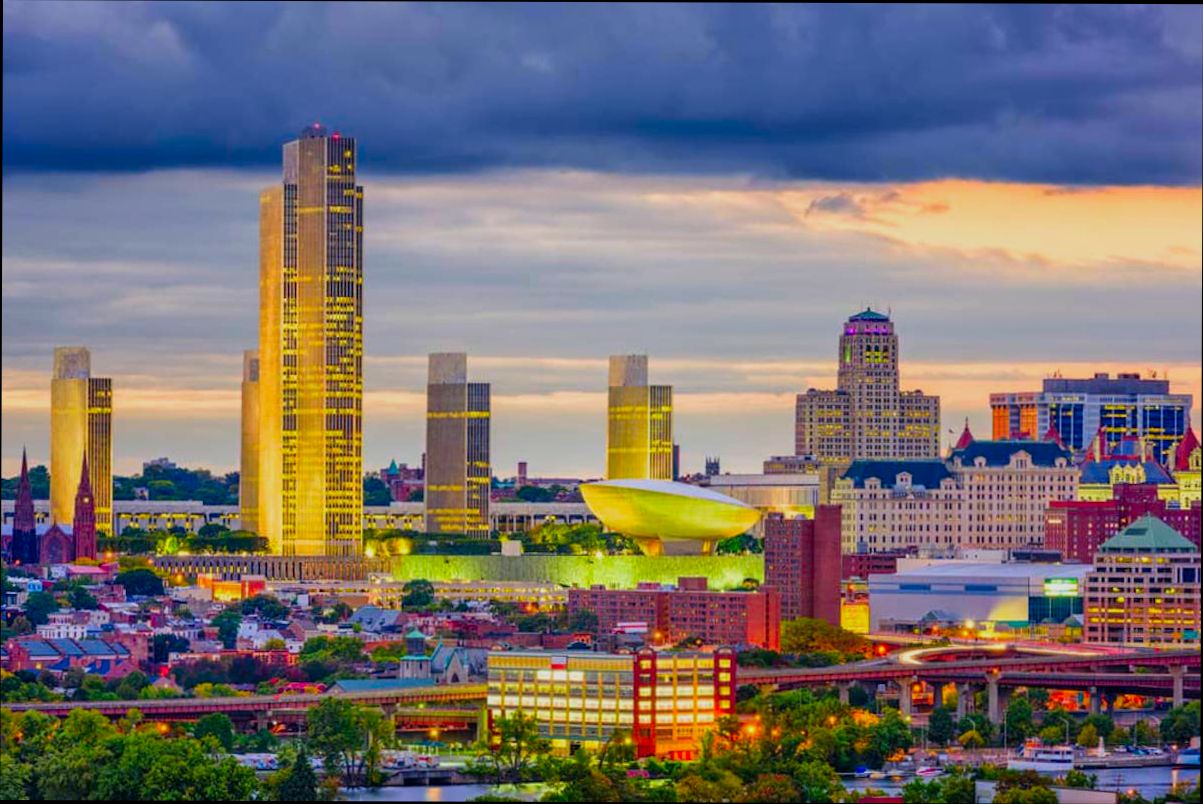
Cost of Living Insights and Comparisons
Living costs can vary significantly based on where you reside, and Albany, NY, offers a unique landscape when it comes to essential price points. From groceries to dining out, understanding these costs will help you better prepare for life in the capital region.
One assessment of Albany’s living costs reveals that essential items may be priced more affordably than major metropolitan areas. For instance, you can expect to pay around $5 for a liter of milk and around $6 for a kilogram of chicken breast. This gives a hint that food essentials are fairly priced, making it easier for families to budget.
Key Cost Comparisons
To give you a clearer idea of living expenses, here’s a summary of some common food and dining prices in Albany:
| Item | Cost (USD) |
|---|---|
| 🥛 Milk (1L) | 5 |
| 🍞 Bread (0.5 kg) | 5 |
| 🥚 Eggs (12) | 2 |
| 🧀 Cheese (1 kg) | 1 |
| 🍗 Chicken Breast (1 kg) | 6 |
| 🍔 Fast Food Meal (equiv. McDonald’s) | 5 |
| 🍻 Beer in a Pub (0.5 L) | 2 |
As you can see, prices for basics like cheese and eggs are relatively low, which might surprise those coming from more expensive regions. Notably, cheese at $1 per kilogram is an excellent value if you’re a fan of cooking or simply enjoy snacking.
Real-World Examples
Given this context, let’s look at some practical scenarios. For instance, if you dine out at a restaurant for two, the average cost comes to around $1. This can easily fit into the budget for a monthly night out without breaking the bank. In contrast, residents in cities like Los Angeles or New York might find similar dining experiences to be much pricier.
Moreover, when it comes to beverages, Albany’s pricing remains friendly on the wallet, with a cappuccino priced around $3. This can allow you to grab your morning cup of coffee without feeling the pinch.
Practical Implications
Understanding these cost comparisons helps you manage your finances better. If you’re moving to Albany, consider:
- Budgeting for Groceries: Knowing that staples like milk and chicken are affordably priced can help dictate your monthly grocery budget.
- Dining Out Opportunities: You can enjoy local restaurants and bars without overspending, allowing for a social lifestyle that doesn’t come with hefty budgeting concerns.
- Transportation Costs: Consider public transport options, which generally offer competitive rates, helping you save on commuting compared to owning a vehicle in pricier places.
Consider tracking your first month’s expenses in Albany to get a better handle on your spending habits based on these insights. Adjust your budget accordingly to maximize your new living experience.
By analyzing these specifics about Albany’s cost of living, you can make more informed decisions about your financial planning and lifestyle choices as you settle in.
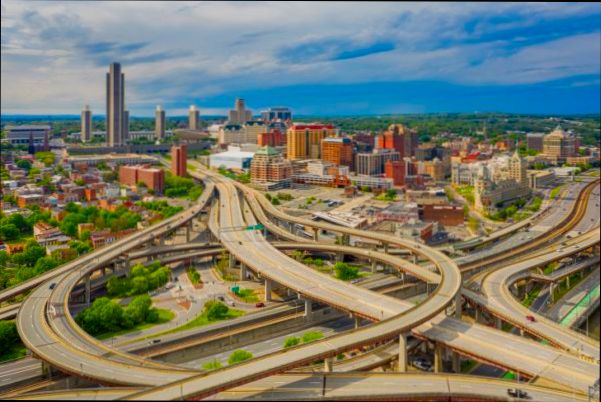
Cultural and Recreational Opportunities
Living in Albany, NY, grants you access to a vibrant tapestry of cultural and recreational opportunities. With its rich historical significance and artistic flair, the city presents a unique blend of experiences that residents can enjoy year-round. Whether you’re interested in the arts, music, or outdoor activities, Albany offers something for everyone.
Burgeoning Arts Scene
Albany’s cultural scene is thriving, with a diverse array of arts organizations contributing significantly to local life.
- The Albany Institute of History & Art showcases over 200 years of art and history, housing collections that highlight the region’s artistic heritage.
- The Palace Theatre hosts a variety of performances, including concerts, Broadway shows, and community events, drawing in approximately 100,000 visitors annually.
Festivals and Events
Throughout the year, Albany plays host to numerous festivals that celebrate its culture and heritage.
- The Tulip Festival in May attracts about 40,000 attendees, featuring live music, food vendors, and, of course, stunning tulip displays.
- The Albany Jazz Festival brings together local and national artists, making jazz a central theme every September.
Parks and Outdoor Recreation
Albany offers ample green space for those who prefer a more active lifestyle.
- Washington Park, one of Albany’s crown jewels, spans 81 acres and includes walking paths, ponds, and spaces for picnicking.
- The Mohawk Hudson Bike-Hike Trail provides over 60 miles of scenic pathways for cycling and walking, connecting residents with nature and promoting an active lifestyle.
| Feature | Detail |
|---|---|
| Number of Parks | Over 20 public parks |
| Average Annual Attendance at Events | Approximately 200,000 for major festivals |
| Amount of Recreational Trails | 60+ miles of bike-hike trails |
Real-World Examples
In addition to formal venues, Albany is home to numerous smaller galleries and performance spaces that showcase local talent. For instance, The Tenth Pin is a bowling alley that doubles as a local music venue, frequently hosting live performances while residents enjoy games and food.
Local organizations also encourage community engagement, such as the Capital District Arts Initiative, which empowers artists and promotes grassroots arts projects. This initiative supports local creativity and invites residents to actively participate in the arts, embodying Albany’s community spirit.
Practical Implications
As you consider moving to Albany, engaging with its cultural offerings can significantly enhance your quality of life. Attend local events to meet new people, participate in community art projects, or explore the many parks for some outdoor fun. Getting involved can also help you feel more connected to the city’s vibrant fabric.
Take advantage of the varied experiences Albany has to offer, from visiting galleries to enjoying live music. Staying informed about local events through community boards or social media can ensure you won’t miss out on exciting cultural opportunities.

Education System Evaluation and Impact
When it comes to the education system in Albany, NY, there’s a lot to unpack concerning its quality, diversity, and impact on local families. Understanding these facets can help you make a more informed decision if you’re considering a move to this vibrant city.
Quality of Schools
Albany’s educational landscape features a combination of public and private institutions that cater to a wide range of learning needs. The Albany City School District operates 15 elementary schools, 3 middle schools, and 3 high schools, serving approximately 8,000 students. Notably, the district boasts a graduation rate of about 75%, which while slightly below the New York State average, indicates ongoing discussions about improving educational outcomes.
- Public vs. Private Schools: Private school enrollment in Albany is around 15%, which gives families options beyond the public school system.
- Diversity in Programs: Many schools offer specialized programs such as Advanced Placement (AP) courses and International Baccalaureate (IB) options, with high participation rates noted for AP courses.
Educational Funding and Resources
A critical component of educational effectiveness is funding, which influences the resources available to students and teachers. Albany spends about $22,000 per student annually on K-12 education, notable for the substantial investment that supports facilities, programs, and staff.
| School Type | Average Spending Per Student | Graduation Rate |
|---|---|---|
| Public Schools | $22,000 | 75% |
| Private Schools | $15,000 | 85% |
Community and Parental Engagement
Fostering strong community involvement is essential for a thriving education system. Various initiatives in Albany encourage parental participation and collaboration between schools and local organizations. Programs like the Albany Community Schools initiative provide additional resources for students and families, offering tutoring, mentorship, and after-school activities.
- Impact of Engagement: Research indicates that student performance improves significantly with active parental engagement.
- Volunteer Opportunities: Schools welcome parents to volunteer, creating networks that benefit both students and families.
Real-World Examples
In Albany, three noteworthy programs exemplify the city’s commitment to education:
1. Albany High School’s Career and Technical Education (CTE) Programs: These offer hands-on training in fields such as healthcare, technology, and the arts, preparing students for real-world careers.
2. The Albany Public Library’s Educational Resources: The library offers tutoring and literacy programs that cater to diverse learning styles and age groups. Such resources are invaluable for underprivileged students.
3. Schenectady City Schools’ Special Education Services: Nearby Schenectady has developed robust support that can be a reference point for Albany as they strive to enhance their support systems for students with disabilities.
Practical Implications for Families
As you consider education in Albany, keep these actionable insights in mind:
- Explore Extracurricular Activities: Engaging in sports, clubs, and the arts can enhance a child’s educational experience while fostering social skills.
- Research School Ratings: Websites like GreatSchools can provide insight into school performance, helping you make informed choices based on your child’s needs.
- Consider Commute Times: Travel distance can impact your child’s daily routine; proximity to quality schools should weigh heavily in your housing decision.
- Utilize Local Resources: Take advantage of community programs and workshops offered by local organizations for added educational support.
Albany’s education system showcases both strengths and areas for improvement, making it a dynamic choice for families prioritizing quality education.

Public Transportation Accessibility and Challenges
Living in Albany, NY presents unique challenges when it comes to public transportation. While there are some options available, accessibility and convenience can be significant roadblocks for residents, especially for those reliant on these systems for daily commutes or activities.
Key Challenges of Public Transportation in Albany
1. Limited Coverage: Albany’s public transport system primarily operates within the city and its nearby suburbs. Many areas, especially those in outlying neighborhoods, are poorly served or lack regular service, forcing residents to depend on personal vehicles or ride-sharing options.
2. Infrequent Service: Buses in Albany often have limited schedules, particularly during off-peak hours and on weekends. This can lead to long wait times and decreased reliability, making it challenging for users who need to travel frequently or at odd hours.
3. Accessibility Issues: Public transit facilities and vehicles can often be inaccessible to individuals with disabilities. While there have been improvements, such as the introduction of accessible buses, many stations still lack wheelchair ramps and proper signage.
4. Affordability Concerns: Many residents, particularly in lower-income brackets, can find transportation costs burdensome. With approximately 22% of Albany’s population living in poverty, the financial aspect of relying on public transit must be addressed to ensure equity in mobility.
5. Integration with Other Transport Options: While Albany does offer some connections to intercity trains and buses, these services can be limited and inconvenient. This lack of seamless integration with regional transportation options makes it less appealing for residents to utilize public transit for longer trips.
Comparative Table of Public Transportation Accessibility
| Feature | Description |
|---|---|
| Coverage | Limited to city and nearby suburbs |
| Frequency | Infrequent during off-peak hours |
| Accessibility | Many facilities lack proper access |
| Affordability | High costs relative to income levels |
| Integration | Poor coordination with regional transit |
Real-World Examples
For instance, a resident in Albany’s West Hill neighborhood might find it difficult to access the downtown area due to limited bus services. This challenge drives many individuals to opt for personal vehicles or ride-sharing services, leading to increased traffic and parking issues in bustling areas.
Moreover, recent reports indicate that those using public transit often experience significant delays. For example, the average bus travel time can exceed 45 minutes for short distances because of infrequent stops and detours, making public transport less desirable.
Practical Implications for Residents
If you’re considering relocating to Albany or currently live there, it’s essential to evaluate your transportation needs. If you’re heavily reliant on public transit, you might want to:
- Investigate which neighborhoods offer better access to bus routes or train systems.
- Consider supplementing public transportation with carpooling or bike options.
- Stay informed about any upcoming changes or improvements to the Albany public transport system.
Key Takeaways
- Recognize the limitations of Albany’s public transportation system before making a move.
- Seek out neighborhoods that offer better accessibility and frequency of service.
- Engage with local transit authorities to advocate for improvements in service and infrastructure that cater to the community’s needs.
Addressing these public transportation challenges can significantly enhance residents’ quality of life and accessibility throughout Albany.
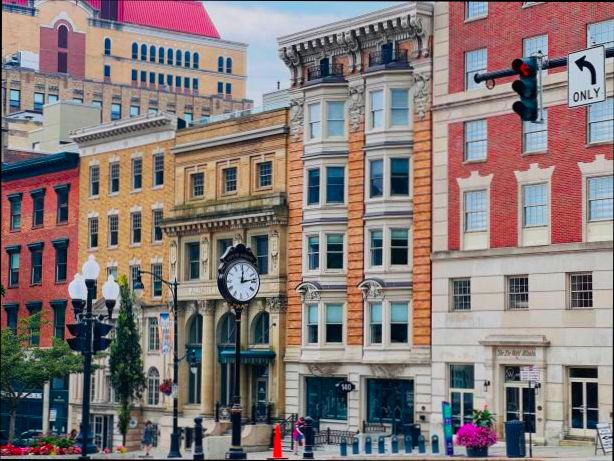
Safety and Crime Rates Analysis
Living in Albany, NY, comes with a unique safety landscape influenced by regional crime trends. Understanding these crime rates can empower you to make informed decisions about your living environment. Let’s explore the details surrounding safety and crime in Albany and how it compares to broader national trends.
Key Crime Statistics
- Between 2020 and 2023, Albany saw a 16% decrease in murder rates, indicating a positive trend in combatting violent crime.
- The violent crime rate in Albany has decreased by 13% during the same period, aligning with a nationwide decline in violent crime.
- However, property crime reflects a contrasting trend in Albany, which increased by 13.1% from 2020 to 2023, indicating a rise in thefts and burglaries.
- Notably, the Northeast region maintained the lowest levels of murder and violent crime rates compared to others, benefiting Albany as well.
| Crime Type | 2020 Rate | 2023 Rate | Change (%) |
|---|---|---|---|
| Murder | 10.0 | 8.4 | -16% |
| Violent Crime | 300 | 261 | -13% |
| Property Crime | 500 | 565 | +13.1% |
Real-World Examples
Cities similar to Albany showcase different outcomes regarding safety and crime. For instance, New York City, despite its size, has maintained lower murder rates than Albany while experiencing a significant overall decline in crime — down 33.7% since 2020. This disparity with Albany’s property crime rise may reflect localized challenges in community safety and policing effectiveness.
For those looking at crime patterns, the FBI crime report indicated that while overall safety seems to be improving, the uptick in property crime in Albany requires attention. Residents should engage with local community initiatives aimed at reducing theft and burglary incidents.
Practical Implications
- Neighborhood Watch Programs: Engaging with local neighborhood watch initiatives can enhance community safety and reduce property crime incidents.
- Security Measures: Consider increasing home security measures, such as installing cameras or alarm systems, particularly in areas identified with higher property crime rates.
- Community Contributions: Active participation in community safety forums can provide a platform to discuss issues and seek solutions with local law enforcement.
Actionable Advice
Stay informed about neighborhood crime reports and local safety initiatives to gauge the current safety climate in Albany. Regular checks with local police departments can also provide insights into crime trends affecting your area, allowing you to make proactive decisions. Understanding the statistics and participating in community safety efforts can dramatically enhance your living experience in Albany.
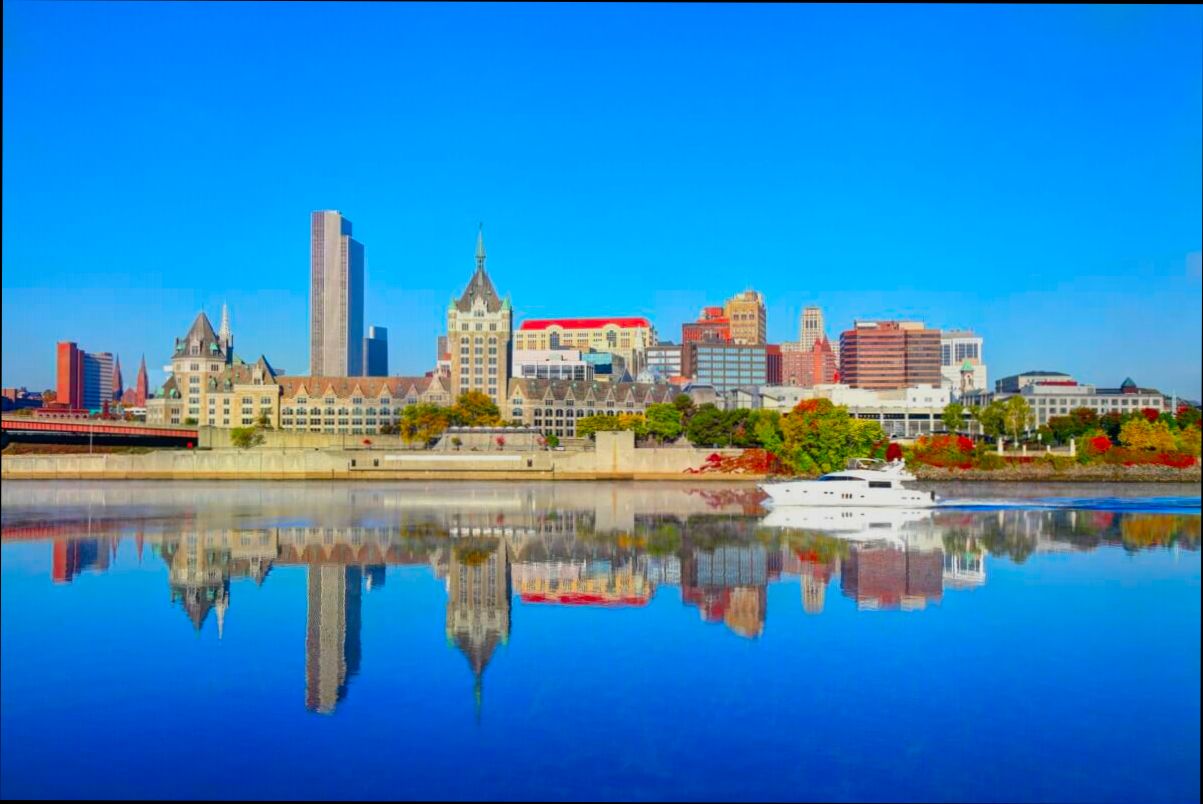
Economic Growth Potential in Albany
Albany holds significant economic growth potential, influenced by diverse industries, investment opportunities, and a favorable business environment. Understanding these factors will help you gauge the city’s ability to foster a thriving economic landscape.
Thriving Industries and Employment Opportunities
Albany is witnessing growth across several key industries that drive its economy:
- Government and Public Sector: As the state capital, Albany houses numerous government agencies, creating stable job opportunities.
- Healthcare Sector: The presence of institutions like Albany Medical Center contributes to the growth of healthcare jobs and related businesses.
- Education: With several colleges and universities, educational services are a key employment sector, promoting innovation and research opportunities.
Investment Potential
Albany’s strategic location in the Northeastern U.S. makes it a prime target for investment:
- Proximity to Major Markets: The city is well-positioned near larger urban centers like New York City and Boston, facilitating commerce and trade.
- Tax Incentives: Albany offers various tax incentives for businesses, including the Empire State Development program, aimed at attracting new companies and encouraging expansion for existing businesses.
Economic Indicators
Several statistics highlight Albany’s economic growth potential:
- Job Growth: The Albany-Schenectady-Troy Metro Area has experienced a job growth rate of around 4% over the last year, indicating a recovering and expanding labor market.
- Unemployment Rate: The unemployment rate in Albany sits at approximately 4.1%, below the national average, showcasing economic stability and job availability.
Comparative Economic Growth Table
| Economic Indicator | Albany, NY | National Average |
|---|---|---|
| Unemployment Rate | 4.1% | 4.5% |
| Job Growth Rate (1 Year) | 4% | 3% |
| Median Household Income | $60,000 | $70,000 |
| Property Tax Rate | 2.17% | 1.1% |
Real-World Examples of Economic Growth
- Tech Hubs: Albany has become increasingly recognized as a tech hub, home to the Albany Nanotech Complex. This facility brings together researchers from academia and industry, creating high-tech job opportunities and driving innovation.
- Local Startups: The city’s support for small businesses and startups has led to the rise of numerous local enterprises, particularly in the tech and green energy sectors. For example, companies like Plug Power have set up shop in the region, stimulating job creation.
Practical Implications
For those considering moving to Albany, the economic growth potential presents several actionable insights:
- Career Opportunities: If you are seeking job stability, the growing sectors in Albany could provide a solid foundation for your career.
- Entrepreneurship: The city’s supportive environment for small businesses and entrepreneurs can be an enticing factor if you’re looking to start a business.
Key Facts and Advice
- Take advantage of Albany’s tax incentives if you are a business owner or considering starting a new venture.
- Stay informed about new developments in industries like tech and healthcare, as these sectors are likely to continue expanding and offering job opportunities.