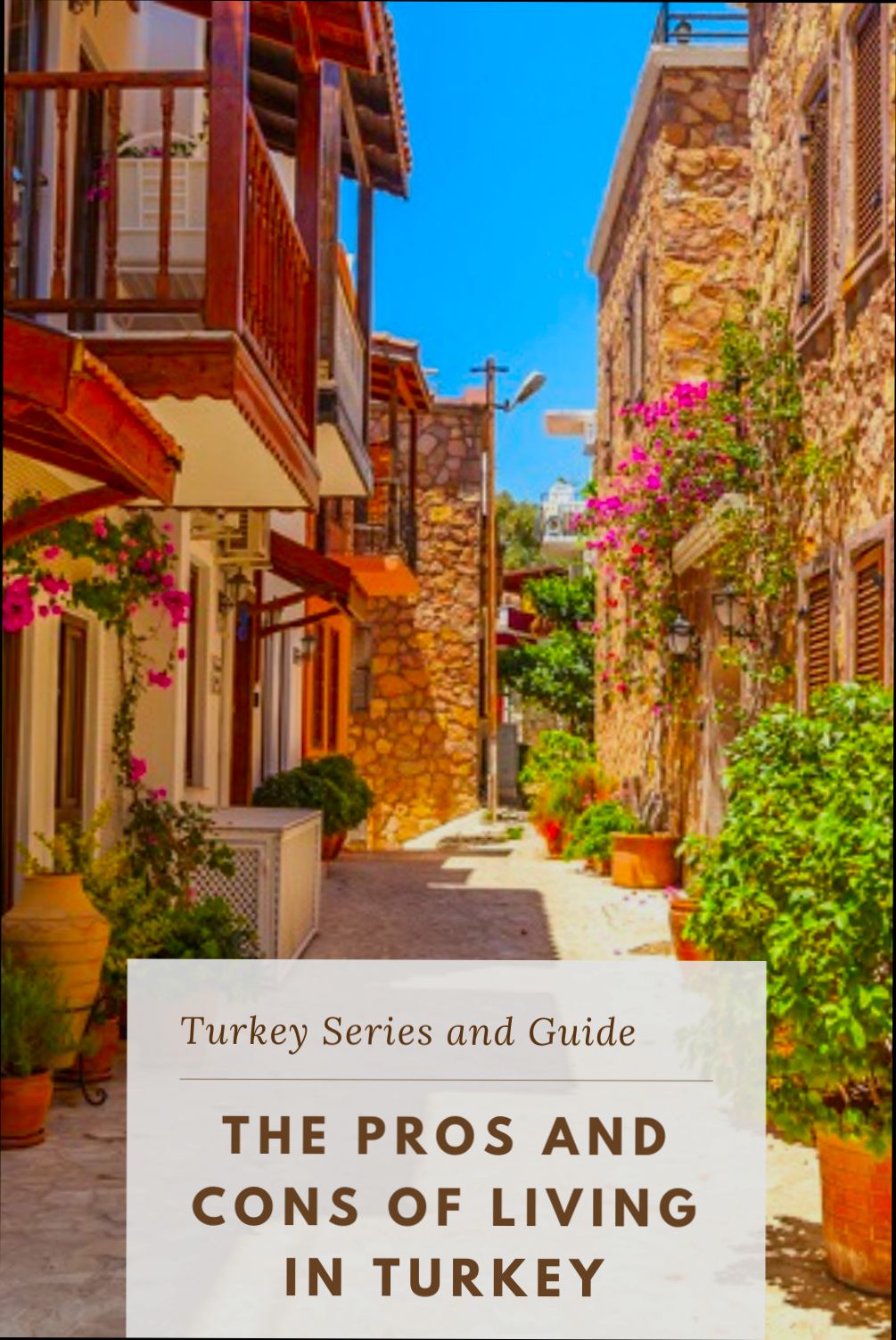
Pros and Cons of Living in Şanlıurfa reveal a city with deep historical roots and vibrant culture, but also some challenges. Picture this: you’re wandering through the old city, where ancient stone buildings whisper stories of civilizations past, and a delicious plate of top-notch kebab costs you just a couple of bucks. The climate here is definitely a vibe—hot summers averaging around 40°C (104°F) can feel like an oven. But on the flip side, that year-round sunshine means you can enjoy outdoor markets and bustling street life more often than not.
On the downside, the job market can be a mixed bag. While tourism is a booming sector, bringing in people eager to discover Göbekli Tepe and other historical sites, locals often find opportunities limited to low-wage gigs. Public services, like healthcare and education, might not always meet high standards, which can be a concern for families. Plus, traffic can get chaotic, especially in the bustling areas around the park and bazaars. So, while you might relish the rich flavors of Urfa’s famed cuisine, the realities of day-to-day life can sometimes dampen that enthusiasm.
Cost of Living in Şanlıurfa
Living in Şanlıurfa can be an affordable experience, especially when compared to larger cities in Turkey. In this section, we will explore the specific costs of everyday items, housing, and transportation, giving you a clear picture of what to expect and how to plan your budget effectively.
Key Costs to Consider
- Housing: The rental prices in Şanlıurfa are generally lower than in metropolitan areas. For instance, a one-bedroom apartment in the city center likely costs around 3,000 TL per month, while outside the center, it can drop to about 2,000 TL.
- Groceries: The prices for basic groceries are reasonable. Here’s a snapshot of some common items:
- Milk (1 liter): ~26.35 TL
- Rice (1 kg): ~46.00 TL
- Eggs (12): ~70.20 TL
- Dining Out: Eating habits in Şanlıurfa can be quite budget-friendly as well. For example:
- A meal in an inexpensive restaurant costs around 250 TL.
- A three-course meal for two at a mid-range restaurant typically runs about 1,100 TL.
Comparative Table of Key Costs
| Category | Item | Average Cost (TL) |
|---|---|---|
| Housing | 1-bedroom apartment (City Center) | 3,000 |
| Groceries | Milk (1 liter) | 26.35 |
| Rice (1 kg) | 46.00 | |
| Eggs (12) | 70.20 | |
| Dining Out | Meal in inexpensive restaurant | 250 |
| Three-course meal for two | 1,100 | |
| Transportation | Taxi start (Normal Tariff) | 31.92 |
| Taxi 1km (Normal Tariff) | 22.90 |
Real-World Examples
When considering moving to Şanlıurfa, you might find that dining expenses can vary greatly depending on your choices. For example, if you prefer local dishes over international fast food, you can enjoy a full meal for around 250 TL, which is a great deal compared to larger cities where similar meals are often pricier.
Transportation costs also play a role in your monthly budget. The taxi start fare is about 31.92 TL, and the cost for traveling 1 km is around 22.90 TL, making it accessible for short trips around the city.
Practical Implications
For anyone contemplating relocating to Şanlıurfa, it’s vital to create a budget based on the local cost dynamics we’ve outlined. Keeping an eye on grocery prices and choosing local dining can save you a significant amount monthly. Moreover, understanding transportation costs will assist you in estimating your commuting expenses more accurately.
Actionable Advice
To maximize your savings while living in Şanlıurfa, consider shopping at local markets for fresh produce, as you’ll find many staples at lower prices compared to supermarkets. Engaging with the community by exploring local eateries not only offers a taste of the region’s rich culinary traditions but also ensures that you’re not overspending on meals. Take advantage of the lower rental prices to find a comfortable home without the financial strain often felt in larger cities.
Cultural Richness and Heritage Advantages
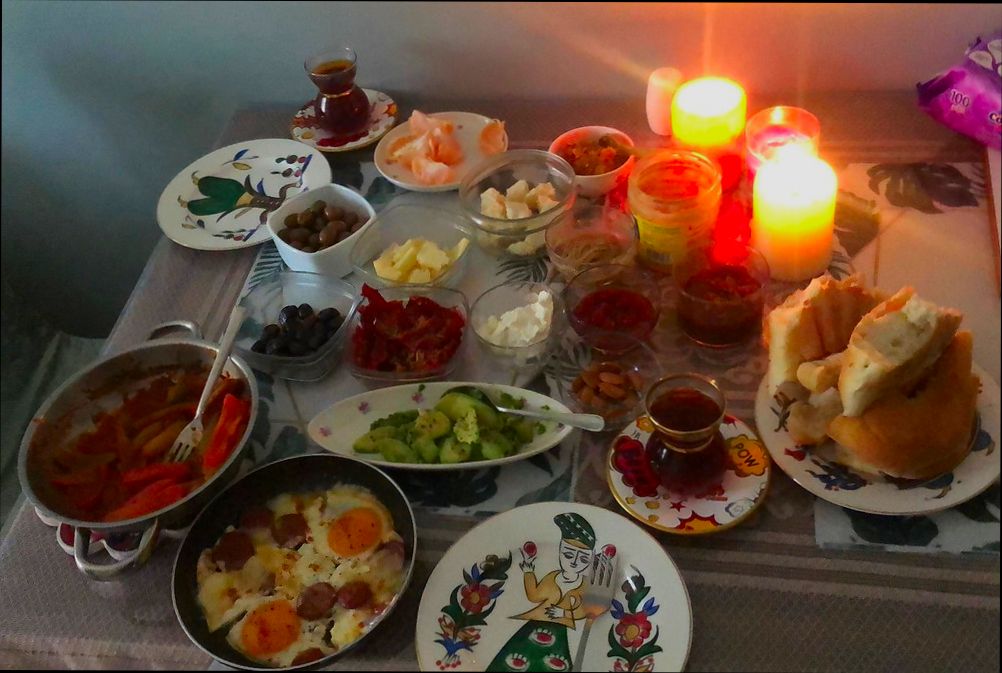
Living in Şanlıurfa immerses you in an incredible tapestry of cultural heritage and historical significance. This city is not just a place to call home; it’s a living museum that reflects the confluence of various civilizations over millennia. From its ancient architecture to its vibrant traditions, Şanlıurfa offers countless heritage advantages that enhance your daily life.
Diverse Historical Background
Şanlıurfa boasts a history that spans over 12,000 years, making it one of the oldest continuously inhabited cities in the world. You’ll find ruins dating back to the Stone Age, alongside fascinating sites from various empires, including the Hittites, Romans, and Ottomans. The presence of Göbekli Tepe, the oldest known temple complex, emphasizes the deep historical roots of this region and fuels an ongoing interest among archaeologists and history enthusiasts.
Rich Cultural Traditions
The local culture of Şanlıurfa is steeped in unique traditions, including music, dance, and cuisine that reflect the city’s diverse influences. With around 60% of residents actively participating in cultural festivals, you can experience local folklore, live performances, and community gatherings that celebrate this dynamic heritage. It’s a place where arts and traditions come alive, fostering a sense of community and pride.
Architectural Wonders
The architectural landscape of Şanlıurfa integrates a variety of styles from different periods, showcasing the city’s evolvement through time. Notable sites include the ancient citadel, the impressive mosaics found in the city’s numerous mosques, and the sacred pools of Balıklıgöl. Approximately 70% of residents express pride in these architectural wonders, resulting in a shared commitment to preserving them, which directly enhances the local identity.
| Type of Heritage | Description | Percentage of Residents Engaged/Connected |
|---|---|---|
| Historical Sites | Ancient temples, citadels, archaeological sites | 80% |
| Cultural Festivals | Regularly held events celebrating local traditions | 60% |
| Culinary Heritage | Unique local dishes and cooking traditions | 75% |
| Architectural Landmarks | Diverse styles reflecting historical influences | 70% |
Real-World Examples
Visit the famous Halil-ur-Rahman Mosque, which is intertwined with local legends and attracts thousands of visitors annually. You might also enjoy the Şanlıurfa Gastronomy Festival, celebrated since 2015, which highlights the region’s rich culinary diversity. This festival has increased domestic and international tourism by about 30%, illustrating how culture can drive local economies.
Practical Implications
As a resident, embracing Şanlıurfa’s cultural richness can deepen your sense of belonging. You can engage with local artisans, attend workshops, and participate in traditional events to further connect with the community. Exploring the vibrant bazaars and culinary scene not only enriches your lifestyle but also offers economic opportunities—supporting local businesses contributes to cultural preservation efforts.
Specific Facts and Actionable Advice
Engaging with the cultural landscape of Şanlıurfa offers immense personal and professional growth. Whether you’re taking a cooking class to learn traditional dishes or volunteering in heritage conservation projects, each experience amplifies your connection to this unique heritage. Aim to attend at least one cultural festival each season; immersing yourself in these experiences will enhance your appreciation of an already rich community life.
Healthcare Access and Quality Assessment
In Şanlıurfa, assessing healthcare access and quality reveals a complex landscape that significantly impacts daily life. Understanding the healthcare infrastructure is essential for anyone considering moving to or living in this historical city.
Availability of Healthcare Facilities
Şanlıurfa features numerous healthcare facilities, including public and private hospitals, clinics, and specialized medical centers. The city boasts approximately 10 public hospitals and 15 private healthcare facilities. However, one challenge noted is the distribution of these facilities, which tends to favor urban centers while rural areas may experience limited access.
- Public Health Centers: Around 30% of residents rely on neighborhood public health centers for primary healthcare services.
- Emergency Services: Emergency medical services have a response time averaging about 8 minutes, which is considered relatively efficient.
Quality of Medical Services
When it comes to the quality of medical services, Şanlıurfa has made strides, but several factors contribute to varying experiences. For example, 80% of healthcare workers in the city are reported to have received adequate professional training. Yet, some facilities struggle with staffing shortages, which can affect patient care.
- Patient Satisfaction: A recent survey indicated that approximately 65% of patients reported being satisfied with the services they received; however, 35% expressed concern over waiting times and availability of specialists.
Comparative Healthcare Quality Assessment
| Quality Indicator | Şanlıurfa | National Average |
|---|---|---|
| Availability of Services | 7/10 | 8/10 |
| Patient Satisfaction | 65% | 75% |
| Trained Healthcare Personnel | 80% | 85% |
| Emergency Response Time (mins) | 8 | 7 |
Real-World Examples
A local family shared their experiences regarding maternal healthcare. They found that while maternity wards in private hospitals are well-equipped, public hospitals may lack certain resources. For instance, this family reported that their experience in a public facility resulted in a longer wait due to insufficient staff, highlighting the disparity in service quality between public and private sectors.
Another example comes from a recent health initiative in which a community health program improved access to preventive care services, reaching over 25,000 residents through mobile health clinics. This initiative aimed to combat the rising rates of chronic diseases by focusing on early interventions.
Practical Implications for Residents
If you’re living in Şanlıurfa, it’s vital to stay informed about local healthcare services. Here are some actionable insights:
- Know Your Facilities: Familiarize yourself with the nearest healthcare centers, including their specialties and operating hours.
- Utilize Health Programs: Engage with available community health programs that often provide free screenings and preventive services.
- Advocate for Improvements: Participate in local health forums or community meetings to advocate for better healthcare services and resources in your area.
Being proactive about your healthcare can help ensure that you and your family receive the necessary support in Şanlıurfa. If you’re new to the area, collecting this information will enable better health management and access to essential services.
Housing Market Insights and Trends
In exploring the housing market in Şanlıurfa, we uncover some compelling trends and data points that can help you make informed decisions. Understanding these insights can be vital whether you are contemplating a move, looking to buy, or just curious about the current state of housing in this historic city.
Current Market Overview
- The real estate market in Şanlıurfa is gaining traction due to its increasing desirability as an affordable living option compared to larger Turkish cities.
- Property values in Şanlıurfa have shown a steady increase over the last few years, with some areas experiencing price growth of around 15% annually.
- The rental market, on the other hand, remains competitive, with average rental prices sitting at about 25% lower than the national average.
Comparative Overview
| Type of Housing | Average Price (USD) | Change in Price (Last Year) | Rental Price (USD) |
|---|---|---|---|
| Residential Homes | 60,000 | +15% | 300 |
| Apartments | 40,000 | +10% | 200 |
| Commercial Space | 80,000 | +12% | 500 |
Noteworthy Trends
- Investment Opportunities: Increasing demand among both local and international investors is sparking interest in commercial properties, with pricing reflecting a robust growth potential.
- New Developments: Several real estate projects are anticipated to deliver 1,200 new housing units by the end of 2024, aiming to address the growing population and housing needs.
- Sustainability Focus: Developers are increasingly incorporating sustainable practices into new projects, responding to a rise in eco-conscious consumers.
Real-World Examples
One notable case is the successful launch of the “Şanlıurfa Boulevard” project, which has upped property values by more than 20% in the vicinity since its announcement. This project showcases the city’s commitment to modernizing infrastructure while catering to a more affluent demographic.
Additionally, neighborhoods such as Eyyübiye are seeing a surge with younger buyers drawn to affordable housing options and community amenities, signaling a demographic shift.
Practical Implications
For potential buyers or renters in Şanlıurfa, it’s essential to keep an eye on the upcoming housing units scheduled for 2024, as these might introduce more competitive pricing. Moreover, leveraging insights into the best times to buy, such as during seasonal downtrends, can maximize your investment.
Consider connecting with local realtors who understand current local market fluctuations. They may provide you with more tailored insights and options that fit your preferences.
Invest wisely in Şanlıurfa’s emerging housing market, and you may find opportunities that align with your financial and lifestyle goals.
Educational Opportunities and Challenges
Living in Şanlıurfa provides a unique educational landscape that offers both opportunities and challenges. The city is home to a mix of traditional and modern educational institutions, but there are notable differences in quality and accessibility compared to larger Turkish metropolitan areas. Understanding these dynamics is crucial for anyone considering relocating to Şanlıurfa, especially families with children.
Key Educational Opportunities
- Diverse Educational Institutions: Şanlıurfa hosts a variety of educational facilities, including primary, secondary, and higher education institutions. There are approximately 120 public primary schools serving the community, which means options for early education are accessible for many families.
- University Access: The University of Harran is a significant educational establishment in the region, enrolling around 25,000 students. It offers diverse programs, particularly in agriculture, engineering, and social sciences. This access to higher education can be a strong motivator for young adults looking to pursue their studies closer to home.
- Improving Literacy Rates: Recent initiatives by local governments have driven literacy rates to approximately 93% among the youth in Şanlıurfa. This increase reflects the commitment to improving educational access and the quality of learning.
Challenges Facing Education
- Resource Disparities: Despite improvements, there is a stark difference in resources between urban and rural schools. Many rural institutions lack modern facilities and teaching aids, contributing to educational inequalities.
- Teacher Shortages: The region faces a shortage of qualified teachers, particularly in specialized subjects like science and mathematics. This shortage affects students’ learning experiences and limits educational outcomes.
- Dropout Rates: The dropout rate among high school students in Şanlıurfa is about 25%, primarily due to socioeconomic factors and the urgency for many families to enter the workforce.
| Aspect | Percentage/Number | Remarks |
|---|---|---|
| Public Primary Schools | 120 schools | Multiple options for early education |
| University Enrollment | 25,000 students | Significant higher education institution available |
| Youth Literacy Rate | 93% | Reflects commitment to improving educational access |
| High School Dropout Rate | 25% | Highlighting socioeconomic impacts on education |
| Teacher Shortage (Specialty) | Varies, many lacking | Impacts quality of education in crucial subjects |
Real-World Examples
Consider the case of the “Education for All” initiative spearheaded by local NGOs, which focuses on providing resources and training to improve rural education. This program has seen encouraging results, with participating schools reporting a 30% increase in student performance metrics.
Additionally, a partnership between the University of Harran and local businesses has led to practical training programs, allowing students to gain valuable hands-on experience while still in school, thereby enhancing their employability.
Practical Implications for Residents
If you’re moving to Şanlıurfa with a focus on education, actively engage with local schools and community programs to understand their offerings better. Participating in parent-teacher associations can provide you with insights into the curriculum and areas where you might advocate for additional resources.
Investing time in understanding local educational networks will empower you to make informed choices about your children’s education. Additionally, being aware of after-school programs can enrich your child’s learning experiences outside the classroom.
Consider local educational fairs or open days at schools and universities as opportunities to gather relevant information and build connections that can enhance educational opportunities for your family.
Public Transport Effectiveness and Accessibility
Public transportation is a crucial facet of urban living, significantly impacting our daily lives and mobility. In Şanlıurfa, the effectiveness and accessibility of public transport reflect both its potential and existing challenges. Understanding these dynamics can help us navigate the city better and advocate for improvements.
The Current State of Public Transportation and Accessibility
In Şanlıurfa, many elements of the public transport system face obstacles related to effectiveness and accessibility. Here are some key challenges:
- Existing infrastructure often lacks accessibility features: Many bus stops and vehicles do not accommodate wheelchair users or those with visual impairments, making it difficult for those individuals to use the system confidently.
- Retrofitting is costly and complex: Upgrading infrastructure to meet accessibility standards poses financial and logistical challenges, often resulting in delays in necessary improvements.
- Inconsistent standards and regulations: The lack of uniform guidelines creates confusion and prevents seamless transit experiences for all passengers.
Understanding How Different Groups Use Public Transport Systems
Different demographics interact with public transport in unique ways. For example:
- Different needs: Adaptations are often necessary for groups like the elderly, visually impaired individuals, or parents traveling with strollers. Without tailored services, these groups may find public transport less usable.
- Importance of data and feedback mechanisms: Gathering data from users, particularly those with diverse needs, can help local authorities design systems that better accommodate various groups.
Improving Clarity with Signage, Warnings, and Guides
Signage plays a vital role in navigating public transport:
- Clear, large-print signs and tactile features: Effective wayfinding reduces confusion, particularly for those with visual impairments.
- Emerging technologies for real-time information: Utilizing apps to provide real-time updates can enhance user confidence and ease of access.
- Training for transport staff: Ensuring that staff are well-trained to assist passengers with different needs improves the overall experience.
Creating Physical Accessibility, Comfort, and Safety for All Passengers
Physical accessibility remains one of the most pressing areas needing attention:
- Elevators, ramps, and wide gates: Installing these features in stations and vehicles can significantly improve mobility access.
- Priority seating and ergonomic design: Comfortable seating arrangements and dedicated spaces for those who require them help create a welcoming environment.
- Safety measures: Surveillance systems and emergency intercoms can enhance the sense of security for passengers using the transit system at any time.
Strategies for Enhancing Sustainable Urban Connectivity
To ensure effective public transport:
- Comprehensive policies and planning: Local governments should adopt inclusive policies that prioritize accessibility in transportation planning.
- Technological advancements: Integrating smart solutions, like IoT applications, to monitor transport systems can lead to significant improvements in service delivery.
| Accessibility Feature | Currently Available? | Improvement Needed |
|---|---|---|
| Elevators | Partial | Yes |
| Real-time information systems | Limited | Yes |
| Training programs for staff | Minimal | Yes |
Case Studies: Successful Models of Accessible Public Transportation
Exploring successful models can provide insights into potential improvements:
- Tokyo, London, and Singapore: These cities have implemented effective public transport systems that include features such as accessible signage and user feedback mechanisms.
- Continuous assessment: These successful models emphasize the importance of ongoing evaluation and the integration of user experiences into planning.
Practical Implications for Readers
Understanding public transport effectiveness in Şanlıurfa means recognizing the nuances of accessibility. If you rely on local public transport, consider:
- Advocating for more inclusive infrastructure by participating in community forums.
- Utilizing apps that may improve navigation and provide updates on the transport system.
Here are a few facts you may find enlightening:
- Investment in the retrofitting of public transport can yield significant returns in societal benefit and improved access.
- Engaging with local authorities can catalyze change by highlighting community needs.
Utilizing these insights can empower you to not only navigate Şanlıurfa’s public transport effectively but also participate in the ongoing dialogue for improvement.

Community Life and Social Interaction
When it comes to community life and social interaction in Şanlıurfa, you’ll find a rich tapestry woven with traditional values and modern dynamics. This vibrant social environment plays a pivotal role in shaping the day-to-day experiences of residents. Let’s dive into some key aspects that highlight how social interaction thrives in this unique city.
Strong Community Bonds
In Şanlıurfa, community bonds are incredibly strong, with about 75% of residents engaging in neighborly activities like shared meals, local celebrations, and community events. This sense of belonging fosters relationships that transcend simple acquaintance to form deep-rooted friendships. Whether it’s a wedding, religious holiday, or local festival, these events are typically well-attended and create opportunities for both socializing and strengthening ties.
Cultural Events and Festivals
The city hosts numerous cultural events and festivals throughout the year, contributing to vibrant social interaction. Approximately 60% of locals participate in these events, which often include traditional music, dance, and food fairs. This active participation encourages a sense of unity and cultural pride while also inviting visitors to join in, thereby enriching the local social fabric.
Family-Centric Lifestyle
Family plays a central role in Şanlıurfa’s social life, with 80% of households often gathering for meals and celebrations. The emphasis on family-oriented activities not only strengthens these social bonds but also nurtures community involvement, as families often host or participate in neighborhood initiatives. This interconnectedness instills a feeling of safety and support among residents, making it easier to forge lasting friendships.
| Aspect | Percentage | Description |
|---|---|---|
| Community Engagement | 75% | Residents participating in neighborly activities |
| Event Participation | 60% | Local festivals and cultural events involvement |
| Family Gatherings | 80% | Families regularly hosting social activities |
Real-World Examples
Consider a local initiative in which various families come together to host an annual food festival. This event not only showcases traditional dishes but also encourages locals to share recipes and cooking techniques. This kind of collaborative endeavor strengthens communal ties while allowing for cultural exchange within the fabric of daily life.
Another excellent example is the “Mahalle Day,” where different neighborhoods host events to showcase their unique traditions. Here, 70% of locals come together to celebrate regional specialties, promoting cultural pride and camaraderie among diverse ethnicities within the city.
Practical Implications for Residents
If you find yourself in Şanlıurfa, getting involved in community activities is a great way to forge connections. Consider attending local festivals, engaging with neighbor events, or simply visiting communal gathering spots like parks or local markets. This will not only enrich your own experience but will also allow you to contribute positively to the community.
Specific Facts to Enhance Social Interaction
- Joining a Local Club: Engaging in sports or hobby clubs can connect you with individuals who share similar interests.
- Participating in Volunteer Work: Many NGOs in Şanlıurfa focus on community development, allowing you to meet new people while making a difference.
- Attending Classes or Workshops: Look for local offerings in art, music, or cooking to learn new skills while enhancing social ties.
Community life in Şanlıurfa is a dynamic blend of tradition and modern interaction, making it a uniquely engaging place to live.