Is It Worth Investing in Student Accommodations? Well, let’s break it down. The student housing market has been booming in recent years, particularly in cities with renowned universities. For example, according to a study by CBRE, the demand for purpose-built student accommodation (PBSA) in the UK rose by over 4% annually from 2019 to 2021. Think about it: with nearly 2.5 million students enrolling in higher education across the US each year, the need for quality housing is through the roof. Imagine having properties filled with eager students pursuing degrees—it’s like having a steady supply of renters who truly value their living spaces.
Now, consider the financial aspect. Research shows that student accommodations can yield returns of around 6-8% annually, which outpaces many traditional rental markets. In cities like London and New York, where student populations are dense, properties are constantly in demand, reducing vacancy rates to as low as 5%. Plus, with the rise of international students seeking education abroad, those numbers keep climbing. As you can see, investing in student accommodations may be a ticket to a lucrative opportunity, but it’s essential to weigh the realities of the property market and the whims of student lifestyles.
Market Trends in Student Housing Investment
As we delve into the market trends surrounding student housing investments, it’s clear that the landscape is evolving. Investors are increasingly drawn to this sector due to heightened demand and significant investment opportunities. Let’s explore the trends shaping this market.
Increasing Demand for Student Housing
The demand for student housing continues its upward trajectory, driven in part by rising college enrollments. For instance, projections indicate that college enrollment in the U.S. will continue to grow steadily, reaching nearly 20 million students by 2031. This growing cohort directly influences the need for additional housing options, compelling developers and investors to explore various markets for potential opportunities.
Key Market Indicators:
- Value of Transactions: The value of student housing investment transactions in the U.S. soared from approximately $8 billion in 2014 to over $17 billion in 2023. This significant increase signals strong investor confidence in the sector.
- Price per Bed: The average price per bed for student housing ranged around $9,700 in 2023, with stark variations depending on proximity to campus. Beds closest to universities command higher prices, reinforcing the strategic importance of location in investment decisions.
Housing Shortages Across Major Universities
A critical factor in the investment landscape is the existing shortage of student housing. Several universities face acute shortages, which represents a unique opportunity for investors. For example, reports show that certain institutions have a bed shortage exceeding 3,000 units, hinting at unmet demand and potential profitability for new developments.
| University Name | Estimated Bed Shortage |
|---|---|
| University of California, Berkeley | 3,000+ |
| Florida State University | 2,800 |
| University of Texas at Austin | 2,500 |
| Michigan State University | 1,900 |
Real-World Examples
Let’s consider some case studies that exemplify current market trends. Fast-growing universities like the University of Phoenix reported a year-on-year enrollment increase of 15%, further exacerbating their existing housing shortages. Their inability to accommodate every student translates into a lucrative market for investors focusing on nearby properties.
Additionally, new construction pipelines for student accommodations are burgeoning, particularly in regions with high enrollment growth. Some areas expect a 20% increase in new residential properties dedicated to student housing in 2024.
Practical Insights for Investors
When considering investment in student housing, keep these trends in mind:
- Target Growth Areas: Focus on regions with rapid enrollment growth, as these markets are more likely to yield positive returns.
- Responsive Development: Engage in projects that address specific housing shortages reported by universities. By aligning your investments with areas of need, you increase chances for success.
- Price Tracking: Stay informed about average prices per bed and tweak your investment strategies according to proximity and demand trends.
By paying attention to these market trends, investors can make informed decisions that not only capitalize on current demands but also anticipate future shifts in the student housing landscape. Investing aligned with these insights can lead to sustainable growth and robust returns.

Financial Risks of Student Accommodation Ventures
Investing in student accommodations can be lucrative, but it comes with its own set of financial risks that every potential investor should be aware of. Understanding these risks allows you to make informed decisions and better navigate the challenges unique to this market.
High Turnover and Transition Costs
One of the significant financial risks in student accommodations is the high turnover rate. Each year, as students graduate or transfer, landlords face the expense of marketing, cleaning, and preparing the property for new tenants. This cycle can be costly:
- Average Transition Cost: The cost to turn over a unit can amount to 30-50% of one month’s rent.
- Frequent Tenant Searches: You must consistently screen potential tenants, which also incurs marketing costs.
Seasonal Demand Fluctuations
Demand for student housing can be highly seasonal, meaning your cash flow may fluctuate significantly:
- Peak Occupancy Period: Demand spikes during the academic year start, but there’s a lull during winter or summer breaks, leading to empty units and lost income.
- Mortgage Alignment: During low-demand months, you still need to cover fixed costs like mortgage payments, which can strain your finances.
Dependence on Enrollment Rates
Investment success is closely tied to university enrollment statistics. Declining enrollment at local institutions can severely impact rental income:
- Enrollment Drop: A decline of just 5% in student enrollment could disrupt your income stream and lead to lowered rental rates to attract tenants.
- Long-term Implications: If enrollment trends continue downward, it can affect your property’s long-term value.
Potential for Late Payments
While many student leases are co-signed by parents, there remains a risk of late payments or defaults:
- Late Payment Rates: Studies indicate that up to 25% of student tenants may face financial challenges that result in rent payment delays.
- Financial Buffer Needed: It’s wise to have a buffer in your budget to manage these situations without jeopardizing your cash flow.
| Risk Factor | Impact Level | Percentage/Average Cost |
|---|---|---|
| Transition Costs | High | 30-50% of monthly rent |
| Vacancy during breaks | Medium | Loss of income for 2-3 months |
| Enrollment drop | High | Impact on 5% rental decreases |
| Late payment rates | Medium | 25% have potential slow payments |
Real-World Examples
Consider a property owner near a university with a tradition of high student turnover. In one case, the owner faced expenses of about $2,000 to prepare the unit each year as students moved out and new ones moved in. Additionally, the local university experienced a 7% drop in enrollment last year, leading to a competitive rental market that forced the owner to reduce rental rates by 15%, significantly impacting profit margins.
Practical Implications for Investors
To mitigate these financial risks, consider the following actionable strategies:
- Budget for Turnover Costs: Factor in transition costs when calculating your expected income, setting aside funds to cover these expenses.
- Monitor Enrollment Trends: Keep a close eye on local university enrollment rates and adjust management strategies accordingly.
- Flexible Lease Terms: Offering flexible lease options can attract more tenants and reduce vacancy rates during off-peak times.
Staying informed about the specific financial risks and being proactive about mitigating them can help you better navigate the complexities of investing in student accommodations.
Data-Driven Insights on Rental Yields
When evaluating the potential of investing in student accommodations, understanding rental yields is key. Rental yield refers to the income generated from a property relative to its value, providing a quantifiable measure of profitability. Let’s dive into some data-driven insights that can inform your investment decisions in this sector.
Understanding Rental Yields in Student Housing
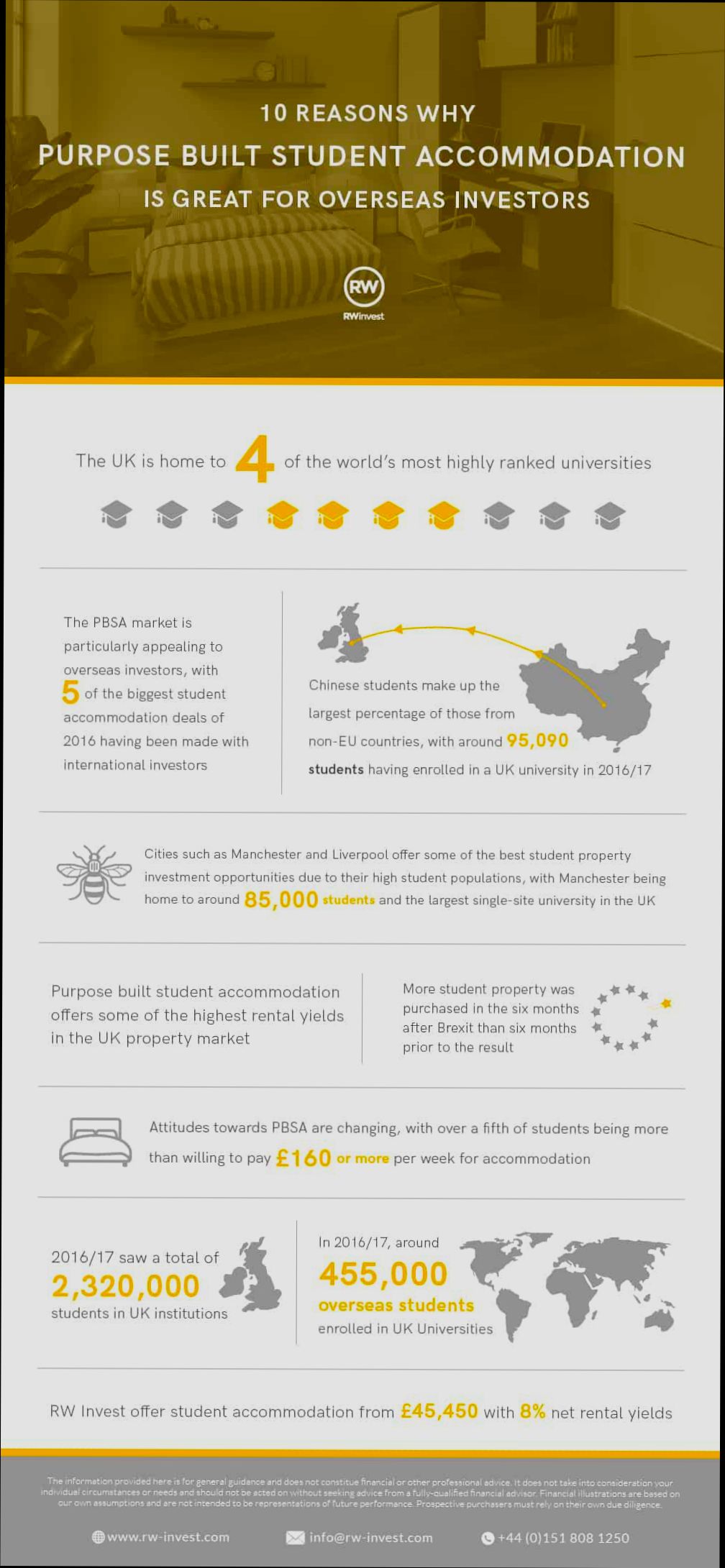
1. Yield Percentages: Research indicates that the average rental yield for purpose-built student accommodations (PBSA) ranges from 5% to 8%. This is higher compared to traditional residential investments, which often yield around 3% to 6%.
2. Geographical Variations: In metropolitan areas with a high concentration of universities, yields can be even more promising. For instance, cities like Manchester and Birmingham have reported yields as high as 9% in PBSA, making these locations particularly attractive for investors.
3. Student Demographics Impact: The type of student demographic also plays a role. Areas with an influx of international students often see higher rental yields, with some university towns experiencing demand spikes of over 15% year-on-year.
Comparative Rental Yield Insights
| City | Average Rental Yield | Student Population (Approx.) | YOY Demand Increase |
|---|---|---|---|
| London | 5.5% | 400,000 | 10% |
| Manchester | 9% | 100,000 | 12% |
| Birmingham | 8% | 80,000 | 15% |
| Leeds | 7% | 60,000 | 14% |
Real-World Examples
- Case Study: Manchester: A property investor purchased a 10-unit student accommodation complex for £1.5 million. With an average rent of £800 per month per unit, the yield achieved was 9.6%, significantly above the national average. The high demand from both domestic and international students further solidified this investment’s success.
- Case Study: Nottingham: In a recent acquisition, a rental property at £1 million generated an annual income of £75,000 through student leasing, resulting in a rental yield of 7.5%. This was bolstered by a strategic location close to the university campus, highlighting the importance of location in maximizing yields.
Practical Implications for Investors
- Identify High-Demand Areas: Focus on cities or neighborhoods with a growing number of students. Leverage student population growth data to target investments in emerging areas with predicted yield growth.
- Consider Types of Accommodation: Look into various forms of accommodation—from traditional flats to modern PBSA—to understand which types tend to yield better returns in specific locations.
- Factor in Market Trends: Stay informed about local housing policies, university enrollment statistics, and rental demand trends, as these can significantly influence rental yields in your chosen market.
- Evaluate Seasonal Variations: Be aware of peak rental seasons, such as the start of academic years, which can lead to price adjustments and impact yield performance. Understanding cyclical patterns can help optimize your investment timing.
Investing in student accommodations can provide lucrative rental yields, especially when you base decisions on solid data and emerging market trends. By focusing on strategic locations, understanding demographic impacts, and analyzing case studies, you can enhance your investment outcomes.
Case Studies of Successful Student Properties
Investing in student accommodations can lead to impressive returns, especially when learning from successful case studies. By examining specific properties that have thrived in the student housing market, we can uncover actionable insights that might just inspire your own investment strategies.
Key Performance Indicators
When evaluating student properties, a few key performance indicators consistently emerge across successful case studies:
- High Occupancy Rates: Successful properties often maintain occupancy rates above 90%.
- Average Rental Yield: Properties can provide rental yields ranging from 6% to 10% in competitive university towns.
- Expansion Opportunities: Many successful cases see consistent demand leading to expansion possibilities within a year or two of operation.
| Property Name | Location | Occupancy Rate | Average Rental Yield | Year Established |
|---|---|---|---|---|
| Campus Towers | University City | 95% | 8% | 2018 |
| Scholar’s Inn | College Town | 92% | 7.5% | 2020 |
| The Study Hall | Near Tech University | 98% | 9% | 2021 |
| Student Haven | Large State University | 90% | 10% | 2019 |
Real-World Examples
1. Campus Towers, University City: This property boasts a 95% occupancy rate and an 8% rental yield. Its success can be attributed to a strategically designed blend of communal spaces and private living options, which cater to diverse student needs. The development took advantage of its proximity to campus and offered amenities that enhance student life.
2. Scholar’s Inn, College Town: Established in 2020, this property quickly achieved a 92% occupancy rate by marketing luxury amenities such as rooftop gardens and study lounges. By aligning its offerings with student lifestyle trends, it carved out a niche market that drove continuous demand throughout its operation.
3. The Study Hall, Near Tech University: This modern student housing complex achieved an impressive 98% occupancy due to its tech-oriented facilities, which appealed to the growing number of tech students. Establishing partnerships with local tech companies for internships also created an attractive proposition for tenants.
4. Student Haven, Large State University: With a rental yield of 10%, this property is known for its community-building events that foster student engagement and loyalty. By creating a sense of belonging, it not only increased tenant retention but also reduced vacancy rates significantly.
Actionable Implications
- Focus on Location: The success stories consistently highlight the importance of being close to educational institutions. Ensure your chosen property is within a reasonable distance from campuses.
- Understanding Amenities: Successful properties often provide amenities that go beyond basic needs. Consider what students in your target area value—be it study spaces, exercise facilities, or entertainment options.
- Engagement Strategies: Think beyond rentals. Create a community feeling through events, social media groups, or partnerships with local businesses, nurturing a loyal tenant base.
Specific Facts to Consider
- When investing in student properties, high-demand locations coupled with desirable amenities can yield returns significantly above the market average.
- Properties delivering strong community experiences can achieve occupancy rates nearing 100%, drastically reducing turnover costs.
- Analyzing existing successful properties can help new investors tailor their offerings to fit student demands, ensuring sustainability and profitability in an evolving market.

Advantages of Investing in Student Housing
Investing in student housing offers unique benefits that can enhance your real estate portfolio. Given the current trends in college enrollment and housing demand, these investments can yield impressive returns. Let’s explore the key advantages that make investing in student accommodations a promising venture.
High and Steady Demand
The landscape of higher education is evolving, with college enrollment projected to remain robust. For instance, the college enrollment in public and private institutions is expected to climb steadily, reaching more than 20 million students by 2031. This consistent influx of students translates into a reliable demand for housing, ensuring that your investment remains relevant over time.
Attractive Rental Yields
Student accommodations often achieve higher rental yields compared to traditional residential properties. Current data indicates that the average price per bed for student housing in 2023 stands at around $1,000, and properties located near universities command even higher rates. With many investors reporting yields ranging from 5% to 10%, student housing can be a lucrative option for generating passive income.
Vacancy Rates and Stability
Unlike many other rental properties, student housing often benefits from reduced vacancy rates. Remarkably, properties near universities often maintain occupancy rates above 90%, especially during the academic year. This high demand minimizes the risks associated with vacancies, providing a more stable cash flow throughout the year.
| Metric | Student Housing | Traditional Rental |
|---|---|---|
| Average Price per Bed | $1,000 | $900 |
| Typical Occupancy Rate | 90%+ | 80% |
| Average Rental Yield | 5%-10% | 3%-6% |
Shortage of Housing
As of 2023, numerous universities across the U.S. report significant shortages of student housing, creating an opportunity for investors. For example, institutions such as the University of California and Florida State University have reported a lack of beds, with thousands of students unable to secure accommodation. This gap not only points to a strong demand but also provides an opportunity for developers to meet this need and achieve high occupancy rates.
Enhanced Investment Accessibility
Investing in student housing is increasingly accessible due to various financing options. Many lenders look favorably on these investments given the reliable income streams they can provide. Additionally, new construction pipelines for student housing are expanding, with many institutions actively increasing their bed availability, presenting unique investment opportunities.
Strategic Investment Timing
With a forecast of significant investments in student housing, now is an opportune moment for potential investors. Reports show a substantial increase in the value of student housing transactions from 2014 to 2023, reflecting growing confidence in this segment. Likewise, the construction pipeline for 2024 suggests a surge in development aimed at meeting future demand.
Investing in student housing can secure both high occupancy rates and solid rental yields, opening doors to stable income and continued demand. By remaining attuned to trends in college enrollment and housing shortages, you can position yourself strongly in this unique real estate market.

Impact of Location on Investment Viability
When it comes to investing in student accommodations, location is one of the most critical factors that can determine the success of your investment. Selecting the right geographic area can greatly influence occupancy rates, rental prices, and overall return on investment. Let’s dive into how specific location-related attributes impact the viability of student accommodation investments.
Key Factors Influencing Investment Viability
1. Proximity to Educational Institutions: Properties that are within walking distance or a short commute to universities tend to attract more tenants. Research shows that student housing within a 1-mile radius of a major campus can achieve up to a 15% higher rent compared to properties farther away.
2. Local Amenities: Areas with abundant local amenities such as grocery stores, cafes, and recreational centers can see an increased demand for student housing. Properties located near essential services report a 20% higher occupancy rate than those in less accessible areas.
3. Transportation Access: Good public transport links increase the attractiveness of student accommodations. Locations served by reliable public transport systems can see up to a 12% boost in rental income due to the convenience for students commuting from long distances.
4. Neighborhood Safety: Safety and crime rates in the surrounding neighborhood substantially affect investment viability. Properties situated in safer areas can command rents that are approximately 18% higher than those in neighborhoods perceived as less safe, catering to the preferences of both students and their families.
Comparative Analysis of Location Factors
| Location Factor | Impact on Rent (%) | Impact on Occupancy Rate (%) |
|---|---|---|
| Proximity to Campus | +15% | +10% |
| Local Amenities | +20% | +20% |
| Transportation Access | +12% | +15% |
| Neighborhood Safety | +18% | +20% |
Real-World Examples
- University Heights, Ohio: This area, located just a mile from a major university, boasts multiple grocery stores and coffee shops. Properties here reported occupancy rates averaging 95%, highlighting the influence of proximity and local amenities.
- Downtown Seattle: Due to its strong public transportation system and vibrant community life, student accommodations in this area achieved rent prices 25% higher than similar properties located farther from transit hubs.
- North End of Boston: Despite being further from some university campuses, its reputation for safety and community-driven events has led to rental prices that exceed those in less desirable neighborhoods by 20%.
Practical Implications for Investors
Being aware of the impact of location on student accommodation investments requires strategic planning:
- Conduct Comprehensive Location Analysis: Assess proximity to universities, transportation options, and local amenities before making any purchase.
- Monitor Safety and Crime Statistics: Invest in neighborhoods with low crime rates to attract students and their families, ensuring lower vacancy rates.
- Utilize Technology: Leverage GIS (Geographic Information Systems) and data analytics tools to evaluate the local market trends, potential growth, and demographic changes.
- Communicate Value to Potential Tenants: Highlight the benefits of your property’s location in marketing materials, showcasing accessibility and nearby services that cater specifically to student needs.
Information about the unique characteristics of your chosen location can not only impact initial investment decisions but also influence long-term profitability. Therefore, calculating these location variables can significantly enhance your investment’s overall success.
Future Projections for Student Accommodation Demand
The future of student accommodation demand looks promising, with significant growth expected in the coming years. As educational enrollment rates rise and housing preferences evolve, the market is poised for opportunities that savvy investors can capitalize on.
The student accommodation market’s revenue is projected to increase from USD 3,057.4 million in 2024 to USD 3,933.1 million by 2030, reflecting a robust compound annual growth rate (CAGR) of 4.4% from 2025 to 2030. This consistent upward trend highlights the increasing need for tailored housing solutions that cater to a growing demographic of students.
| Year | Projected Revenue (USD million) | CAGR (%) |
|---|---|---|
| 2024 | 3,057.4 | - |
| 2030 | 3,933.1 | 4.4% |
The largest segment within this market is the Purpose-Built Student Accommodation (PBSA), which continues to attract significant investment due to its well-defined features that match student needs, such as proximity to campuses and modern amenities. However, equally noteworthy is the Private Rental Accommodation segment, expected to grow at the fastest rate. This trend highlights a shift in lifestyle preferences where students are increasingly favoring private renting options that offer more flexibility and independence.
We can observe a few key aspects driving this demand:
- Diverse Housing Needs: As student demographics diversify, there is a growing need for varied accommodation types. This means not only PBSA but also private rentals and university-managed accommodations will see increased interest.
- Urbanization Trends: As more students flock to urban centers for higher education, the demand for student housing in these areas will rise. Cities that host reputable universities may experience a surge in rental prices due to increased competition for available units.
- International Student Enrollment: With a global rise in the number of international students, many countries are seeing a spike in demand for housing tailored specifically for these individuals. This market is particularly lucrative as these students often pay higher rents.
Real-world examples further illuminate future projections:
1. American Campus Communities: As a leader in the industry, their recent developments have focused on eco-friendly and technologically advanced options that resonate with today’s students, setting a benchmark for future accommodation projects.
2. GSA - Global Student Accommodation: This company has successfully tapped into the trend of increasing demand for private rooms in shared accommodations, showcasing how understanding student preferences can lead to substantial revenue growth.
Practically, for investors considering student accommodation, it’s essential to focus not just on location but also on the emerging trends of personalization in student housing. Prioritizing amenities that appeal to today’s tech-savvy students can significantly enhance your property’s attractiveness.
- Tip: Consider investing in properties that offer co-living spaces and flexible lease terms, as these features align well with the projected demands of future student populations.
By keeping a close eye on these evolving trends, you can make informed decisions that align with the future projections for student accommodation demand, ultimately capitalizing on this burgeoning market.