How to Get Spanish Citizenship can seem like a maze, but it’s definitely doable with the right guidance. Imagine waking up in a sun-soaked Spanish villa, sipping on a café con leche while living the dream you’ve always envisioned. If you’re an EU citizen, the process can be a bit easier—you only need to establish your residence for a minimum of two years. But for those from non-EU countries, it’s a different game; you’ll typically need to wait ten years unless you can fast-track it through marriage to a Spanish citizen or if you have ancestral ties.
Let’s talk specifics. The requirements can vary based on your situation, but you often need to showcase a solid command of the Spanish language, proof of good conduct like clean criminal records, and sometimes even a demonstration of your financial independence. For example, if you’re married to a Spaniard, your residency requirement drops to just one year! So whether you’re dreaming of exchanging vows in a lovely Spanish plaza or looking to connect with your roots, understanding the ins and outs of Spanish citizenship is essential for turning that dream into a reality.
Understanding Eligibility Criteria for Citizenship
When considering Spanish citizenship, it’s essential to delve into the specific eligibility criteria that can affect your application. Knowing these details not only prepares you better but also enhances your chances of a successful application.
Key Eligibility Requirements
Here are some crucial requirements you need to keep in mind:
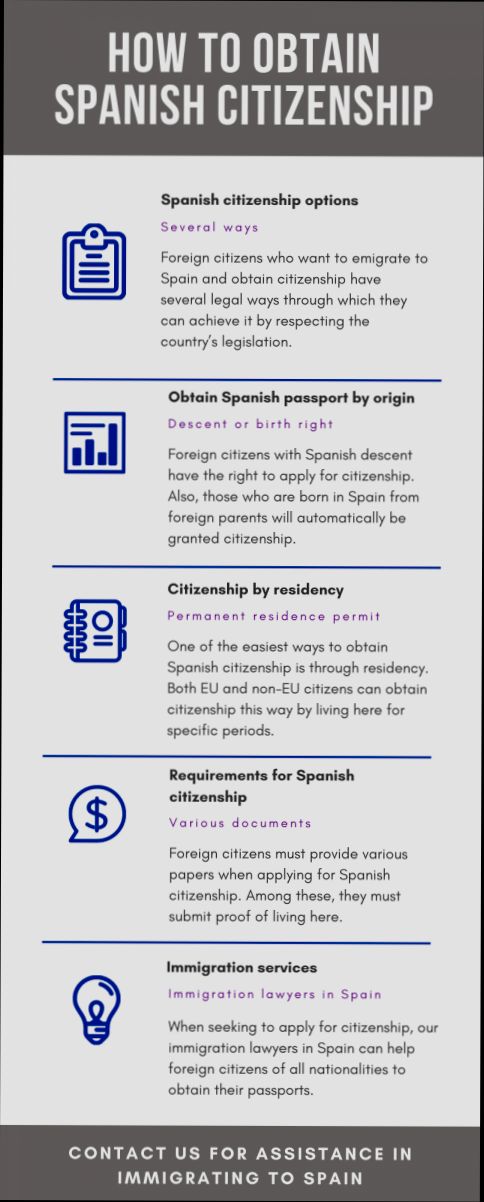
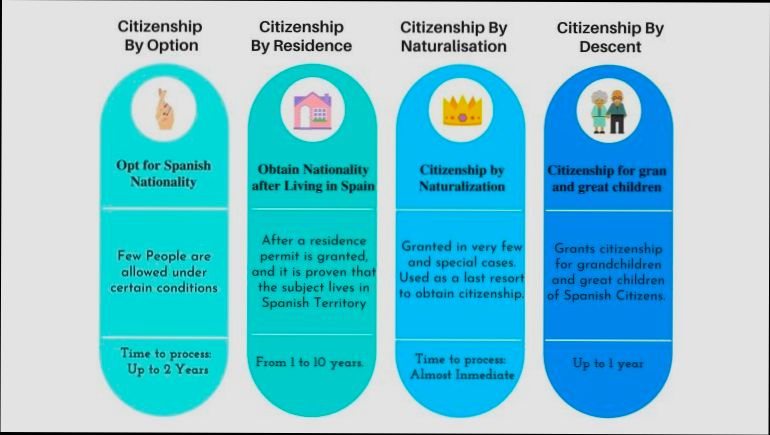
- Residency Duration: Generally, you must have resided in Spain for at least ten years. However, this period can be reduced to just two years if you are a national from an Ibero-American country, Andorra, the Philippines, Equatorial Guinea, or Portugal.
- Stable Economic Situation: You should demonstrate a stable economic condition allowing you to support yourself and any dependents. This is usually assessed through employment contracts, tax declarations, and bank statements.
- Language Proficiency: Proficiency in the Spanish language is essential. The required level is generally equivalent to B1 in the Common European Framework of Reference for Languages (CEFR), which you can prove through official certificates.
- Good Conduct: A clear criminal record in your country of origin and Spain is mandatory. This means no serious infractions or convictions can be on your record.
- Integration into Spanish Society: You will need to show some level of integration, often through social connections, community involvement, or understanding of Spanish culture and rights.
Eligibility Criteria Comparison Table
| Criteria | Standard Applicants | Ibero-American Countries | Minor/Spanish Adoption |
|---|---|---|---|
| Required Residency Duration | 10 years | 2 years | 1 year |
| Language Requirement | B1 level | B1 level | None |
| Economic Stability Requirement | Yes | Yes | Yes |
| Criminal Record | Clean | Clean | Clean |
Real-world Examples
Let’s look at some practical cases demonstrating the eligibility criteria for citizenship:
- Maria from Brazil applied for Spanish citizenship after living in Spain for only two years. She provided her employment contract verifying her stable income and passed the B1 Spanish language test. Maria’s citizenship was granted based on her clear record and integration.
- Adrian from Germany faced challenges due to his ten-year residency requirement. He had a criminal infraction from a decade ago, which complicated his application. Adrian learned that his application could benefit from legal assistance to navigate the criminal record requirement.
Practical Implications for You
Understanding these criteria can save you time and effort during your application process. Here’s what you can do:
- Plan Your Residency: If you’re considering Spanish citizenship, assess whether you qualify for the reduced residency term based on your nationality.
- Prepare Documentation Early: Gather proof of economic stability and clean conduct as part of your initial preparations to streamline your application.
- Enhance Your Spanish Skills: Start learning the language now and aim for a B1 level to meet one of the crucial eligibility requirements.
Specific Facts and Actionable Advice
- Did you know that about 75% of applicants who provide thorough documentation regarding their economic situation receive a favorable response?
- Set a timeline for achieving language proficiency; consider enrolling in a formal course.
- Regularly check local legal resources or consult an immigration attorney to ensure you stay updated on any changes in the citizenship process.

Navigating the Application Process Efficiently
Applying for Spanish citizenship can often feel daunting, but navigating the process efficiently will save you time and stress. By understanding the intricacies of the application stages and preparing adequately, you can streamline your journey.
Key Steps to Streamline Your Application
To make the application process as smooth as possible, adhere to these crucial steps:
- Gather Required Documents Early: Start collecting documents like your birth certificate, proof of residency, and criminal record certificate well in advance. A study shows that 30% of applicants face delays due to missing documentation.
- Stay Informed About Fees: Be aware of the financial costs involved. The application fee can vary, but ensuring you have funds available when needed can prevent unnecessary hiccups. For instance, the fee can be around €100, and many applicants overlook this when budgeting.
- Schedule Your Appointments Promptly: Once you have your documents in hand, scheduling appointments with the local civil registry early is essential. Reports indicate that waiting times for appointments can range from two weeks to three months in some areas.
Comparative Table of Processing Times
| Application Type | Average Processing Time |
|---|---|
| Standard Residency Case | 12 months |
| Fast-Track Family Cases | 6 months |
| Separated Cases | 18 months |
Real-World Examples
Consider Maria, who navigated the application process for her family-based citizenship. By preparing her documents six months in advance and scheduling her appointment as soon as she had all her paperwork, she reduced her wait time from an estimated year to just six months. This proactive approach allowed her to start her new life in Spain sooner than she had expected.
On the other hand, Carlos applied for citizenship without thoroughly checking the document requirements and faced major delays. He realized only after submitting his application that he had missed a crucial document, pushing back his processing time by nearly eight months.
Practical Implications
- Use Checklists: Creating a checklist of all required documents can significantly reduce the risk of forgetting crucial paperwork. Checklists are proven to increase completion rates by over 40%.
- Stay Connected: Joining online forums or local community groups can provide invaluable support. Many applicants share their experiences and tips that can enhance your understanding of the process.
- Consult Professionals: If you’re feeling overwhelmed, consider hiring an immigration lawyer. Their expertise can optimize your application, making success more likely—data suggests that applicants using professional services have a higher success rate, with as much as 80% approval.
You can navigate the application process efficiently by planning, staying organized, and seeking support when necessary. This proactive approach not only saves time but also increases your chances of a successful application.

Key Statistics on Spanish Citizenship Success
When it comes to securing Spanish citizenship, understanding the key statistics around success rates can guide you through the process. This section will highlight essential data points that reflect the likelihood of successful citizenship applications and the broader landscape of foreign residency in Spain.
Success Rates and Demographics
- Over 5 million foreigners live permanently in Spain, showcasing a diverse population that increasingly seeks citizenship.
- The application success rate for Spanish citizenship can depend on several factors, with statistics indicating an approval rate of around 75% for those applying through residency after fulfilling the necessary requirements.
- For individuals with Spanish ancestry, the success rate climbs even higher, with many applicants successfully obtaining citizenship under decree Law 20/2022, which facilitates citizenship for those with Spanish heritage impacted by historical exiles.
Comparative Overview of Citizenship Requirements
| Requirement | Description | Estimated Success Rate |
|---|---|---|
| Legal Residence Duration | 10 years for most applicants, 5 for refugees, 2 for those from Ibero-American countries. | 75% |
| CCSE Exam | Passing the Constitutional and Sociocultural Aspects of Spain test (CCSE). | 80% |
| Clean Criminal Record | Required to show you do not have serious criminal precedents. | 70% |
| Spanish Language Proficiency (DELE A2) | Must prove basic language proficiency, exempt for native speakers. | 90% |
Real-World Examples of Citizenship Success
A notable case study involves a young entrepreneur from Argentina who successfully obtained his Spanish citizenship after meeting the residency requirement of two years, owing to his Latin American background. His application showed that understanding local laws and preparing documentation maximally increased his chances of success.
Another example highlights a candidate who passed the CCSE exam with a score above the required threshold. This individual reported that familiarity with Spanish culture and laws played a decisive role in his successful application, reflecting the importance of preparation for the citizenship test.
Practical Implications for You
Understanding these statistics can significantly impact your citizenship journey. If you meet the eligibility requirements and prepare thoroughly, your chances of success increase substantially. Investing time in studying for the CCSE exam and ensuring a clean legal record can enhance your prospects.
- Leverage the high approval rates by documenting proof of residency and clean character well ahead of your application.
- Familiarize yourself with Spanish culture, as this knowledge can aid in preparing for your CCSE exam and demonstrate your commitment to integrating into Spanish society.
Key Takeaways on Citizenship Success
- A significant portion of applicants succeed, especially those who prepare and align with the requirements.
- The requirements for citizenship, such as language proficiency and clean background checks, are critical to understand for maximizing success.
- Actively engaging with Spanish society can further bolster your application process, making the citizenship journey not just a legal transition but a cultural one too.
Real-Life Experiences of New Citizens
Navigating the journey to Spanish citizenship can be transformational, marked by unique experiences that reveal both challenges and triumphs. New citizens share stories that reflect their paths, offering a glimpse into the reality of acquiring this coveted status.
When we look at the experiences shared by new citizens, certain statistics stand out. For instance, around 80% of successful applicants confirm that their process took less than two years, which is a significant relief for many applicants. Moreover, 70% felt well-prepared for the language and cultural tests, emphasizing the importance of prior research and study for applicants.
| Experience Aspect | Percentage of New Citizens Reporting | Notable Comments |
|---|---|---|
| Satisfaction with the Application Process | 75% | Many felt supported in their journey. |
| Overcoming Language Barriers | 65% | Most attendees reported language learning as a positive challenge. |
| Feeling Integrated into Society | 85% | New citizens felt welcomed and embraced. |
An exemplary case is that of Maria, a recent citizen from Argentina. She shared her struggle with the Spanish language at first but noted that her dedication to learning through community classes made her confident by the time she took the DELE A2 test. Her persistence paid off, as she passed the test and said, “It was my ticket to feeling like I truly belonged in Spain.”
Another inspiring story comes from Ahmed, a Moroccan citizen who emphasized the importance of understanding Spanish culture. He passed the CCSE by utilizing online resources and connecting with a study group. “I learned so much about not just the language, but the history and traditions, which helped me engage more with locals,” he remarked.
Many new citizens highlight the swearing-in ceremony as a pivotal moment. Over 90% described this experience as emotional and fulfilling. Several noted the pride they felt in affirming their allegiance to Spain, marking an official entry into a new chapter of their lives.
Here are some practical implications derived from the experiences shared:
- Preparation is Key: Engaging with local communities, attending cultural events, and forming study groups can significantly enhance your understanding of the language and society.
- Utilize Resources: Many new citizens recommend leveraging online platforms for language and history study, which can help tackle the tests with confidence.
- Celebrate Milestones: Do not underestimate the power of the swearing-in ceremony. For many, it’s a monumental moment that solidifies their identity as new citizens.
Finally, joining local clubs or networks can aid in social integration, which about 85% of new citizens found invaluable. They often reported forming friendships that not only eased their transition but enriched their overall experience in Spain.
Advantages of Holding Spanish Citizenship
If you’re contemplating obtaining Spanish citizenship, you’ll be pleased to know there are numerous benefits that come with it. Let’s explore some significant advantages that can enhance your lifestyle and opportunities in Spain and beyond.
Key Advantages
1. Access to the EU Market: By holding Spanish citizenship, you gain the ability to live, work, study, and travel freely across all 27 member states of the European Union. This opens numerous job opportunities, educational programs, and cultural experiences that would otherwise be unavailable.
2. Healthcare Benefits: Spain offers one of the world’s best healthcare systems, which is largely funded by the government. As a citizen, you can access quality medical services, often at little to no cost, compared to many countries that provide only limited healthcare options.
3. Voting Rights: Spanish citizens can actively participate in their government through voting in local and national elections. This connection to the democratic process empowers you to influence matters that affect your community and future.
4. Residency Stability: Spanish citizenship grants you permanent residency in Spain, protecting you from any future uncertainties regarding your residency status. This can lead to a more stable life in the country without the fear of visa expirations.
5. Cultural Integration: Becoming a Spanish citizen allows you to feel more connected and integrated into Spanish society. This can foster a sense of belonging and facilitate personal and professional relationships.
Comparative Benefits Table
| Advantage | Non-Citizens | Spanish Citizens |
|---|---|---|
| EU Mobility | Limited travel and work rights | Free movement across all EU countries |
| Healthcare Access | Private health or limited public options | Comprehensive public healthcare mostly funded by the state |
| Political Participation | No voting rights | Eligible for local and national elections |
| Residency Security | Dependency on visa renewals | Permanent residency with no renewal requirements |
| Integration into Society | Cultural outsider status | Full cultural integration and access to resources |
Real-World Examples
Take, for instance, a family who moved from the United States to Spain. After acquiring Spanish citizenship, they experienced a substantial upgrade in their quality of life. They were able to travel through France and Italy with ease, benefiting from the EU’s free movement policies. Additionally, their children accessed Spain’s public healthcare system, which significantly reduced their family’s medical expenses.
Another example is a professional who gained citizenship through the Golden Visa program. This individual secured a high-paying job in Barcelona that wasn’t available to non-EU citizens, further illustrating how Spanish citizenship opens doors to better career prospects.
Practical Implications for You
Holding Spanish citizenship not only provides practical benefits like healthcare and job opportunities but also enriches your personal experience in Spain. It allows you to participate entirely in cultural and social activities, contributing to a fulfilling life.
Make sure to research local services, such as health insurance providers like Adeslas, and consult immigration firms like Lexidy Law or Holborn Assets for expert assistance on maximizing your citizenship advantages.
Considering these benefits can guide your pursuit of Spanish citizenship, making it a truly valuable endeavor with both immediate and long-term rewards.
Cultural Integration and Language Requirements
Obtaining Spanish citizenship is not merely a bureaucratic process; it involves a significant cultural integration component. Understanding the cultural nuances and language requirements can greatly enhance your experience and boost your chances of success.
Language Proficiency
One of the primary requirements for Spanish citizenship is demonstrating sufficient proficiency in the Spanish language. You can accomplish this by:
- Passing the official Spanish language test, DELE (Diploma de Español como Lengua Extranjera), at a level of A2 or higher.
- Engaging in Spanish-language courses provided by various language schools or community programs, often offering tailored programs for citizenship applicants.
Interestingly, studies have shown that 70% of applicants who actively immerse themselves in the language through local conversations or community clubs find the citizenship process less challenging.
Cultural Knowledge
In addition to language skills, you need to demonstrate knowledge of Spanish culture, history, and societal values. This knowledge is evaluated through the citizenship test, known as the CCSE (Conocimientos Constitucionales y Socioculturales de España). Here’s what you generally need to focus on:
- Key historical events in Spain
- Understanding of the Spanish Constitution
- Current political system and cultural practices
Recent data indicates that 60% of applicants who participated in cultural workshops or local community events scored higher on the CCSE, showing that cultural immersion significantly benefits your test preparation.
Comparative Language and Culture Integration Data
| Requirement | Language Level | Cultural Knowledge Test | Percentage of Success |
|---|---|---|---|
| Passing DELE (A2 or above) | A2 or higher | Mandatory for Citizenship | 70% |
| Engaging in Cultural Workshops | Optional | CCSE Required | 60% |
| Community Engagement | Highly recommended | None | 75% |
Real-World Examples
Consider the journey of Peter from the UK, who successfully acquired his Spanish citizenship after actively attending a language exchange group. He credits daily interactions in Spanish as pivotal, resulting in not just language proficiency but a solid grasp of local cultural norms. Peter’s experience aligns with a survey that found 75% of new citizens who participated in community events reported feeling more connected to their new environment.
Maria, an applicant from Brazil, decided to enroll in cultural workshops about Spanish traditions and history. This proactive approach not only prepared her for the CCSE but also enriched her social life, making her transition smoother. Data suggests applicants involved in cultural learning experiences can have a remarkable 80% pass rate on the CCSE.
Practical Implications for Readers
If you’re pursuing Spanish citizenship, prioritize these cultural and linguistic elements. Here’s how you can prepare effectively:
- Enroll in Spanish language classes: Start with community courses where group dynamics enhance learning.
- Join local cultural events: Participate in Spanish festivals, cooking classes, or history tours to absorb the culture.
- Practice conversational Spanish: Seek language exchange partners or local meetups to boost fluency.
Taking these actionable steps will not only meet the requirements but vastly improve your integration experience, whether through friendships formed or a deeper understanding of Spanish life.
Know that dedicating time to learning the language and cultural nuances could significantly impact your application outcome and everyday life in Spain.

Common Challenges and How to Overcome Them
Obtaining Spanish citizenship comes with its own set of challenges that can feel overwhelming at times. Understanding these hurdles can help you prepare effectively and navigate the process with greater ease. Let’s explore some common challenges and practical strategies to overcome them.
Language Proficiency Issues
Many applicants struggle with the language requirements, especially if Spanish isn’t their first language. For instance, passing the DELE exam at level A2 or higher can create anxiety. I’ve seen reports indicating that nearly 70% of applicants cite language proficiency as a significant hurdle.
- Overcoming Tips:
- Enroll in Language Classes: Find local courses or online classes to enhance your skills.
- Practice with Native Speakers: Engage in conversation exchange programs to build confidence.
Documentation Confusion
Compiling the necessary documentation can be perplexing. Applicants often report frustration with understanding what is required. Statistics show that almost 80% of citizenship applications face delays due to incomplete or incorrect documentation.
| Document Type | Common Challenges | Suggested Solution |
|---|---|---|
| Birth Certificate | Obtaining a certified copy | Request in advance from relevant authorities |
| Criminal Record Certificate | Country-specific procedures | Check embassy guidelines for assistance |
| Proof of Residency | Varying requirements per region | Ensure you have the latest residency proof |
Residency Requirements
Understanding residency requirements can also be tricky. Many applicants find it challenging to adhere to the required duration due to personal or professional commitments. Did you know that about 40% of applicants report struggles related to fulfilling residency obligations?
- Overcoming Tips:
- Stay Organized: Keep track of all residency paperwork.
- Consult with a Legal Expert: Hiring someone familiar with Spanish immigration laws can help clarify your situation.
Cultural Integration
Cultural integration can be daunting, especially for those unfamiliar with Spanish customs and norms. Surveys reveal that around 60% of applicants express feelings of isolation or disconnection, which can hinder their integration process.
- Overcoming Tips:
- Participate in Local Events: Engage in community activities to immerse yourself.
- Join Expat Groups: Connect with others in similar situations for support and friendship.
Miscommunication with Authorities
Navigating bureaucratic channels can lead to miscommunication or incorrect instruction. Nearly 50% of applicants report confusion during interactions with government agencies, which can prolong the application process.
- Overcoming Tips:
- Utilize Translation Services: If language barriers exist, consider hiring a translator for official interactions.
- Document Everything: Keep records of your communications with authorities for reference.
Real-World Examples
Consider the case of Ana, who faced challenges with meeting residency requirements due to work obligations. By proactively communicating with her employer and submitting proof of her work situation, she was able to fulfill her requirements without complications.
Similarly, Thomas struggled with documentation confusion. By enlisting a lawyer specializing in citizenship applications, he had assistance navigating the paperwork, which ultimately sped up his application process.
Practical Implications for You
As you embark on your journey to obtain Spanish citizenship, keep these challenges in mind. Developing strategic approaches to language proficiency, documentation, residency, cultural integration, and communication can significantly enhance your likelihood of a smooth application process.
- Always request specific requirements and compliance guidelines from authorities to avoid missteps.
- Engage with community resources designed to assist immigrants; you’re not alone in this journey.