How to Earn Money by Renting Property is a game changer for anyone looking to boost their income. Picture this: you’re sitting back while your property generates cash flow every month. In 2022, the average rental yield in the U.S. hit around 8%, with some markets like Phoenix and Tampa even topping 10%. That means if you own a property worth $250,000, you could realistically pocket $20,000 a year—just for being the landlord. It’s not just about the numbers, though; many savvy investors have turned their spare rooms or homes into goldmines through platforms like Airbnb, charging as much as $200 a night in popular tourist spots.
Imagine being able to cover your mortgage, bills, and even stack some money away for that dream vacation, all because you decided to rent out your property. Renting isn’t limited to full homes, either. Long-term leases can bring steady income, while short-term rentals can yield higher profits, especially in peak seasons. According to a report from the National Association of Realtors, nearly 40% of property owners earn enough to put toward their retirement savings, turning their rental ventures into a serious wealth-building strategy. With so much potential, it’s no wonder more and more people are hopping on the rental property bandwagon!

Understanding the Rental Market Dynamics
In the ever-evolving rental market, grasping the dynamics at play is crucial for making informed decisions. With shifting tenant preferences and economic indicators, it’s vital to stay updated on trends that can affect rental income and property value.
Key Market Indicators
1. Rent Affordability: Around 40% of renters prioritize affordability when searching for housing. This growing concern highlights the need for property owners to consider competitive pricing and affordable options to attract tenants.
2. Pet Ownership Demand: Over 40% of renters are now searching specifically for pet-friendly apartments. This demand is an essential consideration for landlords looking to expand their tenant pool.
3. Rental Price Trends: The national median rent closed out 2024 at $1,373, reflecting a modest decline of 0.6% from the previous month. It’s crucial for landlords to regularly assess these trends to make strategic pricing decisions.
4. Average Lease Length: The average lease length increased to 14 months in 2023, up from 12 months, suggesting that tenants are looking for stability and longer-term commitments, a trend that landlords can leverage by offering incentives for extended leases.
5. Inventory Increase: Approximately 17% more rental inventory was available in 2023. This rise in supply can impact vacancy rates and pricing strategies for property owners.
Comparative Table of Rental Markets
| City | Average Rent (1BR) | Rent as % of Income | Demand for Pet-Friendly | Lease Length (Months) |
|---|---|---|---|---|
| New York, NY | $4,300 | 45% | High | 14 |
| Austin, TX | $1,800 | 32% | Moderate | 14 |
| Los Angeles, CA | $2,067 | 40% | High | 14 |
| Wilmington, DE | $1,250 | 28% | Low | 12 |
| West Virginia | $927 | 25% | Low | 12 |
Real-world Examples
In cities like Los Angeles, where the average rent for a one-bedroom apartment reached approximately $2,067, tenants are actively seeking affordability amid rising costs. With 40% of renters stating affordability is their priority, property owners must remain agile to adapt their pricing strategies to the current market.
In contrast, affordable regions such as West Virginia, where the average rent is just $927, present unique opportunities for landlords to cater to a more budget-conscious demographic while still offering quality housing.
Practical Implications for Property Owners
- Adjust to Demand: Emphasizing pet-friendly units can attract a broader range of tenants due to the significant percentage of the market that prioritizes this feature.
- Analyze Economic Trends: Keep a close eye on economic indicators affecting your area—understanding how much renters are spending can guide your pricing.
- Consider Lease Flexibility: With the average lease length increasing, offering flexible lease options or incentives may help retain tenants longer.
Actionable Insights
To maximize rental income and minimize vacancies, stay informed about local market trends and adjust your strategies accordingly. Regularly review competitive pricing, address tenant needs like pet policies, and keep your properties well-maintained to attract long-term, quality renters. Understanding your market’s dynamics is not only beneficial but essential for your success as a property owner.

Financial Benefits of Property Leasing
When it comes to earning money through renting property, understanding the financial benefits of property leasing can be a game-changer. This focus reveals how property leasing not only generates income but also provides several financial advantages that boost your overall investment portfolio.
One significant benefit is the tax deductions available to property owners. If you’re operating as an S Corporation, you can deduct an amount equal to 20% of your net rental income, which can be a considerable savings if you’re earning substantial rental income. This tax break enhances your cash flow, allowing for reinvestment into other assets or property improvements.
Additionally, if you opt to use your rental property for personal purposes, you maintain the opportunity to benefit from it without completely losing out on your investment. You can use your rental property for personal use for up to 14 days a year or 10% of the days you rent it out. This flexibility offers you both rental income and personal enjoyment from your property.
To frame these benefits effectively, here’s a table summarizing key financial advantages of property leasing:
| Financial Benefit | Description | Potential Savings/Income |
|---|---|---|
| Tax Deductions | Deducting 20% of net rental income | Significant yearly tax savings |
| Personal Usage Flexibility | Use property for personal enjoyment | Maintains value while generating income |
| Consistent Cash Flow | Monthly rental payments | Steady income stream |
| Property Appreciation | Long-term property value increase | Capital gains when selling |
| Ongoing Tax Write-Offs on Expenses | Deduction of maintenance and mortgage costs | Reduces total taxable income, improving net earnings |
Consider the case of a rental property purchased for $300,000. Following the 2% rule, you should charge at least $6,000 per year in rent. Over a five-year period, even a modest annual rent increase of 3% could increase your rental income significantly, resulting in a total revenue of approximately $32,600, not accounting for property appreciation.
In practice, the implications of these financial benefits are profound. Not only do they contribute to a healthier cash flow, but they also ease the burden of potential expenses encountered during ownership. By taking advantage of tax write-offs and leveraging personal usage, you enhance both enjoyment and profitability.
For instance, if you manage to maintain consistent occupancy, the steady income allows you to cover your mortgage while simultaneously enjoying tax deductions on property-related expenses, creating a balanced financial strategy that showcases the true benefits of property leasing.
I encourage you to evaluate your options regarding leasing. Understand and implement these benefits to maximize your property investment returns, ensuring that your journey into property leasing is not just fruitful but also financially rewarding.

Real-World Examples of Successful Rentals
When it comes to earning money through renting property, real-world examples of successful rentals can offer valuable insights. In this section, we’ll explore specific scenarios that highlight how effective management and strategic decisions can lead to substantial income from rental properties.
Key Success Factors in Rental Properties
Several key factors contribute to the success of rental properties, showcasing how smarter choices can yield impressive returns:
- Location: Properties in emerging neighborhoods often see faster appreciation and higher demand.
- Property Type: Unique offerings, such as short-term rentals in tourist areas, can command premium rates.
- Management Style: Effective property management ensures high occupancy rates and tenant satisfaction.
| Factor | Successful Rental Example | Key Data Point |
|---|---|---|
| Location | Urban Loft in Downtown | 15% increase in rent over three years |
| Property Type | Short-term vacation rental | 30% higher income than traditional long-term renting |
| Management Style | Professional property management | 12% decrease in vacancy rate |
Real-World Case Studies
1. Urban Loft in Downtown
An investor purchased a loft in a revitalized urban area. Over three years, the rent increased by 15%, as the demand for rentals surged with more businesses opening nearby. This illustrates how selecting properties in growing neighborhoods can yield significant returns.
2. Mountain Cabin for Short-Term Rentals
A couple transformed their mountain cabin into a short-term rental on popular vacation platforms. They achieved a 30% increase in income compared to what they would have earned through long-term leasing. The scenic views and proximity to outdoor activities attracted vacationers year-round.
3. Professional Management Company
An owner managing multiple properties hired a professional property management company. By doing so, they reduced their vacancy rate by 12% compared to self-managed properties. The management company implemented effective marketing strategies and tenant screening processes that enhanced tenant retention.
Practical Implications for Rental Success
- Researching Neighborhood Trends: Understanding the evolving dynamics in different neighborhoods can help you choose properties with high potential for rent increases.
- Exploring Diverse Rental Models: Consider offering properties for different rental styles—long-term versus short-term—to find the best fit for your investment strategy.
- Investing in Management Solutions: Hiring a property management professional may initially seem costly, but it can save you time and optimize your income through better tenant management.
Leveraging examples like these can inspire your own rental property decisions, showing that strategic choices lead to financial success. Embrace the insights gathered from these successful rentals, and apply them to your investment journey for higher returns.

Utilizing Rental Data for Profit Optimization
Understanding how to leverage rental data can transform your property investment into a profit-generating machine. By tapping into key metrics and analytics, you can optimize your rental strategies and make data-driven decisions that yield higher returns.
Key Metrics to Analyze
1. Occupancy Rates: Tracking occupancy rates helps you understand the demand for rentals in your area. A high occupancy rate can indicate a strong rental market, while low rates may suggest a need for adjustments in pricing or property features.
2. Rental Price Trends: Stay updated on rental price fluctuations over time. This can help you determine whether to raise, lower, or maintain your rental rates. A 10% increase in average rental prices could significantly enhance your profits if timed correctly.
3. Average Length of Tenancy: Knowing how long tenants typically stay in your property can inform your lease agreements and renewal processes. Longer tenancies reduce turnover costs and increase overall profitability.
Comparative Table of Rental Metrics
| Metric | Importance | Average Percentage |
|---|---|---|
| Occupancy Rate | Indicates market demand | 92% |
| Rental Price Changes | Affects potential revenue | 10% increase |
| Length of Tenancy | Influences turnover costs | 14 months |
Real-World Examples
A case study in Austin showed landlords utilizing rental data to adjust their pricing strategies based on local rental trends. They noticed a 15% spike in demand during the summer months and adjusted their rates accordingly, resulting in a 25% increase in rental income over that period.
Similarly, property owners in Seattle analyzed tenant behavior and found that properties with amenities (like in-unit laundry) had a 30% longer average tenancy. By investing in these features, they effectively reduced turnover costs and increased overall profitability.
Practical Implications for Utilizing Rental Data
- Regular Market Analysis: Make it a habit to analyze rental data quarterly. Adjust your rental strategy in response to market conditions to capture maximum revenue.
- Dynamic Pricing: Consider implementing a dynamic pricing strategy that adjusts rental rates based on occupancy forecasts and seasonal demand changes.
- Tenant Feedback: Utilize tenant feedback trends to inform property improvements that can lead to longer tenancies and reduced vacancy rates.
By understanding and applying these insights into your rental data optimization strategies, you can significantly enhance your profitability and ensure that your property not only retains tenants but attracts a higher quality of renters.
Legal Considerations in Rental Agreements
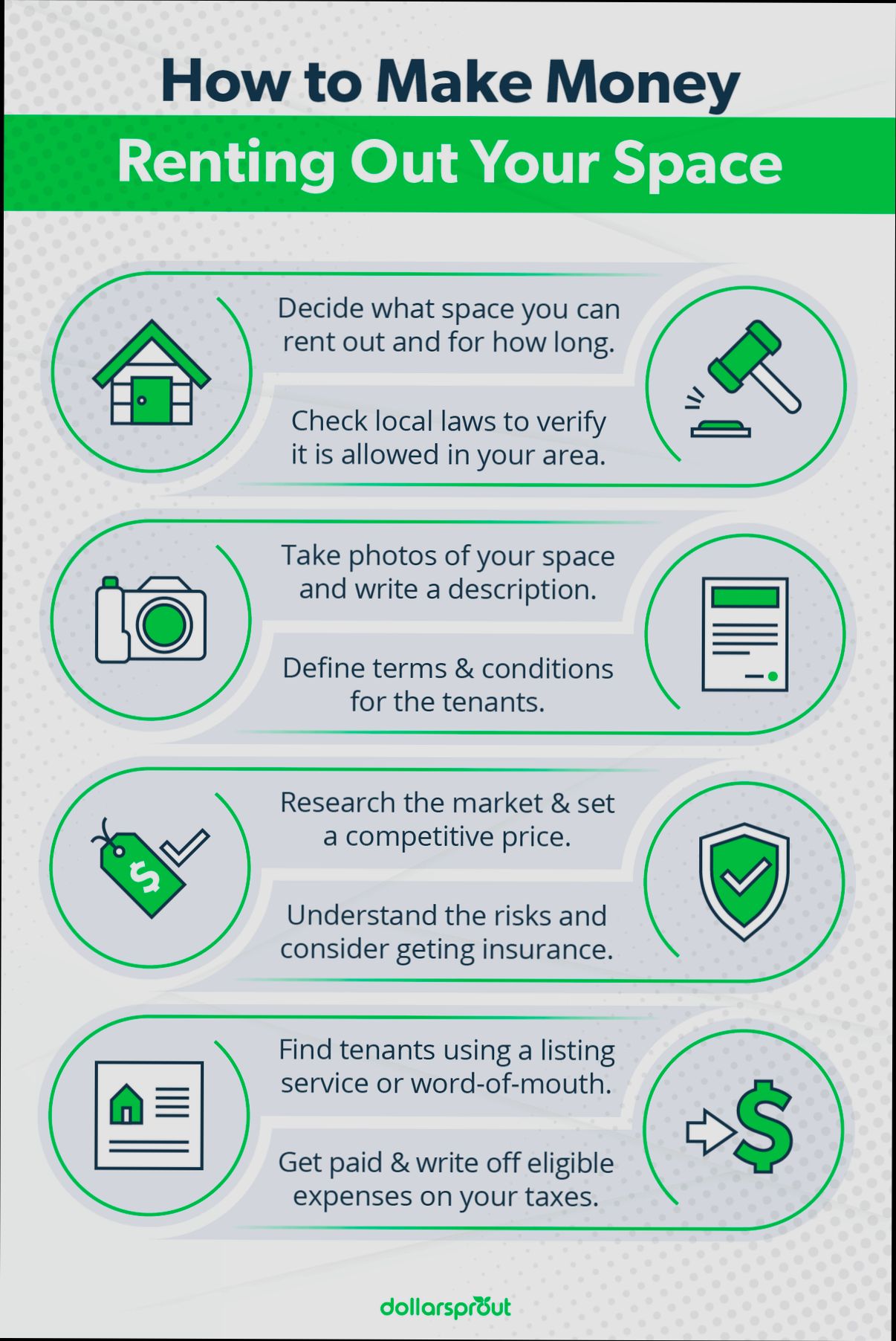
When you decide to rent out your property, understanding the legal framework surrounding rental agreements is essential for safeguarding your investment. Each rental agreement should clearly define the rights and responsibilities of both landlords and tenants to minimize conflicts and ensure compliance with local regulations.
Essential Legal Components of Rental Agreements
A well-drafted rental agreement must include several crucial elements:
- Tenant and Landlord Information: Clearly identify the parties involved, including full names and contact information.
- Property Details: Accurate physical address and descriptions of the rental property.
- Lease Duration: Specify whether the lease is for a fixed term or is month-to-month.
- Rent Amount and Payment Terms:
- Include the rent amount, due date, and acceptable payment methods. Did you know that more than 20% of landlord-tenant disputes arise from unclear payment terms?
- Security Deposits: Outline the amount required for security deposits, how it will be handled, and conditions for its return. State laws often dictate maximum deposit amounts and timelines for return.
Local Laws and Regulations
Understanding local laws is imperative. Many regions have specific regulations regarding rental agreements, particularly concerning:
1. Tenant Rights: Familiarize yourself with local tenant laws. For example, in some areas, tenants may have the right to repair issues without landlord approval under certain circumstances.
2. Fair Housing Laws: Avoid discrimination by following federal and state Fair Housing Laws. Ignoring these regulations can lead to legal disputes and hefty fines, affecting about 16% of landlords who encounter lawsuits annually.
3. Disclosure Requirements: Many jurisdictions require landlords to disclose information like lead paint hazards or known property defects.
Key Rental Agreement Clauses
Drafting a comprehensive rental agreement involves several specific clauses, including:
- Maintenance Responsibilities: Clearly define who is responsible for property maintenance—landlord or tenant.
- Late Fees and Penalties: Specify terms for any late fees, ensuring they comply with state laws.
- Termination Conditions: State acceptable reasons for lease termination, such as non-payment or lease violations.
| Clause | Description | Legal Consideration |
|---|---|---|
| Maintenance Responsibilities | Who handles repairs and upkeep of the property. | Local property maintenance laws |
| Late Fees | Specifies fees for overdue rent payments. | Must comply with state regulations |
| Termination Conditions | Grounds for lease termination and notice period required. | Follow local eviction laws |
Real-World Examples of Legal Challenges
Consider the case of a rental property owner in California who failed to provide appropriate disclosures regarding lead paint. After a tenant discovered this, they filed a lawsuit claiming negligence. This resulted in legal fees and a settlement that totaled over $15,000. Such examples emphasize the importance of adhering to local laws and including necessary disclosures in your rental agreement.
Practical Implications for Landlords
As a landlord, you should prioritize understanding and documenting your legal obligations within rental agreements. Here are some actionable steps to take:
- Consult a Real Estate Attorney: Before finalizing any rental agreements, it’s wise to seek legal advice to ensure compliance with state and local laws.
- Use Standardized Templates with Local Customization: Many property management resources provide templates structuring rental agreements that comply with your local regulations.
- Keep Records: Maintain detailed records of all communications with tenants and any modifications to the rental agreement.
Actionable Advice
Always stay informed about changes in rental laws in your jurisdiction. This knowledge will not only protect your rights as a landlord but also enable you to pass that knowledge onto your tenants. Being proactive in legal compliance can help you avoid costly disputes and enhance tenant satisfaction. Remember, a solid rental agreement lays the foundation for a profitable rental experience!

Strategies for Attracting Quality Tenants
Attracting quality tenants is crucial for ensuring a smooth rental experience and maximizing your investment. With high-quality tenants, you can expect timely payments, reduced property damage, and a more positive living environment. Here are effective strategies you can implement immediately.
Enhance Property Features
Investing in property upgrades is one of the most straightforward ways to attract high-quality tenants. Consider these improvements:
- Kitchen Renovations: Upgrading your kitchen with stainless steel appliances and granite countertops can increase interest. Properties with modern kitchens often have a 25% higher demand compared to those without.
- Bathroom Remodels: Installing walk-in showers and contemporary fixtures can help position your property as a luxury option.
- Energy-Efficient Appliances: With 70% of tenants prioritizing sustainability, offering high-efficiency appliances can significantly boost your appeal.
- Smart Home Technology: Features such as smart thermostats and advanced security systems not only attract tech-savvy tenants but can also improve energy efficiency.
Leverage Marketing Techniques
The way you market your property can greatly impact the quality of your tenant applications. Here are some strategies to consider:
- Compelling Descriptions: Tailor your property descriptions to highlight unique features, modern upgrades, and nearby amenities. Engaging language can boost your listing views by 20%.
- High-Quality Visuals: Invest in professional photography and virtual tours. Properties with high-quality images receive 80% more inquiries compared to those with standard photos.
- Clear Rental Details: Providing transparent information on rent price, pet policies, and security deposits can filter out unqualified applicants and attract those who appreciate clear communication.
Pricing Strategy
Conducting a thorough market analysis will help ensure your property is competitively priced. Here’s how to analyze the market:
- Research comparable rental properties to find the sweet spot for your rental price, ensuring it reflects the value provided.
- Offering competitive rates in high-demand areas can lead to a faster rental turnover, potentially increasing your returns by up to 15%.
| Strategy | Estimated Impact |
|---|---|
| Kitchen Renovations | 25% higher demand |
| High-Quality Visuals | 80% more inquiries |
| Competitive Pricing | Up to 15% faster turnover |
Screening Tenants Effectively
Once your property is attracting interest, it’s essential to implement a robust tenant screening process. Consider these screening components:
1. Credit Checks: Look for potential tenants with a history of on-time payments to reduce the risk of late rent.
2. Background Checks: Verify employment and rental histories to minimize potential risks.
3. Rental History Verification: Contact previous landlords to confirm responsible tenant behavior and property care.
Foster Good Relationships
Building a positive relationship with prospective tenants can set your property apart. Strategies include:
- Prompt Communication: Quick responses to inquiries and maintenance requests can create trust, often leading to longer leases.
- User-Friendly Online Portals: Implementing digital platforms for rent payment and maintenance requests enhances convenience, likely improving tenant satisfaction.
- Regular Check-Ins: Schedule periodic inspections to maintain property condition and demonstrate care for tenant well-being.
These proactive approaches can lead to higher tenant satisfaction, reducing turnover rates by 25%.
Specific Takeaways
- Investing in modern amenities and technology can significantly enhance your property’s appeal.
- High-quality visuals and engaging descriptions can drastically increase tenant inquiries.
- A transparent rental process not only filters unqualified applicants but can also lead to a quicker occupancy rate.
By applying these strategies diligently, you can strengthen the attractiveness of your rental property and ensure a stable, rewarding income stream.