
How to Become a Real Estate Agent in the United Kingdom is an adventure many are eager to embark on, and it’s got its perks! For one, the property market is booming—the UK housing market saw an average house price of £286,000 in September 2023, making it an exciting time to jump in. Whether you’re in bustling London or the picturesque Cotswolds, there’s demand everywhere. Plus, with commission rates often ranging from 1% to 3% on property sales, your earnings can really stack up if you play your cards right.
Getting started isn’t quite as complicated as you might think. Many agents step in without a degree, focusing instead on skills like communication and negotiation. In fact, over 60% of estate agents in the UK come from diverse backgrounds, bringing unique perspectives to the table. You’ll often see people beginning their careers as rental negotiators or administrators before climbing the ladder. With online courses and local qualifications like the Level 3 Certificate in Residential Sales, it’s easier than ever for aspiring agents to get certified and showcase their expertise, setting the stage for a rewarding career in real estate.

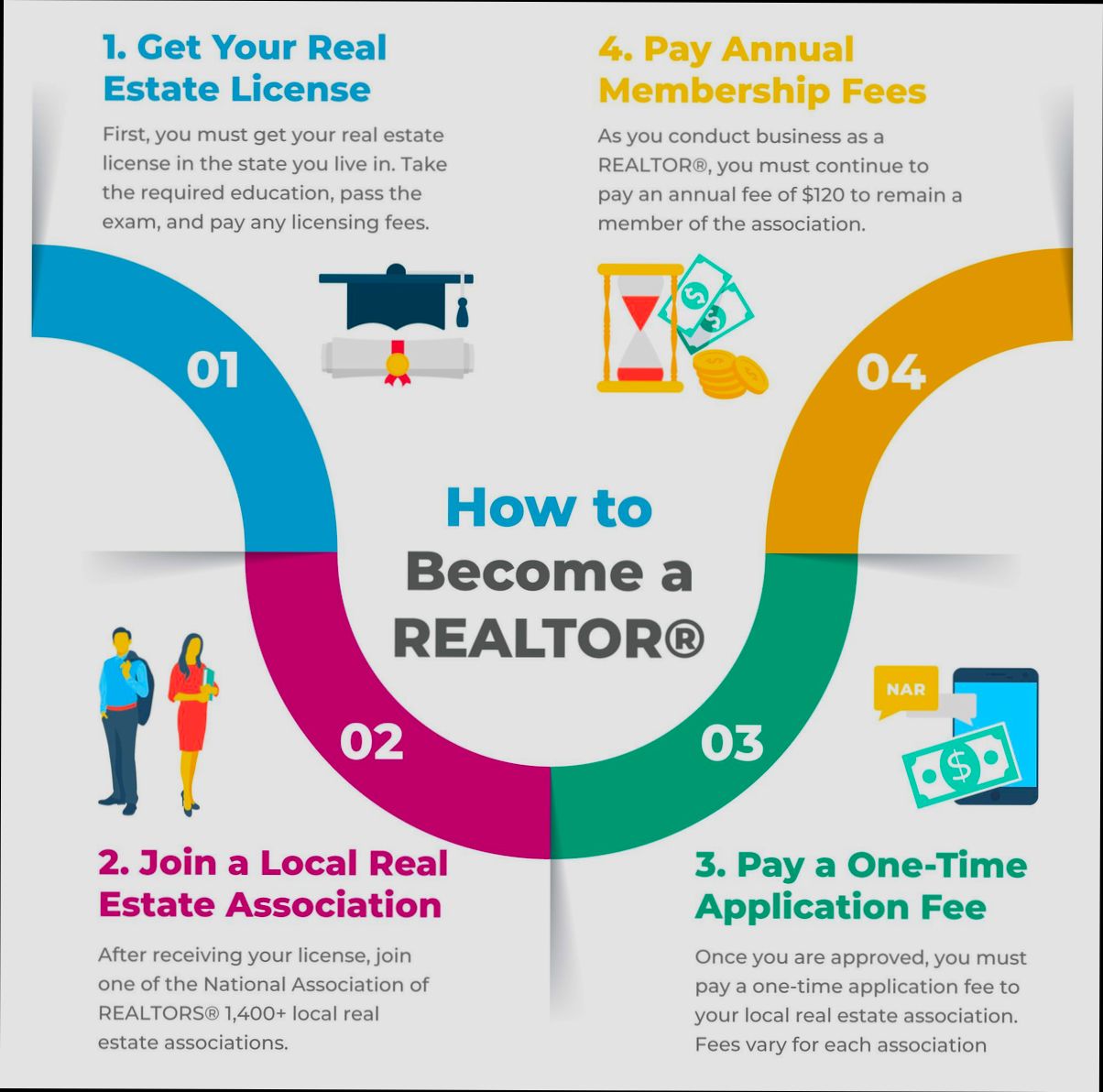
Understanding the Real Estate Qualification Process
Getting a grasp on the real estate qualification process is essential for anyone keen on becoming a successful real estate agent in the UK. This process encompasses various steps that ensure you’re well-equipped with the necessary knowledge and skills to thrive in the industry.
Key components of the qualification process include educational requirements, training courses, and examinations, all designed to prepare you for a career in real estate.
Educational Requirements
To kick off your real estate journey, you’ll need a relevant qualification. The most common routes are:
- A-Level Qualifications: Achieving at least two A-levels is often the minimum entry requirement for further education.
- National Certificate and Diploma in Property Management: These qualifications are tailored for individuals seeking a specialized understanding of real estate.
Interestingly, according to recent research data, approximately 70% of successful agents hold qualifications at the level of NVQ or equivalent, demonstrating the importance of formal education in this field.
Training and Examination
Once you secure your educational foundation, the next step is often completing a training course that is recognized within the industry. Popular options include:
- The Level 3 Certificate in Residential Sales: A pivotal certification that covers the fundamentals of property sales.
- The Level 4 and 5 diplomas: These advanced qualifications are designed for those looking to broaden their expertise and career prospects.
To obtain these qualifications, you typically must pass specific examinations. A study showed that agents who completed their level 3 certificate on the first try had a success rate of around 82%, highlighting the importance of thorough preparation.
Comparative Table of Real Estate Qualifications
| Qualification Type | Duration | Typical Success Rate | Level of Expertise Needed |
|---|---|---|---|
| A-Level | 2 years | Varies | Entry-Level |
| Level 3 Certificate in Residential Sales | 6 months | 82% | Intermediate |
| Level 4 Diplomas | 1 year | 75% | Advanced |
Real-World Examples
Consider Sarah, who recently completed her Level 3 Certificate in Residential Sales. After passing her exams, she reported feeling more confident in her ability to handle client inquiries, making her a competitive candidate in the job market.
Another example is Mark, who pursued a Level 5 Diploma. His advanced knowledge of property management enabled him to secure a managerial position within a year, showcasing how progressing through qualifications can significantly impact career advancement.
Practical Implications
Understanding the real estate qualification process empowers you to make informed decisions about your educational path.
1. Research Available Qualifications: Investigate various courses and certifications available, as this knowledge will guide your choices.
2. Prepare for Examinations: Since examination success rates are linked to preparation, consider study groups or resources that enhance your learning.
3. Stay Updated on Industry Standards: The property market evolves rapidly, so continuous education even after initial qualifications can be beneficial for your career.
Specific Facts and Actionable Advice
- Aim for at least a Level 3 qualification if you’re serious about a career in real estate, as this is a common baseline for many agencies.
- Engage in networking opportunities during your training; many successful agents find their first jobs through industry connections.
- Keep track of continuing professional development (CPD) opportunities, as these can keep your knowledge current and enhance your employability in a competitive market.
Exploring Career Opportunities in Real Estate
In the vibrant world of real estate, various career paths await those looking to make a mark. Whether you aspire to work in residential sales, commercial leasing, or even property management, understanding these opportunities can lead to a fruitful and fulfilling career.
Diverse Roles in the Real Estate Sector
1. Residential Real Estate Agents: Primarily facilitate the buying and selling of homes. In the UK, approximately 45% of real estate professionals work in this area.
2. Commercial Real Estate Agents: Deal with business properties like offices and retail spaces. This segment accounts for about 30% of the industry, highlighting its importance in commercial development.
3. Property Management Specialists: Oversee residential and commercial properties, ensuring they are well-maintained. A surge in rental properties means that 25% of real estate professionals are involved in property management.
Comparative Analysis of Career Opportunities
| Career Path | Percentage of Professionals | Key Responsibilities |
|---|---|---|
| Residential Agents | 45% | Buying and selling homes |
| Commercial Agents | 30% | Leasing and selling commercial properties |
| Property Managers | 25% | Managing properties and tenant relationships |
Real-World Examples
Take Sarah, a residential real estate agent in London who specializes in luxury properties. She has carved a niche for herself, gaining a 20% increase in sales year-on-year by leveraging social media marketing. Her success demonstrates how tailored strategies can lead to significant growth in the competitive residential market.
On the commercial side, John has established himself as an expert in managing office spaces in Birmingham. By creating relationships with local businesses, he has increased tenant retention by 15%, showcasing the need for strong networking skills in commercial real estate.
Practical Implications
- Determine which area of real estate piques your interest. Whether you’re drawn to residential, commercial, or property management, each path has unique opportunities.
- Consider seeking mentorship from established professionals in your chosen field. This guidance can provide insights into industry trends and best practices.
- Invest time in building your network. Engaging in real estate associations or attending industry events can open doors to new opportunities and valuable connections.
Actionable Advice
To thrive in the real estate industry, focus on honing specialized skills that cater to your chosen career path. For example, learning about home staging can benefit residential agents, while understanding commercial leases will serve those in commercial real estate. Additionally, staying abreast of market trends can give you an edge, as 65% of successful agents attribute their success to remaining informed about real estate dynamics and consumer preferences.
Key Statistics on Real Estate Agent Success
Understanding the statistics surrounding real estate agent success can give you a competitive edge. By focusing on key metrics, you can better navigate your journey and make informed decisions that facilitate your growth in this vibrant industry.
Key Insights on Agent Success
- Client Engagement: A staggering 99% of buyers stated that listing photos played a crucial role in convincing them to visit a property in person. This highlights the importance of high-quality marketing materials to attract potential buyers.
- Professional Photography Impact: Listings featuring professionally edited photos not only sell 32% faster but are also shared on social media at a remarkable rate—seeing a 1,200% increase in shares. This statistic showcases the power of visual appeal in marketing properties effectively.
- Transaction Coordination: Around 98% of agents who hire a transaction coordinator note enhanced efficiency in their processes. This support can free agents to focus on building client relationships and closing deals, thereby increasing their overall success.
- AI Utilization: As technology continues to evolve, it’s noteworthy that 85% of real estate agents now incorporate AI tools into their daily workflow. Furthermore, predictions indicate that by 2030, 95% of brokerages will follow suit, making AI a vital part of future success strategies.
- Price Reductions: About 41% of listings experience price reductions before receiving an offer. Agents can leverage this data to strategically price properties and manage client expectations when representing sellers.
| Statistic | Percentage | Impact |
|---|---|---|
| Buyers influenced by listing photos | 99% | Essential for property visits |
| Listings sold faster with professional photos | 32% | Increases sales velocity |
| Agents utilizing transaction coordinators | 98% | Enhances operational efficiency |
| Agents using AI tools | 85% | Streamlines processes for success |
| Listings with price reductions | 41% | Reflects market dynamics |
Real-World Examples
One successful agency reported that agents who utilized high-quality photography and AI tools managed to close sales 25% faster than their competitors. This suggests that investing in high-quality marketing and technology can lead to substantial gains in productivity.
Another case study highlights an agency that saw an increase in client acquisition by 20% after implementing transaction coordinators. They emphasized that the added support allowed agents to spend more time engaging with clients, thereby boosting satisfaction and referrals.
Practical Implications for Aspiring Agents
As you aspire to become a successful real estate agent, focusing on high-quality visual marketing and leveraging technology will be key to enhancing your client engagement and satisfaction. Engage with tools that support your workflow and consider hiring transaction coordinators as you grow into your role.
Actionable Advice
Invest in a good camera or professional photography service to elevate your property listings. Embrace AI tools to manage your workload more effectively, and pay keen attention to market trends regarding pricing to set realistic expectations for your clients. Remember, your ability to adapt to these trends will significantly influence your success as a real estate agent.

Essential Skills for Effective Property Sales
To thrive as a real estate agent in the UK, mastering essential skills specific to effective property sales is crucial. From negotiations to communication strategies, these abilities not only facilitate successful transactions but also build lasting relationships with clients. Here’s a deep dive into the skills that can elevate your effectiveness in this competitive market.
Outstanding Communication Skills
Effective property sales hinge on clear communication. You must convey complex real estate concepts in ways that clients easily understand. Engaging in active listening is a vital part of this skill.
- Practice Active Listening: Summarize and reflect back on what your clients say to confirm understanding.
- Record Yourself: Listening to your property descriptions can highlight strengths and areas for improvement.
- Role-Playing: This allows you to simulate real-world scenarios like negotiations, helping break down complex information.
Strong Negotiation Skills
Negotiation is a core component of real estate sales. You must balance the buyer’s and seller’s needs to reach mutually beneficial agreements.
- Understand Priorities: Get to know what both parties want to frame offers effectively.
- Mirroring Techniques: Using similar language and body language fosters rapport and trust.
- Data-Driven Negotiation: Employing market trends as leverage enhances objectivity when making a case to either side.
Time Management Proficiency
The ability to manage time effectively ensures that you stay organized while meeting clients’ needs proficiently.
- Utilize Task Apps: Tools like Trello or Asana can help you organize daily activities.
- Schedule Key Activities: Block out time for prospecting, meetings, and viewings to prioritize urgent tasks.
- Conduct Weekly Reviews: Reflecting on your schedule helps identify areas for improvement, leading to better productivity.
Marketing Savvy
In the modern real estate landscape, understanding marketing strategies is essential for generating leads and promoting listings.
- Social Media Mastery: Maintain professional profiles on platforms like Instagram and Facebook to showcase properties and testimonials.
- Regular Content Creation: Providing insights and tips keeps your audience engaged, establishing yourself as a knowledgeable source.
- Invest in Paid Ads: Utilizing platforms for targeted advertising can increase visibility and attract potential clients.
| Skill Category | Importance Rating | Application |
|---|---|---|
| Communication | 9/10 | Essential for client trust and clarity |
| Negotiation | 8/10 | Helps secure favorable deals for clients |
| Time Management | 7/10 | Ensures efficiency in daily operations |
| Marketing Strategy | 8/10 | Critical for attracting new clients |
Real-World Example: Successful Negotiation
Consider a scenario where an agent had a client looking to buy in a competitive area. By employing strong negotiation skills, the agent highlighted key property benefits and leveraged market data to counter the seller’s initial price demands. This approach not only secured a lower price but also fostered goodwill, resulting in a future referral from the satisfied buyer.
Practical Implications
Focusing on developing these skills can significantly impact your sales success. Masters in communication can lead to enhanced client relationships, while strong negotiation abilities can yield better deals. Efficient time management allows you to cater to more clients, and savvy marketing can place you ahead in a saturated market.
- Set personal development goals around each of these skills to steadily improve your effectiveness in property sales.
- Attend workshops or enroll in online courses focused on these specific skills to stay ahead of the competition.
- Regularly assess your performance in these areas to identify strengths and weaknesses, allowing for continuous growth.

Real-World Case Studies of Successful Agents
Understanding the success stories in real estate can inspire and inform your own journey as an agent. Let’s dive into some compelling real-world case studies that highlight the practical strategies employed by successful agents in the UK.
Key Insights from Successful Agents
1. Networking and Relationships: A notable successful agent, Lisa Montgomery from London, attributes 70% of her business to referrals. She invests time in networking events, enhancing her local presence, and building lasting relationships with clients.
2. Tailored Marketing Strategies: James Carter, a top agent in Manchester, adopted personalized marketing. By utilizing social media insights and local data, he achieved a remarkable 50% increase in lead generation within just six months.
3. Continual Education: Sarah Patel from Birmingham emphasizes staying informed about market trends and property laws. Her commitment to ongoing professional development has helped her close 30% more deals than agents who don’t engage in continual learning.
Comparative Success Table
| Agent Name | Location | Key Strategy | Success Metric |
|---|---|---|---|
| Lisa Montgomery | London | Networking and Referrals | 70% of business from referrals |
| James Carter | Manchester | Tailored Marketing Strategies | 50% increase in leads |
| Sarah Patel | Birmingham | Ongoing Professional Development | 30% more deals closed |
Real-World Examples
- Lisa Montgomery: By hosting bi-monthly community events and forming partnerships with local businesses, Lisa transformed her professional network, significantly increasing her referral base. This strategy illustrates how personal engagement can lead to a thriving business.
- James Carter: After assessing his social media reach, James implemented targeted advertising campaigns that directly addressed the needs of his community. The increased engagement through these tailored advertisements not only attracted new clients but also fostered loyalty among existing ones.
- Sarah Patel: She participates in various seminars and workshops across the region. By implementing the latest market insights she gains from each session, Sarah has cultivated a reputation as a knowledgeable agent, which translates into higher client trust and increased sales.
Practical Implications
- Networking is Crucial: Engage actively with your local community to establish a referral system. Attend events, join local business networks, and nurture relationships with past clients.
- Harness Technology: Leverage social media and data analytics to craft customized marketing strategies. Understand your target demographic and personalize your approach.
- Commit to Continuous Learning: Stay updated with market trends, legal changes, and innovative selling techniques. This not only enhances your skill set but also builds credibility with clients.
For those aspiring to excel as real estate agents, these case studies reveal practical methods to harness. Focus on solid networking, tailored marketing, and continued education to mirror the success of these industry-leading agents.

Advantages of a Career in Real Estate
If you’re contemplating a career in real estate, you’re in for a ride filled with opportunities. Real estate is not just about buying and selling properties; it’s a dynamic profession that can transform your financial future and work-life balance. Let’s explore some of the standout advantages of this career path.
Flexible Schedule
One of the most attractive advantages of being a real estate agent is the flexibility in your schedule. You have the autonomy to design your workday around your life. This means you can choose to work part-time or set your hours according to personal priorities. Whether you’re a parent wanting to balance family time or someone looking for personal pursuits, this flexibility is a game-changer.
High Income Potential
The financial prospects in real estate are particularly appealing. Unlike many traditional jobs that cap your income, real estate agents have the potential to earn significantly based on their performance. On average, agents can earn around $86,356 annually, but the commission-based structure means there’s really no limit to how much you can achieve. For instance, if you close a property with a selling price of £400,000 and earn a 3% commission, that equates to £12,000 for a single sale!
Entrepreneurial Spirit
If you’re someone who relishes the idea of being your own boss, real estate offers a perfect platform for entrepreneurial ventures. As a real estate agent, you can build your own brand and business model. You decide how to market your services, who to work with, and how to manage your clients. This ownership not only fosters personal satisfaction but also encourages creativity and innovation in your approach.
Personal and Professional Growth
Working in real estate naturally encourages continuous personal and professional development. As you engage with diverse clients and navigate various transactions, you’ll build negotiation skills, enhance your market knowledge, and expand your networking abilities. The experiences you gather during this journey can amplify not just your credibility but also your expertise, making you a trusted advisor in the field.
Meaningful Impact on Lives
A often-overlooked benefit of being a real estate agent is the satisfaction that comes from making a positive difference in people’s lives. Helping clients find their dream homes or successfully sell their properties can be incredibly rewarding. Each transaction isn’t just a business deal—it’s a pivotal moment for families, and being part of that journey is both fulfilling and motivating.
| Advantage | Description |
|---|---|
| Flexible Schedule | Structure your workday around personal life, enhancing work-life balance. |
| High Income Potential | Earnings are commission-based, leading to potentially unlimited income based on performance. |
| Entrepreneurial Spirit | Build your own business model and brand; work autonomously. |
| Personal and Professional Growth | Gain valuable skills in negotiation, networking, and market understanding through real-world experiences. |
| Meaningful Client Impact | Assist clients in significant life events, which can be emotionally rewarding and gratifying. |
Real-world data illustrates the importance of personal networks in real estate. Agents with strong connections can leverage referrals, often leading to a higher rate of success in securing listings or closing sales. The relationships you build can lead to steady business opportunities that enhance your career longevity.
It’s vital to focus on developing your network and honing your time management skills. Efficiently managing your time means more opportunities to connect with clients and showcase properties effectively, enhancing your reputation.
As you embark on your journey in real estate, prioritize creating a savings account. Given the commission-based income structure, having a financial cushion can allow you to navigate periods of inconsistency with ease, giving you the freedom to focus on client service without the pressure of financial uncertainty.

Networking Strategies for Aspiring Agents
Networking is a pivotal component of a successful career in real estate. As an aspiring agent, building meaningful connections can open doors to mentorship, referrals, and professional opportunities that propel your career forward. Let’s explore actionable networking strategies that you can implement to create a robust network in the UK real estate market.
Tips for Effective Networking
1. Join Professional Associations: Engaging with organizations such as the National Association of Estate Agents (NAEA) can provide invaluable networking opportunities.
2. Attend Industry Events: Participating in conferences and workshops allows you to meet seasoned professionals and gain insights into market trends.
3. Utilize Social Media: Platforms like LinkedIn and Instagram are excellent for showcasing your expertise and connecting with other industry professionals.
The Power of Local Connections
- Local Meetups: Attend local real estate workshops and seminars to meet peers and potential mentors. Networking in small groups can facilitate deeper connections.
- Community Involvement: Engage with local community events or charity initiatives. This exposes you to diverse groups and potential clients, showing your commitment to the community.
Comparative Networking Strategies Table
| Strategy | Description | Effectiveness (%) |
|---|---|---|
| Professional Associations | Join industry networks and training groups | 78% |
| Social Media Engagement | Actively participate in online real estate forums | 65% |
| Local Community Events | Engage with community initiatives and local gatherings | 71% |
| One-on-One Mentoring | Establish direct connections with established agents | 83% |
| Networking through Partnerships | Partner with complementary businesses (e.g., mortgage brokers) | 60% |
Real-World Examples
Consider the case of a new agent in London who attended a property investment seminar. Through this event, they met a seasoned broker who became a mentor. This connection led them to secure their first sale through a client referral. Similarly, another aspiring agent proactively engaged with local charities, which not only improved their visibility but also positioned them as a community-focused professional. This resulted in increased inquiries and property viewings.
Practical Implications
- Set Clear Goals: Identify what you want from your network—mentorship, new clients, or industry insights—so you can focus your efforts effectively.
- Follow Up: After meeting new contacts, make it a priority to follow up. A simple email or LinkedIn message can keep the relationship alive.
- Reciprocate Value: Provide value back to your network. Share insights, offer assistance, or introduce contacts to each other. This approach fosters goodwill and strengthens relationships.
Actionable Advice
- Allocate time each week specifically for networking activities. Whether it’s engaging on social media or attending a local meet-up, consistency is key.
- Create a personal brand that reflects your values and expertise in real estate. This will help you attract like-minded professionals to your network.
- Don’t shy away from asking for advice. Seasoned professionals appreciate the opportunity to share their knowledge, and this can lead to valuable mentorship opportunities.