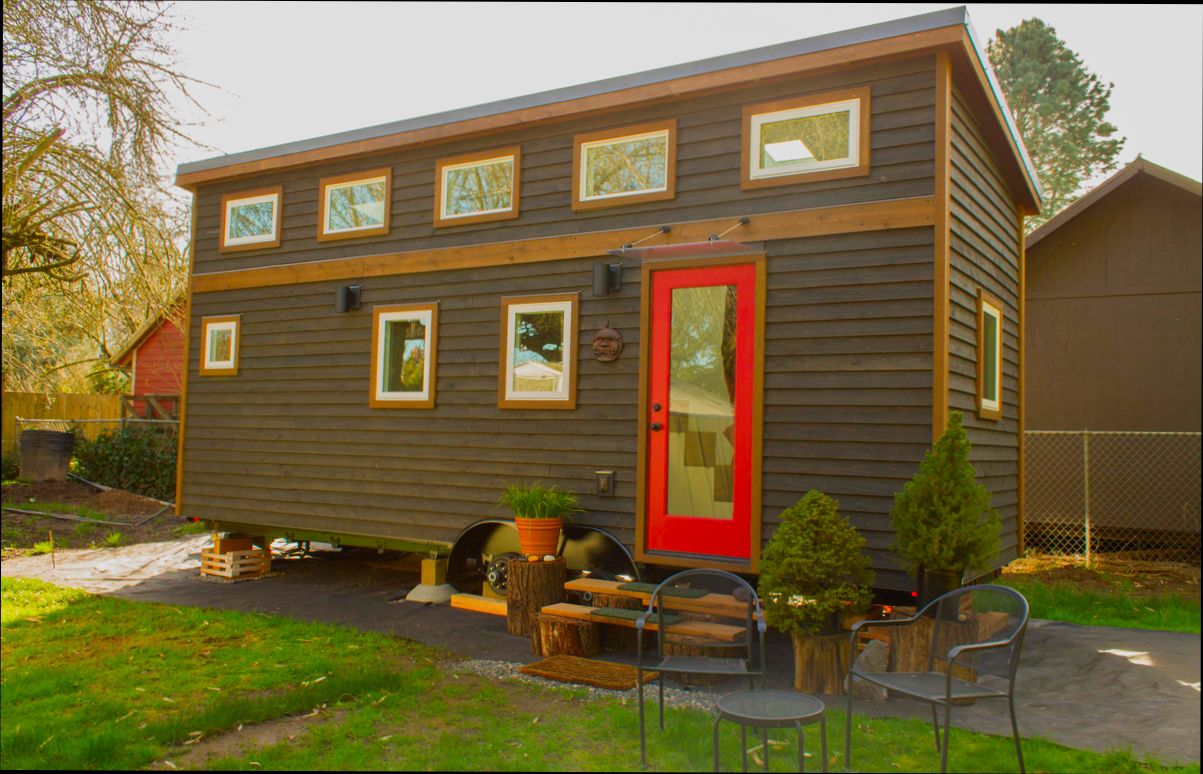
How Much Do Tiny Homes Cost? If you’re dreaming of downsizing and living simply, you might want to know that tiny homes can range from about $20,000 for a DIY build to upwards of $100,000 for a professionally built, fully customized model. For example, a 200-square-foot tiny home can set you back around $30,000 if you go the prefabricated route, while a custom design with high-end finishes could easily hit the six-figure mark. It’s fascinating to see how location also plays a role—tiny homes in areas like California or New York can be significantly pricier due to real estate demands.
Let’s talk specifics: the popular Tumbleweed Tiny House Company offers models priced from $60,000 to $90,000, but they cater to the people seeking more luxury features. On the flip side, if you’re the crafty type, consider this: many folks are successfully building their own tiny homes for as little as $15,000 to $30,000, showing just how creative you can get on a budget. With costs varying so widely, it’s clear that the tiny home market offers something for everyone, whether you’re seeking affordability or a touch of extravagance.
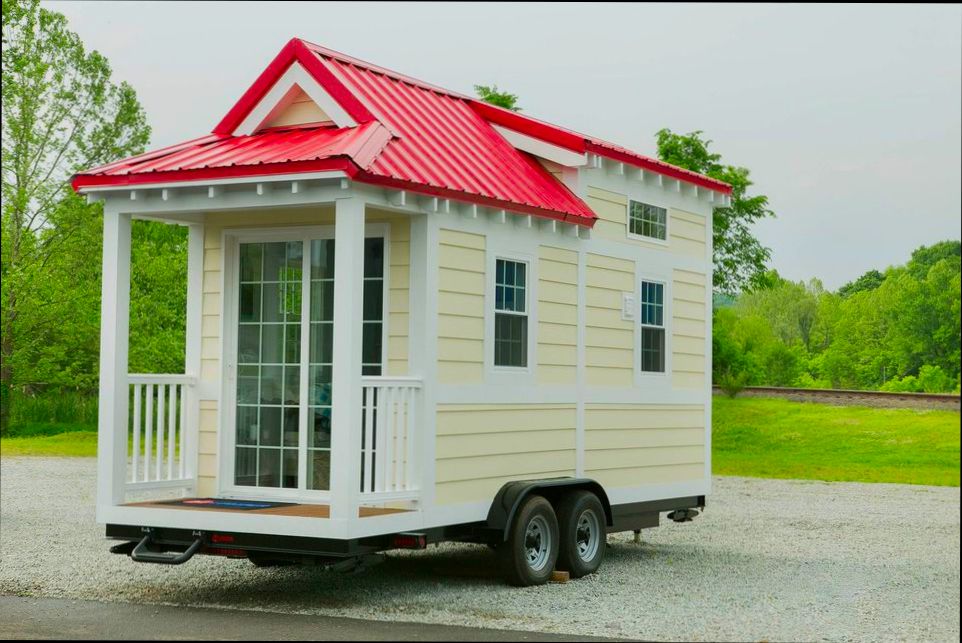
Understanding the Base Costs of Tiny Homes
When it comes to tiny homes, understanding the base costs is crucial for anyone looking to downsize or invest in this growing trend. The affordability of tiny homes generally attracts a diverse demographic, and the market is on an impressive trajectory. Let’s delve into the key components that contribute to the base costs of tiny homes to give you a clearer picture.
Key Factors Influencing Base Costs
The base costs of tiny homes vary depending on several factors, including materials, size, and location. Here are some key points to consider:
- Price Range: Tiny homes typically fall within a price range of $10,000 to $100,000. This variance reflects different build options, materials used, and whether the house is custom-built or prefabricated.
- Materials: The choice of materials significantly impacts the overall cost. Eco-friendly materials, though often pricier, could lead to long-term savings through energy efficiency.
- Design and Features: Custom designs with high-end finishes or off-grid capabilities can push the costs higher. Simple designs, however, keep the costs manageable.
- Location: Depending on local zoning laws, building codes, and land prices, the location can dramatically affect the base costs. You might find that rural areas offer reduced costs compared to urban settings.
Comparative Cost Table
| Cost Component | Average Cost | Notes |
|---|---|---|
| Basic Construction | $10,000 - $30,000 | For simple models or DIY efforts. |
| Prefabricated Models | $30,000 - $70,000 | Generally includes more features. |
| Custom Builds | $70,000 - $100,000 | Tailored designs and high-quality materials. |
| Utilities & Land | $15,000 - $50,000 | Depends on location and service needs. |
| Permits & Fees | $1,000 - $5,000 | Local regulations vary. |
Real-World Examples
Consider a case where a tiny house built on a trailer averages about $25,000. This model typically features basic amenities but leaves room for personal customization. Another option is a prefabricated tiny home that, priced at around $50,000, may come complete with modern fixtures and energy-efficient systems, showcasing how different approaches can lead to varying costs.
In urban settings, where land and fees rise, owners can expect their investments to skew higher, often going beyond $60,000 to $80,000, especially if they opt for permits and land connections. Educated buyers often research thoroughly, with 54% of tiny house dwellers holding higher education degrees, suggesting that informed choices can help manage costs effectively.
Practical Implications
Understanding the base costs of tiny homes allows you to plan your budget better. Knowing you potentially can build a functional solar-powered tiny home starting from around $25,000 is empowering. This way, you can make informed decisions about materials, locations, and design preferences that best fit your lifestyle and financial goals.
Furthermore, as you navigate the hidden costs, consider factors like insurance and potential land upkeep. Assessing and understanding these aspects before committing will ensure you stay within your ideal budget while enjoying the benefits of tiny home living.
Research highlights that over 56% of Americans would consider living in a tiny home, which indicates the growing acceptance of this lifestyle. By understanding base costs clearly, you position yourself to be part of this exciting trend.
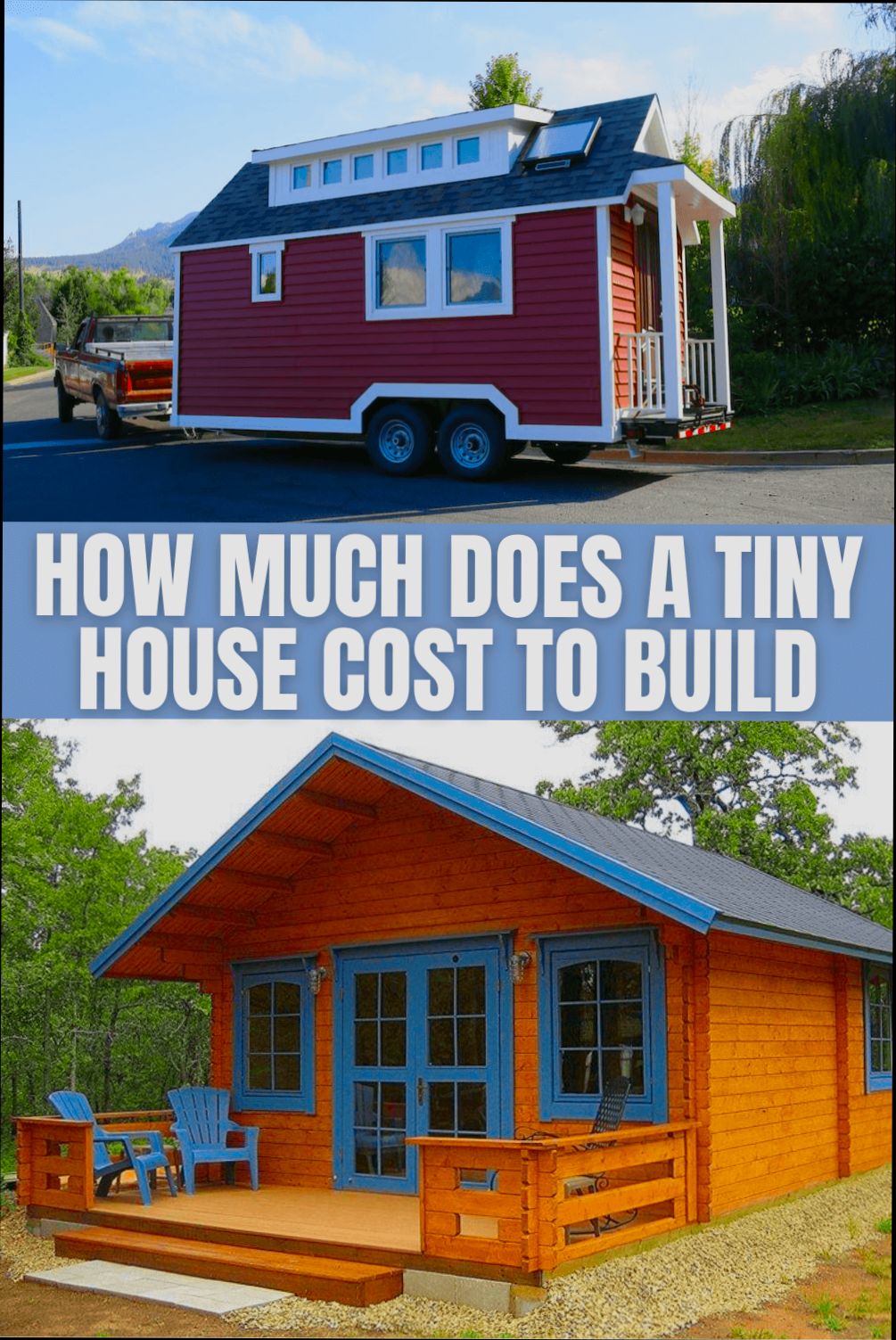
Comparative Analysis of Tiny Home Prices
When assessing tiny home prices, it’s essential to explore the variations in costs based on different factors such as design, location, and builder. Understanding these price differentials can empower you to make informed decisions based on your specific needs and budget.
Price Differences by Region
Tiny home prices can fluctuate significantly depending on where you plan to live. In urban areas, for instance, you might find that prices are often 20-30% higher due to demand and land costs. In contrast, rural areas may present more affordable options, sometimes allowing you to save up to 25% on total costs.
Builder Comparisons
Tiny home builders also influence pricing. The average price point varies among manufacturers, with some offering premium materials and custom builds, while others provide more basic shells at lower prices. For instance:
- Custom Builders: Prices can reach upwards of $75,000.
- Modular Builders: Can range from $30,000 to $50,000.
- DIY Kits: Often fall between $10,000 and $25,000, depending on materials chosen.
Comparative Price Table
| Type of Tiny Home | Price Range | Average Size (sq ft) | Key Features |
|---|---|---|---|
| Custom-built | $50,000 - $150,000 | 200-400 | Premium materials, custom design |
| Modular home | $30,000 - $65,000 | 100-350 | Pre-fabricated, standard options |
| DIY kits | $10,000 - $30,000 | 100-200 | Materials provided, self-assembly |
Case Study: Regional Examples
1. Austin, Texas: A custom tiny home can cost around $90,000, reflecting the city’s booming real estate market. Builders often include eco-friendly features that appeal to the local demographic.
2. Portland, Oregon: Modular tiny homes here average $40,000, with a focus on minimalistic design, catering to an audience that values simplicity.
3. Nashville, Tennessee: You can find DIY kits starting at just $15,000, allowing buyers to engage in a personal building experience while keeping costs low.
Practical Insights for Potential Buyers
If you’re thinking about purchasing a tiny home, consider the following actionable insights:
- Research Regional Market Trends: Check local listings for similar tiny homes to understand pricing in your area.
- Compare Builders: Get quotes from multiple builders to find a balance between quality and cost.
- Explore DIY Options: If you’re handy, a DIY kit can save you a substantial amount, but be realistic about your time and skill level.
- Factor in Additional Costs: Always include land costs, utilities, and zoning fees in your overall budget. This can significantly impact the total price of your tiny home.
Key Facts to Remember
- Tiny homes in urban settings can be significantly more expensive due to demand.
- Modular and DIY options can offer substantial savings compared to custom builds.
- Regional differences and builder choices are crucial to determining the final price you’ll pay for a tiny home.
Exploring Financing Options for Tiny Houses
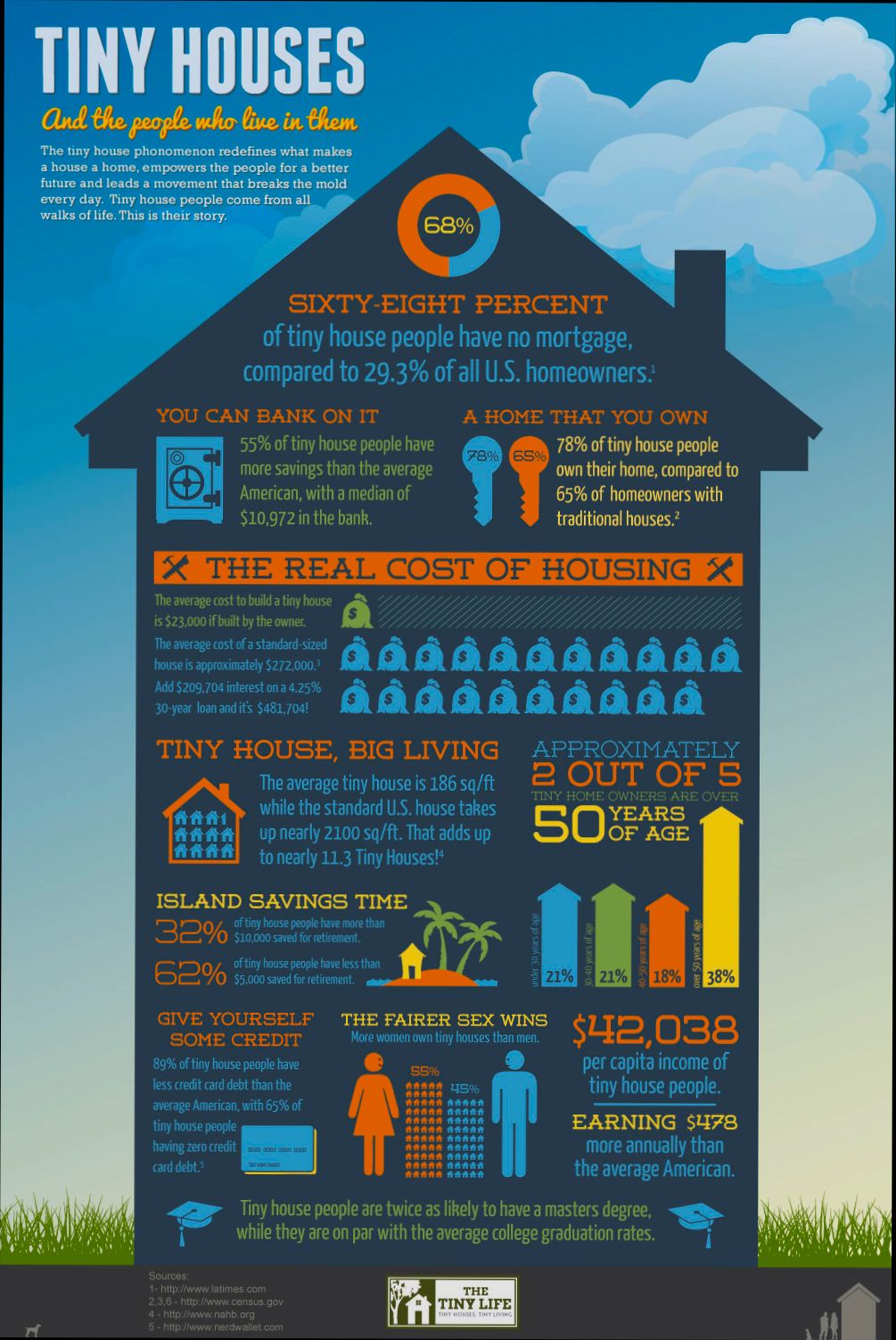
If you’re contemplating the tiny house lifestyle, understanding financing options is key to making your dream a reality. With the average tiny home costing around $52,000, many people—especially those 50 and older—are seeking alternative routes to affordably finance this eco-friendly living solution.
Key Financing Options
Here are some common financing options to consider when looking to purchase a tiny house:
- Personal Loans: Personal loans are often unsecured and provide quick access to funds. Many tiny homeowners utilize these for the flexibility they offer.
- RV Loans: Since many tiny homes are classified as recreational vehicles, RV loans can be a viable option. They typically come with lower interest rates than unsecured personal loans.
- Manufactured Home Mortgages: This option can allow for more substantial borrowing limits since many tiny homes are built on trailers classified as manufactured homes.
- Construction Loans: If you’re building your tiny home, consider a construction loan that converts to a mortgage once the home is complete.
- Home Equity Loans: If you already own a home, tapping into your home equity might be an effective way to finance a tiny home.
Comparative Financing Options
Here’s a table to compare some of these financing options:
| Financing Option | Average Interest Rate | Loan Term | Notes |
|---|---|---|---|
| Personal Loans | 10% - 36% | 1 - 7 years | Best for quick access; less ideal for larger amounts. |
| RV Loans | 4% - 9% | 5 - 15 years | Lower rates, but typically requires an RV certification. |
| Manufactured Home Loans | 5% - 10% | 15 - 30 years | Can provide larger amounts for qualified buyers. |
| Construction Loans | 3.5% - 12% | 1 - 2 years | Great for building but requires good credit. |
| Home Equity Loans | 3% - 8% | Up to 30 years | May provide substantial funds tied to your existing home. |
Real-World Examples
Many tiny homeowners have shared how they’ve successfully financed their tiny living arrangements. For instance, approximately 68% of tiny house owners live without a mortgage, highlighting the trend of paying in cash or through personal savings. This demographic often has more savings than the average homeowner, with 55% possessing greater financial reserves, making them well-positioned to fund their homes outright.
A case study from a study revealed that many women (55% of tiny house owners) aged 50 and above are part of the movement, frequently seeking loans tailored to their needs. By pooling resources or choosing to downsize from larger properties, they’ve been able to secure reasonable financing.
Practical Implications
When exploring financing options, consider the following actionable insights:
- Research Local Laws: Understanding zoning laws may affect what type of financing you can pursue. Some communities may have restrictions on tiny homes, potentially impacting loan approval.
- Prepare Financial Documentation: Whether applying for a personal loan or a mortgage, having your financial documents in order will streamline the process.
- Assess Your Budget: Calculate total costs, including land, utilities, and permits, to ensure your financing plan covers all bases.
- Consider Community Living: Tiny home communities can lower costs, as many offer shared utilities or land, making financing easier.
These insights can help you navigate the often complex world of tiny house financing, allowing you to find the best option suited for your needs.
Real-Life Case Studies on Tiny Home Budgets
Understanding real-life budgets for tiny homes can provide valuable insights for your own tiny living journey. By examining actual case studies, we can uncover how various factors impact overall costs and what you can expect when planning your budget.
Key Points from Case Studies
1. Custom vs. Pre-Fabricated: A study showed that custom-built tiny homes averaged around $50,000, while pre-fabricated options typically started near $20,000 but can reach $40,000 or more depending on specifications.
2. Location Impact: Owners located in urban areas often reported budgets exceeding $70,000 due to higher land and permit costs, while rural locations could keep costs down to about $30,000.
3. Site Preparation: Case studies indicated that site preparation costs vary widely, averaging between $5,000 to $20,000, heavily influenced by factors like land contour and soil stability.
Comparative Budget Breakdown
| Budget Component | Cost Range | Notes/Examples |
|---|---|---|
| Custom-Built Homes | $50,000 - $85,000 | Tailored design leads to higher costs |
| Pre-Fabricated Homes | $20,000 - $55,000 | Standardized designs are more affordable |
| Site Preparation Cost | $5,000 - $20,000 | Land conditions greatly affect this variable |
| Urban Location Budget | $60,000 - $100,000 | Higher land prices and regulations in cities |
| Rural Location Budget | $30,000 - $50,000 | More affordable land options and lower permit costs |
Real-World Examples
- The Smith Family: They built a custom tiny home for $75,000 in California. Due to urban regulations and the need for a solid foundation, they spent approximately $15,000 on site preparation alone. They utilized high-quality materials, explaining the higher budget.
- Jane’s DIY Adventure: In Tennessee, Jane spent only $22,000 on a pre-fabricated tiny home. Her expenses included just $2,500 for basic utility connections. She achieved significant savings by using reclaimed materials for her interior finishes.
- The Hills in the Midwest: This couple opted for a mid-range custom build at $55,000. By carefully budgeting for materials and leveraging local craftspeople, they kept site prep under $10,000, primarily due to favorable land conditions.
Practical Implications for Your Tiny Home Budget
When planning your budget for a tiny home, consider:
- Evaluate Costs Regionally: Always account for the higher costs of urban areas versus rural ones.
- Material Choices Matter: Decide between new and reclaimed materials early in your planning to avoid overspending.
- DIY vs. Builder: If you’re handy, a DIY approach can significantly reduce labor costs but ensure you weigh your skill level against potential mistakes.
- Hidden Expenses: Consider site preparation and utility hookups in your overall budget to avoid surprises later on.
Actionable Advice
- Details to Check: Research local regulations and zoning laws before proceeding with your plans to prevent expensive changes later.
- Customized Designs: If considering a custom build, always request a detailed budget breakdown from your contractor.
- Explore Funding Options: Look into tiny house-specific loans which may offer flexible payment terms to suit your budget.
By exploring these case studies, you can gain a realistic view of what it takes to budget effectively for your own tiny home experience.
Long-Term Financial Benefits of Tiny Living
Tiny living doesn’t just offer a simpler, more minimalist lifestyle; it can also provide significant long-term financial benefits. If you’re considering making the switch to a tiny home, understanding these financial advantages is crucial.
Reduced Utility Costs
One of the most immediate financial benefits of tiny living is reduced utility costs. With a smaller space, you’ll use significantly less energy and water.
- Average Energy Savings: Homeowners in tiny homes report energy bills averaging $30 to $100 per month, compared to $200 to $500 for traditional homes.
- Water Consumption: Tiny homes typically use 30% less water than standard houses, translating to savings on monthly water bills.
Lower Maintenance Expenses
Tiny homes come with smaller maintenance requirements, which leads to lower costs over time.
- Annual Maintenance Costs: Homeowners often report annual maintenance costs of about 1% of their home’s value, whereas traditional homes might range from 2% to 4%.
- Fewer Repairs: With fewer appliances and systems to maintain, you’ll likely face fewer repairs, saving you unexpected expenses.
Increased Financial Freedom
Living in a tiny home can free up cash that you’d otherwise spend on larger home expenses, allowing you to allocate funds toward other investments.
- Debt Reduction: Many tiny home residents report using the money saved from lower living costs to pay down debt faster, improving their financial health.
- Investment Opportunities: You can use the additional cash flow to invest in retirement funds, stocks, or other income-generating assets.
| Expense Category | Tiny Home Average Cost | Traditional Home Average Cost | Savings (%) |
|---|---|---|---|
| Monthly Utility Bills | $30 - $100 | $200 - $500 | 70% - 85% |
| Annual Maintenance Costs | 1% of home value | 2% - 4% of home value | 50% - 75% |
Real-World Examples
Consider the case of a couple, Sarah and John, who downsized from a 2,000 square foot home to a 300 square foot tiny home. They report saving approximately $400 on monthly utility bills and $1,500 on annual maintenance. These savings allowed them to pay off student loans within two years after moving into their tiny home.
Another example involves a family of four who made the switch to a tiny house on wheels. They reduced their housing expenses by 60%, enabling them to travel more frequently and invest in their children’s education fund. They allocate an additional $600 monthly into education savings, significantly enhancing their family’s financial future.
Practical Implications for Readers
By moving to a tiny home, you can dramatically cut down on costs and improve your financial situation over time. Here are several actionable steps you can take:
- Calculate Your Potential Savings: Assess your current living costs and compare them with estimated expenses in a tiny home.
- Plan Your Budget: Consider budgeting not only for upfront costs but also for long-term savings opportunities that tiny living provides.
- Evaluate Investment Options: Use the money saved from tiny living to build an investment portfolio or pay off high-interest debts.
Ultimately, embracing a tiny living lifestyle positions you to enjoy notable long-term financial benefits, enhancing both your immediate cash flow and future financial stability.
Construction and Material Costs Breakdown
When considering the construction and material costs of tiny homes, it’s essential to dive deep into the specifics that make up the overall expenditure. This breakdown not only helps you understand where your money goes but also allows for smarter budgeting and planning.
Key Components of Construction Costs
The construction costs of tiny homes vary significantly and can be broken down into several key components. Here’s what you need to consider:
- Foundation Costs: Depending on the type, foundations can range from $1,500 to $5,000. A concrete slab foundation might cost more but offers durability.
- Framing and Structure: Traditional wood framing costs about $15 to $25 per square foot, meaning for an average 200-square-foot tiny home, you could be looking at $3,000 to $5,000.
- Roofing Material: Depending on material choice, roofing can cost between $3,500 and $10,000. Metal roofing tends to be pricier than asphalt shingles.
- Insulation: Quality insulation, crucial for energy efficiency, can add an additional $1,000 to $3,000 based on the material used.
- Interior Finishes: This covers everything from flooring to cabinetry, which can range between $5,000 and $20,000 based on your choices and customization.
Construction Costs Table
| Component | Cost Range |
|---|---|
| Foundation | $1,500 - $5,000 |
| Framing | $3,000 - $5,000 |
| Roofing Material | $3,500 - $10,000 |
| Insulation | $1,000 - $3,000 |
| Interior Finishes | $5,000 - $20,000 |
Real-World Examples
In practice, the material costs can vary widely based on choices and local prices. For instance:
- A builder named Sarah spent about $18,000 on materials for her 250-square-foot tiny home. This included durable materials and energy-efficient appliances, fitting within a high-end budget but realizing future savings on utility costs.
- Another tiny home owner, James, opted for reclaimed materials. His total material cost was about $12,000, demonstrating creativity in sourcing while achieving a rustic aesthetic.
Practical Implications
Understanding the particulars of construction and material costs helps in several ways:
1. Budgeting Wisely: Knowing the cost ranges allows you to prioritize your spending on what matters most to you.
2. Material Choices: Opting for high-quality materials may seem expensive upfront but can save costs in maintenance and replacement down the line.
3. Customization: Customizing your tiny home can significantly affect total costs; prioritizing essential features can help manage expenses better.
Specific Facts and Actionable Advice
For anyone entering the tiny home realm, keep these facts in mind:
- Always account for local building codes, as they can affect material choices and costs.
- Consider eco-friendly materials; while upfront costs might be higher, they offer long-term savings and contribute to sustainability.
By grasping these aspects of construction and material costs, you can navigate your tiny home project with confidence and foresight.
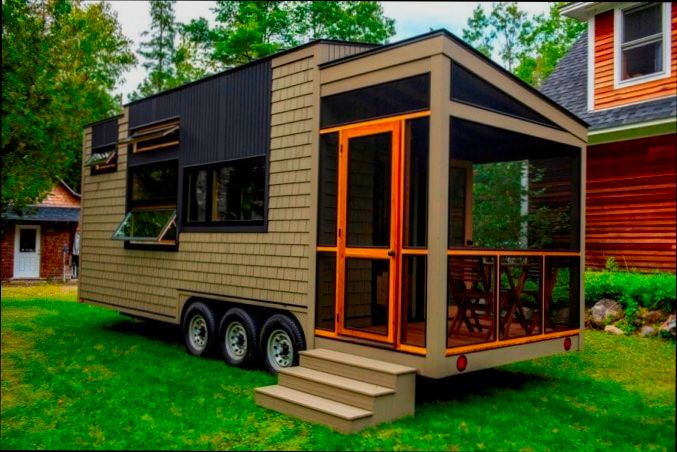
Evaluating Hidden Expenses in Tiny Home Ownership
Tiny home ownership can feel like a dream filled with possibilities—affordable living, minimalism, and a small environmental footprint. However, it’s crucial to peel back the layers and evaluate hidden expenses that can burden your budget. The actual cost of owning a tiny home often extends beyond the base price you see upfront.
Key Hidden Expenses to Consider
When entering the world of tiny homes, be prepared for some unexpected financial curves. Here are several hidden costs that you might encounter:
- Land Acquisition Costs: Buying land can add thousands to your overall expense. Urban areas might demand higher land prices, while rural plots require considerations like access roads and service connections.
- Utility Connections: If you’re not going off-grid, connecting to local utilities can be costly. Fees for water, electricity, and sewage can add unexpected expenses, sometimes exceeding $5,000.
- Permits and Zoning: Navigating local laws and securing building permits can be a significant headache, often requiring time and money. You might spend anywhere from $500 to $2,500 to comply with zoning regulations to ensure your tiny home can be legally situated on your chosen land.
- Insurance: Tiny home insurance typically costs more than you’d expect, due to their unique nature and custom builds. Monthly premiums can range from $50 to $150.
- Maintenance and Repairs: While tiny homes are typically easier to maintain, the custom nature of many builds can lead to expensive repairs. Specialty parts might be hard to come by, driving up costs unexpectedly.
| Cost Component | Estimated Cost |
|---|---|
| Land Acquisition | Thousands (varies by location) |
| Utility Connections | $5,000+ |
| Permits and Zoning | $500 - $2,500 |
| Insurance | $50 - $150/month |
| Maintenance and Repairs | Varies significantly |
Real-World Examples of Hidden Costs
Consider the case of a couple who constructed a 200-square-foot tiny home in a semi-rural area. They initially budgeted $40,000 for the build and land. However, they faced the following hidden expenses:
- A utility connection fee of $7,000 just to tie into the local water and electric networks.
- An unexpected $1,200 for soil tests and permits that were required by local authorities.
- Monthly insurance premiums at $120, significantly higher than anticipated because of the home’s unique construction features.
In total, their costs shot up to nearly $60,000—well above their initial budget.
Practical Implications
Awareness is your ally when evaluating hidden costs in tiny home ownership. Here are some actionable tips to help you mitigate these expenses:
- Conduct thorough research into land prices and utility fees before purchasing.
- Check local zoning laws early, and consult with a local expert to avoid costly surprises.
- Preventative maintenance: Create a budget for ongoing maintenance and repairs to avoid serious financial strain later.
- Get multiple insurance quotes to ensure you’re not overpaying for coverage.
Understanding these hidden expenses equips you to plan better and avoid the financial pitfalls of tiny home living. Knowledge of these factors empowers you to build a more accurate budget, making your tiny home journey smoother and more financially sustainable.