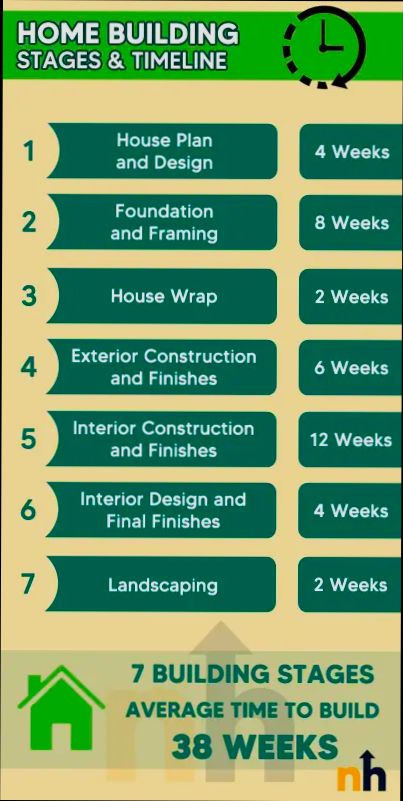
How long to build a house? Well, it might surprise you to learn that on average, it takes about seven months to complete a home from start to finish. But hold on—this timeline can swing wildly based on a ton of factors. For instance, if you’re going for a basic one-story, three-bedroom ranch, you could be settled in within the time it takes to binge-watch your favorite series. However, if you’re dreaming of a sprawling custom home with all the bells and whistles, you might be looking at a year or even longer, especially if your builder faces delays or if the weather decides to throw a wrench in the works.
Let’s break it down a bit more. According to a recent survey by the National Association of Home Builders, site preparation alone can take anywhere from a few weeks to a couple of months, depending on the land’s condition and size. Then there’s the actual construction phase, including framing, roofing, and plumbing, which typically takes around five to six months. Keep in mind that each builder operates differently, and things like supply chain issues or labor shortages can derail even the best-laid plans. So, whether you’re eyeing a cozy starter home or a luxurious estate, the timeline can shift based on a variety of real-world scenarios.

Timeline Influences in Home Construction
Understanding the timeline influences in home construction can significantly impact your building project. Various factors come into play, from zoning laws to material availability, which directly affect how long it takes to complete your dream home.
Key Timeline Influencers
1. Permits and Approvals: In many regions, acquiring the necessary building permits can take anywhere from a few weeks to several months. On average, homeowners reported a wait time of approximately 45 days for permits.
2. Weather Conditions: Did you know that inclement weather can delay work by as much as 20% on average? Rain, snow, and extreme temperatures can hinder outdoor activities, requiring flexible planning.
3. Material Lead Times: The supply chain has been affected by various global factors. For instance, 60% of builders noticed significant delays in sourcing materials like lumber and steel, sometimes extending lead times by up to 3 months.
4. Labor Availability: As of recent data, labor shortages in the construction industry have delayed projects by approximately 15%. With a lower workforce, finding skilled labor can lead to extended timelines.
5. Design Changes: Every time you adjust plans or materials mid-project, expect an average timeline increase of 10-15%. It’s crucial to finalize your designs early to avoid unnecessary delays.
Comparative Table of Timeline Influencers
| Influencer | Average Delay Time | Impact Percentage |
|---|---|---|
| Permits and Approvals | 45 days | 10% |
| Weather Conditions | 20% of overall time | 20% |
| Material Lead Times | Up to 3 months | 15% |
| Labor Availability | 15% overall delay | 15% |
| Design Changes | 10-15% increase | 10% |
Real-World Examples
- One homeowner in California applied for a permit in July and faced a delay due to office closures, receiving final approval until September. This delay added over five weeks to their project timeline.
- A builder in the Midwest experienced a 25% increase in construction time due to unexpected snowfall in February, which pushed back the schedule for laying foundations.
- A family trying to stay within their budget made last-minute design changes that resulted in a delay of three weeks. They learned that finalizing decisions early could save them a lot of time.
Practical Implications for You
- Anticipate Delays: Build extra time into your schedule for factors like permits and weather. Aim for flexibility, especially if you live in an area prone to unpredictable weather.
- Stay Informed: Keep in touch with suppliers regarding material availability and order them as early as possible to counteract lead times.
- Finalize Plans Early: Solidify your design and material choices at the beginning so that you can avoid costly and time-consuming changes later on.
Specific Facts and Actionable Advice
- Consider consulting with a project manager to better navigate the permit process and timelines.
- Investigate local builders’ schedules and practices to anticipate common delays in your area.
- Always have a contingency plan for unexpected delays, ideally accounting for at least 10-15% more time than your initial estimate.
Statistical Analysis of Building Durations
When diving into the statistical analysis of building durations, we uncover a wealth of data that can help you grasp the average timeframes and variances involved in home construction. By examining this data, you can anticipate project timelines more accurately and make well-informed decisions.
Average Building Duration Insights
Research indicates that the average time to build a single-family home is approximately 7 to 8 months. There are, however, notable variations based on several compelling factors:
- Region Variance: Homes built in metropolitan areas tend to take about 20% longer compared to those in rural settings.
- Type of Construction: Modular homes can reduce construction time by nearly 30% compared to traditional building methods.
- Weather Delays: On average, weather-related issues can lead to an increase in building duration by up to 10%.
This analysis indicates that the planning stage of a home build must consider these factors to create realistic timelines.
Comparative Table of Building Durations by Type
| Type of Home | Average Duration (Months) | Variability (%) | Common Delays |
|---|---|---|---|
| Single-Family Home | 7-8 | 15 | Permitting, weather |
| Modular Home | 5-6 | 10 | Shipping, assembly |
| Custom Home | 8-12 | 20 | Design changes, material delivery |
Real-World Examples
Consider a study that tracked 100 home builds across various states. It found:
- Homes in California averaged 9 months of construction due to stringent regulations and seismic requirements.
- In contrast, builds in Texas were completed in an average of 6 months, attributed to fewer zoning hurdles.
Additionally, a case study from a Massachusetts builder highlighted that focusing on pre-construction planning reduced the overall duration by approximately 12%, emphasizing the need for strategic organization.
Practical Implications for Readers
Understanding these statistical insights can empower you to set more realistic expectations for your building project. Here are some actionable takeaways:
- Plan for Delays: Incorporate a buffer into your timeline, especially if you’re in a weather-prone region or dealing with high permit approval times.
- Select Your Builder Wisely: Investigate builders’ previous project durations to gauge efficiency levels effectively.
- Utilize Modular Options: Explore modular construction if speed is a critical factor; this method often results in quicker completion.
Specific Facts and Advice
- On average, investing in pre-construction consultations can cut down delays by about 15%.
- If you are building in an area prone to extreme weather, anticipate planning for an extra 1-2 months on your project timeline.
- Keep track of local market trends and labor availability, as these factors can significantly impact the overall duration of construction.
Real-World Examples of Project Timelines
When it comes to building a house, understanding real-world project timelines can help you set realistic expectations and better plan your own construction journey. Let’s dive into some tangible examples and insights that illustrate various building timelines in different contexts.
Key Project Timelines for Home Construction
- Urban vs. Suburban Builds: Homes in urban areas often face a timeline increase due to zoning laws and logistical complexities. For instance, a custom home in Seattle’s downtown might take about 11 months, while a similar home in a suburban neighborhood nearby could take only 8 months.
- Container Homes: Interestingly, constructing a container home can be quicker, often completed in 4 to 6 months. This shorter timeline is largely due to the modular nature of these structures.
- Eco-Friendly Builds: A case study involving a sustainable build in Portland showcased a completion time of around 9 months. This included additional time for sourcing eco-friendly materials, which can sometimes prolong the timeline.
Comparative Project Timeline Table
| Project Type | Location | Average Timeline | Notable Delays |
|---|---|---|---|
| Custom Home | Seattle | 11 months | Zoning and permits |
| Suburban Home | Nearby Seattle | 8 months | Weather conditions |
| Container Home | Austin | 4-6 months | Sourcing containers |
| Eco-Friendly Build | Portland | 9 months | Material sourcing |
Real-World Case Studies
In one notable case, a couple in Denver undertook building a traditional craftsman-style home. They experienced several delays due to contractor scheduling conflicts, pushing the project from an initial 7-month estimate to nearly a year. Adjustments to plumbing and electrical developments added additional weeks to the process.
Another example is the rapid construction of a prefab home in Nashville. This project was completed in just 5 months, largely due to streamlined processes in assembling prefabricated parts, showing how type of construction can dramatically impact timelines.
Practical Implications for Home Builders
Understanding these real-world timelines not only helps you budget time effectively but also prepares you for potential delays. Here’s what you can do:
- Research Local Regulations: Knowing the local building codes can prevent surprises.
- Build Buffer Time: Always plan for unexpected delays, aiming to leave room in your overall schedule.
- Communicate with Contractors: Keeping an open line of communication with your contractors can help you understand where you stand in the timeline.
By grasping these examples and their nuances, you can approach your home construction project with eyes wide open, fully aware of the timelines involved.
Factors Affecting Construction Speed
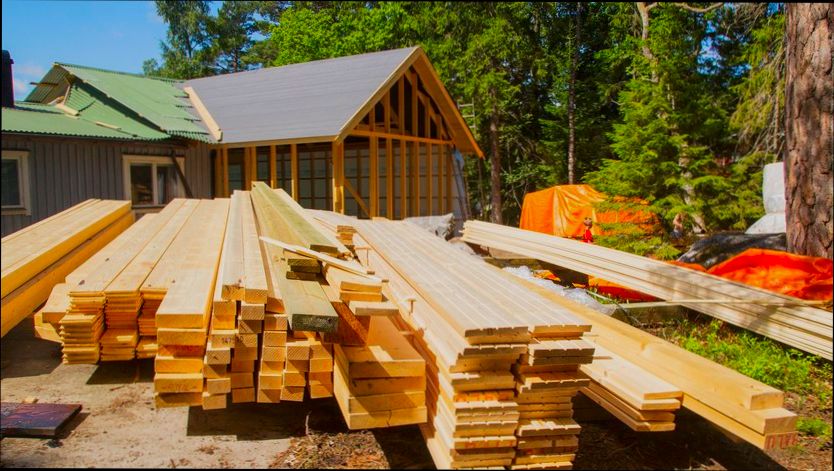
Understanding the factors that influence construction speed is essential to effectively manage any building project. Various elements can significantly impact how quickly a house can be built, from labor availability to material management and external conditions. Let’s explore these key factors in detail.
Key Factors Influencing Construction Speed
1. Labor Productivity:
- Skilled labor can greatly enhance construction speed. Research indicates that motivated workers in safe environments achieve up to 20% higher productivity levels.
- Personal motivation also plays a crucial role; a motivated worker is likely to complete tasks more efficiently than a less-engaged colleague.
2. Equipment Efficiency:
- Using the right equipment for the job can reduce delays significantly. Regular maintenance schedules can minimize downtime by up to 15%, ensuring that machinery operates smoothly.
- Implementing technologies such as BIM (Building Information Modeling) can optimize equipment usage, as it allows for better planning and reduces idle time.
3. Material Management:
- Timely procurement of materials is critical. Delays in material supply can result in project holdups, with studies showing that proper storage techniques can prevent up to 25% of material waste.
- Managing inventory can prevent costly delays and maintain a steady workflow.
4. Weather Conditions:
- Adverse weather can disrupt construction timelines. Research highlights that projects can face delays of over 30% due to extreme weather conditions, underscoring the importance of contingency planning.
- Optimal scheduling around seasonal expectations can mitigate these risks, ensuring that projects remain on track.
5. Regulatory Compliance:
- Navigating through necessary permits and inspections can introduce delays. It’s estimated that up to 10% of the project timeline can be consumed by waiting for approvals.
- Familiarity with local building codes can expedite this process, reducing potential backlogs.
| Factor | Impact on Construction Speed | Percentage Influence |
|---|---|---|
| Labor Productivity | Higher output from skilled workers | Up to 20% |
| Equipment Efficiency | Reduced downtime | Up to 15% |
| Material Management | Minimizes waste and delays | Up to 25% |
| Weather Conditions | Potential for significant delays | Over 30% |
| Regulatory Compliance | Delays due to permit approvals | Up to 10% |
Real-World Examples
Analyzing real-world examples illustrates how these factors play out in practice. In one project, a construction team utilized BIM technology for scheduling and equipment management, resulting in a 20% faster completion time compared to traditional methods. Conversely, another project faced a 25% delay due to unexpected weather changes that had not been accounted for during planning.
Practical Implications
For project managers and builders, awareness of these factors can lead to better decision-making. By optimizing labor conditions, maintaining equipment, and improving material management, you can enhance construction speed. Integrating technology like BIM not only helps in planning but also aids in communication across teams, fostering an environment where productivity can thrive.
Maximizing efficiency requires ongoing evaluation and adaptation. Regular workshops on safety and skills training can boost labor productivity, while strategic partnerships with reliable suppliers can improve material management. Always keep an eye on weather forecasts and have contingency plans in place to deal with potential delays effectively.
Advantages of Understanding Construction Timeframes
Understanding construction timeframes is essential for anyone looking to build a home. Knowing how long various stages take can empower you to make informed decisions and avoid common pitfalls during the building process. Here, I’ll break down the specific advantages that come with this knowledge.
Improved Financial Planning
One significant advantage of understanding construction timeframes is better financial planning. When you know the estimated durations, you can create a more accurate budget that includes all necessary expenses. For example, a well-structured timeline can help you plan for:
- Loan payments: Understanding when you’ll start incurring costs can help manage your cash flow.
- Rental costs: If you’re moving out of your current home, you can budget for temporary housing expenses until your new home is ready.
- Contractor payments: Knowing the exact stages of construction lets you track when payments are due.
Reduced Stress and Anxiety
Having a clear understanding of construction timeframes can significantly reduce stress and anxiety associated with building a home. Here’s how:
- Setting expectations: You’ll know when to expect delays or progress, making it easier to manage your emotions.
- Improved communication: Understanding timeframes makes it easier to communicate with contractors and suppliers, keeping everyone aligned and informed about timelines.
- Time-sensitive decisions: Knowing when critical milestones occur helps you make timely decisions about design changes or material selections without feeling rushed.
Enhanced Scheduling Efficiency
An in-depth understanding of construction timeframes allows you to optimize scheduling more effectively. Consider these factors:
- Resource allocation: You’ll be able to allocate labor and materials better when you anticipate timing for each phase.
- Overlap of tasks: Some tasks can be scheduled concurrently, saving time. For example, you might schedule landscaping to begin while the interior finishes are still being completed.
- Crisis management: If you understand how a delay in one phase affects others, you can proactively manage potential issues.
| Timeframe Knowledge | Impact on Budget | Stress Reduction | Scheduling Efficiency |
|---|---|---|---|
| Immediate Insight | Increased accuracy | Lowered anxieties | Better resource management |
| Long-Term Planning | Minimization of costs | Enhanced decision-making | Efficient use of overlap in tasks |
Real-World Examples
Let’s discuss real examples that illustrate the advantages of understanding construction timeframes:
1. Case Study - Family Home in Suburban New Jersey: A couple realized they could save over 15% on construction costs by accurately predicting when materials were needed, allowing for strategic buying during off-peak seasons.
2. Example - Custom Build in Miami: The builder communicated expected timelines that enabled the homeowners to rent their previous property for a shorter duration, decreasing their overall housing costs by about 10%.
Practical Implications for You
Grasping construction timeframes allows you to leverage insights for practical application in your own project. You can:
- Create a detailed timeline with your contractor that outlines key milestones.
- Plan for overlaps in construction tasks to speed up completion.
- Adjust your financial plans based on when various stages are expected to finish.
Actionable Advice
In the world of home construction, knowledge is power. By digging into construction timeframes, you can set realistic expectations, mitigate stress, and allocate your resources wisely. Always engage your contractor in a timeline discussion, and don’t hesitate to create a checklist to monitor progress through each stage of your build.
Phases of Home Building Explained
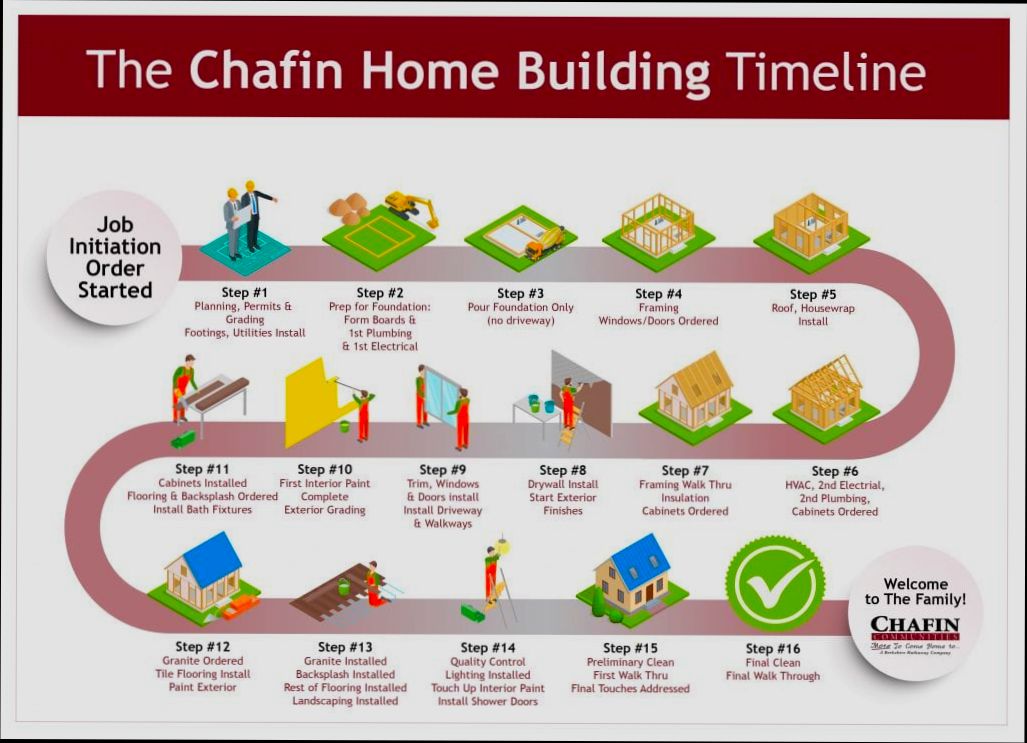
Building a new home is an intricate endeavor that unfolds through several distinct phases. Each phase plays a pivotal role in determining how quickly your dream home becomes a reality. By understanding these phases, you can navigate the complexities of home construction with greater confidence.
Phases of Home Building
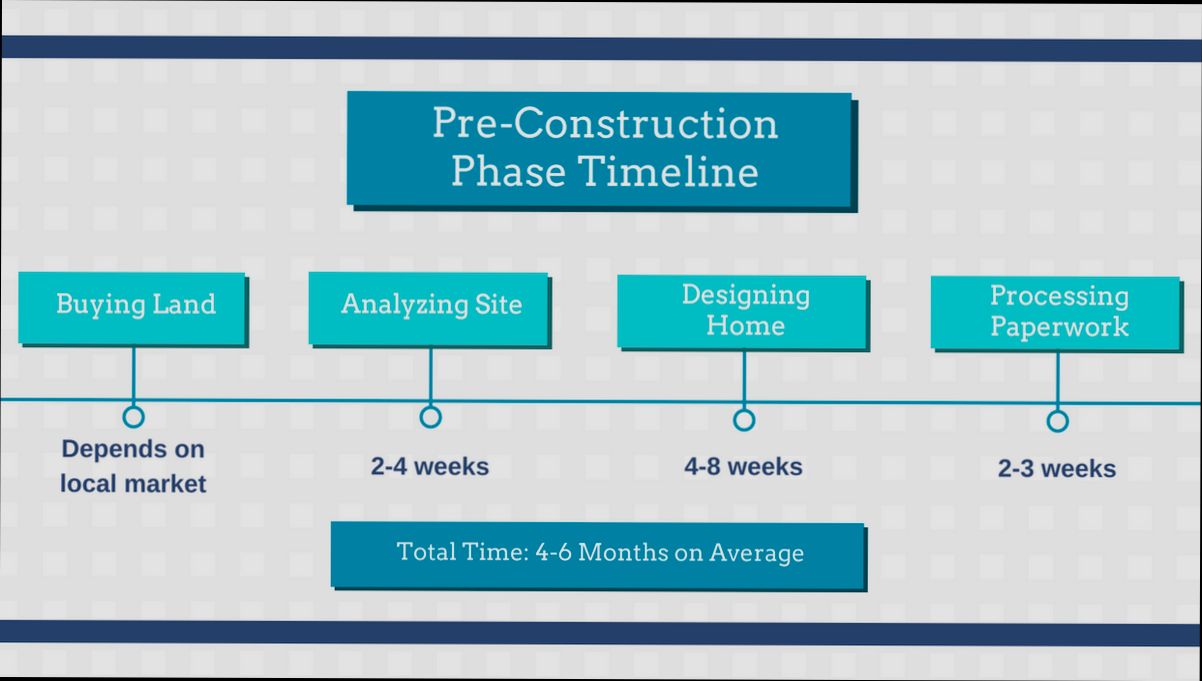
1. Pre-Construction Phase
- This is where the groundwork starts. During this phase, you secure financing, acquire land, and create a detailed design and building plan. It’s also crucial to obtain necessary permits, which can take anywhere from a few weeks to several months depending on local regulations.
- Worthy Insight: Some buyers may experience delays in this phase if their permits are not approved promptly, which can add an average of 30 to 60 days to the timeline.
2. Site Preparation
- Once you have all permits, the next step is to prepare the site. This includes clearing land, leveling the ground, and setting up utilities. Preparation time varies based on the condition of the site and local weather, usually spanning 2 to 4 weeks.
- Engage with your contractor to schedule this effectively, as any unforeseen issues can lead to further delays.
3. Foundation
- After site preparation, laying the foundation follows. This includes pouring concrete or building the basement. The foundation phase may take about 2 to 3 weeks, depending on the complexity and weather conditions.
- Cost Reference: It’s essential to allocate about 10-15% of your total budget in this phase.
4. Framing
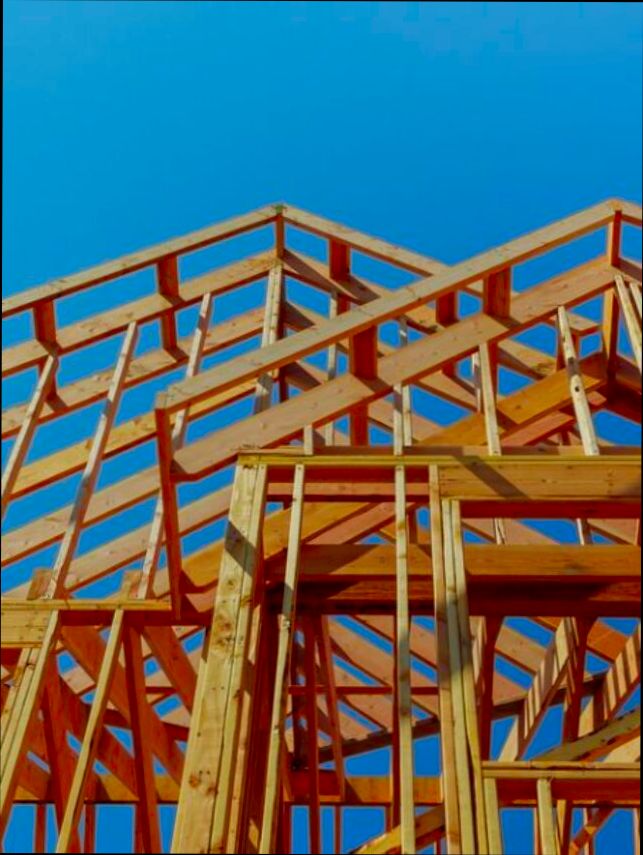
- Next is framing, which involves constructing the home’s skeletal structure. This phase is crucial and is often the most expensive part of building a house. For larger homes, framing costs can significantly increase due to material and labor needs. You can expect this stage to take around 4 to 6 weeks.
- Example Insight: According to Korey Gregory, a construction supervisor at ASAP Restoration, LLC, effective communication during this phase can drastically reduce the timeline.
5. Exterior Work
- Following framing, adding roofing, siding, and windows occurs. This phase can take about 3 to 5 weeks. Pay close attention to detail to ensure quality materials are used; this will affect longevity and maintenance needs.
- Setting realistic timelines and expectations during this phase can help prevent bottlenecks.
6. Interior Work
- In this phase, contractors focus on plumbing, electrical work, insulation, drywall installation, and flooring. This phase is often the most labor-intensive and can span from 4 to 8 weeks.
- Statistical Insight: On average, a single-family home takes 6.7 months from start to finish, but interior work can be a critical bottleneck if not managed properly.
7. Final Touches
- This is the home stretch where details like painting, installing fixtures, and landscaping are addressed. Budget about 3 to 5 weeks for final inspections and touch-ups before moving in.
- Proper planning here ensures your home is ready for occupancy without unnecessary delays.
Comparative Phases Timeline Table
| Phase | Estimated Duration | Key Considerations |
|---|---|---|
| Pre-Construction | 30-90 days | Permits and financing |
| Site Preparation | 2-4 weeks | Weather conditions |
| Foundation | 2-3 weeks | Complexity of design |
| Framing | 4-6 weeks | Size of the structure |
| Exterior Work | 3-5 weeks | Quality of materials |
| Interior Work | 4-8 weeks | Coordination of trades |
| Final Touches | 3-5 weeks | Inspection and clean-up |
Real-World Case Studies
- Single-family Home Construction: A study showed that single-family homes built for sale completed in an average of approximately 5.9 months, demonstrating efficient management of the construction timeline.
- Custom Home Builder Experience: Alec Hartman, CEO of Welcome Homes, notes that projects with detailed pre-construction planning see reduced timelines by up to 20%.
Practical Insights for Home Builders
- As you embark on building, prioritize clear communication with your contractor, particularly during framing and interior work.
- Ensure that you have contingency plans in place to handle unexpected delays, particularly during permitting and final inspections.
- Regularly review your timeline and budget with your builder. This proactive approach can help mitigate risks and keep your project on track.
Facts to Remember
- The foundation phase generally takes about 2-3 weeks but is influenced heavily by weather and site conditions.
- Framing can be the most expensive part of the project; effective management during this phase helps save costs.
- Engaging throughout each stage can significantly reduce overall construction time by keeping all parties aligned.
Impact of Weather on Construction Schedules
Weather can significantly affect construction schedules, influencing everything from project timelines to resource availability. Understanding these impacts enables you to plan better and mitigate delays that may arise due to unpredictable weather conditions.
Key Points on Weather Impact
- Rain Delays: Rainy weather can halt outdoor construction activities. Studies indicate that rainy days can delay work by an average of 10-15%. This delay often requires re-evaluating timelines for pouring concrete and roofing.
- Temperature Extremes: Both extremely hot and cold temperatures create challenges. During cold spells, concrete may not cure properly, leading to additional waiting time. Conversely, high temperatures can shorten the working day due to heat stress, thereby slowing productivity by approximately 20%.
- Snow Accumulation: Regions with heavy snowfall may experience significant disruptions, with accumulated snow delaying construction plans by up to 50%. Snow removal adds extra labor costs and extends project timelines as safety becomes a priority.
Weather-Related Impact Table
| Weather Condition | Average Delay (%) | Impact on Specific Tasks |
|---|---|---|
| Rain | 10-15% | Exterior framing, roofing |
| Extreme Cold | 15-20% | Concrete pouring, masonry |
| High Heat | 20% | General labor productivity |
| Heavy Snow | 50% | Site access and material delivery |
Real-World Examples
For instance, a residential construction project in Seattle faced a 3-week delay due to unseasonably heavy rainfall during what was expected to be a dry period. Similarly, a build in Chicago had to suspend activities for an additional two weeks due to extreme cold, resulting in additional costs and a delayed completion date.
Another project in Florida experienced a 10% reduction in workforce productivity during a heatwave, primarily due to workers needing more breaks for hydration and heat relief. This scenario is common across warm climates and showcases the need for adaptive scheduling.
Practical Implications
It’s essential to incorporate weather forecasts into your scheduling. Consider these actionable insights:
- Buffer Days: Allocate buffer days in your schedule to account for potential weather disruptions. Aim for at least 5-10% of your total timeline.
- Flexible Work Plans: Create a flexible work plan that allows you to shift tasks based on current weather conditions. Prioritize indoor activities during inclement weather.
- Monitoring Tools: Utilize weather monitoring tools that can offer real-time updates. These can help you make quick decisions about potentially delaying or advancing tasks.
- Seasonal Planning: If possible, plan critical outdoor construction tasks during historically dry months to minimize interruptions.
Keeping these considerations in mind can help you navigate the challenges posed by weather conditions effectively, ensuring a smoother construction process.