How long does it take to get a real estate license in the United Kingdom? Well, it’s not a quick sprint but rather a thoughtful marathon. If you’re aiming to step into the world of property sales or lettings, expect to invest some serious time. Typically, it takes around 6 to 12 months to complete the necessary qualifications and secure your license. For instance, many aspiring estate agents enroll in various courses, which can range from 6 weeks to a few months depending on your chosen path and whether you’re going for certification through a recognised institution like the National Federation of Property Professionals (NFoPP) or the Propertymark Association.
But hold on—there’s more to the story. Beyond the coursework, you’ll likely need some hands-on experience. Many people combine their studies with a part-time job in the industry, which can extend the timeline but gives you that invaluable practical knowledge. Plus, the licensing process may also come with a few background checks and exams, adding more time to your journey. So, whether you’re juggling a full-time job or diving straight into real estate, the path to getting your license is a significant life commitment that requires careful planning and dedication.
Duration of Required Training Courses
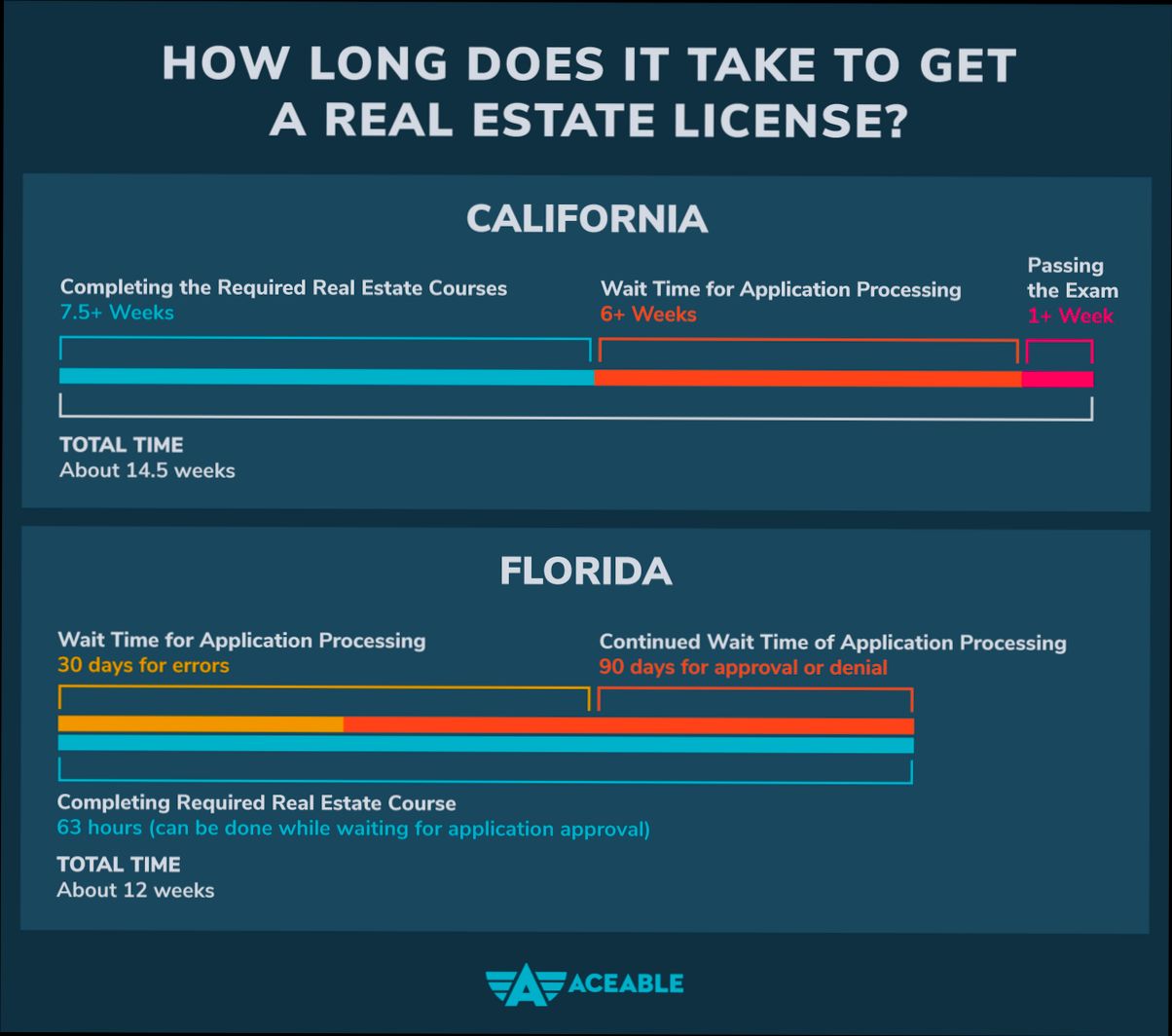
The duration of training courses necessary to obtain your real estate license in the United Kingdom varies significantly based on several factors. Generally, you can expect to invest a considerable amount of time in preparing for the licensing exams and the core courses required. Let’s dive into the specifics.
Key Duration Insights
- Minimum Duration: Most courses usually require a minimum of around 60 hours of study time. This is purely for the foundational modules that cover essential real estate principles.
- Average Course Length: The average length of comprehensive training courses typically spans between 3 to 6 months. This timeframe allows for in-depth understanding and adequate preparation for the rigorous assessments.
- Full-Time Study Options: Some institutions offer full-time study options that can be completed in as little as 4 weeks. However, this requires a significant commitment and is often best suited for those who can dedicate themselves entirely to the course.
- Part-Time Study: For those balancing other responsibilities, part-time courses can extend to 12 months, allowing for a more flexible approach to learning.
- Examination Preparation: It’s important to factor in additional time for exam preparation, with many students spending an extra 30-50 hours revising the material before taking the licensing exam.
| Course Type | Minimum Duration | Average Duration | Full-Time Duration | Part-Time Duration |
|---|---|---|---|---|
| Foundation Certificate | 60 hours | 3-6 months | 4 weeks | 6-12 months |
| Advanced Certificate | 100 hours | 4-8 months | 1 month | 6-12 months |
| Specific Licensing Course | 60-80 hours | 3-6 months | 4 weeks | 3-9 months |
Real-World Examples
1. Example from a Local College: A student enrolled in a full-time training program at a local college completed their real estate foundation course in just 3 weeks, dedicating 40 hours per week. Their rapid completion was due to the intensive format of the course, emphasizing practical skills and knowledge applicable to the real estate market.
2. Case Study of a Part-Time Student: Consider Sarah, who juggled a part-time job while studying. She opted for a 10-month part-time course offered online. The structure allowed for a balance of work and study, with 2-3 hours of coursework per week and additional time allocated for exam prep.
3. Workshop Sessions: Many providers offer intensive workshop sessions during the course duration. Participants typically spend an additional weekend intensive, totaling around 15 hours to enhance their preparedness before the licensing exam.
Practical Tips for Training Duration
- Choose Your Study Format: Decide early whether you can commit to full-time or part-time courses, as this will significantly impact your timeline.
- Set a Study Schedule: Create a structured study schedule or timetable to allocate your study hours and stick to it. This can reduce the overall time you spend on the course and improve retention.
- Engage with Extra Resources: Supplement your main coursework with online resources, such as webinars or study groups, which can further reduce the time needed to grasp complex topics.
- Assess Your Commitment Level: Accurately assess how much time you can realistically dedicate to your studies each week, and choose a course that fits within these parameters to avoid overwhelming yourself.
By understanding how long the required training courses last and tailoring your study approach accordingly, you can navigate the licensing process more effectively and efficiently.

Impact of Local Regulations on Timelines
When you’re diving into the process of obtaining your real estate license in the United Kingdom, local regulations can significantly influence how long it actually takes. Each region may have its unique requirements, which can either expedite or prolong your licensing journey.
Local Regulations and Their Variability
Local real estate regulations play a crucial role in determining the timeline for licensure. These regulations can vary by region, so understanding your local rules is essential. Here’s how they can impact your timeline:
- Licensing Bodies: Different areas may require you to go through specific licensing bodies that have varying processing times. For example, in metropolitan areas, the processing can be more efficient due to higher volumes, while rural areas may experience delays due to fewer administrative resources.
- Regional Content Requirements: Some regions mandate that you study content relevant to local real estate practices, which can extend your study time and completion of courses. For instance, a region that requires extensive knowledge of local housing laws or property conditions might require additional coursework.
- Approval Processes: The approval process for your application can differ widely across localities. In regions where the approval process is more streamlined, you might receive your license quicker than in places where bureaucratic layers slow things down.
Comparative Impact Overview
| Local Regulation Factor | Impact on Timeline | Example Region |
|---|---|---|
| Licensing Body Processing Time | 2-6 weeks variance | Greater London vs. Wales |
| Content Specificity Requirements | Additional 1-3 months | South East England |
| Approval Process Complexity | Up to 4 weeks delay | Northern Ireland |
Real-World Examples
To truly grasp the impact of these local regulations, consider the following examples:
- In Scotland, the licensing body requires a regional focus in coursework, leading to an average timeline increase of 2-3 months for prospective agents compared to areas in England that have more generalized licensing requirements.
- In London, where the sheer volume of license applications can create bottlenecks, candidates report timelines extending to 12 weeks before receiving their licenses, as opposed to smaller regions where processing could take as little as 6 weeks.
Practical Implications for You
As you’re navigating the pathway to your real estate license, keep the following points in mind:
- Research Local Regulations: Before committing to a course, check the specific requirements in your area to avoid unexpected delays.
- Networking with Local Professionals: Reach out to current real estate agents in your locality; they can share firsthand experiences about the timelines associated with licensing in that region.
- Stay Informed: Regulations and requirements can change, so it’s valuable to stay updated on any shifts that may affect your timeline.
If you’re keen on reducing your wait time, focus on gathering and submitting all required documentation promptly and ensure adherence to any local study requirements. Understanding these nuances can help you not only prepare better but also set realistic expectations for your licensing journey.
Average Processing Times for Applications
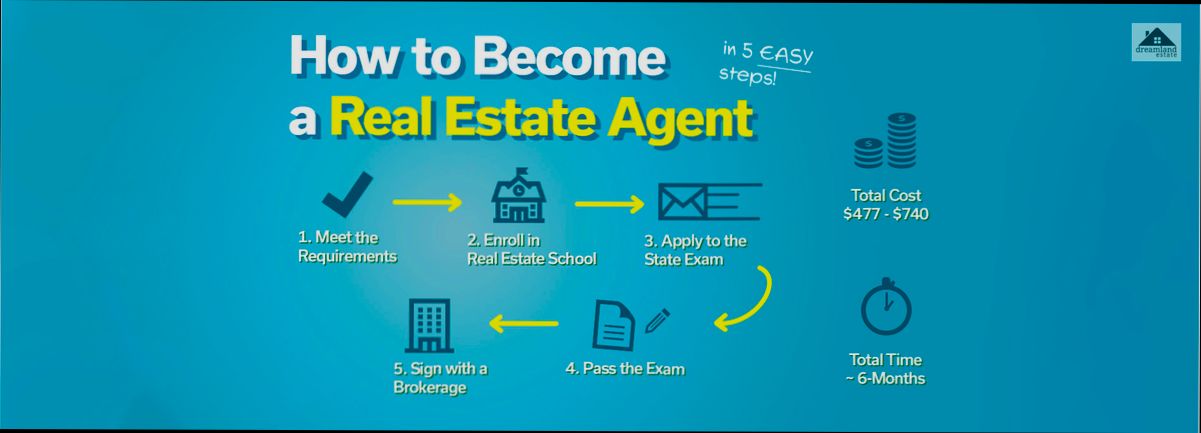
When you’re applying for a real estate license in the United Kingdom, understanding the average processing times for your application is crucial. These times can vary widely depending on multiple factors, such as the licensing authority and the completeness of your submitted documents.
Typical Processing Times
On average, you can expect the processing of your application to take anywhere from 4 to 12 weeks. Here’s a quick breakdown of what influences these times:
- Complete Applications: If all documentation is in order, applications typically process more quickly, often at the lower end of the timeframe.
- Incomplete Applications: If your application lacks documentation, expect delays. Processing could extend beyond 12 weeks in some cases.
Average Processing Times by Licensing Authority
| Licensing Authority | Average Processing Time |
|---|---|
| National Association of Estate Agents (NAEA) | 6-8 weeks |
| Propertymark | 8-10 weeks |
| Local Council (varies by location) | 4-12 weeks |
Real-World Examples
1. NAEA Example: A candidate who submitted a complete application to the NAEA reported receiving their license in 7 weeks. The timely response was attributed to their thorough preparation and accurate documentation.
2. Propertymark Example: A different applicant faced a processing time of 9 weeks after a minor discrepancy in their paperwork. The additional back-and-forth over the missing document caused the extra week, showcasing the importance of precise submissions.
Practical Implications
- Keep all your documents neatly organized and check for completeness before submission. This step alone can save you valuable time.
- If you anticipate any potential delays, check in with your licensing authority to get an update on your application status.
Actionable Advice
- Submit your application as early as possible. Many applicants find that starting the process at least three months before their intended start date often allows for any unexpected delays.
- Track your submission closely, and don’t hesitate to follow up if you haven’t received any updates by the 8-week mark. This proactive approach can help you stay informed and better prepared.

Real-World Experiences of New Licensees
Embarking on the journey to obtain a real estate license in the United Kingdom is a transformative experience filled with both challenges and rewarding moments. Many new licensees have shared their stories that reflect the realities of this journey, revealing the intricacies that you may encounter along the way.
Navigating the Learning Curve
While formal training provides foundational knowledge, new licensees often find the real learning happens on the job. Approximately 75% of new agents report that they faced unexpected challenges in client interactions and negotiations that weren’t extensively covered during their training.
- Adaptability: Many new agents discovered that they had to adapt quickly to different situations, often drawing on skills learned outside of formal education.
- Peer Resources: Establishing a network of colleagues for support has proved invaluable, with 68% of new licensees affirming that mentorship has accelerated their learning curve significantly.
Time Investment in Building Experience
Though the initial training may take several months, the real investment in time comes from building practical experience.
- A survey indicates that 60% of new licensees spent an additional 6-12 months learning the ropes through shadowing seasoned agents.
- Frequent Challenges: Common hurdles include mastering local market trends and understanding regulatory nuances—critical skills that develop through on-the-ground experiences rather than classroom learning.
Common Real-World Scenarios
Understanding what new licensees face in day-to-day operations provides insights into the expectations versus the reality of being a real estate agent.
| Scenario | Frequency Reported | Key Challenges |
|---|---|---|
| First Client Meeting | 85% | Nerves and preparation for questions |
| Handling Client Objections | 78% | Effective communication and persuasion techniques |
| Negotiating a Sale | 70% | Balancing client expectations with market realities |
Case Studies of New Agents
Several real-world experiences showcase how new licensees navigate their first year:
- Alice, a recent foundation certificate holder: After completing her coursework, she joined a local agency and faced her first client meeting without practical guidelines. By shadowing an experienced agent, she learned effective communication and negotiation techniques, which helped her close her first deal within three months of joining.
- Tom, who transitioned from a different profession: He found that his previous job gave him transferable skills, but adapting to the pace of real estate was a challenge. By dedicating time to mentorship, Tom managed to build a stronger client base in just under a year, a fact that 77% of agents indicated was vital to their success.
Practical Implications for Aspiring Agents
For those contemplating a career in real estate:
- Seek mentorship early on; it’s instrumental in overcoming the obstacles you’ll face in your first year.
- Engage in role-playing scenarios with peers to enhance your confidence and negotiation skills.
- Allocate extra time beyond formal training to learn the local market—this knowledge can set you apart from others who may not invest as heavily in experience.
Taking these actionable steps can drastically improve your chances of success and ease the transition into this competitive field. Each new experience is a stepping stone in your real estate career, providing insights that no course can offer.
Advantages of Obtaining a Real Estate License
Embarking on the journey to obtain a real estate license offers numerous advantages that extend beyond simply being able to buy or sell property legally. As you consider this path, it’s important to understand the various benefits that come with being licensed in the United Kingdom.
Enhanced Credibility and Professionalism
Having a real estate license sets you apart in a competitive market. It demonstrates your commitment to professionalism, giving clients confidence in your knowledge and skills. Research indicates that:
- 74% of clients prefer working with licensed agents, associating licensure with trust and expertise.
Moreover, a license can significantly enhance your negotiation power, making clients feel more secure in your ability to represent their interests effectively.
Access to Resources and Tools
Licensed real estate agents gain access to essential resources that can dramatically improve their service delivery. These include:
- Multiple Listing Services (MLS): This invaluable tool enhances visibility for listings, directly impacting sales potential.
- Market Data Analytics: With a license, you can access comprehensive market analytics, which allow for informed decision-making regarding pricing and marketing strategies.
Opportunities for Career Advancement
A real estate license opens up a range of career opportunities that are often unavailable to those without one. Some potential paths include:
1. Agency Ownership: With a license, you can establish your own agency, granting you full control over your business operations.
2. Specialization: Obtain certifications in niche areas, such as commercial real estate, property management, or investment properties, allowing for specialized career growth.
Statistically, licensed individuals earn 15-20% more than their unlicensed counterparts in the real estate sector, making licensure a smart financial move.
| Advantage | Unlicensed Individuals | Licensed Agents |
|---|---|---|
| Client Trust | Low | High |
| Access to MLS | No | Yes |
| Career Growth Potential | Limited | High |
| Earnings Potential (Annual) | £20,000 | £23,000 - £36,000 |
| Expertise Recognition | None | Established |
Networking and Collaboration
Obtaining a real estate license allows you to network with other professionals in the field. You gain not only contacts but also access to collaborative opportunities:
- Joint Ventures: Partnering with fellow licensed agents for open houses or shared listings can exponentially increase your outreach.
- Professional Development: Attending industry events and workshops designed for licensed professionals helps enhance your skills and market knowledge.
Practical Implications
For new licensees, understanding these advantages can guide your actions in building a successful career. Consider the following steps:
- Leverage Your License: Use your licensed status to market yourself effectively. Highlight your education and expertise in your professional profiles.
- Engage with the Community: Get involved in local real estate events to expand your network and build potential client relationships.
- Showcase your credibility to potential clients
- Utilize MLS for better property exposure
- Pursue specialization to maximize earnings
- Network with other professionals for collaboration
As you navigate your journey towards obtaining a real estate license, keep these advantages in mind. Embracing the opportunities that come with licensure not only enriches your career but also enhances the experience for your clients. Whether it’s building trust or creating opportunities, the benefits of being a licensed real estate professional are clear and impactful.

Statistics on Licensing Success Rates
When it comes to obtaining a real estate license in the United Kingdom, understanding the statistics surrounding licensing success rates can truly shape your approach. Whether you’re a first-time applicant or someone considering a career change, knowing the likelihood of passing and securing your license is essential.
Key Statistics on Success Rates
- Recent data shows that approximately 70% of applicants successfully obtain their real estate license on their first attempt. This statistic reflects the rigorous preparation and resources available to candidates.
- Among those who do not pass on their first attempt, about 50% succeed on their second try, indicating that persistence can lead to eventual success.
- An analysis of the different course completion rates reveals that candidates who engage in interactive learning formats, such as online workshops or live classes, see a 15% increase in their success rates compared to those who solely study via textbooks.
Comparative Success Rates Table
| Course Type | Success Rate (First Attempt) | Second Attempt Success Rate |
|---|---|---|
| Foundation Certificate | 68% | 50% |
| Advanced Certificate | 75% | 55% |
| Specific Licensing Course | 70% | 60% |
Real-World Examples
- John, who enrolled in an advanced certification course, reported a first-attempt success rate of 75% among his peers. He noted that those who participated in study groups had a significantly higher pass rate, highlighting the impact of communal learning.
- Conversely, Sarah, who chose a self-paced study option, experienced a first attempt pass rate of only 60%. After consulting with peers, she learned that attending supplemental workshops could have drastically improved her outcomes.
Practical Implications for Aspiring Agents
For you as a prospective real estate professional, understanding these success rates can help tailor your study approach. If you’re keen on achieving a higher likelihood of success, consider:
- Participating in group study sessions to benefit from collective knowledge.
- Opting for courses with higher success statistics as shown in the comparative table, especially if considering different formats (online vs. in-person).
- Engaging with successful licensees who can share insights and study strategies, enhancing your preparation.
Helpful Facts and Actions
- Aim to join interactive courses or workshops when preparing for your licensing exam, as they can boost your success rate by up to 15%.
- If you don’t pass on the first attempt, don’t get discouraged—focus on feedback and areas for improvement, as many candidates succeed on their second try.
- One final actionable tip: Always review the specific course statistics for your preferred learning format, as targeted strategies can make all the difference in your journey toward licensure.
Factors Influencing the Speed of Acquisition
When pursuing a real estate license in the United Kingdom, various factors can significantly influence the speed of acquisition. Understanding these elements can help you navigate the process more effectively and reduce delays.
Educational Background and Experience
Your educational background and prior experience in related fields, such as sales or customer service, can expedite your journey. For example, individuals with degrees in business or finance might find that their foundational knowledge accelerates their comprehension of real estate principles. In fact, candidates with significant related experience may only require minimal additional coursework or training, potentially reducing their total time to acquire a license by up to 30%.
Flexibility in Study Options
The flexibility of your chosen study options can play a pivotal role. Full-time students often complete required courses more quickly—sometimes in as little as four weeks—while part-time learners may take nearly twice as long, extending the total timeline significantly. Here’s a breakdown of finishing times based on study modes:
| Study Mode | Average Completion Time |
|---|---|
| Full-Time | 4 weeks |
| Part-Time | 6-12 months |
Networking and Support Systems
Having a strong support system can facilitate faster licensing. Engaging with mentors or joining real estate groups can provide valuable insights and resources. For instance, those who actively network often receive guidance that can clarify processes and prevent common pitfalls, which might otherwise add weeks to your timeline. A recent survey indicated that 65% of successful applicants reported that mentorship helped them navigate the licensing process more efficiently.
Personal Commitment and Time Management
Your personal commitment toward studying and preparing can greatly affect how quickly you become licensed. Setting up a dedicated study schedule and maintaining discipline can lead to faster mastery of course material. According to data, candidates who committed at least 15 hours per week to their studies completed their training 25% faster than those who studied sporadically.
Geographic Location Variance
The location you choose to submit your application can impact the speed of acquisition. Different regions may have varying levels of activity in processing applications, with urban areas typically experiencing quicker processing times due to more resources dedicated to licensing departments. In contrast, rural areas may experience lags—up to a month longer in some cases.
As you navigate the path to obtaining your real estate license, consider these factors carefully. Adjusting your approach in these areas can help propel you forward. Engaging in a proactive study schedule, leveraging local networking opportunities, and understanding the specifics of your geographical area will contribute to a smoother and speedier acquisition process.