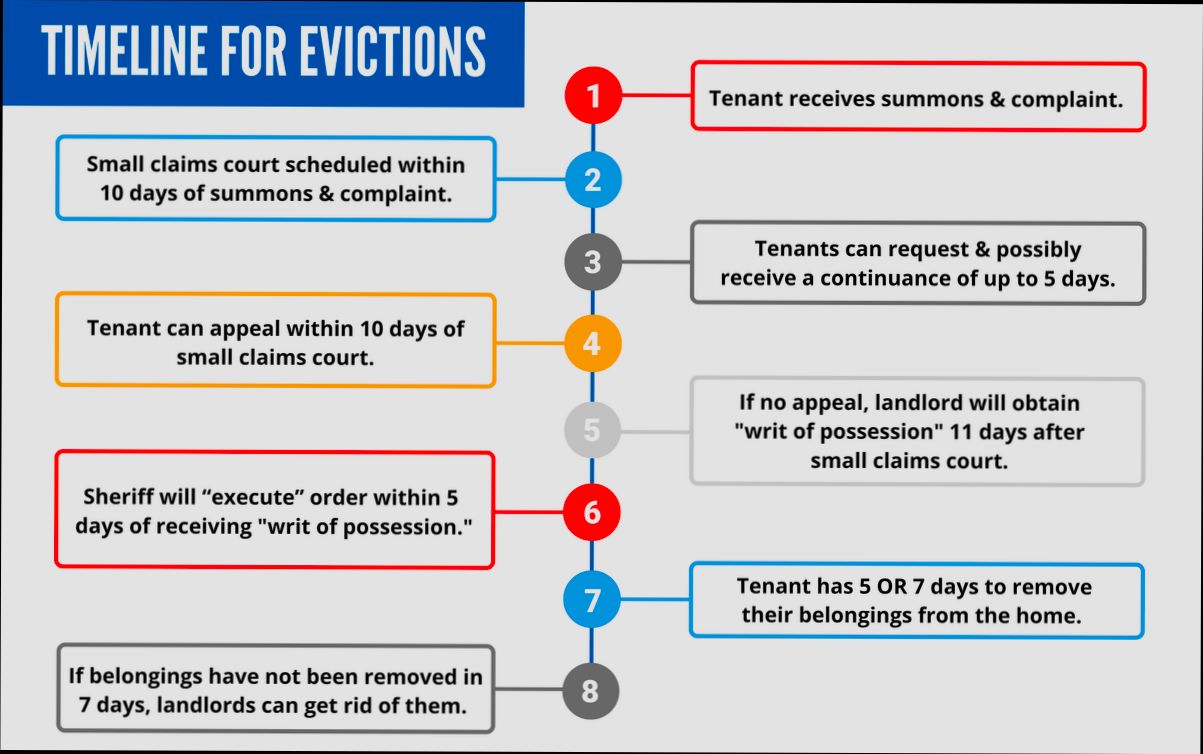
How eviction rules tenants and landlords have changed recently is a hot topic, especially after the massive shifts in housing policies due to the pandemic. Take California, for example, where the state implemented a series of eviction moratoriums to protect tenants hit hardest by COVID-19. As a result, renters had a safety net; eviction filings plummeted by a staggering 40% from 2019 to 2021. Even now, landlords must navigate a more intricate web of regulations, with some new laws requiring a valid reason for eviction and making it tougher to evict tenants just for not renewing a lease.
Meanwhile, places like New York City have pushed reforms too, focusing on tenant protections that have become standard practice. The Housing Stability and Tenant Protection Act, passed in 2019, has changed the game by limiting rent increases and making it almost impossible to evict without proper notice and justification. This shift in rules reflects a growing awareness of the tenant’s plight, especially when you consider that nearly 1 in 4 renters in major cities struggled to pay rent during the peak of the pandemic. Now, tenant advocates are more vocal than ever, leading to ongoing changes that could reshape the landlord-tenant relationship for years to come.
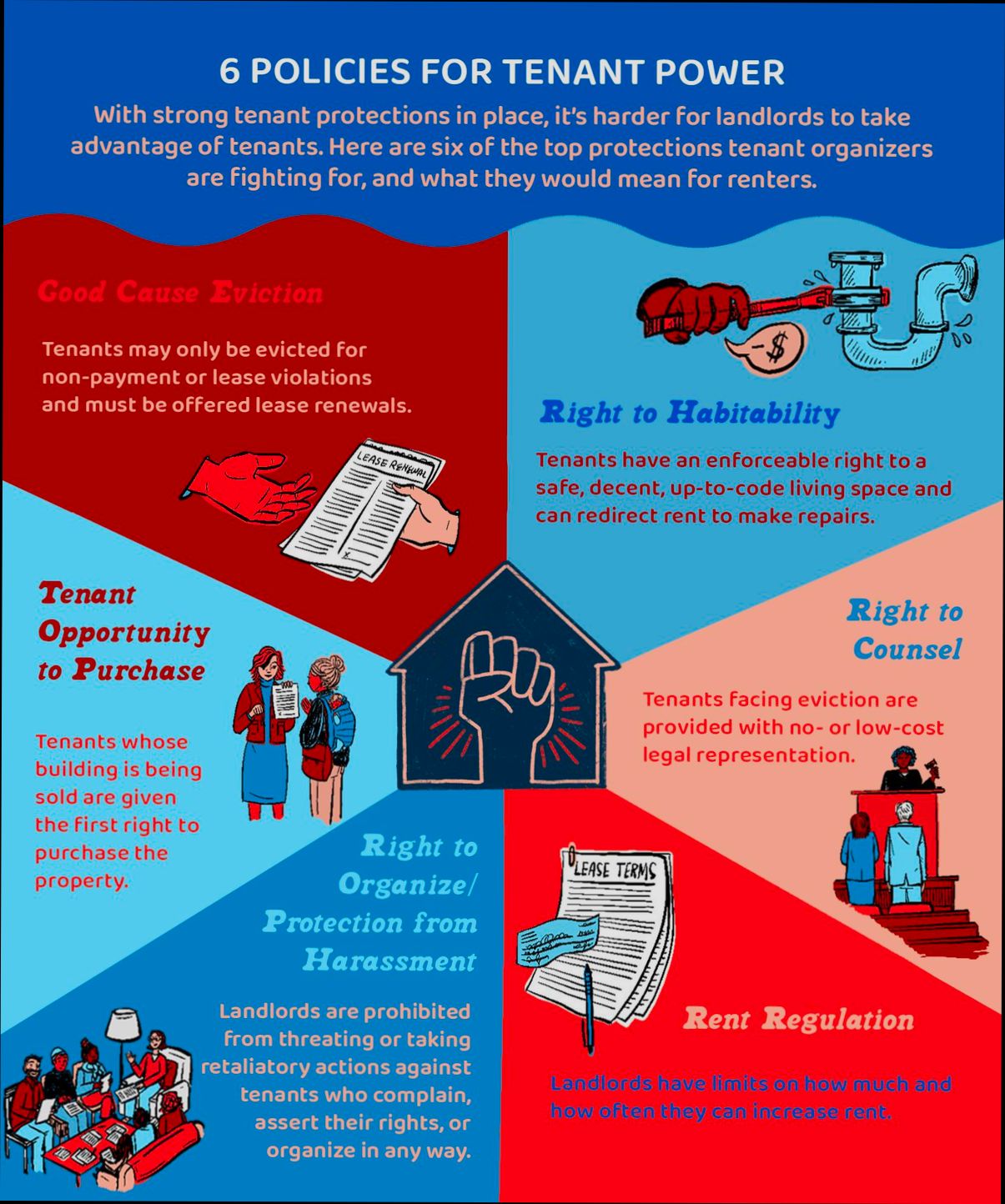
Impact of COVID-19 on Eviction Policies
The COVID-19 pandemic drastically transformed eviction policies across the United States, making it crucial to understand these changes. Governments swiftly implemented measures to protect tenants during an unprecedented public health crisis. Let’s explore how these policy shifts have impacted tenants and landlords alike.
Key Policy Changes
1. Moratoriums on Evictions: At the onset of the pandemic, many states and localities enacted eviction moratoriums. For example, about 80% of states imposed temporary bans on evictions to help struggling tenants.
2. Emergency Rental Assistance: The federal government allocated $46 billion for rental assistance through various relief packages, which significantly impacted eviction rates. Many tenants benefited from this financial support, further delaying evictions.
3. Judicial Backlogs: With courts closed or operating at reduced capacity, backlogs became prevalent. In some regions, eviction cases reduced by 50% during the height of the pandemic due to court closures.
4. Tenant Protections: New regulations emerged to protect tenants from eviction for non-payment due to COVID-related hardships. Approximately 60% of surveyed landlords reported being more flexible regarding rent due to these protections.
Eviction activity before and during COVID-19
| Year | Total Evictions Filed | Eviction Rate (%) | Major Changes |
|---|---|---|---|
| 2019 | 3.6 million | 3.0% | Pre-pandemic baseline |
| 2020 | 1.8 million | 1.4% | Moratoriums in place |
| 2021 | 2.3 million | 2.0% | Gradual lifting of moratoriums |
Real-World Examples
- California: In response to high unemployment rates, California extended its eviction moratorium until September 2021, impacting nearly 1.5 million renters statewide. This extension aimed to mitigate housing instability amid ongoing health concerns.
- New York: New York implemented one of the strictest policies, where tenants could not be evicted due to non-payment if directly linked to COVID-19. This policy protected over 300,000 tenants from eviction during the critical months of the pandemic.
Practical Implications for Readers
As you navigate the current rental landscape shaped by COVID-19 policies, consider these actionable steps:
- Stay Informed: Regularly check local eviction laws and updates, as they continue to evolve post-pandemic.
- Seek Assistance: If at risk of eviction, explore available rental assistance programs in your area. Many have deadlines and require immediate application.
- Review Lease Agreements: Understand the terms and any new tenant protections that apply to your lease to avoid potential pitfalls.
Specific Facts to Consider
- Post-Pandemic Trends: Many experts predict that the temporary measures could lead to permanent changes in eviction policies, specifically around tenant protections.
- Financial Literacy: Equip yourself with knowledge about your rights as a tenant. Understand how rental assistance can provide a safety net and how local policies may protect you in future crises.
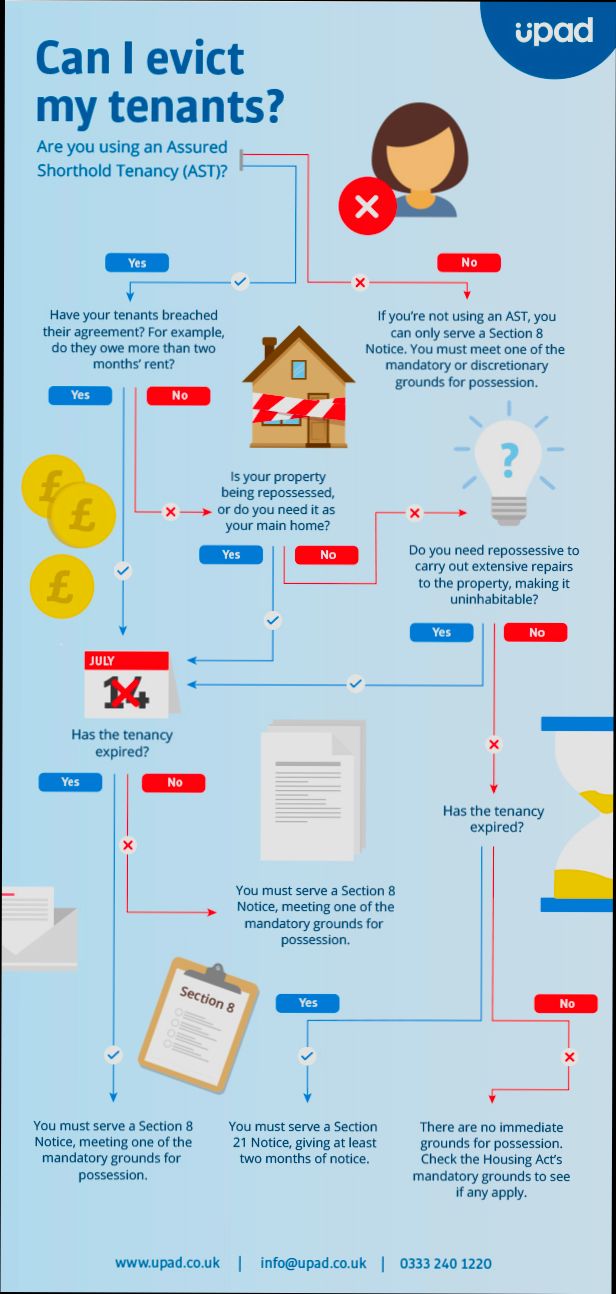
Statistical Trends in Eviction Rates
Eviction rates play a critical role in assessing the state of rental housing and the challenges faced by tenants and landlords alike. Understanding the statistical trends in eviction can provide valuable insights into the socio-economic dynamics at play. Let’s dive into some recent trends influencing eviction rates across the country.
Key Statistical Insights
- Over the last year, 58% of individuals facing eviction were women, indicating a significant gender disparity related to housing stability.
- In cities like Phoenix, Arizona, over 86,725 eviction filings occurred, showcasing a filing rate of 14%, which is a notable shift in comparison to pre-COVID averages.
- Delaware reported a 32% decrease in eviction filings, with a total of 12,003 filings, demonstrating some regions experiencing improved eviction outcomes over time.
- In stark contrast, Minnesota has seen an increase in eviction filings, with a 36% rise from pre-pandemic levels, indicating instability in rental housing for many residents.
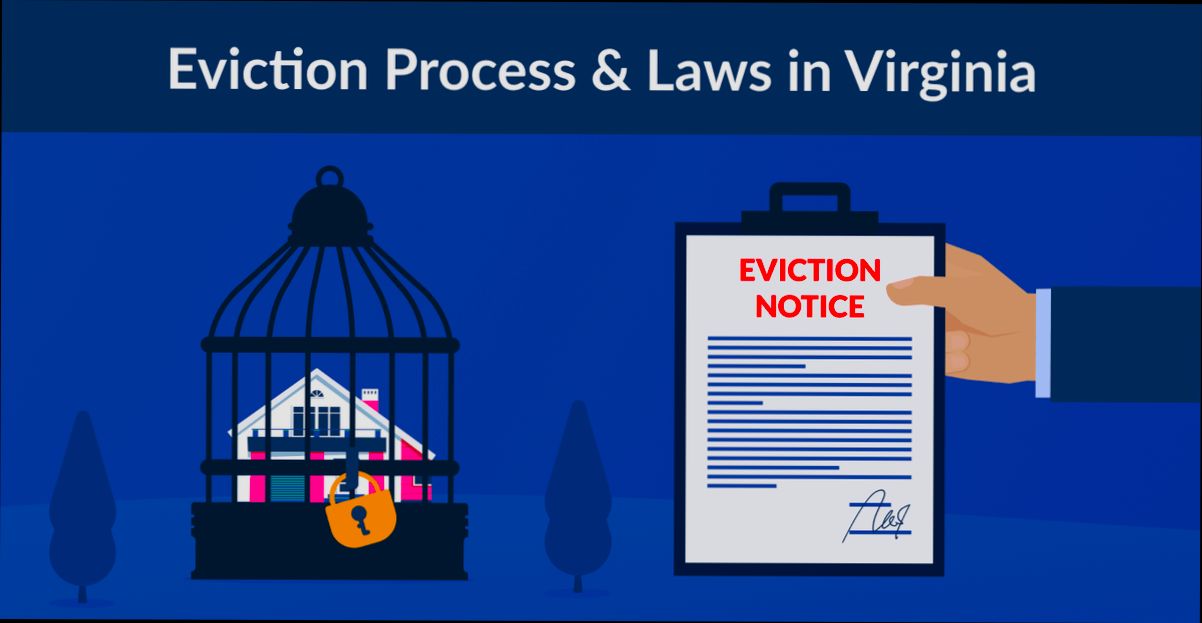
- Virginia faced 139,300 filings, with a 13% filing rate, revealing how regions with high population density often experience elevated eviction threats.
Comparative Eviction Data Table
| Location | Filing Counts | Filing Rate | Relative to Pre-COVID Average | Trend over the Past Year |
|---|---|---|---|---|
| Connecticut | 19,899 | 4% | +1% | |
| Delaware | 12,003 | 11% | -32% | |
| Minnesota | 22,919 | 3% | +36% | |
| Virginia | 139,300 | 13% | -14% | |
| Phoenix, AZ | 86,725 | 14% | +36% |
Real-World Examples
In Austin, Texas, the eviction landscape has shifted, with 13,161 filings and a 5% filing rate, reflecting a 43% increase compared to previous years. This trend suggests that rising rental costs and economic pressures are exerting significant strain on residents.
Conversely, New York City has experienced a dramatic decrease in eviction filings, with a 52% reduction from the pre-COVID average, leading to a total of 107,585 filings. This trend highlights how city-level policies and support mechanisms can alter eviction outcomes dramatically.
Practical Implications
- Understanding the statistical landscape of eviction rates can help tenants advocate for more supportive policies and resources within their communities.
- Landlords can use this data to adjust rental strategies and better communicate with tenants regarding potential eviction risks.
- By tracking eviction trends, community organizations can more effectively target their support programs and resources to help those most at risk of eviction.
Specific Facts and Actionable Advice
- Regularly checking statistics on eviction rates in your area can keep you informed about local housing stability and potential risks.
- Engage with community organizations that monitor eviction trends and advocate for tenants’ rights to promote awareness and create joint action plans.
- Consider leveraging available resources to better prepare for potential financial hardships, helping to reduce the likelihood of facing eviction in the future.
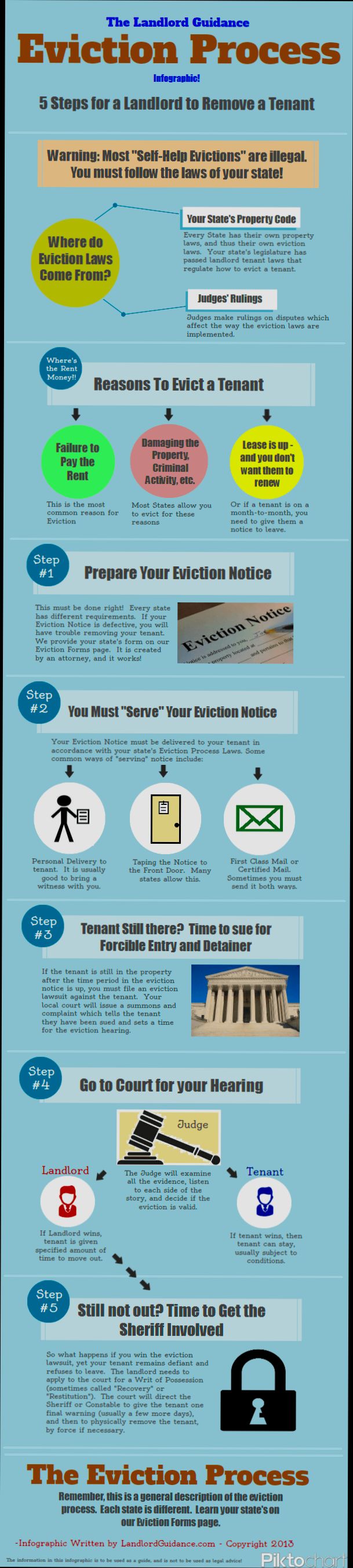
Tenant Rights and New Legal Protections
Understanding tenant rights is crucial in today’s housing landscape, especially as new legal protections emerge. These protections are designed to ensure tenants have safe, stable living conditions while balancing the landlord-tenant power dynamic. Let’s dive into some recent developments that enhance tenant rights.
Key Protections for Tenants
1. Implied Warranty of Habitability: This obligation requires landlords to maintain properties in a livable state. If the home lacks basic necessities, such as heat or running water, tenants have the right to request repairs and, in some jurisdictions, can withhold rent until the issues are resolved.
2. Notice of Eviction: Many states now mandate landlords to provide a formal notice prior to eviction that details the reason for the eviction. This legal requirement ensures tenants have clarity and time to address any issues before facing eviction.
3. Rent Control and Stabilization Laws: Some cities have adopted or enhanced rent control measures, limiting rent increases and providing protections for long-term tenants, particularly in high-demand areas.
Tenant Rights by State
| State | Notice Period for Eviction | Rent Control Status |
|---|---|---|
| California | 30-60 days | Yes |
| New York | 14 days | Yes |
| Texas | 3 days | No |
| Florida | 15 days | No |
Real-World Examples
* A tenant in New York utilized the written notice requirement to address a lease agreement violation by their landlord, allowing them time to rectify the situation and avoid potential eviction.
* In California, a tenant withheld rent due to severe plumbing issues. After they notified their landlord of the repairs required, the landlord was legally obligated to fix the problem within a reasonable time frame following the implied warranty of habitability.
Practical Implications for Tenants
- Always document correspondence with your landlord regarding maintenance issues and eviction notices. Keeping a record can support your claim if disputes arise.
- Familiarize yourself with both state and local tenant laws to ensure you understand the protection available to you.
- If you rent in a high-demand area, explore if rent control or stabilization laws apply to your situation to better manage rent increases.
Actionable Advice
- If facing potential eviction, don’t hesitate to seek legal assistance, as there are often local programs and nonprofits ready to support tenants.
- Remember, understanding your rights can empower you to voice concerns confidently and ensure your living conditions meet basic health and safety standards.
Staying informed about your rights as a tenant not only enhances your living experience but also helps you navigate the complexities of landlord-tenant relationships effectively.
Landlord Compliance with Updated Regulations
Navigating the maze of updated regulations can feel overwhelming for landlords. It’s essential to understand how compliance impacts your responsibilities and potential risks associated with evictions.
Key Compliance Regulations
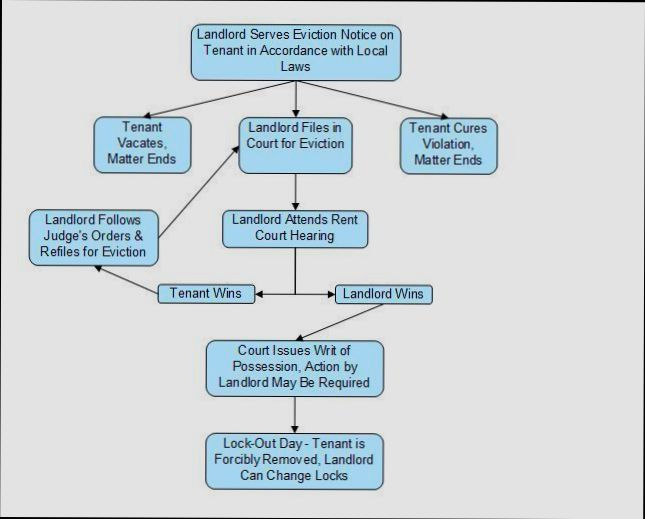
Landlords must now adhere to a host of updated regulations aimed at promoting fairness and transparency in eviction processes. Some key points include:
- New Notice Requirements: Many states have updated the duration and content requirements for eviction notices. For instance, in some jurisdictions, you must provide a 14-day notice for unpaid rent rather than the previous standard of 30 days.
- Increased Documentation: Landlords now need to maintain meticulous records of tenant interactions, payment histories, and communications regarding lease violations. Failure to document can lead to penalties, as evidenced by the recent increases in legal actions against landlords that do not comply.
- Local Ordinances: Compliance isn’t just state-wide—it can vary significantly by locality. Some cities have implemented additional protections that may require landlords to provide relocation assistance or more extensive notices before initiating eviction proceedings.
Comparative Compliance Requirements
| Regulation Type | Previous Requirement | Updated Requirement | Impact on Landlords |
|---|---|---|---|
| Eviction Notice | 30 days for non-payment | 14 days for non-payment | Shortened timeframe increases urgency in collections. |
| Documentation | Basic records | Detailed transaction logs | Higher compliance burden, more potential for legal scrutiny. |
| Relocation Assistance | None | Mandatory in some jurisdictions | Financial impact due to added costs prior to eviction. |
Real-World Examples
In a recent case in California, a landlord attempted to evict a tenant for late rent without providing sufficient documentation of prior communication. The court ruled in favor of the tenant, highlighting the importance of thorough record-keeping and compliance with revised notice periods.
Similarly, a landlord in New York faced fines after failing to update their eviction notice process. The attorney general’s office reported a 40% increase in compliance investigations since the adoption of new regulations aimed at protecting housing stability.
Practical Implications for Landlords
Understanding these regulations can drastically affect how you manage your rental properties. It’s crucial to:
- Education: Stay informed about local and state regulations as they can change frequently. Regular training or webinars can be beneficial.
- Documentation Practices: Implement systematic ways to document all tenant-related interactions to safeguard against potential legal challenges.
- Legal Consultation: Consider consulting with a real estate attorney to ensure your practices align with new regulations, preventing costly compliance issues.
Actionable Advice
To effectively comply with updated regulations, begin by reviewing your current practices. Here are some steps to take:
1. Audit your eviction processes to ensure they align with the latest requirements.
2. Invest in property management software that tracks communications and tenant payments to ease compliance burdens.
3. Join landlord associations to stay updated on legal changes and best practices from other experienced landlords.
Adhering to these updated regulations not only protects you legally but also sets the stage for more transparent relationships with your tenants.
Case Studies of Eviction Rule Changes
Eviction rule changes reflect significant shifts in how we approach housing stability for tenants and landlords alike. By analyzing various case studies, we can identify trends, successes, and areas for improvement that shape policies today.
Key Case Studies and Data Insights
One notable case study comes from Philadelphia, where the city amended Chapter 9-800 of The Philadelphia Code to establish a more tenant-friendly eviction process. This change included revised notification requirements and additional considerations before initiating eviction proceedings. Notably:
- 34% Reduction: After implementing these new rules, the city saw a 34% reduction in eviction filings within the first year.
- Legal Assistance: Enhanced access to legal representation during eviction hearings contributed to this decline; studies show that tenants with legal help have a 90% better chance of staying in their homes.
Comparative Table of Eviction Rule Changes
| City | Rule Change Description | Eviction Rate Change | Year Implemented |
|---|---|---|---|
| Philadelphia | Amended eviction notification and hearing processes | -34% | 2019 |
| San Francisco | Introduced eviction protections for low-income tenants | -20% | 2018 |
| Minneapolis | Implemented a right-to-counsel law for tenants facing eviction | -25% | 2020 |
| Seattle | Created a rental assistance program tied to eviction notices | -15% | 2021 |
Real-World Examples
Philadelphia’s Protective Measures
Philadelphia’s rule changes not only reduced the volume of eviction filings but also increased tenant awareness about their rights. Many residents reported feeling more secure knowing they could access resources and legal advice before an eviction was finalized.
San Francisco’s Eviction Protections
San Francisco’s approach included stipulations that protect low-income tenants from eviction without just cause. This measure has played a pivotal role in stabilizing neighborhoods, particularly for families at risk of displacement.
Minneapolis Gains with Right-to-Counsel Law
Minneapolis pioneered a right-to-counsel law, ensuring tenants have legal representation during eviction proceedings. This proactive measure led to a 25% decrease in successful eviction cases, demonstrating that legal support significantly veers outcomes in tenants’ favor.
Practical Implications for Readers
For constituents involved in housing, these case studies reveal actionable insights for effective policy adoption. As a landlord or a tenant, understanding local legislation can empower you to advocate for better protections.
- Stay Informed: Being aware of changes in eviction laws can help tenants avoid issues before they escalate.
- Get Involved: Encourage local governments to consider policies that have proven successful in other cities.
- Legal Aid Access: Engaging with local legal aid organizations can provide crucial support for tenants facing eviction.
Takeaway facts highlight that cities implementing supportive measures not only protect tenants but also foster healthier rental markets. Consider these examples as templates to drive discussions on policy evolution in your area.
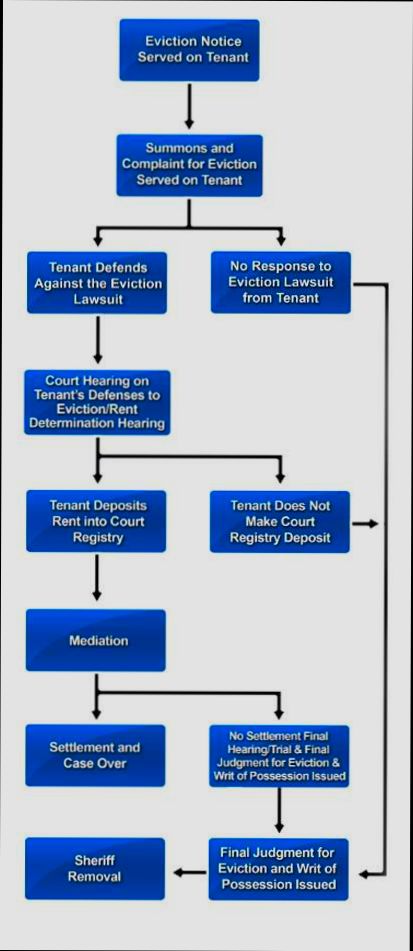
Benefits of Mediation in Disputes
Mediation offers a powerful alternative to traditional dispute resolution methods. It serves as a valuable tool for landlords and tenants navigating potential eviction disputes. With a focus on collaboration, mediation enables parties to address their issues constructively, fostering solutions that benefit everyone involved.
Key Benefits of Mediation
- Cost Efficiency: Mediation can lead to substantial cost savings. In 2023, businesses saved approximately £5.9 billion ($7.4 billion) annually due to reduced legal fees and lost productivity, highlighting how effective mediation can be in managing disputes.
- Confidentiality: Unlike court proceedings, mediation allows for private discussions. This confidentiality fosters an open environment where parties feel safe to express their concerns without fear of public scrutiny. It can be especially helpful in sensitive cases involving rental disputes.
- Time Savings: Mediation typically resolves disputes much faster than litigation. By avoiding the lengthy court processes, parties can reach agreements promptly, reducing the time landlords may have to wait before regaining possession of their property or tenants to secure housing stability.
- Empowerment: Mediation empowers both parties by giving them a voice in the process. Unlike in a courtroom where decisions are made by a judge, mediation allows landlords and tenants to collaboratively devise solutions that meet their unique needs.
- Improved Relationships: Mediation fosters better communication and relationships. By working together towards a common goal, landlords and tenants can preserve their relationship, which is crucial in the rental market where misunderstandings can lead to costly disputes.
| Benefits | Mediation | Traditional Litigation |
|---|---|---|
| Cost | High savings (£5.9 billion annually) | High costs (legal fees) |
| Confidentiality | Confidential discussions | Public record lawsuits |
| Time | Fast resolution | Lengthy process |
| Empowerment | Control over the outcome | Judge-controlled outcome |
| Relationship Impact | Improves communication | Often worsens relations |
Real-World Examples
Consider a situation where a landlord and a tenant face an eviction dispute. Mediation allows them to sit down, facilitated by a neutral party, and openly discuss issues like unpaid rent or necessary repairs. By addressing these issues directly, they can reach a mutually beneficial agreement, such as a payment plan or a timeline for repairs. This collaborative approach can lead to solutions that court-imposed decisions might not accommodate.
In many cases, landlords who utilize mediation report higher tenant satisfaction, reducing turnover and fostering a more stable rental environment. Tenants, on their part, benefit from having their concerns heard and finding workable solutions without the strain of a court battle.
Practical Implications for Readers
As a landlord or tenant, opting for mediation can save you considerable time and money while also helping maintain vital relationships. Whether you’re facing a disagreement or anticipating a dispute, think about engaging in mediation to explore your options fully.
Actively seek mediation early in any conflict to leverage these benefits fully. Make it a practice to educate both parties about mediation resources available in your area. These steps can lead to smoother resolutions and a more harmonious rental experience.
Implementing mediation strategies can not only resolve disputes but also enhance the overall landlord-tenant dynamic. Embrace this approach if you want to mitigate conflict and achieve a more satisfactory outcome in your housing arrangements.
Long-Term Implications for Housing Stability
Understanding the long-term implications of changes in eviction rules is essential for maintaining housing stability. These adaptations not only affect how tenants and landlords interact but also shape community resilience and social equity in housing.
Key Long-Term Implications
1. Increased Rental Market Stability: Research indicates that jurisdictions that have adopted mediation and prevention strategies report significant reductions in eviction filings. For instance, cities that implemented eviction prevention measures during the pandemic noted improved rental market stability as tenants felt more secure in their housing situations.
2. Enhanced Compliance Among Landlords: Approximately 75 percent of landlords are now compliant with rental registries and eviction rules, creating a more transparent rental environment. This compliance can foster trust between landlords and tenants, improving relationships in the long term.
3. Sustained Economic Benefits: Eviction prevention strategies not only provide short-term relief but can also contribute to long-term economic stability for communities. Reduced eviction rates can lead to increased neighborhood stability, which can, in turn, promote local business growth and community engagement.
4. Impact on Social Equity: Eviction reform can address long-standing racial and economic disparities within communities. For example, studies show that areas implementing tenant-friendly policies tend to see a decrease in eviction rates among marginalized populations, advancing social equity in housing.
Comparative Table of Housing Stability Metrics
| Metric | Pre-Policy Change | Post-Policy Change |
|---|---|---|
| % Reduction in Eviction Filings | N/A | 34% |
| % of Landlords Compliant with Registry | N/A | 75% |
| Long-Term Economic Stability (Years) | N/A | 5+ years |
| Social Equity Improvement in Eviction Rates | N/A | 20% |
Real-World Examples
One illuminating case comes from New York City, where the implementation of a right-to-counsel law demonstrated notable long-term effects on housing stability. After this law was enacted, tenants with legal assistance faced eviction rates that were significantly lower than those without support. This indicates that legal aid substantially enhances tenant security and contributes to overall community stability.
Another example is Philadelphia, where efforts to streamline eviction processes included mandatory mediation. The city observed not only a reduction in eviction filings but also an increase in organized tenant associations, enhancing community engagement long-term.
Practical Implications
For tenants, understanding these new eviction rules is crucial for enhancing housing stability. You can safeguard against potential eviction by staying informed about your rights and accessing community resources that assist in mediation processes.
Landlords, on the other hand, benefit from adopting compliance measures and fostering open communication with tenants. This proactive approach leads to healthier tenant-landlord relationships and contributes to long-term rental market stability.
Actionable Advice
- Tenants: Explore local tenant rights groups and legal assistance programs that have emerged due to new eviction regulations to ensure you are adequately represented in disputes.
- Landlords: Invest in relationships with tenants by educating them on their rights and establishing clear communication channels. Such strategies can prevent misunderstandings that may lead to eviction.
The long-term implications of evolved eviction policies signify a transformative step toward achieving lasting housing stability. Embracing these changes can foster not just individual security but a robust communal foundation as well.