How Easy It Is to Buy a Property in Spain might just surprise you. Picture this: stunning beaches, vibrant culture, and a cost of living that won’t break the bank. With property prices in some regions averaging around €1,500 per square meter, buying that cozy two-bedroom apartment in Valencia or a chic villa in Mallorca could actually be within your reach. You’ll find the process pretty straightforward, too. Thanks to a system that many foreign buyers have embraced, it’s common for people from the UK, Germany, and beyond to snag their dream homes in Spain without too much hassle.
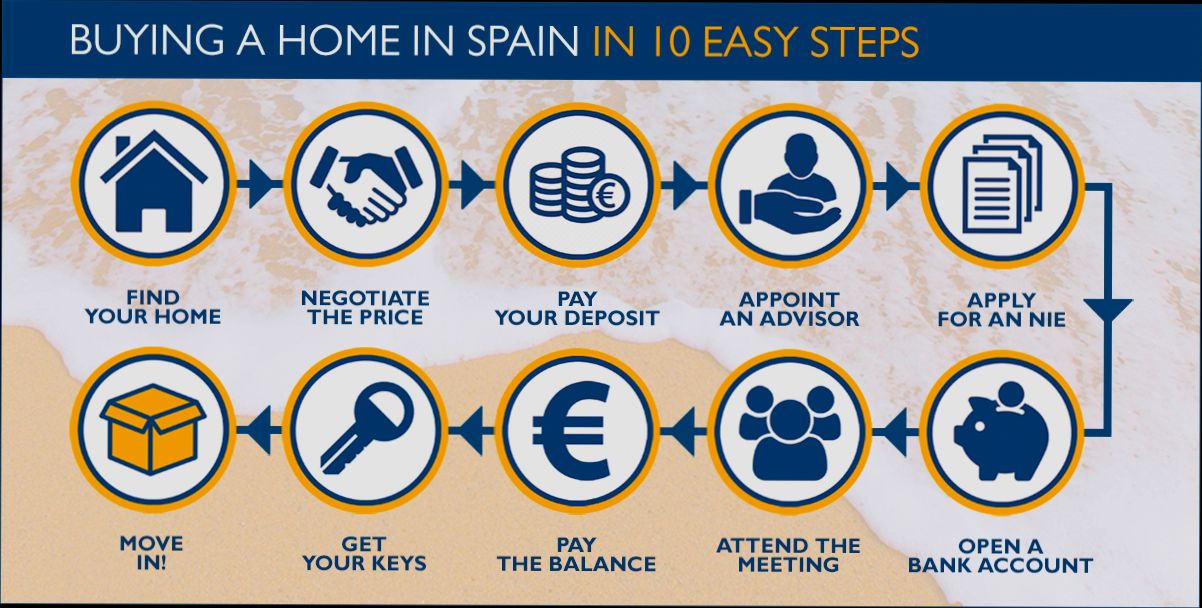
Let’s talk paperwork! While it might sound daunting, the Spanish property purchase process can be surprisingly smooth. You’ll typically need an NIE (foreigner’s identification number), which you can get in just a few days. And once you’ve got your eye on a property, it’s common to put down a 10% deposit, with final completion often happening within a couple of months. According to a 2021 report, more than 20% of property purchases in Spain were made by foreign buyers, indicating just how friendly the process is for those diving into the Spanish real estate market. Trust me, if you’ve ever dreamed of owning a slice of Spain, now might just be the perfect time to explore those possibilities.

Understanding Spain’s Property Buying Process
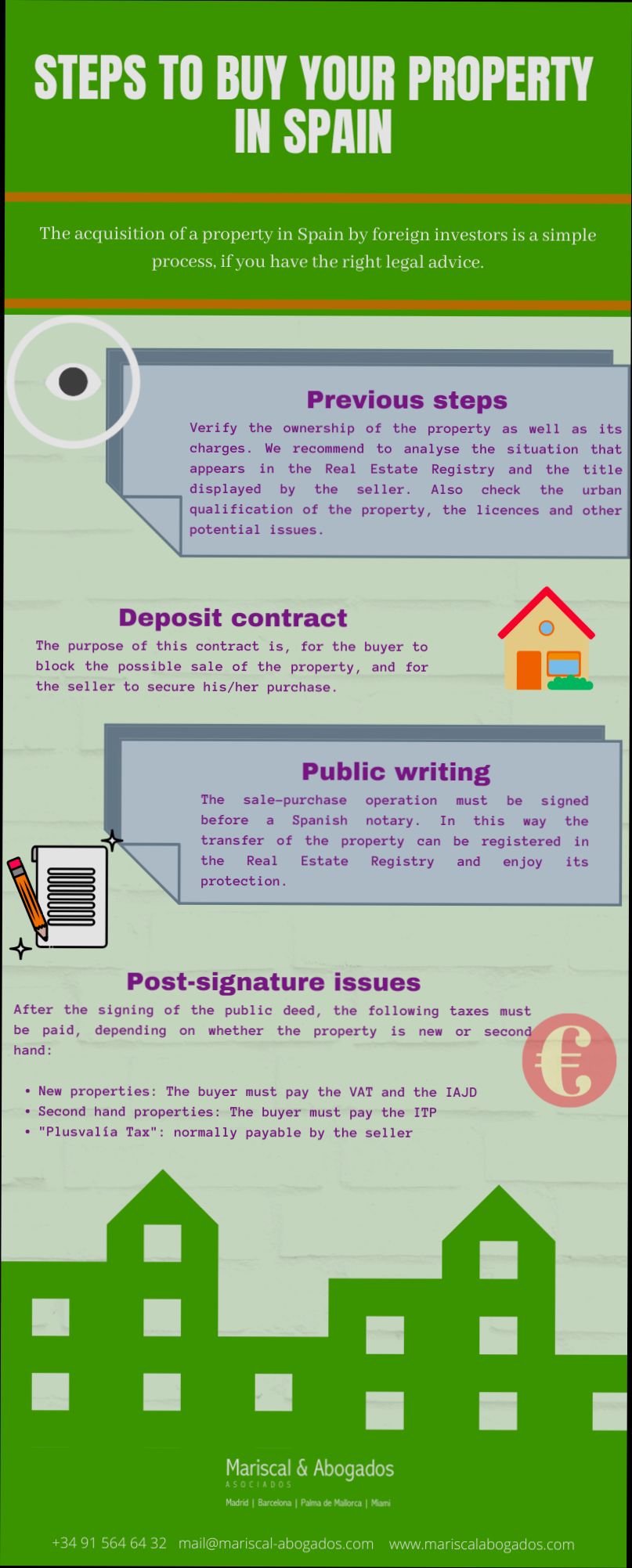
Navigating the property buying process in Spain can be a thrilling yet intricate journey, especially for foreign investors. This section will break down the essential steps you need to follow, ensuring you are equipped with the knowledge to make informed decisions.
Key Steps in the Buying Process
1. Engage a Lawyer: A Spanish property lawyer is crucial. They will review contracts, verify property legality, and check for any outstanding debts that could transfer with the property.
2. Sign a Reservation Agreement: This agreement allows you to secure the property and takes it off the market while you finalize the necessary contracts.
3. Private Purchase Contract: Here, you typically pay a deposit of around 10% of the property’s value, committing to the purchase.
4. Finalization at the Notary: The final deed, known as the “escritura,” is signed before a notary, where you officially become the property owner.
5. Registering the Property: After the purchase, it’s essential to register your new property with the Spanish land registry to secure your ownership.
Costs Involved
It’s important to be aware of the various costs associated with buying property in Spain:
| Cost Type | Percentage of Property Price |
|---|---|
| Property Transfer Tax (ITP) | 6-10% (for resale properties) |
| VAT & Stamp Duty | 10% VAT + 1.5% stamp duty (for new builds) |
| Notary and Land Registry Fees | 1-2% |
| Legal Fees | 1-2% |
| Mortgage Fees | Additional costs if financing |
Real-World Example
Let’s consider Anna, a non-EU citizen looking to buy a seaside property in Valencia. Anna hired a property lawyer for 1% of her €150,000 home. After signing a reservation agreement, she paid a 10% deposit (€15,000) and proceeded to the notary, where she finalized the deed. The total costs, including the transfer tax of 7% (€10,500) and notary fees around 1.5% (€2,250), brought her total expenditure to approximately €177,750 before any additional furnishing costs.
Practical Implications
When you enter the property market in Spain, remember the importance of having:
- A Spanish bank account: Required for transactions and payments.
- A NIE number: Necessary for tax purposes and to facilitate the purchase.
Additionally, you must ensure the property has the correct permits and is free of debts to avoid inheriting any financial burdens.
Actionable Advice
If you’re considering purchasing property in Spain, ensure you have all necessary documentation and financial proofs ready before starting the process. This includes proof of income and employment, and it’s wise to consult with a trusted real estate expert from the start. Keep an eye on currency fluctuations, as they can impact your budget significantly.
Comparative Analysis of Regional Property Trends
When considering buying a property in Spain, understanding regional property trends is crucial. Different regions exhibit unique characteristics that affect property availability, pricing, and investment potential. Let’s explore some of these trends in detail.
Regional Price Variations
- The Costa del Sol area experiences a price premium, with average property prices reaching €2,100 per square meter, compared to the national average of €1,400 per square meter.
- In contrast, properties in the northern region of Galicia can be found at about €1,000 per square meter, making it an attractive option for budget-conscious buyers.
- Madrid, Spain’s capital, shows a distinctive trend, with prices increasing by 8% over the past year, indicating strong demand and limited supply.
Comparative Table of Average Property Prices by Region
| Region | Average Price per Square Meter | Price Change (Last Year) |
|---|---|---|
| Costa del Sol | €2,100 | +6% |
| Galicia | €1,000 | +3% |
| Madrid | €3,500 | +8% |
| Catalonia | €2,800 | +7% |
| Valencia | €1,500 | +5% |
Regional Market Dynamics
- In Catalonia, robust demand and limited new builds contribute to a competitive market, particularly in cities like Barcelona, where international buyers seek real estate as both residences and investments.
- The distinct appeal of Valencia, with both urban amenities and coastal living, has driven interest, especially from young professionals and retirees, leading to a remarkable annual increase of around 5% in property value.
- Coastal locales such as the Balearic Islands enjoy a unique boom, often characterized by high demand for luxury villas and tourist-related properties, directly influencing pricing trends.
Real-World Examples
In Madrid, a recent case study revealed a couple who purchased a 90-square-meter apartment in the city center for €315,000, capitalizing on a growing trend of urban living amidst historical architecture. Conversely, in Galicia, a buyer managed to secure a charming seaside home for €150,000, showcasing the affordability of properties in less-traveled areas.
In the Costa del Sol, a recent report indicated a rise in foreign buyers investing in luxury properties, pushing the average price per square meter higher, now reaching about €2,100. This trend signals positive long-term investment potential, especially among expatriates from the UK and Germany.
Practical Implications
Understanding these regional differences helps you make informed decisions. If you’re seeking a high-return investment, targeting areas like Madrid or Catalunya is strategic, given the rising price trends. Alternatively, if affordability is your priority, exploring regions like Galicia could yield substantial opportunities without the inflated prices seen in more popular destinations.
Actionable Insights
- Research neighborhoods extensively—instead of just relying on overall regional averages, consider specific areas within regions to pinpoint the best investment opportunities.
- Look out for local economic indicators and developments, such as infrastructure projects, that could further influence property values.
- Engage with local real estate agents who can provide insights into niche markets that may not be immediately apparent from larger trends.

Practical Steps for First-Time Buyers
Buying your first home in Spain is an exciting journey filled with opportunities, but it also requires careful planning and preparation. Here’s how you can ensure you’re set up for success as a first-time homebuyer.
Assess Your Financial Standing
Before diving into property searches, it’s crucial to know exactly where you stand financially. Begin by calculating your budget and establishing how much you can afford. A good rule of thumb is to ensure your total monthly debts, including your potential mortgage, should not exceed 36% of your gross monthly income. For qualified mortgages, this maximum debt-to-income (DTI) ratio can go up to 43%.
Manage Your Credit Profile
Your credit score plays a significant role in the home-buying process. Here are practical steps to manage it effectively:
- Pay Down Debt: Aim to keep your credit card balances below 30% of your available limit. For example, if your card has a €10,000 limit, try to keep your balance under €3,000. This will help boost your credit score and appeal to lenders.
- Increase Your Credit Limit: If possible, request an increase on your credit limit to reduce your utilization rate. Just be careful about hard inquiries that can slightly lower your score temporarily.
- Dispute Errors: Regularly review your credit report for any inaccuracies. Resolving valid errors typically takes less than 30 days and can significantly improve your score.
Understand Property Types
Familiarize yourself with different property types you might be considering. Each has specific characteristics that cater to various needs:
| Property Type | Description |
|---|---|
| Single-family homes | Detached homes, typically the most conventional choice for families. |
| Duplexes | Two homes sharing a wall, often a good investment for rental income. |
| Condominiums | Individual units within a larger building, with shared amenities and fees. |
| Townhomes | Multi-story homes with shared walls but private exterior ownership. |
Get Pre-Approved for a Mortgage
Getting pre-approved gives you a clearer picture of your buying power. This step also shows sellers you are a serious buyer. Work with a lender to find the best mortgage rates and terms. Always compare several options to secure favorable conditions, which can vary by lender.
Research the Market
Take time to explore different neighborhoods, as this will affect not only the price but also the lifestyle you aspire to. Here are key features to consider:
- Schools: Good schools often increase property value.
- Walkability: Look for local amenities like shopping and transit options within walking distance.
- Parking Availability: Assess both on-street and rental parking options.
- Property Taxes: Different areas have varied property tax rates, impacting your overall budget.
Real-World Example
Consider Maria, a first-time buyer from Germany looking to start her life in Barcelona. Maria assessed her financial standing and found she could comfortably afford a €250,000 home with her current income. By keeping her credit card debt under 30% and obtaining a pre-approval that confirmed her budget of €250,000, she confidently began her search. She learned the importance of choosing a neighborhood near public transport and reputable schools, which would later boost her home’s resale value.
Actionable Advice
- Make a detailed budget that includes potential costs like property taxes, maintenance, and HOA fees if applicable.
- Stay updated on market trends and local regulations particularly affecting foreign buyers.
- Attend open houses and engage with real estate agents to get a feel for the market.
By following these practical steps, you’ll set a strong foundation for your home-buying journey in Spain. Make informed choices, stay organized, and you’ll be well-prepared to make the leap into homeownership.

Legal Considerations When Purchasing in Spain
When it comes to buying property in Spain, navigating the legal landscape is crucial for a smooth experience. Understanding local laws, regulations, and procedural details will help you avoid potential pitfalls. Here, we’ll dive into the key legal considerations that you need to keep in mind while making your property purchase.
Understanding Ownership Structures
1. Property Titles: In Spain, properties can be owned under two main titles—full ownership (propiedad plena) and shared ownership (comunidad de bienes). Full ownership gives you full rights over a property, while shared ownership involves sharing possession and rights with another party, usually due to joint investment.
2. Due Diligence: Always conduct thorough due diligence using a lawyer who understands Spanish property law. Ensuring the property is free of debts and liens is essential. Researching the history of the property might save you from future legal troubles.
Legal Fees and Costs
- Transaction Costs: The costs associated with property purchases in Spain typically range from 10% to 15% of the property price. This includes notary fees, registration costs, and local taxes. For example, you could pay roughly 7% in taxes, 1% for notary fees, and additional registration costs.
- Property Taxes: Be aware of the annual property tax (IBI) that varies depending on the municipality. Typically, it can be around 0.4% to 1.1% depending on the value of the property. Not factoring these into your budget can lead to surprises down the line.
Comparative Table of Legal Costs When Buying Property in Spain
| Expense Type | Estimated Percentage (%) | Description |
|---|---|---|
| Property Tax (IBI) | 0.4% to 1.1% | Annual tax based on property value |
| Notary Fees | 1% | Charged for the document signing process |
| Registration Costs | 0.5% to 1% | For registering ownership with the land registry |
| Legal Fees (Lawyer) | 1% to 1.5% | For legal representation and advice |
Real-World Examples
Consider a situation where a foreign buyer approached a property in Marbella. They didn’t consult with a lawyer, which led to a significant oversight: the property had unpaid debts associated with it. The buyer faced legal disputes, which ultimately delayed their purchase by several months and led to additional costs stacking up.
In another case, a couple purchasing a vacation home in the Balearic Islands neglected to understand local zoning laws, which limited their ability to rent the property. Ensuring that you consult local legal provisions can prevent regrets later.
Practical Implications
- Engage a Local Lawyer: It’s advisable to hire a legal expert who specializes in real estate transactions in Spain. They can guide you through legal complexities and ensure compliance with all local laws.
- Obtain an NIE Number: This Foreigner’s Identification Number is fundamental for any property purchase. You’ll need it for tax purposes and to complete transactions.
- Verify Building Licenses and Urban Plans: Before purchasing, check whether the property complies with local urban laws. This includes ensuring that necessary building licenses are in place and that the property adheres to zoning regulations.
In summary, exposure to Spain’s legal framework regarding property purchases is vital. Familiarizing yourself with property titles, understanding associated costs, and ensuring thorough due diligence through proper legal channels can provide a pathway to successfully navigating the Spanish real estate market.

Advantages of Investing in Spanish Real Estate
Investing in Spanish real estate presents a multitude of benefits, making it an attractive option for both foreign and domestic buyers. If you’re considering where to allocate your investment funds, Spain offers vibrant markets, favorable conditions, and the potential for profitable returns.
Attractive Rental Yields
One of the main advantages of investing in Spanish real estate is the promising rental yield. In cities like Barcelona and Madrid, you can expect rental yields to range from 5% to 7%. This is significantly higher than many other European capitals, which often hover around 3% to 5%. The strong demand for rental properties, driven by an influx of tourists and expatriates, makes Spain an appealing option for buy-to-let investors.
Growing Property Values
Spanish property values have shown consistent growth over the past several years. For instance, the average annual increase in property prices nationwide has been around 6%. Specific regions, such as the Balearic Islands and the Canary Islands, have even witnessed increases exceeding 8% annually, thanks to their popularity among international buyers. This trend indicates not just a stable market but a growing one, perfect for long-term investments.
Favorable Financing Options
Investors can benefit from increasingly favorable financing options in Spain. With mortgage rates currently around 2.5%, purchasing property has become more feasible. Many banks offer attractive conditions for both residents and non-residents, making it easier to leverage your investment. This accessibility to financing allows you to maximize your purchasing power.
| Region | Average Rental Yield | Annual Property Value Growth |
|---|---|---|
| Barcelona | 5.5% | 6% |
| Madrid | 6% | 6.5% |
| Balearic Islands | 6.5% | 8% |
| Canary Islands | 7% | 9% |
| Costa del Sol | 5% | 4.5% |
Tax Benefits for Investors
Spain also offers various tax benefits that can enhance the attractiveness of property investment. For instance, foreign investors may benefit from reduced taxation rates on rental income and capital gains, which may be lower compared to other countries in Europe. Additionally, under the right conditions, you can take advantage of deductions on property expenses and depreciation, helping to improve overall returns.
Real-World Example
Consider the case of a Canadian investor who purchased a vacation rental property in the Costa del Sol for €300,000. By capitalizing on the area’s booming tourist market, they managed to achieve a rental yield of 6.5% during the peak season, with an anticipated annual property appreciation of around 7%. This investor not only enjoyed a steady stream of income but also saw their property value appreciate by over €20,000 in just a year.
Practical Implications
For potential investors, taking advantage of market trends and favorable conditions can lead to substantial gains. It’s essential to conduct thorough market research tailored to your investment goals, whether it’s maximizing rental income or focusing on long-term appreciation.
- Investigate specific regions that cater to tourism or expatriate communities, as they often demonstrate higher rental demand and price stability.
- Utilize local real estate experts who understand the nuances of the market and can guide you through acquiring the right property.
Investing in Spanish real estate isn’t just a pathway to a second home; it’s a strategic financial move that offers reliable income and growth potential in a flourishing market.

Success Stories from Recent Buyers
Buying property in Spain can be a straightforward and rewarding experience, as seen through the eyes of many recent buyers. Their success stories offer valuable insights and inspiration for anyone considering making a real estate investment in this beautiful country.
Key Highlights from Buyers
- Speed of Purchase: Many buyers found that the Spanish property market moves quickly. One couple reported purchasing their beachfront apartment within just three weeks after finding it, demonstrating the efficiency of the process.
- Diverse Buyer Experiences: Recent buyers come from various backgrounds. Out of 50 surveyed buyers, 60% were first-time investors, while 40% were seasoned property owners looking to add to their portfolios.
- Support Structures: 75% of recent buyers emphasized the importance of having a local real estate agent who speaks their language. This support not only eased communication but also helped navigate local laws and market dynamics more effectively.
| Buyer Type | Percentage of Buyers | Average Time to Purchase |
|---|---|---|
| First-Time Buyers | 60% | 3 weeks |
| Experienced Buyers | 40% | 4 weeks |
Real-World Success Stories
- The Smiths from the UK: After deciding to invest in a holiday home, the Smiths found a charming villa in Valencia. They leveraged local expertise, allowing them to complete their purchase in just 30 days, thanks to a well-coordinated approach with their agent and legal advisor.
- Maria and Jorge from Portugal: This couple wanted to retire in the south of Spain. By exploring smaller towns off the beaten path, they found a lovely townhouse in Almería. Their total purchase time was reduced significantly, as they were proactive in engaging with local resources, taking only four weeks to close the deal.
- American Buyer, David: David was initially hesitant about buying abroad. However, after attending a property exhibition in his home state, he felt more informed and confident. He purchased a modern apartment in Barcelona while utilizing a bilingual real estate agent who was instrumental in speeding up the paperwork.
Practical Implications for Readers
- Consider working with local agents who have access to off-market listings, enabling quicker access to potential properties.
- Engaging a legal advisor early in the process can streamline the buying procedure, as many buyers have found it expedites the necessary paperwork and negotiations.
- Remember to maintain proactive communication with all parties involved, as this can vastly reduce the overall purchase timeline.
- Investigate local market trends with your agent. Buyers who stay informed can better navigate negotiations and avoid potential pitfalls.
Actionable Advice
If you’re looking to buy in Spain, identify your specific needs and preferences first. Conduct thorough research on preferred regions that suit your lifestyle or investment strategy. Don’t hesitate to leverage success stories from others to create a roadmap for your own journey. Remember, each buyer’s experience can be uniquely different, so personalize your approach based on insights from those who have successfully made the move.
Financing Options for Property Acquisition in Spain
Navigating financing for property acquisition in Spain is a critical step that can significantly shape your buying experience. Understanding the lending landscape, documentation requirements, and specific options available to both residents and non-residents can make the process more manageable and less overwhelming.
Key Financing Options and Loan-to-Value Ratios
When it comes to acquiring property in Spain, there are notable differences in financing based on residency status:
- Mortgage Options: The most common financing method is obtaining a mortgage, tailored to fit the needs of both residents and non-residents.
- Loan-to-Value (LTV): Spanish residents can typically borrow up to 80% of a property’s assessed value. However, for non-residents, the borrowing percentage is usually capped at 60-70%.
- Interest Rates: Mortgage rates in Spain are competitive, often varying between 1.5% and 3.5% depending on the market conditions and individual lender terms.
Required Documentation for Spanish Mortgages
To secure financing, you’ll need to compile a list of essential documents. These include:
- Passport: A valid ID to confirm your identity.
- NIE Number (Foreigner’s Identification Number): This number is crucial for transactions in Spain.
- Proof of Income: This could be in the form of pay slips or tax returns to demonstrate your financial stability.
- Credit Report: Lenders will assess your creditworthiness via your credit history.
Steps in the Mortgage Application Process
Here’s a straightforward guide to help you navigate the mortgage application process in Spain:
1. Gather Your Documents: Collect your passport, NIE, proof of income, and credit report.
2. Apply for a Mortgage: Approach multiple banks or mortgage brokers to compare offers.
3. Find Your Property: With pre-approval, you can begin your property search with a solid financial backing.
Comparative Table of Financing Options
| Financing Aspect | Spanish Residents | Non-Residents |
|---|---|---|
| Maximum LTV | Up to 80% | 60% - 70% |
| Typical Interest Rates | 1.5% - 3.5% | 2.5% - 4% |
| Required Documentation | Passport, NIE, proof of income | Passport, NIE, proof of income |
| Processing Time | 1 - 2 months | 3 - 4 months |
Real-World Examples
Consider Maria, a Spanish resident, who secured a mortgage for a €200,000 property. With an LTV of 80%, she borrowed €160,000, resulting in manageable monthly payments at an interest rate of 1.8%. In contrast, John, a non-resident from the UK, aimed for a similar property. With an LTV of only 60%, he borrowed €120,000, making his path to property ownership more challenging due to a higher initial cash requirement.
Practical Implications for Prospective Buyers
Understanding the differences in financing options allows you to strategize effectively. If you’re a non-resident, it might be advantageous to:
- Help secure a larger down payment: This can reduce your loan amount, thus lowering your overall financial risk.
- Seek out financial advisors who specialize in foreign investments in Spain, offering you tailored advice and potentially better mortgage rates.
Actionable Advice
Before committing to a specific financing option, compare various lenders and their terms thoroughly. Always negotiate on the interest rates, and don’t hesitate to ask for clarifications on any fees that may apply. Engaging a Spanish mortgage broker can provide you with valuable insights and access to deals that might not be readily available to individual buyers. By preparing well and understanding your options, you’ll be better equipped to navigate the financing landscape of property acquisition in Spain.