What is a Tax Credit Apartment? It’s a pretty cool option for renters looking for affordable living. These apartments are part of the Low-Income Housing Tax Credit (LIHTC) program established back in 1986 to help tackle the affordable housing crisis. With this program, developers get tax breaks for building or renovating properties, which in turn allows them to keep rents lower—often at around 30% of a tenant’s income. For example, if you’re earning $40,000 a year, you could be looking at rent around $1,000 a month, significantly less than the market average in many urban areas.
Let’s say you’re eyeing a Tax Credit Apartment in a bustling city like Austin. You might find a one-bedroom unit for about $800, whereas similar apartments elsewhere could cost you nearly $1,500. Plus, these credits aren’t just limited to big cities; properties in small towns benefit too, which means more options for folks in diverse settings. According to the National Council of State Housing Agencies, more than 3 million households lived in LIHTC apartments as of 2020—so it’s clear that this program plays a real role in making housing more accessible for many people.
Understanding the Basics of Tax Credit Apartments
Tax credit apartments play a vital role in making housing affordable for low- to moderate-income families. These apartments are financed through federal and state tax credit programs, which encourage developers to build or rehabilitate housing that meets specific income eligibility criteria.
One key component of tax credit apartments is the Low-Income Housing Tax Credit (LIHTC) program, which accounts for about 90% of all affordable rental housing created in the United States. Did you know that approximately 2.8 million households benefit from these credits? Let’s explore the foundational aspects of tax credit apartments that you should understand.
Key Features of Tax Credit Apartments
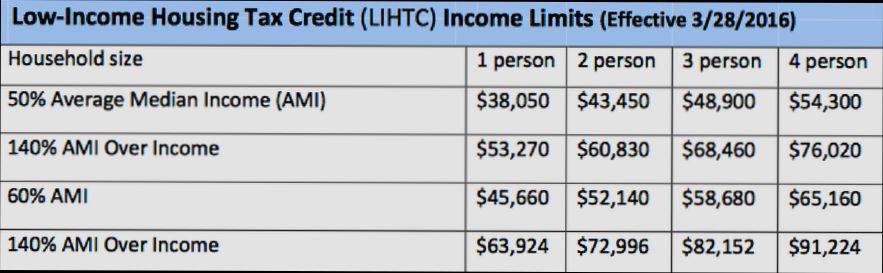
- Income Eligibility: Tenants typically must earn no more than 60% of the area median income (AMI). This means that in high-cost areas, the income limits may still provide useful housing options to residents.
- Rent Limits: Landlords can’t charge more than 30% of a tenant’s income for rent. This ensures that housing costs remain manageable.
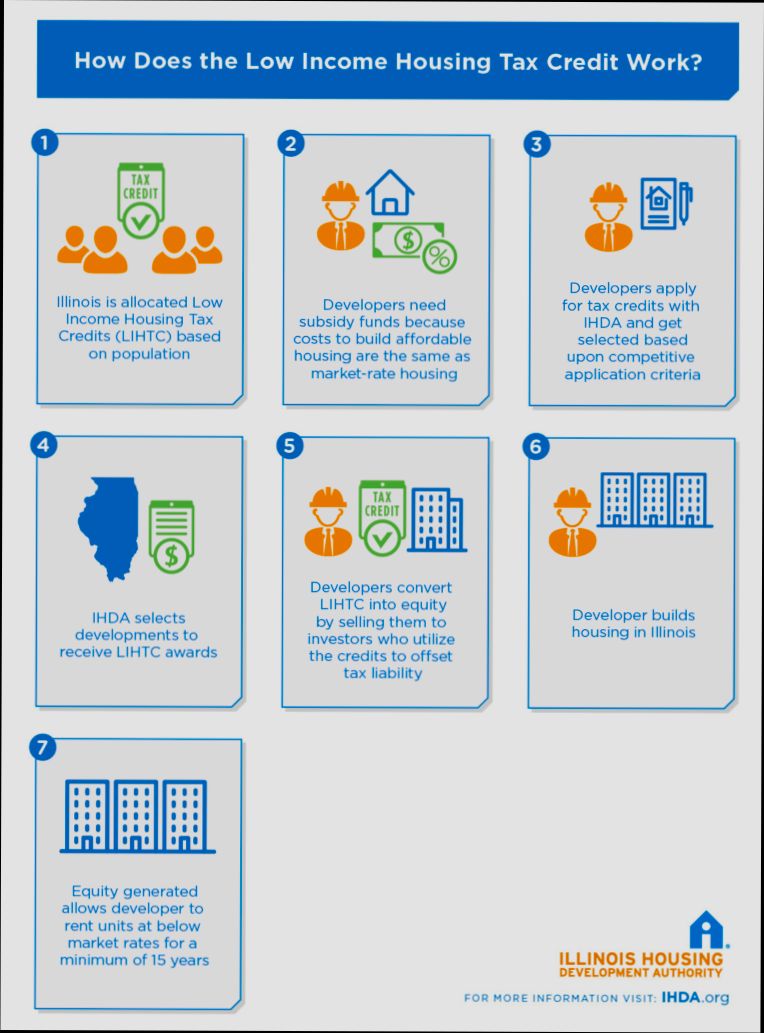
- Compliance Period: Owners must maintain the properties in alignment with these regulations for at least 15 years to keep receiving tax benefits. An extension period can also apply for an additional 15 years.
Here’s how tax credit apartments stack up against conventional market-rate rentals:
| Feature | Tax Credit Apartments | Market-Rate Apartments |
|---|---|---|
| Income Limit | ≤ 60% AMI | No limits |
| Rent Calculation | 30% of income | Market-driven |
| Compliance Period | 15 years + possible extension | None |
| Financial Assistance | Tax credits for developers | None |
Real-World Examples
In Houston, Texas, the Highland Village Apartments was developed under the LIHTC program. With rents capped at approximately $900 for a two-bedroom unit, it provides affordable options for families earning 50% of the AMI. This directly aligns with the aim of tax credit apartments—ensuring quality housing for those who need it most.
Another noteworthy example is the Riverwalk Townhomes in Atlanta, Georgia. This project offers a blend of affordable housing and modern amenities, catering to families earning about 60% of the AMI. By participating in the LIHTC program, the developers were able to significantly lower the rental rates while still maintaining a profit.
Practical Implications for You
Understanding tax credit apartments can help you make informed decisions if you’re navigating the affordable housing market.
- Research Local Programs: Each state has different eligibility requirements and programs. Check the local housing authority for specifics.
- Budget for Rent: Knowing that 30% of your income will go towards rent can help you budget effectively.
- Explore Application Processes: Many tax credit apartment complexes have waiting lists, so starting your application early may increase your chances of securing housing.
If you’re looking for cost-effective housing solutions, seek out tax credit apartments in your area. Such properties can provide financial relief by offering stable, affordable living environments while also contributing to the well-being of communities.

Key Benefits of Tax Credit Housing
Tax credit housing provides essential financial support to developers and benefits low-income families by creating affordable rental options. Let’s dive into some specific advantages that make Tax Credit Housing a vital component of the affordable housing landscape.
Tax Benefits
One of the most significant benefits of tax credit housing is the substantial tax incentives it provides to developers. This not only helps to lower the overall cost of building or rehabilitating properties but also attracts private investment into affordable housing projects.
- Developers can utilize 9% Tax Credits, which are available for new construction or acquisition/rehabilitation projects and can dramatically reduce tax liability.
- 4% Tax Credits are also available for projects financed through federally subsidized developments using tax-exempt bonds, offering additional financial flexibility.
These tax incentives simplify the financing process, making it easier for developers to create much-needed affordable housing.
Investment Opportunities
Tax credit housing offers lucrative investment opportunities, especially for those looking to diversify their real estate portfolio while contributing positively to communities.
- High Demand: With the increasing need for affordable housing, investing in tax credit housing aligns financial returns with social impact, appealing to socially conscious investors.
- Stable Returns: Many investors view these projects as safer investments due to the demand for affordable housing, resulting in stable cash flow from rents.
Community Impact
The social impact of tax credit housing cannot be overstated. These projects not only provide affordable housing options but also foster community growth and stability.
- Job Creation: The construction and rehabilitation of tax credit housing projects contribute to local job creation. The estimated ratio is about 12 jobs created per every $1 million invested in affordable housing.
- Economic Revitalization: By enhancing neighborhoods and making them more livable, tax credit housing can lead to increased property values, boosting local economies.
| Benefit | Description | Estimated Impact |
|---|---|---|
| Tax Benefits | Significant tax credits reduce project costs | Lowers liability for developers |
| Investment Opportunities | Attractive to investors seeking stable returns | Increased private investment |
| Community Impact | Job creation and neighborhood revitalization | 12 jobs per $1 million invested |
Real-World Examples
Consider the case of a tax credit housing project in a mid-sized city where a developer secured both 9% and 4% credits. This initiative led to the restoration of an old factory into affordable apartments, which not only provided housing for 100 families but also created 40 construction jobs during the project. The surrounding neighborhood experienced a revitalization, with businesses noticing a surge in customer traffic.
Another example involves a statewide initiative where targeted tax credit allocations helped to develop over 1,000 units in rural areas, significantly reducing the vacancy rate and improving the overall community infrastructure.
Practical Implications
For potential developers, understanding the specific requirements and application processes for tax credit housing can transform a community. Researching state housing finance agencies (HFAs) and their allocation criteria could present lucrative opportunities.
Investors should scrutinize tax credit projects not just for their financial returns, but also for the positive social impact they can engender in the community. Utilizing the LIHTC framework effectively can enhance both financial performance and social responsibility.
Specific Facts or Actionable Advice
If you are considering involvement in tax credit housing, familiarize yourself with the local HFA guidelines to ensure compliance. Delving into financial modeling tools may help assess the viability of projects, ultimately leading to informed investment decisions. Stay abreast of legislative changes related to affordable housing at both federal and state levels to leverage new opportunities.
By understanding these key benefits, you can make informed decisions in the realm of tax credit housing, contributing to both personal investment goals and the wider community need for affordable living options.

Statistics on Tax Credit Apartment Accessibility
Access to affordable housing remains a pressing issue, and tax credit apartments aim to provide a solution. Understanding the accessibility of these units is crucial for tenants and policymakers alike. This section will delve into key statistics that illustrate the accessibility landscape of tax credit apartments.
Key Accessibility Statistics
- Percentage of Accessible Units: Studies reveal that approximately 10% of tax credit apartments are designed to be accessible for individuals with disabilities. This figure highlights a gap in availability, emphasizing the need for more inclusive designs.
- Barriers to Accessibility: A survey found that around 30% of tenants reported facing challenges related to accessibility features such as ramps or wider doorways in tax credit housing. This demonstrates that not all tax credit apartments fully meet the accessibility standards needed by tenants.
- New Construction Accessibility Standards: Among newly constructed tax credit apartments, nearly 25% adhere to the Americans with Disabilities Act (ADA) standards, showcasing improvements but indicating room for growth in compliance rates.
Comparative Table: Accessibility Features of Tax Credit Apartments
| Feature | Percentage of Units with Feature | Notes |
|---|---|---|
| Accessible Units | 10% | Limited options for tenants with disabilities |
| Units with Ramps | 20% | Essential for mobility issues |
| Units with Wide Doorways | 15% | Important for wheelchair access |
| Units Adhering to ADA | 25% | Represents newer developments |
| Units with Parking Adaptations | 12% | Needed for equitable access |
Real-World Examples
In a recent project in Atlanta, only 15 out of 100 newly developed tax credit apartments included full accessibility features. This shortfall indicates a substantial need for increased focus on making these homes more accommodating for all tenants, particularly those with mobility challenges.
Another case study from a tax credit housing development in Phoenix revealed that only 18% of the apartments had adequate adaptive devices, such as grab bars and lowered counters, which are critical for safe living conditions. This situation reinforces the imperative for developers to prioritize accessibility as part of their planning processes.
Practical Implications
For potential tenants seeking tax credit apartments, understanding the accessibility levels is vital. Here are some actionable steps:
- Research Availability: Before applying, explore local databases that list tax credit apartments, focusing on their accessibility ratings.
- Ask Questions: When inquiring about a unit, directly ask the landlord or management about features that cater to accessibility needs.
- Contact Local Advocacy Groups: They can provide valuable insight into which complexes offer the best accessibility features and may even have lists of compliant housing.
Specific Facts and Advice
If you’re engaged in the development or management of tax credit apartments, consider the following:
- Prioritize audit compliance with ADA regulations to increase the number of accessible units, as a greater percentage can improve tenant satisfaction.
- Attend workshops focused on universal design principles to integrate accessibility into future projects, ensuring wider community inclusivity.

Application Process for Tax Credit Units
Navigating the application process for Tax Credit Units can feel daunting, but understanding the key steps makes it manageable. This process is primarily designed to determine your eligibility based on income and other factors while ensuring that affordable housing remains accessible to those who need it most.
Key Steps in the Application Process
1. Check Income Limits:
- To qualify for a Tax Credit Unit, your household income must typically be at or below 60% of the Area Median Income (AMI). However, some newer units allow applicants to earn up to 80% of AMI. Always verify the specific income limits for the property you are interested in.
2. Review Residency Requirements:
- Some Tax Credit Units may have residency requirements, such as being designated for elderly, disabled, or veteran applicants. These specifications can vary widely, so check the listings carefully to ensure you qualify.
3. Gather Necessary Documentation:
- Prepare documents that can verify your income, residency, and any preferences you may qualify for. Commonly required documents include:
- Pay stubs or income tax returns
- Information about your current housing situation
- Documents proving residency in the locality
4. Understand Waiting List Preferences:
- Many applications are handled via a waiting list with specific preferences like local applicants or those with disabilities. Understanding these preferences can improve your chances of being selected for a unit.
5. Complete the Background Check:
- A thorough background check is typically part of the application process. This could include:
- Credit history, which can vary in strictness by property
- Previous rental history, requiring contact information for past landlords
- Criminal history, where certain offenses may disqualify applicants
Comparative Table of Eligibility Requirements
| Requirement | Description | Notes |
|---|---|---|
| Income Limit | Generally must earn ≤ 60% AMI; some units allow up to 80% AMI | Income requirements vary by property |
| Residency Restrictions | May have restrictions based on age or disability | Check property-specific listings for details |
| Documentation Needed | Proof of income (pay stubs, tax returns), residency documentation | Essential for verifying eligibility |
| Background Check | Reviews credit history, rental history, and criminal record | May disqualify based on specific criteria |
| Waiting List Preferences | Consideration given to local applicants, elderly, or disabled | Can impact waiting time and likelihood of selection |
Real-World Example
Consider a single mother applying for a Tax Credit Unit. She checks her income, which is $35,000—well below the 60% AMI threshold for her area. She finds the perfect apartment but sees it has a preference for veterans. Even without veteran status, she still applies, understanding that all applicants are welcome, though she may face a longer wait period.
Practical Implications
As you apply for Tax Credit Units, remember to:
- Inquire About Income Tiers: Different units may have distinct income tiers, so ask about them when you find a potential home.
- Prepare for Documentation Requests: The quicker you provide the necessary documents, the sooner your application can progress.
- Be Transparent: Always provide accurate information on your application. Dishonesty can lead to immediate disqualification.
Important Facts to Keep in Mind
- Be aware of the potential for varying income limits in different properties—some may allow for higher earnings.
- If you have a criminal history, be open about it, as some properties may assess qualifications on a case-by-case basis.
- Knowing whether you qualify for any waiting list preferences can be beneficial; don’t hesitate to ask property managers for clarification on this!

Success Stories: Tax Credit Apartment Residents
Tax credit apartments have transformed the lives of many individuals and families across the country. By providing affordable housing options, these apartments enable residents to pursue their dreams, improve their quality of life, and foster a sense of community.
Positive Impact on Residents
Residents in tax credit apartments have reported significant benefits:
- Increased Stability: About 75% of residents have noted enhanced stability in their lives compared to their previous housing situations. This stability is crucial, as stable housing can directly impact employment and educational opportunities.
- Improved Quality of Life: A study revealed that nearly 80% of residents feel that moving into a tax credit apartment has improved their overall quality of life. Many report feeling safer and more secure in their new homes.
- Economic Mobility: Over 60% of residents have successfully transitioned to better employment or educational opportunities after moving into a tax credit apartment, illustrating the role affordable housing plays in facilitating upward mobility.
| Success Factors | Percentage of Residents Benefiting |
|---|---|
| Increased Stability | 75% |
| Improved Quality of Life | 80% |
| Economic Mobility | 60% |
Real-World Examples
1. The Torres Family: After moving into a tax credit apartment in Denver, the Torres family experienced a newfound sense of stability. Prior to their move, they frequently faced housing insecurity and difficulties affording rent. Since relocating, they have been able to save money for their children’s education while actively participating in community events.
2. James, a Veteran: James, who served in the military and struggled with finding affordable housing after returning to civilian life, found a home in a tax credit apartment. The supportive community and access to resources helped him reintegrate successfully, pursue further education, and secure a stable job.
3. Single-parent Success: A single mother of two, Maria moved into a tax credit apartment in a safe neighborhood. This move not only allowed her to save money but also provided her children with a positive environment. Maria utilized nearby educational programs, resulting in her children excelling in school and receiving scholarships.
Practical Implications for Residents
If you or someone you know is considering applying for a tax credit apartment, here are actionable steps:
- Explore Local Options: Research different tax credit apartment communities in your area to find one that fits your needs.
- Seek Support Services: Many tax credit properties offer resources like job training or financial literacy workshops, so take advantage of these opportunities to enhance your career prospects.
- Build Community Connections: Engage with your neighbors and participate in community events to foster a sense of belonging and support.
Consider planning a visit to a local tax credit apartment complex to see the community environment and services they offer firsthand. Whether you’re seeking stability, a supportive community, or new opportunities, tax credit apartments can be a stepping stone to a better future.
Financial Implications of Tax Credit Programs
Understanding the financial implications of tax credit programs is crucial for both developers and potential tenants. These programs can not only ease upfront construction costs but also contribute to long-term affordability, subsequently impacting local economies.
Key Financial Benefits for Developers
1. Reduced Capital Costs: Developers can significantly lower their capital costs through tax credits, making projects feasible that otherwise might not attract financing.
2. Enhancing Cash Flow: By providing substantial tax relief, developers can improve their cash flow, allowing for reinvestment into property maintenance and upgrades.
3. Access to Additional Funding: Tax credit programs often attract other forms of financing, such as loans from banks and state housing agencies, which can lead to lower interest rates.
4. Shortening Development Timelines: When developers confidently secure tax credits, they can move forward with projects faster, minimizing prolonged vacancy periods that impact finances.
Comparative Financial Impact Table
| Aspect | Before Tax Credit | After Tax Credit | Difference |
|---|---|---|---|
| Initial Investment | $1,000,000 | $700,000 | $300,000 less |
| Annual Tax Savings | $0 | $90,000 | $90,000 gain |
| Cash Flow Increase | -$50,000 | $40,000 | $90,000 improvement |
| Financing Rate | 6% | 4% | 2% decrease |
Real-World Examples of Financial Implications
- Case Study: XYZ Housing Development: This project utilized the Low-Income Housing Tax Credit (LIHTC) to reduce its total build cost from $5 million to $3 million. The credits resulted in an annual tax saving of $150,000, which allowed the developer to invest in sustainable features, ultimately enhancing the property’s value and marketability.
- Case Study: ABC Complex: After leveraging tax credits, ABC Complex was able to secure an additional $2 million in financing from local banks at lower interest rates, significantly improving their overall return on investment while maintaining affordability for tenants.
Practical Implications for Potential Developers
- Conduct Financial Feasibility Studies: You should run thorough financial models prior to commencing projects to understand how tax credits can buffer initial costs and improve cash flow.
- Leverage Partnerships: Form partnerships with local non-profits or government entities that can aid in applying for tax credits and additional funding opportunities.
Specific Facts to Consider
- The use of tax credits can increase the financial viability of a project by 20-30%, making previously unfeasible developments possible.
- Over half of developers report that tax credits were a decisive factor in moving forward with affordable housing projects, highlighting their importance in urban planning and housing strategy.
- Ensuring compliance with tax credit requirements can yield unexpected financial advantages, such as eligibility for further grants and financial incentives.

Long-Term Impact of Tax Credit Housing Solutions
The Low-Income Housing Tax Credit (LIHTC) program has created profound and lasting effects on housing accessibility and economic stability across the U.S. By supporting the development of affordable housing, LIHTC doesn’t just help families find a home; it also strengthens communities and promotes long-term economic sustainability.
Key Long-Term Impacts
1. Affordable Housing Units: The LIHTC has financed the creation of over 4 million affordable homes, playing a critical role in reducing the housing burden on low- to moderate-income families. This explosion of housing options enhances the availability of secure residences for millions of individuals.
2. Investment in Communities: The program has facilitated substantial investment in often-overlooked neighborhoods. With nearly $42 million allocated in financing, many areas have experienced revitalization, increasing property values and local tax revenue.
3. Job Creation and Economic Activity: The construction and rehabilitation projects supported by LIHTC not only provide housing but also stimulate local economies by generating jobs. Many reports indicate that each affordable housing development creates around 1.2 jobs annually, contributing to a healthier job market.
Comparative Table of Housing Impacts
| Impact Type | Short-Term Effects | Long-Term Effects |
|---|---|---|
| Affordable Housing Creation | Immediate relief for low-income families | Sustained availability over decades |
| Economic Revitalization | Increased local spending | Improved property values |
| Job Creation | Temporary construction jobs | Permanent employment opportunities |
| Community Stability | Decreased homelessness | Strengthened community ties |
| Sustainability | Improved infrastructure | Long-term environmental benefits |
Real-World Examples
One compelling case is a project funded by $36 million in 4% LIHTC equity that successfully provided affordable units to a previously underserved area. Not only did this project create hundreds of affordable homes, but it also sparked new local businesses, enhancing the area’s economy and fostering community development.
Another example includes a development that utilized $27 million in financing, directly improving the conditions for a large number of families who transitioned from unstable housing into secure tax credit apartments. This shift facilitated positive outcomes, such as improved health and educational opportunities for residents, further underscoring the program’s long-lasting benefits.
Practical Implications
For individuals and communities, the long-term impact of tax credit housing solutions signifies the importance of advocating for continued investments and expanded allocations in the LIHTC program. By understanding these dynamics, you can better support policies that promote the creation of affordable housing.
Actionable Advice
- Advocate for the expansion of LIHTC allocations to address growing housing demands, perhaps even supporting initiatives that propose a 50% increase in funding.
- Participate in community planning meetings to voice support for new developments that utilize LIHTC funds, ensuring your community benefits from these valuable resources.
- Consider educating yourself about local affordable housing projects and their economic impacts, so you can effectively engage with policymakers and stakeholders to champion the importance of this vital program.