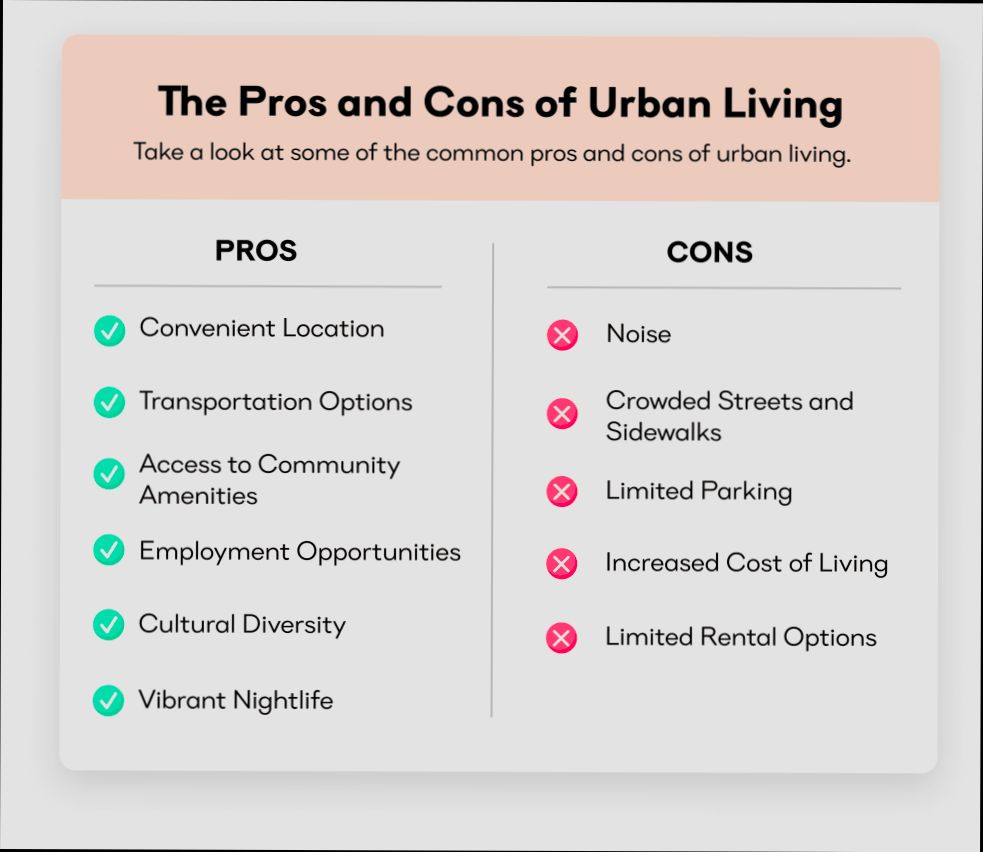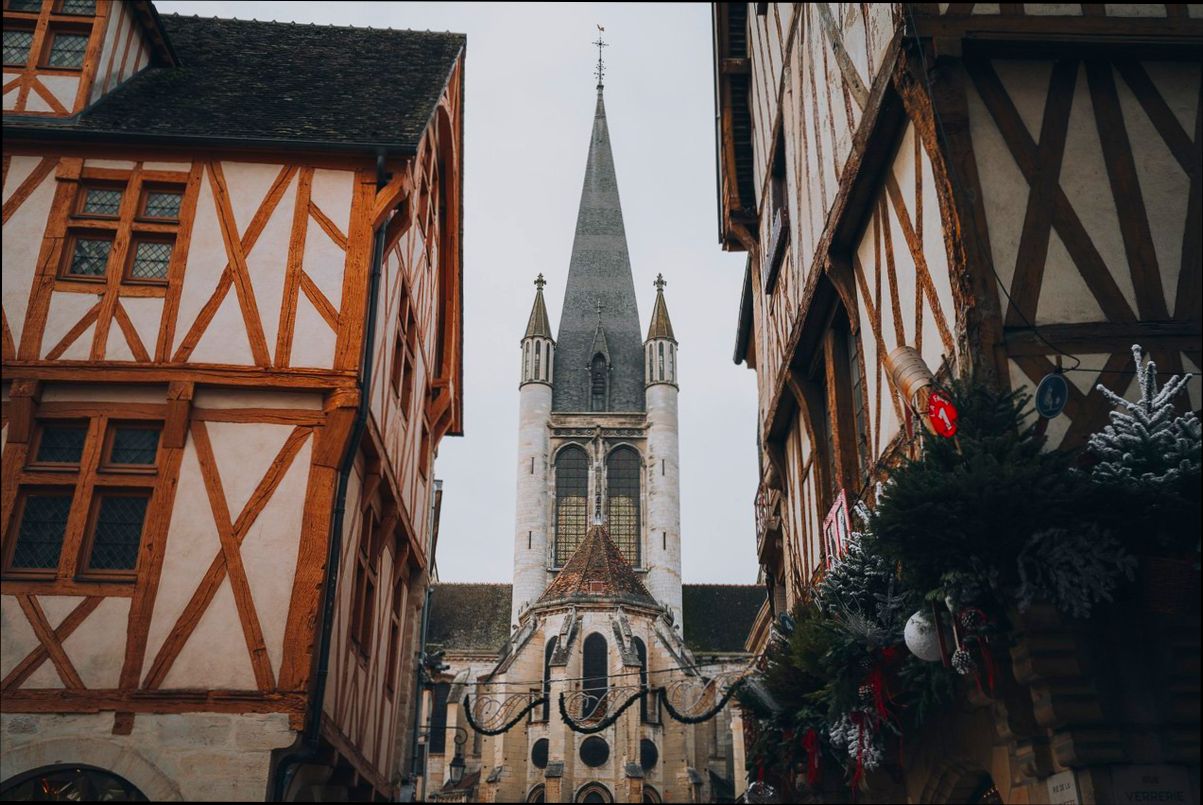
Pros and Cons of Living in Dijon France as an Expat can spark mixed feelings for anyone contemplating a move. On one hand, the city is a treasure trove of history, renowned for its stunning mustard and the picturesque architecture of the Burgundy region. With a population of around 156,000, Dijon offers that perfect blend of a bustling urban vibe combined with small-town charm. Just think about spending weekends in the beautifully landscaped parks, sipping on local wines, or wandering through the annual International Gastronomy Fair, which attracts food lovers from all over the globe.
On the flip side, adapting to life as an expat in Dijon can be a bit tricky. While the city is steeped in culture, learning French is a must for making connections, and let’s be honest—if you’re not fluent, you might find the local conversations a bit overwhelming. The cost of living is relatively moderate compared to Paris, but rent prices in the city center can still pinch your wallet. Plus, public transport is decent, but you might find yourself wishing for more frequent connections to surrounding areas. Navigating these pros and cons can shape your overall experience, making every day a mix of delightful discoveries and challenging obstacles.
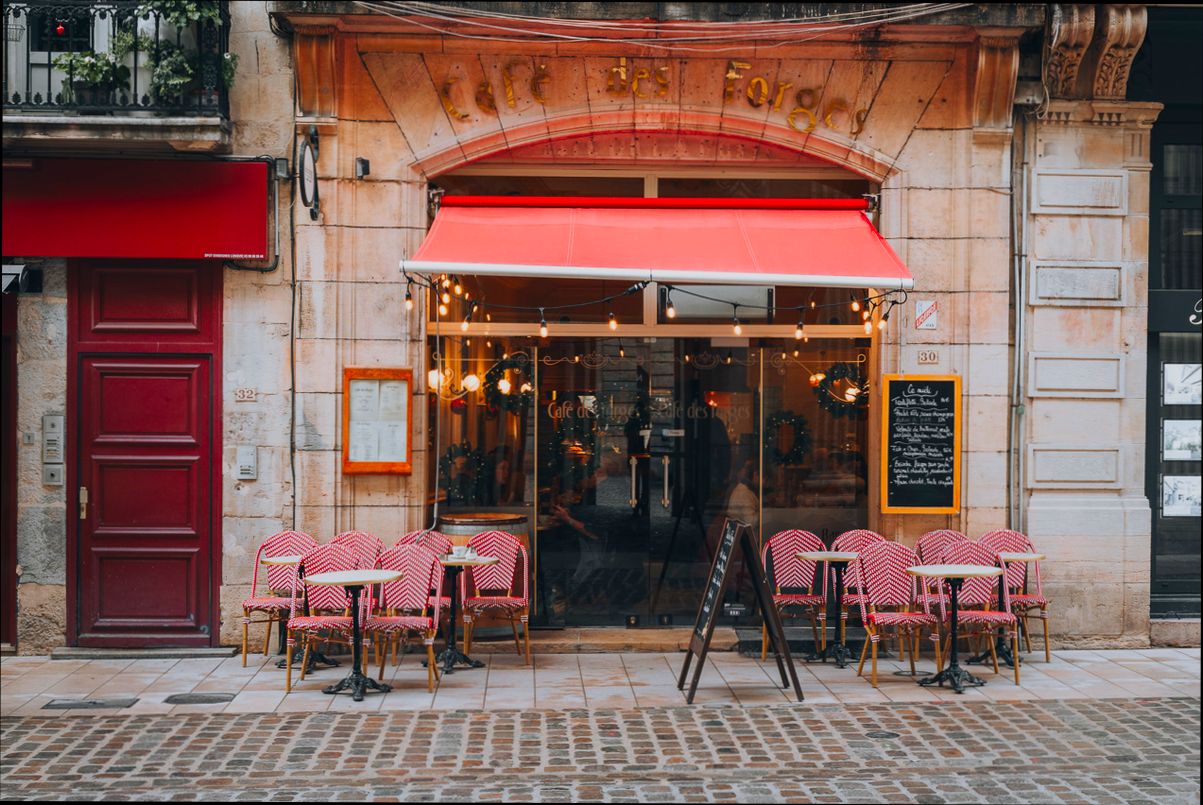
Cultural Richness and Weekend Activities
Living in Dijon immerses you in a vibrant tapestry of cultural experiences that enrich your weekends. From historical landmarks to lively events and outdoor activities, there’s always something to explore. Let’s dive into what makes cultural richness and weekend activities in Dijon so appealing for expats.
Diverse Cultural Experiences
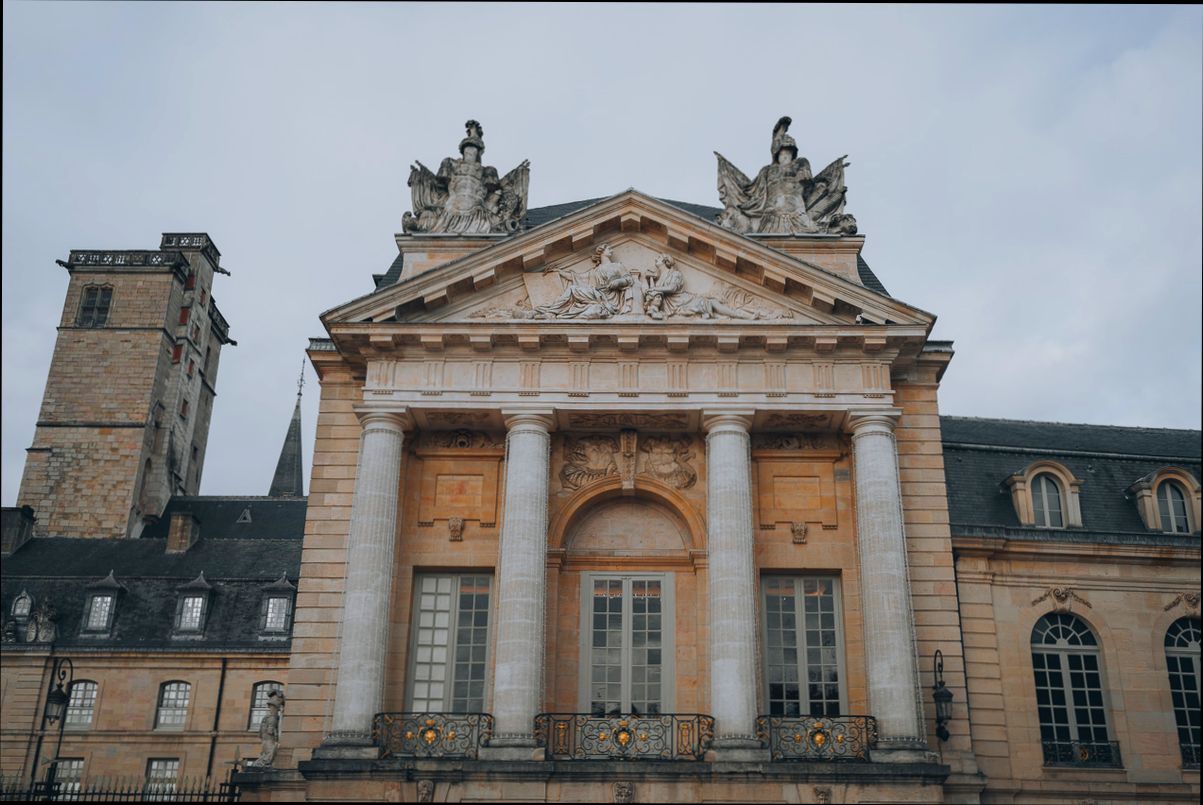
- Historical Sites: Dijon boasts over 90 historical monuments, including the Palais des Ducs and the Church of Notre-Dame. With such rich architecture and history, you can spend entire weekends exploring different eras.
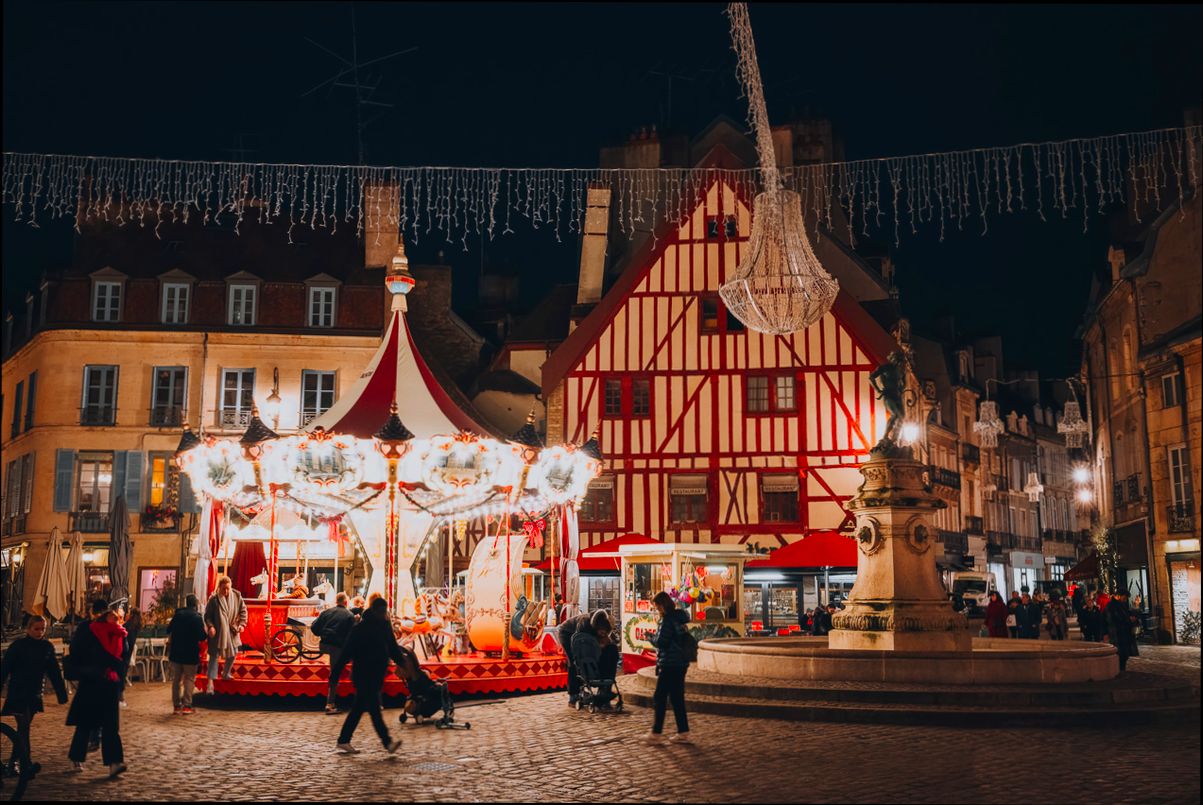
- Festivals and Events: On average, Dijon hosts around 150 festivals each year, catering to diverse interests including food, wine, music, and art. Specifically, the Fête de la Gastronomie showcases local culinary delights every fall.
| Activity Type | Frequency (per year) | Key Locations |
|---|---|---|
| Art Exhibitions | 12 | Musée des Beaux-Arts |
| Food Festivals | 6 | Place de la Libération |
| Live Music Events | 20 | Palais des Congrès |
Engaging Weekend Activities
Dijon’s rich cultural scene offers a variety of activities that make weekends enjoyable:
- Wine Tours: The Burgundy region, famous for its exceptional wines, is just a short drive away. You can join organized wine tours averaging €70 per person, allowing you to taste local vintages and learn about the winemaking process.
- Historical Walks: There are numerous guided tours available, including the “Owl Trail,” which takes you through key historical sites in the city. It’s a fun way to absorb the local history while enjoying the beautiful architecture.
- Local Markets: Dijon is home to vibrant markets like the Marché de Dijon, held three times a week. Here, you can explore fresh produce, local cheeses, and artisanal goods.
Real-World Examples
During the Dijon International and Gastronomic Fair, an annual event that attracts over 80,000 visitors, expats can find not just food but cultural exhibitions and performances highlighting local traditions. This creates a dynamic atmosphere where you can engage with both locals and fellow expats.
Another excellent example is the European Heritage Days, where residents open their doors to historic sites usually not accessible to the public. This offers a unique opportunity for expats to delve deeper into the history and culture of their new home.
Practical Implications for Expats
For expats living in Dijon, weekends offer ample chances to connect with the city’s cultural identity. Here are some tips:
- Participate in Local Events: Regularly check local event calendars to never miss out on seasonal festivals and cultural nights.
- Visit Museums: Take advantage of reduced entry fees on specific days or during special events at museums, enhancing your cultural knowledge without straining your budget.
- Join Clubs or Groups: Engage with local expat or hobby groups that focus on exploring culture through art, cooking, or history, creating a network of like-minded friends.
Actionable Insights
- Attend the Dijon Wine Fair every March to indulge in wine tasting while mingling with locals.
- Explore the Dijon Craft Beer Festival that typically occurs in late October, showcasing the growing craft beer scene in the region.
- Make a habit of visiting the Maison de la Culture, which hosts a rotating selection of exhibits and performances—check their schedule monthly for exciting updates.
These experiences and insights will help you fully embrace the cultural richness that Dijon has to offer each weekend.
The Cost of Living in Dijon
Living in Dijon offers a unique blend of affordability and quality of life, making it an attractive option for expats. While costs can vary, you’ll find that many essentials are reasonably priced compared to larger French cities.
Housing Costs
Rent is often one of the most significant monthly expenses. Here’s a breakdown of rental prices you can expect:
| Apartment Type | City Centre (€) | Outside Centre (€) |
|---|---|---|
| 1 Bedroom Apartment | 533.75 | 474.00 |
| 3 Bedroom Apartment | 975.00 | 815.00 |
If you’re looking for a cozy one-bedroom in the heart of Dijon, you will spend around €534, while a similar apartment outside the city center will cost about €474. For families, renting a three-bedroom apartment in the city costs around €975, providing ample space without breaking the bank.
Daily Expenses
Basic necessities like groceries and dining are fairly priced. Consider these typical costs:
- Meal at an inexpensive restaurant: €15.00
- Mid-range three-course meal for two: €60.00
- Loaf of fresh white bread: €1.57
- Eggs (12): €3.11
You can enjoy a night out or buy everyday groceries without overspending. Dining out for two in a mid-range restaurant, for instance, averages around €60—a reasonable price for a delightful experience.
Transportation Costs
Getting around Dijon is both convenient and economical. Here are some important transportation costs:
- One-way ticket for local transport: €1.45
- Monthly public transportation pass: €42.00
- Taxi (1km): €0.97
Public transport is a cost-effective way to navigate the city, with monthly passes being a smart choice for regular commuters. Alternatively, taxis remain a feasible option for shorter trips.
Utility Expenses
Monthly utility bills add to your living expenses but remain relatively affordable for many expats:
- Basic utilities for an 85 m² apartment: €220.14
- Internet (60 Mbps or more): €28.37
Basic utilities, such as electricity, heating, and water, typically run around €220 for a standard apartment, while internet packages start at approximately €28.37. These rates ensure that you maintain a comfortable living environment without excessive costs.
Practical Insights
To make the most of your stay in Dijon, keep the following tips in mind:
- Budget Wisely: Consider setting a monthly budget based on the average expenses discussed.
- Explore Local Markets: Buying fresh goods from local markets can save you money on groceries compared to supermarkets.
- Utilize Public Transport: Rely on public transportation to minimize travel costs and avoid parking fees in the city center.
Understanding the cost of living in Dijon empowers you to plan your expat life effectively. With reasonable housing costs, daily expenses, and transportation options, you can enjoy a satisfying and budget-friendly lifestyle.
Navigating the Local Healthcare System
Moving to a new country can be daunting, especially when it comes to understanding the local healthcare system. In Dijon, France, navigating the healthcare landscape is essential for your well-being and involves familiarizing yourself with a variety of services and structures. Here, we will explore the specific aspects of navigating the local healthcare system that you, as an expat, need to know.
Understanding Healthcare Services
To effectively navigate the healthcare system in Dijon, you first need to understand its structure. Here are some key insights:
- Healthcare Types: France has a public healthcare system complemented by private services. You can access general practitioners (GPs), specialists, hospitals, and pharmacies.
- Health Insurance: Familiarize yourself with the social security system and how it reimburses medical costs. Most residents pay into the public health system through contributions based on their income.
- Co-payments: Be mindful that while many services are covered, there may be out-of-pocket expenses known as co-payments, which can vary depending on the provider and your insurance coverage. Approximately 37.5% of individuals reported uncertainties about their health insurance coverage for specific services.
Healthcare Navigation Competence
Navigating the healthcare system involves possessing specific skills that enable you to seek out and understand your rights, responsibilities, and available services:
- Awareness of Rights: Knowing your rights as a patient is crucial. For instance, every patient has the right to choose their healthcare provider and receive clear information about their treatment options.
- Decision-Making: You should be prepared to make informed decisions regarding which services you need based on your health problem. A survey revealed that 62.5% of respondents felt confident in their ability to judge which type of health service was needed in health situations.
Comparative Table of Healthcare Services
| Service Type | Description | Typical Cost Coverage | Notes |
|---|---|---|---|
| General Practitioner (GP) | Initial consultation and basic healthcare | 70-100% covered | Direct access without referral necessary |
| Specialist | Requires referral from a GP | Up to 70% covered | Additional costs for specialized procedures |
| Hospital | Emergency services and inpatient care | Up to 80% covered | After-hours services may incur extra fees |
| Pharmacy | Prescription medications and over-the-counter drugs | 65-100% covered | Always check if the medicine is on the reimbursable list |
Real-World Examples
To illustrate what navigating healthcare looks like in Dijon, let’s consider a couple of case studies based on common scenarios:
1. Visit to a GP: An expat was unsure about how to find a GP. They used an app called “Doctolib,” which is popular in France for booking medical appointments. The expat found a nearby doctor who spoke English and booked an appointment online.
2. Emergency Care: A family faced an emergency with a child needing stitches. They went to the nearest hospital, where staff quickly addressed the needs. The family later learned about the co-payment system when receiving their bill, which was 20% of the overall service.
Practical Implications for Expatriates
When navigating the healthcare system in Dijon, keep these points in mind:
- Research Providers: Utilize resources like online listings, local forums, or community groups to find trusted healthcare providers in your area.
- Documentation: Always bring your health insurance card and relevant medical history to appointments to ensure a smoother consultation.
- Language Barriers: If you are not proficient in French, consider bringing a bilingual friend or requesting language support at your appointments, as effective communication is essential.
By being proactive and informed about your healthcare options in Dijon, you can comfortably navigate through various services and ensure your health needs are met efficiently.
Language Barriers and Communication Challenges
Moving to Dijon as an expat can be an exciting adventure, but it does come with its own set of challenges, particularly when it comes to language barriers and communication. Navigating daily interactions and essential services can become daunting if you’re not fluent in French. Understanding these challenges is vital for making the most of your experience in France.
Language Proficiency Among Locals
While many locals in Dijon may speak some English, their level of proficiency can vary greatly. Research indicates that approximately 39% of the French population can hold a meaningful conversation in English. This means you might encounter instances where you have to rely on your French skills for better comprehension.
- Daily Interactions: Simple tasks like ordering food or asking for directions can lead to misunderstandings if you don’t have a good grasp of French vocabulary.
- Cultural Nuances: Certain phrases or expressions don’t translate well, making it essential to learn context-specific language.
Language Learning Resources
Luckily, Dijon is home to several resources that can help you improve your French skills:
| Resource Type | Description | Availability |
|---|---|---|
| Language Schools | Various schools offer courses tailored for expats | Year-round |
| Conversation Partners | Programs matching you with French speakers | Community centers |
| Online Learning | Self-paced courses and apps for on-the-go learning | Accessible anytime |
Real-World Experiences and Challenges
Many expats share their communication challenges in Dijon:
- Customer Service: One expat recounted her experience trying to fix a mobile phone issue. The store staff primarily spoke French, leading to a frustrating interaction where she wasn’t able to articulate her problem until she sought help from a bilingual friend.
- Medical Appointments: Another expat in Dijon noted that while the healthcare system is excellent, navigating it without fluent French can lead to complications. It’s crucial to either learn medical terminology or bring a translator for doctor visits.
Practical Implications for Expats
If you’re considering moving to Dijon, here are some actionable tips to tackle language barriers:
1. Take Local Language Classes: Enroll in a French language course to build your foundation.
2. Join Language Exchange Meetups: Engage in local clubs where you can practice your French with locals and other expats.
3. Use Language Apps: Incorporate daily practice using language learning apps like Duolingo or Babbel to enhance your vocabulary.
Actionable Advice
Don’t underestimate the value of learning basic French phrases for everyday interactions. For example, mastering greetings, polite requests, and common questions can significantly improve your daily experiences. Remember, showing that you are making an effort in their language often helps bridge the gap, encouraging locals to assist you better.
Expat Community and Social Integration
Integrating into the local community as an expat in Dijon can be both rewarding and challenging. Being part of the expat community not only offers a sense of belonging but also opens the door to new friendships and experiences. This section explores the dynamics of the expat community in Dijon and practical steps you can take to enhance your social integration.
The Expat Network
Dijon’s expat community is relatively tight-knit, offering numerous opportunities for networking and socializing. Expats can connect through various organizations and social media groups that cater to international residents.
- Social Media Groups: Many expats turn to platforms like Facebook, where groups like “Expats in Dijon” provide a space to share experiences, ask questions, and form friendships.
- Meetups and Events: Regularly organized events such as meet-and-greet sessions and language exchange meetups help foster connections among expats.
In a survey, around 45% of expats in Dijon reported that joining a local expat group significantly improved their adaptation to life in the city.
Cultural Adaptation and Local Interaction
For those looking to integrate socially, understanding local traditions is crucial. Engaging in local customs not only enriches your experience but also builds bridges with the local population.
1. Participate in Local Festivals: Events like Fête de la Vigne welcome participation, where expats can volunteer and mingle with locals.
2. Join Local Clubs: Clubs focused on cooking, hiking, or art offer structured environments for meeting locals who share similar interests.
A study found that expats who actively participated in local activities reported feeling 30% more connected to their community.
Social Integration Avenues
Utilizing local resources effectively is key to integration. Here are some actionable avenues to explore:
- Language Schools: Enrolling in language courses aids in both learning French and meeting fellow expats and locals.
- Community Centers: Many centers in Dijon offer classes on regional cuisine or arts, providing a mix of cultural immersion and social interaction.
Embracing these options can enhance your sense of belonging and reduce feelings of isolation, which 28% of expats reported as a significant challenge during their first year.
| Integration Strategy | Description | Impact on Community Feeling |
|---|---|---|
| Expat Groups | Networking and support among international residents | 45% felt improved adaptation |
| Local Festivals | Engage with the cultural heart of Dijon | 30% felt more connected |
| Language Courses | Language improvement and socializing | 28% reduced isolation |
Real-World Examples
Many expats, like Sarah from Canada, found that attending local wine tastings and joining a cooking class helped her connect deeply with both fellow expats and locals. Sarah shared that her friendship with a Dijon local blossomed when they began sharing culinary experiences and exploring the city together.
An example is also Mark from the UK, who began volunteering at community events. He noted that it not only helped him practice his French but also introduced him to a diverse array of individuals, allowing him to make lasting friendships.
Practical Steps for Integration
To maximize your social integration in Dijon, consider the following practical steps:
- Be Proactive: Attend at least one expat or community event every month to expand your network.
- Reach Out: Don’t hesitate to initiate conversations with locals; most are open and willing to share insights about their city.
- Stay Open-Minded: Embrace the French way of life, from food to leisure activities, which can lead to unexpected friendships and deeper connections.
Connecting with the expat community in Dijon not only provides a support network but also enhances your overall living experience.
Culinary Delights and Wine Opportunities
Dijon is not only famous for its mustard but also for being a culinary haven with rich wine traditions. As an expat in this vibrant city, you’ll find that food and wine are integral to the local culture and daily life, providing both exquisite flavors and vibrant social experiences.
One of the key advantages of living in Dijon is the accessibility to high-quality local wines and gastronomic dishes. The Burgundy region, where Dijon is located, is world-renowned for its Pinot Noir and Chardonnay, allowing you to enjoy exceptional wine pairings with various dishes. You’ll find local bistros and upscale dining establishments that expertly craft culinary delights designed to match with the region’s wines.
Key Elements of Culinary Experiences in Dijon:
- Regional Dishes: Enjoy specialties such as Coq au Vin and Boeuf Bourguignon, each harmonized with local wines, enhancing the overall tasting experience.
- Wine Pairing Expertise: Many restaurants employ sommeliers who can expertly pair your meal with the ideal wine, elevating your dining experience.
- Wine Clubs and Events: Join local wine clubs to deepen your appreciation for Burgundy wines while participating in exclusive tastings and culinary events.
| Course | Dish | Wine Pairing |
|---|---|---|
| Starter | Seared Scallops with Citrus Reduction | Chardonnay |
| Main Course | Herb-Crusted Lamb Chops with Mint Sauce | Cabernet Sauvignon |
| Salad | Arugula Salad with Roasted Beets | Pinot Noir |
| Cheese Plate | Assortment of Artisanal Cheeses | Merlot |
| Dessert | Dark Chocolate Mousse with Raspberry Coulis | Port |
The art of pairing wine with food is not just about complementing flavors but also about contrasting textures, creating a more interesting culinary experience. For instance, a sparkling rosé can expertly cut through the richness of duck, enhancing both the dish and the wine.
In Dijon, you can indulge in themed wine dinners where chefs collaborate with local winemakers to craft multi-course meals that explore the nuances of food and wine pairing. This could be an opportunity for you to learn about bespoke culinary practices while tasting some of the best that Burgundy has to offer.
Consider engaging with the local culinary schools and wine workshops that frequently host pairing classes, which can provide you with hands-on experiences. By actively participating, you’ll not only improve your culinary skills but also meet like-minded individuals who share your passion for food and wine.
Take advantage of the local marketplace, such as Les Halles, which features local vendors selling artisanal cheeses, cured meats, and fresh produce, perfectly complementing the wine selections available in the area. Knowing which local pairings work best can enhance your home-cooked meals, making everyday living in Dijon truly delightful.
Dijon’s culinary delights and wine opportunities will immerse you in a gastronomic adventure, giving you countless moments to savor every bite and sip.

Employment Prospects for Expats in Dijon
Understanding the employment landscape in Dijon is crucial for expats considering a move to this charming French city. In this section, I’ll unpack the job market, industries, and tips that can help you navigate your employment journey here.
Job Market Overview
Dijon’s economy benefits from a diverse landscape, offering various job opportunities, albeit with some specific challenges for expats. Key sectors include:
- Healthcare and Social Services: This sector is robust in Dijon, providing ample opportunities, especially for those in nursing or healthcare administration.
- Tourism and Hospitality: As a culturally rich city, Dijon welcomes tourists year-round, creating jobs in hotel management, restaurant services, and local attractions.
- Education: With institutions like the University of Burgundy, teaching and administrative roles are available, particularly for those proficient in French or teaching English.
Statistical Insights
When it comes to employment prospects into numbers, consider these points:
- Approximately 30% of job openings in Dijon require proficiency in both French and English, making language skills crucial for expats.
- In the tourism sector, up to 20% of positions attract international workers annually, creating an environment focused on global skills and multicultural experiences.
- The unemployment rate in Bourgogne-Franche-Comté, the region where Dijon is located, hovers around 7.8%, which is a relatively moderate figure compared to national averages.
Comparative Job Industry Table
Here’s a snapshot of key industries in Dijon, demonstrating the types of roles and their respective employment rates:
| Industry | % of Total Job Market | Common Positions | Language Requirement |
|---|---|---|---|
| Healthcare | 25% | Nurses, Care Coordinators | French |
| Tourism | 15% | Hotel Staff, Tour Guides | English & French |
| Education | 18% | Teachers, Administrative Roles | French |
| Technology | 10% | IT Support, Programmers | French |
| Retail | 12% | Sales Representatives | French & English |
Real-World Examples
Several expats have successfully navigated the job market in Dijon. For instance:
- Sarah, a nurse from the UK, found work in a local hospital after obtaining a French nursing license. Her fluency in both languages helped her connect with patients and colleagues.
- John, an Australian, opened a wine boutique, tapping into the region’s rich viticultural traditions. His unique focus on quality Australian wines attracted a clientele appreciative of global selections.
Practical Implications
Understanding the nuances of the job market can significantly ease your transition:
- Networking: Engage with local business groups and expat communities. Platforms like LinkedIn are valuable for making connections in your industry.
- Language Classes: Invest time in learning French to improve your employability and integrate into the local culture.
- Tailored CVs: When applying for jobs, adapt your CV to reflect local standards and cultural expectations.
Actionable Advice
- Take advantage of Dijon’s co-working spaces. They offer networking opportunities and workshops that can enhance your skills.
- Stay updated on local job fairs and recruitment events, as these can be excellent venues for discovering employment opportunities tailored for expats.
- Consider internships or part-time roles initially, as they can pave the way for permanent positions while you improve your language skills and expand your network.