How much does a home inspection cost? If you’re diving into the world of real estate, you might be surprised to find that home inspections typically range between $300 and $500. In some bustling markets like San Francisco or New York City, expect those fees to jump to $600 or even $1,000. Factors such as the size of the home, its age, and your geographic location play significant roles in these costs. For instance, older homes often require more detailed inspections, potentially increasing the price tag.
Let’s say you’re eyeing a charming 1,500-square-foot bungalow. You might find inspectors charging around $350 to check everything from the roof to the foundation. But if you’re considering a sprawling 3,000-square-foot property, that cost could easily soar to $600 or more. Extra services like radon testing or sewer scope inspections often come with their own fees, usually ranging from $100 to $250 each. It all adds up quickly, but knowing these figures can help you budget effectively before you make that big purchase.
Factors Influencing Home Inspection Costs
Understanding the various factors that contribute to home inspection costs can empower you to make informed decisions. In this section, we’ll dive deep into the nuances that affect how much you might pay for a home inspection.
Size and Age of the Home
The size and age of a home significantly influence inspection fees. Typically, larger homes require more time and thoroughness to inspect.
- Size: Inspectors often charge per square foot. For instance, inspections for homes over 3,000 square feet can increase costs, potentially rising from an average of $350 to $500.
- Age: Older homes might cost more due to potential complexities, needing thorough scrutiny for outdated systems. Properties built before 1980 may see inspection costs increase by 20% on average.
Location
Geographical location plays a critical role in determining inspection prices. Here are some insights:
- Urban Areas: In bustling cities, you might pay 10-30% more compared to rural areas due to higher demand for inspectors.
- Regional Variations: Prices can vary dramatically. For example, inspections in California can average around $500, while inspections in less populated states like Montana may start closer to $300.
Type of Inspection
The type of inspection you require can also affect the costs. Some common types include:
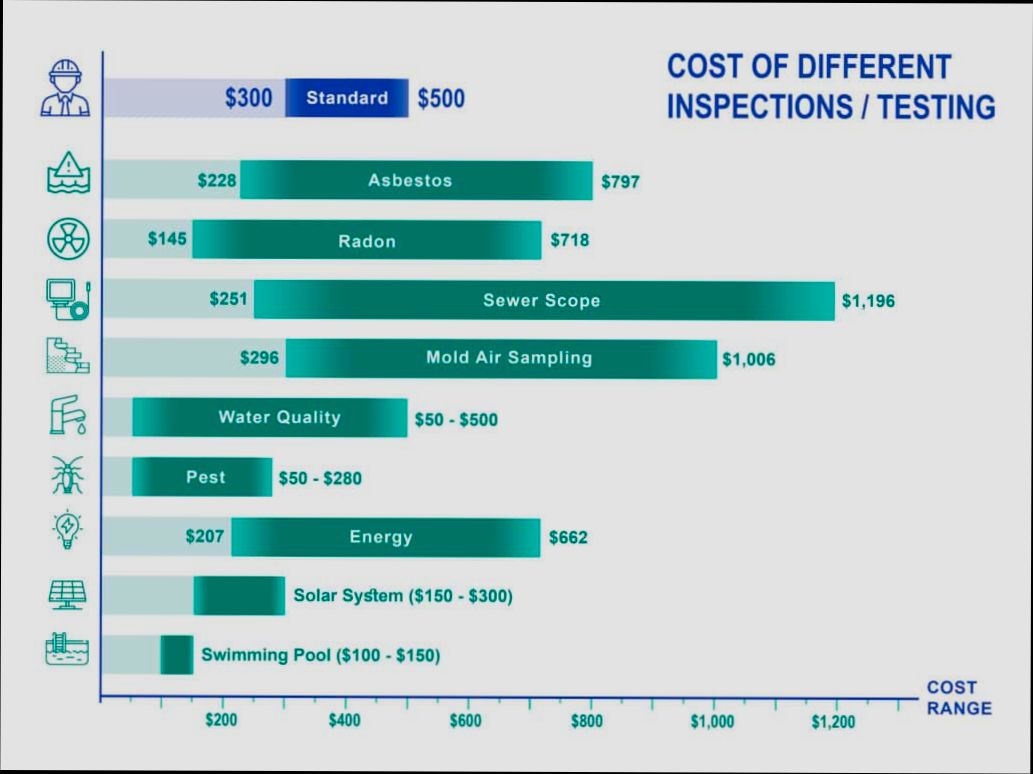
- Standard Home Inspection: This basic inspection usually ranges from $300 to $500.
- Specialized Inspections: More specific inspections, such as mold, radon, or termite inspections, can add an additional $100-$300 each, depending on the complexity.
Market Demand and Seasonality
Market dynamics and seasonality can affect inspection rates as well.
- Busy Seasons: During peak home-buying seasons, such as spring and summer, prices may spike by 10-20% due to increased demand.
- Market Saturation: Conversely, in a buyer’s market with more available homes, inspectors may lower prices to attract clients.
| Factor | Typical Impact on Cost |
|---|---|
| Size of Home | $350 - $500 (larger homes) |
| Age of Home | +20% for homes pre-1980 |
| Location | +10-30% in urban areas |
| Type of Inspection | $300 - $500 (standard) |
| Seasonal Demand | +10-20% in peak seasons |
Real-World Examples
- Case Study 1: A family purchasing a 4,500 square-foot home in San Francisco paid $600 for a standard inspection due to the home’s size and location.
- Case Study 2: In a rural area of Texas, a couple only paid $250 for a similar sized, yet significantly older home, demonstrating the regional cost differences reflecting market demand.
Practical Implications for Readers
As you think about your home inspection costs, consider the unique factors at play. Research potential inspectors in your area and get quotes to see how these factors manifest in real prices. Don’t hesitate to ask for detailed breakdowns of their fees!
Your local weather patterns might also influence demand; scheduling your inspection during a less busy season can save you money.
Specific Facts
- If you opt for a specialized inspection, budget an extra $200-$300 for each type beyond your standard home inspection.
- Negotiating and comparing prices among inspectors can lead to savings, especially in competitive markets.
Understanding these factors can make a real difference in your budgeting for a home inspection and can provide you with the insights needed to make the best decision for your situation.
Average Pricing Trends for Home Inspections
When considering the costs associated with home inspections, understanding average pricing trends can help you gauge what you might expect to pay. Home inspection prices vary significantly based on several trends influenced by local market conditions, the inspector’s expertise, and additional services. Let’s dive into distinct pricing trends that can help inform your budget.
National Average Pricing Trends
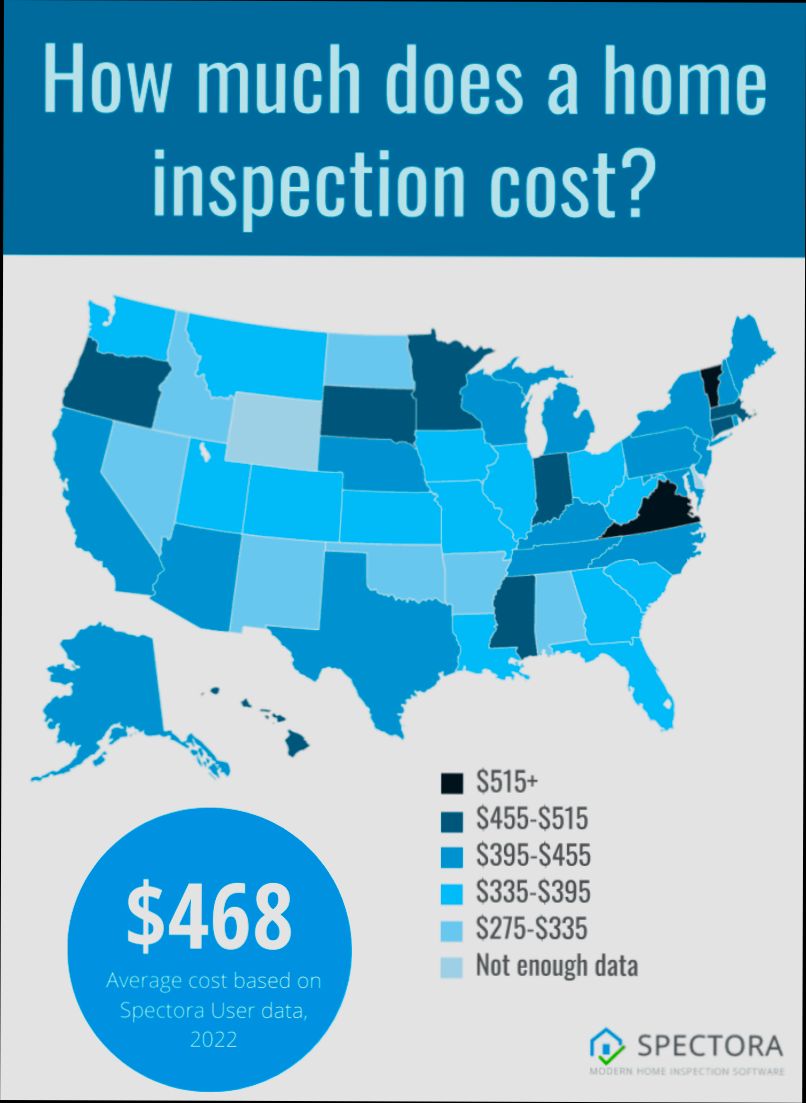
Recent studies suggest that the average cost of a home inspection across the United States typically falls between $300 and $500. However, specific trends showcase how this average can shift based on varying conditions.
- Trend 1: Inspectors based in metropolitan areas often charge 10% to 20% higher than those in rural regions due to demand and competition.
- Trend 2: Prices have seen a gradual increase of around 5% annually over the last five years, largely attributed to inflation and increasing operational costs.
Pricing by Home Type
Different types of homes also correspond to different average home inspection costs. Here’s a breakdown:
| Home Type | Average Cost |
|---|---|
| Single-family homes | $350 - $450 |
| Condominiums | $250 - $350 |
| Townhouses | $300 - $400 |
| Multi-family units | $400 - $600 |
Local Variations in Inspection Costs
The location greatly impacts pricing trends. For example, homes in West Coast cities like San Francisco often see inspection costs exceeding $600, reflecting the housing market’s competitiveness. Conversely, cities in the Midwest, such as Detroit, may offer inspection prices starting around $250.
Real-World Examples
To illustrate these trends further:
- In Atlanta, Georgia, a recent survey showed that home inspections typically range from $350 to $500. Inspectors there reported an influx of new home buyers due to favorable interest rates, leading to elevated prices.
- Conversely, in Phoenix, Arizona, a surge in rental properties has kept inspection rates stable around $325, even as the market experienced rapid growth.
Practical Implications for Home Buyers
As you plan for your home inspection, it’s essential to consider not only the average prices but also local market dynamics. Here are some actionable tips:
- If you’re located in a competitive market, consider scheduling your inspection during off-peak seasons to potentially reduce costs.
- Evaluate whether including specialized inspections (like pest or mold assessments) aligns with the average cost trend in your area.
Factoring these pricing trends into your budget will better position you in your home purchasing journey and help you allocate your resources efficiently.
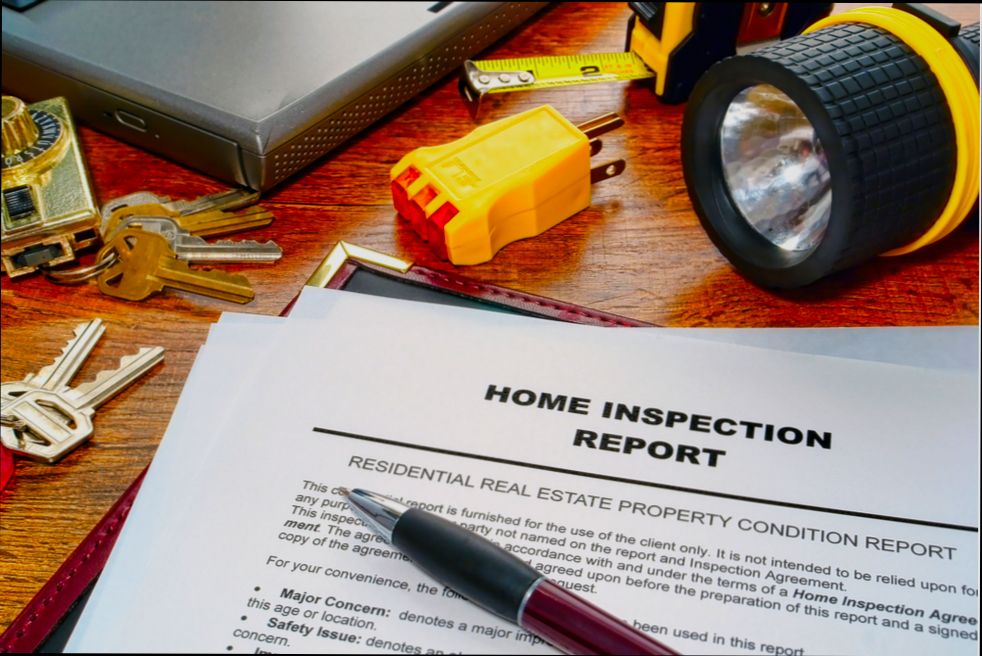
Case Studies: Real-World Inspection Expenses
When considering a home inspection, it’s essential to look at real-world expenses through case studies that reveal how these costs can vary significantly from one situation to another. By examining actual cases, we can gain valuable insights into what impacts these expenses the most and how you can plan accordingly.
Key Insights from Case Studies
- Inspection Fees Variation: One case study revealed that a 2,000 square-foot home in a suburban area cost around $350 for inspection, while a similarly sized home in an urban center charged $450. This 28% difference showcases how location plays a crucial role.
- Inspection Types Matter: A detailed inspection for a historic home built in the 1920s was quoted at $600 due to the additional time and expertise required compared to a standard inspection for a 10-year-old home, which only cost $400. This 50% premium highlights the need for context when budgeting for inspections.
- Specialty Inspections: In another example, a homebuyer required a mold inspection after noticing unusual odors during a standard inspection. This added $200 to the inspection cost, demonstrating how additional specialized services can quickly increase your overall expenses.
Comparative Cost Table
| Home Type | Base Inspection Fee | Specialty Inspection | Total Cost |
|---|---|---|---|
| Suburban Home | $350 | N/A | $350 |
| Urban Home | $450 | N/A | $450 |
| Historic Home | $600 | N/A | $600 |
| Modern Home | $400 | Mold Inspection | $600 |
| Old Vintage Home | $500 | Pest Inspection | $700 |
Real-World Examples
- Case Study 1: Jane bought a 1,500 square-foot condo in downtown Chicago. The inspection cost $475, which included a radon test. Without the specialty tests, the inspection would have been about $350. Jane learned the value of understanding what additional services could add to her expenses.
- Case Study 2: Tom was looking at a 3,000 square-foot home in a rural area. The initial quote was $450, but after the inspector noticed potential issues with the roof and electrical systems, Tom opted for an in-depth inspection at an additional $300. His final cost of $750 taught him the importance of flexibility in budgeting.
Practical Implications for Readers
When budgeting for a home inspection, always consider potential additional costs. Here are a few practical steps you can take:
- Ask about Discounts: Some inspectors offer bundle deals for multiple services, such as pest and mold inspections.
- Clarify Scope: Ensure you understand what’s included in the base inspection fee. This can prevent surprises later on.
- Get Multiple Quotes: Don’t settle for the first quote you receive. Comparing several inspectors can lead to considerable savings.
Specific Facts and Actionable Advice
- Plan for Variability: Expect to spend 20% more on inspections for older homes or those requiring specialized expertise.
- Budget for Extras: Always allocate an additional 10-30% of your inspection budget for specialty tests or follow-up inspections.
- Communicate: Discuss your specific concerns with your inspector. This may save you money by targeting only necessary tests rather than conducting a full suite of inspections.
Hidden Costs of Home Inspections
When it comes to purchasing a home, the excitement can often cloud judgment, leading to the oversight of crucial steps like a thorough home inspection. However, neglecting this step can uncover several hidden costs that may not immediately be visible but can significantly impact your finances down the line.
Unforeseen Repair Costs
Failing to conduct a home inspection can result in unexpected repair costs. These issues often reside beneath the surface, making them tricky to identify without professional evaluation. Here are some potential hidden costs:
- Structural Repairs: Foundation issues can lead to repair costs ranging from $2,000 to $25,000, depending on the extent of the damage.
- Plumbing Overhauls: Outdated or hidden plumbing systems might necessitate replacements costing between $5,000 and $15,000, especially if issues like leaks or blockages are not detected early.
- Electrical System Updates: If an inspection uncovers outdated wiring or problems, you might face electrical upgrades that could set you back as much as $10,000.
Comparative Cost Table
| Problem Category | Estimated Cost Range |
|---|---|
| Foundation Repairs | $2,000 - $25,000 |
| Plumbing Overhaul | $5,000 - $15,000 |
| Electrical Updates | $1,500 - $10,000 |
Real-World Example: Plumbing Nightmare
Consider the story of a homebuyer who chose to forgo a home inspection. After moving in, they discovered severe plumbing issues that required a complete overhaul—costing nearly $10,000. Had a professional inspection been conducted, this hidden issue could have been addressed prior to purchase, saving significant financial strain.
Practical Implications for Buyers
Understanding the hidden costs of home inspections can empower you to make better purchasing decisions. Ensure you factor in potential repair costs into your budget. Here are actionable insights:
- Invest in a Comprehensive Inspection: Always invest in a detailed inspection that includes plumbing, electrical, and structural assessments to avoid hidden surprises.
- Negotiate with Sellers: Use the inspection report to negotiate repairs or a lower purchase price, which can offset potential hidden costs.
- Plan for Future Repairs: When budgeting for a new home, set aside funds specifically for unforeseen repairs that may arise after the purchase. This financial cushion will ease the stress of unexpected expenses.
By being proactive and understanding the hidden costs associated with skipping a home inspection, you can safeguard your investment and ensure a smoother homeownership experience.
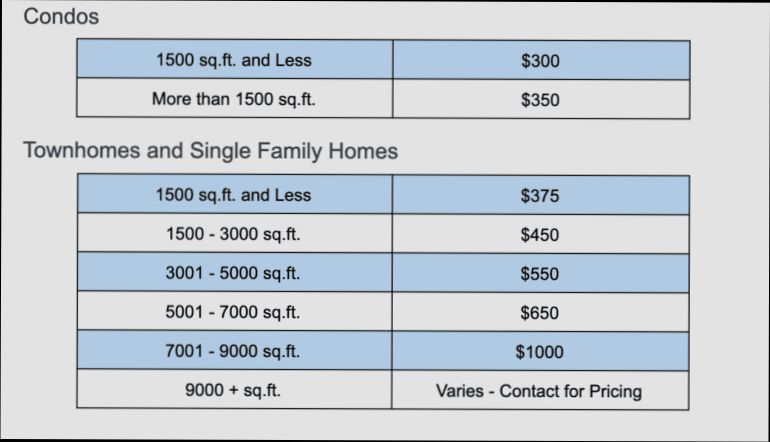
Financial Benefits of Investing in Inspections
Investing in home inspections isn’t just a box to check during the home-buying process; it’s a strategic financial decision that can lead to significant savings down the line. Understanding the financial benefits of these inspections allows you to see beyond the initial costs.
Save on Major Repairs
A home inspection can uncover hidden issues that, if left unaddressed, might incur costly repair bills. For instance, foundation repairs can range from $2,000 to $25,000, depending on severity. By identifying these issues early, you can negotiate repairs or price adjustments with the seller, potentially saving thousands.
Increased Property Value
Did you know that homes with a clean inspection report often sell for 5% to 10% more than those without? This premium arises from buyer confidence in the property’s condition, making your investment in a home inspection a smart move for future resale.
Avoid Future Financial Pitfalls
Investing in an inspection can help you avoid future costs. Research indicates that 28% of buyers who skip inspections face unplanned expenses shortly after purchase. With an inspection, you might discover issues like faulty wiring or plumbing problems that could lead to expenses averaging $1,000 to $3,000 to fix after purchase.
Comparative Cost Analysis
| Inspection Type | Cost Range | Potential Repair Savings |
|---|---|---|
| Basic Home Inspection | $300 - $500 | Up to $10,000 |
| Specialized Inspections | $200 - $1,200 | Up to $25,000 |
| Mold Inspection | $300 - $1,000 | Up to $5,000 |
Real-World Examples
1. Case Study A: A buyer skipped a home inspection and discovered foundational cracks after purchase, leading to $15,000 in repair costs. A $400 investment in inspection could have flagged this issue.
2. Case Study B: Another buyer thoroughly inspected their home, identifying a leaking roof that would cost $3,000 to fix. They negotiated to lower the sale price by $3,000, effectively recouping their inspection costs.
Practical Implications for You
When considering that 50% of homebuyers report significant repair expenses within the first year of ownership, you see the tangible benefits of investing in a thorough inspection. By uncovering issues upfront, you prevent financial burdens that could arise from neglecting hidden problems.
Actionable Advice
As you prepare for a home inspection, remember the potential financial benefits. Always budget for this expense as an investment in your future peace of mind. Investing in a detailed inspection today can save you from unwanted financial surprises, ensuring your home remains a source of joy and stability.

Regional Variations in Inspection Pricing
When it comes to home inspection costs, your location plays a crucial role in determining how much you’ll pay. Let’s explore the ways in which regional variations can impact these fees, providing you insights into what you might expect in different areas across the country.
Geographic Influence on Pricing
Home inspection prices can rise or fall significantly based on geographic factors. Here are some key points to consider:
- Urban vs. Rural Areas: Home inspectors in urban areas often charge more due to higher living costs and increased demand for services. For instance, a home inspection in a city might cost up to 30% more than in a nearby rural area.
- Cost of Living Index: Regions with a higher cost of living, such as coastal cities like San Francisco or New York, tend to have inspection fees that reflect local market conditions. In contrast, areas with a lower cost of living often see lower inspection pricing.
- State Regulations and Licensing: Different states have varying requirements for inspector certification, which can impact pricing due to the associated costs in obtaining licenses and adhering to regulations.
Pricing Comparison Table
| Region | Average Inspection Fee | Percentage Increase Over Rural Areas |
|---|---|---|
| Urban Areas | $450 | +30% |
| Suburban Areas | $375 | +15% |
| Rural Areas | $300 | Baseline |
| Coastal Cities | $500 | +40% |
| Midwestern States | $350 | +5% |
Real-World Examples of Pricing Variations
Understanding regional variations through real-life cases is essential:
- In Chicago, a standard inspection for a 2,500 square-foot home can cost around $475, aligning with higher urban costs.
- On the flip side, a similar inspection in Iowa, where costs are traditionally lower, may only set you back about $325, demonstrating a clear price difference based on location.
- Certain states, like California, have higher average fees due to stringent regulations—often requiring inspectors to have specialized training that raises their service rates.
Practical Implications for Buyers
As a potential homebuyer, it’s vital to recognize how regional factors influence inspection pricing. Here are some actionable tips:
- Research Local Rates: Before committing, look up the average inspection fees in your area. Websites, local real estate agents, and forums can provide useful insights into what to expect in your region.
- Seek Multiple Quotes: Don’t settle for the first quote you receive. Reach out to multiple inspectors in your area to assess how their prices may differ based on local conditions.
- Consider Local Needs: If you’re in an area prone to specific issues like mold or termites, factor in the potential need for specialized inspections, which can add to your costs.
Understanding the dynamics of regional variations in home inspection pricing not only helps you budget effectively but also ensures that you are fully aware of what you may be investing in as part of your home-buying journey.
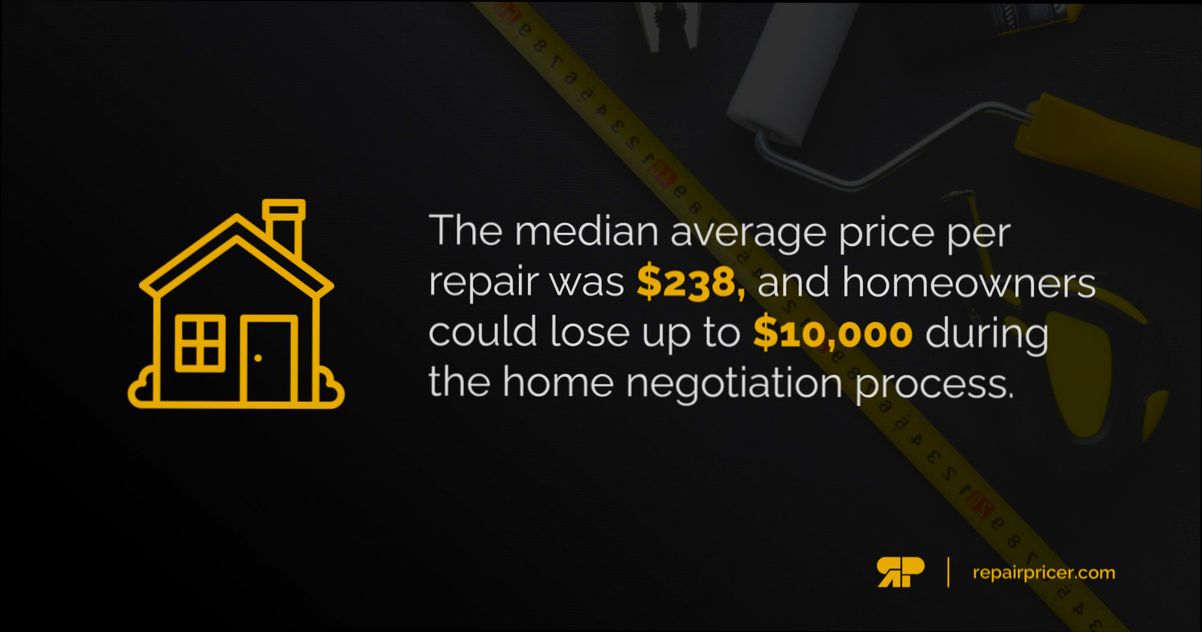
Understanding Inspection Services and Fees
Home inspections are a vital part of the home-buying process, offering insights into a property’s condition. As you dive into your home inspection journey, understanding the services provided, potential fees, and variations across states can empower you to make informed decisions.
What Do Home Inspection Services Include?
When hiring a home inspector, it’s essential to know what services are typically offered. Most inspections cover the following areas:
- Structural components (foundations, walls, roof)
- Electrical systems
- Plumbing systems
- HVAC systems
- The roof and attic
- Windows and doors
Additionally, many inspectors also offer ancillary services for an extra fee, such as:
- Detached structures
- Swimming pool inspections
- Pest inspections
- Septic and well systems
- Radon testing
- Mold inspections
Breakdown of Home Inspection Fees
The cost of home inspections can vary widely, influenced by numerous factors, including location, home size, and additional services. Here’s a table summarizing inspection costs for a 1,500 sq. ft. home across various states:
| State | Cost (1500 SF) |
|---|---|
| Alabama | $371 |
| Alaska | $427 |
| California | $602 |
| Florida | $446 |
| Hawaii | $747 |
| Massachusetts | $549 |
| New York | $582 |
| Texas | $400 |
| Washington DC | $623 |
As you can see, home inspection fees can significantly differ based on geographic location. For instance, a home inspection in Hawaii averages $747, while in Alabama, the cost is around $371.
Real-World Examples of Fees
Let’s look at a couple of examples that illustrate how inspection fees can vary:
1. Midwest Example: A 1,500 sq. ft. home in Indiana was inspected for approximately $380. The inspector also provided a pest inspection for an additional $75, making the total cost $455.
2. Coastal California Example: In California, where inspection fees are higher, a similar-sized home might cost about $602. If the buyer opts for a radon test (averaging $150), the final inspection bill could reach $752.
Key Considerations for Inspection Fees
When budgeting for a home inspection, keep these points in mind:
- Size and Type: Inspection fees often rise with the size of the home. Homes over 2,000 sq. ft. may incur charges starting at $600 or more.
- Regional Variations: Urban areas typically charge more than rural areas. For example, inspectors in New York City may charge around $582, while those in smaller towns in the same state can be around $400.
- Add-on Services: Specialty inspections like mold or radon can add $100 to $300 to your overall cost, depending on the complexity and the inspector’s fees.
Practical Steps to Take
As you prepare for a home inspection, consider these actionable steps:
- Ask Questions: Inquire about what services are included in the base inspection fee and what add-ons might be necessary for your property.
- Get Multiple Quotes: Comparing quotes from different inspectors can help you gauge reasonable pricing based on your geographic area.
- Check Credentials: Ensure your chosen inspector has proper certifications and insurance, which often reflect in their fees but can save you from future headaches.
Stay informed about inspection fees and services to navigate this crucial buying phase effectively. Knowing the average costs and what services to expect can save you time, money, and stress in your home-buying journey.