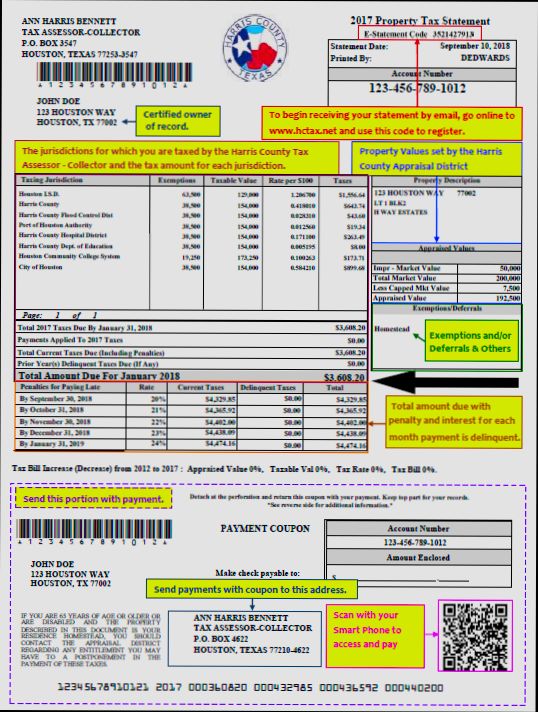
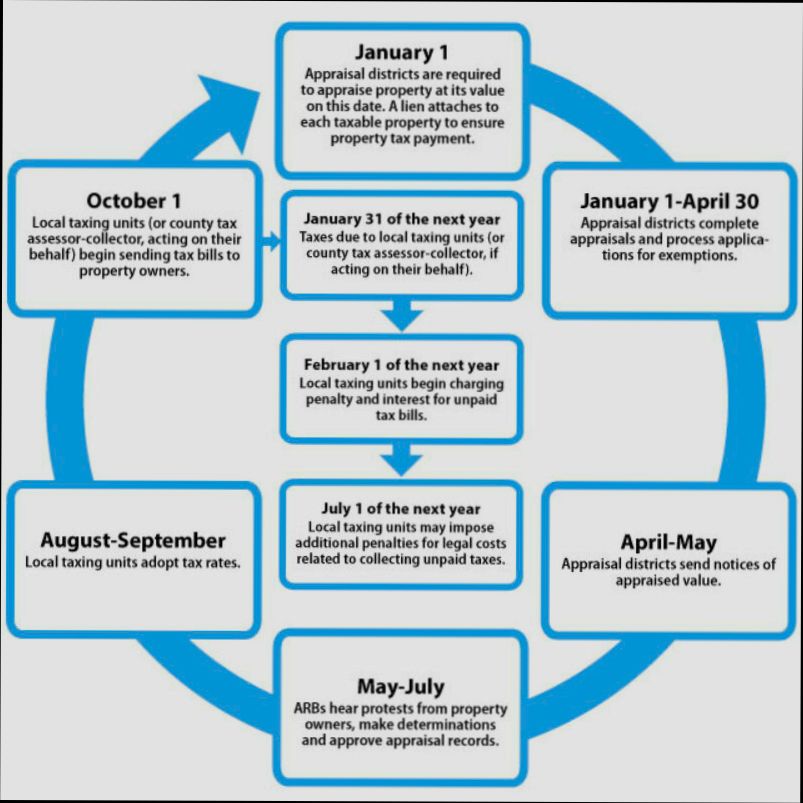
When is Property Tax Due in Texas? If you own property in the Lone Star State, you might want to circle January 31 on your calendar because that’s when the bills start hitting your mailbox. Each year, Texas property taxes go out on October 1, giving you a heads-up before they’re officially due at the end of the year. If your home has an appraised value of $250,000, for example, and the tax rate is 2%, you’re looking at a hefty $5,000 bill by January.
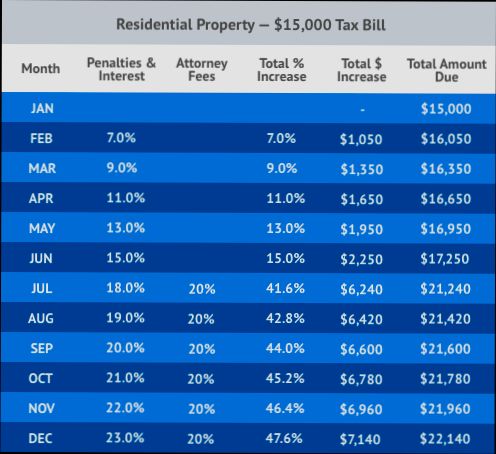
But here’s a catch: paying late can cost you. If you miss that January deadline, penalties kick in and can add up to 6% of your owed amount right off the bat, plus interest. If you don’t pay for a full year, that climbs to 12%! Picture this: a property tax bill of $4,500 becomes $5,040 in just a month. With all this in mind, it’s no wonder so many folks keep an eye on their property taxes and set reminders well ahead of time.
Key Dates for Property Tax Payments
When it comes to property tax payments in Texas, timing is everything! Knowing the essential dates can help you avoid unnecessary penalties and keep your finances in check. Let’s break down the critical milestones you need to be aware of as a property owner.
Important Property Tax Payment Dates
- October 1: This is when property tax bills are typically mailed out to property owners. You’ll want to keep an eye on your mailbox during this period.
- January 31: If you miss the January deadline to pay, you’ll begin accruing penalties. In fact, Texas municipalities typically impose a 6% penalty right after this date.
- March 31: By the end of March, if you haven’t paid your property taxes, the penalty jumps to 12%. This could add a significant amount to your payment.
- Delinquent Taxes: If you haven’t paid your taxes by July 1, your account may be turned over to a collections firm, and you could face additional fees and legal ramifications.
Key Dates Table
| Date | Action Required | Penalty/Fees |
|---|---|---|
| October 1 | Receive tax bill | N/A |
| January 31 | Pay property taxes | 6% penalty accrues after this date |
| March 31 | Pay property taxes | 12% penalty following January deadline |
| July 1 | Payment is considered delinquent | Additional collection fees may apply |
Real-World Examples of Payment Timelines
Consider a homeowner who receives their tax bill on October 1. They decide to pay it right away; thus, they avoid any potential penalties associated with late payments. Meanwhile, another homeowner waits until February 15 to pay, leading to a 6% penalty on their unpaid taxes. A third homeowner neglects to pay until June 15, resulting in a hefty 12% penalty, causing a sharp increase in their total amount owed.
Practical Implications for You
It’s crucial to mark your calendar for these dates because each missed deadline can mean more money out of your pocket. By paying on or before January 31, you not only avoid penalties but also secure peace of mind. If finances are tight, consider reaching out to your local tax offices for potential payment plans they may offer.
Actionable Advice
Make a habit of checking your property tax status every October when the bills are mailed. Set reminders on your phone for key dates: January 31 for penalty-free payments, and March 31 if you need a final deadline to avoid serious penalties. Taking these proactive steps can save you from a financial headache and align your budgeting for the year ahead.
Understanding Texas Property Tax Exceptions
Texas property tax laws can appear daunting, but understanding the exceptions can significantly ease the financial burden for many homeowners. By knowing what exceptions are available, you can take full advantage of the benefits offered.
Key Property Tax Exceptions
Texas offers a variety of property tax exceptions that cater to specific groups and situations, which can decrease your overall tax liability. Here are some noteworthy exceptions:
- Over-65 and Disabled Persons Exemption: Homeowners aged 65 and older or those who are disabled may qualify for a $10,000 exemption on the assessed value of their primary residence. This exception can offer substantial savings when it comes to property taxes.
- Homestead Exemption: Qualified homeowners can get a exemption of at least $25,000 off the assessed value of their home for school district property taxes. Furthermore, local taxing authorities may provide additional exemptions, which you might want to inquire about.
- Disabled Veteran Exemption: Veterans who are disabled due to service injuries can benefit from exemptions, potentially eliminating their property tax altogether based on their disability rating. For instance, veterans rated 100% disabled may receive a total exemption for their primary residence.
- Agricultural Use Exemption: If you use your land for agricultural purposes, you might qualify for a significant exemption, ideally reducing market value for property tax purposes. This can be an attractive option for those owning large pieces of land that are primarily used for farming.
Comparative Table of Property Tax Exceptions
| Exception Type | Base Exemption Amount | Potential Additional Benefits |
|---|---|---|
| Over-65 and Disabled Persons | $10,000 | Additional exemptions by local authorities |
| Homestead | $25,000 | Varies by local taxing entities |
| Disabled Veteran | Potentially full exemption | Based on disability rating |
| Agricultural Use | Varies | Significant reduction based on use |
Real-World Examples
To illustrate the impact of these exemptions, consider the case of Joan, a 68-year-old homeowner. By claiming the Over-65 exemption, Joan saved approximately $300 annually on her property taxes, allowing her to allocate those funds toward her healthcare.
Another example is Tom, a veteran with a 100% disability rating. He successfully applied for the Disabled Veteran exemption, saving him thousands in property taxes every year while allowing him to focus on other aspects of his life.
Practical Implications for Readers
It is critical for homeowners in Texas to take proactive steps to investigate whether they qualify for these exceptions. Here are some actions you can take:
- Contact Local Appraisal District: Reach out to your local appraisal district to understand specific exceptions available to you.
- Gather Required Documentation: Ensure you have all necessary documents to prove eligibility for the exemptions you want to apply for.
- File Early: Many Texas exceptions require you to file by specific deadlines. Aim to file your applications as soon as possible, especially if you’re newly eligible.
Actionable Advice about Property Tax Exceptions
Here are some facts you can leverage:
- Always review annual property tax statements to see if your exemptions are applied correctly.
- Be aware that certain exemptions can increase your property’s base value but don’t affect the taxes due directly, so keep track of market changes.
- Engage with local community resources or workshops that can help you understand and apply for these exemptions effectively.
This approach can empower you to make informed decisions about your property taxes and ensure you’re not missing out on potential savings.
Statistical Insights on Property Tax Trends
Understanding the trends in property tax can help you make informed decisions about your property investments and budgeting in Texas. With various factors playing into how property taxes shift each year, let’s look at some intriguing statistical insights that can direct your planning for future property tax payments.
Notable Trends in Property Tax Rates
Over the past decade, property tax rates in Texas have shown a consistent upward trajectory. According to recent data:
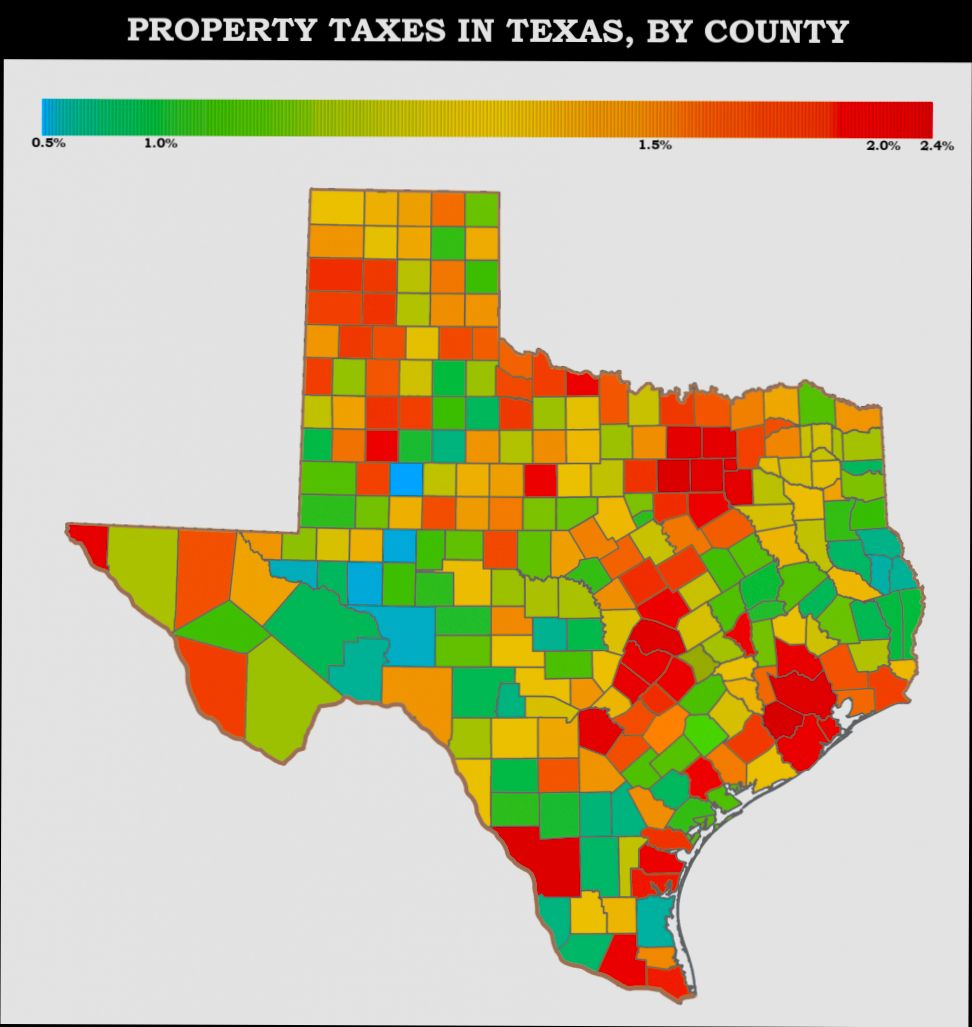
- From 2010 to 2020, the average property tax rate in Texas increased by approximately 25%.
- In more recent years, some counties have experienced changes as drastic as a 7% rise year-over-year in property taxes due to heightened property values.
- In urban areas, the trend is even more pronounced, with some cities seeing increases of over 10% annually.
These statistics indicate that, as property values rise, homeowners can expect their tax bills to follow suit, which is essential for budgeting.
Comparative Overview of Property Tax Trends by County
Here’s a table illustrating the trends in property tax rates across various counties in Texas from 2021 to 2022:
| County | 2021 Tax Rate | 2022 Tax Rate | Percentage Increase |
|---|---|---|---|
| Harris County | 2.33% | 2.48% | 6.4% |
| Travis County | 2.14% | 2.28% | 6.5% |
| Dallas County | 2.65% | 2.80% | 5.7% |
| Tarrant County | 2.37% | 2.52% | 6.3% |
This table provides a clear illustration of how property tax rates are increasing across some of Texas’s major counties, signaling that property owners should be prepared for higher taxes in the coming years.
Real-World Examples of Property Tax Changes
Let’s take a closer look at real-life examples reflecting these trends:
- Harris County saw property tax bills soar as the tech industry flourished, driving up demand for housing and leading to hikes in assessed values. Homeowners reported an average tax increase of $200 from 2021 to 2022, making budgeting critical.
- In Dallas County, residents faced similar situations where a 6% rise in tax rates corresponded with developments in infrastructure and public services, further justifying the increases to residents though they strained budgets.
These examples highlight how localized economic changes directly impact property tax rates, making it vital for homeowners to stay informed about their specific areas.
Practical Implications for Homeowners
As a homeowner, understanding these trends means you can take proactive steps:
- Budgeting: Expect property tax increases annually and incorporate those into your financial plan.
- Monitoring Local Developments: Changes in infrastructure or public amenities often lead to increased property values and subsequent tax rates, so keep an eye on local governance decisions.
- Exploring Exemptions: Stay informed about any exemptions available in your county that may mitigate the impact of these rising rates.
Actionable Insights on Tax Rate Trends
- Stay Informed: Regularly check your local appraisal district’s announcements and trends to remain updated on potential increases.
- Consult with Experts: Engage with tax professionals or financial advisors who can assist you in navigating the complexities of rising property tax and offer personalized planning strategies.
- Plan Ahead for Payment: Given the upward trend, you might want to consider setting aside funds regularly to cover potential tax increases, ensuring that you’re never caught off-guard during payment season.
Real-Life Scenarios of Tax Payment
Navigating property tax payments can be tricky, particularly in Texas, where the process involves understanding various deadlines, penalties, and relief options. In this section, we’ll explore real-life scenarios that people often encounter when making these payments, and how you can effectively manage your property tax obligations.
Key Scenarios to Consider
- Scenario 1: Late Payments and Penalties
- Imagine you receive your property tax bill in October but forget to pay it by the January 31 deadline. In Texas, late payments incur a 6% penalty if not paid by February 1. This penalty jumps to 12% on April 1, which can significantly increase your liability if you’re not careful.
- Scenario 2: Budgeting for Property Tax
- It’s crucial to plan your finances with property taxes in mind. For instance, if your property tax bill is $4,000 annually, you may want to set aside about $333 per month to cover this expense. This way, you avoid a financial crunch when the payment is due.
- Scenario 3: Payment Plans
- Some counties in Texas offer payment plans for taxpayers who need additional time to pay. For example, if you owe $5,000 but can only pay $1,500 upfront, you might set up a plan to pay the remaining balance over six months, alleviating immediate financial stress.
Comparative Table of Penalty Rates
| Deadline | Penalty for Late Payment | Total Liability |
|---|---|---|
| February 1 | 6% | $4,240 |
| April 1 | 12% | $4,480 |
| After April 1 | Additional penalties may apply | Variable |
Real-World Examples
- Example 1: The Importance of Timely Payments
- Jane, a homeowner in Houston, forgot about her tax bill and paid it late, incurring a 12% penalty. The extra $480 was a budget blow she hadn’t anticipated, demonstrating how essential it is to pay on time.
- Example 2: Utilizing Payment Plans Wisely
- Mark faced a hefty $6,000 tax bill. Rather than pay it all at once, he opted for a payment plan for budgeting ease. By breaking it into manageable payments of $1,200 over five months, he effectively kept his cash flow steady.
Practical Implications for You
Understanding how real-life scenarios can affect your property tax payments is vital for financial health. By planning for potential late fees and considering budget-friendly payment options, you take a proactive stance. Make sure to:
- Set reminders for payment deadlines to avoid penalties.
- Create a separate savings account for property tax only, contributing monthly.
- Investigate your local county’s payment plan options if you find yourself unable to pay on time.
Take Action
Know the penalties that can arise from late payments; they can compound quickly! If you find that you’re unable to make a lump sum payment, don’t hesitate to reach out to your local tax office and inquire about available payment plans. Taking action early can save you significantly in the long run.
Benefits of Timely Property Tax Payments
Timely property tax payments come with a host of benefits that can enhance your financial stability and peace of mind. Avoiding late fees and maintaining good credit can create a more favorable financial landscape for you as a property owner.
Financial Advantages
- Avoiding Penalties: Making your payments on time ensures you don’t incur penalties, which can typically be around 6% for the first late payment and increase over time.
- Maintaining Cash Flow: By paying on time, you can budget more effectively, allowing you to allocate funds to other important areas, like repairs or upgrades.
- Eligibility for Discounts: Some counties in Texas offer discounts for early payments. You could save a percentage of your tax bill by paying before a specified date, which is often a smart financial move.
Comparative Benefits Summary
| Benefit | On-Time Payment | Late Payment |
|---|---|---|
| Penalties | None | 6% on first offense |
| Cash Flow Reliability | Stable | Risk of financial strain |
| Possible Discounts | Yes | No |
| Credit Score Impact | Positive | Negative |
Real-World Scenario: The Cost of Delay
Consider a homeowner in Texas, Sarah. She pays her property taxes on time every year, which keeps her financial records spotless. The county offers a 3% discount for early payment, allowing her to save $300 on her $10,000 tax bill. Conversely, her neighbor, John, missed the deadline and faced a 6% penalty of $600, significantly affecting his finances. This scenario underscores the tangible benefits of timely payments.
Practical Implications
Focusing on making timely property tax payments can lead to considerable long-term financial gains. Not only do you protect yourself from accumulating fees, but you also demonstrate financial responsibility. This can strengthen your credit score, which is crucial for future financial decisions, such as taking out a mortgage.
Actionable Advice
- Set reminders on your calendar for key tax payment dates to avoid missing them.
- Consider budget planning tools to help allocate funds ahead of time for property taxes.
- Explore opportunities for paying early to take advantage of any available discounts and keep your financial health in check.
Consequences of Late Tax Payments
When you miss a property tax payment deadline in Texas, the consequences can be more severe than you might expect. Not only do you face penalties, but you also risk losing your property through foreclosure if unpaid over time. Let’s break down the implications of late tax payments so you can better navigate your responsibilities.
Immediate Financial Penalties
Late property tax payments typically incur penalties that escalate over time. Initially, you may experience:
- A 6% penalty on the amount due if your payment is received after the deadline.
- If your payment remains unpaid for a month longer, this penalty can rise to 12%.
This cumulative financial effect can significantly strain your budget, especially when compounded over multiple years.
Accumulating Interest Charges
In addition to penalties, interest accrues on late payments as follows:
- Interest typically accumulates at a rate of 1% per month, which adds up quickly.
- If you delay payment for a longer period, this can result in a total financial burden that dramatically increases beyond the original tax amount.
Risk of Tax Liens and Foreclosure
Delayed payments can lead to more severe repercussions:
- After a year of non-payment, counties in Texas may file a tax lien against your property.
- If the lien remains unpaid, it could ultimately result in foreclosure proceedings.
These legal actions can severely affect your credit score, making future borrowing more difficult.
Comparative Consequences Table
| Consequence | Description | Financial Impact |
|---|---|---|
| Initial Penalty | 6% of the unpaid amount | Direct hit to finances |
| Second Penalty | 12% after one month | Increased liability |
| Monthly Interest | 1% per month on unpaid tax | Compounding debt |
| Tax Lien | Filed after one year of non-payment | Long-term legal issues |
| Potential Foreclosure | After several years of non-payment | Loss of property |
Real-World Examples
Consider the case of a homeowner, Maria, who forgot to pay her property tax bill of $2,000 due on January 31. After missing the deadline, Maria faced a $120 penalty (6%) immediately, but after another month, the penalty doubled to $240 (12%). Additionally, as the months passed, the interest accrued at a rate of 1% monthly, adding another $20 each month, further straining her budget.
In another scenario, Mark didn’t pay his property taxes for two years. The accumulated penalties and interest on his $3,500 tax bill ultimately led to a tax lien on his property, creating difficulties in securing loans in the future.
Practical Implications for Readers
It’s crucial to recognize the compounding effect of penalties and interest when it comes to late tax payments. Ignoring your property tax obligations can snowball into severe financial distress. It’s advisable to set reminders or automate payments to avoid such consequences. If you do find yourself late, reaching out to your local tax office might help you negotiate payment plans and avoid further penalties.
Specific actions to consider if you’re facing late property tax payments include:
- Contacting your county tax assessor’s office for clarification on penalties.
- Investigating payment options such as installment plans to manage outstanding balances.
- Seeking financial advice if you find yourself unable to pay to implement strategies that might save your property and credit standing.
Understand the stakes involved in your property tax obligations to mitigate the consequences of late payments effectively.
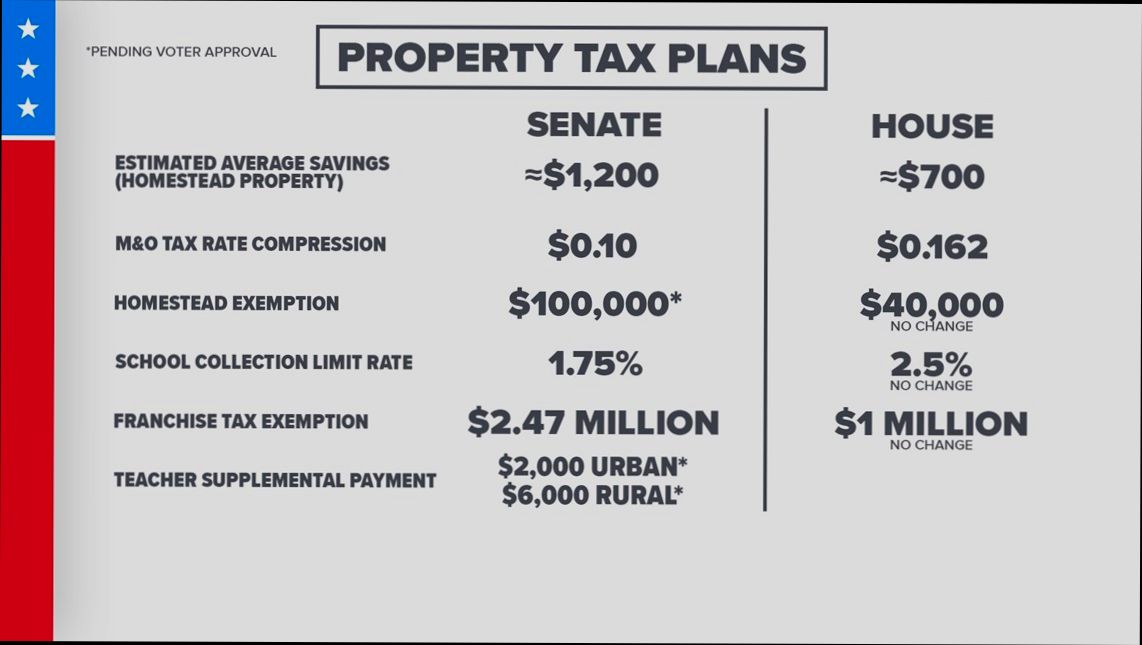
How Local Governments Utilize Tax Revenue
Understanding how local governments utilize tax revenue is crucial for everyone, especially property owners in Texas who directly contribute through property taxes. Tax revenues play an essential role in funding community services, infrastructure, and various public needs across municipalities.
Local governments rely heavily on taxes, with property taxes being a cornerstone of their revenue streams. In fact, about 75% of local funding is sourced from property taxes. This financial backbone supports critical community services and infrastructure. Here are some key ways local tax revenue is utilized:
- Education: Local governments allocate a significant portion of their tax revenues to public schools, helping to maintain and improve educational facilities, pay salaries for educators, and provide necessary resources to students.
- Public Health Services: Tax revenues are essential for funding public hospitals and health departments. In 2021, local governments collected about $886 billion for various community needs, including public health initiatives.
- Public Safety: Funding for police, fire departments, and emergency services is often sourced from property and other local taxes, ensuring community safety and emergency preparedness.
- Infrastructure Maintenance: Local taxes fund necessary infrastructure such as roads, bridges, and public transportation systems, directly enhancing community mobility and safety.
- Local Development Projects: Taxes can be earmarked for economic development projects, enhancing local business environments and attracting new investments.
Breakdown of Local Government Revenue Sources
| Source of Revenue | Percentage Contribution |
|---|---|
| Property Taxes | 75% |
| Sales and Excise Taxes | 18% |
| Local Income Taxes | 6% |
| Other Local Taxes (e.g., Hotels) | 1% |
In various communities, property taxes represent the largest tax revenue source. For example, in neighborhoods where property values are rising, increased property tax revenues can lead to enhanced public services. However, this is often accompanied by challenges, as the burden of property taxes may disproportionately affect lower-income households.
Real-World Examples
Take, for example, a local Texas jurisdiction that utilizes property tax revenues to fund a public library expansion. Increasing property taxes have provided the financial means for the construction of a modern facility with advanced technology and ample resources for the community.
In another instance, a city may direct tax revenues to bolster its emergency services, thereby decreasing response times and improving safety for residents. When citizens learn how their property taxes fund essential services, it can foster a sense of community and shared responsibility.
Practical Implications
Understanding how local governments utilize tax revenue can empower property owners. When you pay your property taxes, you’re contributing to the very fabric of your community. It enables essential government functions and helps maintain public infrastructure. Therefore, monitoring how these funds are allocated can foster transparency and encourage civic engagement.
Specific Facts and Actionable Advice
- Stay Informed: Keep up to date with local government budgets and upcoming community projects funded by tax revenue.
- Engage in Local Government: Property owners can attend city council meetings to voice opinions on how tax revenues should be spent to ensure community needs are met.
- Advocate for Fair Policies: Support tax policies that balance funding allocations equitably across different community sectors, ensuring all residents benefit from the services funded by their tax contributions.