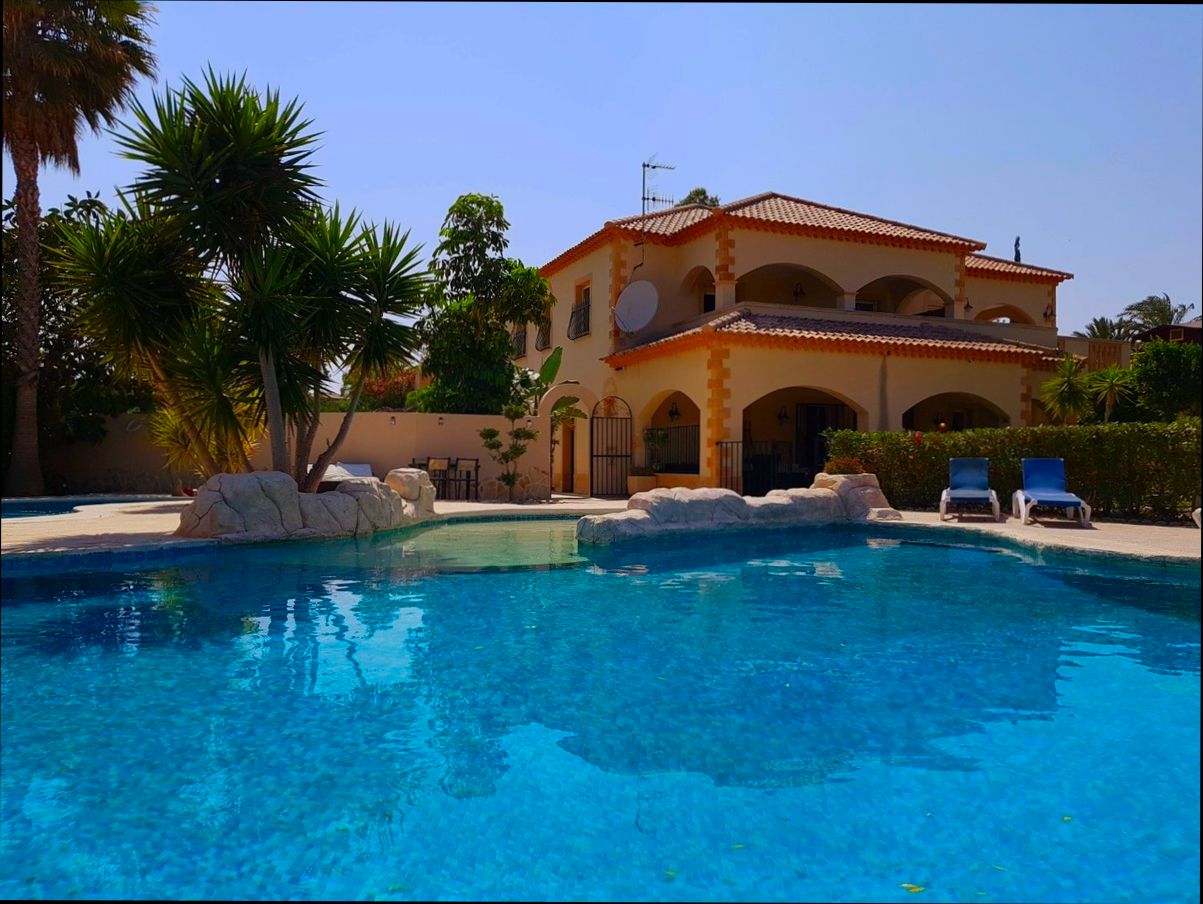
What Types of Properties are Available in Spain? You’ll be surprised by the variety! Spain offers everything from charming little apartments in bustling Barcelona to sprawling villas on the sun-soaked Costa del Sol. For instance, did you know that in major cities like Madrid, you can find two-bedroom flats starting around €200,000? Meanwhile, on the islands like Mallorca, luxury waterfront properties can easily soar above the €1 million mark, providing stunning views and direct access to crystal-clear waters.
But it doesn’t stop at apartments and villas. Let’s not forget the unique market for rustic farmhouses in regions like Andalusia, where you might score a charming fixer-upper for just €150,000, complete with olive groves. Urban lofts in historic buildings are also a hot trend, appealing to trendy young professionals or retirees looking for a slice of culture. Whether you’re leaning toward a modern penthouse or a traditional Spanish finca, Spain’s property landscape is as diverse as its regions, making it a playground for homebuyers of all tastes and budgets.
Exploring Coastal Villas in Spain
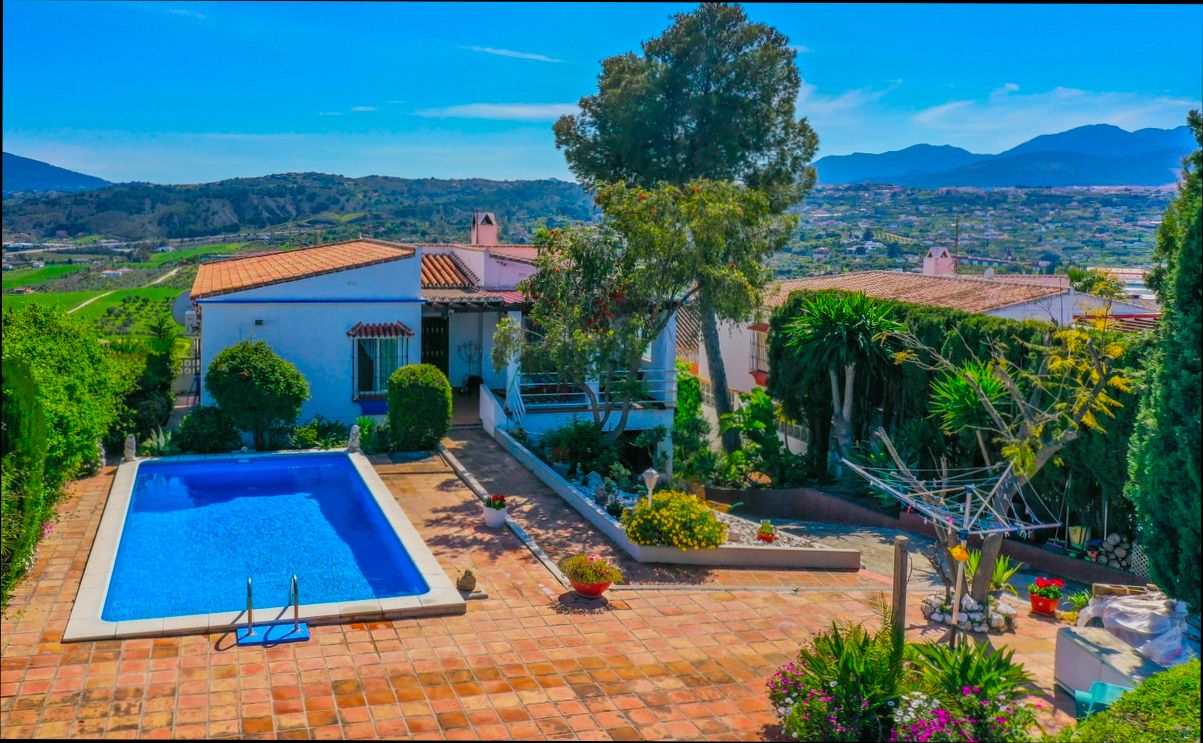
When it comes to coastal living, Spain offers a delightful array of villas that boast incredible views and direct access to stunning beaches. These properties are not only about luxury; they often provide a unique lifestyle that combines relaxation with vibrant local culture. Let’s dive into the world of coastal villas in Spain!
Key Highlights of Coastal Villas
- Diverse Styles: Coastal villas in Spain come in various architectural styles. From traditional Mediterranean designs with terracotta roofs to sleek, modern aesthetics, you can find a villa that matches your taste.
- Investment Potential: Buying a coastal villa can be a smart investment. Properties in popular areas like Costa del Sol have shown an impressive appreciation rate of around 7% annually, making it an enticing option for buyers.
- Area Popularity: The Costa Brava region ranks as one of the most sought-after locations, with over 40% of coastal properties purchased by foreigners in recent years.
| Region | Average Price per Villa | Rental Yield (%) | Popularity Index |
|---|---|---|---|
| Costa del Sol | €500,000 | 5.5 | High |
| Costa Brava | €620,000 | 4.8 | Medium |
| Alicante | €350,000 | 6.0 | High |
| Balearic Islands | €1,200,000 | 3.5 | Very High |
Real-World Examples of Coastal Villas
1. Villa in Marbella: This luxurious villa in Marbella features six bedrooms, a private pool, and sweeping sea views, with an average rental income of about €4,000 per week during the summer season.
2. Traditional Villa in Cadaqués: Nestled in the picturesque village of Cadaqués, this charming property combines rustic charm with modern amenities. It sold for €900,000, illustrating the allure of traditional designs.
3. Sustainable Villa in Alicante: A recent project in Alicante showcases eco-friendly features, such as solar panels and water-saving systems. Priced at €380,000, it appeals to environmentally conscious buyers interested in sustainable living.
Practical Tips for Exploring Coastal Villas
- Visit During Off-Peak Seasons: To avoid the crowds and have a better chance of negotiating prices, explore coastal villas outside of the peak summer months.
- Research Local Amenities: Ensure the area has all the necessary amenities such as shops, hospitals, and schools. Values often increase in places with robust local services.
- Check Rental Regulations: If you’re considering a rental investment, familiarize yourself with local regulations. Some regions have specific restrictions on short-term rentals that can affect your plans.
Specific Facts and Actionable Advice
- High Demand Areas: Coastal areas like Ibiza and Mallorca have a consistently high demand, making them a good choice for investment.
- Consider Community Dynamics: Choose a villa in a community that aligns with your lifestyle preferences—whether that’s quiet and secluded or bustling with nightlife and entertainment options.
- Secure Financing: Engage with local financial institutions, as many offer favorable mortgage terms for foreigners looking to purchase property in Spain.
By keeping these insights in mind, you can navigate the coastal villa market in Spain with confidence and find a property that suits your lifestyle and investment goals.
The Allure of Urban Apartments
The charm of urban apartments in Spain is undeniable. They offer a unique blend of modern living, accessibility, and cultural richness that can’t be found in traditional homes. From bustling city centers to vibrant neighborhoods, urban apartments attract a wide range of residents, including young professionals, families, and retirees.
Key Attractions of Urban Apartments
- Proximity to Amenities: Urban apartments position you right in the heart of the action. Most urban areas in Spain boast an array of dining, shopping, and entertainment options, making it easy to enjoy all that city life has to offer.
- Cultural Experiences: Living in an urban environment immerses you in local culture. Whether it’s art galleries, music festivals, or traditional markets, urban apartments allow you to experience the vibrant life of cities like Madrid and Barcelona firsthand.
- Investment Potential: Urban apartments have shown consistent growth in property value. In major cities, the average real estate appreciation rate can be as high as 5% annually. Additionally, rental yields often fall around 6-7%, making these properties an attractive investment option.
Urban Apartment Comparison
| City | Average Price per Apartment | Rental Yield (%) | Walkability Score |
|---|---|---|---|
| Madrid | €300,000 | 6% | 95 |
| Barcelona | €350,000 | 7% | 92 |
| Valencia | €220,000 | 6% | 88 |
Real-World Examples
In Madrid, urban apartments near Gran Via see strong demand due to their central location and accessibility to public transport. A recent study found that properties in this area average €320,000, with landlords capitalizing on a 6% rental yield thanks to the popularity among both locals and tourists.
Barcelona’s El Raval neighborhood has become a hotspot for young professionals. With an average apartment price of €340,000, the area boasts a cultural tapestry that appeals to creatives and thinkers alike. Its vibrant street art scene and restaurants contribute to a unique urban lifestyle.
Practical Implications for Readers
If you’re considering investing in an urban apartment in Spain, here are some actionable insights:
- Research Neighborhoods: Focus on areas with high walkability and cultural experiences. This can significantly impact your lifestyle and property value.
- Explore Financing Options: With urban apartments generally on the higher end of the price spectrum, exploring various financing options will help ensure that you make a sound investment.
- Evaluate Rental Opportunities: If you plan to rent out your apartment, seek insights on seasonal demand in specific neighborhoods to optimize your rental rates.
Urban apartments in Spain not only provide a place to live but also offer a gateway to a rich and engaging lifestyle. As you consider your options, keep in mind the potential for cultural enrichment, investment growth, and vibrant community living.
Investment Opportunities in Spanish Real Estate
Spain’s real estate market presents a wealth of investment opportunities beyond just coastal villas and urban apartments. With a robust demand for various property types and trends favoring rental yields, there is potential for rewarding investments. Let’s delve into the diverse opportunities available, focusing on the nuances that can help you make informed decisions.
Rental Properties Booming
Did you know that the Spanish rental market is thriving? In fact, demand for rental properties has seen a consistent rise, particularly in metropolitan areas and tourist hotspots. Investors can expect:
- Average Rental Yields: The overall average rental yield across Spain has risen to approximately 6%, making it an attractive investment.
- Short-Term Rentals: Popular in cities like Barcelona and Madrid, short-term rental unit investors enjoy yields as high as 10%-12%, especially during peak tourist seasons.
This growth in rental properties indicates a significant opportunity for buyers interested in capitalizing on tourism and urban migration trends.
Commercial Real Estate
The commercial sector in Spain, especially retail and office spaces, has also proven to be a goldmine for investors. Key points to consider:
- Rising Demand: The commercial property market has witnessed a 20% increase in transactions year-on-year.
- Prime Locations: Properties in business districts of Madrid and Barcelona have reported returns ranging from 4%-6%, presenting a lucrative option for long-term investments.
Investors should keep an eye on emerging neighborhoods that are being revitalized, as they often offer lower entry prices with substantial growth potential.
Comparative Investment Opportunities
To visualize the diversity in returns from different property types, here’s a comparison:
| Property Type | Average Price (EUR) | Expected Rental Yield (%) | Growth Potential (%) |
|---|---|---|---|
| Residential Rental | 200,000 | 6 | 3 |
| Short-Term Rental | 150,000 | 12 | 8 |
| Commercial Office | 500,000 | 5 | 4 |
| Retail Space | 300,000 | 4 | 5 |
Real-World Success Stories
Let’s look at some real-life examples that showcase successful investments in Spanish real estate:
- City Center Conversions: An investor purchased a residential building in Valencia’s city center for €1.2 million, converting it into apartments for short-term rentals. They reported a return of over 9% during the first year as tourism surged in the area.
- Commercial Success: A buyer invested €800,000 in a retail space in a newly gentrified district of Madrid, achieving a rental yield of 6.5%, significantly benefiting from an upsurge in foot traffic and local business development.
Practical Investment Insights
When considering investments in Spanish real estate, here are some actionable tips:
- Research Local Regulations: Familiarize yourself with the zoning laws and rental regulations in the area you’re targeting to avoid unexpected obstacles.
- Assess Location Potential: Look beyond tourist favorites—up-and-coming neighborhoods can yield higher returns as they develop.
- Networking is Key: Building connections with local real estate professionals can provide insights and access to off-market opportunities.
Investing in Spanish real estate is not just about purchasing a property; it’s about understanding the broader market dynamics and making strategic decisions that align with your investment goals.

Traditional Spanish Farmhouses and Fincas
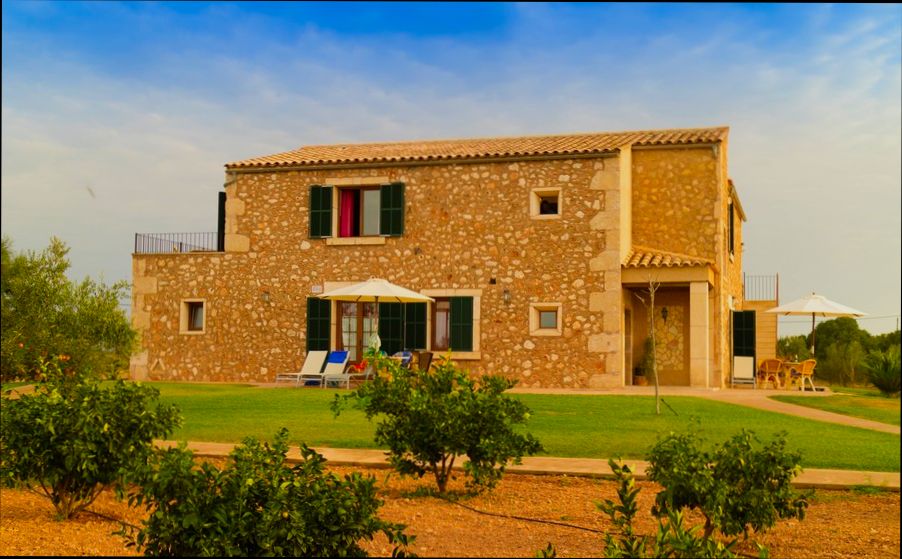
When it comes to the charm and character of Spanish architecture, traditional farmhouses—known as “fincas”—are standout properties that reflect the rustic beauty of the countryside. These homes not only provide authentic living experiences but also offer insights into Spain’s rich agricultural history.
Key Characteristics of Fincas
- Rustic Design: Fincas typically feature thick walls, clay tile roofs, wooden beams, and stone facades, ensuring they blend seamlessly into the landscape.
- Expansive Land: Many farmhouses come with large plots of land, often ranging from one to several hectares, making them ideal for small-scale farming or gardening.
- Sustainability: With a growing trend toward sustainable living, many buyers are interested in the eco-friendly potential of these properties, whether it’s through renewable energy installations or organic farming.
Demographics of Buyers
Data shows that around 30% of buyers looking for rural properties in Spain are those seeking a lifestyle change, drawn to the tranquility and charm of fincas. In particular, buyers from Northern Europe frequently invest in these traditional homes as their second residences, favoring properties in regions like Andalusia, Valencia, and the Balearic Islands.
Comparative Market Analysis of Fincas
| Region | Average Price per Finca | Land Size (hectares) | Popular Regions for Fincas |
|---|---|---|---|
| Andalusia | €300,000 | 2-5 hectares | Ronda, Granada |
| Valencia | €250,000 | 1-3 hectares | Javea, Alzira |
| Balearic Islands | €450,000 | 0.5-2 hectares | Mallorca, Ibiza |
Real-World Examples of Fincas
- Finca in Ronda: A beautiful rustic finca priced at €350,000 features original stonework, a swimming pool, and ample space for horses, appealing to those looking for both a residence and an equestrian property.
- Traditional Finca in Valencia: For about €280,000, this charming farmhouse includes organic olive groves and an outdoor patio perfect for entertaining guests while enjoying the stunning countryside views.
Practical Implications for Potential Buyers
If you’re considering investing in a traditional Spanish finca, keep in mind:
- Renovation Costs: Many older fincas may require renovations, so factor in those costs when budgeting your purchase.
- Regulation Awareness: Be aware of local zoning laws and agricultural regulations, especially if you plan to cultivate land or run a business from the property.
- Cultural Integration: Living in a finca offers a unique opportunity to immerse yourself in the local culture, cuisine, and traditions, enhancing your overall experience in Spain.
Fincas represent more than just homes; they embody a lifestyle steeped in history and connection to nature. With the right approach, they can be valuable investments that offer both an idyllic living experience and potential financial returns.

Analyzing Market Trends in Property Sales
Understanding market trends in property sales is essential for making informed decisions, whether you’re purchasing a home or investing in real estate. Let’s delve into various analytical strategies and market indicators that can guide your investment choices in Spain.
Economic Indicators Matter
Monitoring economic indicators is crucial. Key factors to consider include:
- Employment Rates: A rising employment rate correlates with increased buying power and housing demand. For instance, regions with lower unemployment rates might show a more robust demand for properties.
- Gross Domestic Product (GDP): A growing GDP often signals economic prosperity, leading to heightened property demand. Regions seeing GDP growth may reflect a positive sentiment in real estate purchases.
Gathering Insights from Demographics
Demographic analysis offers powerful insights:
- Population Growth: Areas experiencing a surge in population usually see a rise in housing demand, particularly for family-sized homes and rental properties. For example, urban centers appealing to young professionals might witness an increase in apartment demands.
- Age Distribution: The age demographic also affects property types in demand. Older populations typically seek downsized units, while younger buyers lean toward larger family homes or apartments.
Market Trends Overview
Understanding recent trends in property sales can guide your investment strategy. Here are key statistics from recent analyses:
| Region | Average Annual Property Price Change (%) | Rental Yield (%) | Demand Increase (%) |
|---|---|---|---|
| Costa del Sol | 8% | 5.5% | 10% |
| Madrid | 5% | 6% | 7% |
| Barcelona | 7% | 4.8% | 9% |
Real-World Case Studies
Let’s consider some notable case studies demonstrating market trend analysis:
1. Madrid’s Upturn: Over the past year, Madrid’s property prices increased by 5%, primarily driven by a surge in young professionals moving to the city. This influx has led to more demand for modern apartments near amenities.
2. Expansion in Coastal Areas: In Costa del Sol, the property sales market saw an 8% price increase as retirees sought second homes, reflecting the growing trend of relocating to coastal areas for retirement. The demand increased by 10%, making it a hotspot for investors looking to enter the holiday rental market.
Practical Implications for Investors
Armed with this knowledge, you can make calculated decisions:
- Target Investments: Focus on regions with high population growth or low unemployment rates as they promise greater returns.
- Leverage Rental Yields: Explore areas exhibiting high rental yields, such as urban centers, where demand for rental properties exceeds supply.
Stay attuned to these market trends and leverage them in your property investment strategies. These insights not only help you navigate current opportunities but also enhance your potential for future gains.

Luxury Homes: Benefits of Spanish Living
Living in a luxury home in Spain offers more than just an elegant space to reside; it encapsulates a lifestyle marked by culture, climate, and opportunity. Spain’s unique position as a favorite among international buyers enhances the allure of its luxury real estate market. Whether you’re looking to make a permanent move or invest as a second homeowner, the benefits are extensive.
Key Benefits of Spanish Living in Luxury Homes
- Foreign Ownership Surge: Over 90% of luxury homes in Spain are purchased by foreign buyers, providing a vibrant international community and diverse cultural influences.
- Residency through Investment: The Golden Visa Programme offers residency to those who invest a minimum of €500,000 in real estate, making it a strategic move for investors looking to gain both a home and residency status.
- Cultural Immersion: Spain is rich in cultural heritage, from its historic cities like Barcelona and Seville to its culinary delights. Living in a luxury home allows you to experience this depth of culture daily.
- Mediterranean Lifestyle: The Mediterranean climate is another major draw, with over 300 days of sunshine annually. This climate promotes an outdoor lifestyle, whether you’re enjoying breathtaking coastal views or exploring picturesque inland towns.
Regional Comparison of Luxury Home Prices
| Region | Average Price Q3 2024 (per m²) | Quarterly Change (%) |
|---|---|---|
| Balearic Islands | €3,644 | +3.1% |
| Madrid | €3,552 | +4.8% |
| Canary Islands | €2,344 | -7.3% |
| Andalusia | €1,842 | +1.7% |
Real-World Examples
Spain’s luxury property market reflects its appeal through various success stories. For instance, many properties in the Balearic Islands have witnessed price appreciation of more than 3.1%, illustrating how demand remains high even in competitive markets. Similarly, luxury apartments in Madrid are experiencing consistent upward price trends, making areas like the bustling city center more attractive to both investors and expatriates.
Practical Implications for Potential Buyers
If you’re considering investing in luxury real estate in Spain, here are some actionable insights:
- Leverage Tax Benefits: Familiarize yourself with Spain’s favorable tax laws such as the Beckham Law, which offers tax advantages for foreign residents.
- Utilize the Golden Visa: If you’re eyeing lifestyle change and residency, the Golden Visa presents a dual opportunity: invest in luxury living while securing your residency.
- Track Market Trends: Keep an eye on the quarterly changes in property prices, as areas like Madrid continue to show robust growth, offering potential for appreciation.
Ultimately, indulging in the Spanish luxury living experience means not just investing in a home but embracing a lifestyle filled with warmth, culture, and endless opportunities.
Case Studies: Successful Spanish Property Ventures
Exploring successful property ventures in Spain showcases how strategic investment can yield impressive returns. Several case studies illustrate the diverse opportunities available for buyers and investors alike. By looking at real-world examples, you can better understand how these property ventures have thrived in different regions of Spain.
Key Insights into Successful Ventures
1. Short-Term Rental Success
- A case study in Barcelona highlights investors who purchased a 3-bedroom apartment in the heart of the city. Following major renovations, they catered to short-term rentals, achieving an annual occupancy rate of 75%. This translated to a rental yield of 10%, significantly above the average yield for the area.
2. Restoration and Tourism
- In the Andalusian region, a group of investors transformed a derelict farmhouse into a thriving eco-tourism retreat. The conversion involved sustainable practices and preserved traditional architecture. They reported a visitor increase of 50% year over year, allowing them to recoup their initial investment within three years.
3. Luxury Market Ventures
- An analysis of luxury home sales showed that an investor purchased a villa in the Costa Brava for €1.2 million. After enhancing the property with modern amenities while retaining its classic charm, similar luxury properties in the area saw a price increase of approximately 4.5% per annum, leading this investor to sell at €1.5 million after just four years.
| Venture Type | Location | Return on Investment (%) | Time to Recoup Investment (Years) |
|---|---|---|---|
| Short-Term Rentals | Barcelona | 10% | 5 |
| Eco-Tourism Conversions | Andalusia | 50% | 3 |
| Luxury Home Resale | Costa Brava | 25% | 4 |
Real-World Examples
- Barcelona Apartment for Rentals: The aforementioned Barcelona venture capitalized on the city’s booming tourism. By opting for a centralized location and modernizing the apartment, investors tapped into the demand for short-term stays. The easy access to local attractions led to an annual revenue of €30,000.
- Andalusian Retreat: A venture that highlights sustainability, an old farmhouse was carefully restored into a boutique retreat that offers yoga and wellness programs. This initiative attracted not just tourists but also event planners, leading to diverse revenue streams.
- Luxury Villa Drim: The case of a luxury villa purchased in Costa Brava serves as a perfect example of tapping into higher-end markets. Its strategic positioning and aesthetic enhancement attracted affluent buyers. After renovation, this villa sold quickly, validating the investor’s market assessment.
Practical Implications for Aspiring Investors
- Market Research is Key: Before diving into investments, conducting thorough research about the area’s tourism trends and property values can lead to informed decisions.
- Renovation Potential: Properties with untapped renovation potential can offer substantial returns if you’re willing to invest in updates that resonate with market demands.
- Diversify Your Investment: Consider different types of properties and leverage seasonal fluctuations in demand, such as short-term tourist rentals in summer months.
- Networking is Crucial: Collaborate with local real estate experts and explore partnerships that can provide insights and assistance tailored to the Spanish market.
When investing in Spanish properties, understanding these successful case studies can help you make informed choices and create ventures that thrive in this vibrant real estate landscape.