- Overview of Living Expenses in Major Italian Cities
- Housing Costs: Rent and Property Prices
- Grocery Prices: A Comparative Analysis
- Transportation Expenses: Public Transit vs. Driving
- Utilities and Internet Costs: What to Expect
- Healthcare Expenses: Insurance and Out-of-Pocket Costs
- Dining Out: Average Prices at Restaurants
- Education Costs: Tuition and Schooling Fees
- Entertainment and Leisure: Lifestyle Spending
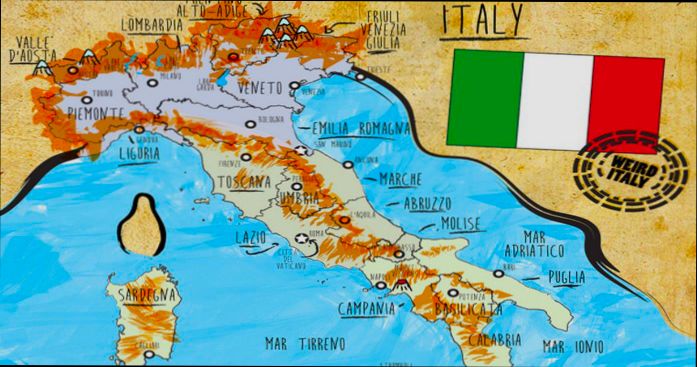
- Regional Variations: Cost of Living in Northern vs. Southern Italy
- Statistical Insights: Cost of Living Index in Italy
- Financial Planning: Budgeting for Life in Italy
- Monthly Expense Breakdown: Typical Italian Household
- Future Trends: Cost of Living Projections in Italy
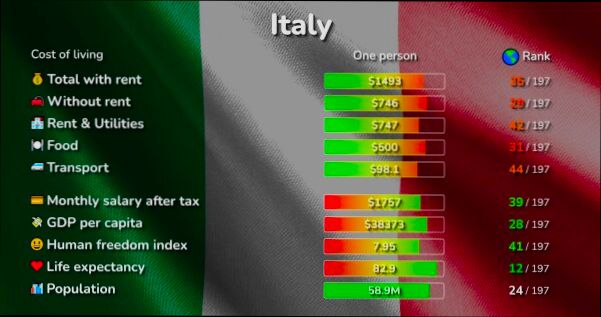
What is the cost of living in Italy? If you’ve ever dreamed of sipping espresso in a sunlit piazza or wandering through charming vineyards, you might be curious about what it actually takes to live in this beautiful country. Depending on where you are, the cost can vary quite a bit. For example, cities like Milan and Rome can be pricey, with rent for a one-bedroom apartment averaging around €1,200, while smaller towns might offer more budget-friendly options at around €600.
Food expenses can also differ dramatically across regions. In larger cities, a meal at a mid-range restaurant may run you about €20, but venture into Sicily or Abruzzo, and you could enjoy a delicious meal for less than €15. And don’t get me started on grocery shopping! While staples like pasta and bread are generally affordable, artisanal cheeses or fresh produce can add up. So whether you’re planning to live la dolce vita in the hustle and bustle of a major city or somewhere quieter, understanding the cost of living in Italy is crucial.
Understanding the Cost of Living in Italy
Living in Italy can be a dream for many, but what’s the real deal when it comes to costs? Let’s dive into some numbers and give you a clearer picture.
Housing
First up, housing! In big cities like Rome and Milan, renting a one-bedroom apartment in the city center can set you back around €1,200 on average. But if you’re cool with living a bit farther out, you might find a gem for about €800 a month. Meanwhile, smaller cities like Bologna or Palermo usually have friendlier prices, with central apartments averaging around €600.
Food and Groceries
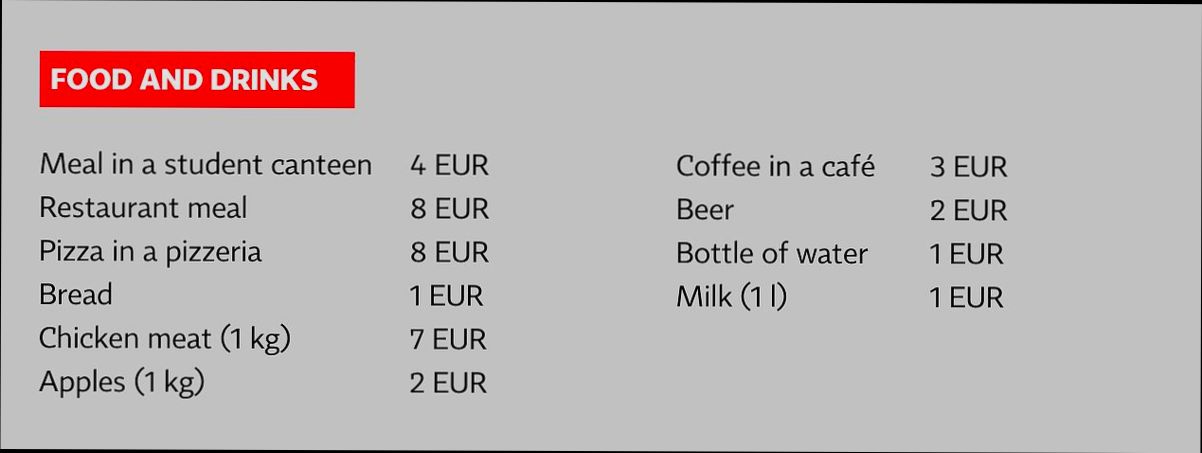
Now, let’s talk food. If you love dining out, a meal at a casual restaurant typically costs around €15-€20. But if you’re counting pennies, hitting up a local pizzaria for a slice will only run you about €3-€5. For your groceries, you’re looking at around €200 a month for basic stuff like bread, eggs, and veggies. A liter of milk costs about €1.20 and a loaf of bread is around €2.
Transportation
Transportation can also vary. If you’re in a big city, a monthly public transport pass costs roughly €35. Renting a bike for quick trips? That could be as low as €10 a day. And hey, if you’re planning to zip between cities, trains are your best bet—just keep an eye out for those discounts!
Utilities
Let’s not forget about utilities. On average, you might spend about €150 monthly for electricity, heating, cooling, water, and garbage. But again, this can shift based on your lifestyle and the season.
Health Care
If you’re a resident, Italy’s public health care is pretty reliable and mostly free! But if you’re an expat or just passing through, consider a private insurance package, which might cost you around €50-€150 a month depending on the coverage.
Final Thoughts
Overall, while Italy can be pricey, especially in the larger cities, it often balances out with a quality of life that’s hard to beat. Whether you’re enjoying a cappuccino at a local café or exploring stunning landscapes, the experience can make every cent worth it!
Overview of Living Expenses in Major Italian Cities
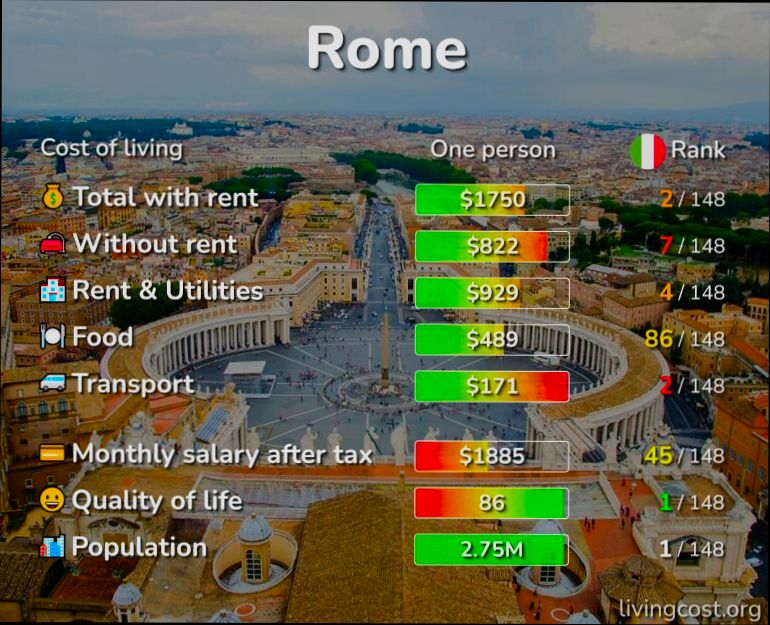
Let’s dive right into what you can expect to spend living in some of Italy’s most popular cities. Spoiler alert: it’s a bit of a mixed bag!
Rome
Living in the Eternal City isn’t cheap. You’ll need around €1,200 to €1,800 per month to cover rent, food, and other costs. Renting a one-bedroom apartment in the city center? Expect to part with about €1,200 on average. Sure, you’ll be surrounded by history, but your bank account might feel the pinch!
Milan
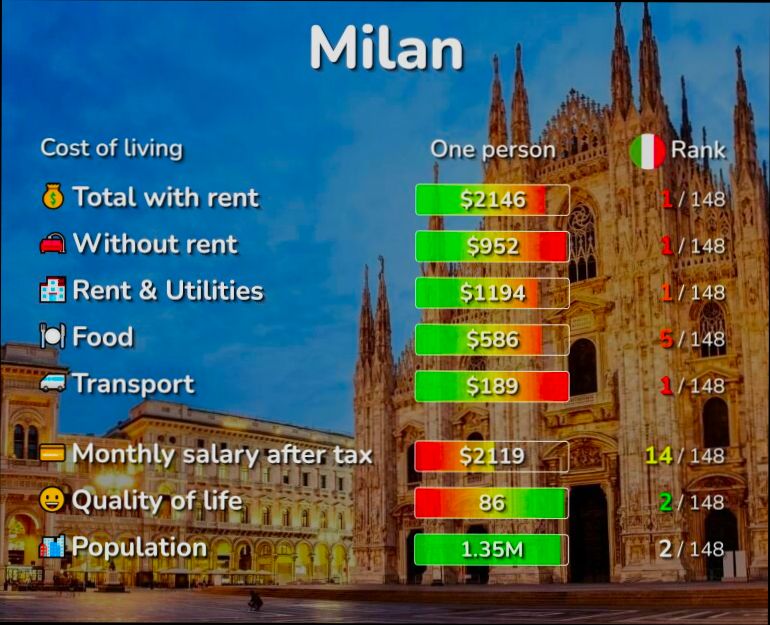
Ah, Milan – the fashion capital! But, it can be quite pricey. Monthly living expenses hover around €1,500 to €2,200. That cute little one-bedroom in the heart of the city will set you back around €1,500. If you’re a shopaholic, you might want to budget a bit extra for those designer duds!
Florence
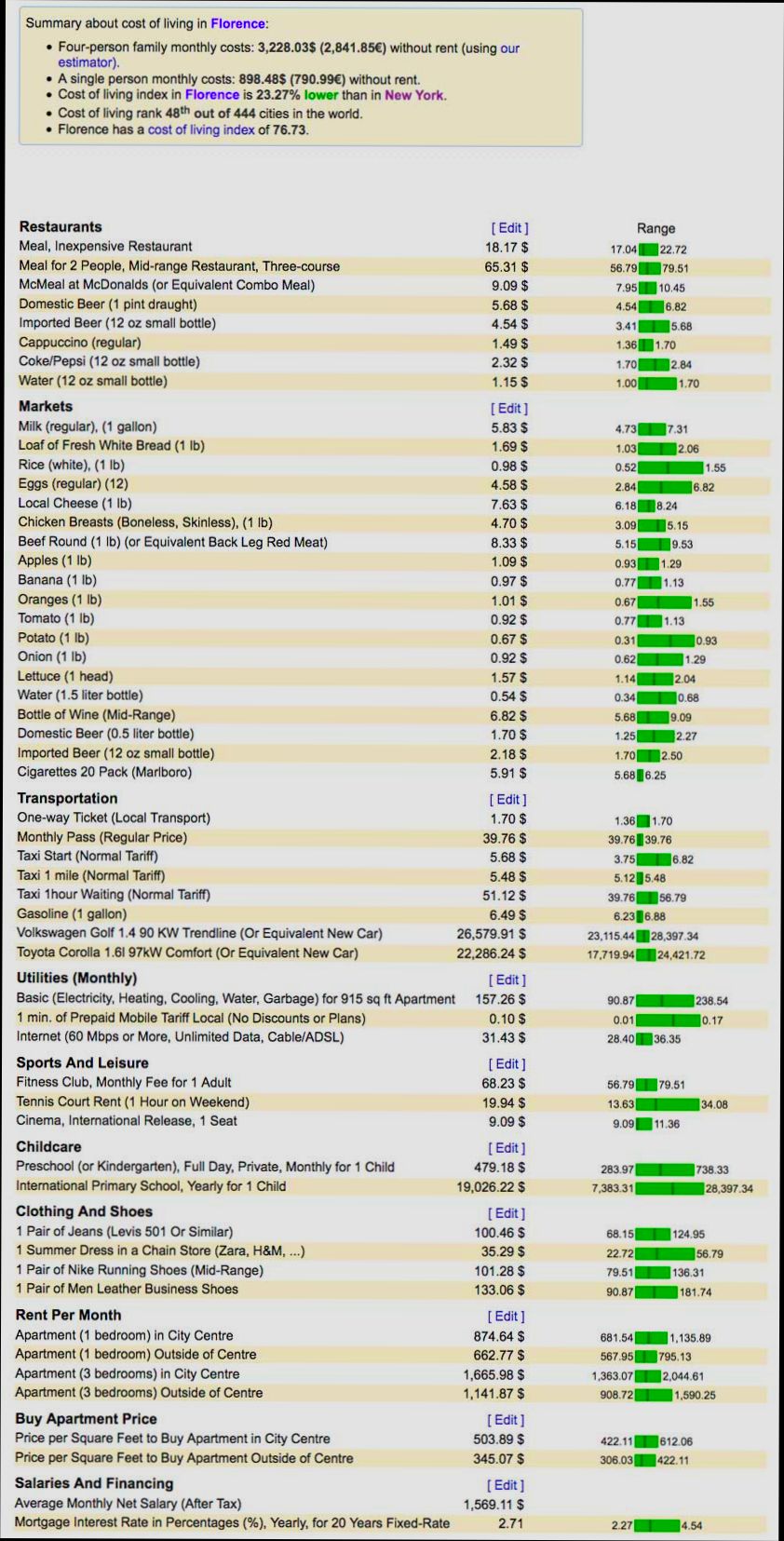
Florence offers a more manageable lifestyle. You can usually get by on €1,000 to €1,500 per month. Renting a one-bedroom apartment might cost you about €800 in the center. And hey, who wouldn’t want to wake up to a view of the Duomo?
Naples
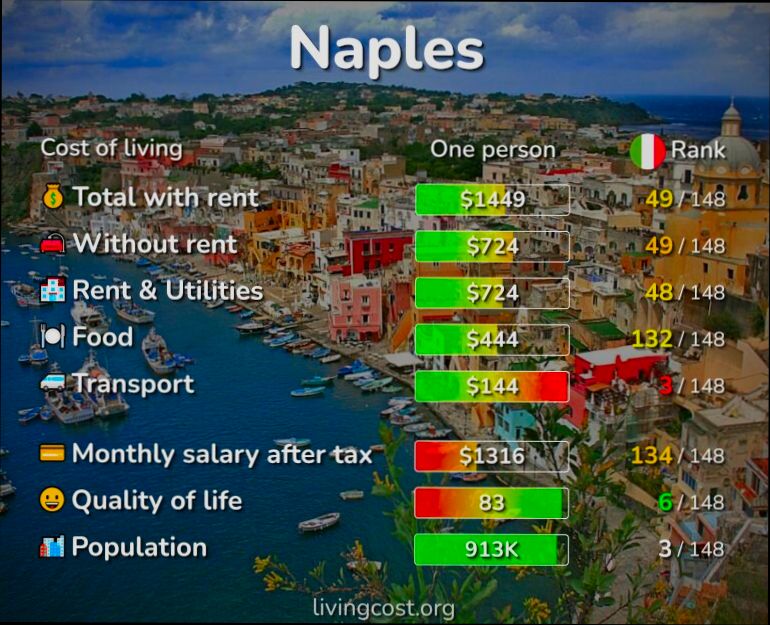
Now, let’s talk about Naples! This city is known for its mouth-watering pizza and livable costs. You’ll find monthly expenses ranging from €800 to €1,200, with a one-bedroom in the city center averaging €700. It’s a fantastic deal for such a vibrant culture!
Bologna
Bologna is a hidden gem with food that’ll make your taste buds dance! Rent here is around €800 to €1,200 monthly, with central apartments going for about €900. Overall, you can live comfortably for about €1,000 a month.
So there you have it! While big cities like Rome and Milan can stretch your budget, cities like Naples and Bologna offer a more wallet-friendly vibe. Always remember to factor in your own lifestyle and spending habits when planning your move!
Housing Costs: Rent and Property Prices
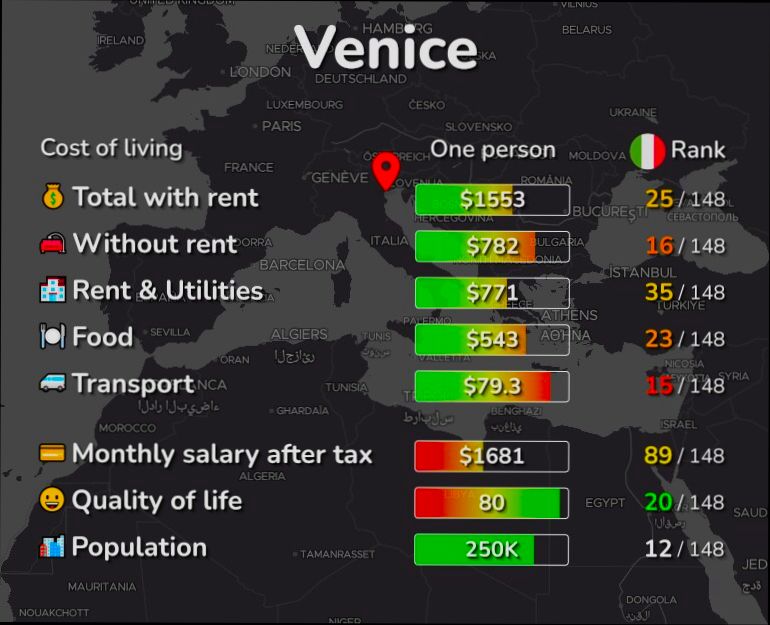
So, let’s talk about housing costs in Italy—it’s a biggie! Whether you’re thinking of renting or buying, prices can be all over the place depending on where you are in the country.
If you’re eyeing popular cities like Milan or Rome, brace yourself. As of 2023, the average rent for a one-bedroom apartment in the city center will set you back around €1,200 in Rome and even more in Milan, where it can reach up to €1,500! If you’re willing to live a bit outside the hustle and bustle, you might find something for around €900-€1,000.
Now, heading south to places like Naples or Palermo? You’ll find much friendlier prices. Here, a one-bedroom in the city center might cost you around €700 or even less! It’s a lot more affordable, plus you get that beautiful Italian vibe without breaking the bank.
Thinking about buying instead? In Rome, property prices hover around €3,000 per square meter, while Milan is about €3,500 per square meter. In contrast, cities like Bari or Turin are a steal at around €1,500 to €1,800 per square meter.
Keep in mind, utilities can add another layer of cost—average monthly bills (electricity, heating, cooling, water, garbage) run about €150 for a standard apartment. It’s smart to budget for that alongside your rent.
So, whether you’re renting or planning to buy, your choice of city will dramatically impact what you pay. Just make sure to do your homework and find the spot that suits your wallet and your vibe!
Grocery Prices: A Comparative Analysis
When it comes to grocery shopping in Italy, you’ll find that prices can swing quite a bit depending on where you are. Generally speaking, Italy isn’t the cheapest place for groceries, especially compared to some other European countries. But hey, it’s all about quality!
Everyday Essentials
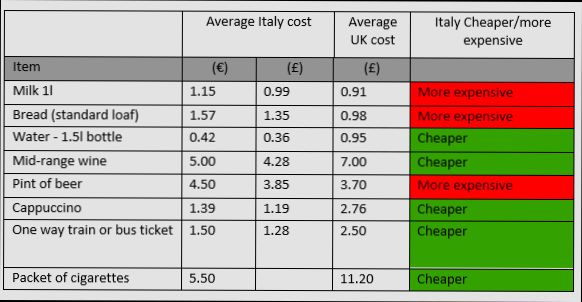
Let’s break it down. On average, a loaf of bread will cost you around €1.30, while a liter of milk hovers around €1.10. Now, if you’re a fan of pasta (and who isn’t?), a typical 500g pack is about €1.50. Not too shabby, right?
Fruits and Vegetables
When it comes to fresh produce, prices can be all over the map. Apples might cost you around €2.00 per kg, while tomatoes can be found for €1.70 per kg. If you’re hitting up a local market rather than a supermarket, you might score even better deals!
Meat & Seafood
If you’re planning to whip up some classic Italian dishes, expect to pay around €10.00 for chicken breast per kg. Seafood lovers might want to brace themselves, as fresh fish can range from €12.00 to over €20.00 depending on what you’re buying.
Cheese & Deli
Can we talk about cheese? You can’t really live in Italy without indulging a bit. A good block of Parmigiano-Reggiano might set you back about €22.00 per kg, while the beloved mozzarella is usually around €8.00 per kg.
Comparative Takeaway
So how does Italy stack up? Compared to places like Spain or Greece, where prices for staples might be a bit lower, you’ll notice that quality often outranks cost here. In the end, eating well is a big part of the Italian lifestyle, and while some items may cost more, the fresh ingredients and incredible flavors make it worth every cent!
Transportation Expenses: Public Transit vs. Driving
When it comes to getting around Italy, you’ve got a couple of main choices: public transit or driving your own car. Let’s break down the costs and see what’s best for you.
Public Transit
First up, public transit. It’s pretty efficient and can save you a ton of cash—especially if you’re in a big city like Rome or Milan. A single bus or metro ticket usually costs around €1.50, and if you’re planning to ride a lot, grab a weekly pass for about €24 or a monthly pass for around €35-€55, depending on the city.
For example, if you find yourself in Bologna, a monthly pass costs about €40, which gives you unlimited travel on buses and trains across the city. Not too shabby, right?
Driving
Now, let’s talk driving. If you’re keen on having your own wheels, keep in mind a few essential expenses. First off, gas prices in Italy can be steeper than what you might be used to—around €1.60 to €2.00 per liter as of late 2023. Then there’s insurance, which can run you about €600-€1,200 a year, depending on your car and driving history.
Don’t forget about tolls! If you’re planning a road trip down the beautiful Amalfi Coast, be ready to pay motorway tolls, which can add up quickly. A drive from Naples to Salerno could cost you around €10-€12 in tolls.
Final Thoughts
So, is public transit or driving better? If you’re sticking to the cities, public transit is the way to go. It’s economical, you avoid parking hassles, and you get to experience the local vibe. But if you’re planning to explore the countryside or visit hard-to-reach spots, having your own car might be worth those extra bucks.
Utilities and Internet Costs: What to Expect
Alright, let’s dive into what you can expect when it comes to your monthly utilities and internet costs in Italy. Spoiler alert: it can vary quite a bit based on where you live and your lifestyle choices.
Utilities Breakdown
On average, if you’re living in a one-bedroom apartment, you can expect to pay around €150 to €250 per month for utilities like electricity, heating, water, and garbage. Keep in mind, the cost tends to be higher in the colder months due to heating needs.
For example:
- In a larger city like Milan, your utility bill might be on the higher end of that scale or even exceed it, especially during winter.
- If you’re in a smaller town, you could get away with lower bills, sometimes even around €100.
Internet Costs
Now, let’s talk about staying connected! The average cost of a decent broadband internet package ranges from €25 to €40 per month. That’ll get you speeds that can handle streaming and working from home without too many hiccups.
Some providers, like TIM and Vodafone, offer great deals. For instance, TIM has packages around €29.90 for a reliable connection. Plus, keep an eye out for promo deals when you’re moving in; sometimes they throw in free installations or discounted rates for the first few months!
Extra Tips
Don’t forget, if you’re in a shared apartment, you can split utility costs, making them way more manageable. Always check what’s included in your rent; some places cover water and electricity, which can save you a good chunk of change!
So there you have it! Keep in mind these are just averages; your experience may vary depending on your habits and where you live. But now you’ve got a better idea of what’s in store!
Healthcare Expenses: Insurance and Out-of-Pocket Costs
When it comes to healthcare in Italy, the costs can vary quite a bit depending on where you live and how you access services. Most residents benefit from the country’s public healthcare system, known as the Servizio Sanitario Nazionale (SSN). This system is funded through taxes, meaning that basic medical care is often free or available at low costs.
If you’re a foreigner planning to stay long-term, you can register with the SSN to get access to these services. As an example, a simple doctor’s visit might set you back only about €30 if you’re using the public system. That’s a steal compared to places like the U.S.!
On the flip side, if you prefer to go private—say you’re looking for shorter wait times or specific specialists—be prepared to dig a little deeper into your wallet. Private consultations usually range from €80 to €150 per visit. Ouch, right? But hey, sometimes it’s worth it for that peace of mind!
Now, let’s talk about insurance. If you’re not part of the SSN or just want some extra coverage, private health insurance is an option. On average, private health insurance can cost around €1,200 to €2,000 per year, but it varies widely. With insurance, a lot of those fees can be knocked down significantly, so it’s something to consider.
Don’t forget about out-of-pocket costs, though! Even with insurance, you might face co-pays for prescriptions, tests, or specialty visits. Prescription costs can be pretty moderate, like €8 per medication for those under the SSN, but that could rise if you’re going the private route.
To sum up, if you rely on the public healthcare system, you can get decent care without breaking the bank. But if you want flexibility and more options, be ready to pay a little more. The balance between public and private options here gives you a fair amount of choice!
Dining Out: Average Prices at Restaurants
Eating out in Italy? You’re in for a treat, and your wallet won’t take too much of a hit! Let’s break it down with some average prices that might surprise you.
First off, if you’re just grabbing a quick bite or a coffee, a simple cappuccino will usually set you back around 1.50 to 3.00 euros. Not bad, right? And if you’re feeling peckish, a slice of pizza can cost anywhere from 2.00 to 5.00 euros, depending on the size and spot you choose.
When it comes to full meals, a meal at an inexpensive restaurant typically ranges from 12.00 to 25.00 euros. If you’re dining at a mid-range restaurant, expect to pay around 25.00 to 50.00 euros for a three-course meal for two. And hey, these prices often include the service charge! Just make sure to tip a little extra if you really enjoyed your meal.
What’s dinner without some vino, right? A bottle of good local wine can cost around 10.00 to 20.00 euros, which is a steal considering the quality you get! And if you’re hanging out in a touristy area, prices might be higher, but a good rule of thumb is to stray a bit off the beaten path for better deals and tastier experiences.
So, whether you’re snacking on street food or indulging in a nice sit-down dinner, Italy has a wide range of options that won’t break the bank. Bon appétit!
Education Costs: Tuition and Schooling Fees
Let’s dive into the education costs in Italy—because who doesn’t want to make educated decisions about spending, right? If you’re considering moving here or planning to send your kids to school, you’ll want to know what to expect.
Public vs. Private Schools
First off, most locals opt for public schools, which are often free for residents. Yep, you read that right—zero tuition fees! If you’re a foreigner, you might still be eligible for the same perks if you settle down in Italy long-term. Just be prepared to handle some paperwork.
Now, private schools? That’s a different story. They can range from about €3,000 to a whopping €20,000 per year, depending on the school’s prestige and location. For instance, international schools in Rome or Milan tend to be on the pricier side, with fees averaging around €10,000 to €15,000.
University Tuition
If you’re thinking more along the lines of university education, public universities in Italy are relatively affordable compared to other Western countries. Here’s the scoop: tuition fees can vary between €1,000 to €3,000 annually! And that’s for EU students. Non-EU students might pay a bit more, but it’s still cheaper than many places.
For example, the University of Bologna charges around €1,500 to €2,000 per year for EU students, while some specialized programs might hit closer to €3,500. Not too shabby, right?
Miscellaneous Costs
Besides tuition, don’t forget about other fees. School supplies, uniforms (if required), and trips can add a nice chunk to your budget. Expect to pay about €200 to €400 annually for these extras if your kids are in public school.
In short, whether you stick to public or plunge into the private scene, Italy offers education options that won’t completely drain your wallet. So, there you have it—schooling costs in a nutshell!
Entertainment and Leisure: Lifestyle Spending
Living in Italy definitely has its perks when it comes to entertainment and leisure activities. Whether you’re a foodie, a culture buff, or a sun seeker, there’s something for everyone to enjoy without breaking the bank!
Cinema and Theater
First off, if you’re into movies, grab a ticket! A standard cinema ticket will cost you around €8 to €12, depending on the city. Not too shabby, right? And if live performances are more your style, expect to pay between €15 to €50 for theater tickets. Major cities like Rome and Milan usually feature big-name events, but smaller towns often have charming local productions at a fraction of the cost.
Dining and Nightlife
Now, let’s talk food and drinks. Eating out can be quite affordable, especially if you stick to local trattorias. A hearty meal will typically cost you around €10-€25. But, if you want to grab a drink at a bar, cocktails may set you back about €8 to €15. In Italy, it’s common to enjoy the local aperitivo culture—grab a drink between 6 PM and 9 PM, and you’ll often get complimentary snacks!
Outdoor and Cultural Experiences
Italy is renowned for its stunning parks and historical sites. Many museums offer free entry on the first Sunday of the month, making it a perfect time to explore. Otherwise, entrance fees can range from €5 to €15. Plus, with countless outdoor festivals and concerts happening all year, you can bask in the Italian sun while enjoying free entertainment—a great way to soak up the culture!
Fitness and Recreation
If you’re all about staying fit, gym memberships typically cost around €30 to €60 a month. Plenty of Italians also love to do their workouts outside—bike rides, jogging by the coast, or taking leisurely strolls through historic city centers are all part of the lifestyle.
Wrapping It Up
All in all, entertainment and leisure in Italy offer a blend of affordability and richness. Whether it’s savoring a rustic meal, enjoying a cultural experience, or simply chilling in a park, you won’t find yourself feeling bored—or broke!
Regional Variations: Cost of Living in Northern vs. Southern Italy
Alright, let’s dive into the nitty-gritty of living costs in Italy. If you’re pondering whether to camp out in the bustling north or sunny south, you’re in for a surprise! The cost of living can swing drastically between these two regions.
Northern Italy
First up, northern Italy. Cities like Milan and Turin are kind of like the big leagues. Milan, for example, is known for its fashion and finance. But here’s the kicker: housing costs can really take a toll. A one-bedroom apartment in the city center can set you back around €1,500 per month, whereas you might find something similar in a smaller town for about €800.
Transportation? Public transport in Milan is pretty efficient, costing about €35 for a monthly pass. Plus, you get to enjoy some of the best restaurants and shops, but expect to pay a bit more for that truffle risotto!
Southern Italy
Now, let’s head down to southern Italy. Places like Naples and Palermo offer a completely different vibe—and cost of living. Here, a one-bedroom apartment in the city center of Naples might only run you about €900. And if you’re willing to venture a bit further out, you can score a decent place for as little as €500.
Food is also a major win in the south. You can find a hearty pizza for about €5 in Naples, while in Milan, you might be dropping closer to €15 for a similar meal. Groceries? They’re way more affordable, with average monthly costs around €250 compared to Northern Italy’s €350.
Conclusion
So, to wrap it up: if you’re after a more budget-friendly lifestyle, southern Italy probably wins. But if you’re aiming for a bustling job market (and don’t mind spending a bit more), northern Italy is where the action lies. Ultimately, it all boils down to your priorities and what kind of Italian adventure you’re after!
Statistical Insights: Cost of Living Index in Italy
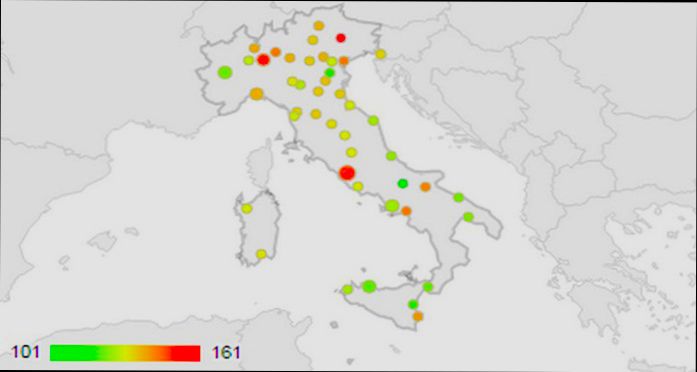
Let’s dive into some stats about the cost of living across Italy. Overall, the country has a varied cost of living, but on average, it scores around 82.59 on the Cost of Living Index. To put that in perspective, it’s less expensive than countries like France or the UK, but more costly than places like Portugal.
Now, let’s break it down by city. In Rome, you can expect to pay about €1,200 for a one-bedroom apartment in the city center. Meanwhile, in Milan, which is the fashion capital, that figure jumps to around €1,650. If you prefer more laid-back vibes, cities like Bologna or Florence offer smaller price tags, with averages around €850 and €950, respectively.
Food expenses can also vary. A meal at a mid-range restaurant will usually set you back about €15 in smaller cities, but it can easily hit €25 or more in tourist-heavy areas. If you want to save some cash, cooking at home can make a world of difference. Grocery prices across the country average around €200 per month for a single person…
Lastly, let’s talk about transportation. If you rely on public transport, a monthly pass in places like Naples costs around €40, while in cities like Milan, it can be as much as €55. However, walking around these vibrant cities can be a joy in itself—so maybe skip the bus and enjoy that gelato instead!
In summary, the cost of living in Italy can fluctuate based on where you are and what you do, but with a bit of budgeting, you can enjoy all that this beautiful country has to offer without breaking the bank!
Financial Planning: Budgeting for Life in Italy
Alright, let’s dive into the nitty-gritty of budgeting your life in Italy. First things first, the cost of living can vary widely depending on where you are. Living in a bustling city like Milan or Rome is usually pricier than settling down in a smaller town like Bologna or Lecce.
Housing Costs
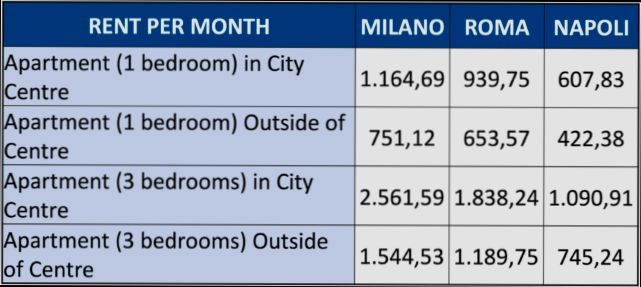
Rent can eat up a big chunk of your budget. In cities like Milan, you might pay around €1,200 for a one-bedroom apartment in the city center. Meanwhile, in a smaller city, you could find a similar place for as low as €600. If you’re on a tight budget, consider sharing an apartment or looking for places on the outskirts.
Grocery Bills
Grocery shopping can also differ a lot. On average, a single person spends about €250-€300 per month on groceries. That includes all the essentials like pasta, fruits, veggies, and your daily dose of espresso! Pro tip: Buying from local markets can save you some cash while also giving you fresher produce.
Transportation
Getting around is generally affordable. A monthly public transport pass costs about €35-€55, depending on the city. In Rome, for instance, you get unlimited rides on buses and the metro, which is perfect for exploring. Just remember, driving in big cities can be a hassle, and parking is often a pain!
Dining Out
Eating out in Italy can be a delightful experience without breaking the bank. A meal at a mid-range restaurant will set you back around €15-€30 per person. If you stick to pizzerias or trattorias, you could enjoy a fantastic pizza for under €10!
Utilities and Internet
Don’t forget about your monthly bills. Utilities (like electricity, heating, and water) average about €150 per month. Internet will cost you another €30-€40 a month. It’s all manageable if you plan ahead!
Planning for Enjoyment
It’s not all about bills, though! Set aside some money for leisure activities. A cinema ticket is around €8, and museums can charge €10-€15 for entrance. Take advantage of free events and festivals, which are abundant throughout the year!
In short, budgeting in Italy is all about balancing your needs and enjoying life. With a bit of planning, you’ll find that living in Italy can be a rewarding experience without sending your finances spiraling.
Monthly Expense Breakdown: Typical Italian Household
Let’s dive into what a typical Italian family might spend each month. Spoiler alert: it can vary, but here’s a general idea!
Rent and Utilities
First up, rent. In major cities like Rome or Milan, you can expect to shell out around €1,000 to €1,500 for a decent-sized apartment in the city center. In smaller towns, this might drop to about €600 to €900.
Don’t forget utilities! Add another €150 to €300 a month for electricity, gas, water, and internet. Yes, those high-speed connections don’t come cheap!
Groceries
Now, onto groceries. A family of four typically spends around €400 to €600 monthly. Fresh produce, pasta, and olive oil can be more costly if you prefer quality over quantity, but who doesn’t love a good Italian meal?
Transportation
Getting around can vary too. If you’re living in a city, public transport is the go-to. A monthly metro pass costs about €35 to €55. If you have a car, then you’ll need to factor in fuel costs, which can run around €150 to €250 each month.
Insurance and Healthcare
Italy offers a public healthcare system that’s pretty solid. Most folks pay a nominal fee for medical services. However, private health insurance can range from €100 to €200 monthly, depending on coverage.
Dining Out and Entertainment
If you love dining out, plan for about €200 to €400 each month, depending on how often you indulge! And don’t forget about entertainment. Movies, museums, or a night out can add an extra €50 to €150.
Wrapping It Up
When you add all this up, a typical Italian household might spend between €2,500 to €3,500 a month, depending on lifestyle and location. Keep these numbers in mind, and you’ll have a better grip on what it means to live la dolce vita in Italy!
Future Trends: Cost of Living Projections in Italy
Alright, folks, let’s dive into what the future holds for the cost of living in Italy! If you’re like me, you want to know if you’ll be able to afford that morning cappuccino or your monthly rent without breaking the bank.
Currently, cities like Milan and Rome are notorious for their high costs, with Milan’s average rent hovering around €1,500 for a one-bedroom apartment in the city center. Not too fun, right? But here’s where it gets interesting: estimates suggest that rents in urban areas could climb as much as 5%-10% in the next few years due to rising demand and limited housing supply.
Food prices are also likely to trend upwards. The cost of groceries has already seen a jump, with essentials like pasta and bread increasing by about 7% over the last year. Expect this trend to continue—especially as inflation bites and production costs rise. For example, a typical pizza may soon set you back €10 instead of €8!
Now, transportation isn’t looking much better either. While public transport is relatively cheap, with monthly passes costing around €35, the ongoing energy crisis could drive fuel prices up, which likely means higher ticket prices for buses and trains. So, if you’re planning to explore the beautiful countryside, be prepared for a potential hike in fares.
On the bright side, smaller towns in Italy remain more affordable, so your best bet might be to snag a beautiful rental in the countryside while still enjoying city life during the weekends. Towns like Bologna and Florence are often cheaper alternatives to big cities, giving you a taste of that rich Italian culture without the hefty price tag.
In short, if you’re dreaming of living la dolce vita in Italy, it’s time to budget accordingly. Keep a close eye on local trends, as adjusting your lifestyle now could save you a pretty penny down the road!